Tag: bikni

  • French court bans ‘burkinis’ in city’s swimming pools

    French court bans ‘burkinis’ in city’s swimming pools

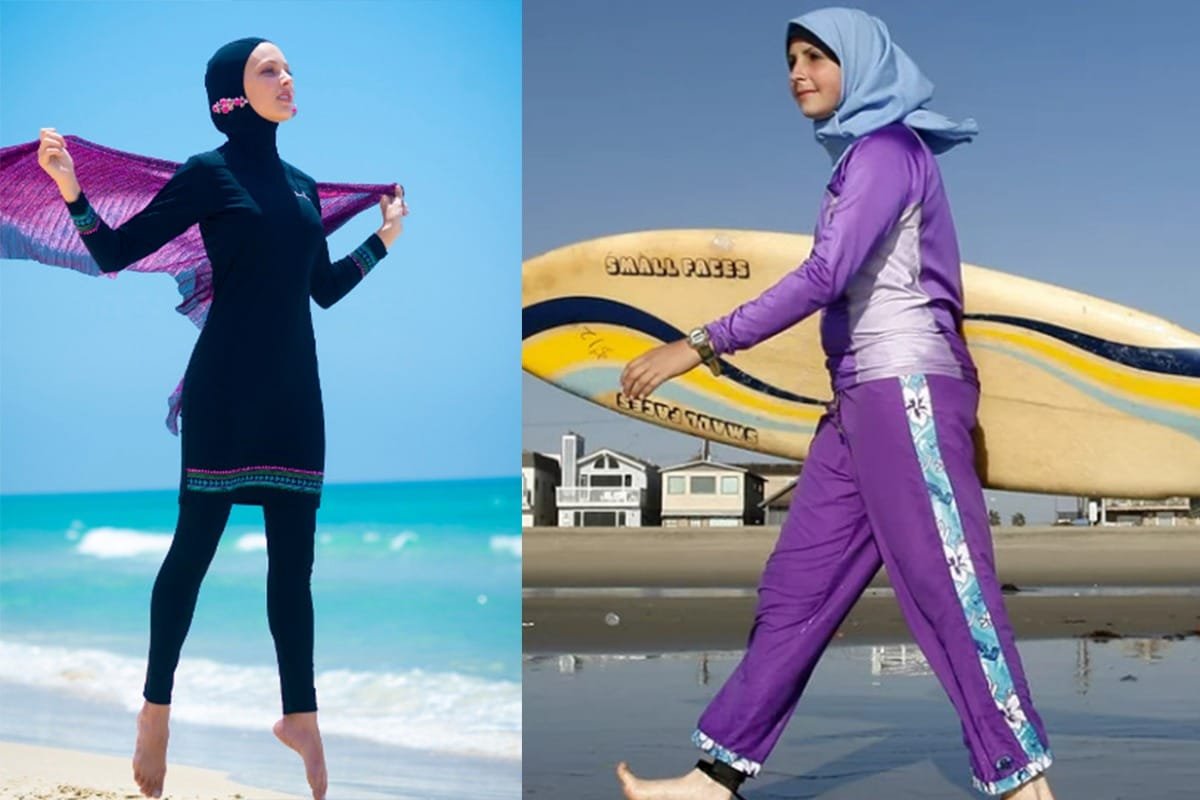
    Women in France will not be able to wear full-length swimsuits or ‘burkinis’ in public swimming pools. France’s high administrative court ruled on Tuesday that public swimming pools in Grenoble should not allow full-body swimsuits, including burkini, upholding a lower court ruling.

    On May 16, the City Council of Grenoble voted in favour of allowing burkini, prompting protests from conservative and far-right politicians of France who say the move has destroyed France’s principle of secularism in public life.

    What is Burkini:

    Burkini is a full body-covering swimsuit. It only has the face, hands and feet exposed. Muslim women often wear these to maintain their modesty according to their beliefs.

    The debate over burkini in France has been heating up since 2016 when a southern city tried to ban it on public beaches. On that occasion, the Conseil d’Etat declared the ban null and void, saying it violated fundamental freedoms.

    Muslim rights groups in France say that the ban on burkini limits basic human rights and it is discrimination against Muslim women.

    France is known for its Muslim discrimination laws, as it banned full-face niqab and burqa veils in public in 2010.
  • Whether a woman chooses a burqa or a bikini, she has the right to decide for herself: Malala

    Whether a woman chooses a burqa or a bikini, she has the right to decide for herself: Malala

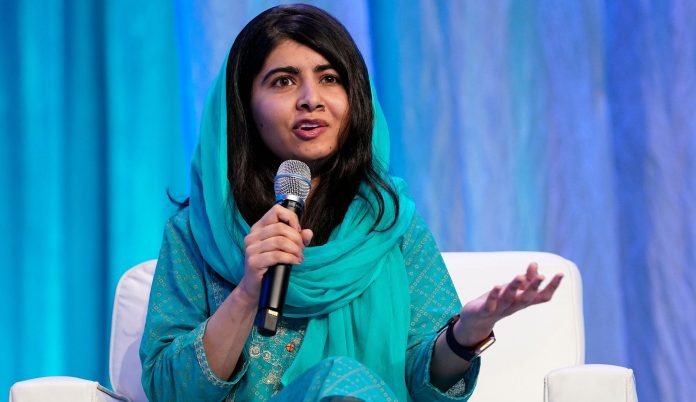
    Nobel Laureate and Women’s Education Rights Activist Malala Yousafzai, in a recent essay, Please stop telling us how to dress, has talked about the criticism and pressure women have to face on the choice of their dressing.

    Malala, sharing some text from her essay on her Instagram, wrote: “Years ago I spoke against the Taliban forcing women in my community to wear burqas – and last month I spoke against Indian authorities forcing girls to remove their hijabs at school. These aren’t contradictions – both cases involve objectifying women. If someone forces me to cover my head, I will protest. If someone forces me to remove my scarf, I will protest.”

    “Whether a woman chooses a burqa or a bikini, she has the right to decide for herself. Come and talk to us about individual freedom and autonomy, about preventing harm and violence, about education and emancipation. Do not come with your wardrobe notes,” she added.

    “Someday I might make changes to my wardrobe. I also might not. But exploring and understanding clothing will remain part of my life, as will defending every woman’s right to determine what she wears. I love my patterned, floral shalwar kameez. I love my jeans too. And I am proud of my scarves,” she wrote while concluding her essay.