Tag: bilateral trade

  • Iran-Pakistan trade talks could yield sugar exporters a 500 million dollar sweet deal

    Iran-Pakistan trade talks could yield sugar exporters a 500 million dollar sweet deal

    Businessmen across Pakistan watched the developments of the meeting between Iran’s Minister of Trade, Mohammad Atabak, and Pakistan’s Commerce Minister, Jam Kamal Khan.

    The meeting ended with an agreement to remove the existing barriers to trade that could greatly increase trade and business activities on both sides of the border.

    The meeting in Islamabad sparked hope for future trade with Iran as the delegation from Tehran invited Pakistan to attend further talks regarding the improvement of economic ties.

    Pakistani sugar exporters would benefit enormously if talks between Islamabad and Tehran led to trade deals. This is because Iran currently spends over half a billion dollars annually to meet its sugar demand – a potential market for Pakistani exporters.

    This is prime time for sugar producers to capture lucrative export deals as the ECC (Economic Coordination Committee) has already directed banks to facilitate the export of an additional half a million tons of sugar.

    Currently, Iran imports sugar from as far away as Belgium and Brazil, a process that can take a staggering 40 days. The Pakistani market, however, could supply sugar to Iran within just 3-4 days due to the fact that the two countries are neighbours. 

    Pakistani businessmen in the agricultural sector will also reap a lot from this potential partnership, just like sugar producers. That’s because in 2023 alone, Pakistan imported nearly half a billion dollars worth of fertilisers, and Iran is a net exporter, so a trade deal between the two neighbours is possible.

    If realised, the import of Iranian fertilisers is likely to drive down fertiliser prices locally, which would benefit farmers. The lower production costs would help increase profitability for farmers and could also make Pakistani agricultural exports even more competitive than they already are in the global market.

    Perhaps the most exciting possibility, however, is the potential for the export of Iranian petroleum to Pakistan. With petrol prices sitting at an uneasy PKR 247 per litre, importing oil from Iran at special rates due to “special clauses” in trade deals could provide relief to both businesses and consumers.

    Atabak has extended an invitation to Jam Kamal Khan for further talks in Tehran, sparking speculation that a trade deal could soon become a reality, which would mark a major step forward in bilateral relations.

    If the discussions result in trade agreements, businesses from both nations will benefit. Industries and citizens are expected to enjoy lower costs and shorter delivery times for imports. The future could very well see Iranian fertilisers being used to grow Pakistani sugarcane, only for that same sugar to make its way back to Iran – a sweet cycle of trade.
  • Pakistan and Turkey aim to boost bilateral trade to $5 billion

    Pakistan and Turkey aim to boost bilateral trade to $5 billion

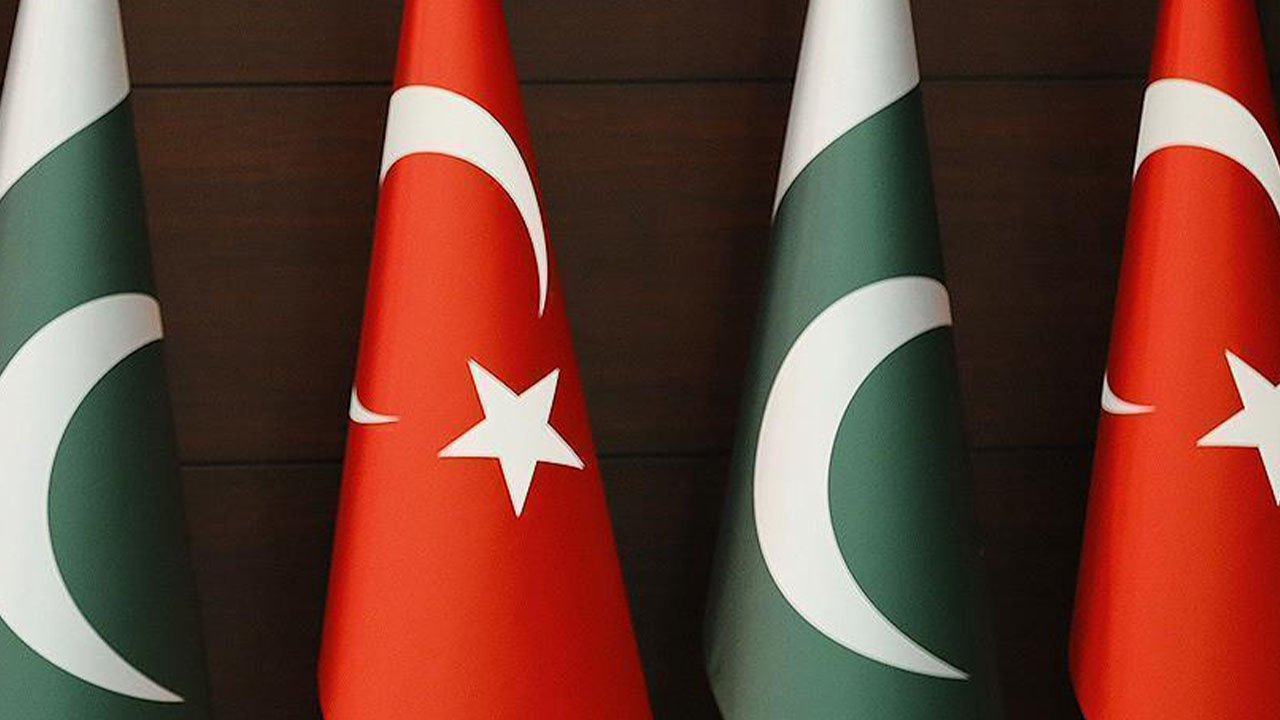
    Pakistan and Turkey have committed to elevating their bilateral trade volume to $5 billion, marking a significant step in the economic partnership between the two nations. This agreement was reached during high-level talks held in Islamabad.

    The Pakistani delegation was headed by Deputy Prime Minister and Foreign Minister Mohammad Ishaq Dar, while the Turkish side was led by Foreign Minister Hakan Fidan.

    According to a statement from the Ministry of Foreign Affairs (MoFA), the discussions encompassed a review of progress on existing bilateral cooperation and an exchange of views on regional and international matters of mutual interest.

    In a joint news conference following the talks, Deputy Prime Minister Dar highlighted plans to convene the next session of the Pakistan-Turkey High-Level Strategic Cooperation Council soon. He underscored the longstanding defence collaboration between the two countries, noting, “We are working on various joint ventures and continue to support each other in defending our territorial sovereignty and combating terrorism.”

    Dar also expressed deep gratitude to Turkey for its unwavering support to the people of Indian-occupied Jammu and Kashmir, reaffirming Pakistan’s support for the legitimate struggle of the people of the Turkish Republic of Northern Cyprus. “Pakistan and Turkey are two countries but one nation,” he remarked, underlining the historical and enduring bond between the two peoples.

    Turkish Foreign Minister Hakan Fidan described Pakistan as a strategic partner whose cooperation is vital for regional peace and stability. He termed the meeting with Foreign Minister Dar as fruitful, noting that both sides are committed to strengthening their relations in trade, defence, investment, banking, science, and technology. “This is an unshakeable friendship and brotherhood rooted in history,” Fidan said, affirming Turkey’s support for Pakistan in its fight against terrorism.

    Both foreign ministers also expressed serious concerns over the situation in Gaza, calling for a permanent ceasefire and the provision of humanitarian relief to the Palestinian people.

    This renewed commitment to deepening economic and strategic ties reflects the enduring solidarity and cooperation between Pakistan and Turkey, promising a strengthened partnership in the years to come.

  • Diverse Brazilian cattle breeds arriving in Pakistan under new agreement

    Diverse Brazilian cattle breeds arriving in Pakistan under new agreement

    The Special Investment Facilitation Council (SIFC) has inked a deal with a Brazilian company for the import of high-breed cattle from Brazil as part of the Green Pakistan Initiative.

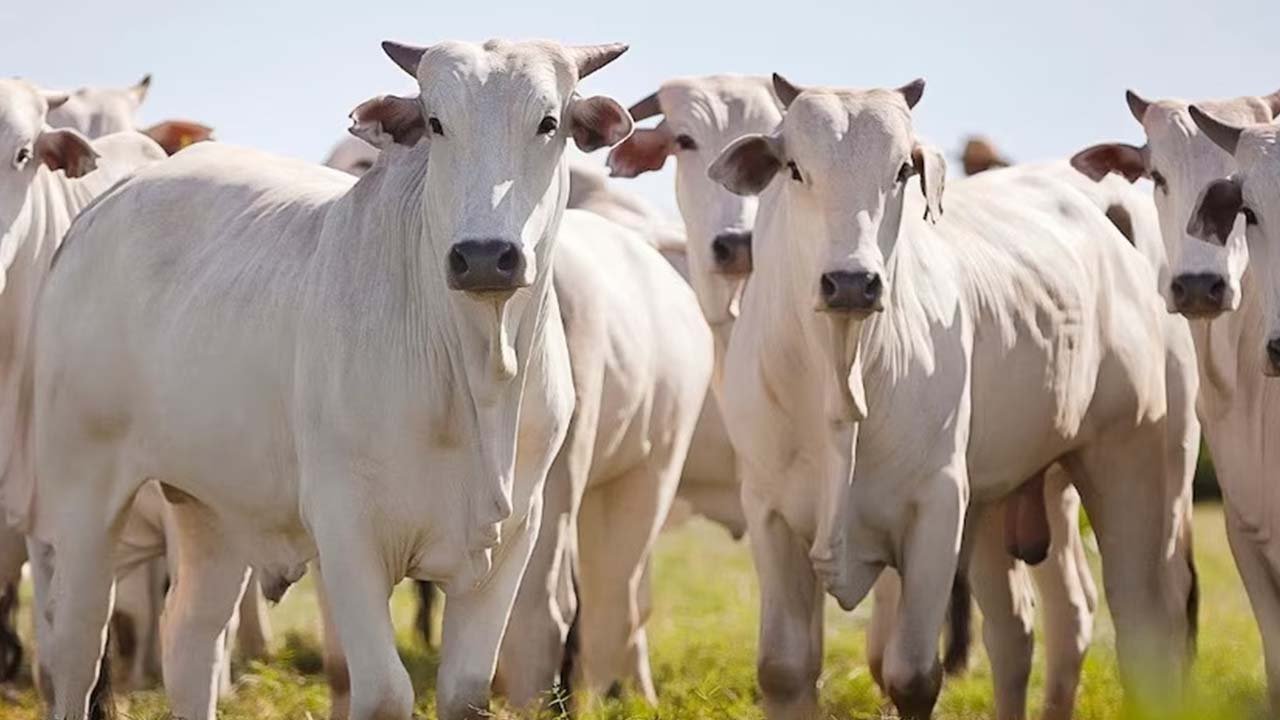
    Under the agreement, Fongrow, a company established under the Green Pakistan Initiative, will import nine breeds of cattle from Brazil, encompassing both local and Brazilian breeds.

    The consignment of cattle from Brazil is slated to arrive at Sialkot International Airport today via air cargo and will subsequently be transported to Peruwal Model Farm in Punjab.

    During an interview, Brazilian Ambassador Olyntho Vieira stressed the significant potential for bilateral trade between Brazil and Pakistan across various sectors.

    He highlighted that investment and technology could enhance livestock productivity, mentioning that red Sindhi cattle were initially transported from Pakistan to Brazil in the 1950s and have been preserved since then.

    The imported cattle comprise breeds such as Nylori, Redus Sindhi, Guzeera, Brahman, Angus, and others.

  • Pakistan and Gulf Cooperation Council sign historic free trade agreement 

    Pakistan and Gulf Cooperation Council sign historic free trade agreement 

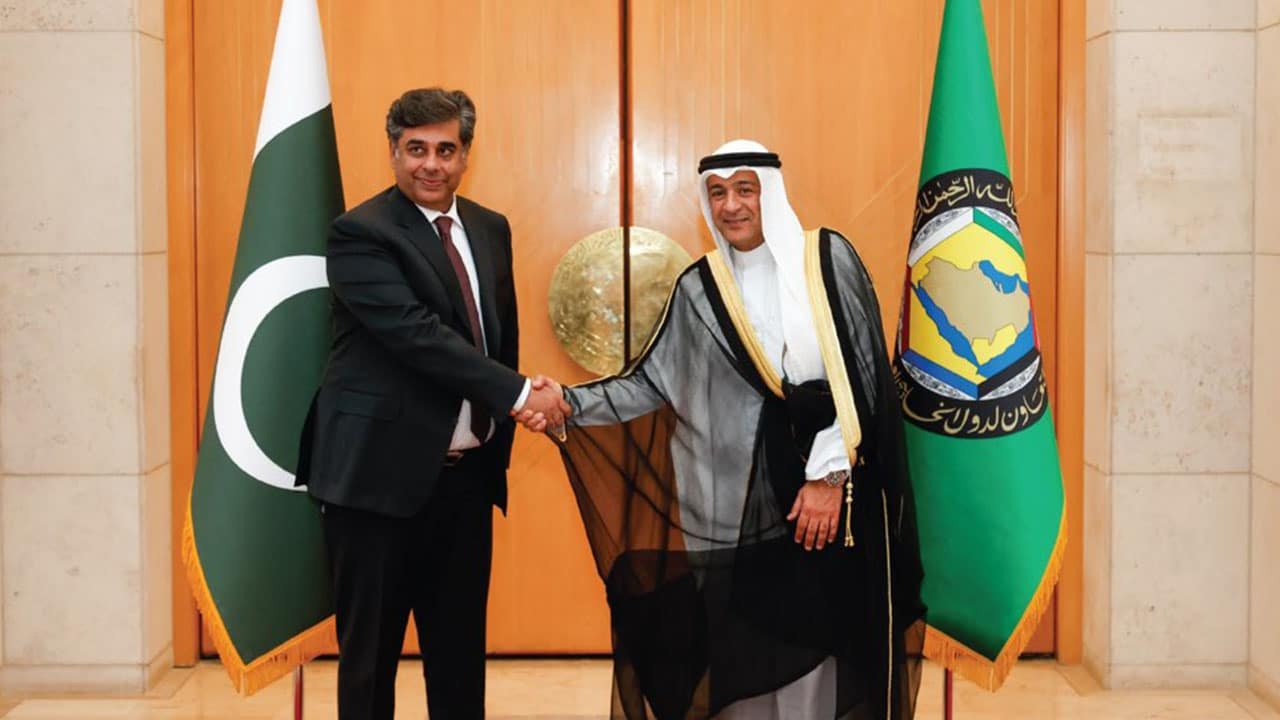
    Pakistan and the Gulf Cooperation Council (GCC) have officially initiated a comprehensive free trade agreement, as announced by the GCC through its communication platform, X. 

    The formal signing ceremony was conducted with the participation of GCC Secretary-General Jasem al-Budaiwi and Pakistan’s Minister of Trade, Gohar Ejaz. 

    In his remarks, Secretary-General Al-Budaiwi underscored the historic significance of this economic accord, characterising it as a pivotal moment in bilateral cooperation. He emphasised that this agreement would play a vital role in fostering mutual growth and prosperity, aligning with the shared interests of both parties, as conveyed in the GCC’s official statement. 

    Additionally, Al-Budaiwi highlighted the GCC’s commitment to advancing the cause of free trade by actively pursuing similar agreements with other nations, as indicated in the statement. 

    Both leaders expressed optimism about the agreement’s potential to significantly enhance trade relations between Pakistan and the Arab nations. 

    It’s worth noting that Pakistan and the GCC initially laid the groundwork for discussions on a free trade agreement back in August 2004. However, progress had been limited to only a few rounds of talks. The negotiations were reignited in 2021, leading to the formalisation of this momentous trade pact. 

  • UK introduces new trade plan, offering duty-free access to 94% Pakistani products

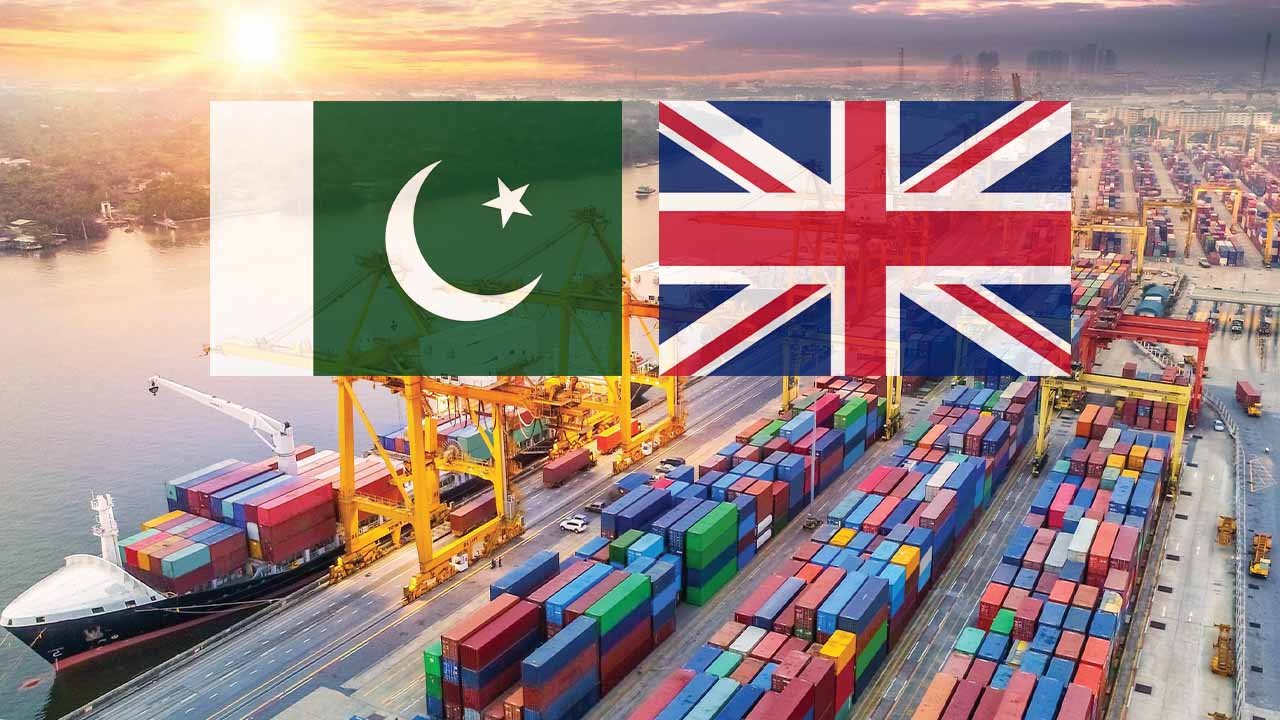
    UK introduces new trade plan, offering duty-free access to 94% Pakistani products

    The United Kingdom has taken a momentous step in strengthening commercial ties with 64 nations, including Pakistan, by launching a new trading plan that offers duty-free access to goods.

    This move is expected to have a significant impact on Pakistani exports, allowing a staggering 94 per cent of goods to enter the British market without any duties, resulting in substantial savings of £120 million for the country.

    With the replacement of the Generalised System of Preferences (GSP), the UK’s new trade system opens up new avenues for trade and promises further tariff reductions for an additional 156 items.

    The implementation of the new trade system marks a significant development for Pakistani exports to the United Kingdom. By providing duty-free access to a vast majority of Pakistani goods, the UK aims to foster a mutually beneficial trade relationship. This move is expected to boost the trading possibilities between the two nations and facilitate an expansion of bilateral trade.

    According to the British High Commission, the current annual trade volume between Pakistan and the UK stands at £4.4 billion, and these figures are expected to rise in the future.

    The new trading plan aims to extend opportunities for free and fair trade to 65 nations, including Pakistan. By facilitating necessary changes and improvements, the UK seeks to enhance the quality of trade and enable these countries to actively participate in the global trading system. The British Trade Centre will play a crucial role in supporting and assisting these nations in their trade endeavors.

    Notably, this new plan also benefits 26 Asian nations and 37 African nations, collectively amounting to an export volume of £21 billion to the UK.

    The new trade system also promises further tariff reductions and increased trading possibilities for participating nations. With this plan in place, the UK aims to promote free and fair trade, strengthen global trading systems, and foster economic growth for all involved parties.

  • No special treatment: Russia denies exclusive discounts on oil export deal with Pakistan

    No special treatment: Russia denies exclusive discounts on oil export deal with Pakistan

    In a recent statement, Russian Energy Minister Nikolai Shulginov clarified that his country is not providing Pakistan with oil at a special discount. The announcement came during an international economic conference in St Petersburg, where Shulginov confirmed that Russia had begun exporting oil to Pakistan.

    Contrary to earlier reports, the Russian minister emphasised that the oil deliveries to Pakistan were being conducted on standard terms without any exclusive discounts. Citing Russian state media, Voice of America (VoA) reported Shulginov’s remarks, which aimed to dispel speculations about preferential treatment in the oil deal.

    According to Geo, Shulginov further revealed that both countries had agreed to accept Chinese currency as payment, highlighting the importance of conducting transactions in the currencies of friendly nations. However, he denied claims that Pakistan had received any special advantages or discounts within the agreement.

    During the conference, the topic of barter trade between Pakistan, Afghanistan, Iran, and Russia was also addressed. Pakistan had recently passed a special order allowing barter trade for various commodities, including petroleum, liquefied natural gas (LNG), coal, minerals, metals, wheat, pulses, and other food items.

    Regarding this specific trade arrangement, Minister Shulginov clarified that discussions had taken place, but no final decisions had been reached. In particular, the two countries have yet to establish mutually agreeable prices for the export of liquefied natural gas to Pakistan. Shulginov explained that the current focus was on spot supplies, and since spot gas prices were high at the moment, the negotiations were primarily centered around long-term contracts.

    As Russia commences oil deliveries to Pakistan, both nations are working to ensure fair and transparent trade practices while exploring potential opportunities for collaboration in the energy sector. The recent developments underscore the significance of bilateral cooperation and economic ties between Russia and Pakistan.

    While the exact details of the ongoing negotiations remain undisclosed, Minister Shulginov’s statements emphasise the commitment of both countries to maintaining a level playing field in their trade relations. The international community will be closely monitoring future developments in this energy partnership, particularly as Pakistan continues to diversify its energy sources and explore avenues for economic growth.

    As the discussions progress, it is expected that Russia and Pakistan will strive to reach mutually beneficial agreements that foster stability and prosperity in their bilateral trade relations, creating opportunities for sustained cooperation in the energy sector and beyond.

  • Khunjerab Pass reopens to boost bilateral trade between Pakistan and China

    Khunjerab Pass reopens to boost bilateral trade between Pakistan and China

    In a press release issued by the PM Office Media Wing, Prime Minister Muhammad Shehbaz Sharif expressed his pleasure over the reopening of the Khunjerab Pass on Sunday. He stated that this development would help to increase bilateral trade between Pakistan and China, and described it as a welcome occasion for boosting trade with “Iron brother China.”

    The prime minister emphasised that the reopening of the Pass had removed a hurdle that would further expedite the pace of work on the China Pakistan Economic Corridor (CPEC). He added that the restoration of the trade route between the two countries, after a span of three years, was a matter of great rejoicing.

    Furthermore, the prime minister noted that the journey towards CPEC had started way back in November 2019 and recommenced in the year 2023. He expressed his resolve to move ahead on CPEC with dual speed in comparison to 2018.

    He said that CPEC is a gift of progress and prosperity given by Muhammad Nawaz Sharif and the Chinese leadership for the region and the people. The prime minister also mentioned the affection and cooperation from the Chinese leadership for the people of Pakistan, which he described as unforgettable.

    The prime minister expressed his disappointment over a “foreign funded person” who had created controversy over CPEC. However, he appreciated the relevant authorities of the two countries and the team members over the restoration of trade and travel facilities.