Tag: birth rate

  • Tokyo govt to launch dating app to boost birth rate

    Tokyo govt to launch dating app to boost birth rate

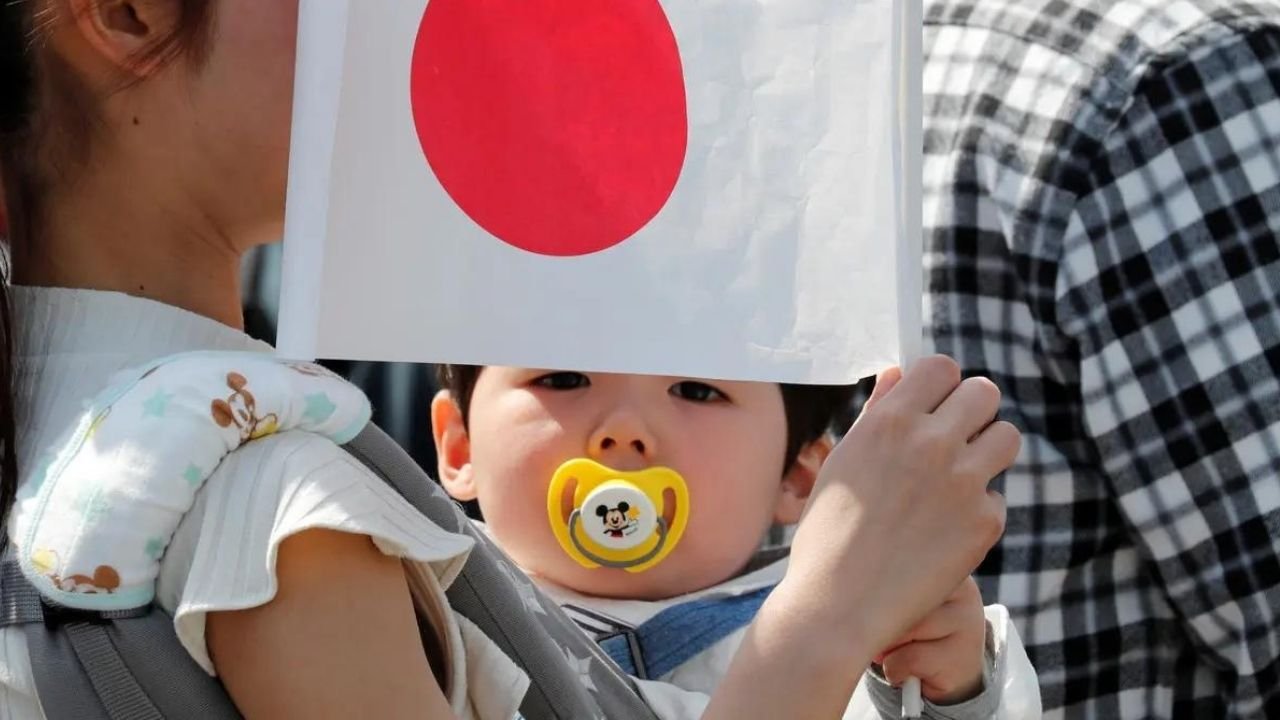
    Japan’s capital will launch its own dating app as early as this summer as part of government efforts to boost the plunging national birth rate, a Tokyo official said Tuesday.

    Users will be required to submit documentation proving they are legally single and sign a letter stating they are willing to get married.

    Stating one’s income is common on Japanese dating apps, but Tokyo will require a tax certificate slip to prove the annual salary.

    “We learned that 70 percent of people who want to get married aren’t actively joining events or apps to look for a partner,” a Tokyo government official in charge of the new app told AFP.

    “We want to give them a gentle push to find one,” he said.

    It’s not unusual for municipalities to organise matchmaking events in Japan, where births dropped to a new low in 2023, but it is rare for a local government to develop an app.

    An interview will be required to confirm a user’s identity as part of the registration process for the Tokyo app, which has been on a test run for free since late last year.

    Many social media users expressed scepticism over the plans, with one saying, “is this something the government should be doing with our tax?”

    Others wrote they were interested as they would feel safer.

    Last year Japan recorded more than twice as many deaths as new babies.

    Births fell for the eighth consecutive year to 758,631, a drop of 5.1 percent, preliminary government data showed. The number of deaths stood at 1,590,503.

    The nation is facing growing labour shortages, and Prime Minister Fumio Kishida has promised policies including financial aid for families, easier childcare access and more parental leave.

  • North Kores’s dictator urges women to give birth to more babies

    North Kores’s dictator urges women to give birth to more babies

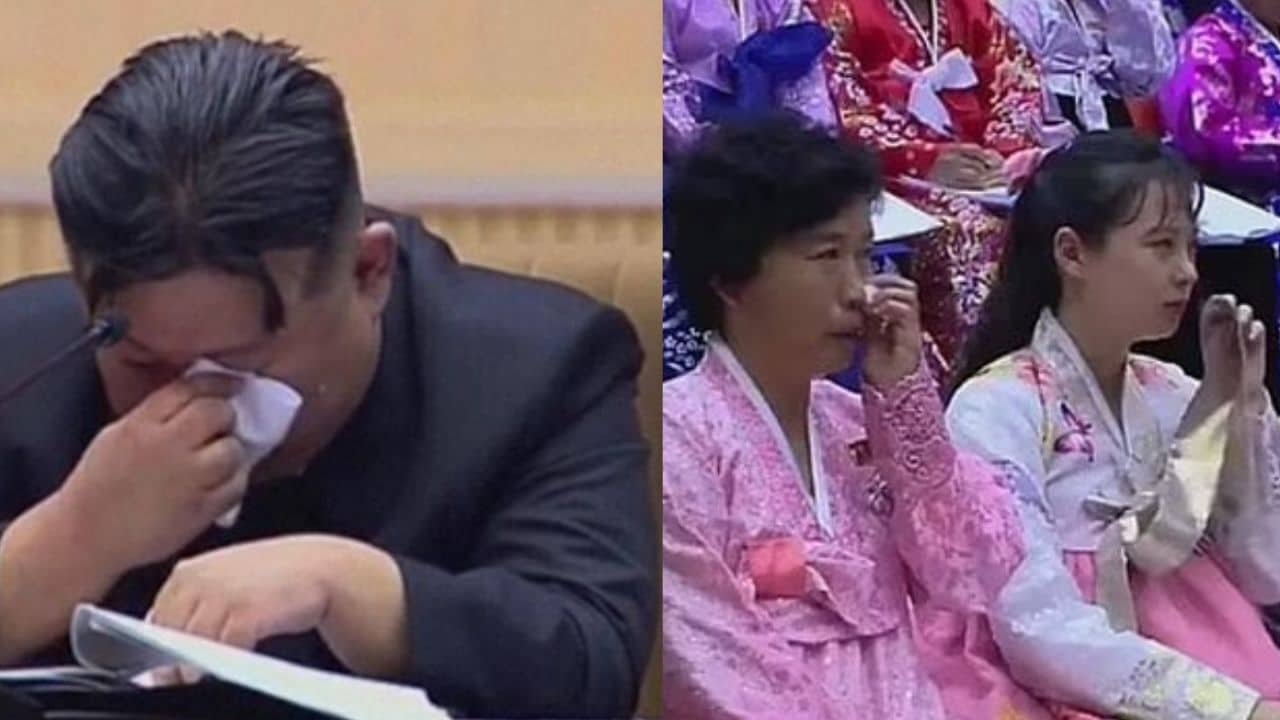
    North Korean dictator Kim Jong Un, famous for his eccentric statements, spoke at the first National Mothers’ Meeting in 11 years held in Pyongyang, emphasising the importance of mothers in preventing a decline in birth rates. He framed it as a collective responsibility to strengthen national power. Kim got emotional during his speech while women in the audience were seen sobbing as well.

    Addressing the women as “Dear Mothers”, he pleaded with them to fulfill their role as birth-givers against the rising concerns of a drop in the North Korean birth rate. “Preventing a decline in birth rates and good childcare are all of our housekeeping duties we need to handle while working with mothers,” Kim was quoted as saying by the news agency Reuters at the event for mothers in Pyongyang on Sunday.

    He also thanked mothers for their role in strengthening national power.

    “I too always think about mothers when I have a hard time dealing with the party and the state’s work,” Kim said.

    Experts highlight the unique societal challenges influencing North Korea’s fertility decline, noting Kim Jong Un’s public appearances with his daughter, Ju Ae, as potential efforts to encourage family values.

    His pleas reflect the government’s determination to the cause of counterbalance South Korea’s older population.

    The United Nations Population Fund estimates that as of 2023, the fertility rate, or the average number of children being born to a woman, stood at 1.8 in North Korea, amid an extended fall in the rate during recent decades.

    The decline in fertility has been attributed to various factors, including urbanisation, delayed marriage, and women’s participation in the workforce.
    However, North Korea’s birth rate is still higher than most of its neighbours. The fertility rate remains higher than in some of North Korea’s neighbours, which have been grappling with a similar downward trend.

    South Korea saw its fertility rate drop to a record low of 0.78 last year, while Japan saw its figure drop to 1.26.

  • China’s population expected to start reducing before 2025

    China’s population expected to start reducing before 2025

    China’s population is expected to start to shrink before 2025 as the country’s birth data showed that the number of new births in 2021 was the lowest in decades in several provinces. Currently, China is the most populous country with nearly 1.4 billion residents.

    The head of population and family affairs at the National Health Commission said that China’s population is expected to start to shrink in 2021-2025.

    In recent years, the population of the country has slowed significantly. According to the state-backed Global Times, the number of births in central Hunan province fell below 500,000 for the first time in nearly 60 years.

    The change in China’s laws last year that allowed women to have three children has not helped the country in any way. Many Chinese women have argued that the change comes too late and they are facing problems like insufficient job security and gender equality.

    According to a United Nations (UN) report, India will become the world’s most populous country next year, i.e 2023, beating China.