Tag: BISP

  • Over Rs6.4 billion allocated for Ramzan subsidies: Essential items to be available at reduced rates

    Over Rs6.4 billion allocated for Ramzan subsidies: Essential items to be available at reduced rates

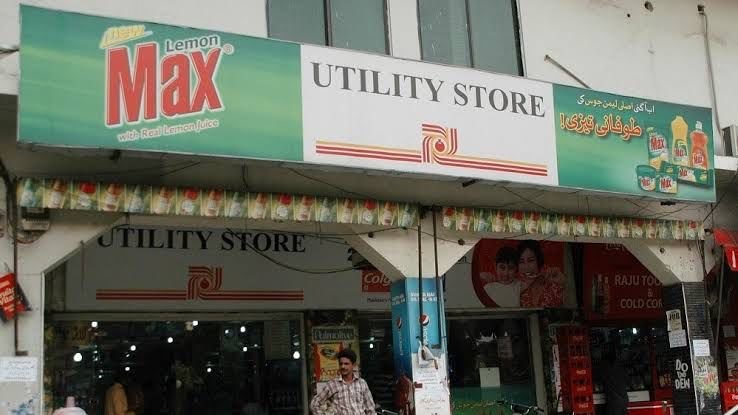
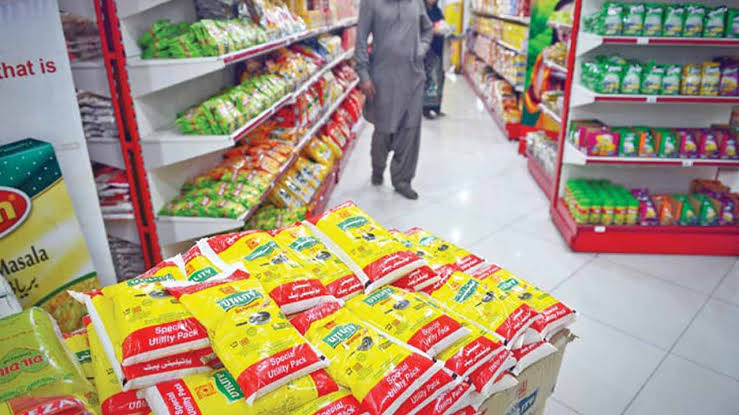
    The government has earmarked Rs6.484 billion to provide essential food items at subsidised rates through the Utility Stores Corporation (USC) during the holy month of Ramzan.

    A substantial portion of the allocation, Rs3.474 billion, will go towards subsidising flour, followed by Rs1.610 billion for sugar and Rs1.4 billion for ghee.

    Additionally, subsidies of Rs25 million for channa daal, Rs12 million for masoor daal, Rs37.50 million for white gramme, and Rs62.5 million for basmati rice are planned. Further, Rs20 million and Rs62.5 million are allocated for Sehlla rice and broken rice, respectively.

    The implementation of the Ramzan relief package is set to commence on March 4th.

    Further breakdown reveals Rs200 million for cooking oil, Rs20 million for washed moong daal, Rs6.25 million for washed maash daal, Rs100 million for chakki baisen, Rs50 million for dates, Rs22.50 million for carbonated drinks (1,500 ml), Rs30 million for squash and syrup (800 ml), Rs150 million for black tea, Rs15 million for UHT milk, and Rs50 million for spices.

    Moreover, an allocation of Rs145 million is designated for an awareness campaign through electronic and print media regarding the Ramzan Package, set to kick off on March 4th, 2024.

    The Economic Coordination Committee (ECC) has greenlit the Ministry of Industries and Production’s proposal for a Rs7.492 billion Ramzan Relief Package. This package aims to provide 19 essential items at subsidised rates through the USC.

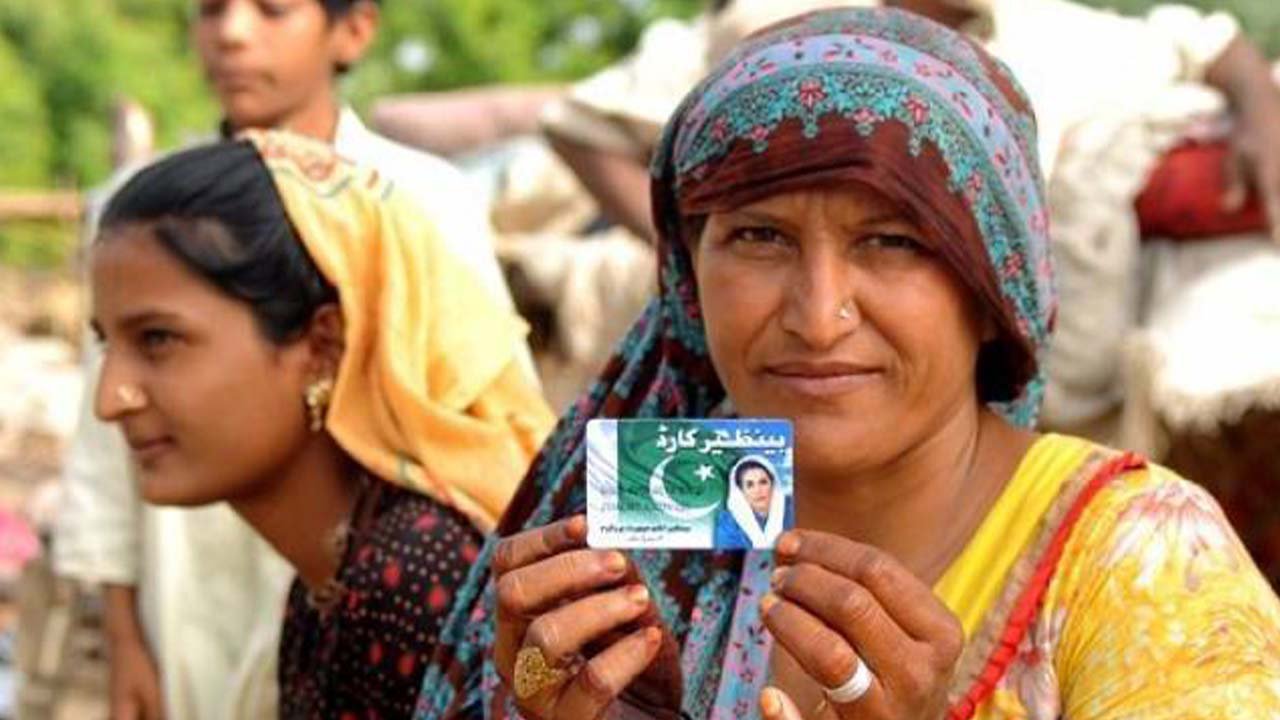
    In response to IMF restrictions on untargeted subsidies, the government has opted to provide subsidies exclusively to beneficiaries registered under the PMT-40 of the Benazir Income Support Programme (BISP) for the fiscal year 2023–24.

  • Utility Stores to implement Rs7.492 billion relief package ahead of Ramzan

    Utility Stores to implement Rs7.492 billion relief package ahead of Ramzan

    The federal government is set to implement the Ramzan Relief Package, totaling Rs7.492 billion, through the Utility Stores Corporation (USC) starting March 4, 2024. This initiative aims to provide relief to targeted beneficiaries by offering subsidies on 19 essential items.

    The Economic Coordination Committee (ECC) of the Cabinet approved this decision based on a proposal from the Ministry of Industries and Production. The proposal sought approval for providing subsidies to targeted beneficiaries registered under the Benazir Income Support Programme (BISP) with a net amount of Rs7.492 billion.

    Of this, Rs 5 billion was allocated in the current fiscal year 2023–24 for the Ramzan Relief Package 2024, with the remaining Rs 2.492 billion to be re-appropriated from the current fiscal year budget allocations for the Prime Minister Relief Package (PMRP).

    The ECC directed the Finance Division to release the full subsidy amount of Rs7.492 billion to ensure timely purchases and necessary arrangements for the availability of these items at USC outlets.

    With Ramzan expected to commence on March 11, 2024, the implementation date for the Ramzan Relief Package-2024 was proposed from March 4, 2024, until the last day of Ramzan.

    Since 1991, the government has been providing relief during Ramzan by selling 19 items at subsidised rates through USC outlets. For the fiscal year 2023–24, the federal government allocated Rs35 billion for subsidies on essential items, including Rs30 billion for PMRP and Rs5 billion for the Ramzan Relief Package 2024.

    The Ramzan Relief Package aims to provide maximum relief to the masses. Due to restrictions imposed by the International Monetary Fund (IMF) on untargeted subsidies, subsidies are provided to targeted beneficiaries registered under PMT-40 of BISP for the fiscal year 2023–24.

    The USC is currently serving 26.92 million households registered under PMT-40. To extend assistance to more beneficiaries during Ramzan-2024, it is proposed to provide subsidies on 19 items to targeted beneficiaries registered under PMT-60, reaching an additional 12.73 million households.

  • ECC approves Rs7.49 billion Ramzan Relief Package

    ECC approves Rs7.49 billion Ramzan Relief Package

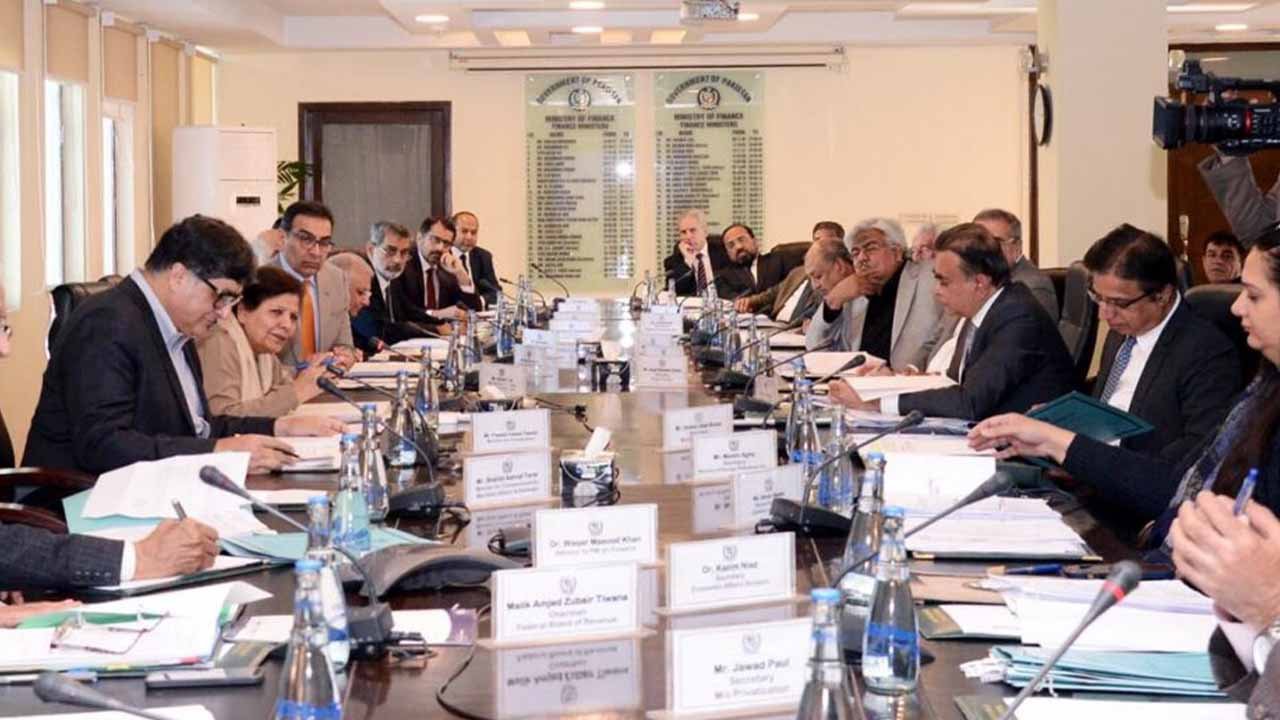
    In a significant move to provide relief to the general public during the upcoming Ramazan, the Economic Coordination Committee (ECC), in its latest meeting chaired by the Federal Minister for Finance, Revenue, and Economic Affairs, Dr Shamshad Akhtar, approved the Ramzan Relief Package-2024.

    The approved package, with a net amount of Rs7.49 billion, is specifically designed to benefit targeted beneficiaries of the Benazir Income Support Programme (BISP). This allocation is part of the budget for the fiscal year 2023-24.

    During the meeting, the committee also discussed and gave the green light to a summary from the Ministry of Commerce’s Tariff Policy Wing.

    The summary pertained to “Individual Tariff Rationalization Proposals from Different Sectors for Review of Custom Duties.” Following thorough deliberations, the committee advised that tariff rationalization should be coordinated with the overall trade policy.

    Furthermore, a proposal related to the “Permission to Import Wheat and Export of Wheat Flour under Export Facilitation Scheme 2021” was presented by the Ministry of Commerce.

    The ECC not only approved this proposal but also directed the relevant ministries to prepare comprehensive plans aimed at enhancing opportunities for value-added exports.

  • ADB recommends targeted subsidies and tax reforms for Pakistan’s economic recovery

    ADB recommends targeted subsidies and tax reforms for Pakistan’s economic recovery

    The Asian Development Bank (ADB) has recommended that Pakistan implement targeted subsidies to alleviate inflationary pressures and improve the tax-to-GDP ratio in order to emerge from the current state of economic uncertainty.

    Yevgeniy Zhukov, Director General of the Central and West Asia Department, and Yong Ye, Country Director of the Pakistan Resident Mission, emphasised the significance of targeted subsidies to help the most vulnerable segments of society, as well as the mobilization of domestic resources to bolster the national economy. They also suggested strengthening the Benazir Income Support Programme (BISP) and improving its verification process to ensure that the assistance reaches only those who require it.

    Zhukov noted that the ADB has been providing financial assistance to the government to strengthen social security through the BISP programme since 2016. The ADB has provided $600 million in conditional cash transfers for health and education since 2021, and an additional $1.5 billion under the Countercyclical Support Facility.

    A significant portion of this funding will be directed to the BISP to provide necessary assistance to those most affected by ongoing difficulties. Zhukov further suggested that Pakistan should improve its revenue collection, as its tax-to-GDP ratio of 10 per cent is one of the lowest in the region. He cautioned that if the government is only collecting 10 per cent, it may not have adequate resources to provide support and boost income.

    Yong Ye indicated that the ADB, World Bank, European Union, and United Nations had pledged assistance to Pakistan after devastating floods last year, and a second meeting of the Geneva conference was scheduled to take place soon to discuss progress. Zhukov expressed sympathies for flood victims and stated that the ADB had approved a $1.5 billion programme for Pakistan before the floods to address the negative impact of the Russia-Ukraine war on the country’s economy, which was then repurposed to provide social protection for the flood-affected people.

    The ADB has approved additional emergency assistance, including a $175 million loan and $5 million in grants, to rehabilitate damaged infrastructure and develop a stronger infrastructure that can withstand future floods. The bank is working with Pakistan and other partners, such as the International Monetary Fund and the World Bank, to introduce important structural reforms in public finance management, domestic resource mobilization, and energy sector reforms. The ADB is committed to collaborating with its partners and the Pakistani government to ensure that the reform agenda is advanced.

  • Pakistan’s proposal to increase number of beneficiaries for BISP rejected by IMF

    Pakistan’s proposal to increase number of beneficiaries for BISP rejected by IMF

    The International Monetary Fund (IMF) rejected the Pakistani government’s proposal to increase the number of beneficiaries of the Benazir Income Support Programme (BISP) and expand its scope to cover 20-30 per cent of the population living in poverty.

    The proposal aimed to provide quarterly stipends to those below the poverty line. While the IMF approved an increase in the BISP allocation by Rs40 billion, increasing it from Rs360 billion to Rs400 billion for the current fiscal year for 8.9 million beneficiaries, the proposal to expand coverage could not be implemented due to a shortage of budgetary resources.

    According to sources, the IMF refused to increase the Proxy Mean Test (PMT) ceiling for enhancing coverage and providing monthly stipends to around 30 per cent of the population living below the poverty line, citing a lack of budgetary resources. The Finance Ministry official stated that there was no disagreement, and the government has been providing a quarterly stipend of Rs7,000 to 8.9 million beneficiaries.

    The IMF staff suggested increasing tax revenues and abolishing un-targeted subsidies but did not initially oppose the idea of expanding coverage. The IMF high-ups recommended using the National Socio-Economic Registry (NSER) of the BISP to provide targeted subsidies on electricity, gas, and provision of POL for motorcycles and small vehicles.

    According to Geo, different proposals to start a targeted subsidy mechanism were discussed but ultimately dropped due to various reasons. The weekly Sensitive Price Index (SPI) touched 45.64 per cent on a weekly basis, and Consumer Price Index (CPI) crossed 31.5 per cent on a monthly basis in February 2023. Both the CPI and SPI are expected to rise further in the weeks and months ahead of the current fiscal year.

    To protect vulnerable segments from falling below the poverty line, there is no other option but to implement a targeted subsidy mechanism over the short and medium-term period. Pakistan and the IMF will need to place a target subsidy mechanism, given the possibility of a new IMF program after the expiration of the current one under the Extended Fund Facility in June 2023.

  • Rs19bn of Benazir Income support programme allegedly distributed among Govt officials: report

    The Public Accounts Committee (PAC) was informed by the Auditor General of Pakistan (AGP) on Thursday that 143,000 government officials had received an illegal distribution of Rs19 billion from the Benazir Income Support Programme (BISP), Dawn has reported.

    Senator Mushahid Hussain Syed, a member of the PAC, asked BISP secretary Yousuf Khan about the status of the investigation into the distribution of monies among government officials in 2020 during the examination of the audit report of the Poverty Alleviation and Social Safety Division.

    The Federal Investigation Agency (FIA) was asked to look into the issue of the distribution of BISP payments to underserving beneficiaries when it first came to light in 2020.

    In answer to Senator Syed’s inquiry, BISP secretary Yousuf Khan informed the committee that 2,500 of the 143,000 ineligible beneficiaries who were employed by the government were doing so at the BS-17 level or higher.

    He claimed that these officials had been using their own names to withdraw money from the BISP which was intended for those in need.
    The BISP secretary stated he was unsure of the precise amount paid to these unlawful beneficiaries when asked about it by PAC chairman Noor Alam Khan.
    The committee was informed by the audit officials that Rs19 billion had been given to those who weren’t deserving.

  • Govt raises ghee price by Rs75 per kg, sugar by Rs19 per kg

    Govt raises ghee price by Rs75 per kg, sugar by Rs19 per kg

    The government-run Utility Store Corporation (USC) has increased the price of sugar, flour, ghee, and other food items despite the prime minister’s relief package.

    Utility stores increased the price of sugar by Rs19 per kg, ghee by Rs75 per kg, and 20 kg bag of flour by Rs496.

    According to the notification, the new prices will go into effect at utility stores all around the nation on January 1, 2023.

    The Benazir Income Support Programme’s (BISP) deserving beneficiaries will not be subject to the new pricing.

    Prime Minister Shahbaz Sharif had previously stated that Food Stores Corporation would provide targeted subsidies on basic food items. These products included rice, lentils, ghee, sugar, and flour. Customers who are registered in the Benazir Income Support Programme are eligible to purchase food from the Food Stores outlets at discounted prices.

    In the meantime, the Food Stores Corporation has instructed all of its clients and consumers to SMS their Computerized National Identity Card numbers from their mobile phones to 5566. After receiving a one-time password, they can then purchase goods and apply for subsidies.

  • Govt unveils Rs9.5 trillion budget 2022-23, focused on sustainable growth

    Govt unveils Rs9.5 trillion budget 2022-23, focused on sustainable growth

    The federal budget for 2022-23 has been revealed with a total outlay of Rs9,502 billion. It includes measures for sustainable economic growth, industrial and agricultural development, and aid for the poor ones.

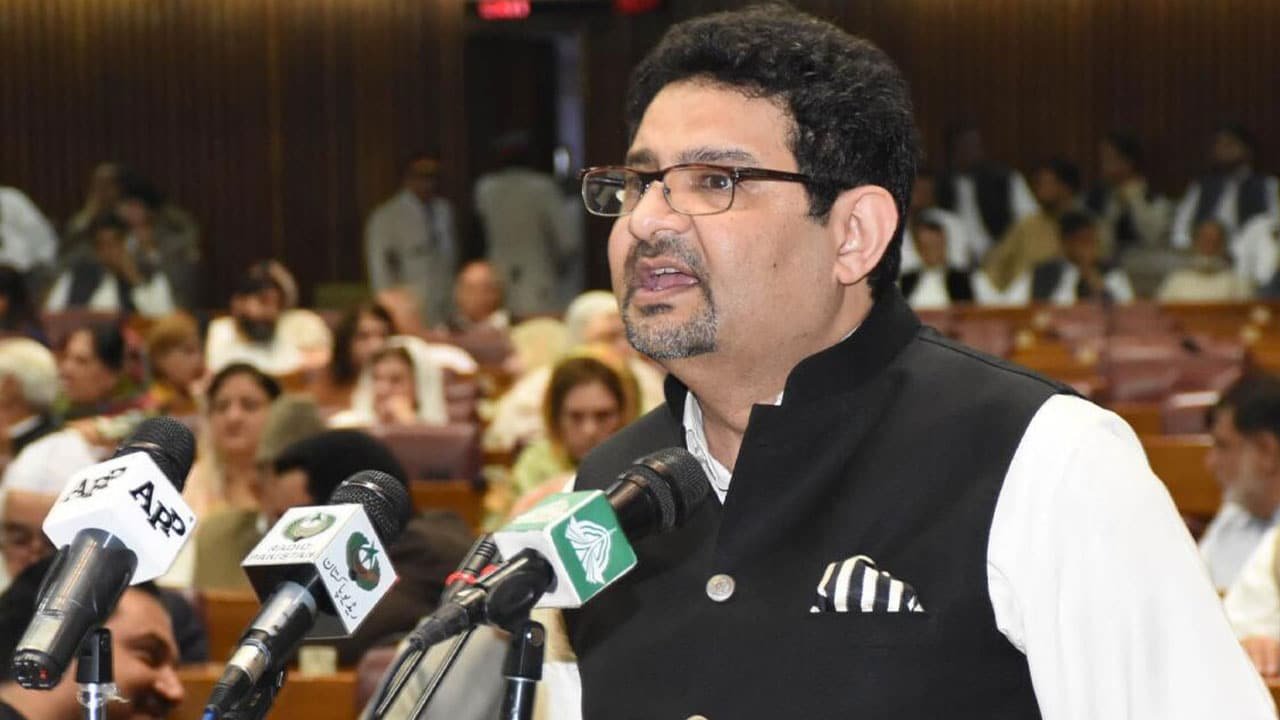
    Finance Minister, Miftah Ismail began his address by claiming that the PTI administration had left Pakistan’s economy in shambles and harmed investor confidence by often switching finance ministers and monetary policies.

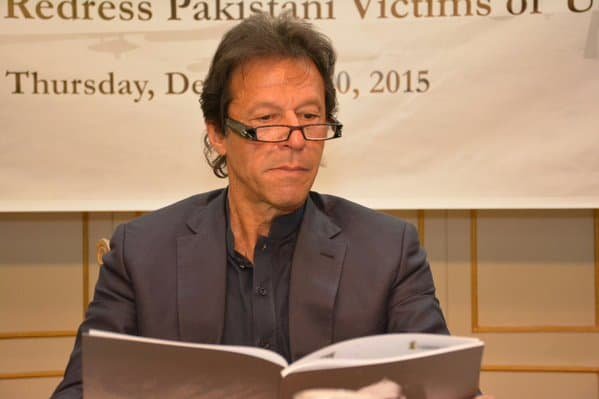
    He slammed former Prime Minister Imran Khan, claiming that he never cared about the poor, claiming that “keeping an eye on potato and tomato prices is not a PM’s duty”.

    He claims that the governing party took control of the country despite the fact that it will have to make difficult decisions to save the economy, which will affect their individual parties’ appeal, but they chose to put the country’s interests ahead of their own.

    Relief for working class and the poor

    He claimed that the budget is geared at providing greater relief to the working class and the poor, as opposed to the wealthy, because the working class prefers to buy local products over foreign ones, boosting the economy.

    Budget 2022-23, according to Miftah Ismail, will concentrate on offering facilities to farmers planting crops that supply cooking oil, such as corn and sunflower, so that the country does not need to import palm oil, which is at an all-time high in the worldwide market.

    Slashing furniture, stationary expenses in govt offices

    Considering the current economic downturn, the administration has decided to restrict operational expenditures to the absolute minimum, and that new furniture and stationary for government offices will be completely prohibited. Other than obligatory diplomatic visits, all government-sponsored foreign trips will be prohibited.

    Education

    The government has set aside Rs65 billion for the Higher Education Commission (HEC) in the current budget. In addition, the HEC has been granted Rs44 billion for development programmes, which is 67 per cent more than the previous year.

    Miftah Ismail said that this is a demonstration of our commitment to the youth. We are encouraging provinces to completely fulfill their obligations in terms of higher education promotion in the coming years, he said. The HEC budget includes 5,000 scholarships for Balochistan and tribal district students. He added that a unique scholarship programme has been introduced for Balochistan’s coastal communities.

    The Finance Minister said that 100,000 laptops would be provided to students around the country on affordable instalments. Funds have also been set aside for the purchase of cutting-edge equipment to improve engineering and technology education.

    15 per cent Increase in govt employees’ salaries

    In Budget 2022-23, Miftah Ismail announced a 15 per cent increase in government employee salaries, as well as the merger of adhoc allowances.

    He said that the tax on savings certificates, pensioners’ benefit accounts, and martyrs’ family assistance accounts had been reduced from 10 per cent to 5 per cent.

    Small merchants will be subject to a new fixed income and sales tax regime, according to the Minister. Electricity bills would be used to collect taxes ranging from Rs3,000 to Rs10,000 under this method. This will be a final agreement, and FBR will have no right to inquire about the tax.

    According to Miftah Ismail, a proposal has been made to increase initial depreciation rates for industries and other businesses from 50 per cent to 100 per cent in the first year.

    Furthermore, he stated that any tariffs imposed on industrial units during the import of raw materials will be considered adjustable in order to protect the business community’s working capital.

    New industrial policy

    He stated that an industrial policy is being implemented in partnership with the Asian Development Bank in order to boost the country’s industrial base. He stated that the Prime Minister has directed that all exporter claims be resolved as soon as possible.

    A sum of Rs40.5 billion is due to them right now, and we will pay it as soon as possible. Regardless of financial challenges, sales tax refunds are issued swiftly. Industrial feeders have been spared from load-shedding, according to him, in order to ensure that the industrial sector has uninterrupted power supply.

    A new strategy for promoting investment in the country is being developed which aims to provide an enabling atmosphere for investors by eliminating the lengthy procedure. The government will overhaul the dispute settlement structure to make it easier for domestic and foreign investors.

    Boosting agriculture sector

    Talking about the agriculture sector, Finance Minister stated that Rs21 billion had been set aside to boost agriculture and livestock productivity. He stated that the Ministry of Food Security, in consultation with the Planning Commission and the provinces, has developed a three-year growth strategy. This plan aims to increase agri-production, increase farmer prosperity, and promote smart agriculture and self-sufficiency.

    National Youth Commission

    The Finance Minister also announced the development of a National Youth Commission to help youth realise their full potential. Various plans for the youth, he noted, have been offered. He stated that a coordinated strategy is being implemented to strengthen the role of educated youth in the growth of the country. According to him, the youth employment initiative will create over two million job chances.

    He added that a scheme to foster youth entrepreneurship will be launched, under which interest-free loans of up to Rs500,000 and loans of up to Rs25 million will be made available on easy payments. He stated that in this lending arrangement, a 25 per cent quota has been been aside for women. He stated that women will be given precedence in hi-tech training in order to achieve economic empowerment. Youth development centres would be set up over the country, he said.

    A green youth movement would be launched to involve young people in environmental initiatives. Funds will be set aside to distribute laptops on a merit-based and instalment basis, as well as the construction of 250 mini-sports stadiums across the country. Miftah Ismail stated that an innovation league would be established in order to improve the youth’s potential. He said that a talent quest and sports drive programme will be developed for youngsters between the ages of eleven and twenty-five.

    Reduction in govt spending

    According to the Finance Minister, the current government’s top focus is austerity. This budget includes a reduction in government spending, and we are taking meaningful moves in that direction. He stated that automobile purchases will be completely prohibited. Apart from development initiatives, procurement of furniture and other products would be prohibited. Cabinet members and government officials will have their gasoline quotas lowered by 40 per cent. There will also be a ban on international tours paid for by the government, with the exception of the most important ones.

    A medium-term macroeconomic framework has been established to put the economy on a road of development, according to the Finance Minister. He emphasised his belief that by implementing this framework, we will be able to steer the economy in the right way. Our biggest problem, he remarked, is to expand without a current account deficit. As a result, a minimum of 5 per cent will be obtained without disrupting the balance.

    Improved fiscal and monetary policy

    He said that the GDP will increase from Rs67 trillion to Rs78.3 trillion in the coming fiscal year and the government is attempting to lower inflation through improved fiscal and monetary policy. During the next fiscal year, inflation will be decreased by 11.5 per cent.

    He predicted that the tax-to-GDP ratio will rise to 9.2 per cent in the coming fiscal year, up from 8.6 per cent now. He noted that in 2017-18, we had kept this ratio at 11.1 per cent. He stated that the overall deficit, which is currently at 8.6 per cent, will be steadily reduced. In the coming fiscal year, this will be reduced to 4.9 per cent. Similarly, the overall primary balance, which presently stands at -2.4 per cent of GDP, will be reduced to 0.19 per cent.

    Import and export

    Imports, which are estimated to be $76 billion this fiscal year, would be lowered to $70 billion the following fiscal year, according to the Finance Minister. Exports are currently $31.3 billion, but will increase to $35 billion in the coming fiscal year. The current account deficit will be decreased from -4.1 per cent of GDP to -2.2 per cent of GDP.

    Remittances, which are predicted to continue at $31.1 billion this fiscal year, are expected to grow to $33.2 billion next fiscal year.

    Key allocations in Budget 2022-23

    Rs1,523 billion allocated for defence

    Rs800 billion allocated for Public Sector Development Program (PSDP)

    Rs699 billion allocated for targeted subsidy

    Rs364 billion allocated for Benazir Income Support Program (BISP)

    Rs64 billion allocated for Higher Education Program

    Rs25.99 billion allocated for Atomic Energy Commission

    Rs24 billion allocated for Health

    Rs21 billion allocated for Benazir Nashunuma Program

    Rs11 billion allocated for Agriculture

    Rs10.12 allocated billion for food security 

    Rs9.60 billion allocated for Climate Change

    Rs530 billion allocated for pension funds

    Rs3.46 billion allocated for Maritime Affairs

    Key announcements

    The GDP growth target has been set at 5 per cent.

    Remittances are expected to total $33.2 billion.

    Inflation will be held at 11.5 per cent.

    FBR has set a revenue target of Rs7,004 billion.

    Non-tax revenue objective is set at $2 billion.

    The goal set for imports is $70 billion.

    The target for exports is $35 billion.

    Government employees will have a 15 per cent raise in pay.

    Under a new employment scheme, youngsters will be eligible for interest-free loans up to Rs500,000.

    Distributors and manufacturers will no longer be subject to an 8 per cent withholding tax.

    On national saving systems, the profit rate dropped from 10 per cent to 5 per cent.

    Cinema owners and film makers are exempt from income tax.

    On cars with engines larger than 1600cc, the advance tax will be raised.

    Pharmaceutical materials are exempted from any customs duties.

    This is a developing story..
  • ‘All overseas Pakistanis votes shall go to PTI’: Sheikh Rasheed

    ‘All overseas Pakistanis votes shall go to PTI’: Sheikh Rasheed

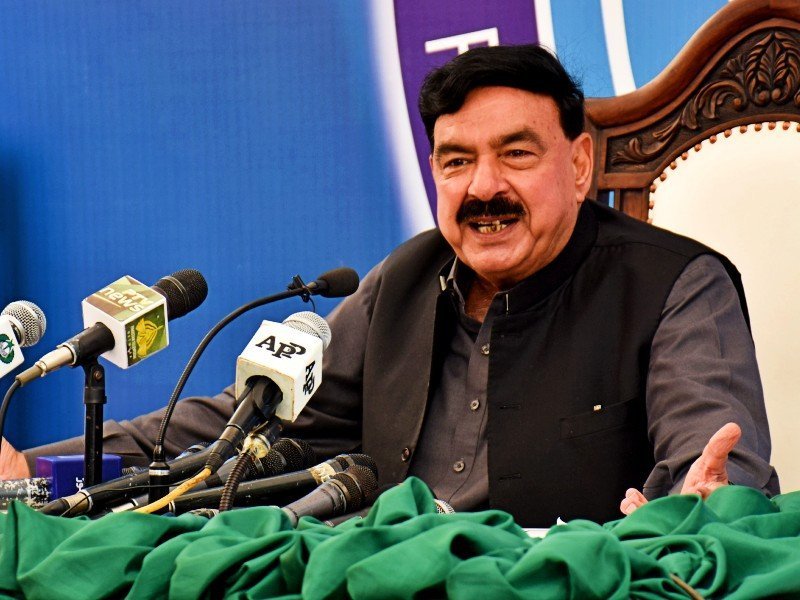
    Interior Minister Sheikh Rasheed on Wednesday, while talking to the media, said that all overseas Pakistanis shall be voting for the ruling Pakistan Tehreek-e-Insaf (PTI) and as a result, the Opposition will have a problem with this.

    “40 of Punjab’s and 80 constituencies of the country will be decided by overseas voters,” said Rasheed.

    “Go to court or do whatever you want, the law has been made and elections will be conducted through the Electronic Voting Machine (EVM),” said the minister.

    Pakistan Muslim League-Nawaz (PML-N) spokesperson Marriyum Aurangzeb commenting on EVMs said, “Elections shall not happen through EVM. Elections and electoral reforms can not be carried out in an undemocratic and authoritarian manner.”

    “They [government] could not get biometrics done for the Corona Fund, Benazir Income Support Programme (BISP) and Health Card, now they are talking about elections on EVM?” added Aurangzeb.

    Aurangzeb further criticising the government said, “Parliament gives funds to the Election Commission of Pakistan (ECP). Funds for national resources and institutions are not Imran Khan’s personal estate.”


  • Rs40 billion irregularities detected in PM’s Covid package, reveals audit report

    Rs40 billion irregularities detected in PM’s Covid package, reveals audit report

    Pakistan gave in to the International Monetary Fund’s (IMF) pressure by releasing the audit report of expenditures incurred on Covid-19, disclosing over Rs40 billion irregularities in operations, reports Shahbaz Rana for The Express Tribune.

    “The release of the report by the Ministry of Finance is one of the five prior actions that the IMF has asked Pakistan to implement if it wants to get the $1 billion loan tranche by January next year.”

    “The finance ministry issued Rs314 billion less supplementary grants from the prime minister’s (PM) stimulus package due to which citizens of Pakistan could not avail the complete benefit of the announced package resulting in suffering, economic hardship, and many private factories laying off their workers during Covid-19 process,” revealed the report.

    “Against Rs200 billion promised to daily wagers, only Rs16 billion were distributed among them. The vulnerable families were promised Rs150 billion but given Rs145 billion.”

    Benazir Income Support Programme (BISP)

    “The maximum irregularities of over Rs25 billion were found against Rs133 billion spent under the banner of the Benazir Income Support Programme (BISP), which was equal to 19 per cent of its spending.”

    The BISP utilised Rs133.3 billion during the fiscal year 2019-20 and 13.1 million beneficiaries were paid.

    The audit observed Rs6.6 billion payments to relatively better-off 484,402 beneficiaries due to the absence of any clear policy which needs to be addressed before making any related future payments.

    “Over Rs16 million payments of Covid-19 cash transfers were made to those beneficiaries who had filers’ status and were well-off. There was also a case of withdrawal of Covid-19 cash grants from both BISP and Zakat by the same beneficiaries worth Rs318.7 million.”

    National Disaster Management Authority (NDMA)

    “The National Disaster Management Authority’s spending was Rs22.8 billion and the auditors raised a red flag on Rs4.8 billion or around 21 per cent of the spending.”

    “The auditors found mis-procurement on account of the installation of Resource Management System (RMS) by the NDMA with Rs42.5 million cost. A million-dollar loss was caused to the public exchequer on account of the purchase of ventilators at higher rates and China donated $4 million for the construction of 250 beds Isolation Hospital and Infections Treatment Centre (IHITC), but the money was never used. There were cases of overpayment to Chinese firms on account of the procurement of ventilators.”

    “The NDMA did not impose liquidated damages on supplier firms causing a loss of Rs2.7 billion and $8.3 million.”

    Utility Store

    “The AGP pointed out Rs1.4 billion loss due to irregular and ill-planned procurement of sugar. Another loss of Rs1.6 billion was caused due to irregular procurement of ghee/cooking oil and non-availability of fitness certificates of ghee/oils worth over Rs1.4 billion.”

    “The Rs323 million loss was caused due to non-observance of prescribed flour specifications and another expense of Rs1.7 billion incurred without laboratory test reports. The USC also made excess claim subsidies by increasing the profit ratio on account of the purchase of sugar.”

    Defence

    “The Rs200 million Covid-19 funds were diverted towards the clearance of liabilities and procurement of normal cardiac medicines. During an audit of Combined Military Hospital Rawalpindi, it was observed from the record that PPE items of the same specifications were purchased at higher rates by ignoring the lowest rates available in the comparative statement of tenders.”

    “The Rs235 million irregular payment was made to Pakistan International Airlines without fulfilling the required formalities against shipment of exactly the same commodity required to be transported through the armed forces’ service aircraft.”

    Other departments

    “The audit observed that the procurements of nine items had been made at higher rates causing a loss of Rs7 million. There were also cases of non-delivery of Personal Protective Equipment (PPE) by UNICEF having the value of Rs1.3 billion. The Rs10 million discrepancy was found in cases of transportation and food items for passengers returning from abroad, handled by deputy commissioner Islamabad.”