Tag: black lives matter

  • Why are Justin Bieber, Miley Cyrus, Selena Gomez and Brad Pitt banned in China?

    Why are Justin Bieber, Miley Cyrus, Selena Gomez and Brad Pitt banned in China?

    Several American celebrities are banned in China. The Hollywood A-listers who are a part of the list, include Miley Cyrus, Jay-Z, Brad Pitt, Selena Gomez, Lady Gaga, and Gigi Hadid. It’s not just them who are banned, but even several films due to their strict censorship rules.

    The Chinese government got angry at a picture that Miley took where she was imitating Asians by pulling back the skin around her eyes. It’s something an elementary school kid does, not realizing it’s racist. But a young adult should know better.
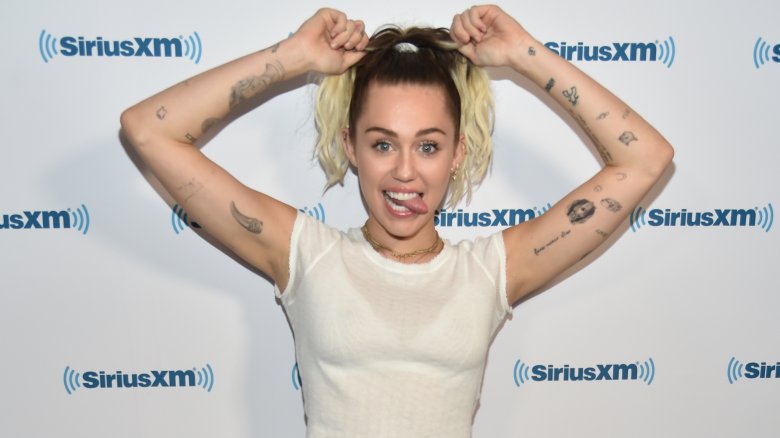
    This image has an empty alt attribute; its file name is miley-cyrus-1495548854.jpg

    The Organization for Chinese Americans had strong words about the picture, but the Chinese government turned things up to 11, straight-up banning Miley Cyrus from the country. The Chinese Foreign Minister even got involved, stating, “Miss Cyrus has made it clear she is no friend of China or anyone of East Asian descent. We have no interest in further polluting our children’s minds with her American ignorance.” The pop singer shot back on a website message by blaming the press for taking things out of context and attacking her, but the Chinese government wasn’t having it, even after a second, less confrontational apology. Years after the picture, the ban remains in place.

    Actor Brad Pitt starred in the 1997 film Seven Years In Tibet, playing the 14th Dalai Lama’s tutor. Chinese officials took offense to that movie because of how it portrayed the Chinese occupation of Tibet. Deciding that the filmmakers needed to get punished for the movie, they barred the main people involved with the movie from China, including Pitt. Until 2016, Pitt couldn’t set foot in China.
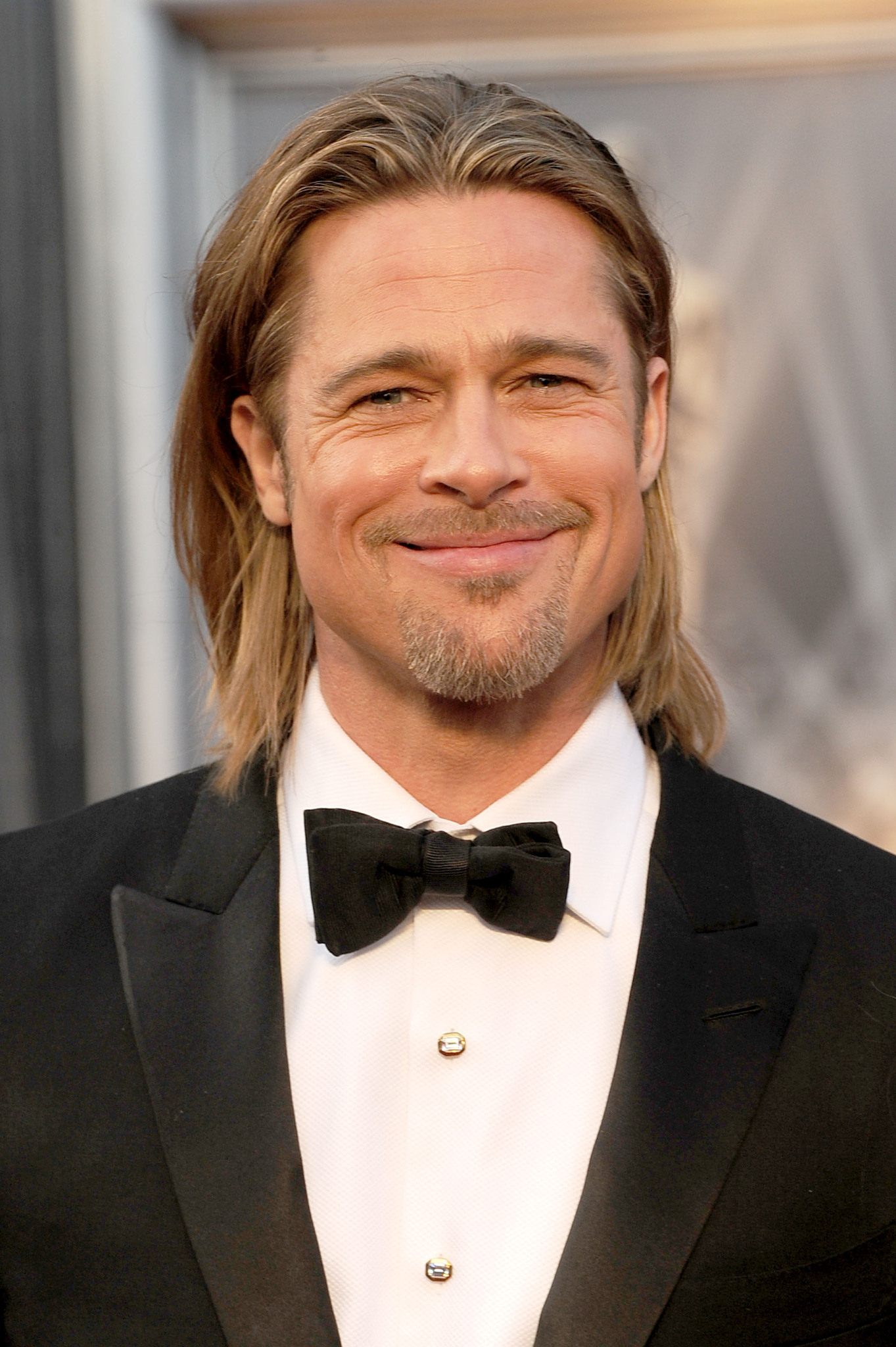
    Brad Pitt - IMDb

    Meeting the Dalai Lama was probably a really cool experience for former Disney star Selena Gomez, but it also got her banned from China. In rehearsals for the 2014 We Day Vancouver event the pop-star met the Dalai Lama. That might not have been too bad for her Chinese relations, but somebody took a picture of it and Selena Gomez, being the teen idol she is, made sure to post the picture on her Instagram and Twitter.
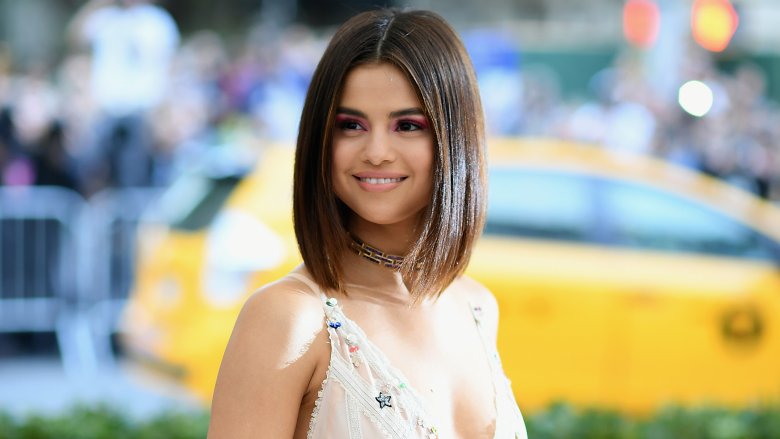
    The Chinese outrage was really slow in developing, and Selena didn’t even know that the government had taken offense to the picture until two years later when she was planning tour dates in China. Her website announced shows scheduled for Guangzhou and Shanghai while the tour was in planning. One day those dates were mysteriously deleted from the website. 

    According to sources the Chinese government had finally gotten around to enacting a ban on her for the now two-year old picture (which has since been removed from Twitter and Instagram), which we like to imagine was a hilariously long bureaucratic process and not the more simple explanation that the Chinese government didn’t really have much reason to pay attention to Gomez’s Instagram back in 2014.

    In 2017, it was reported by BBC that Justin Bieber was banned in China due to his ‘bad behaviour.’ Justin has had his fair share of controversial moments in the past. From being arrested for driving under influence to drug abuse, the singer has been through a lot of struggles.
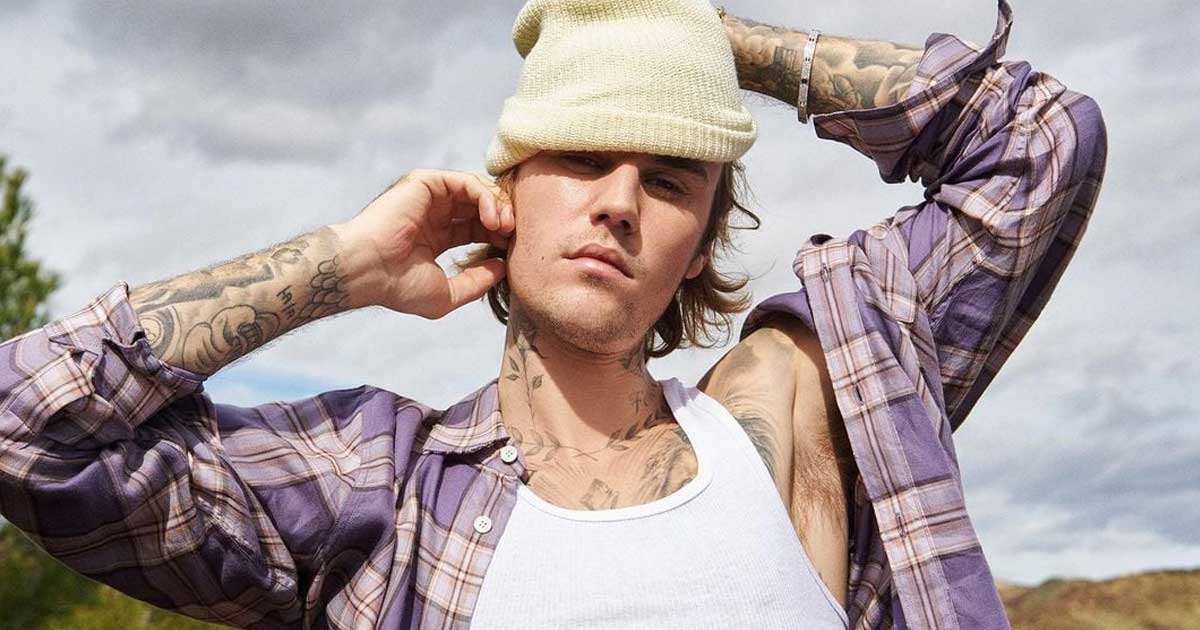
    Justin Bieber Was Once Banned From China Over His Ill Behaviour

    Though a lot of people have condemned Bieber in the past due to that, the Chinese government decided to ban him from the country. The news portal had reported that the ministry released a statement that read, “Justin Bieber is a gifted singer, but he is also a controversial young foreign singer.” “We hope that as Justin Bieber matures, he can continue to improve his own words and actions, and truly become a singer beloved by the public,” it further read.

    It has been years since then, and Justin has made several changes in his life. The Baby singer has also opened up about his behaviour in the past and has revealed struggling with fame, especially while being a child artist.

    Earlier in April 2021, the Peaches crooner had said that he is “very influenced by black culture”. However, in the words of a fan, the singer’s recent Instagram post took him “1000 (steps) backward” with regards to his efforts against racial discrimination because Bieber is once again facing accusations of cultural appropriation over his hair.

    On Sunday, the 28-year-old singer debuted short dreadlocks on Instagram, sharing several pictures of his controversial new hairstyle that elicited both calls of racial insensitivity and praise amongst peers.

    Some Black women called Bieber’s hairstyle offensive and disrespectful and urged him to change it and apologise while others defended him, saying he can wear his hair the way he wants.

    Dreadlocks are traditionally connected to the culture and identities of Black people, and wearing them is viewed by some as cultural appropriation. Locs – which are commonly referred to as dreadlocks, a term that holds a historically negative connotation – is a style where hair locks into fused coils over time.

    Hence, it was no surprise that social media users did not go easy on Bieber. One person tweeted: “Listen Justin Bieber. I don’t care how long I’ve liked you, this is cultural appropriation and I don’t like it.”

    Fans are hurt because earlier in June, Bieber had said that he is committed to speaking up about racial injustice.

    “My style, how I sing, dance, perform, and my fashion have all been influenced and inspired by Black culture,” Bieber had said. “I am committed to using my platform this day forward to learn, to speak up about racial injustice and systemic oppression, and to identify ways to be a part of much-needed change.”

    Meanwhile, earlier in 2016, Bieber had received flak for wearing cornrows.
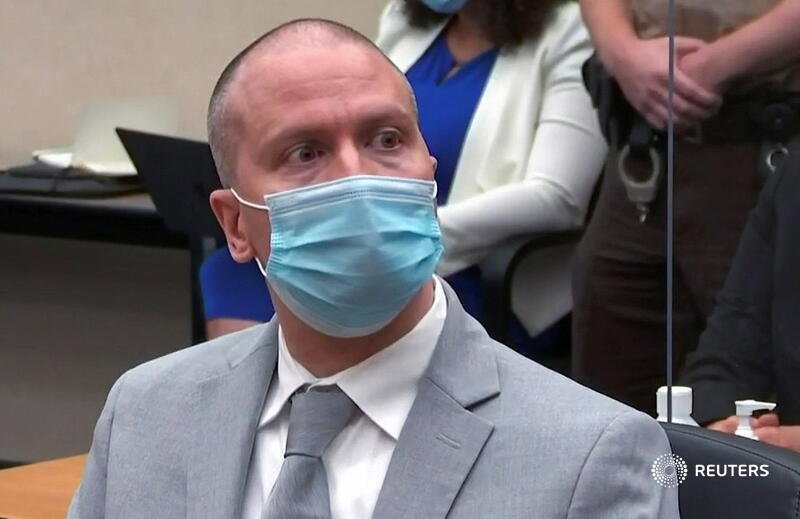
  • Derek Chauvin sentenced to 22.5 years in prison for George Floyd murder

    Derek Chauvin sentenced to 22.5 years in prison for George Floyd murder

    A judge sentenced former Minneapolis police officer Derek Chauvin to 22 years and six months in prison on Friday for the murder of George Floyd during an arrest in May 2020. Floyd’s murder galvanised a national protest movement against racism, reports Reuters.

    A jury found Chauvin guilty on April 20 of unintentional second-degree murder, third-degree murder, and second-degree manslaughter in the death of Floyd. The verdict was widely seen as a landmark rebuke of the disproportionate use of police force against Black Americans.

    Chauvin’s sentence was one of the longest ones to be given to a former police officer for using unlawful deadly force in the United States, said Minnesota Attorney General Keith Ellison, whose office prosecuted the case. Successful prosecutions of police officers in such cases have been rare.

    “Today’s sentencing is not justice but it is another moment of real accountability on the road to justice,” Ellison said outside the courtroom, calling on law enforcement leaders around the US to see it as a moment for reform.

    Hennepin County District Judge Peter Cahill said it was important to recognise the pain of the Floyd family.

    “I’m not basing my sentence on public opinion,” Cahill said. “I’m not basing it on the attempt to send any messages. The job of a trial court judge is to apply the law to specific facts and to deal with individual cases.”

    In a 22-page sentencing memorandum, Cahill gave weight to prosecution arguments that Chauvin acted with cruelty and abused his position of authority, aggravating factors that allowed him to give a harsher sentence than would be indicated by state sentencing guidelines for first-time offenders.

    Prosecutors had asked for a 30-year prison sentence, double the upper limit indicated in sentencing guidelines.

    Video of Chauvin kneeling on the neck of the handcuffed Floyd for more than nine minutes on May 25, 2020, caused outrage around the world and led to one of the largest protest movements seen in the US in decades.

  • George Floyd murder trial: former police officer found guilty

    The murder of a 46-year-old African-American man, George Floyd, on May 25, 2020 led to violent protests across the United States (US) last year. Floyd was killed after a white Minneapolis police officer pinned him down with his knee. A video of the gruesome incident shows how Minneapolis police officer Derek Chauvin pinned Floyd to the pavement with his knee on Floyd’s neck for several minutes.

    Today, a jury found Chauvin guilty on all three counts: charges of second-degree murder, third-degree murder and second-degree manslaughter.

    US President Joe Biden and US Vice-President Kamala Harris spoke with Floyd’s family immediately after the verdict. “At least now there is some justice,” Biden was heard saying. “We’ve been watching every second of this. We are all so relieved.”

    Biden thanked the “young woman with a smartphone camera” who filmed George Floyd’s death. He also thanked the police officers who testified against Chauvin “instead of just closing ranks”.

    Biden said Floyd’s murder “ripped the blinders off for the whole world to see on systemic racism”.

    Former President Barack Obama tweeted that the “jury did the right thing”. He added: “Michelle and I send our prayers to the Floyd family, and we stand with all those who are committed to guaranteeing every American the full measure of justice that George and so many others have been denied.”

    Floyd’s family celebrated the verdict. “Justice for George means freedom for all,” said his brother Philonise Floyd.

    https://twitter.com/ABC/status/1384621697723207686

    George Floyd told the police officers “I can’t breathe” more than 20 times according to the transcripts of the minutes leading up to his death revealed. Floyd’s words have become a rallying cry against racism around the world.

  • Pandya takes a knee in IPL to support ‘Black Lives Matter’

    Pandya takes a knee in IPL to support ‘Black Lives Matter’

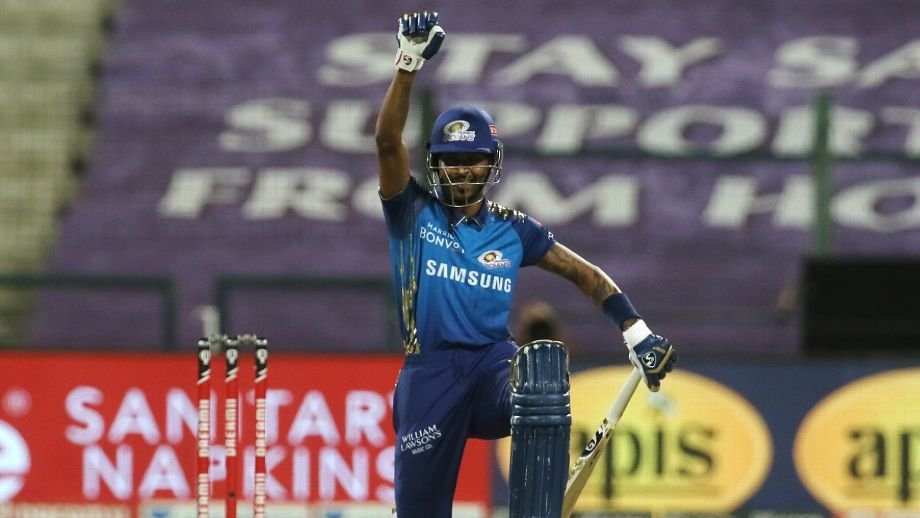
    Mumbai Indians all-rounder Hardik Pandya has become the first player in the ongoing Indian Premier League to take a knee in support of the ‘Black Lives Matter’ movement.

    Pandya’s gesture came during the game against Rajasthan Royals here on Sunday.

    The all-rounder smashed 60 run from just 21 balls. After reaching his half century in the 19th over, he went down on a knee with his right arm raised to show solidarity with the movement against racism.

    West Indies all-rounder and Mumbai’s stand-in skipper Kieron Pollard responded by raising his right fist.

    After the match Pandya even tweeted a picture of himself with the caption “#BlackLivesMatter”.

    Last week, West Indies Test skipper Jason Holder, who plays for the Sunrisers Hyderabad, had expressed his disappointment over none of the IPL teams taking a knee in solidarity with the movement, which, he felt, went unnoticed in the league.

    “To be honest, I haven’t had one conversation up here around it (BLM). Sometimes it seems it has gone unnoticed, which is a sad thing. I guess it’s for us to re-highlight the importance of it, for people to understand what is happening in the world,” Holder had said.

    The “taking a knee” gesture started in the West Indies’ Test series in England this summer in protest against racism after African-American George Floyd was killed by an on-duty white police officer in Minneapolis.

    But the gesture was later discontinued for the subsequent tours of Pakistan and Australia. 

  • Unilever Pakistan to rename ‘Fair & Lovely’

    Unilever Pakistan to rename ‘Fair & Lovely’

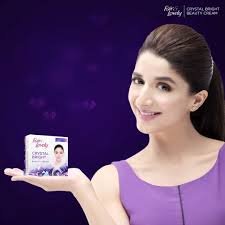
    Unilever Pakistan on Thursday announced that it would rename it’s skin lightening cream ‘Fair and Lovely’ and stop using the word ‘fair’ to become more inclusive.

    Read more – Celebrities who refused to endorse skin-lightening products

    According to reports, the new name of the product would be announced after the needed regulatory approval.

    In a statement, the brand said: “The brand is committed to celebrating all skin tones.”

    Unilever Pakistan Chairman and CEO Amir Paracha, speaking on the matter said: “Unilever is an organisation that is evolving continuously, and today we have taken the next bold step in our evolution by committing to a more inclusive and diverse portrayal of beauty. This ambition has been in the works for some time with significant steps such as the removal of the dual-faced cameo and shade guides from the packaging of Fair & Lovely in 2019.”

    In addition to the changes to Fair & Lovely, the rest of the brand’s skincare portfolio would also reflect the new vision of positive beauty, the statement said.

    The company’s skin lightening range of products have been strongly criticised for promoting stereotypes against people with darker skin.

    The move comes after the cosmetics companies faced a severe criticism on social media in the wake of the Black Lives Matter movement.

    Earlier, Johnson & Johnson said it would stop selling skin-whitening creams.

  • Racism at home

    Racism at home

    Being away from my country, I am having a difficult time processing world affairs, especially the killing of George Floyd, which has left many around the world, including me, speechless, angry and stunned. To all the black people who have long and continue to suffer the systematic oppression in Western countries, especially in the United States (US), I stand with all of you.

    I don’t understand or can gauge your pain, but in silence, words, and action, I am with you.

    Respecting the suffering of African-Americans, I would like to bring to limelight the racial stigmas related to being black or a dark-toned person in Pakistan.  For hundreds of years, having a dark complexion has been looked down upon in South Asian countries. Pakistanis are no less, where a dark skin shade is culturally wired in our brains as synonymous with poverty, illiteracy, and slavery.

    I won’t be overstating that all of us have been racist at some point in our life, be it casually, unintentionally, or knowingly. To me, it seems that we are in a race to be whiter than white people. For us, our sense of pride is skyrocketed when someone compliments our facial colour and delivery of the English language. As a result, we adopt practices that corrupt society at large and infuses it with just not racism but injustice too.   

    “It is just not the educational system, but this racism is systematic and deep-rooted in our societies, for which we are equally responsible. There are racial slurs pretty standard such as “Kalia,” “Kali,” or “Kalu” to disrespectfully address someone with a dark skin tone. As if their measurement of respect comes with the shade of your body.”

    I am sure, like many others, I had a strange experience of unintentional racism through our education system. We were repeatedly lectured on how Islam treats everyone equally. The guiding example of Prophet Muhammad (PUBH) was quoted now and then, on how despite resistance from Arab society, he (PUBH) appointed Bilal ibn Rabah to call the first prayers, but in the same breath, our very teachers favour kids with a fairer skin tone. Those kids were likely to become your teachers’ favorite students. I also heard remarks such as, “OMG! You are so beautiful because you are white” or rejoining the classes after the summer break; one teacher unforgivingly remarked, “What have you done during your summer break, you have become so black!”

    It is just not the educational system, but this racism is systematic and deep-rooted in our societies, for which we are equally responsible. There are racial slurs pretty standard such as “Kalia,” “Kali,” or “Kalu” to disrespectfully address someone with a dark skin tone. As if their measurement of respect comes with the shade of your body. It doesn’t stop there; brown parents want a fairer daughter-in-law for their son, which helps them boost their societal pride as if she is a commodity or a showpiece.  In the same bid, women are obliged to use fairness creams so that they can wed their prince charming.

    I have always had a difficult time coping with advertisements prescribing color change possibility with-in 20 days of regular use. To add further, I knew someone who went to the US for higher education and wanted to marry an African-American. The family back in Pakistan didn’t approve of the marriage, objecting to her appearance. Similarly, I think of all women in Pakistan whose wedding proposals are causally rejected, on being dark. The amount of trauma and stress it leaves the person with, is unexplainable.

    “I can write a long speech about how I support the black lives movement in the US, but my head continues to bow down in shame because the ones in Pakistan are treated far worse.”

    I, however, am still speaking from a privileged position of being a man and can hardly relate to the suffering of women in Pakistan. 

    We often criticise US authorities for the handling of black people, but it is worse here in Pakistan. From security guards to cab drivers, the initial mental framework of respect is proportional to someone’s fairness. These and many other instances add up to racism at all levels in Pakistan. I can write a long speech about how I support the black lives movement in the US, but my head continues to bow down in shame because the ones in Pakistan are treated far worse. I, therefore, pick to criticise my own country and culture, with an ambition to change myself and the people around me in understanding that somebody’s colour should not be a measurement of their ability, intelligence, worth or respect.

    Please remember when you lash out at white people with #blacklivesmatter hashtags on your digital channels. Use your presence to be the voice of those who are unheard or racially abused in Pakistan. Whatever inspires you in your life, be it religion, science, or culture, let’s reform our vocabulary and lifestyle, and celebrate people beyond their color, ethnicity, race or gender.