Tag: Bollywood

  • ‘Sridevi was like a mother to me’: Sajal Aly reminisces about Bollywood star

    ‘Sridevi was like a mother to me’: Sajal Aly reminisces about Bollywood star

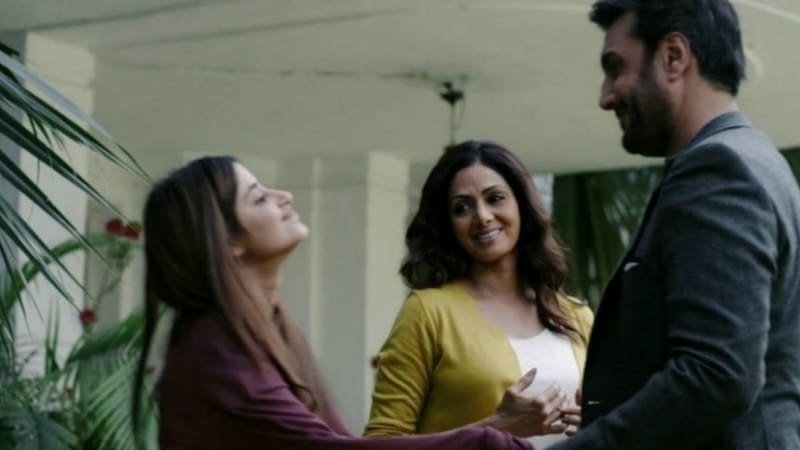
    Sajal Aly has only praise for Bollywood superstar the late legendary Bollywood actress Sridevi, her costar in the Indian film ‘Mom’.

    Aly talked about her relationship with the superstar on BBC Asian Network show and her experience of working with her on the film. “First of all the experience was unbelievable for me that I’m sitting right in front of her, acting and giving dialogues, all that. And it’s just like looking at her you would forget everything. But I think the mark of a good actor is that they also need to be a good person. We are sometimes intimidated by actors in front of us, and also realize that this person is scared while standing next to us. But if you know, then the first thing a good person and a good actor would do is make the other person comfortable. She was that kind of actor. She had a lot of empathy and kindness towards me. For instance, I had that one scene where I was wearing this red dress and when I got ready she was like ‘Oh! You should curl your hair more!’ She was acting like a mother to me, although she was just a co-star. But the fact that she cared about how I’m looking and how I could look better, that is something that stole my heart.”

    The host Haroon Rashid reminded her of what Aly said once about not being able to open up to people easily, but finds it easier to act in front of the camera. He recalled his interview with Sridevi at her home in Mumbai, and told Aly that the ‘Chandni’ actor had said “the exact same thing, ‘I don’t know how but when I’m in front of the camera,and the camera is my friend and I open up.’”

    Aly said she felt the same way because the camera acts as a mirror in front of which you can be any character, and everything else just blurs.

    Rashid, also recounted asking Sridevi about ‘Mom’ after the interview, which had not being released at that point. To which the late actress had only said ‘It is Sajal you need to look out for.’

    Aly had expressed feeling extremely flattered and scared because she feels the pressure of proving she is a better actor

    “I didn’t know she said that about me, but of course in some interviews she praised my acting a lot. These kind of compliments, I get scared because I feel the pressure. I never talk about her a lot and the relationship we had, it’s something I can’t explain. Because it was really real. Because when we think of showbiz, its a glamorous and refined. But to find a genuine connection within this place is incredibly hard. But for me its been very easy. It’s the only reason why I say that I’ve been very lucky.”

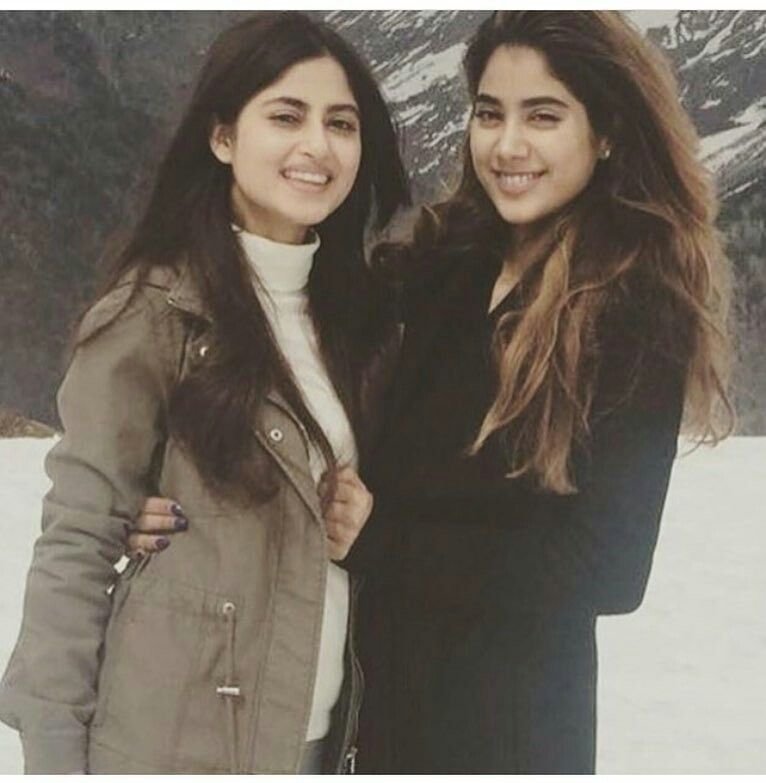
    Aly also opened up about her friendship with Sri Devi’s daughter, Jhanvi Kapoor, and how the two developed a closer bond after both of their mothers passed away.
    “We met after six years[in Dubai], when my mother had passed away as well as hers. Probably because of our mothers as well we got a lot more closer. So I connect with her and she connects with me. We used to keep in touch but then she started her career and she’s busy with that.”

    Aly also addressed being cast the main lead for the upcoming adaptation of ‘Umrao Jaan’, revealing that she was already learning kathak lessons.

    The ‘What’s Love Got To Do With It’ actor said that this project was handed to her as a surprise:

    ‘My agents Hammad and Yaqoub came to my house as a surprise and said ‘You know how once we were talking about the project ‘Umrao Jaan?’ I said okay, hmm. Then they said ‘You’re doing it! We’re not asking you if you’ll do it, we’re telling you!’

    You can watch the complete interview here:

  • ‘I will visit Pakistan this year,’ Bollywood actress Sonam Bajwa

    ‘I will visit Pakistan this year,’ Bollywood actress Sonam Bajwa

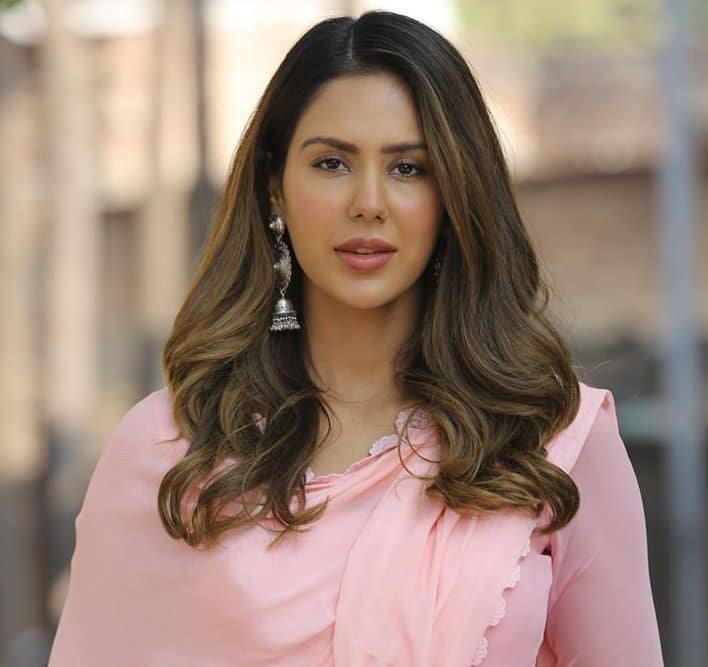
    Bollywood actress and model Sonam Bajwa held a Q&A session with fans on Twitter and announced that she will definitely come to visit Pakistan this year.

    “I will definitely come this year,” she responded to a fan’s request to visit Pakistan.

    Previously, Bajwa had expressed her love for Pakistani actor Mahira Khan on a Twitter post. When a twitter user had asked her to comment on the trolls coming after Mahira Khan for looking similar to her, Bajwa responded:
    “I love love and love Mahira Khan.”

    Mahira had responded with ‘Hey you sending you lots of love x’

    Bajwa had also previously revealed that she had a crush on singer and actor Fawad Khan. In a conversation with Connect FM Canada, Bajwa revealed that if Khan was not married, she would have dated him.

     “I don’t eye on married men. It’s Fawad Khan, so if he wasn’t wed, I’d make my move.”

  • ‘Disrespectful’: Resham, others slam Javed Akhtar for insensitive comment at the Faiz Festival in Lahore

    ‘Disrespectful’: Resham, others slam Javed Akhtar for insensitive comment at the Faiz Festival in Lahore

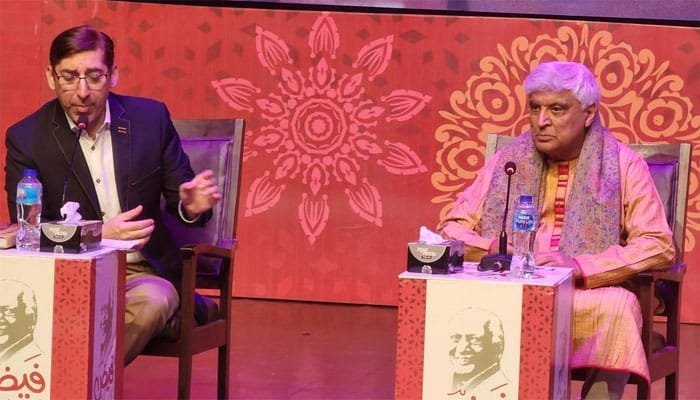
    Indian poet Javed Akhtar’s comments about Mumbai attacks at the recent Faiz Festival circulated heavily on social media. Akhtar attacked Pakistan for refusing to hold accountable the terrorists behind 26/11 attacks. He also said that India had always honored and celebrated the legacies of Pakistani musicians like Nusrat Fateh Ali Khan and Mehdi Hassan, but Pakistan refused to do the same thing.

    Pakistani actors have slammed the Indian screen writer for his inappropriate comments and especially for misleading the audience into believing that Indian actors and musicians were not respected in Pakistan.
    Actor Ejaz Aslam criticized Akhtar for refusing to own up to the destruction India had done in Kashmir, instead of hating on the country that had invited him as a guest.

    “Mr javed akhtar would you mind shedding some light on Kashmir issue ? You shouldn’t have come if you have so much hatred for pakistan, we still let u go back safely & thats our answer to your nonsense”

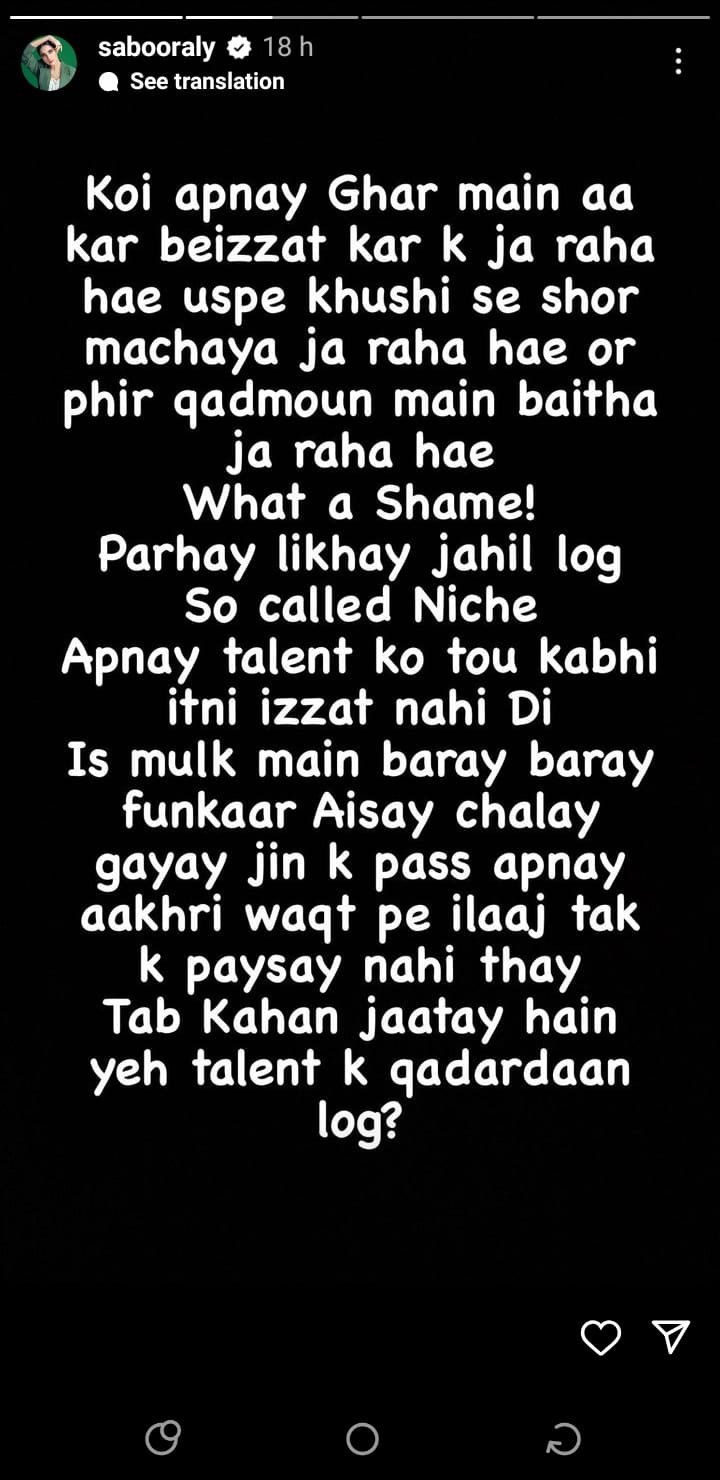
    Actress Saboor Aly reacted to the celebrities who were praising Javed Akhtar at the mehfil, and said she was ashamed that they refused to set professional boundaries towards someone who had disrespected them in this manner. She also felt that it was shameful how many local celebrities who are equally as talented are not given the honor and respect Akhtar was given for three days.

    “These people were celebrating someone who had insulted them in their own home, and then sat at his feet and singing praises. What a shame! So-called educated people. You have never respected your own talent the same way. Some of the biggest stars in this country had passed away in severe circumstances when they didn’t even have any money to pay for their operation. Where were these people then who respected talent so much?”

    Fashion designer Zara Shahjahan criticized the elite participants who had attended the conference where Javed Akhtar had said this, and also later had hosted a mehfil for him.

    “He was not just allowed to come to Pakistan, he was allowed to shit on Pakistan and then the Lahori “fake” elite hosted a party for him where they cried on his knees.”

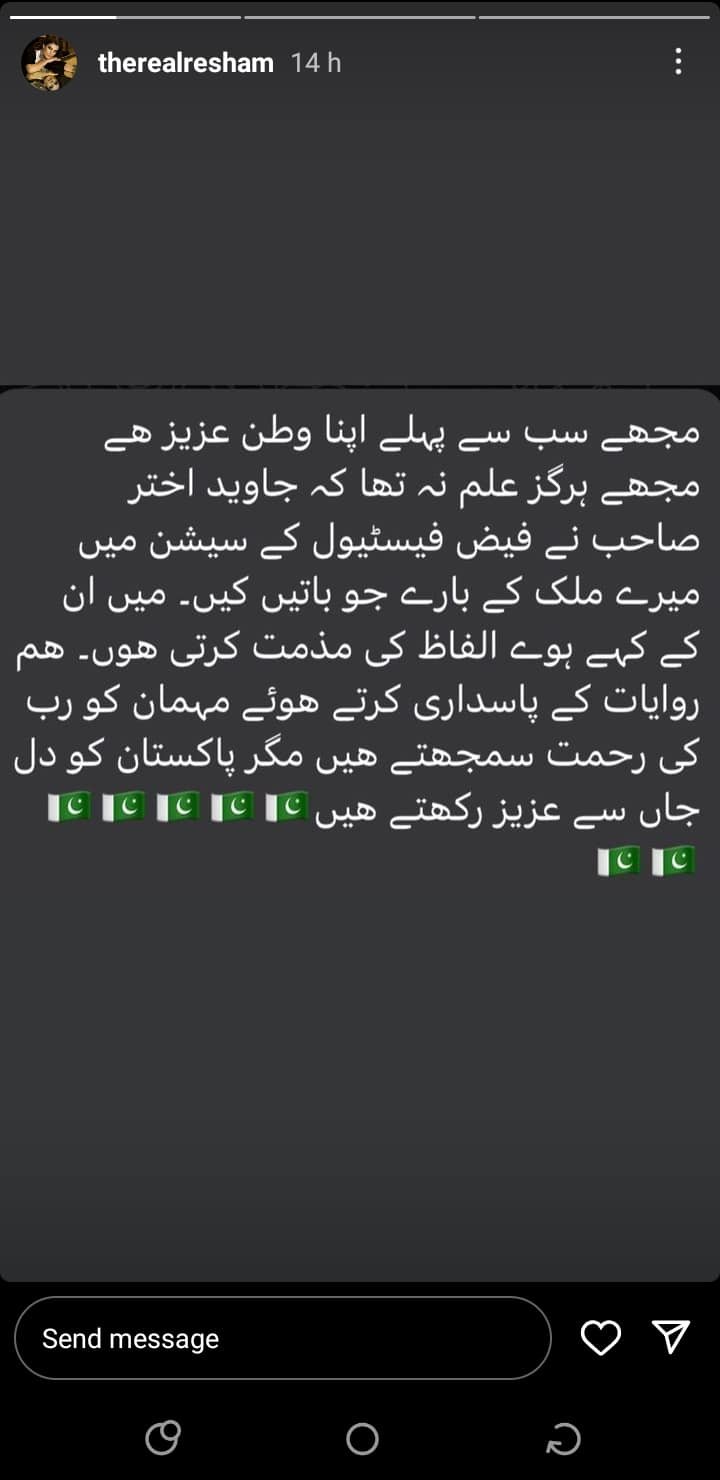
    Actress Resham, who had also shared video clips of attending the mehfil hosted by Ali Zafar where Akhtar was honored, gave her defence on her Instagram stories. She shared that she deeply respected her country and its people, and was not aware of the comments he had made.

    “I hold my country Pakistan in deep respect, and was not aware of the type of comments Javed Akhtar had made at the conference on the Faiz Festival that day. I condemn his words. As per our customs of special treatment, we consider guests God’s mercy but Pakistan is more precious to us than our hearts and lives.”

  • Are we allergic to joy?

    Are we allergic to joy?

    There is a poignant moment in the documentary ‘The Romantics’ where filmmaker Aditya Chopra reflects back on the 26/11 Mumbai attacks that shook the entire country. At the time, his production company had been gearing up for the release of his upcoming romantic comedy film ‘Rab Ne Banadi Jodi’. Many of his colleagues had urged him to push forward the dates to prevent an uproar. Chopra said in the documentary that he knew that more than ever, that was the time people needed a reminder of joy and happiness in their lives, so he decided to stick with the original date. When the film released in cinemas across India, it became a hit.

    Currently in the state ‘Bannistan’ is in, with our economy struggling, inflation rising and more women finding it difficult to access public spaces without the fear of sexual assault or harassment, we have now developed an allergy to joy. Anything that prompts laughter or makes people happy. Solution: ban it. We ban our films, we call for festivals to be stopped because of fears like “western sazish” or “anti-Islamic” and then we wonder why our upcoming generation has no creative skills or any motivation to find work.

    Art is not just a prop to promote state policies, but a way to encourage members of society to find joy and reflect on the way they are living their life. We need art because it encourages us to express our inner selves and also because it is a powerful way to spread messages on social issues to the masses. Perhaps this is why art terrifies our public officials so much, and why it is censored more than any other industry in this country. We label the art we don’t like as ‘immoral’ because it is the only medium that can reflect the tabooed topics we are so afraid to speak about. Consider dramas in the past like “Dil Na Umeed to Nahi” which got several notices from PEMRA because it discussed the issue of child sex trafficking, and the difficulties survivors face in rehabilitating themselves. Another notice was sent to ban hugs or caressing, because God forbid any marriage is seen as being happy or affectionate. But we refuse to think about the numerous domestic violence and abuse scenes we watch on our screens every day.

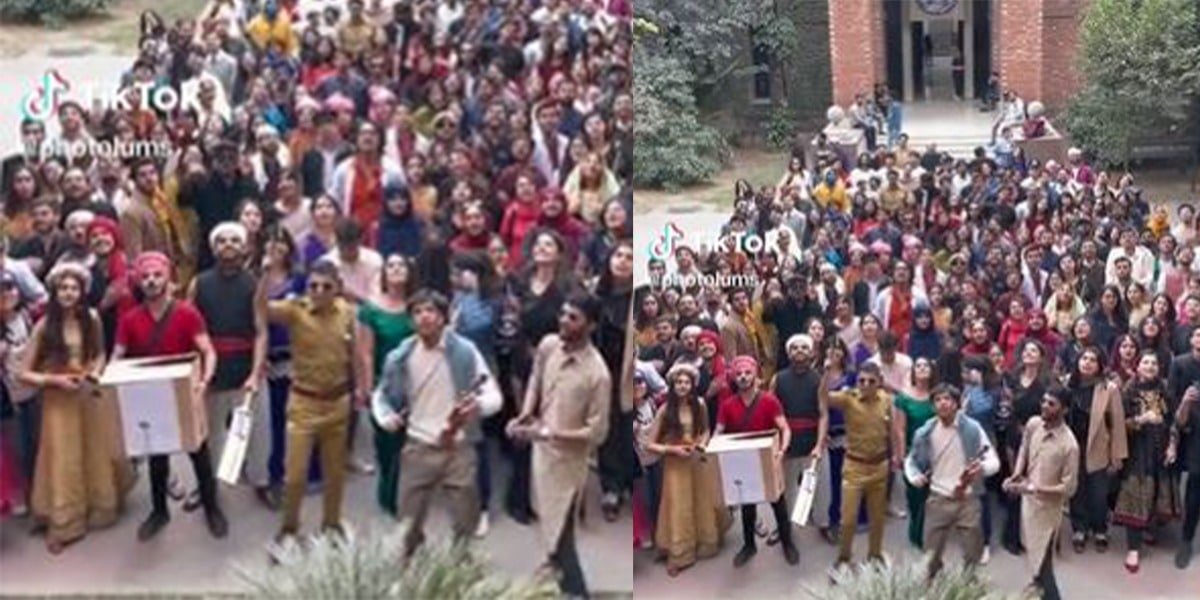
    A few days ago, a video began trending online featuring Bollywood day at LUMS, where students showed up dressed as their favorite characters from movies and dramas. But in response, social media users began criticizing the university for promoting vulgarity, and called the participants “kanjarkhana”

    Slur words are labels that we put on people who do not conform to the idea that it is shameful to seek celebration and joy in our lives, and words like these can be traced to our colonial roots. The British had demoralized the kunjar community in the sub-continent, a nomadic community of folk entertainers. As Jasir Shahbaz writes for Samaa, under the British rule, the kanjar community had been socially outcasted and under the Criminal Tribes Act, 1871, they were listed as “addicted to the systematic commission of non-bailable offences.”

    These terms are thriving under the ongoing reign of Bannistan: shame anyone who works in entertainment as a ‘kanjari’. We criticize female actors for performing on screens, deem women who seek their independence or protest for equal rights as loose and immoral, when in reality anything that challenges our misogynist and regressive mindset is improving our lives.

    In defense of the students who celebrated the end of their University days and any other woman out there trying to live her life, kanjari is an empowering term because it means we’re celebrating life. In times of repression and censorship, celebrating art can be the greatest form of living because it allows us to represent ourselves on screen. And gives space to every individual in society, regardless of caste or background. So instead of shaming these children for celebrating Bollywood day or just protesting in the streets, hold back your thoughts and just go about your own day if you’re not interested in what they have to say. Because now more than ever, we need joy in our lives. We need a reason to keep moving and find solace in the countless stories we see in films or read.

  • Fact check: No one clapped after his Mumbai comment as claimed by Indian media, Akhtar

    Fact check: No one clapped after his Mumbai comment as claimed by Indian media, Akhtar

    Javed Akhtar and the Indian media are congratulating themselves for “dushman kay ghar mein ja kar usko marna” after his comments criticizing Pakistan for not taking strict action against the terrorists responsible for 26/11 Mumbai attacks went viral.
    In an interview with NDTV channel, Akhtar claimed that Pakistanis had clapped when he had made the remark, and agreed with him.
    “They all clapped. They agreed with me. There are many people who admire India, want to have a relationship with us. We tend to think of countries as monolith. That is not the case. How do we connect with millions of people, who want to connect with India,” he stated.

    However, the statement is incorrect as according to the complete video of Javed Akhtar’s response to a question from an audience member, there was complete silence during his Mumbai comments.

    Only after the host, Adeel Hashmi, asked another question can scattered applause be heard, signaling that the audience was applauding the end of a guest’s response to a question and not a specific comment like they had done before after Akhtar’s comment on Lata.

    The audience did appreciate another comment by the Indian poet. Javed Akhtar had said that Indian musicians were not celebrated in Pakistan:
    “We [India] have held concerts for people like Nusrat Fateh Ali Khan and Mehdi Hassan, but your country has not held a concert for Lata.”
    This statement is also incorrect as Indian musicians and actors have been honored with some of the highest awards given by the Pakistani government and especially have been invited to talks in Pakistani cities.
    Journalist Yusra Askari shared pictures of the Bollywood actors and singers who had received accolades in Pakistan.

  • The collective effervescence of Shah Rukh Khan

    The collective effervescence of Shah Rukh Khan

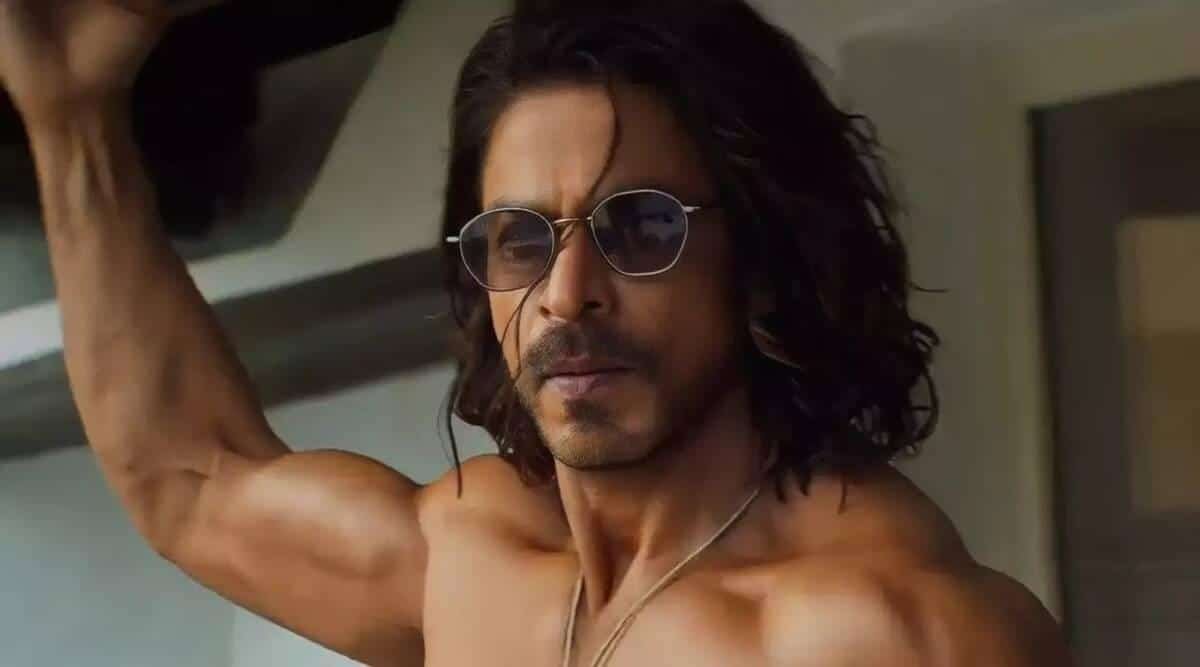
    ‘Pathaan’ is a frustrating film because it does not want to make things too difficult but it also does not want to take the easy way out. It does not mind being silly but it certainly will not become stupid. Perhaps to resolve these contradictory impulses, it chooses to be a fan-service film, something that requires a certain amount of blind faith on part of the audience but also a deep and nuanced knowledge of the world the star who helms it inhabits.

    ‘Pathaan’ is first and foremost a ritual. According to sociologist Émile Durkheim, when a community or society comes together and simultaneously communicates the same thought and participates in the same action, it represents a collective effervescence. That is, the group members experience a loss of individuality and a unity with gods, where the god and the society are the same and the clan itself transfigures into a symbol, the totem pole around which they gather with strong emotion.

    So what can the film offer to non-fan viewers like this author, who have the background knowledge but not the blind faith?

    If you are not part of this collective effervescence, you might be tempted to perceive the scene, the totem, the group as separate entities but it is simply impossible to extricate one from the others. The only way to understand ‘Pathaan’ is to view the film, the star, the fandom and the world it emerges from as one composite whole even if you are outside of that experience.

    Khan is a pathaan (son of a Khudai Khidmatgar no less) and, through this film, he insists that he must be seen as no more than an orphan of Indian cinema. Left as he was as a baby in a movie theatre, pathaan has no history and no identity beyond the service of Indian society. That he found a family outside Indian borders – in the film, this is represented by an Afghan village – holds for him deep emotional resonance, but ‘Pathaan’ and Shah Rukh Khan are, first and foremost, lost at and found by Indian cinema. And the Indian in him has a lot to get off his chest – or, do I mean his abs? – and will, unfortunately, exclude his non-Indian fans at least for the purposes of this film.

    This is not the first time a Shah Rukh film and the man became indistinguishable from one another. In ‘My Name is Khan’ (MNIK), Shah Rukh urged an increasingly Islamophobic world to not see all Muslims as terrorists. Moving on from what now seems like innocent times when the deeply problematic discourse of “good Muslims and bad Muslims” retained some currency, India now finds itself at a stage where proving one’s patriotism through a trial by fire (for example, in ‘Chakde India’) will bear no results. The Khan of ‘Pathaan’ is the older, weary and (literally and figuratively) broken version of the man in MNIK and Chakde. He has given up trying to prove his patriotism – if you are not yet convinced, you are unlikely to ever be. If you happen to be one of those blessed with blind faith, this film will not only help you reiterate your beliefs, it will also give you renewed energy to go out into the world filled with hate, despair and anger.

    John Abraham, who plays the antagonist Jim in the film, mentioned in a post-release press conference that Shah Rukh Khan is not a man but an emotion. This film, which is also the star, the nation and its audience all at once, is similarly an emotion. This is why it does not make the treatment of very complex issues difficult or easy. The issues are presented as Indians experience them.

    For me, it was still jarring to sit through the throwaway lines on Pakistan when criticism of the Indian state remains muted and one can well imagine the frustration that led Fatima Bhutto to write that Bollywood, as a whole, appears to be ‘obsessed with Pakistan’. Indian films have been steadily churning out plots where Pakistanis are represented as not only “nasty” but also gullible and even moronic. But, for Indians, who have been subjected to phallic slogans like “ghar mein guss ke maareinge” (we will invade your homes to kill you) in the recent past, the film comes as almost a relief. ‘Pathaan’ is at least not a chest-thumping agent of chaos – whether it is in India or Afghanistan, on-screen he is only trying to protect people. Whether he should have participated in the American invasion of Afghanistan at all is not a question the movie is interested in – just as it shies away from actually taking a political position on the abrogation of Article 370 that forms the impetus of the conflict presented in the film.

    It is in this almost desperate attempt to avoid taking overt stands on polarising debates that the film becomes reluctantly nuanced. While some lazy lines suffice to illustrate that only a handful of Pakistan’s military establishment have, to quote the ISI agent Rubai (played by Deepika Padukone), gone berserk, the blame for the imminent threat lies with the soulless and even callous Indian bureaucracy and a particular version of nationalism that pervades public discourse today. Jim is a narcissist for whom love for the nation used to be an extension of love for self and, now that his love has soured, he cannot but mock the selfless love that ‘Pathaan’ holds on to despite being betrayed and hurt. Most of their conversations centre on this differing attitudes towards nationalism, offering Khan ample opportunity to respond to the real-life attacks the Indian state and its narcissistic nationalists have subjected him to in recent years. The camera lingers on his dark brooding face as he expresses, in turn, his quiet disappointment with state’s priorities (while listening to Jim’s backstory), the shock of betrayal (as Rubai leaves him behind) and abject resignation (when he finally decides to go rogue). The emotions spill over the frame and become a testament to the life of India’s most famous and openly religious Muslim man under the tyranny of Hindu nationalism.

    While Bhutto’s criticism is well-taken, movies like ‘Pathaan’ – and ‘Raazi’, which she also mentions – emerge from a specific political struggle within India and must be seen as a challenge to the rampant hate rather than carriers of the same hateful messaging. Pakistan in ‘Pathaan’ serves as an empty signifier that it has been in films like ‘Uri’ where the larger plots are aimed at othering the Indian Muslims through an invocation of an external threat. But, in a crucial difference, ‘Pathaan’ brings attention back from the neighbouring country to the internal struggle in India that was provoking such excessive obsession in the first place. It is as if the filmmakers are telling us that it is impossible to speak on Indian nationalisms without underlining the disproportionate space Pakistan occupies in public imagination.

    While Jim is explicit about his motivations, Rubai’s backstory leaves a lot unsaid. Rubai’s father was a journalist somewhere in West Asia who “asked too many questions” and, as a child, she was forced to witness his waterboarding by agents of an undemocratic regime. As memories of the father’s torture merge with her own waterboarding at the hands of Indian agents she had actually helped, the signifier of Pakistan is emptied out and her story becomes one of Indian journalists who, in recent times, had “asked too many questions” with national interest at their heart and paid the price for the same.

    It may still be too unrealistic to ask Pakistanis not to be offended by ‘Pathaan’ since it is probably no consolation that the film does not address them at all. The totem of Shah Rukh holds great emotional resonance across South Asia and the world and, while the film tells us that he cherishes ‘his family’ outside India, ‘Pathaan’ is targeted at the Indian society – as a collective – that loves him and, yet, as the film sees it, has betrayed him.


  • ‘Ye kya chal raha hai’: social media curious after Urvashi Rautela wishes Naseem Shah ‘happy birthday’

    ‘Ye kya chal raha hai’: social media curious after Urvashi Rautela wishes Naseem Shah ‘happy birthday’

    Yesterday social media lit up once more on speculations on what exactly is going on between Urvashi Rautela and Pakistan cricket pacer Naseem Shah. Sparks flew in September 2022 when the Bollywood actor shared an edited video of her and the 19 year old cricket player. When asked about the video by the media, Rautela responded by saying that the video was made by her fans, and she didn’t know the other person in it.
    Now this time, fans are convinced daal main kuch kaala hai when under a post where Shah had sent good wishes to Shadab Khan for his wedding, Rautela posted a birthday wish to the cricket player.

    “Happy birthday @inaseemshah congratulations on being conferred with honorary DSP rank”

    This smol but meaningful interaction has fans scratching their heads regarding the bond between Naseem Shah and Rautela.

    https://twitter.com/WarisKh73892101/status/1625883223145459713?s=20
  • ‘Extremely moving’: Social media is in love with the Netflix documentary ‘The Romantics’

    ‘Extremely moving’: Social media is in love with the Netflix documentary ‘The Romantics’

    Netflix released the anticipated documentary ‘The Romantics’ on Tuesday, garnering praise from Bollywood fans around the world, especially those who had grown up loving Yash Chopra’s films.
    The documentary explored the life of the famous film maker, who was responsible for some of the biggest hits like Chandni, Lamhe, DDLJ, Band Baja Barat, Mohabattien and Veer Zaara etc. Prominent actors from three generations like Amitabh Bachchan, Shah Rukh Khan, Katrina Kaif. Madhuri Dixit etc, will talk about their experiences of working with the film giant.
    Pakistanis also grew up loving Chopra’s films, and didn’t hold back on praising the documentary.
    Lawyer Reema Omer had written:
    “Difficult to describe how watching #TheRomantics made me feel. It is a reminder of why Hindi films have had such a profound impact on people over the decades, and why we continue to yearn for such cinema. Fills the heart with so much love and nostalgia So, so beautiful!”

    Journalist Sabahat Zakariya commented that the documentary stirred up many childhood memories .

    The documentary especially focused on the iconic film Dilwalay Dulhania Le Jayienge, which was Chopra’s biggest ever hit with Shah Rukh Khan and Kajol in main leads. Many were moved by Khan’s comment on his relationship with the late director, and his comment that he considered Chopra a father figure.

    Khan also revealed that the reason he acted in more romantic movies is because Chopra himself told him that his stare was intense and not meant for action movies.

    Fans called ‘The Romantics’ a moving tribute to the generation that had grown up loving Yash Chopra’s films, and also said it was the perfect Valentine’s Day gift.

    Watch ‘The Romantics’ on Netflix.

  • Netflix releases trailer for ‘The Romantics’, celebrating Yash Chopra’s legacy

    Netflix releases trailer for ‘The Romantics’, celebrating Yash Chopra’s legacy

    Netflix dropped the trailer for the upcoming documentary ‘The Romantics’, a film about the legacy of legendary director Yash Chopra, maker of some of Bollywood’s most critically acclaimed films like ‘Silsila’, ‘Chabdni’ and ‘Dilwale Dulhania Le Jayienge’.

    Chopra, called the ‘Father of Romance’ for his penchant for love stories, died in 2012 at the age of 80.

    The documentary is a four part series which will interview three generations of actors such as Amitabh Bachchan, the late Rishi Kapoor, Shah Rukh Khan and Kajol, who will talk about their experience of working with Chopra, and how he helped them gain stardom and success in Bollywood.

    This will also be the first time Chopra’s son, Producer Aditya Chopra will be present for an interview, after refusing to come on camera for 20 years.

    Directed by Smitri Mundhra, the documentary shall release on Netflix platforms on 14th Feb.

    Watch the trailer here.

  • Shah Rukh Khan’s moving speech at a media event is the reason why he’s the King of Bollywood

    Shah Rukh Khan’s grace and ability to demonstrate determination and hard work in the face of hate is the reason why he’s the last superstar of Bollywood.

    Speaking at a press conference to mark the release of Pathaan, he opened up about the controversies surrounding the film. Pre-release, Pathaan was attacked for being anti-Hindu, with BJP politicians and activists repeatedly sending threats to the actor and rest of the crew. Despite this, Pathaan became a massive hit, with multiple screenings playing even past midnight in cinemas across India.

    Addressing the attacks the film faced, Khan called himself, Deepika Padukone and John Abraham ‘Akbar, Amar and Anthony’ and said that the main purpose of cinema is to spread love rather than hate.
    “This is what makes cinema: Amar, Akbar and Anthony. There are no differences that any of us have for anybody, any culture, any aspect of life. We love you that’s why we make films. We love you to give us love. We’re hungry for love.”
    Khan also revealed that it didn’t matter how much money the film made or how many box office records it broke, what mattered was the love and appreciation they got from people, and wanted to keep inspiring audiences with their work.
    “This person was saying a million times ‘100 crore’, ‘200 crore’ or ‘1000 crore’. Despite the millions, the love we receive from the fans, and the happiness they experience from watching our film, there is nothing that we want more than that. We have to maintain our culture, our old stories, all that has seeped from our beautiful country. We have to tell the stories in modern ways, in different ways, in no way we are deriding any body,” the superstar said.

    Since then, fans have been showering praises on the Bollywood super star, and praised him for always standing for religious harmony and peace.

    “You will not found a better speaker of love,humanity and hope than this man”, one user wrote.

    Another user wrote:

    “That’s the quality he has. A quality to make people understand what love truly means and what it stands for. Duniya me kitni hai nafraratein,fir bhi dilon me hain chahatein, marr bhi jaayein pyaar wale,mitt bhi jaayein yaar wale, zinda rehti hai unki Mohabbatein.”