Tag: budget

  • Bilawal to meet PM Shehbaz today as budget reservations loom

    Bilawal to meet PM Shehbaz today as budget reservations loom

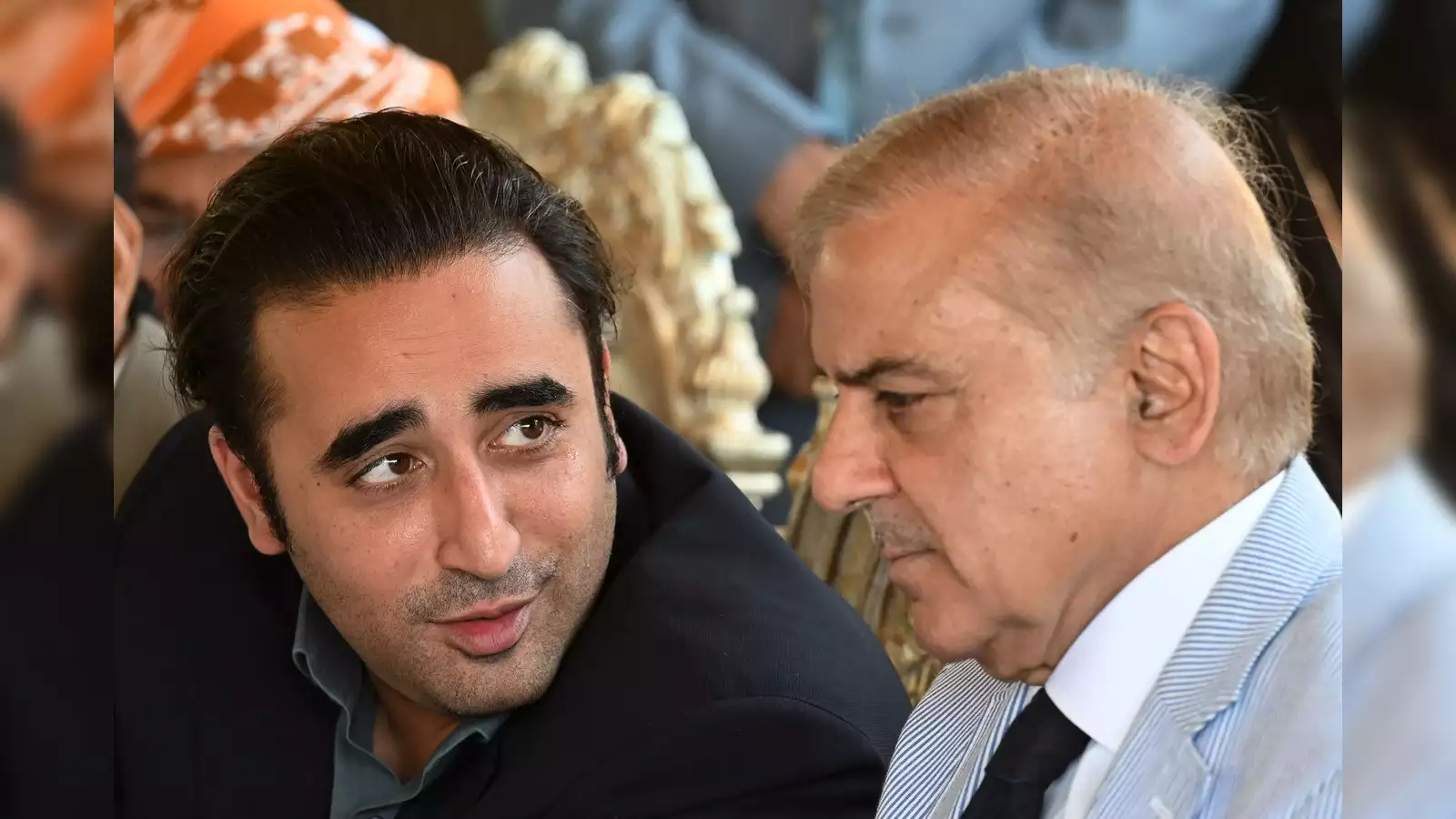
    Pakistan Peoples Party (PPP) Chairman Bilawal Bhutto Zardari will meet Prime Minister (PM) Shehbaz Sharif today to discuss his party’s reservations about the federal budget for 2024-2025.

    The National Assembly (NA) is holding a budget session today after Eid break.

    The Bilawal-led party has criticized Shehbaz’s government for taking all decisions about the presented federal budget alone.

    PPP had decided upon boycotting the budget session last week, but Deputy Prime Minister Senator Ishaq Dar held talks with PPP’s top leadership to convince them to support it.

    The delegation of PPP- headed by Bilawal Bhutto Zardari- will convey their reservations on the budget in today’s meeting to Shehbaz Sharif at PM’s house in the federal capital, as per The News.

    “The government reached out for the meeting, and Bilawal will place genuine PPP concerns before PM Shehbaz,” PPP’s Secretary Information Shazia Marri confirmed.

  • Tax dou, phir baahir jao: no vacation abroad if you don’t pay your taxes

    Tax dou, phir baahir jao: no vacation abroad if you don’t pay your taxes

    Pakistan’s budget for 2024-25 was presented on Wednesday by Finance Minister Muhammad Aurangzeb.

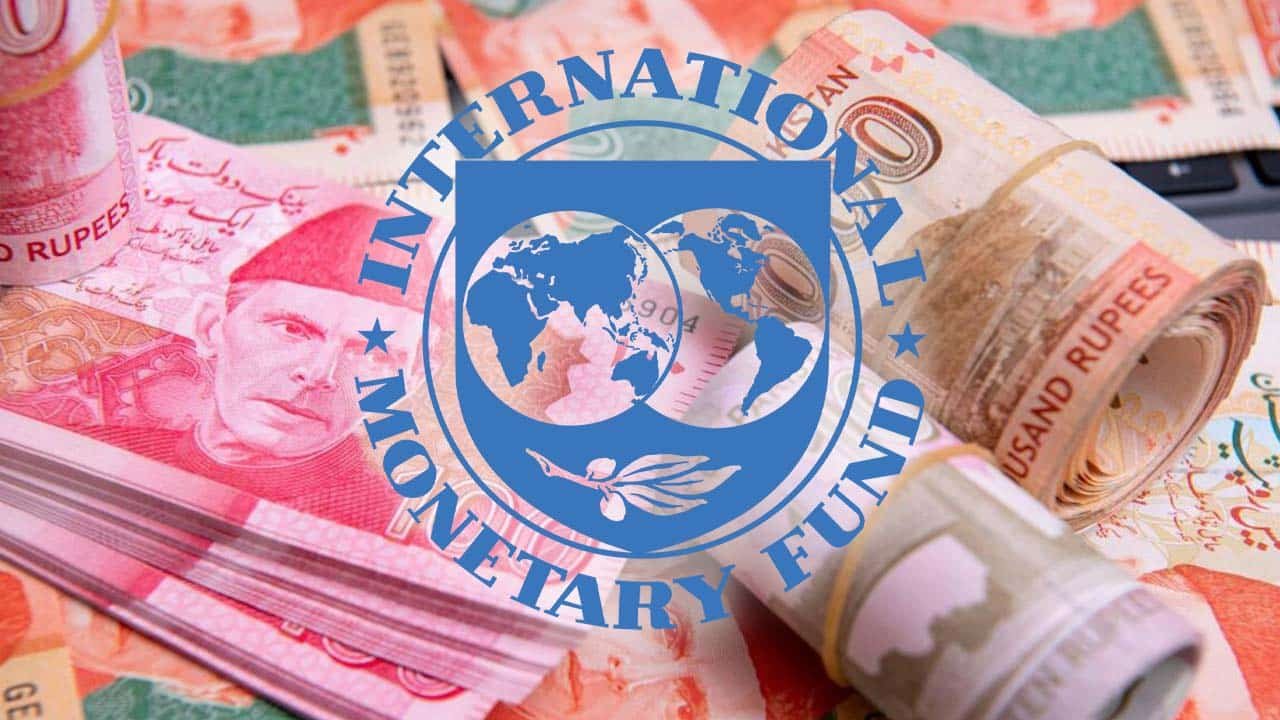
    With a heavy bailout IMF bailout package weighing on the government, increased taxes have been imposed.

    The Federal Board of Revenue (FBR) has asserted strict actions against non-filers including disallowing foreign travel, No vacation abroad if you don’t pay your taxes.

    While these people are barred from travelling as per the proposal in the Finance Bill 2024-25, Haj and Umrah travellers, minors, students, overseas Pakistanis and such other classes of persons categorised as non-filers are exempted.

    The implementing agencies can face a penalty of Rs 100 million if they fail to block SIMs, utility connections or bar foreign travel of non-filers for first default and Rs200 million for each following default.

    These impositions are put forward for people failing to show necessary evidence or submitting incomplete information pertaining to tax returns or not filing returns.

    Traders and shopkeepers who did not register under Tajir Dost Scheme, will also be penalised while failure to register could result in imprisonment for six months or a fine, or both.

  • Government officials likely to get a raise in upcoming budget 2024-2025

    Government officials likely to get a raise in upcoming budget 2024-2025

    The federal government is currently considering salary increases for government employees in the range of 10 percent to 15 percent in the upcoming budget for 2024-2025, Geo News reported.

    The government intends to increase revenue generation to strike a successful deal with the International Monetary Fund (IMF) under Extended Fund Facility (EFF) at a range of $6 billion.

    The Ministry of Finance wants to raise the salary by just 10 percent and there is another consideration to increase the monetization of cars by 20 percent to 25 percent for higher grade officers like grades 20, 21, and 22.

    The monetary policy was introduced in 2012 for the basic purpose of reducing the burden on government expenditure, which was “in line with the observance of austerity measures and to eliminate misuse of official vehicles.”

    The government is also considering pension reforms in the next budget including putting tax on pensioners who withdraw over Rs 100,000 per month.

  • Shaandar renovation? Government approves more than Rs16 crore for renovating Shehbaz’s office

    Shaandar renovation? Government approves more than Rs16 crore for renovating Shehbaz’s office

    The government on May 7 approved a supplementary budget worth Rs147 billion for various expenses including more than Rs36 crore for renovating the Prime Minister Office and expenses for the employees of the Karachi Shipyard and Engineering Corporation.

    The Economic Coordination Committee (ECC) approved a budget of Rs162.5 million for renovating the PM’s Office, the Express Tribune has reported.

    The ECC of the Federal Cabinet authorized the financial decisions, including increasing the federal government’s wheat procurement quota by another 400,000 metric tonnes.

    Punjab farmers have suffered due to the flawed decision-making of the past caretaker government which imported 3.5 million tonnes of wheat despite domestic surplus.

    Correspondingly, the government also allowed borrowing Rs41.5 billion to buy the commodity from farmers at Rs3900 per 40kg rate.

  • No pictures of Mohsin Naqvi with promotion of flyovers, underpasses allowed: Lahore Court

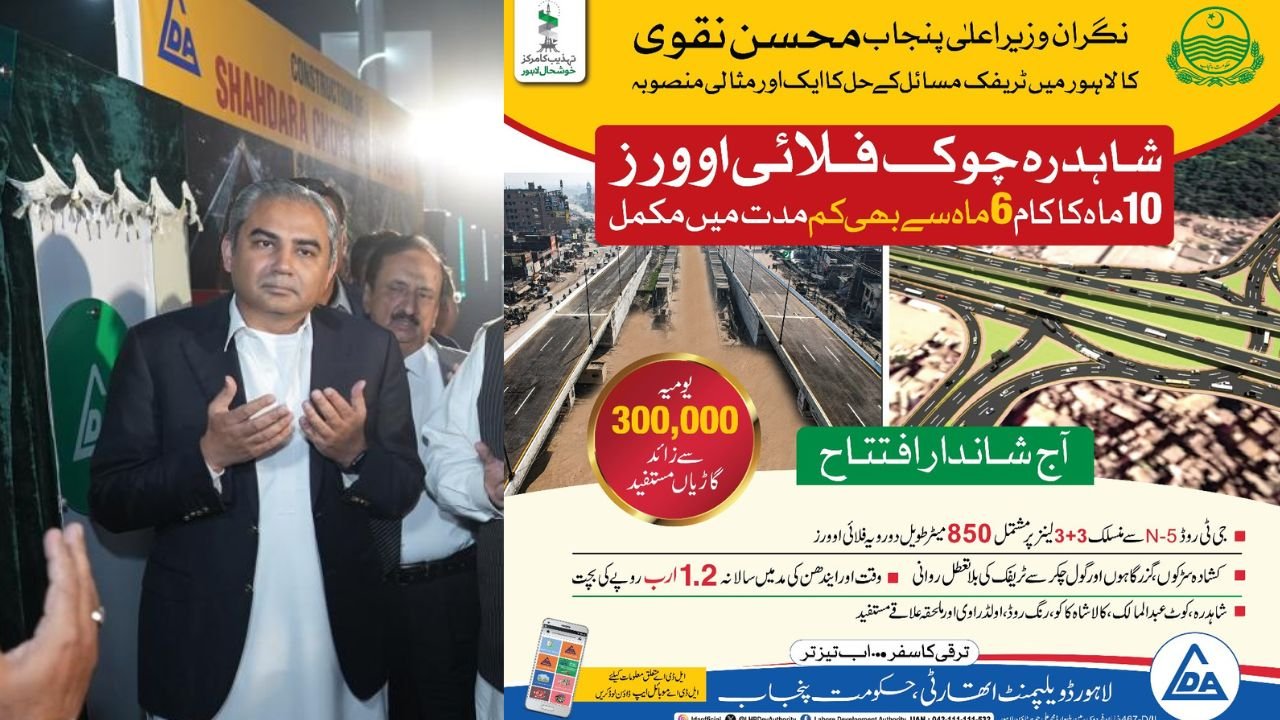
    The Punjab government provided assurances to the Lahore High Court on Wednesday, that the image of the caretaker chief minister of Punjab, Mohsin Naqvi, would not be utilized in advertisement campaigns promoting development projects.

    Justice Sultan Tanvir Ahmad presided over the proceedings, which involved a petition challenging the promotion of the caretaker CM in ads related to the construction of flyovers and underpasses in Lahore.

    Additional advocate general represented the government and made a commitment to the court that the image of the caretaker CM would not be incorporated into any official campaign from now on.

    Read more: Awam ka kitna paisa laga hai Mohsin Naqvi ki publicity par?

    Acknowledging the government’s undertaking, Justice Ahmad resolved the petition while cautioning against a recurrence of such practices in the future.

    The judge emphasized the importance of responsible use of public funds, stating that individuals using public money for self-promotion would be held accountable.

    A citizen, Hafiz Israrul Haq, filed a writ petition on November 17, challenging the promotion of the caretaker chief minister on the construction of flyovers in the city.

    The judge declared that those who promoted themselves with public money would be held accountable.

    The petition stated, “The Govt. of Punjab designed a plan in order to construct a flyover at Shahdara Chowk to facilitate the public and started to construct the Fly over at Shahdara Chowk Lahore to make smooth flow of traffic as it is the duty of the Govt. to create easiness in the life of the inhabitants and to facilitate them but the Govt. of Punjab after completion of Construction of project of Fly Over started to advertise on electronic, Print Media and by displaying flexes/ sign board to make publicity with the name and style of “MUHSIN SPEED” which they are not authorized as if they have completed the work before time it is not permitted to advertise the same from the public exchequer rather they may advertise for publicity from their pockets not form the public money.”

  • Awam ka kitna paisa laga hai Mohsin Naqvi ki publicity par?

    Awam ka kitna paisa laga hai Mohsin Naqvi ki publicity par?

    The Lahore High Court on Monday expressed concerns about the utilization of public funds in advertisement campaigns showcasing caretaker Chief Minister Mohsin Naqvi for various development projects.

    Justice Sultan Tanvir Ahmad, while presiding over the case, voiced concerns that taxes collected from the public should be spent judiciously and not misused for self-promotion.

    A citizen, Hafiz Israrul Haq, filed a writ petition on November 17, challenging the actions taken to promote the caretaker chief minister on the construction of flyovers in the city.

    The judge declared that those who promoted themselves with public money would be held accountable.

    The petition stated, “The Govt. of Punjab designed a plan in order to construct a flyover at Shahdara Chowk to facilitate the public and started to construct the Fly over at Shahdara Chowk Lahore to make smooth flow of traffic as it is the duty of the Govt. to create easiness in the life of the inhabitants and to facilitate them but the Govt. of Punjab after completion of Construction of project of Fly Over started to advertise on electronic, Print Media and by displaying flexes/ sign board to make publicity with the name and style of “MUHSIN SPEED” which they are not authorized as if they have completed the work before time it is not permitted to advertise the same from the public exchequer rather they may advertise for publicity from their pockets not form the public money.”

    The judge summoned a complete record of the expenses incurred for an advertisement campaign for the construction of flyovers featuring the caretaker chief minister.

    Additionally, the Court directed the Lahore Development Authority (LDA) to present a thorough record of the construction of the flyovers at the upcoming hearing.

    The move underscores the court’s commitment to ensuring transparency and accountability in the expenditure of public funds.

    A similar issue arose in 2018 when then Chief Justice of Pakistan, Mian Saqib Nisar, took suo motu notice against media advertisements by the provincial government featuring images of then Chief Minister Shehbaz Sharif in the lead-up to the general elections.

    Subsequently, the Supreme Court ordered Punjab Chief Minister Shahbaz Sharif to reimburse the national exchequer Rs5.5 million on March 8, 2018.

    A Punjab government newspaper advertisement carrying his photograph was displayed in court during the hearing.

  • Punjab govt approves Rs2.07 trillion budget for four months

    Punjab govt approves Rs2.07 trillion budget for four months

    In a significant development, the Caretaker Punjab Cabinet, under the leadership of Chief Minister Mohsin Naqvi, convened for its 31st session at the Chief Minister’s Secretariat on Monday.  

    During this session, the Cabinet approved a surplus budget of Rs2.07 trillion for the upcoming four months, with a substantial allocation of Rs351 billion dedicated to development projects. 

    It is worth noting that this budget represents a crucial step in the interim governance of the province, as the caretaker government lacks the authority to approve a full-year budget in the absence of an elected government.  

    This temporary budget is designed to ensure that essential ongoing expenses are accounted for, enabling the effective management of the province’s daily affairs. 

    Within this four-month budget, particular emphasis has been placed on directing resources towards critical sectors.  

    Notably, Rs208 billion has been earmarked for the healthcare sector, and Rs222 billion has been allocated for the education sector. An additional Rs10 billion has been allocated to promote the progress of the agricultural sector. 

    In addressing various challenges facing the province, the Cabinet has committed Rs1.80 billion to the National Health Support Programme and Rs5 billion to the Punjab Textbook Board. Moreover, an allocation of Rs7.30 billion has been designated to address climate change issues, reflecting the government’s commitment to environmental sustainability. 

    The Cabinet meeting also saw the finance secretary provide a comprehensive overview of the forthcoming four-month budget, highlighting the robust financial position and surplus resources of the Punjab government.  

    In a significant move, the Cabinet approved a minimum wage of Rs32,000 for workers, effective July 1, 2023, further promoting workers’ rights and economic well-being. 

    Furthermore, the meeting underscored the importance of anti-smog measures in various regions, including Sheikhupura, Sahiwal, Gujranwala, Hafizabad, Lahore, and Kasur.  

    Chief Minister Naqvi urged strict enforcement of regulations on smoke-emitting vehicles and brick kilns by commissioners and deputy commissioners.  

    Stringent measures were also advised for ongoing construction projects, including the regular use of water sprinklers and a strict ban on crop residue burning, contributing to environmental preservation. 

    The Punjab Price Control for Essential Commodities Ordinance, 2023, received the Cabinet’s approval, reinforcing the government’s commitment to regulating essential commodity prices and ensuring consumer protection. 

  • ‘Tax rate Australia walay aur facilities Afghanistan wali’, Twitter is angry over income tax increase

    ‘Tax rate Australia walay aur facilities Afghanistan wali’, Twitter is angry over income tax increase

    On Friday, Minister of Finance Ishaq Dar announced fiscal adjustments for the upcoming fiscal year (FY24), part of which is a notable 2.5% additional income tax individuals within the salaried class who earn a monthly income exceeding Rs200,000.

    The present government is being criticised for adjustments that will increase the tax burden specifically on the salaried class.

    The decision to impose additional income tax on the salaried class, while leaving powerful sectors like real estate and agriculture relatively untouched, has left many Pakistanis angry. Many are using memes to express their frustration.

    Have a look at the twitter reactions:

  • PM Shehbaz urges IMF to release stalled funds, assures compliance with conditions

    PM Shehbaz urges IMF to release stalled funds, assures compliance with conditions

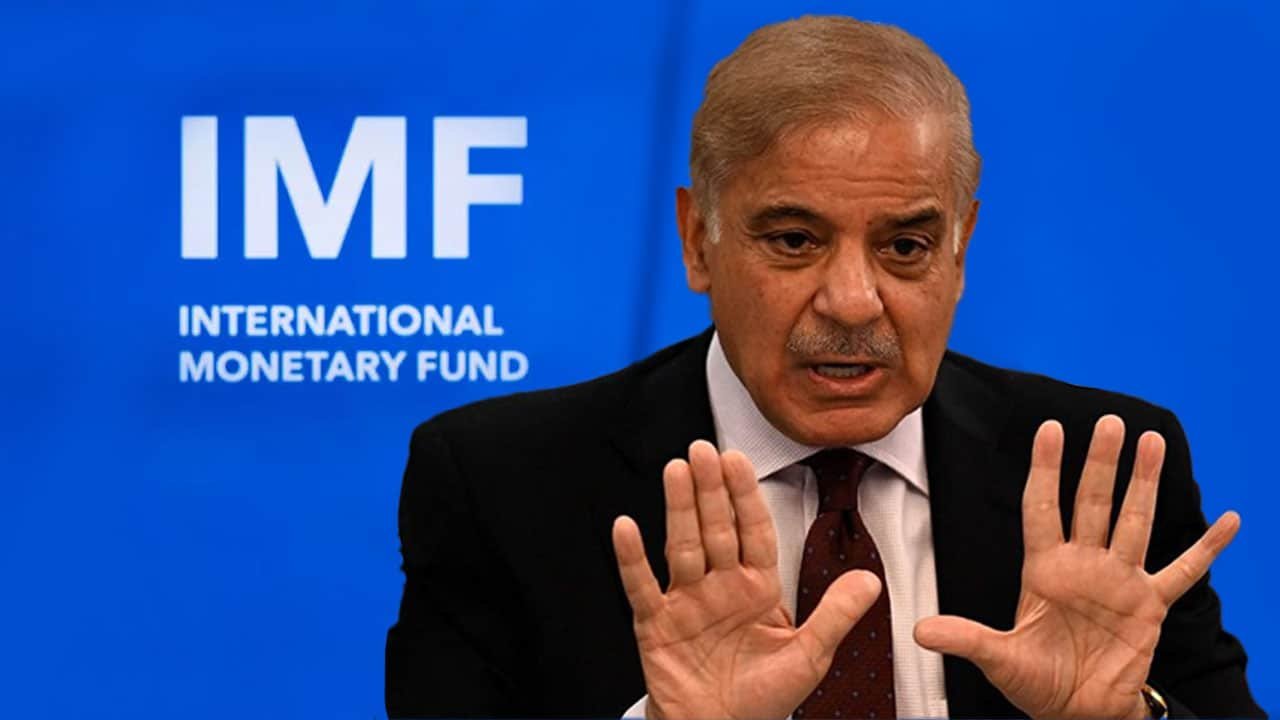
    On Thursday, Prime Minister (PM) Shehbaz Sharif had a meeting with Kristalina Georgieva, the Managing Director of the International Monetary Fund (IMF), where he urged the lender to release the stalled funds for Pakistan. He assured the IMF of Pakistan’s compliance with all the conditions set by the lender.

    The meeting took place during the Summit for a New Global Financial Pact held in Paris, emphasising Pakistan’s commitment to fulfilling its promises.

    During the meeting, the two leaders discussed the ongoing programmes and cooperation between Pakistan and the IMF. The prime minister briefed Georgieva on Pakistan’s economic outlook, highlighting the government’s efforts for economic growth and stability.

    He emphasised that all the necessary actions for the 9th review under the Extended Fund Facility (EFF) had been completed, and Pakistan was fully dedicated to meeting its obligations as agreed with the IMF.

    The prime minister expressed his hope for the timely release of the funds allocated under the EFF, as it would contribute to Pakistan’s ongoing efforts in economic stabilisation and provide relief to the people.

    Georgieva shared the IMF’s perspective on the ongoing review process and acknowledged the meeting as an opportunity to assess the progress made in that context.

    It is crucial to note that Pakistan’s currency reserves are currently sufficient to cover only one month’s worth of imports. The country had expected $1.1 billion of the funds to be released in November, but the IMF has imposed certain conditions before making further disbursements.

    With only one IMF board review remaining before the end of the $6.5 billion EFF programme, Pakistan is expected to present a budget aligned with the programme objectives, restore proper functioning of the foreign exchange market, and bridge the $6 billion gap before the board review.

  • IMF’s disapproval of budget raises odds of default and economic fallout for Pakistan

    IMF’s disapproval of budget raises odds of default and economic fallout for Pakistan

    In a recent report, the International Monetary Fund (IMF) expressed criticism of Pakistan’s latest budget, increasing the likelihood that the lender may withhold the much-needed aid before the bailout programme concludes at the end of June.

    According to Bloomberg, this development could lead to a severe dollar shortage in the first half of the upcoming fiscal year, potentially resulting in a higher chance of default, lower growth, and increased inflation and interest rates.

    The IMF’s critique of the budget stems from its belief that it does not adequately address the need to broaden the tax base and includes a tax amnesty. The current foreign currency reserves of Pakistan stand at $4 billion. However, with approximately $900 million in debt repayment due this month, the reserves will deplete by the end of June unless the expected IMF aid materialises.

    The country faces the challenge of repaying an additional $4 billion between July and December, which cannot be rolled over. Given the projected reserves falling below $4 billion at the start of fiscal year 2024, default seems highly probable, according to the report titled “Pakistan Insight.”

    The absence of an IMF programme would significantly limit the options for obtaining fresh external funding. The report suggests that negotiations for a new bailout agreement with the IMF are unlikely to commence until after the elections in October. Furthermore, even if an agreement is reached, actual aid disbursement under a new programme would not occur until December.

    In the meantime, Pakistan must focus on conserving dollars by restricting import purchases and maintaining a surplus in its current account balance to fulfill its obligations. To avert default in the first half of fiscal year 2024, the country will also need to seek assistance from friendly nations.

    The report warns of severe consequences for Pakistan’s economy if the anticipated IMF aid is not received by the end of June. Import restrictions will need to remain in place, and the State Bank of Pakistan is expected to raise interest rates above the current level of 21 per cent to further reduce demand for imports and preserve foreign exchange reserves.

    The report’s base case assumes that the State Bank of Pakistan will maintain its current policy stance until December, but that prediction relies on the assumption of IMF aid arriving by the end of June.

    Continued import restrictions and a weaker Pakistani rupee are likely to contribute to higher inflation in fiscal year 2024 compared to current forecasts. It is projected that inflation will average around 22 per cent, while increased borrowing costs and limitations on importing raw materials will further hamper production and dampen consumption.

    In addition, if the expected IMF aid does not materialise this month, the report predicts that Pakistan’s growth in fiscal year 2024 will be much weaker than the current forecast of 2.5 per cent.

    Furthermore, the higher interest rates resulting from the aid shortfall will lead to increased debt servicing costs for the government. The report reveals that approximately half of the fiscal year 2024 budget is allocated to debt servicing, exacerbating the country’s fiscal challenges.

    With the IMF aid hanging in the balance, Pakistan faces a critical period in its economic trajectory, where strategic financial decisions, reliance on friendly nations, and stringent economic measures will be essential to avoid further complications and ensure stability in the future.