Tag: budget 2024-25

  • PIA and other airlines increase federal excise duty on international flights

    PIA and other airlines increase federal excise duty on international flights

    Pakistan International Airlines (PIA) and other airlines operating in Pakistan have announced a significant increase in the federal excise duty (FED) on international flight tickets, following the federal government’s decision in the 2024-25 budget.

    According to the latest notification, the FED on economy and economy plus tickets has surged by 150 per cent. Previously, passengers paid Rs5,000 in FED for economy class tickets, but this has now increased to Rs12,500.

    For premium travellers, the increase is even more substantial. Passengers travelling to the USA in Club Class, who previously paid Rs250,000 in FED, will now be charged Rs350,000. Similarly, the duty for flights to destinations in Africa and the Middle East has risen from Rs75,000 to Rs105,000.

    Travellers to European cities will see their FED increase from Rs150,000 to Rs210,000. The duty on tickets for flights to Australia, New Zealand, and countries in the Far East has also risen by 40 per cent, now standing at Rs210,000.

  • Heavy taxes imposed on makeup and toiletries

    Heavy taxes imposed on makeup and toiletries

    Imported products used in make-up, skin and hair care have come under regulatory duty, after which these products have become more expensive by upto 55 percent, reports Geo.

    Budget for the year 2024-25 has imposed heavy taxes on imported milk, fruits, honey, apples, cherries, figs, mangoes making them 20 to 45 percent more expensive while the government increased regulatory duty from 5 to 55 percent on several other products.

    Apples and lychees 45 percent, imported cherries and frozen fish 35 percent, corn and natural honey 30 percent, imported milk, milk cream, dates, figs, pineapples, guavas and pomegranates are also subject to 25 percent regulatory duty. Curd, butter and fruits also became expensive after the implementation of 20 percent regulatory duty.

    50 percent regulatory duty has been imposed on imported shaving cream and soap, 45 percent on imported jewelry, 10 percent on imported overcoats, caps, jackets, trousers, skirts and shorts for men and women.

    Regulatory duties on waterproof leather shoes, wash basins, bathtubs and imported commodes have also been increased.

  • Govt made significant efforts to protect salaried class from taxes: Finance Minister

    Govt made significant efforts to protect salaried class from taxes: Finance Minister

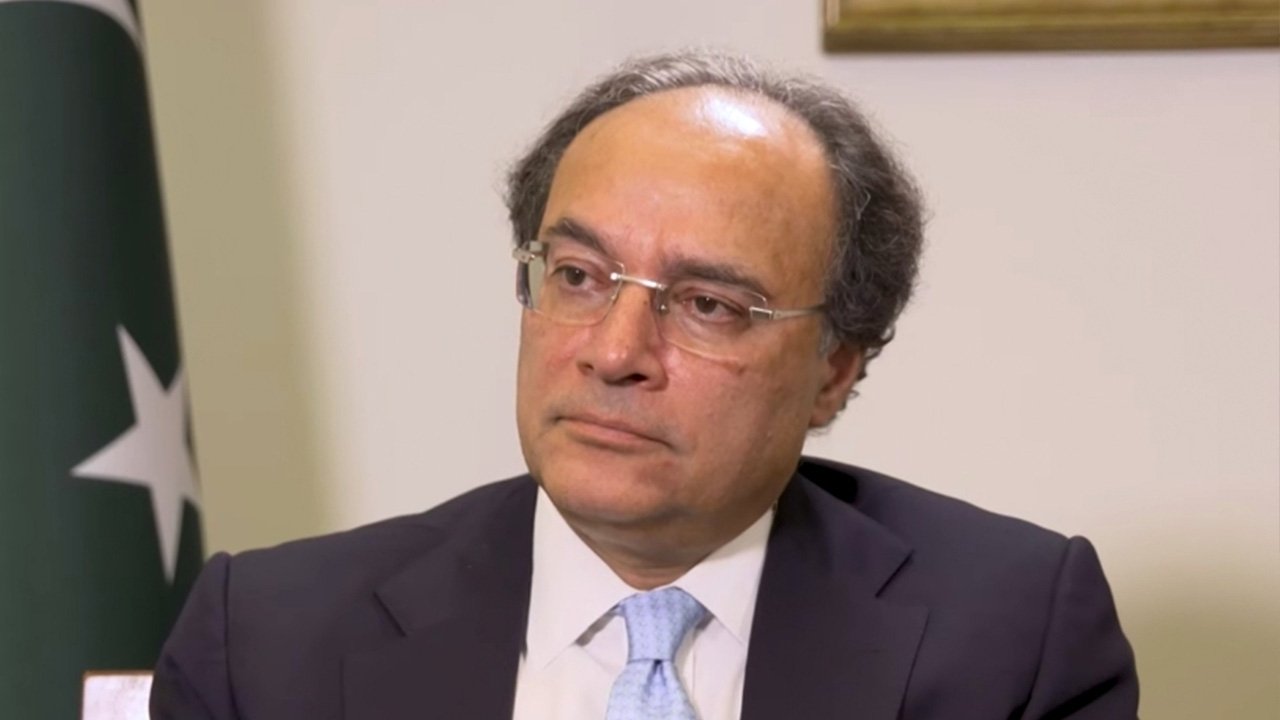
    Federal Minister for Finance and Revenue Muhammad Aurangzeb has stated that the government will review measures to protect the salaried class following the increased tax burden introduced in the Budget 2024-25.

    Aurangzeb said that the government tried to “ring-fence the salaried class as much as it could.” He acknowledged the impact of the new tax measures on this group, highlighting his six years of experience in understanding the nuances of tax brackets, super tax, and capital value tax (CVT).

    “We made significant efforts to protect them,” Aurangzeb said, emphasising that individuals earning less than Rs600,000 annually remain exempt from income tax.

    He added that the highest tax bracket of 35 per cent was also shielded from additional taxes to prevent talent from leaving the country.

    Aurangzeb mentioned ongoing reviews to assess potential relief for the tax slabs, aiming to balance the need to increase tax revenue from Rs9.4 trillion to Rs12.9 trillion with the burden on the salaried class.

    “We will generate Rs1.5 trillion through additional revenue measures by removing exemptions and imposing more taxes,” he noted, revealing that the overall impact of these measures on the salaried class is approximately Rs70 billion out of the Rs1.5-1.6 trillion in new taxes.

    The Finance Minister’s comments come after the government’s decision to increase tax liability for individuals earning more than Rs50,000 monthly in the Budget 2024-25.

    The Finance Bill 2024 indicates that the highest impact will be on those earning Rs6 million annually (Rs500,000 monthly), with a tax liability increase of Rs22,500. Interestingly, those earning Rs12 million annually (Rs1 million monthly) will face the same increase.

    On Friday, lawmakers, including those from allied political parties, criticised the government for imposing additional taxes on the salaried class while providing subsidies and exemptions to the real estate and agriculture sectors.

    During the budget debate in the National Assembly, they argued that the heavy taxation on the salaried class is irrational and could exacerbate brain drain. They called for substantial revisions to the federal budget to offer more relief to the masses and extend the tax net to previously exempt sectors.

    The salaried class in Pakistan has seen a significant increase in tax burden over recent years as the government targets what many consider “soft targets” in its efforts to boost the tax-to-GDP ratio.

    The government has faced criticism for focusing on formal sectors and not adequately addressing the informal economy.

  • Business community seeks budgetary reforms to promote industry growth

    Business community seeks budgetary reforms to promote industry growth

    The business community has called for comprehensive reforms and increased facilities in the upcoming 2024-25 budget to promote industry growth by broadening the tax base.

    According to APP, Ahsan Zafar Bakhtawri, President of the Islamabad Chamber of Commerce and Industry (ICCI), revealed that consultations with the business community have concluded, and their budget proposals have been submitted to the relevant ministry.

    Bakhtawri emphasised the importance of incorporating these proposals into the Federal Budget 2024-25, stating that their implementation would address critical trade and industry issues, enhance business growth, improve government tax revenue, and aid in economic revival.

    He noted that, as in previous years, the ICCI had forwarded its budget recommendations to the Finance Ministry with the expectation of their acceptance.

    He urged the government to engage with the business community and form joint committees at the district level to expand the tax net.

    He also stressed the necessity of enforcing penalties against tax evaders. Furthermore, Bakhtawri suggested that the National Tax Number (NTN) should be mandatory for opening bank accounts and for property and vehicle transactions.

    In a related statement, Karim Aziz, Chairman of the FPCCI Capital Office, echoed these sentiments. Aziz indicated that the chamber had proposed tax reforms to broaden the tax base, aiming to rejuvenate the country’s businesses. He urged the government to consult with all stakeholders in preparing the federal budget.

    Aziz confirmed that the FPCCI had finalised its budget proposals and submitted them to the relevant ministries, advocating for their inclusion in the Federal Budget 2024-25. He reiterated that implementing these proposals would address key trade and industry challenges, facilitate business growth, boost tax revenue, and support economic revival.

    He called for a reformed and simplified taxation system developed in consultation with genuine stakeholders. Aziz also highlighted the need for the upcoming budget to focus on ease of doing business, which would attract much-needed investment and stimulate economic growth.

    Additionally, Aziz stressed the need to enhance exports, reduce imports, and incentivise expatriates to invest in Pakistan.

    The business community’s recommendations reflect a concerted effort to foster an environment conducive to industrial and economic growth, urging the government to consider these proposals seriously in the upcoming budget.


  • PM Shehbaz rejects FBR’s sales tax hike and carbon tax proposals

    PM Shehbaz rejects FBR’s sales tax hike and carbon tax proposals

    Prime Minister Shehbaz Sharif has rejected two significant budgetary proposals put forth by the Federal Board of Revenue (FBR) aimed at increasing revenue.

    The proposals included raising the standard rate of sales tax from 18 to 19 per cent and imposing an 18 per cent sales tax on petroleum products, often referred to as a “carbon tax”.

    The FBR had suggested a 1 per cent increase in the sales tax rate, projecting an additional revenue generation of Rs40-50 billion for the fiscal year 2024-25. However, Prime Minister Sharif declined this proposal, citing the potential for immediate inflationary effects on the general public.

    In response, the Prime Minister directed the FBR to enhance its enforcement and administrative measures and to draft alternative proposals targeting untaxed or under-taxed sectors of the economy. Additionally, he instructed the FBR to consider proposals to increase taxes on non-essential and luxury items.

    The second proposal, which aimed to impose an 18 per cent sales tax on petroleum products, was also rejected due to its likely inflationary impact on the public.

    According to sources, out of the total proposed measures worth Rs1,200 billion to Rs1,300 billion by the FBR, the government is anticipated to approve measures amounting to approximately Rs400-500 billion.