Tag: Budget Allocation

  • Sindh govt allocates Rs10 billion for buying 500 hybrid buses

    Sindh govt allocates Rs10 billion for buying 500 hybrid buses

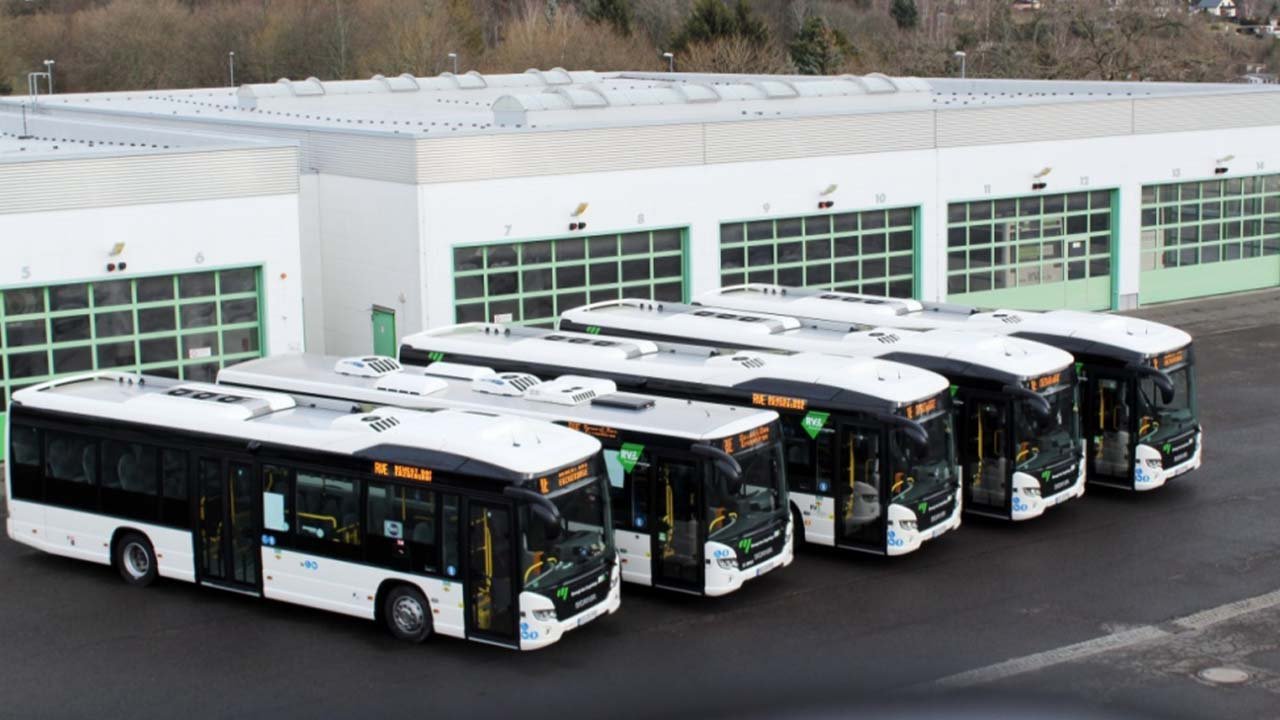
    The Sindh government, under the leadership of Chief Minister Murad Ali Shah, has taken a significant step towards enhancing the public transportation system by allocating a substantial amount of Rs10 billion in the provincial budget for the fiscal year 2023-24. This allocation is specifically aimed at procuring 500 hybrid buses, which are known for their superior environmental performance and fuel efficiency.

    In addition to the allocation for hybrid buses, the provincial Transport Department has been granted a total of Rs13.4 billion. Within this allocation, Rs6.1 billion has been earmarked for the development of the ‘Intra-District Peoples’ Bus Service,’ which will greatly benefit commuters within the province. Furthermore, Rs2 billion has been dedicated to the maintenance of transport infrastructure, ensuring the sustainability and longevity of the transportation network.

    Recognising the importance of expanding the reach of public transportation, the PPP-led government has also allocated Rs600 million for the establishment of new routes. This investment will provide greater accessibility and convenience to the residents of Sindh.

    Moreover, keeping in mind the needs of the employees at the Sindh secretariat, the government plans to initiate three new routes from the following year, with a budget provision of Rs6 million. This initiative reflects the government’s commitment to improving the transportation options available to its citizens and creating a conducive work environment for the public servants.

    During the budget session in the Sindh Assembly, Chief Minister Syed Murad Ali Shah, who also serves as the Finance Minister, presented the overall budget for the fiscal year 2023-24. The total outlay of the budget for the province is estimated at an impressive Rs2244 billion, reflecting the government’s dedication to promoting growth and development across various sectors.

    The decision to procure hybrid buses stands out as a commendable choice by the Sindh government. Hybrid buses offer numerous advantages over conventional buses, particularly in terms of environmental impact and cost savings. By utilising both an internal combustion engine and an electric motor, hybrid buses significantly reduce harmful emissions, making them more environmentally friendly.

    Additionally, their fuel efficiency leads to lower operational costs, saving valuable resources in the long run. These hybrid buses will not only provide a reliable and comfortable mode of transportation but also contribute to a cleaner and more sustainable future for the residents of Sindh.

    Overall, the budget allocation for the procurement of hybrid buses showcases the Sindh government’s commitment to modernising public transportation and promoting sustainable practices. It is a positive step towards enhancing the quality of life for the people of Sindh and reducing the carbon footprint of the province.
  • APCC likely to propose Rs900-1,000 billion macroeconomic framework for budget 2023-24

    APCC likely to propose Rs900-1,000 billion macroeconomic framework for budget 2023-24

    The Annual Plan Coordination Committee (APCC) is poised to recommend a substantial macroeconomic framework and the size of the federal development outlay amounting to approximately Rs900-1,000 billion for the fiscal year 2023-24. This recommendation comes ahead of the upcoming budget and is expected to shape the economic policies and priorities of the country for the next fiscal year.

    In an effort to address the Sustainable Development Goals (SDGs), the government plans to allocate Rs90 billion for the controversial Sustainable Development Goals Achievement Programme (SAP) specifically designed for parliamentarians. This proposed allocation is a significant increase from the revised estimates of Rs111 billion allocated in the outgoing financial year.

    Moreover, the government is currently working towards raising the allocation of the SDG Achievement Programme even further, aiming to reach Rs116 billion for the ongoing fiscal year. Notably, parliamentarians from Balochistan and Sindh provinces have primarily presented flood-related schemes under this program during the current fiscal year. The World Bank and Asian Development Bank (ADB) are also contributing $3 billion in loans for flood-related initiatives, highlighting the need to establish mechanisms that prevent overlap and ensure optimal utilization of funds.

    A substantial portion of the development schemes in Sindh and Balochistan, ranging from 50 to 60 per cent, focused on flood-related projects during the outgoing financial year. However, concerns have been raised about one political party, a significant ally of the ruling coalition, demanding that funds on behalf of their parliamentarians be channeled through the party’s political leader for distribution among its members.

    According to The News, the APCC, scheduled to meet today in the Ministry of Planning, will consider approving the macroeconomic framework, which includes a targeted real GDP growth rate of 3.5 per cent and a Consumer Price Index (CPI)-based inflation rate of 21 per cent for the budget of 2023-24. These figures are based on a working paper prepared by the Ministry of Planning and reflect the government’s economic outlook and goals for the upcoming fiscal year.

    The Ministry of Finance has provided an indicative budget ceiling of Rs700 billion for the Public Sector Development Programme (PSDP) in the next budget. However, the Minister for Planning, under the guidance of Prime Minister Shehbaz Sharif, aspires to increase this amount to Rs800 billion. Additionally, a proposed allocation of Rs200 billion for the Viability Gap Fund (VGF) through public-private partnerships (PPP) would bring the total PSDP size to a proposed Rs1,000 billion at the federal level for the upcoming financial year.

    In an effort to address infrastructure needs, the share of the National Highway Authority (NHA) in the proposed PSDP is expected to decrease, ranging from Rs90 billion to Rs100 billion, due to the NHA’s inability to fully utilise the allocated funds in the ongoing financial year. The government is also considering allocations for flood mitigation and reconstruction efforts, as well as the inclusion of the Diamer Basha Dam project in the upcoming budget for 2023-24.

    As the APCC finalises its recommendations and the budgetary process unfolds, the government aims to strike a balance between addressing developmental needs, achieving SDGs, and ensuring efficient utilization of funds for the benefit of the nation.