Tag: budget

  • Pakistan will take fiscal measures set by IMF but there will be no burden on the common man: Ishaq Dar

    Pakistan will take fiscal measures set by IMF but there will be no burden on the common man: Ishaq Dar

    Federal Minister for Finance and Revenue Ishaq Dar has categorically denied rumours suggesting that the government is considering “access to foreign exchange held with commercial banks.”

    “It is categorically denied and clarified that there is no such move under consideration of the government,” said Dar, in a series of tweets.

    The statement come days after the finance minister said that the country’s foreign exchange reserves stand at $10 billion, a much higher amount than the SBP’s $5.6 billion reserves as of December 30, 2022, since “dollars held by commercial banks also belonged to the country.”

    This comment gave rise to fears that the government may confiscate dollars from private banks as had been done in 1998 when Dar was the finance minister.

    However, Dar said that his comment was “greatly misconstrued” and nothing like this would happen.

    Dar explained at a press conference with Prime Minister Shehbaz Sharif and other federal cabinet members that before 1999, all foreign currency was deposited with the State Bank of Pakistan (SBP), and private banks were not permitted to hold any foreign currency.

    “In February 1999, when I was the finance minister, we devised a system whereby a substantial amount [of dollars] remain with [private] banks. It was on June 30, 1999 that reserves were broken down into three columns — those with the SBP, commercial banks and total.

    “Whenever Pakistan’s reserves are quoted anywhere in the world — a survey or a document — the [total figure] is quoted and then a breakdown is given. I gave a breakdown too,” he added.

    The minister claimed that certain people were to blame for the country’s dire circumstances, which caused it to drop from the 24th to the 47th largest economy in 2016.

    “Even now, they cannot tolerate any good development. They gave such a twist [to my statement],” he said, adding that while the federal cabinet was busy working for Pakistan under PM Shehbaz’s guidance, such people were spreading rumours that the government would take dollars from commercial banks.

    “Nothing of that sort will happen. Everything is all worked out … and in order. Nothing to worry about,” he assured, urging those “spreading the rumours” to play a positive national role.

    Dar also tweeted about the reserves later, saying national foreign exchange reserves always include forex held with SBP and commercial banks.

    Furthermore, Dar tweeted about the reserves and stated that SBP and commercial bank holdings are usually included in the nation’s foreign exchange reserves.

    “Recently I quoted the forex reserves figure based on this principle. Some vested elements who ruined this country’s economy in the past, gave it a deliberate twist and started a campaign as if govt was considering access to foreign exchange held with commercial banks which indeed is the property of the citizens.

    “It is categorically denied and clarified that there is no such move under consideration of the government,” he emphasised.

    The finance minister once again claimed that Pakistan’s foreign exchange reserves would increase soon.

    As of December 30, 2022, Pakistan’s foreign exchange reserves had decreased to $5.6 billion, an eight-year low. This is equivalent to imports for three weeks.

    The swift decrease has made it impossible for the government to repay its international debts without taking out new loans from allies.

    Govt to comply with IMF conditions without burdening common man

    The International Monetary Fund (IMF) programme’s ninth review, which would release $1.18 billion, has been postponed for months due to the government’s refusal to comply with some conditions imposed by the international lender.

    In today’s press conference, Dar acknowledged the delay and claimed that it was due to revenue collection. The Federal Board of Revenue (FBR) missed its goal in December, the finance minister said, and the super tax that the administration enacted in June of last year had been declared unlawful by a high court.

    Dar said that his team informed the IMF that Pakistan could recover the amount easily after the Supreme Court takes a decision on the super tax.

    “We are not changing the fiscal budget target and we will achieve it,” he claimed.

    Dar said that the IMF suggested that the government implement fiscal measures and eliminate some subsidies. “We have identified some budgetary measures, but the average person won’t be overburdened.”

    He asserted that the measures would be very specific and classified.

  • ’85 per cent of provincial budget is spent on govt employees’ salaries’: CM Balochistan

    ’85 per cent of provincial budget is spent on govt employees’ salaries’: CM Balochistan

    Mir Abdul Qudoos Bizenjo, the Chief Minister of Balochistan, has raised alarms on the financial difficulties that the province is facing.

    He said that 85 per cent of the provincial budget is spent on the salaries of government employees, leaving the provincial government with little funds to spend on development projects.

    Speaking at an event in Quetta on Friday, he said, “We are far behind other provinces of the country as far as development projects are concerned due to lack of resources and funds to develop the province.”

    The chief minister highlighted that before 2010, Balochistan used to get very little share in the National Finance Commission Award (NFC) award on the basis of population, with the government barely able even to pay the salaries of its civil servants.

    However, he said, the situation has improved a little now, however, the budget still doesn’t fulfill the needs of the province.

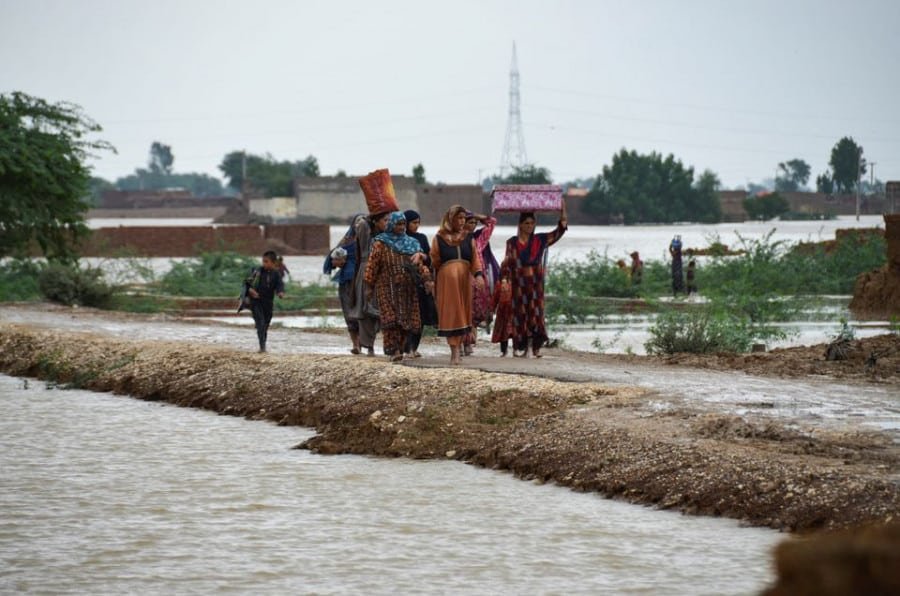
    It is pertinent to mention here that Balochistan was severely affected by the recent floods. The province has lost about a half million head of livestock in the floods.

  • ADB set to approve $1.5 billion loan for Pakistan today

    ADB set to approve $1.5 billion loan for Pakistan today

    A $1.5 billion programme loan for Pakistan is slated to be approved by the Asian Development Bank (ADB) on Friday (today) as part of the BRACE (Building Resilience with Active Countercyclical Expenditure) programme.

    According to Geo, the Board of the ADB will meet in Manila to discuss whether to approve a $1.5 billion programme loan for Pakistan. It is anticipated that this loan will be disbursed after receiving permission next week, assisting Islamabad in replenishing its depleting foreign exchange reserves.

    Additionally, it is anticipated that the Asian Infrastructure Investment Bank (AIIB) will approve $500 million in co-financing, bringing the total distribution to $2 billion for the current month.

    With a projected current account deficit of $10 to $12 billion and an external debt servicing obligation of $22.9 billion, Pakistan needs $34 billion for the current fiscal year. On the flip side, the terrible floods made the already bad situation with the economy even worse.

    Pakistan suffered losses of $32.4 billion, according to the group of international donors, which also included the World Bank, ADB, UNDP, and EU. Pakistan also needed $16.2 billion for building expenditures.

    An official document states that the $1.5 billion BRACE programme loan will assist Pakistan in responding to the deepening macroeconomic crisis exacerbated by the Russian invasion of Ukraine and the catastrophic floods that have affected close to 33 million people. Prior to the latest floods, Pakistani officials had already begun work on this programme loan.

    The amount of countercyclical actions taken by the government to lessen the negative effects of cumulative external shocks, particularly on the poor and vulnerable, comes to around $2.4 billion.

  • Imposing super tax on the rich will reduce budget deficit: Miftah

    Imposing super tax on the rich will reduce budget deficit: Miftah

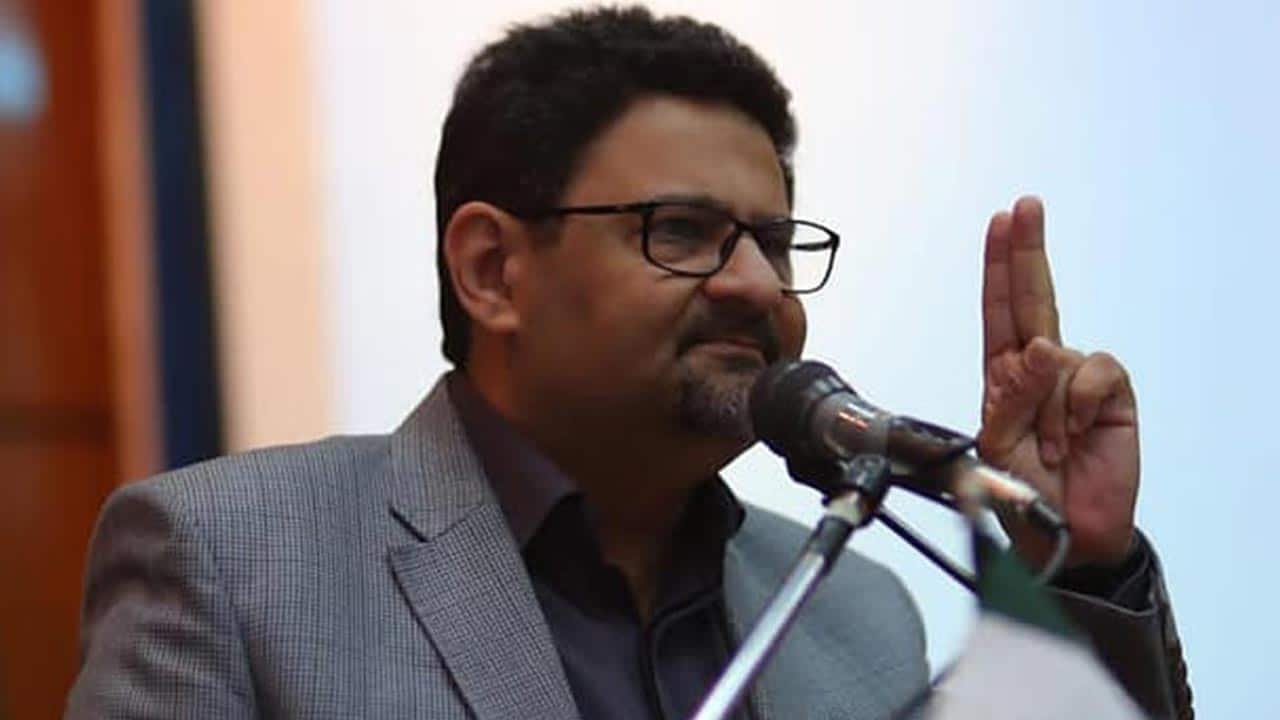
    The government’s recently announced indirect tax (super tax) is intended to assist the country in increasing tax revenue and lowering the budget deficit, according to Finance Minister Miftah Ismail.

    He was relating to the large industries’ 10 per cent super tax or poverty alleviation tax.

    13 industries, including LNG terminals, sugar, cement, steel, textile, tobacco, fertiliser, banks, oil and gas, beverages, automobiles, and steel, will be subject to this one-time levy, according to Miftah. The government labelled these 13 industries for a special tax as they made significant profits last year.

    Companies in these sectors earning more than Rs300 million will be subject to a 10 per cent super tax, he added.

    According to the finance minister, this tax is a one-time levy that will only be in effect for fiscal year 2022–2023.

    He clarified on Twitter that the 4 per cent super tax will be imposed on all industries.

    “For the specified 13 sectors, another 6 per cent will be added for a total of 10 per cent,” he said. “So their tax rates will go from 29 per cent to 39 per cent. This is a one-time tax needed to curtail the previous four record budget deficits.”

    The imposition of a super tax on the wealthy, according to Finance Minister, will lessen the country’s reliance on foreign aid, lower the budget deficit, and bring the country closer to financial stability.

    Other businesses that make over Rs150 million will be subject to a 1 per cent super tax, and those that make over Rs200 million will be subject to a 2 per cent tax. On top of the current rates, it is worth noting that these taxes are additional.

    Businesses that earn more than Rs250 million in revenue will pay a 3 per cent super tax, and those that earn more than Rs300 million will pay a 4 per cent super tax.

    He continued, citing statistics, that there were 9 million retail and wholesale establishments in Pakistan, and that the government wanted to bring an additional 2.5–3.5 million into the tax system.

    “We are linking the income tax and sales tax of these shops with the electricity bill,” Miftah said. “Now, small shops will pay a fixed tax of Rs3,000 and large shops will pay Rs10,000.”

    Only 22 of Pakistan’s more than 30,000 gold trading companies, he claimed, were registered, and their average annual sales came to Rs4,000.

    Sales tax and a fixed income of Rs40,000 will now be paid by gold shops of 300 square feet or less.

    He said that the government would lower the sales tax on large stores from 17 per cent to just 3 per cent.

    The withholding tax on jewellery sales to gold shops by the general public has been reduced from 4 per cent to 1 per cent.

    According to Miftah, fixed tax structures similar to these will be introduced for real estate agents, car dealers, and builders. Since this tax only applies to income and not to spending, inflation will not rise.

    Additionally, the withholding tax for the IT sector has been eliminated. Sales and income taxes would not apply to IT companies with annual revenue of less than Rs80 million.

    Miftah emphasised that Pakistan needs the IMF programme to resume as the country’s foreign exchange reserves are at a critical point.

  • An unusual day: two budget sessions to be held in Punjab today

    An unusual day: two budget sessions to be held in Punjab today

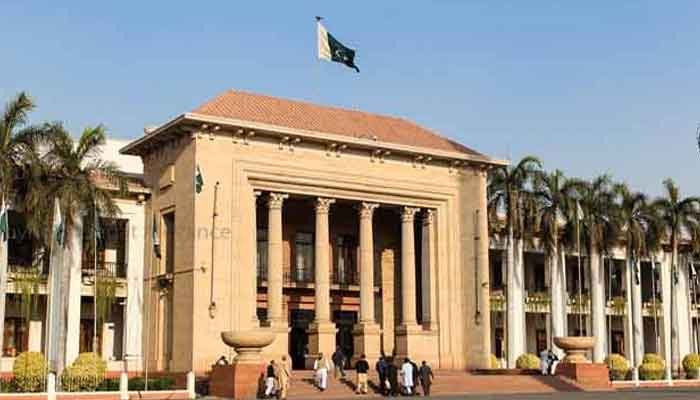
    Two separate budget sessions have been called in Punjab on Wednesday (today). Governor Punjab Balighur Rehman has called for a 2pm session at Aiwan-i-Iqbal while Speaker Punjab Assembly (PA) Chaudhry Pervaiz Elahi has called for a 1pm session at the provincial assembly.

    The session at Aiwan-i-Iqbal will be presided over by PA Deputy Speaker Dost Mohammad Mazari.

    According to news reports, Elahi has termed the session at Aiwan-i-Iqbal “illegal”.

    However, according to Geo News, legal experts say that session cannot be resumed when prorogued by the Governor, as he is the head of the province, and the Speaker cannot summon another session. Therefore, the session summoned by Governor Punjab is the legitimate one.

    Responding to the crisis, former federal minister Fawad Chaudhry said, “Even in the martial law governments, it was never said that the assembly would be subordinate to the administration. The PML-N and PPP alliance has done a strange thing today; the Ordinance issued by the Governor is a martial law proclamation.”

    Delay of budget session for two days

    For two days, the Assembly was unable to present the budget for the new fiscal year (2022-23). On Tuesday, when the PA proceedings could not continue, Governor Rehman cancelled the ongoing session and summoned another one, which has started. However, despite the Governor’s orders, Speaker Elahi declared that the session would continue.

    At that point, Chief Minister (CM) Hamza Shehbaz announced he would come up with another strategy to deal with the problem.

    On Monday, Speaker Elahi refused to conduct the budget session and demanded that the Inspector General of Police (IGP) should apologise to him for what took place on April 16 and withdraw all cases lodged against the PTI and Pakistan Muslim League- Quaid (PML-Q) members.

  • IMF rejects proposed tax relief for the salaried class

    IMF rejects proposed tax relief for the salaried class

    The International Monetary Fund (IMF) has rejected the government’s proposed tax cut in the Personal Income Tax (PIT) to the tune of Rs47 billion, leaving the government with no choice but to reconsider amendments in order to revive the remaining funds.

    According to The News, the Federal Board of Revenue (FBR) granted relaxation to salaried workers earning up to Rs1.2 million annually, top official sources claim that the IMF has expressed strong misgivings about the planned PIT rate.

    To assist the urban middle class, the International lender recommends that the assistance be limited to persons earning up to Rs0.2 million per month, and that tax rates in other slabs be raised afterward.

    Compensation in PTI’s tenure

    During the sixth review under the PTI-led government, the FBR offered compensation to those making up to one million rupees per month in salary in the budget for 2022-23 through Finance Bill 2022 in Parliament, which was set as a structural benchmark under the Fund agreement. If the proposed PIT rates are not adjusted, it could become a major roadblock to reaching an agreement with the IMF at the staff level.

    The international lender intended to improve tax collection by Rs125 billion by putting PIT in a progressive manner, but the government went the other way, making it impossible for both parties to get a staff-level agreement under the $6 billion Extended Fund Facility (EFF) with the current PIT proposal.

    Proposed tax for salaried class in Finance Bill 2022

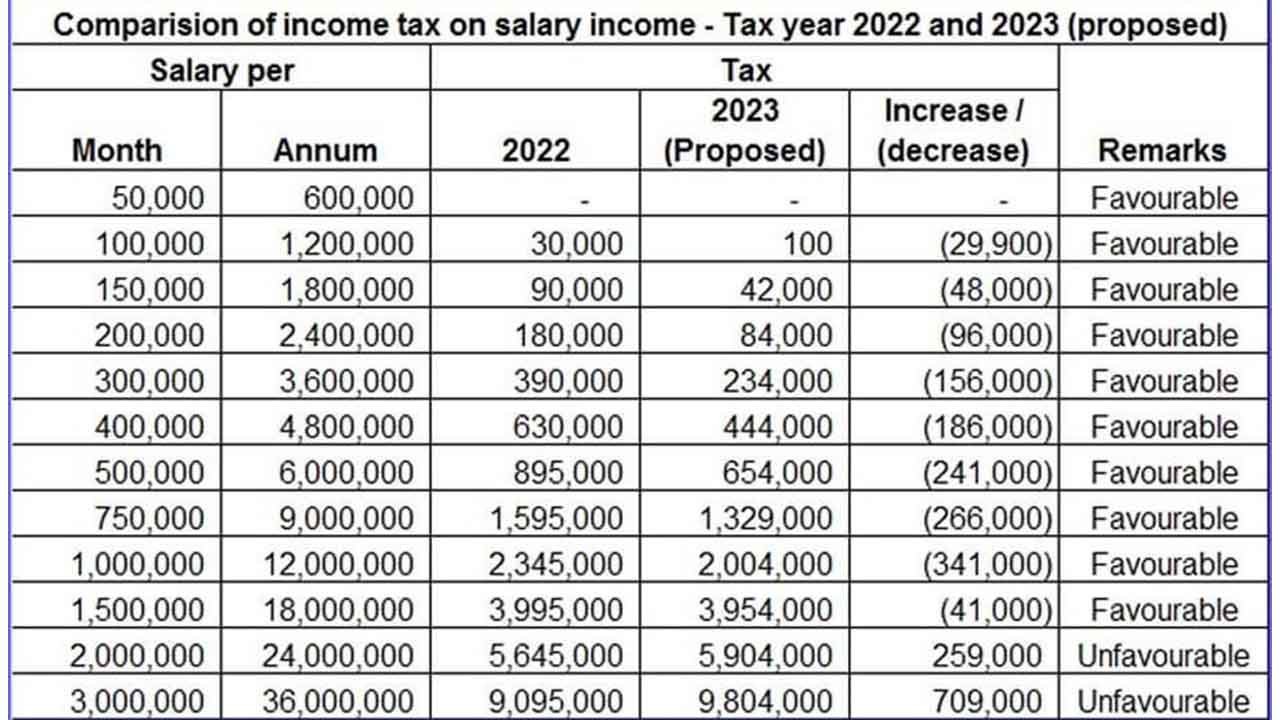
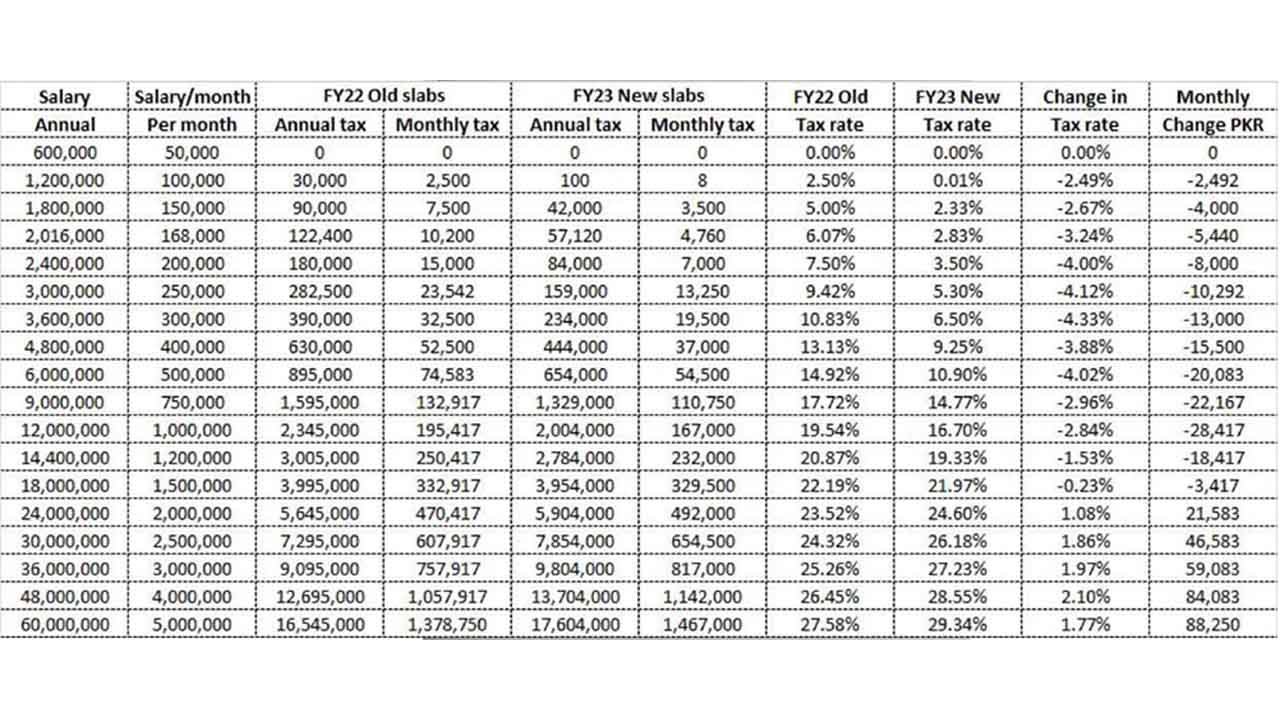
    According to the Finance Bill 2022, those earning up to Rs1.2 million will pay only Rs100 in tax. Previously, those earning up to Rs800,000 per year had to pay Rs10,000, those earning up to Rs1.2 million Rs30,000, and those earning up to Rs2 million Rs120,000. According to the suggested rate, a salary employee earning Rs2 million per year will only have to pay Rs56,000.

    The tax burden for salary earners up to Rs3 million was formerly Rs282,000 per year, but now it is projected to be Rs159,000. Up to Rs4 million in salary, a salary earner had to pay Rs470,000 in income tax, but under the proposed rate, the tax payment is reduced to Rs304,000. The tax due for a salary earner earning up to Rs5 million was Rs670,000, but it was cut to Rs479,000 under the proposed rate.

    The Finance Bill 2022 recommends providing relief up to Rs one million in salary earner who had to pay Rs1.845 million in tax, but now the tax burden has been lowered to Rs1.554 million for salary income up to Rs one million per month under the proposed Finance Bill 2022. The planned tax rates were amended upward in the remaining slabs up to Rs20 million, Rs40 million, Rs60 million, and Rs80 million.

    Increased taxable limit

    The FBR increased the taxable ceiling limit from Rs600,000 to Rs1,200,000 in the Finance Bill 2022, and the number of slabs in the PIT regime was decreased from 12 to 7.

    Where the taxable income does not exceed Rs600,000, there would be no tax, according to new slabs imposed for the salaried class. A tax of Rs100 would be levied on taxable income exceeding Rs600,000 but not exceeding Rs1,200,000.

    There would be a 7 per cent tax on the amount beyond Rs1,200,000 if the taxable income exceeds Rs1,20,000 but not Rs2,400,000.

    If an individual’s taxable income is over Rs2,400,000 but not over Rs3,600,000, you would be charged Rs84,000 plus 12.5 per cent of the amount over Rs2,400,000 per year. The FBR will levy a tax of Rs234,000 plus 17.5 per cent of the amount over Rs3,600,000.

    If the taxable income is more than Rs6,000,000 but not more than Rs12,000,000, the FBR will deduct Rs654,000 plus 22.5 per cent of the amount over Rs6,000,000.

    When taxable income reaches Rs12,000,000, the FBR will assess a tax of Rs2,004,000 plus 32.5 per cent of the amount over Rs12,000,000 every year.

  • Here are the latest income tax rates and slabs for salaried class

    Here are the latest income tax rates and slabs for salaried class

    In the budget for fiscal year 2022-23, the government has exempted those earning up to Rs100,000 per month from paying income tax, up from Rs50,000 last year.

    For the salaried income group, the latest budget is a mishmash as the government reduced tax rates and the number of slabs while eliminating available credit through the omission of deductible allowance for profit on debt and tax credit for investment in shares, health insurance, and pension funds.

    Moreover, the government has released a revamped list of income tax brackets for salaried employees. There were previously 12 slabs, which have now been shrunk to seven.

    Here are the new slabs:

    1. For annual incomes less than Rs600,000 (below Rs50,000 per month)
    2. For a yearly income of Rs600,000-Rs1.2 million (Rs50,000 to Rs100,00 per month).
    3. For annual earnings of Rs1.2m-2.4m (Rs100,000 to Rs200,000 per month)
    4. For annual earnings of Rs2.4m-3.6m (Rs200,000 to Rs300,000 per month)
    5. For earnings of Rs3.6m-6m (Rs300,000 to Rs500,000 per month)
    6. For annual earnings of Rs6m-12m (Rs500,000 to Rs10,00,000 per month)

    For annual earnings of more than $12 million (more than $100,000 per month), income tax is not to be levied on people earning between 0 and Rs600,000 per year (where income from salary exceeds 75 per cent of taxable income). A nominal amount of Rs100 will be subtracted per year from those earning between Rs600,000 and Rs1.2 million.

    Employees getting paid more than Rs1.2 million but less than Rs2.4 million per year will be levied 7 per cent of the amount that exceeds Rs1,200,000 in the third slab.

    An employee getting paid Rs1,400,000 per year will be levied 7 per cent of Rs200,000 (Rs1,400,000 minus Rs1,200,000 since that is the amount exceeding Rs1,200,000).

    As per the latest budget resolution, the government recommended an income tax rate of 20 per cent on small business earnings, 42 per cent on banking, and 29 per cent on related companies.

  • Getting a new car? Check out the new advance tax imposed on your favourite vehicle

    Getting a new car? Check out the new advance tax imposed on your favourite vehicle

    The government has released the fiscal budget for 2022-23, which includes several changes, including a 200 per cent advance tax on the purchase of cars with engine displacements greater than 1600cc for non-filers.

    This decision is likely to possess a considerable effect on the sales of several cars in Pakistan, which have already witnessed multiple price hikes in previous months. The tax amount for non-filers has now been doubled, which will have an influence on new car sales, particularly those with larger engines.

    The advance tax will now be applicable to several famous vehicles that have dominated the auto industry for years now from well-known manufacturers, including old players like Honda and Toyota, as well as new players like Hyundai, Kia, DFSK and BAIC.

    Taxes for filer and non-filer

    Toyota Corolla Altis Grande, 1800cc, ranges from Rs4,499,000-4,859,000, Tax for filer: Rs150,000, Tax for non-filer: Rs300,000

    Hyundai Elantra GLS, 2000cc, priced at Rs4,949,000, Tax for filer: Rs200,000, Tax for non-filer: Rs400,000

    Hyundai Tucson, 2000cc, ranges from Rs5,799,000-6,299,000, Tax for filer: Rs200,000, Tax for non-filer: Rs400,000

    Hyundai Sonata 2.0, 2000cc, priced at Rs6,999,000, Tax for filer: Rs200,000, Tax for non-filer: Rs400,000

    DFSK Glory 1.8 CVT, 1800cc, priced at Rs5,159,000, Tax for filer: Rs150,000, Tax for non-filer: Rs300,000

    Kia Sportage, 2000cc, priced at Rs5,300,000-6,300,000, Tax for filer: Rs200,000, Tax for non-filer: Rs400,000

    BAIC BJ40, 2000cc, priced at Rs8,199,000, Tax for filer: Rs200,000, Tax for non-filer: Rs400,000

    Hyundai Sonata 2.5, 2500cc, priced at Rs7,849,000, Tax for filer: Rs300,000, Tax for non-filer: Rs600,000

    Kia Sorento, 2400cc, ranges from Rs6,836,000-7,499,000, Tax for filer: Rs300,000, Tax for non-filer: Rs600,000

    Toyota Fortuner, 2700-2800cc, ranges from Rs9,959,000-12,679,000, Tax for filer: Rs400,000, Tax for non-filer: Rs800,000

    Toyota Hilux, 2800cc, ranges from Rs7,359,000-9,729,000, Tax for filer: Rs400,000, Tax for non-filer: Rs800,000

    Isuzu D-Max V-Cross, 3000cc, ranges from Rs6,600,000-6,960,000, Tax for filer: Rs400,000, Tax for non-filer: Rs800,000

    Kia Sorento V6, 3500cc, ranges from Rs7,499,000, Tax for filer: Rs450,000, Tax for non-filer: Rs900,000

    Local vehicle assemblers are dissatisfied with the new budget, claiming that the government unilaterally raised advance tax on motor vehicles larger than 1,600cc because the industry did not propose it. They claim that the decision is also discriminatory and will reduce auto sales.

    Read more: Energy sector to get a massive portion of the Rs699 billion subsidy

    Advance tax on motor vehicles larger than 1600cc has been doubled, while electric vehicles costing Rs5 million or more will be subject to a 3 per cent tax.

  • Govt unveils Rs9.5 trillion budget 2022-23, focused on sustainable growth

    Govt unveils Rs9.5 trillion budget 2022-23, focused on sustainable growth

    The federal budget for 2022-23 has been revealed with a total outlay of Rs9,502 billion. It includes measures for sustainable economic growth, industrial and agricultural development, and aid for the poor ones.

    Finance Minister, Miftah Ismail began his address by claiming that the PTI administration had left Pakistan’s economy in shambles and harmed investor confidence by often switching finance ministers and monetary policies.

    He slammed former Prime Minister Imran Khan, claiming that he never cared about the poor, claiming that “keeping an eye on potato and tomato prices is not a PM’s duty”.

    He claims that the governing party took control of the country despite the fact that it will have to make difficult decisions to save the economy, which will affect their individual parties’ appeal, but they chose to put the country’s interests ahead of their own.

    Relief for working class and the poor

    He claimed that the budget is geared at providing greater relief to the working class and the poor, as opposed to the wealthy, because the working class prefers to buy local products over foreign ones, boosting the economy.

    Budget 2022-23, according to Miftah Ismail, will concentrate on offering facilities to farmers planting crops that supply cooking oil, such as corn and sunflower, so that the country does not need to import palm oil, which is at an all-time high in the worldwide market.

    Slashing furniture, stationary expenses in govt offices

    Considering the current economic downturn, the administration has decided to restrict operational expenditures to the absolute minimum, and that new furniture and stationary for government offices will be completely prohibited. Other than obligatory diplomatic visits, all government-sponsored foreign trips will be prohibited.

    Education

    The government has set aside Rs65 billion for the Higher Education Commission (HEC) in the current budget. In addition, the HEC has been granted Rs44 billion for development programmes, which is 67 per cent more than the previous year.

    Miftah Ismail said that this is a demonstration of our commitment to the youth. We are encouraging provinces to completely fulfill their obligations in terms of higher education promotion in the coming years, he said. The HEC budget includes 5,000 scholarships for Balochistan and tribal district students. He added that a unique scholarship programme has been introduced for Balochistan’s coastal communities.

    The Finance Minister said that 100,000 laptops would be provided to students around the country on affordable instalments. Funds have also been set aside for the purchase of cutting-edge equipment to improve engineering and technology education.

    15 per cent Increase in govt employees’ salaries

    In Budget 2022-23, Miftah Ismail announced a 15 per cent increase in government employee salaries, as well as the merger of adhoc allowances.

    He said that the tax on savings certificates, pensioners’ benefit accounts, and martyrs’ family assistance accounts had been reduced from 10 per cent to 5 per cent.

    Small merchants will be subject to a new fixed income and sales tax regime, according to the Minister. Electricity bills would be used to collect taxes ranging from Rs3,000 to Rs10,000 under this method. This will be a final agreement, and FBR will have no right to inquire about the tax.

    According to Miftah Ismail, a proposal has been made to increase initial depreciation rates for industries and other businesses from 50 per cent to 100 per cent in the first year.

    Furthermore, he stated that any tariffs imposed on industrial units during the import of raw materials will be considered adjustable in order to protect the business community’s working capital.

    New industrial policy

    He stated that an industrial policy is being implemented in partnership with the Asian Development Bank in order to boost the country’s industrial base. He stated that the Prime Minister has directed that all exporter claims be resolved as soon as possible.

    A sum of Rs40.5 billion is due to them right now, and we will pay it as soon as possible. Regardless of financial challenges, sales tax refunds are issued swiftly. Industrial feeders have been spared from load-shedding, according to him, in order to ensure that the industrial sector has uninterrupted power supply.

    A new strategy for promoting investment in the country is being developed which aims to provide an enabling atmosphere for investors by eliminating the lengthy procedure. The government will overhaul the dispute settlement structure to make it easier for domestic and foreign investors.

    Boosting agriculture sector

    Talking about the agriculture sector, Finance Minister stated that Rs21 billion had been set aside to boost agriculture and livestock productivity. He stated that the Ministry of Food Security, in consultation with the Planning Commission and the provinces, has developed a three-year growth strategy. This plan aims to increase agri-production, increase farmer prosperity, and promote smart agriculture and self-sufficiency.

    National Youth Commission

    The Finance Minister also announced the development of a National Youth Commission to help youth realise their full potential. Various plans for the youth, he noted, have been offered. He stated that a coordinated strategy is being implemented to strengthen the role of educated youth in the growth of the country. According to him, the youth employment initiative will create over two million job chances.

    He added that a scheme to foster youth entrepreneurship will be launched, under which interest-free loans of up to Rs500,000 and loans of up to Rs25 million will be made available on easy payments. He stated that in this lending arrangement, a 25 per cent quota has been been aside for women. He stated that women will be given precedence in hi-tech training in order to achieve economic empowerment. Youth development centres would be set up over the country, he said.

    A green youth movement would be launched to involve young people in environmental initiatives. Funds will be set aside to distribute laptops on a merit-based and instalment basis, as well as the construction of 250 mini-sports stadiums across the country. Miftah Ismail stated that an innovation league would be established in order to improve the youth’s potential. He said that a talent quest and sports drive programme will be developed for youngsters between the ages of eleven and twenty-five.

    Reduction in govt spending

    According to the Finance Minister, the current government’s top focus is austerity. This budget includes a reduction in government spending, and we are taking meaningful moves in that direction. He stated that automobile purchases will be completely prohibited. Apart from development initiatives, procurement of furniture and other products would be prohibited. Cabinet members and government officials will have their gasoline quotas lowered by 40 per cent. There will also be a ban on international tours paid for by the government, with the exception of the most important ones.

    A medium-term macroeconomic framework has been established to put the economy on a road of development, according to the Finance Minister. He emphasised his belief that by implementing this framework, we will be able to steer the economy in the right way. Our biggest problem, he remarked, is to expand without a current account deficit. As a result, a minimum of 5 per cent will be obtained without disrupting the balance.

    Improved fiscal and monetary policy

    He said that the GDP will increase from Rs67 trillion to Rs78.3 trillion in the coming fiscal year and the government is attempting to lower inflation through improved fiscal and monetary policy. During the next fiscal year, inflation will be decreased by 11.5 per cent.

    He predicted that the tax-to-GDP ratio will rise to 9.2 per cent in the coming fiscal year, up from 8.6 per cent now. He noted that in 2017-18, we had kept this ratio at 11.1 per cent. He stated that the overall deficit, which is currently at 8.6 per cent, will be steadily reduced. In the coming fiscal year, this will be reduced to 4.9 per cent. Similarly, the overall primary balance, which presently stands at -2.4 per cent of GDP, will be reduced to 0.19 per cent.

    Import and export

    Imports, which are estimated to be $76 billion this fiscal year, would be lowered to $70 billion the following fiscal year, according to the Finance Minister. Exports are currently $31.3 billion, but will increase to $35 billion in the coming fiscal year. The current account deficit will be decreased from -4.1 per cent of GDP to -2.2 per cent of GDP.

    Remittances, which are predicted to continue at $31.1 billion this fiscal year, are expected to grow to $33.2 billion next fiscal year.

    Key allocations in Budget 2022-23

    Rs1,523 billion allocated for defence

    Rs800 billion allocated for Public Sector Development Program (PSDP)

    Rs699 billion allocated for targeted subsidy

    Rs364 billion allocated for Benazir Income Support Program (BISP)

    Rs64 billion allocated for Higher Education Program

    Rs25.99 billion allocated for Atomic Energy Commission

    Rs24 billion allocated for Health

    Rs21 billion allocated for Benazir Nashunuma Program

    Rs11 billion allocated for Agriculture

    Rs10.12 allocated billion for food security 

    Rs9.60 billion allocated for Climate Change

    Rs530 billion allocated for pension funds

    Rs3.46 billion allocated for Maritime Affairs

    Key announcements

    The GDP growth target has been set at 5 per cent.

    Remittances are expected to total $33.2 billion.

    Inflation will be held at 11.5 per cent.

    FBR has set a revenue target of Rs7,004 billion.

    Non-tax revenue objective is set at $2 billion.

    The goal set for imports is $70 billion.

    The target for exports is $35 billion.

    Government employees will have a 15 per cent raise in pay.

    Under a new employment scheme, youngsters will be eligible for interest-free loans up to Rs500,000.

    Distributors and manufacturers will no longer be subject to an 8 per cent withholding tax.

    On national saving systems, the profit rate dropped from 10 per cent to 5 per cent.

    Cinema owners and film makers are exempt from income tax.

    On cars with engines larger than 1600cc, the advance tax will be raised.

    Pharmaceutical materials are exempted from any customs duties.

    This is a developing story..
  • PM Shehbaz approves 15 per cent pay raise for govt employees

    PM Shehbaz approves 15 per cent pay raise for govt employees

    On Friday, the federal cabinet approved a 15 per cent raise in federal government employee salaries and a 5 per cent increase in pension payments.

    The federal cabinet convened to discuss the budget ideas. Finance Minister, Miftah Ismail will propose the budget to the National Assembly today, following cabinet agreement.

    The announcement comes less than an hour before the administration of Prime Minister (PM) Shehbaz Sharif is expected to submit its first budget.

    The Minister of Information and Broadcasting, Marriyum Aurangzeb also tweeted in this regard that PM Shehbaz has ‘rejected’ the Finance Ministry’s recommendation of a 10 per cent pay raise for government personnel and approved a 15 per cent pay raise along with merging adhoc allowances into basic salaries.