Tag: burden

  • PM Shehbaz expresses concern over IMF conditions burdening people

    PM Shehbaz expresses concern over IMF conditions burdening people

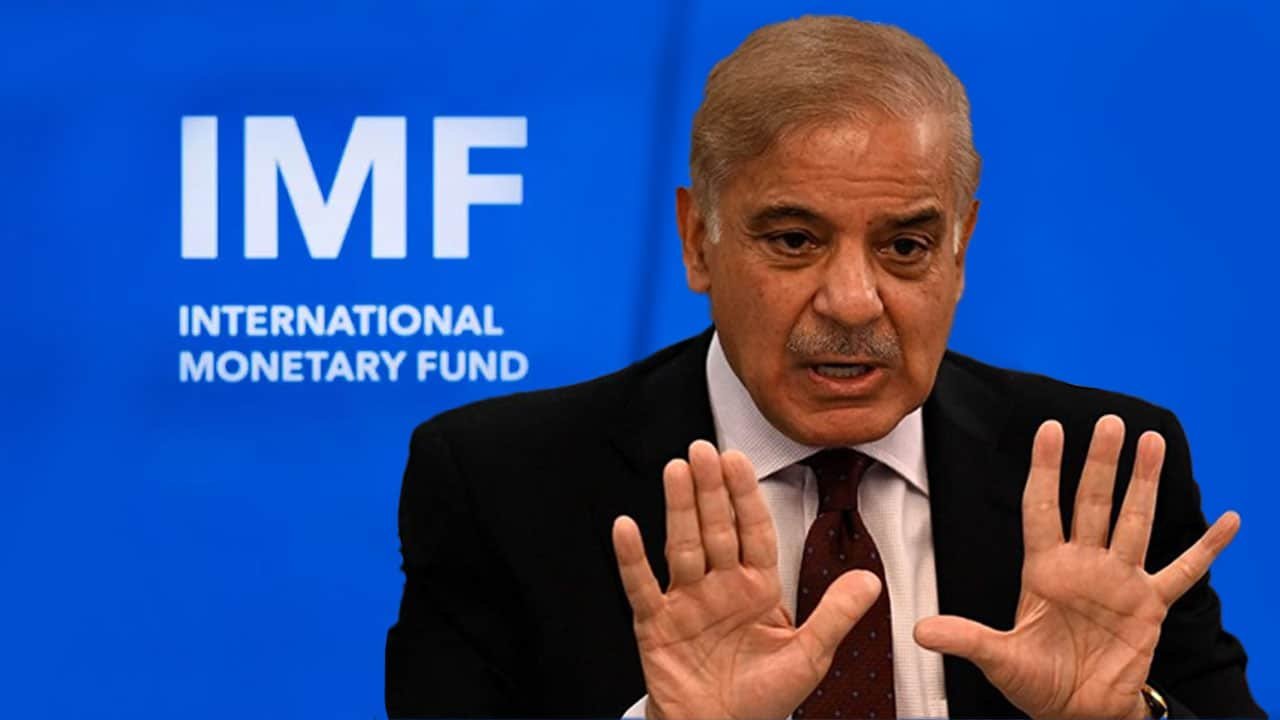
    The Prime Minister, Shehbaz Sharif, has shown worry that the terms set by the International Monetary Fund (IMF) will result in an increased burden on the citizens.

    During an appearance on the Geo News program Capital Talk, the Prime Minister attributed the stringent conditions to the previous government, alleging that they had breached their commitments to the IMF.

    Consequently, the IMF is insisting that Pakistan fulfills all of the conditions regardless of the cost, according to the Prime Minister. He acknowledged that many people in Pakistan are having trouble putting food on the table, purchasing medication, and paying for their children’s education.

    The Prime Minister claimed that former Prime Minister Imran Khan almost defaulted on Pakistan and damaged the country’s relations with numerous friendly countries. However, he stated that his government had provided relief to underprivileged individuals through the Benazir Income Support Program.

    He further stated that inflation was caused by the increased cost of imported goods as commodity prices rose due to the Russia-Ukraine conflict. In Pakistan, inflation is expected to reach its highest level in nearly 50 years.

    Additionally, Pakistan is struggling to obtain funding from friendly nations, resulting in a delay in the IMF bailout. The IMF Managing Director, Kristalina Georgieva, recently urged Pakistan to increase tax revenues and distribute subsidies only to those who truly require them. She emphasized that the IMF is dedicated to protecting the impoverished people of Pakistan.
  • Govt raises tax rates for salaried class on IMF demands

    Govt raises tax rates for salaried class on IMF demands

    In response to the International Monetary Fund’s (IMF) recommendation to eliminate relief provided on June 10, the coalition government on Friday announced amended tax deduction rules for the salaried class.

    The News reported on Saturday that the Federal Board of Revenue’s (FBR) target for tax collection for the fiscal year 2022–23 has been raised to Rs7,470 billion, an increase of Rs466 billion.

    In order to raise the collection, the government had to take harsh measures, such as boosting the tax rates for high earners to raise Rs120 billion for fighting poverty and Rs35 billion for the salaried class.

    For the upcoming fiscal year 2022–2023, the government imposed a 10 per cent super tax on 13 high-earning sectors, which will cost Rs80 billion in income.

    The government increased the Personal Income Tax (PIT) by Rs80 billion by abolishing tax relief worth Rs47 billion and then increasing the tax amount by Rs35 billion. As a result, the FBR was expected to collect Rs235 billion from the salaried class in the upcoming budget, up from Rs200 billion in the preceding fiscal year.

    The PTI-led government had promised to raise the tax revenue by Rs335 billion by increasing the tax slab rates for the salaried class, but the PDM-led coalition government persuaded the IMF to accept Rs100 billion less than the amount the PTI-led government had promised to raise.

    The government suggested a tax rate of 2.5 per cent for the salaried class for income brackets of Rs50,000 to Rs100,000. The proposed tax rate increased to 12.5 per cent for income earners who make between Rs100,000 and Rs300,000 per month.

    The FBR proposed raising the tax rate from 17.5 per cent to 20 per cent in cases where the taxable income is greater than Rs3,600,000 but not greater than Rs6,000,000. The FBR tax rate is proposed to rise from 22.5 per cent to 25 per cent where the taxable income exceeds Rs6,000,000 but does not exceed Rs12,000,000.

    The FBR will charge a tax amount of Rs2,004,000 plus 32.5 per cent of the amount exceeding Rs12,000,000 on an annual basis where the taxable income exceeds Rs12,000,000. The FBR suggested a 35 per cent tax rate for the aforementioned income.