Tag: business

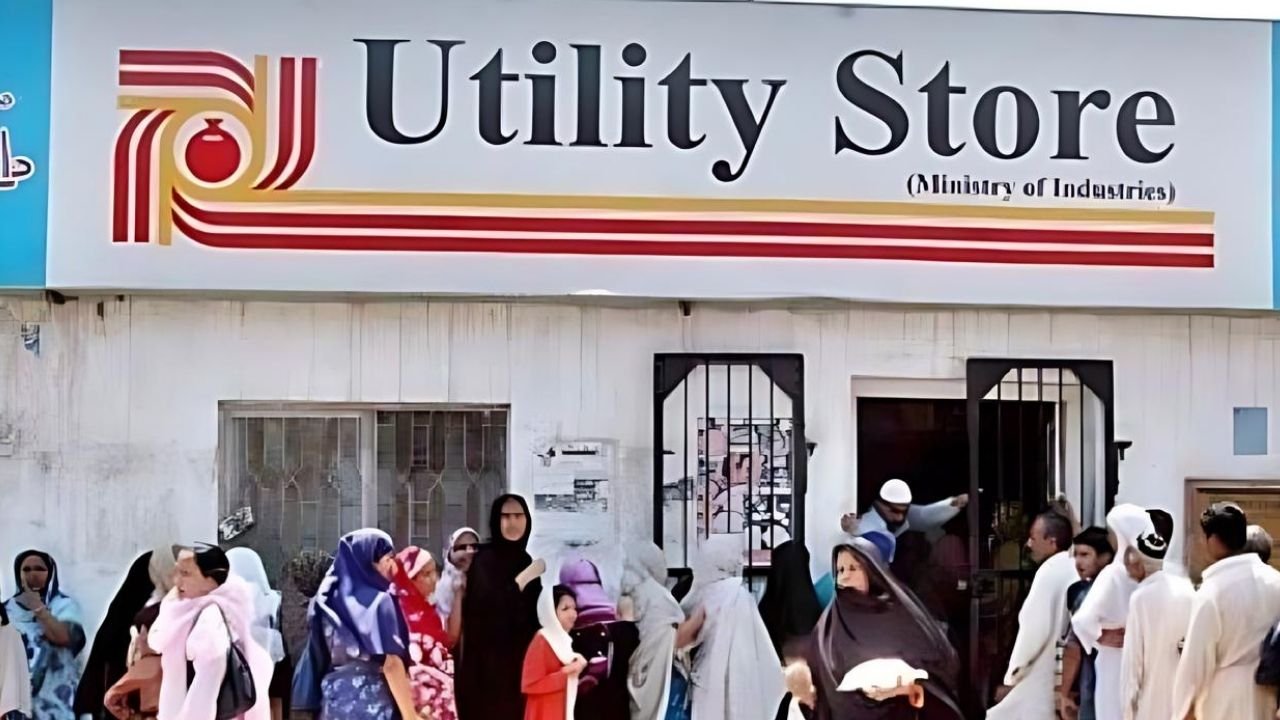
  • Federal govt decides to shut down utility stores

    Federal govt decides to shut down utility stores

    Geo News has reported that the federal government has decided to shut down utility stores.

    According to the administration, the federal government has given two weeks to solve transaction matters with other companies.

    They pointed out that the federal government has already lifted subsidies.

    The administration stated that out of 11,000 employees, 6,000 are permanent, while the other 5,000 are contract-based employees, all of whom will likely be significantly affected by this decision.

    Utility stores are the largest chain stores in Pakistan. They sell commodities at lower prices than the market, and the government often provides subsidies to these chain stores.

  • July remittances post significant hike

    July remittances post significant hike

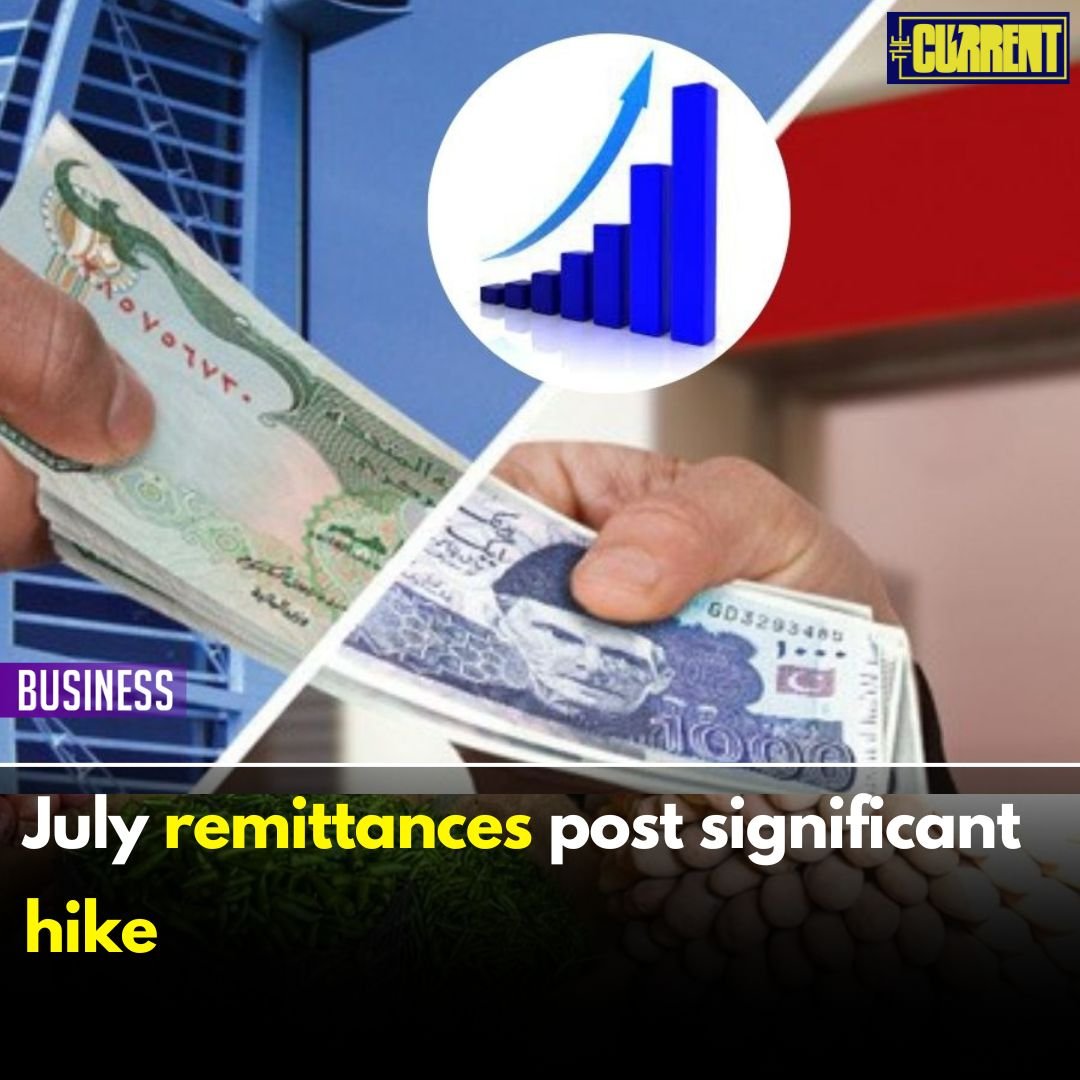
    The Pakistani diaspora has sent $3 billion back home in July, 48 percent higher than the previous year, The News has reported.
    State Bank Pakistan (SBP) data shows that remittances from Saudi Arabia increased by 56 percent to $761 million in July, while those from the United Arab Emirates increased by $611 million.
    The percentage reflected a 94 percent surge from the UAE compared to July 2023.

    Remittances from the United Kingdom totaled $443 million, a 45 percent increase from the previous year. Workers also sent $300 million from the United States, a 24 percent hike from last July.
    The research director at AKD Securities Limited, Awais Ashraf said, ‘’This increase is mainly due to the movement of worker remittance into the formal channel, spurred by the reduced rate difference between exchange companies and the interbank market’’.

    Throughout FY24, Pakistan posted a current account deficit of $681 million, equivalent to 0.2 percent of the gross domestic product.

  • No immediate relief in sight for high electricity costs, experts warn

    No immediate relief in sight for high electricity costs, experts warn

    Experts have little hope for a reduction in Pakistan’s high electricity prices. The government has turned electricity and petroleum products into revenue sources, and Independent Power Producers (IPPs) face no performance checks or contract revisions, they said, adding that it gives the generators unchecked freedom.

    Experts discussed the issues with DAWN at a seminar titled Pakistan Energy Crisis and IPPs: How Overbilling Impacts Quality of Life and Pathways to Solution, held at the Applied Economics Research Centre (AERC), University of Karachi on Thursday.

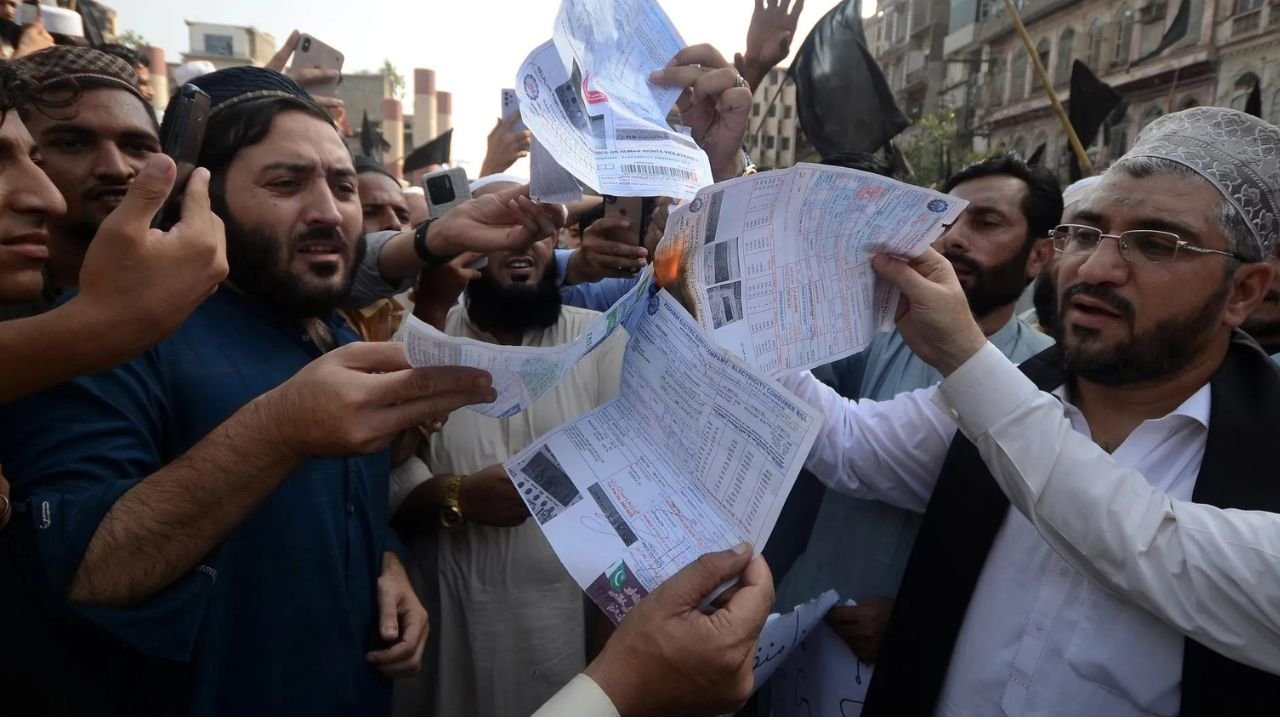
    Experts highlighted that over-billing and high electricity costs have become a crisis, adversely impacting poor and middle-income households. This crisis affects their spending on health, education, food, and transport.

    AERC Assistant Professor Dr. Aamir Siddiqui stated that electricity charges are unlikely to decrease soon because the government uses petrol and electricity as revenue sources. With around 100 IPPs and numerous suppliers in the country, electricity prices should at least be stable, but they continue to rise.

    He also noted that Pakistan generates more power than needed, yet load shedding persists. Despite this, the government is not addressing the quality and services of IPPs or revising their contracts, even though payments are made in dollars or equivalent exchange rates.

    Dr. Muhammad Saber, Principal Economist at the Social Policy and Development Center in Karachi, stated that electricity rates will not decrease until the government prioritises public welfare over its own interests. He pointed out that many contracts with IPPs were signed without considering public benefit, and even IPPs not supplying electricity receive timely and full payments.

    AERC Assistant Professor Dr. Fauzia Sohail mentioned that the residential sector is the largest consumer of electricity, followed by the industrial sector. Low and middle-income households are particularly affected by over-billing. Rising electricity charges force people to cut spending on essentials like health, education, food, transport, and housing. This not only adversely impacts these amenities but also drives some low-income individuals below the poverty line, especially in Karachi.

  • Vegetable, fruit prices soar by 150 per cent amid strikes, sit-ins

    Vegetable, fruit prices soar by 150 per cent amid strikes, sit-ins

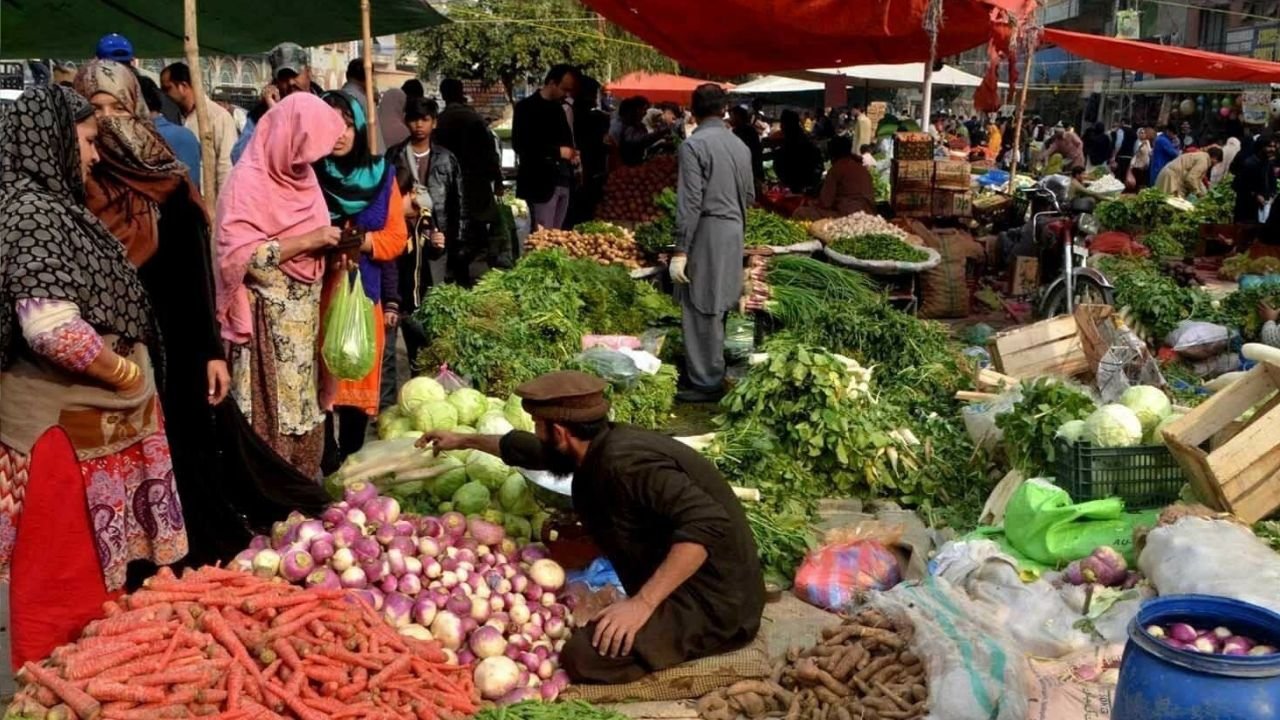
    The prices of vegetables and fruits have increased by 150 per cent as strikes by trade organisations and sit-ins by political parties in the country take hold.

    Roads in Balochistan have been closed since the past four days to impede the Baloch Yakjehti Council from holding a large gathering in Gwadar, hindering goods-carrying vehicles. Consequentially, the prices of vegetables and fruits in Quetta has risen by 100 to 150 rupees per kilogram.

    Okra, previously retailing for Rs 150 per kilogram, has risen to Rs 400, tomatoes have increased from Rs 80 per kilogram to Rs 140, pumpkin has risen from Rs 120 to Rs 200 per kilogram, while peaches have increased from Rs 100 to Rs 250 per kilogram, and apples have also seen a price increase of Rs 100 per kilogram.

    On the other hand, despite the end of the transporters’ strike across Punjab, traders have been exploiting the situation, driving up food prices even further. Shopkeepers, however, are now reportedly selling spices at more reasonable rates.

    According to citizens, rice and pulse prices have increased by 20 per cent in the market due to the strike. They are calling on the government to reduce food prices.

  • Petroleum dealers strike as OGRA directs oil companies to keep pumps open

    Petroleum dealers strike as OGRA directs oil companies to keep pumps open

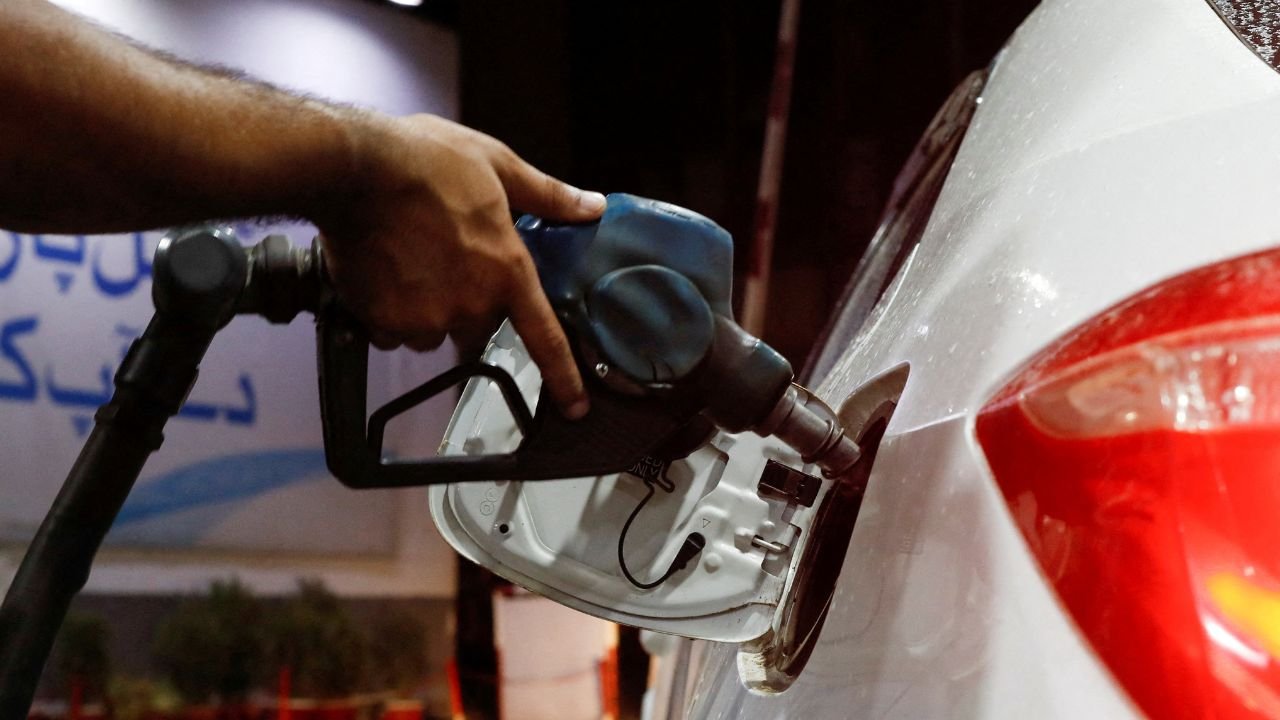
    The Oil and Gas Regulatory Authority (OGRA) and the Petroleum Division have issued a joint statement following the strike announced by the Petroleum Dealers Association, stating that petroleum products will be available nationwide.

    The statement directed oil marketing companies to keep pumps open and ensure continuous supply.

    According to the joint statement, the country has abundant petroleum products, and they will remain available throughout the nation.

    Earlier, the Petroleum Dealers Association had declared a nationwide strike starting on July 5.

    Abdul Sami Khan, Chairman of the Petroleum Dealers Association, announced the strike, emphasising that businesses cannot sustain operations with such high taxes. He warned that pumps across the country will begin to run dry tonight and stated that negotiations will not resume until the government accepts their demands.

  • Petrol pumps going on nationwide strike from July 5

    Petrol pumps going on nationwide strike from July 5

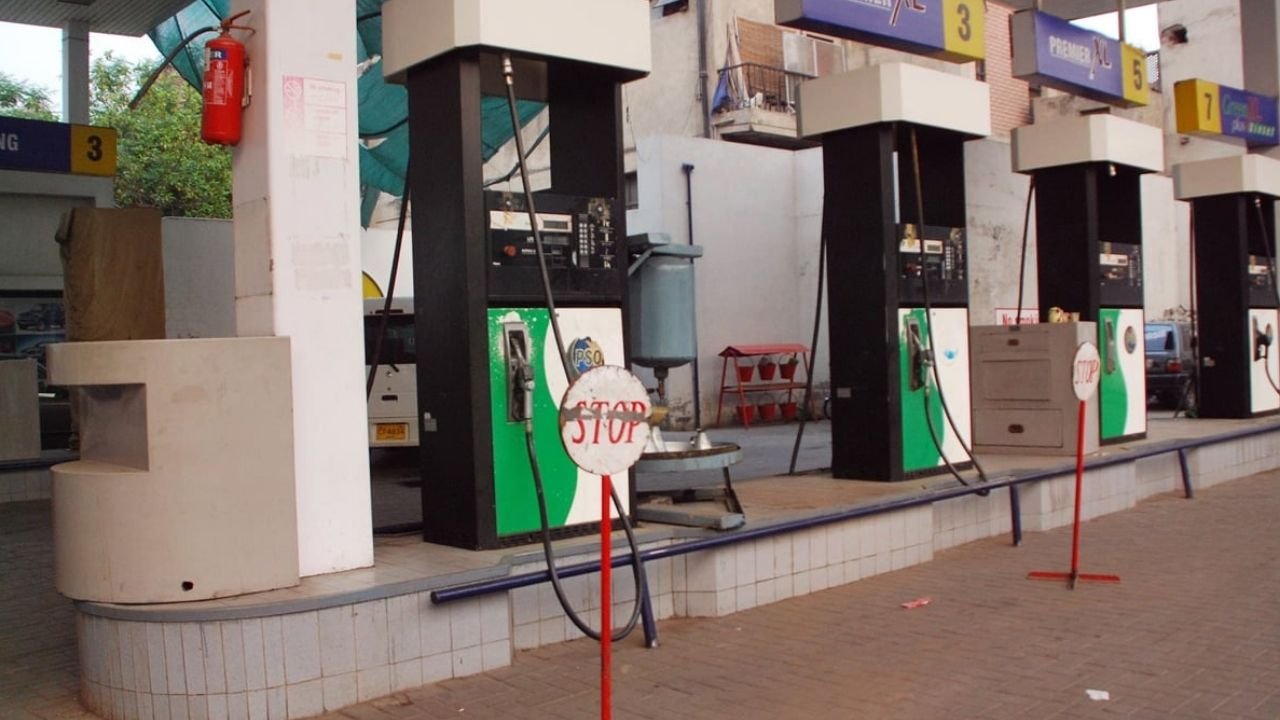
    The Pakistan Petroleum Dealers Association has decided to close petrol pumps across the country starting from 6 am on Friday, July 5.

    The strike was announced after negotiations between the Association and the government fell apart.

    A delegation from the Pakistan Petroleum Dealers Association held meetings with the Finance Minister, Chairman of FBR, and Chairman of OGRA.

    Abdul Sami Khan, President of the Petroleum Dealers Association, stated that the strike may last for more than one day, according to an Aaj News report.

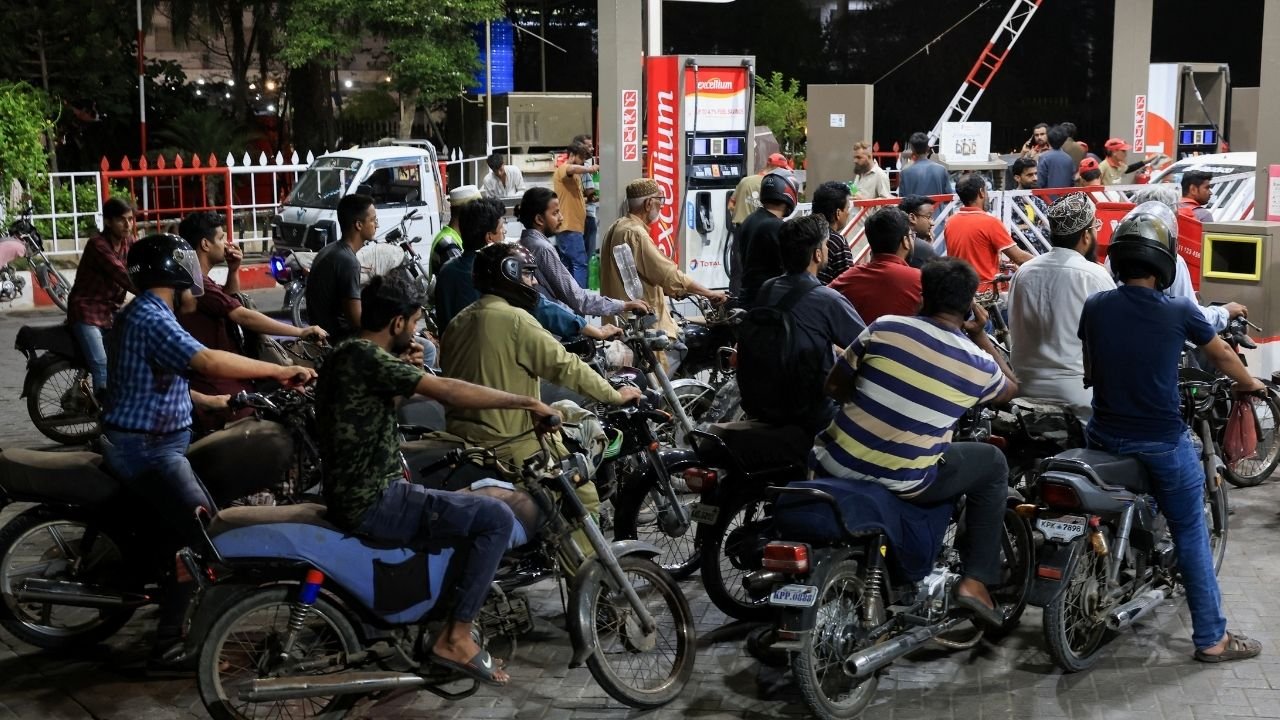
    People have been advised to keep petrol tanks filled until July 4, as pumps across the country will begin to run dry tomorrow night.

    He also mentioned that negotiations will not resume until the government reverses its decision. Fourteen thousand dealers across the country will shut down their pumps starting July 5.

    On the other hand, the Pakistan Oil Tankers Association has declared that it will not be part of the strike.

    Shams Shahwani, Chairman of the Oil Tankers Association, stated that petrol and diesel supplies will continue uninterrupted throughout the country. He believes that given the current circumstances, stopping the supply is not an option, and he wants to prevent inconvenience to customers.

  • Oil prices likely to increase by Rs 20 per litre in budget

    Oil prices likely to increase by Rs 20 per litre in budget

    Despite a global decrease in petroleum product prices, Pakistanis should not expect any relief.

    For the federal budget of 2024-25, government is considering an increase in levy sales tax on petroleum products and the petroleum levy in the upcoming financial year. Media reports suggest the possibility of increasing the petroleum levy by up to 20 rupees per litre to boost federal income.

    Additionally, it has been proposed that sales tax be imposed on petroleum products in the next financial year.

    Reportedly, the levy could be raised from Rs. 60 to Rs. 80 per litre.

    Currently, the government is already receiving a petroleum levy of Rs. 60 per litre on both petrol and diesel, in line with commitments made to the International Monetary Fund (IMF) on petroleum products during the current financial year. A target of collecting 869 billion rupees has been set.

  • Shayad abh gas aajaye gi? Sindh to draft policy to produce gas from Thar coal

    The Energy Department of the Sindh government is planning to draft a policy for the production of liquid gas from coal, stated the Deputy Director Sindh Coal Authority (SCA) Asif Mangi in an interview with WealkthPK.

    SCA consultant Dr Farid A Malik has also said that Thar coal was declared a subject for gasification in the international laboratory of South Africa and could save up to 500 million dollars in foreign exchange annually.

    As of now, Pakistan is highly dependent on imported energy resources. In terms of gas import, an energy system from Thar’s 175 billion tons of coal reserves could reduce the energy import bill by 50 percent.

    Coal gasification is a process that converts solid coal into a combustible gas, composed primarily of carbon monoxide and hydrogen, by adding an oxidizing agent (air, oxygen, water vapor).

    The SCA conducted a study to evaluate the probability of Thar coal for conversion to liquid and gas by sending samples of the indigenous coal to the South African Laboratory.

    The study revealed that Thar coal has high tar yields of 20 percent (air dried basis) and high CO2 reactivity, which were typical of lignite coal and suitable for gasification.

  • Report links H&M, Zara to environmental destruction in Brazil

    Report links H&M, Zara to environmental destruction in Brazil

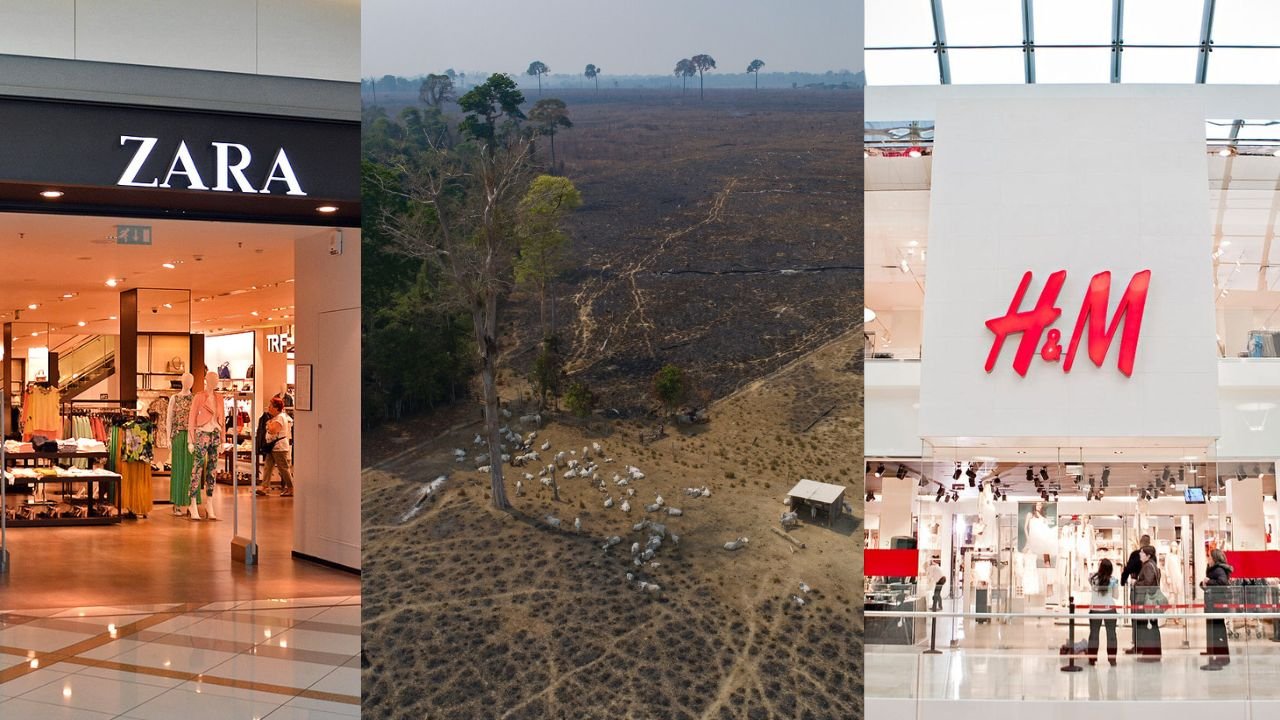
    Fast fashion giants H&M and Zara have used cotton from farms linked to massive deforestation, land-grabbing, corruption and violence in Brazil, a report by the environmental group Earthsight said Thursday.

    Based on satellite images, court rulings, shipment records and an undercover investigation, the report, titled “Fashion Crimes,” found the companies sourced “tainted cotton” farmed in the fragile Cerrado savanna by two of Brazil’s biggest agribusiness firms, SLC Agricola and the Horita Group.

    Despite abuses linked to its production, the cotton had been labeled as ethical by leading certification scheme Better Cotton, exposing “deep flaws” in the oversight program, said the British environmental group.

    The Cerrado, the most biodiverse savanna on Earth, has been disappearing at an accelerating rate as Brazil’s massive agribusiness industry has increasingly turned to the region in recent decades.

    Earthsight traced at least 816,000 tonnes of cotton exported from 2014 to 2023 to farms run by SLC and Horita, which “have a long record of court injunctions, corruption rulings and millions of dollars in fines related to clearances of around 100,000 hectares of Cerrado wilderness,” it said.

    The cotton in question was farmed in the northeastern state of Bahia and shipped to eight Asian clothing manufacturers whose clients include Sweden-based H&M and Spain-based Zara, the report said.

    Brazil, the world’s top exporter of beef and soybeans, has also emerged as a major cotton producer in recent years, now second only to the United States.

    But that has contributed to environmental destruction in the Cerrado, where “a ruinous mix of corruption, greed, violence and impunity has led to the blatant theft of public lands and dispossession of local communities,” Earthsight said.

    Better Cotton said in a statement it had conducted an independent audit of the “highly concerning issues raised” in the report, and that it would provide a summary of the findings.

    Zara parent company Inditex and H&M said they took the allegations seriously, and urged Better Cotton to release the auditors’ findings.

    The Brazilian Cotton Producers’ Association (ABRAPA) said it had worked with the growers in question to provide records and evidence countering the report’s allegations.

    “Unfortunately, these were largely disregarded,” it said in a statement.

    “ABRAPA unequivocally condemns any practices that undermine environmental conservation, violate human rights or harm local communities.”
  • Samsung Electronics expects 10-fold rise in Q1 profit

    Samsung Electronics expects 10-fold rise in Q1 profit

    Samsung Electronics said Friday it expects first-quarter operating profits to rise more than 10-fold year on year as chip prices recover.

    The firm is the flagship subsidiary of South Korean giant Samsung Group, by far the largest of the family-controlled conglomerates that dominate business in Asia’s fourth-largest economy.

    The tech giant said in a regulatory filing that January-March operating profits were expected to rise 931.3 percent to 6.6 trillion won ($4.89 billion). Operating profits in the same period last year totalled around 640 billion won.

    The expectation exceeded the average estimate by 20.5 percent, according to South Korea’s Yonhap news agency, which referenced its financial data firm.

    Sales, meanwhile, are expected to rise 11.4 percent to 71 trillion won, Samsung said.

    South Korean chipmakers, led by Samsung, enjoyed record profits in recent years as prices for their products soared, but a global economic slowdown dealt a blow to memory chip sales.

    However, the semiconductor market had been predicted to recover this year and grow 11.8 percent, according to industry monitor World Semiconductor Trade Statistics.

    The news from Samsung comes after South Korea’s SK Hynix — the world’s second-largest memory chip maker — announced in January that it had returned to profit after four consecutive quarters of losses.

    Samsung’s overall outlook is “fortified by a resurgence in the smartphone market, escalating DRAM (memory chip) prices”,  Neil Shah, vice president of Counterpoint Research, told AFP.

    Samsung is expected to release its final earnings report at the end of this month.