Tag: Business Class

  • Mazay Khatam; No more 1st class for PM and five-star hotels for ministers 

    Mazay Khatam; No more 1st class for PM and five-star hotels for ministers 

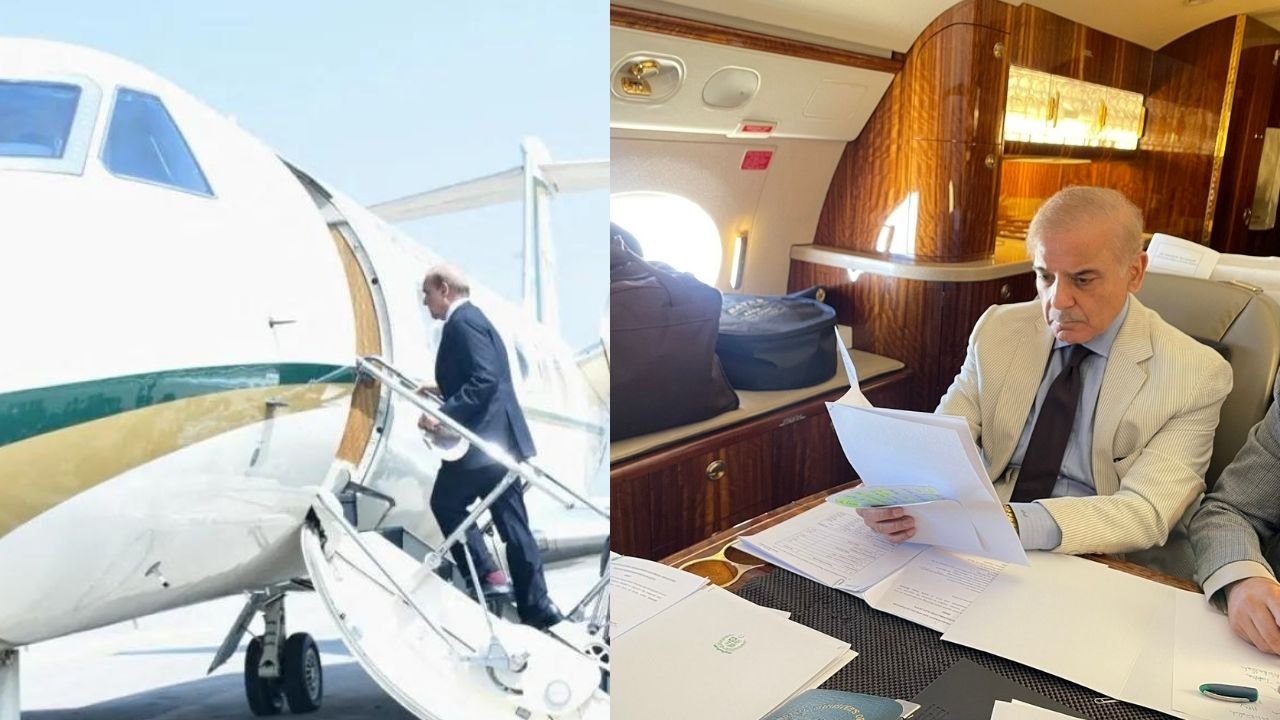
    In a bid to curb expenses, the federal government has rolled out a stringent travel advisory affecting top-tier officials, including the president, prime minister, chief justice, services chiefs, and bureaucrats. 

    Effective immediately, the advisory mandates specific classes for air travel, categorizing officials based on their positions.

    Cabinet Division said the president and the CJP will travel in ‘class-1’, whereas the PM, Senate chairman, National Assembly speaker, ministers, services chiefs, MNAs, federal secretaries, grade-22 officers, and ambassadors will travel in business class.

    Other officers of the federal government, attached departments, autonomous and semi-autonomous bodies, corporations, and other institutions under the administrative control of various ministries/divisions will travel in economy class.

    Obligatory Visits Only

    According to the advisory, foreign travel of officers shall be allowed only in cases of obligatory visits and that too in the economy class.

    This move comes as part of a new foreign travel policy aiming to rationalize overseas visits, instill austerity measures, and enforce accountability.

    Key provisions of the policy include obtaining permission from an austerity committee for non-essential visits, providing comprehensive travel details to the Foreign Ministry, and a ban on simultaneous foreign trips by ministers and secretaries unless under unavoidable circumstances approved by the prime minister.

    No Five Star Hotels

    Additionally, the policy discourages stays in five-star hotels, prohibits support staff from accompanying government officers, and encourages teleconferencing as a viable alternative. Ministers, ministers of state, advisers, and assistants are limited to three foreign visits per year, with exceptions granted in special cases.

    Furthermore, ministers are prohibited from traveling during National Assembly or Senate sessions, and all foreign visit details must be submitted to the Foreign Ministry within 15 days.

    The guidelines also address diplomatic relations, mandating adherence to the ‘One China Policy’ for interactions with Taiwan and requiring special permission for contacts with Korea. Visiting India necessitates permission from the interior and foreign ministries.

    Lastly, hosting foreign companies is discouraged, and visits by experts and consultants are permitted only during bilateral discussions.
  • Expansion plan for Lahore airport discussed

    Expansion plan for Lahore airport discussed

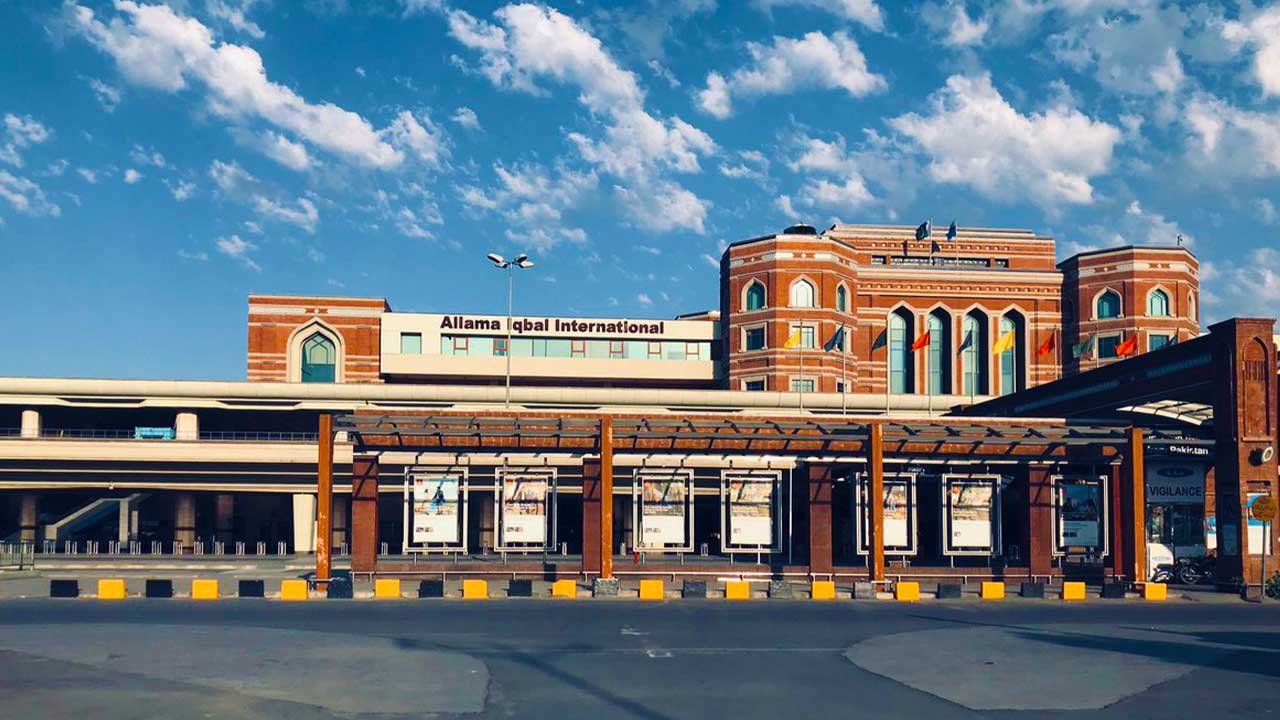
    Specifics of the Lahore Airport expansion project were recently discussed at a meeting of the Civil Aviation Authority (CAA), Pakistan International Airlines (PIA) management, and Nespak.

    According to The News, the runway that is now being constructed was also discussed. The discussion went over the operational issues at Lahore Airport, as well as the concerns that travellers confront, and offered remedies.

    Additionally, the attendees discussed the airport’s security status and the importance of developing a comprehensive security policy. The minister was approached with a suggestion to divide the international and domestic lounges at Lahore Airport.

    Lahore Airport’s expansion is urgently needed, according to Federal Minister for Aviation, Khawaja Saad Rafique, since the confluence of flights is causing passengers complications. The presence of birds within airport boundaries threatens aviation safety.

    The meeting was attended by Civil Aviation Authority Director General Khaqan Murtaza, ASF Director General Major General Abid Latif Khan, Nespak Managing Director Dr Tahir Masood, PIA General Manager Syed Zulqarnain Mehdi, General Manager Technical Support Agha Sami, and government officials.

  • PIA will now charge private Hajj pilgrims in dollars

    PIA will now charge private Hajj pilgrims in dollars

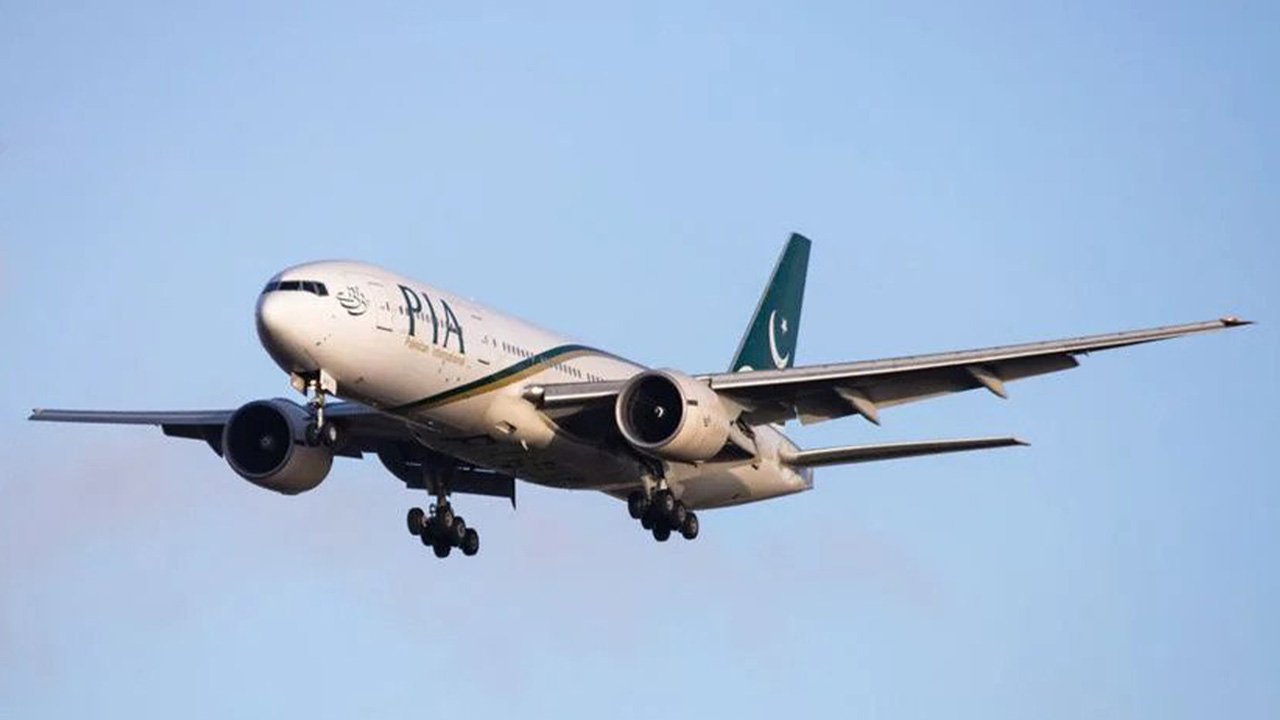
    For the first time in its history, the Pakistan International Airlines (PIA) would charge Hajj pilgrims flying on a private programme in US dollars.

    Airfares for pilgrims from the Southern and Northern regions are expected to stay in the $810 to $1,100 and $860 to $1,150 ranges, respectively.

    As tickets are also purchased abroad, the airline stated that fares in dollars would minimise the disparity. The PIA, on the other hand, would charge a fixed fee of Rs181,000 for return tickets for pilgrims travelling under the government scheme.

    During the Hajj season, the airline expects to transport roughly 14,000 government-sponsored pilgrims and around 16,000 private pilgrims. Pakistan has an 81,000 pilgrim quota, with the government typically taking 60 per cent of the quota and allocating the rest to private operators.

    According to sources, the government has received few applications this year and would only accept 37,000 pilgrims through the official plan, with the remainder of the quota going to private operators.

    Flights from Pakistan to Madinah and Jeddah for the Hajj were originally scheduled to run from May 31 to July 3. The Hajj has been postponed for a week because the government has yet to announce its Hajj strategy. From July 14 to August 13, the post-Hajj surgery would take place.

    The strength of people who go through government programmes or commercial operators is determined by the government’s Hajj strategy. It also establishes pilgrim quotas for airlines and private Hajj operators from each city.