Tag: business community

  • Federal govt decides to shut down utility stores

    Federal govt decides to shut down utility stores

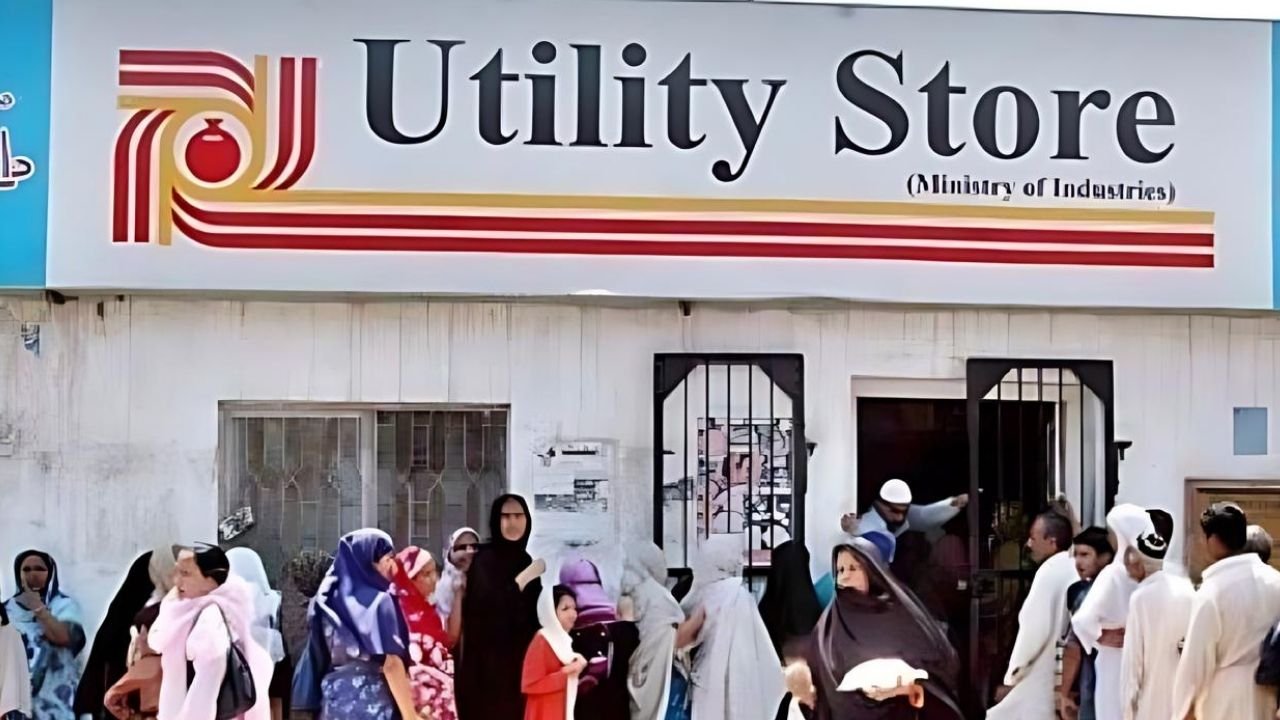
    Geo News has reported that the federal government has decided to shut down utility stores.

    According to the administration, the federal government has given two weeks to solve transaction matters with other companies.

    They pointed out that the federal government has already lifted subsidies.

    The administration stated that out of 11,000 employees, 6,000 are permanent, while the other 5,000 are contract-based employees, all of whom will likely be significantly affected by this decision.

    Utility stores are the largest chain stores in Pakistan. They sell commodities at lower prices than the market, and the government often provides subsidies to these chain stores.

  • Business community seeks budgetary reforms to promote industry growth

    Business community seeks budgetary reforms to promote industry growth

    The business community has called for comprehensive reforms and increased facilities in the upcoming 2024-25 budget to promote industry growth by broadening the tax base.

    According to APP, Ahsan Zafar Bakhtawri, President of the Islamabad Chamber of Commerce and Industry (ICCI), revealed that consultations with the business community have concluded, and their budget proposals have been submitted to the relevant ministry.

    Bakhtawri emphasised the importance of incorporating these proposals into the Federal Budget 2024-25, stating that their implementation would address critical trade and industry issues, enhance business growth, improve government tax revenue, and aid in economic revival.

    He noted that, as in previous years, the ICCI had forwarded its budget recommendations to the Finance Ministry with the expectation of their acceptance.

    He urged the government to engage with the business community and form joint committees at the district level to expand the tax net.

    He also stressed the necessity of enforcing penalties against tax evaders. Furthermore, Bakhtawri suggested that the National Tax Number (NTN) should be mandatory for opening bank accounts and for property and vehicle transactions.

    In a related statement, Karim Aziz, Chairman of the FPCCI Capital Office, echoed these sentiments. Aziz indicated that the chamber had proposed tax reforms to broaden the tax base, aiming to rejuvenate the country’s businesses. He urged the government to consult with all stakeholders in preparing the federal budget.

    Aziz confirmed that the FPCCI had finalised its budget proposals and submitted them to the relevant ministries, advocating for their inclusion in the Federal Budget 2024-25. He reiterated that implementing these proposals would address key trade and industry challenges, facilitate business growth, boost tax revenue, and support economic revival.

    He called for a reformed and simplified taxation system developed in consultation with genuine stakeholders. Aziz also highlighted the need for the upcoming budget to focus on ease of doing business, which would attract much-needed investment and stimulate economic growth.

    Additionally, Aziz stressed the need to enhance exports, reduce imports, and incentivise expatriates to invest in Pakistan.

    The business community’s recommendations reflect a concerted effort to foster an environment conducive to industrial and economic growth, urging the government to consider these proposals seriously in the upcoming budget.

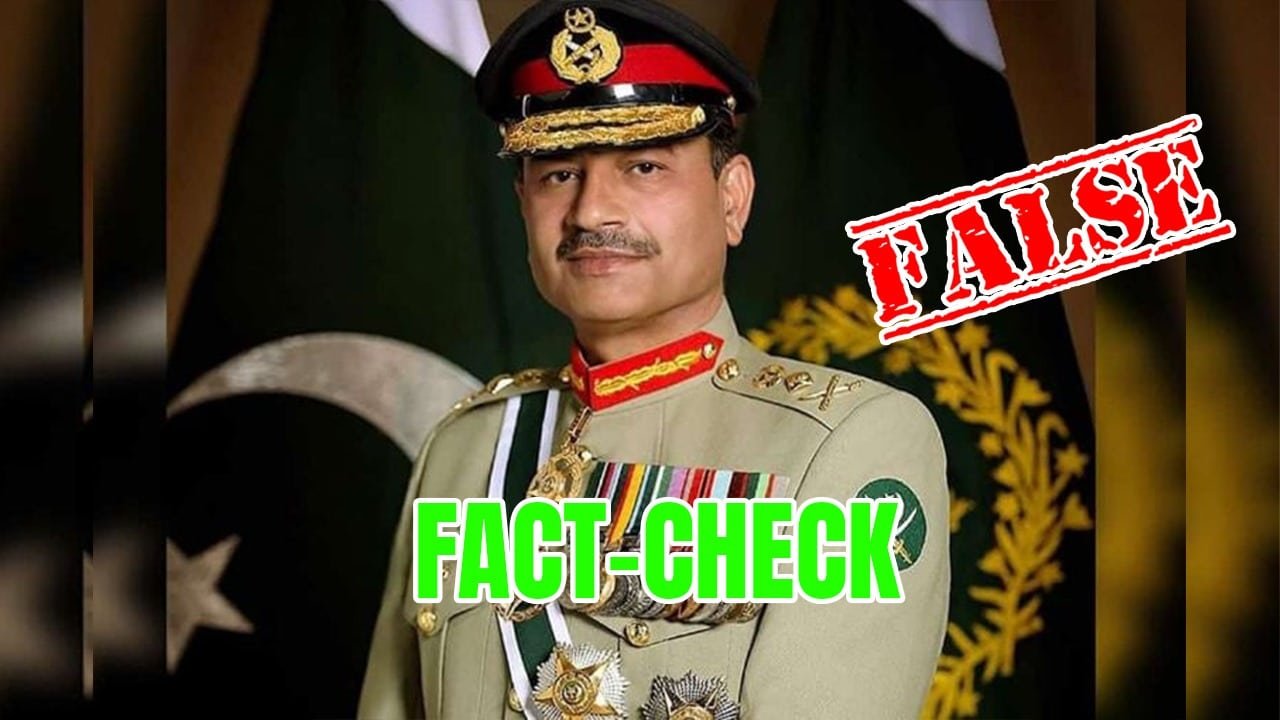
  • Fact Check: Did the Army Chief say ‘No political party is sincere with Pakistan?’

    Fact Check: Did the Army Chief say ‘No political party is sincere with Pakistan?’

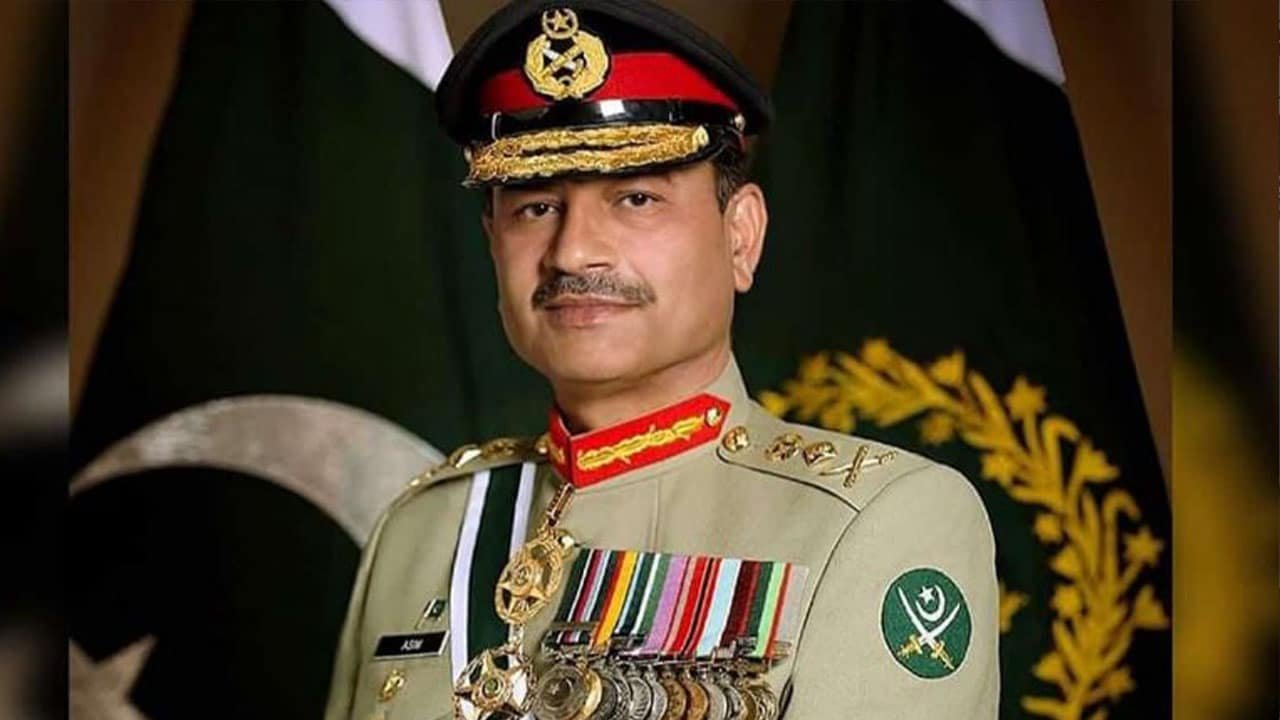
    On Sept 4, Chief of Army Staff (COAS) General Syed Asim Munir pledged unwavering efforts to attract foreign investment and rejuvenate the economy during an extensive meeting with members of the business community. In the meeting, he engaged openly and candidly with them.

    The controversy started when a renowned businessman Zubair Motiwala appeared in Nadeem Malik’s program on Samaa TV and said during the live show that the Army Chief said that no political party is sincere with Pakistan. Motiwala was unable to complete his statement as his line was disconnected. A clip of his statement went viral online soon after.

    Today, senior journalist and anchorperson Saleem Safi took to X (formerly Twitter) and said that his sources have revealed that the Army Chief did not said anything like this. He stated that the Chief’s actual words were, “Every political party has good and bad people.”

    The Current reached out to Safi to get a confirmation about his tweet. He said that he confirmed with three people who were present at the meeting that the statement was not said. He said that ISPR also confirmed that the statement was not said by the Army Chief. He also predicted that Motiwala would clarify his statement himself in a few hours.

  • Business community finds hope as COAS Munir vows to tackle corruption and boost investment 

    Business community finds hope as COAS Munir vows to tackle corruption and boost investment 

     
    In response to the pressing economic crisis facing the country, Chief of Army Staff (COAS) General Syed Asim Munir has pledged unwavering efforts to attract foreign investment and rejuvenate the economy, as reported by The News on Tuesday. General Munir made these assurances during a recent extensive meeting with members of the business community, where he engaged openly and candidly with them. 

    During an appearance on Geo News‘ “Aaj Shahzeb Khanzada Kay Sath” programme on Monday, President of the Federation of Pakistan Chambers of Commerce & Industry (FPCCI), Irfan Iqbal Sheikh, expressed optimism following their meeting with the army chief. He revealed that General Munir had conveyed discussions of a potential $25 billion investment from Saudi Arabia, encompassing sectors such as IT, minerals, agriculture, and defence. 

    Highlighting a pivotal development, General Munir disclosed that Saudi Crown Prince Mohammad Bin Salman had committed to depositing $10 billion of this investment in the State Bank of Pakistan (SBP), to be reimbursed in Pakistani rupees or goods, thereby bolstering foreign exchange reserves. 

    General Munir also acknowledged the bureaucratic obstacles hindering investment and emphasised the establishment of a Special Investment Facilitation Council (SIFC) to streamline processes and eliminate bureaucratic impediments. He assured that this initiative would protect investors from interference, bureaucratic hurdles, or legal complications. 

    Irfan Iqbal Sheikh further mentioned that Saudi Arabia and the United Arab Emirates (UAE) had both pledged $25 billion in investments, with Qatar and Kuwait following suit with similar commitments. 

    General Munir expressed determination to combat corruption, particularly by curbing land-grabbing and extortion mafias. To this end, he announced the formation of four task forces to address issues related to the Federal Board of Revenue of Pakistan (FBR), border control, smuggling, and social media, aiming to improve the overall situation. 

    Sheikh stressed that the business community had grown disillusioned but found renewed courage and hope through the army chief’s commitments. 

    Meanwhile, Business Group Chairman Zubair Motiwala noted the distinct approach of General Munir in engaging with traders compared to his predecessors. He highlighted the COAS’s efforts to revive the economy through engagements in Saudi Arabia, the UAE, and upcoming visits to Qatar and Kuwait. 

    Motiwala reported that General Munir had instructed the corps commander to prevent the influx of Iranian diesel into Karachi and issued directives to address land encroachments, corruption, and law enforcement issues. 

    General Munir also emphasised that only registered Afghan refugees would be allowed to stay in Pakistan, while the rest would need to return to their home country. He conveyed Saudi Crown Prince Mohammad Bin Salman’s concerns regarding corruption and bureaucracy in Pakistan. 

    Motiwala further disclosed discussions about the charter of the economy with General Munir, expressing hope that such substantial investments would significantly improve the economic conditions in the country. 

    He also pointed out that state-owned enterprises were incurring significant losses, amounting to Rs1,300 billion, and stressed the need for action, noting that political governments might not fully embrace privatisation but would seek to relieve this burden. General Munir expressed his understanding of the government’s approach to this issue and its commitment to addressing it comprehensively. 
  • Load shedding and unbearable hike in electricity prices hit Pakistani homes and businesses

    Load shedding and unbearable hike in electricity prices hit Pakistani homes and businesses

    Pakistan is facing an ongoing and unbearable increase in electricity tariffs, causing hardships for the majority of the population. The government justifies these price hikes by claiming they are under pressure from the International Monetary Fund (IMF) to generate more revenue. However, the tariff increase is mainly due to fuel price adjustments and high taxes imposed by the government.

    Consumers, especially low- to middle-class households, are struggling to pay their electricity bills, which have more than doubled. The rise in fuel price adjustments and government taxes further exacerbates the burden on consumers. The government’s commitment to the IMF to implement a fifty per cent increase in the base tariff from July to October contributes to the escalating bills.

    Unfortunately, the increase in electricity prices is expected to continue, and there is no progress in essential power sector reforms to reduce system losses, corruption, power theft, and reliance on imported fuels. As a result, the National Electric Power Regulatory Authority (NEPRA) has raised the average tariff to ensure funds for loss-making power distribution companies, putting additional financial strain on consumers.

    The government claims that the tariff increase is necessary to meet the IMF’s requirements and support energy sector viability. However, the business community also suffers, fearing a loss of competitiveness and increased costs. Industries have cut down production due to high energy prices and inflation, affecting economic growth and job creation.

    Many argue that successive governments have failed to implement essential structural reforms, leading to Pakistan’s economic predicament. The solution proposed by economists involves fixing the energy sector’s deep-rooted issues, taxing sectors adequately, and implementing a credible privatization plan to reduce pressure on the budget.

    In conclusion, Pakistan’s never-ending increase in electricity tariffs has become a major burden for the population, and without significant reforms, the situation is unlikely to improve. The government’s need to meet IMF requirements clashes with the urgency of boosting industrial activity and economic growth, leaving the country in a challenging economic predicament.

  • Khyber Pakhtunkhwa businessmen threaten industrial shutdown amidst worsening law and order situation

    Khyber Pakhtunkhwa businessmen threaten industrial shutdown amidst worsening law and order situation

    Khyber Pakhtunkhwa (KP) business community has expressed their concerns regarding the unfavorable law and order conditions, threatening a potential shutdown of industrial operations.

    Malik Imran Ishaq, President of Hayyatabad Industrial State, highlighted the persistent issue of extortion demands faced by industrialists. He further stated that unidentified individuals resort to grenade attacks on residences and offices when businessmen fail to comply with the extortion demands.

    In light of these circumstances, the president of the KP industrialists association has urged the government to ensure adequate security measures, emphasising that failure to do so would force them to halt their industrial activities.

    The deteriorating law and order situation in Khyber Pakhtunkhwa (KP) province has become a cause for concern among businessmen and residents alike.

    As per available records, a total of 411 incidents were reported in the province in the year 2022, out of which 342 cases were filed in relation to extortion.

    Additionally, the Counter Terrorism Department (CTD) registered First Information Reports (FIRs) for 69 extortion incidents and successfully apprehended 173 individuals involved in extortion activities during the same year.

  • Strengthening economic ties: Pakistan expects substantial benefits from trade agreement with Russia

    Strengthening economic ties: Pakistan expects substantial benefits from trade agreement with Russia

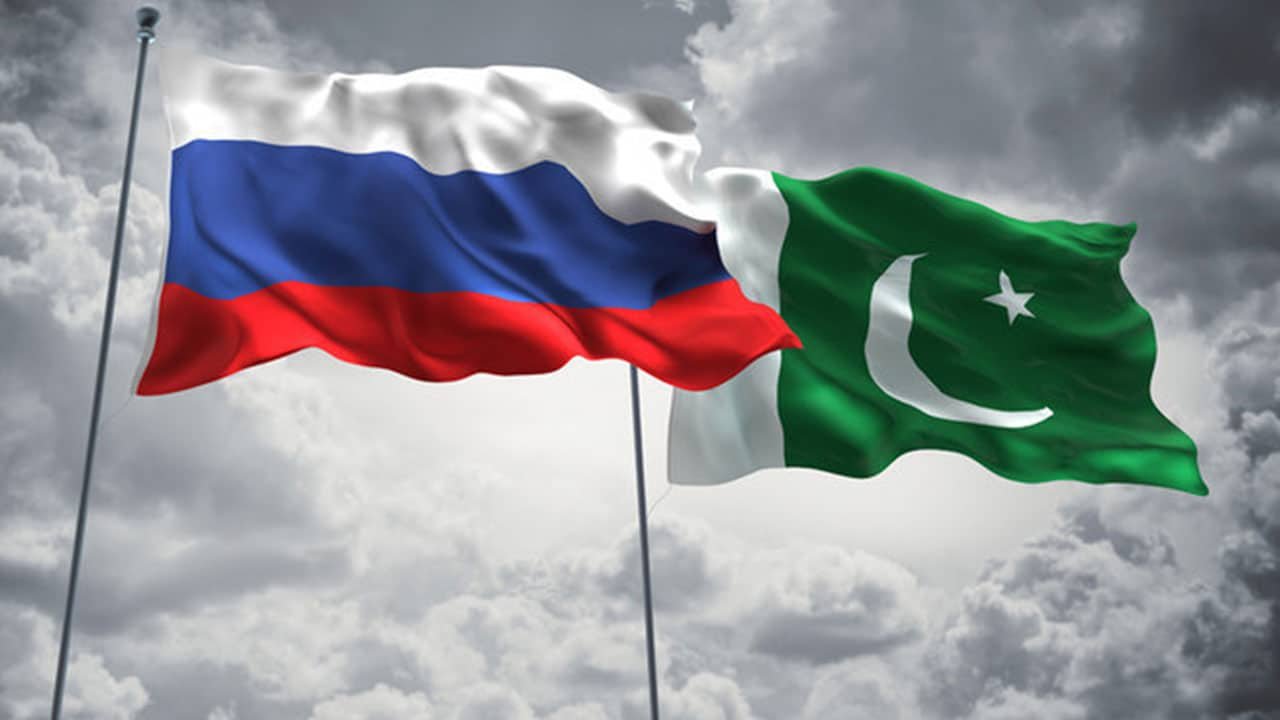
    Pakistan and Russia have successfully concluded a bilateral trade agreement during a three-day economic conference in Kazan, Russia. The deal aims to streamline trade operations and reduce costs between the two nations, strengthening economic ties.

    The agreement includes provisions that benefit Pakistan’s economy. It facilitates the smooth movement of goods and offers Pakistani products a customs duty discount upon entering the Russian market. This tariff reduction presents an opportunity for Pakistani exporters to enhance their competitiveness and expand their presence in Russia.

    The protocol also establishes administrative cooperation and information exchange within the framework of the unified Tariff Preferences of the Eurasian Economic Union. This approach will promote efficient customs procedures and create a conducive business environment, bolstering trade relations between Pakistan and Russia.

    Pakistan’s Commerce Minister, Naveed Qamar, represented the country at the conference and engaged in discussions and negotiations. He met with Rustam Minnikhanov, the leader of Tatarstan, Russia, to strategize measures for enhancing trade and economic relations. The minister also networked with influential business figures, strengthening Pakistan’s outreach in the global business community.

    According to Dawn, the signing of this landmark protocol signifies a vital step forward in establishing the necessary legal framework for commercial relations between Pakistan and Russia. Minister Qamar expressed satisfaction with the improvement in trade and political relations between the two nations. Both countries have made substantial strides in enhancing their trade and political ties, particularly in the oil and gas trade sector.

    With the bilateral trade agreement in place, Pakistan stands to reap substantial economic benefits. The provisions, including customs duty discounts and streamlined procedures, offer new opportunities for Pakistani businesses to expand their market presence and capitalize on the growing demand in Russia. This agreement also paves the way for stronger political and diplomatic ties between Pakistan and Russia, fostering long-term economic growth and cooperation.

  • Transporters overcharge passengers after fresh increase in fuel prices

    Transporters overcharge passengers after fresh increase in fuel prices

    The recent hike in petroleum prices has been met with public outcry, with many stating that the significant increase in petrol prices has severely impacted the common man, as transporters have raised fares just ahead of Eid-ul-Fitr. This rise in oil product prices is also expected to have repercussions on the cost of daily commodities, particularly kitchen items.

    The Statistical Department of Pakistan has reported that people were already facing 44.6 per cent inflation, and the weekly report showed that this figure was expected to increase further with the recent hike in petroleum prices. The price of petrol has been raised to Rs282 per litre, while high-speed diesel and light diesel oil rates will remain stable at Rs293 per litre and Rs174.68 per litre, respectively. However, kerosene oil has seen an increase of Rs5.78 per litre, with its price now standing at Rs186.07 per litre.

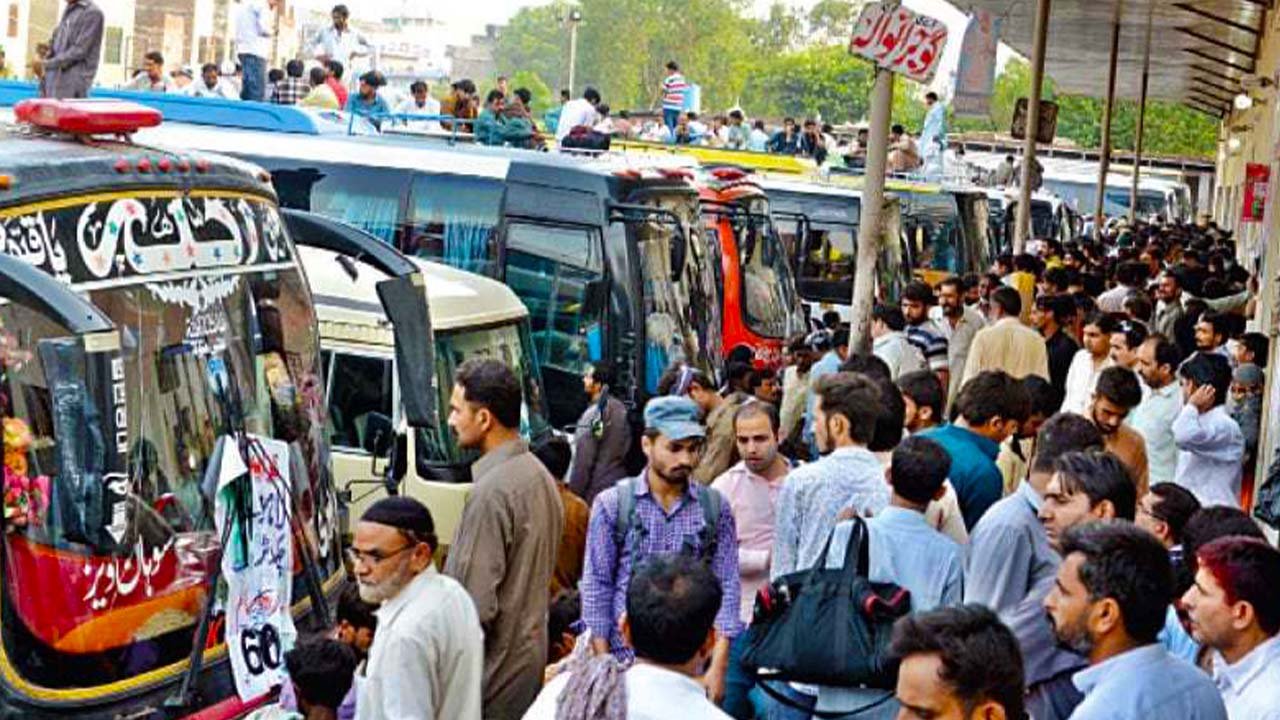
    Long route transporters have increased fares by 10 to 20 per cent per ticket, while freight services charges have risen by 30 per cent. Over 70 per cent of people have started to travel to their native towns to celebrate Eid-ul-Fitr with their families, and they have protested against the sitting government for the fresh increase in petroleum prices. The business community has also warned of a new wave of inflation, and the Pakistan Oil Tankers Association and All Pakistan Truck and Trailer Association have rejected the hike in petroleum product prices.

    Local transporters have also increased fares without permission, claiming that there is no government in the country. However, the District Regional Transport Authority (DRTA) Secretary has stated that they have started a crackdown against transporters who are overcharging passengers. The senior representatives of the trader’s community have also rejected the present hike in petroleum prices and have advised political parties to work together to boost the country’s economy.

    The All Pakistan Clerks Association (APCA) has stated that they are facing difficulties due to the government’s wrong policies and have decided to start a revolution after Eid-ul-Fitr against the wrong government policies. Wagon owners and drivers have protested at the termination points of their routes, while public transport operators in the Rawalpindi division will be meeting to discuss the situation. In summary, transporters, traders, and the general public have strongly reacted to the recent increase in fuel prices.

  • Ishaq Dar assures govt is taking all possible measures to overcome economic challenges

    Ishaq Dar assures govt is taking all possible measures to overcome economic challenges

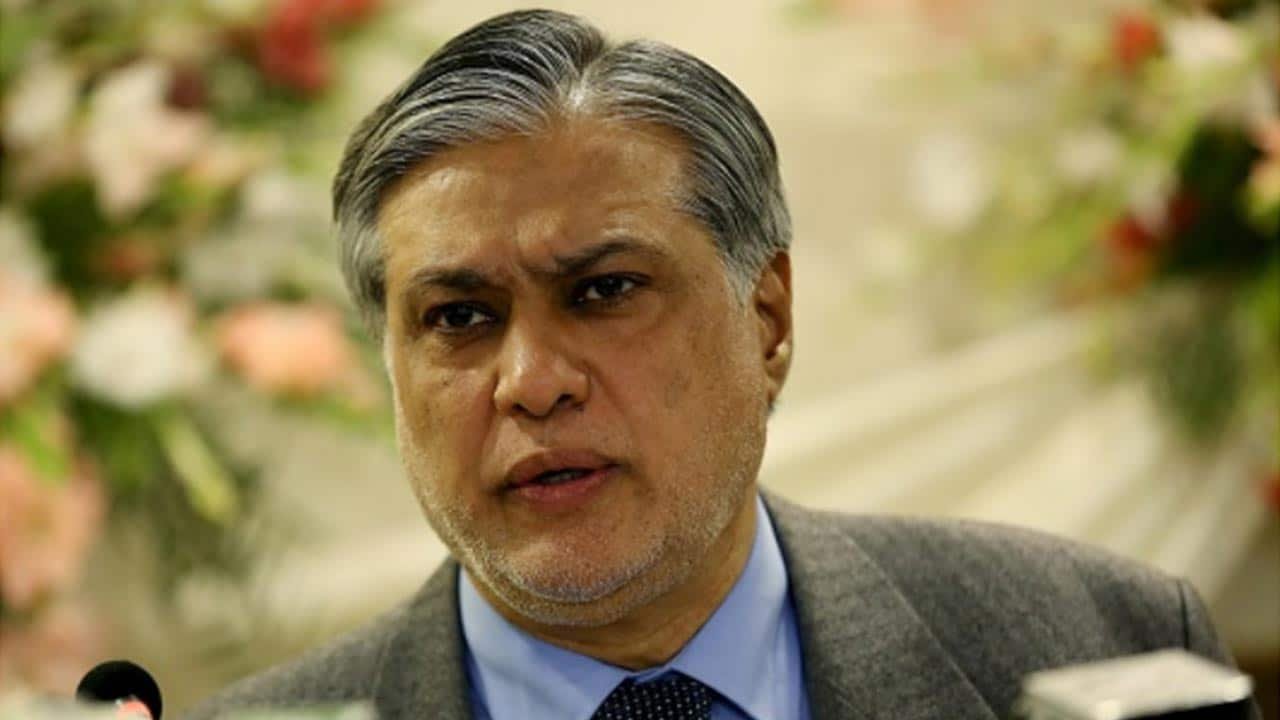
    The Finance Minister of Pakistan, Ishaq Dar, has stated that the federal government is working diligently to steer the country out of its current economic challenges and towards sustainable growth.

    Speaking at an Iftar dinner hosted by the Islamabad Chamber of Commerce and Industry (ICCI) in honor of foreign diplomats, Dar urged friendly countries to fulfill their commitments to Pakistan to pave the way for a deal with the International Monetary Fund (IMF) and the revival of the economy.

    Dar highlighted that Pakistan was expected to become the world’s 18th-strongest economy in 2016 but is now facing serious economic challenges. He reassured attendees that Pakistan would not default and that the government is doing everything in its power to overcome the difficulties.

    The President of ICC, Ahsan Zafar Bakhtawari, called on the government to ensure consistency in economic policies to boost investor confidence. He encouraged diplomats to invest in Pakistan, emphasizing the country’s large market with over 220 million consumers and opportunities in various sectors of its economy.

    Bakhtawari expressed hope that a deal with the IMF would soon be concluded and urged the government to work towards ending the country’s reliance on foreign loans and becoming self-sufficient. He assured attendees that the business community would fully support the government in achieving this goal.

    According to APP, the Iftar dinner was attended by diplomats from various countries, including Turkmenistan, Kazakhstan, Azerbaijan, Kyrgyzstan, Turkey, Indonesia, Syria, Saudi Arabia, Australia, Malaysia, Poland, Sri Lanka, Nepal, and the Republic of Turkish Northern Cyprus, who commended the ICCI for hosting the event.

  • Miftah assures to address the issues of business community

    Miftah assures to address the issues of business community

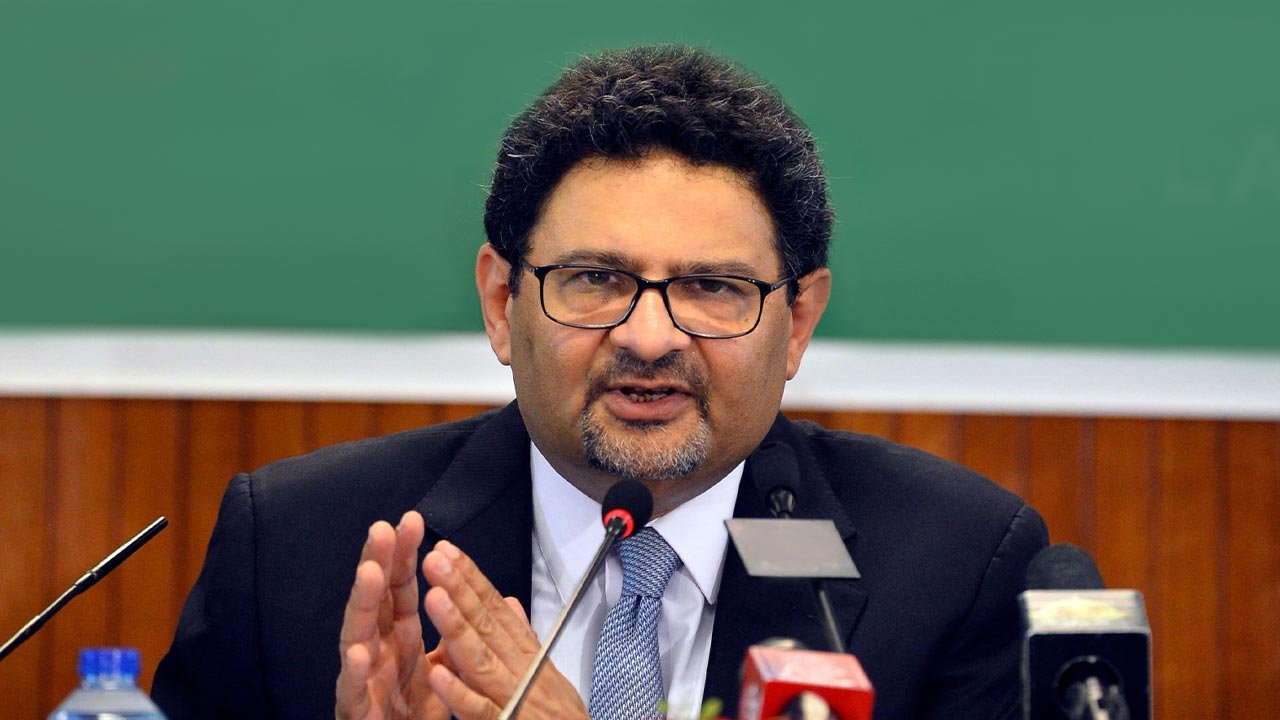
    Finance Minister Miftah Ismail has assured the business community that their problems related to electricity bills and taxation will be resolved soon.

    He made this announcement during a meeting at the Finance Division with a Markazi Tanzeem-Tajaran Pakistan delegation led by its president, Muhammad Kashif Chaudary.

    Miftah tweeted on Sunday that he would meet with business leaders to discuss their concerns. “The Prime Minister has also called me and instructed me to ensure that small traders are completely satisfied with the new tax law,” Ismail tweeted.

    According to him, the government will exempt stores with invoices of less than 150 units from the tax in an effort to appease small enterprises.

    The government would charge Rs3,000 to retailers who are not registered with the FBR, and neither tax notices nor FBR officers’ visits to their stores will be made.

    Additionally, a new fixed income and sales tax scheme for small business or retailers was suggested. The coalition government in power declared in the budget for 2022–2023 that fixed income and sales taxes would also be collected in addition to electricity bills.

    The amount of this tax, according to Finance Minister Miftah Ismail, will range from Rs3,000 to Rs10,000.

    According to Kashif Chaudary, the business sector is crucial to the nation’s economic growth. Ismail also acknowledged the situation and gave his word that the government will take every necessary action to assist and support the neighbourhood.

    Previously, the business community urged that the federal government immediately stop collecting the “fixed tax” through electricity bills.

    Hasnain Khurshid Ahmad, president of the Sarhad Chamber of Commerce and Industry, stated that the government has been able to collect sales tax from Rs3,000 to Rs20,000 through power bills, which is incomprehensible to local business owners.

    The forced system of “fixed” sale tax on commercial power metres, which did not distinguish between small and large firms or godowns, was a reflection of the government’s anti-business policies and amounted to the economic murder of the community of merchants, according to Khurshid.