Tag: business

  • Atlas Honda announces second price hike within 20 days due to depreciation of Pakistani rupee

    Atlas Honda announces second price hike within 20 days due to depreciation of Pakistani rupee

    Atlas Honda has announced its second price increase in the last 20 days, attributing it to the substantial depreciation of the Pakistani rupee against the US dollar, which had also led to their earlier bike price hike on February 15, 2023.

    According to the company’s notification, Honda bike prices will be as follows:

    Honda CD70

    The Honda CD70 will now cost Rs144,900, an increase of Rs7,000 from the previous price of Rs137,900.

    Honda CD 70 Dream

    The Honda CD 70 Dream will now cost Rs155,500, an increase of Rs8,600 from the previous price of Rs147,500.

    Honda Pridor

    The new price of the Honda Pridor is Rs190,500, an increase of Rs9,000 from the previous price of Rs181,500.

    Honda CG 125

    The Honda CG 125 will now cost Rs214,900, an increase of Rs9,000 from the previous price of Rs205,900.

    Honda CG 125 SE

    The Honda CG 125 SE will now cost Rs255,900, an increase of Rs12,000 from the previous price of Rs243,900.

    Honda CB 125F

    The Honda CB 125F will now cost Rs350,900, an increase of Rs20,000 from the previous price of Rs330,900.

    Honda CB 150F

    The Honda CB 150F will now cost Rs443,900, an increase of Rs25,000 from the previous price of Rs418,900.

    Honda CB 150F SE

    The Honda CB 150F SE will now cost Rs447,900, an increase of Rs25,000 from the previous price of Rs422,900.

    This is the second price hike within the last 20 days, which has further eroded the purchasing power of the middle class that is already struggling due to inflation. With car and bike prices on the rise, the common person is finding it increasingly difficult to afford their daily means of transportation.

  • DHL limits operations in Pakistan due to outbound remittance restrictions

    DHL limits operations in Pakistan due to outbound remittance restrictions

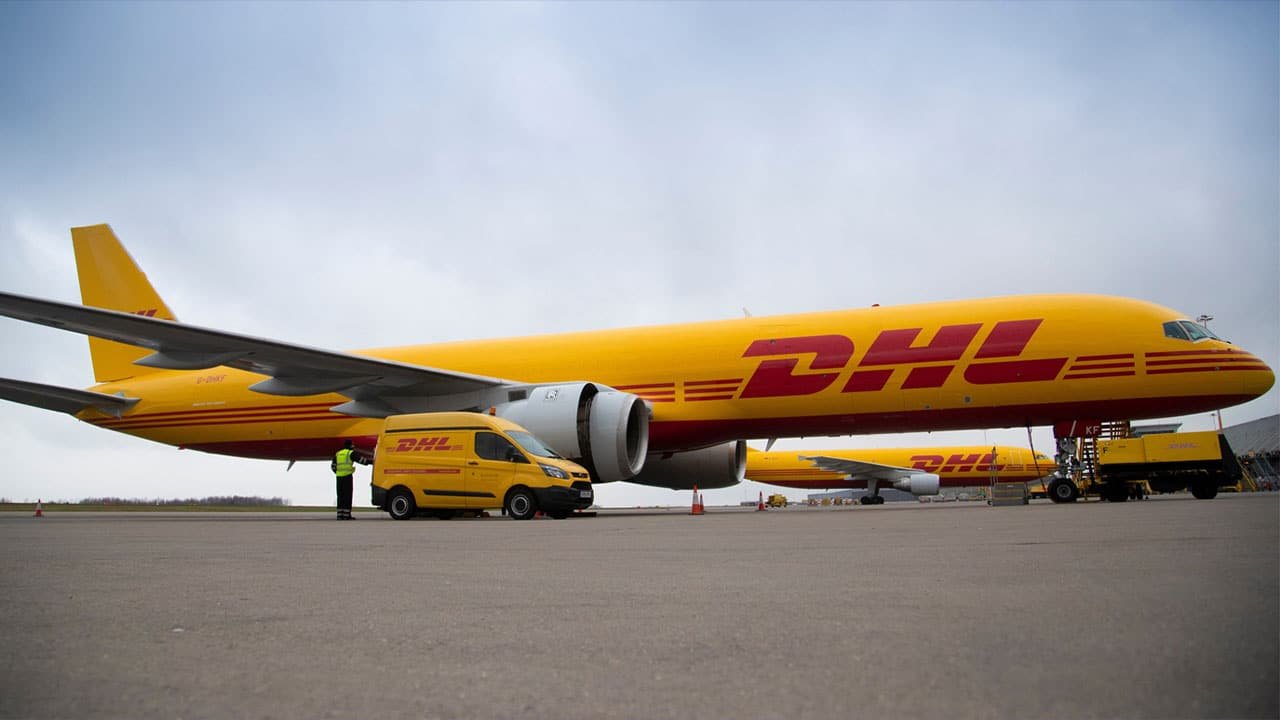
    International logistics company, DHL, announced that it will partially suspend some of its operations in Pakistan due to restrictions on outbound remittances by the government.

    DHL Pakistan has informed its customers that it will suspend its “Import Express Product” and restrict outbound shipments to a maximum weight of 70kg per shipment for all customers billed in Pakistan from March 15.

    According to Dawn, the company has stated that the last pick-up date will be March 14, and shipments picked up on or before this date will still be delivered.

    The decision comes as the PMLN-led coalition government and the State Bank of Pakistan have imposed restrictions on outward remittances for foreign companies operating in Pakistan amid fast-dwindling foreign exchange.

    DHL has stated that the remittances sent by DHL Pakistan cover the cost of DHL’s international aviation, hub, gateway, and last-mile delivery incurred through its global network for the shipments sent/received by valued customers. The company has added that this constraint has made it unsuitable for DHL Express to continue providing the full product offering in Pakistan.

  • Business confidence in Pakistan drops to negative 4%

    Business confidence in Pakistan drops to negative 4%

    Major multinational companies with operations across a variety of sectors in Pakistan have lost faith in the country’s economy. In the previous six months, the Business Confidence Score (BCS) as a whole decreased by 21 percentage points to a negative 4 per cent.

    In the earlier survey, which was conducted in March–April 2022, the score (BCS) was positive 17 per cent. In general, more than half of respondents (56 per cent vs. 19 per cent in the prior study) had a “poor” opinion of the business environment in the previous six months.

     “Going forward, only a net 2 per cent (versus 18 per cent in the previous survey) were ‘positive’ for the next six months and 35 per cent of respondents cited no plans to invest,” according to the “Business Confidence Index Survey Wave 22” of the Overseas Investors Chamber of Commerce and Industry (OICCI), which was held from September to November 2022.

    According to Express Tribune, political unrest, currency depreciation, and rising fuel prices were the top three factors contributing to the recent drop in business confidence. The other two top-five factors contributing to the recent drop in company confidence were the current energy crisis (high power costs) and inadequate commercial and trade policies.

    The services industry experienced a confidence decline of 24 per cent, followed by the retail and wholesale trade sectors (22 per cent), and the industrial sector (20 per cent). 25 per cent of respondents were from the retail and wholesale trade, 33 per cent from the services industry, and 42 per cent from the manufacturing sector.

    Commenting on the survey results, OICCI President, Ghias Khan said in a statement that “The substantial decline in the overall business confidence to negative 4 per cent is regrettable but not surprising considering the highly challenging political and economic situation witnessed during the past six months.”

    “The record level of rains during August leading to severe flooding in Sindh and other parts of the country further restricted business activities,” he added.

    “Foreign investors’ feedback could have been more positive but for serious concerns on a few critical issues like the undue delay in revising the pharma pricing and the extreme delays in overseas (outward) remittances for goods, services and dividends. Such actions are seriously counter-productive when trying to attract FDI (foreign direct investment) into the country,” Khan expounded.

    The main factors affecting business confidence in the country are anticipated to remain political unrest, rising fuel prices, and rupee depreciation.

    OICCI Vice President, Amir Paracha noted that “These are challenging times. Authorities are doing all they can to navigate the situation, including controlling inflation, managing the economy with restricted availability of foreign exchange and other resource constraints.”

    “The key stakeholders, especially foreign investors, will continue to support the authorities in taking long-term policy measures to streamline the economic fundamentals, including fair taxation for all, and facilitate business and investment into the country,” he added.

    According to the most recent survey results, the confidence index for business expansion (extra investment) plans over the next six months has decreased to 18 per cent from 34 per cent in the previous survey/W21.

    Similarly, capital investment (new) plans for the following six months fell sharply to 2 per cent (from 21 per cent in the previous wave).

    Compared to Wave 21, just 7 per cent of respondents in Wave 22 reported an increase in overall employment. A drop in overall employment over the previous six months was mentioned by almost 11 per cent of respondents.

    According to the trade body, “OICCI is the collective voice of major foreign investors. Over 200 members, from 31 different countries, have a presence in 14 sectors of the domestic economy and contribute over one-third of Pakistan’s total tax revenue.”

    In the meantime, on Wednesday, the interbank market saw the rupee fall 0.02 per cent (or Rs0.05), falling to a two-month low of Rs224.16 against the US dollar.

  • Govt may cut petrol price by Rs11 per litre today

    Govt may cut petrol price by Rs11 per litre today

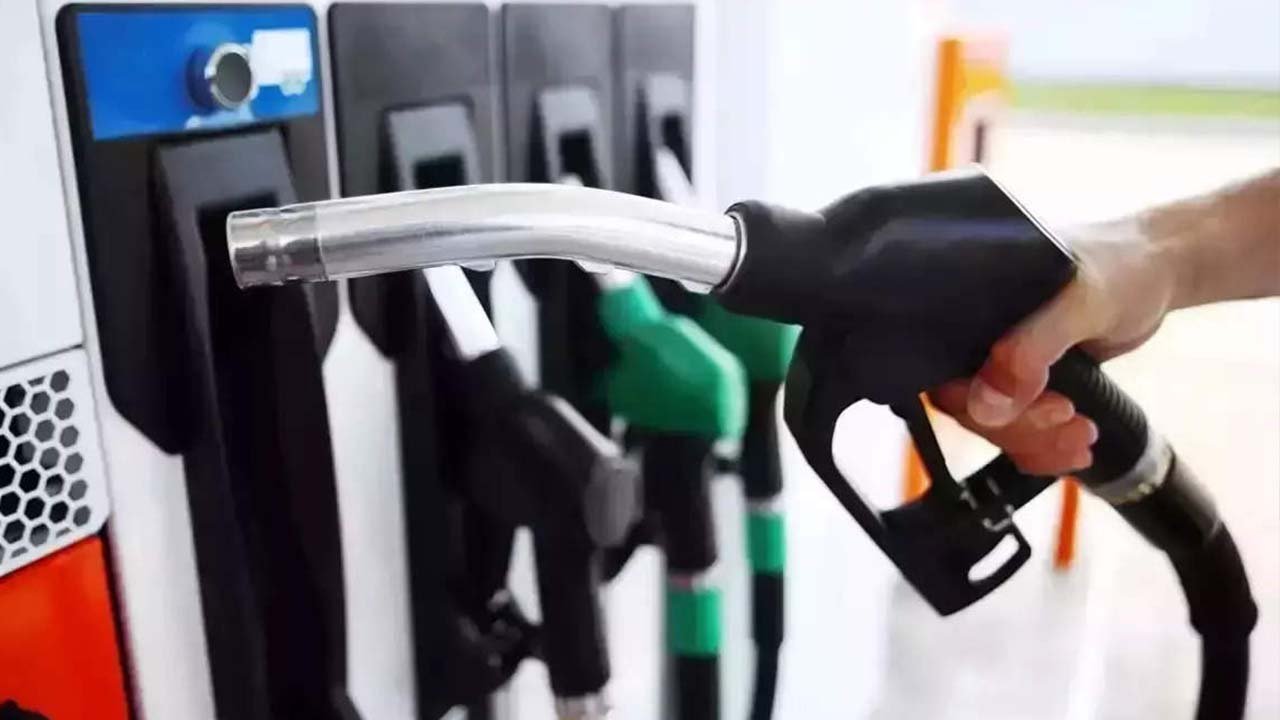
    The price of petrol may be reduced by Rs11 per litre by the government, according to sources privy to the matter.

    According to Dawn, the cost of petrol is anticipated to drop by Rs11 per litre, while the cost of high-speed diesel is anticipated to rise by Rs8 per litre. Petrol is currently available for Rs230 per litre.

    The tax on petrol is expected to surge by Rs5 per litre and the tax on diesel, kerosene, and light diesel by Rs10 per litre, as per reports.

    However, the Ministry of Finance will reveal a price revision today, and the new rates will take effect on August 1.

  • Government will soon lift the import ban on certain items

    Government will soon lift the import ban on certain items

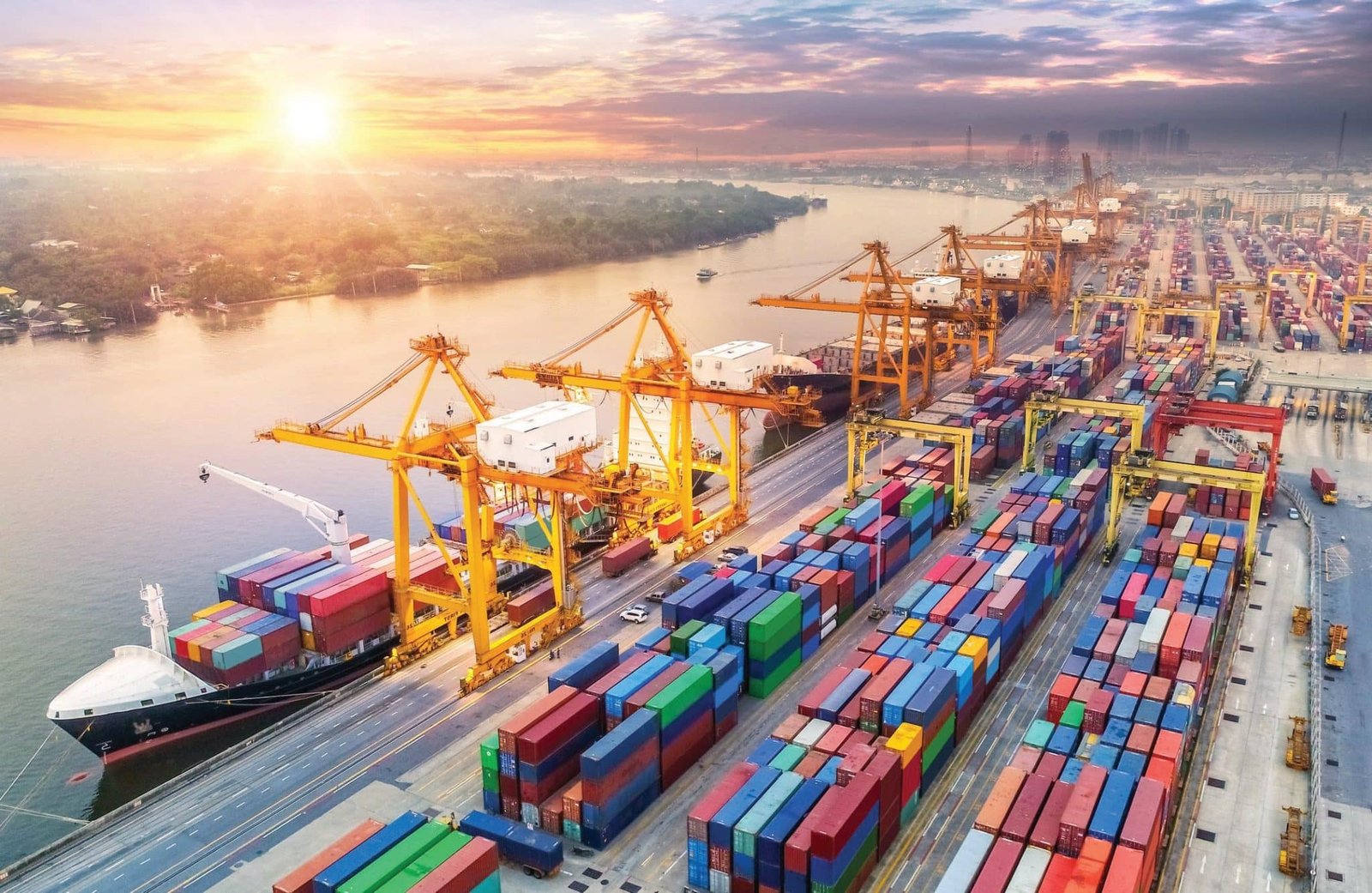
    The government will lift the import ban on some items in the upcoming weeks, according to Finance Minister Miftah Ismail, but restrictions for cellphones, cars, and home appliances will remain in place.

    He stated that the Commerce Ministry has sent a summary to the federal cabinet for removing restrictions on the import of non-essential and luxury items while speaking at a seminar about the performance of state-owned enterprises (SOEs) here in the federal capital.

    According to the finance minister, the decision was made in light of a lower import bill as a result of restrictions placed on the import of new machinery and raw materials, as well as lower oil prices on the global market. “In the upcoming months, we anticipate a decrease in petroleum product imports. Lower imports will enable Pakistan to conserve its foreign currency, he continued.

    He continued by saying he was hopeful for higher dollar inflows compared to outflows starting in the upcoming month, which would ease pressure on the local currency.

    “Imports in Pakistan as of July 25 were $3.758 billion and our total imports are likely to be $4.824 billion. This number will be less than our exports plus remittance”, he had written on Twitter a day earlier.

    The ban on 30 categories and 83 Customs headings was reportedly requested to be lifted by the finance minister on Tuesday to Prime Minister Shehbaz Sharif.

    He did, however, suggest that the Commerce Ministry keep the ban on completely built units (CBUs), cars, and home appliances in place.

    Speaking with Profit, sources said that between May 19 and July 19, 2021, Pakistan imported CBU automobiles, mobile phones, and home appliances worth Rs399 million. However, after the ban was imposed on May 19, 2022, the trend of importing these items decreased.

    Pakistan imported goods worth Rs123 million between May 19 and July 19, 2022, a difference of Rs276 million compared to the corresponding months of the previous fiscal year.

    It is important to note that the government has outright banned the import of cars, mobile phones, home appliances, dry fruits (aside from those from Afghanistan), crockery, shoes, chandeliers, lights (except energy savers), headphones, and loudspeakers.

    Some items on the list included condiments, doors and window frames, travel bags and suitcases, sanitary ware, fish and frozen fish, preserved fruits, tissue paper, furniture, shampoos, confectionery, luxury mattresses, and sleeping bags, jams and jellies, cornflakes, toiletries, heaters, blowers, sunglasses, kitchenware, aerated water, frozen meat, juices, pasta, ice cream, cigarettes, shaving supplies, luxury leather apparel, and musical instruments.

  • Exports of leather garments witness 10.15 per cent increase

    Exports of leather garments witness 10.15 per cent increase

    Owing to a partial recovery of international orders and government support programmes, Pakistan’s non-textile exports increased by 25.85 per cent year over year to $12.46 billion in the preceding 2021–22.

    The value-added sectors are primarily driving overall growth in the non-textile sector. According to data produced by the Pakistan Bureau of Statistics (PBS) on Thursday, the non-textile sector has not yet received full orders to pre-Covid levels.

    Despite lockdowns in several nations, three industries—leather clothing, medical equipment, and engineering goods—maintained growth in export revenues in FY21.

    Exports of leather clothing increased by 10.15 per cent and those of leather gloves by 10.60 per cent in the value-added leather industry. In contrast, raw leather exports rose by more than 28.50% over the previous fiscal year.

    One of the major producers of surgical instruments worldwide is Pakistan. However, well-known brands resell these instruments in western nations. Because of this, the export value of these goods is still extremely low.

    In FY22, surgical tool exports experienced a 1.29 per cent decline. Pharmaceutical exports, however, decreased by 0.49 per cent.

  • Pakistani rupee hits new all-time low of Rs224 against US dollar

    Pakistani rupee hits new all-time low of Rs224 against US dollar

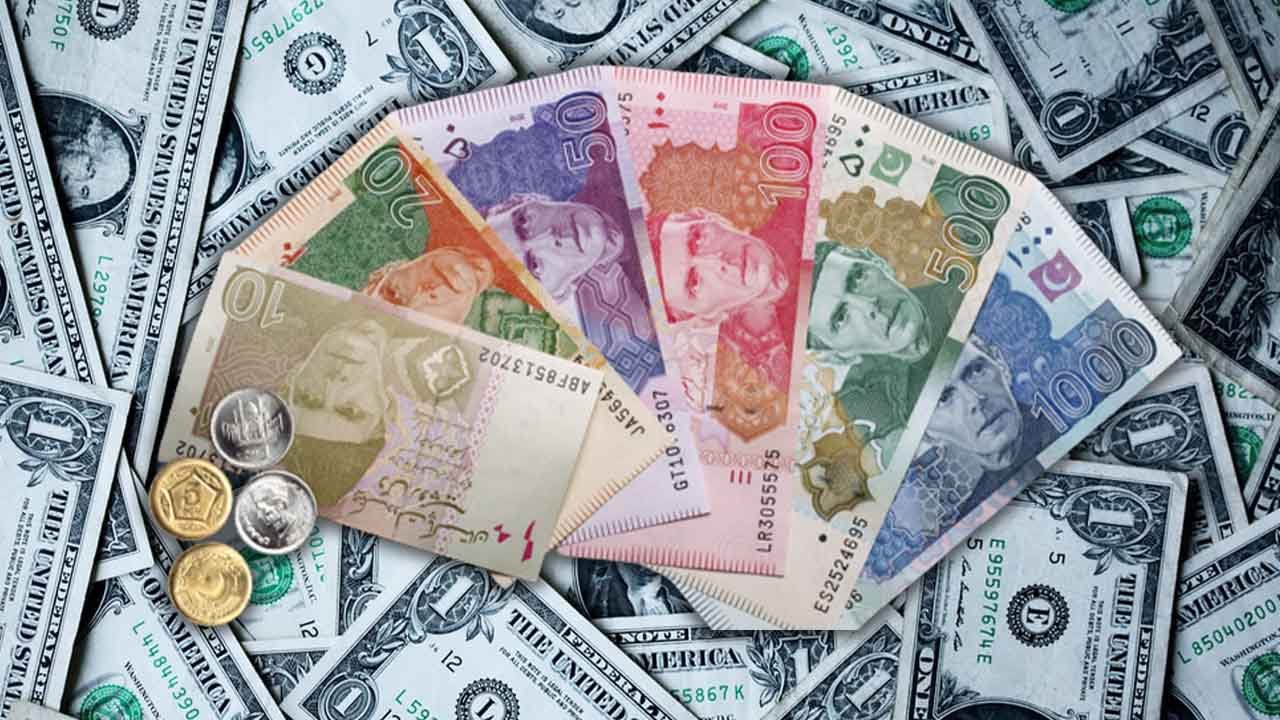
    Despite the International Monetary Fund’s (IMF) announcement that the multibillion-dollar loan programme would resume, the Pakistani rupee plunged to an all-time low against the US dollar on Tuesday, reaching Rs224 in the interbank market.

    Today, the local currency continued to lose value against the US dollar and lost another Rs8.80. In the interbank market on Monday, the rupee fell by Rs4.25 or 1.97 per cent against the US dollar.

    With ongoing political unrest and a bad macroeconomic environment, the currency has considerably depreciated.

    The State Bank of Pakistan (SBP) has begun to stifle the outflow of small dollar amounts of less than $100,000 in order to prevent a further decline in the reserves, putting numerous factories at risk of closure and financial penalties.

    According to the sources, Pakistan is using a variety of capital controls, including restrictive measures, to prevent a situation resembling default while the IMF takes its time approving and disbursing a $1.12 billion loan tranche.

    Resuming the loan programme will increase the nation’s ability to make international payments and unlock foreign currency inflows from other bilateral and multilateral sources as well.

    Additionally, China has extended its $2.3 billion loan to Pakistan and deposited it in the State Bank a few weeks ago. In line with the decline in the rupee, the Pakistan Stock Exchange (PSX) fell 770 points during Monday’s intraday trading. After “political and economic uncertainties in Pakistan,” the capital market came under fresh pressure, a specialist claimed.

    Finance Minister Miftah Ismail stated in an interview that the government would keep making difficult choices in an effort to save the economy and keep the nation from going bankrupt.

  • Residential buildings make up 80 per cent of Pakistanis’ wealth: Study

    Residential buildings make up 80 per cent of Pakistanis’ wealth: Study

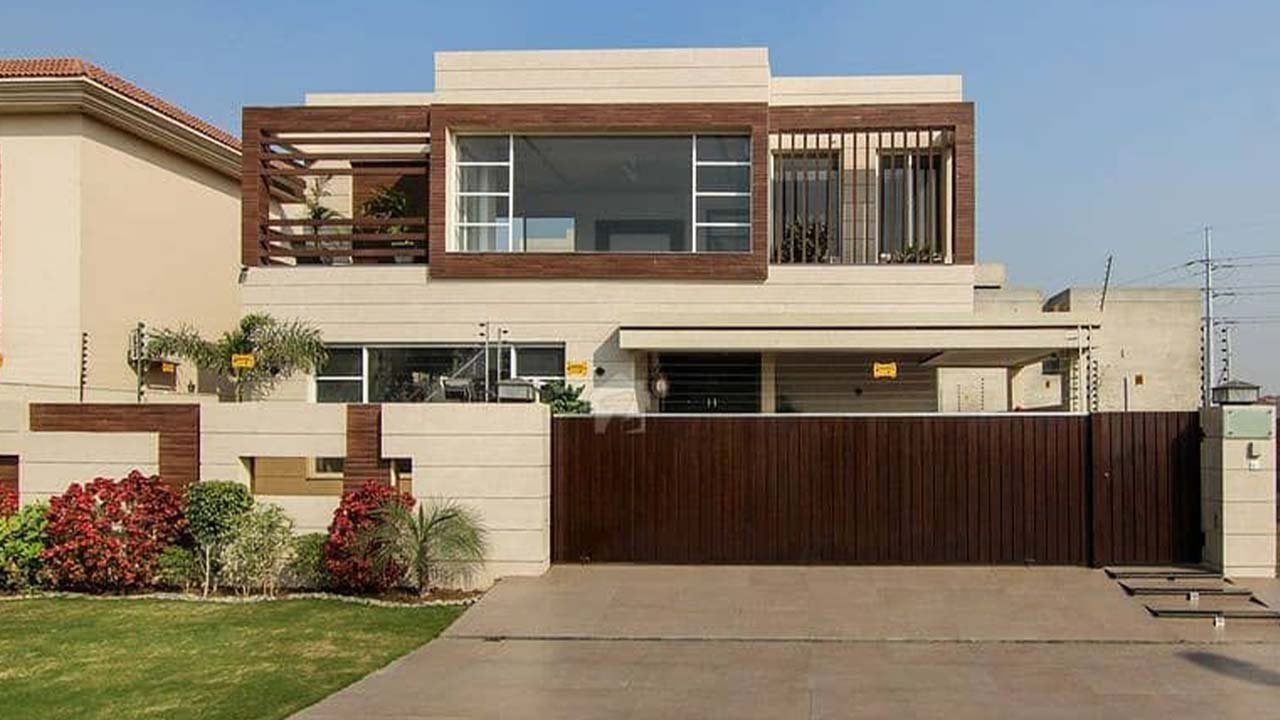
    Almost 80 per cent of the wealth accumulated by Pakistani households by the time they are 60 to 65 years old is made up of residential buildings, according to a recent World Bank study.

    Between the ages of 25 and 65, the net worth of the typical Pakistani household increases by 60 months’ worth of consumption (5 years).

    According to a DAWN report, residential housing makes up the majority of this growth, whereas other types of wealth like land, durables, business and farm values, and financial assets stagnate over time. Early in life, asset accumulation is slower; it picks up between the ages of 40 and 65.

    According to a study titled “Life Cycle Savings in a High-Informality Setting — Evidence from Pakistan” published earlier this week, financing elderly consumption will be a significant challenge in the future due to a combination of factors including population ageing, deteriorating family and village risk-sharing networks, and low formal pension coverage.

    When compared to other investment options, real estate and land are a safe bet, as evidenced by the fact that households save primarily in these areas. According to the study, housing may be a way to permanently store resources in a way that makes them difficult for other family members to steal or use against them.

    According to the study, it might also be a result of a lack of access to other reliable, safe, and high-return long-term saving options. Participation in alternative saving methods may be hindered by low levels of financial literacy, numeracy, and familiarity with formal banking institutions.

    The study emphasised that Pakistan has expanded financial inclusion much more slowly than other nearby countries and that these barriers must be removed.

    Despite being a safe investment, housing is relatively illiquid, which depletes funds for short-term consumption smoothing. Only 3 per cent of Pakistani adults (15 and older) report being able to rely on savings for emergency funds, while 49 per cent claim it is impossible to come up with emergency funds.

    According to 41 per cent of people ages 15 and older, family or friends are typically the primary source of emergency funds; 25 per cent report borrowing for medical expenses.

    Theoretically, policies that permit more real estate assets to be used as collateral for loans made through formal financial institutions could lessen the need for liquid precautionary savings and free up funds for retirement savings. However, these programmes might also promote excessive debt and result in evictions.

    Scarcity of other secure, liquid savings options may also restrict the income potential of self-employment. Although self-employed people have similar levels of education to wage workers, they are typically older. Nearly half of self-employed people lack education.

    Given that the majority of self-employed businesses are started with their own capital, the older age of the self-employed may indicate that the first working years are spent acquiring start-up capital. Only 11 per cent of people aged 15 and older, according to Findex surveys, borrow money to launch or grow a business.

    According to the study, expanding options for secure long-term savings outside of the housing through the use of government-sponsored or subsidised old-age savings instruments could lead to greater independence in old age and lessen the burden on younger families.

    The study found that the average net worth accumulation accelerates around the age of forty, roughly in the middle of the working years. We demonstrate that active saving likely plays a significant role, even though some of this accumulation may reflect patterns in inheritances.

    Around that time, household income growth starts to outpace household consumption growth, and the saving rate rises by 20 percentage points between ages 40 and 65. This suggests that people in that age range may benefit most from programmes designed to encourage formal saving.

  • Pakistani rupee fell by 34 per cent in FY 2021-22: Report

    Pakistani rupee fell by 34 per cent in FY 2021-22: Report

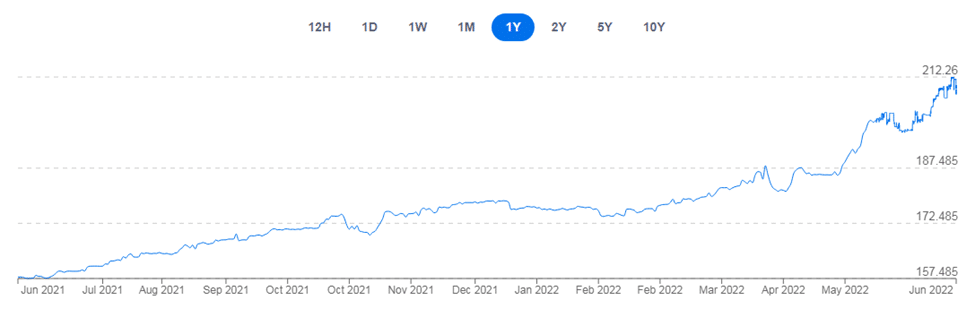
    Pakistan’s fiscal year starts on July 1st and ends on June 30th. The rupee to US dollar exchange rate was Rs158.06 at the beginning of fiscal year 2021-2022, and it reached an all-time high of Rs212.103 in the inter-bank market on June 21, 2022. This represents a depreciation of more than 34 per cent in less than a year.

    The graph below demonstrates how the PKR to USD exchange rate varied over time:

    During the fiscal year 2020-2021, the local currency plunged 17.47 per cent from Rs158.062 to Rs184.159 in 9 months, from July 1, 2022 to April 11, 2022, under the PTI regime. Since PDM took over, the rupee has lost nearly 14.31 per cent of its value in just three months.

    The table below compares PKR to dollar values over time, as well as the government in power at the time:

      PKR to Dollar Government
    July 2021 158.062 PTI
    August 2021 162.571 PTI
    September 2021 166.872 PTI
    October 2021 170.997 PTI
    November 2021 170.92 PTI
    December 2021 176.042 PTI
    January 2022 176.214 PTI
    February 2022 176.736 PTI
    March 2022 177.573 PTI
    April 2022 184.159 PTI and PDM
    May 2022 185.794 PDM
    June 2022 197.744 PDM
    June 23 2022 207.516 PDM

    Dollar demand remains strong in the market, pushing the greenback’s value higher against the rupee. The local currency is likely to remain volatile until the IMF agrees to disburse the next tranche of loans to Pakistan.

  • After five days of losses, British stocks holding firm

    After five days of losses, British stocks holding firm

    A day after economic slowdown fears dragged the major British stocks to their sixth straight session of losses, UK equities stabilised on Tuesday, with some positive momentum from financial sectors and some excellent earnings announcements.

    By 0712 GMT, the FTSE 100 had up 0.6 per cent, with shares in British bank HSBC up 2.6 per cent providing the biggest boost to the blue-chip index.

    Following volatile crude prices, oil majors BP Plc and Shell Plc climbed 1.5 per cent and 0.8 per cent, respectively.

    After finishing at its weakest level in more than three months on Monday, the domestically focused mid-cap FTSE 250 index gained 0.7 per cent. Paragon Banking increased by 4.7 per cent after raising its expectations for 2022 and indicating robust new lending growth.

    FirstGroup jumped 1.2 per cent when the transportation company reported a higher yearly profit and restarted dividend payments, as passenger numbers on its buses increased after COVID-19 limitations were relaxed.

    Crest Nicholson rose 6.1 per cent after projecting an adjusted profit before tax of between 135 and 140 million pounds for fiscal year 2022. In 2021, the housebuilder made an adjusted profit of 107.2 million pounds.