Tag: business

  • Pakistani rupee records impressive gains against US Dollar, highest single-day gain

    Pakistani rupee records impressive gains against US Dollar, highest single-day gain

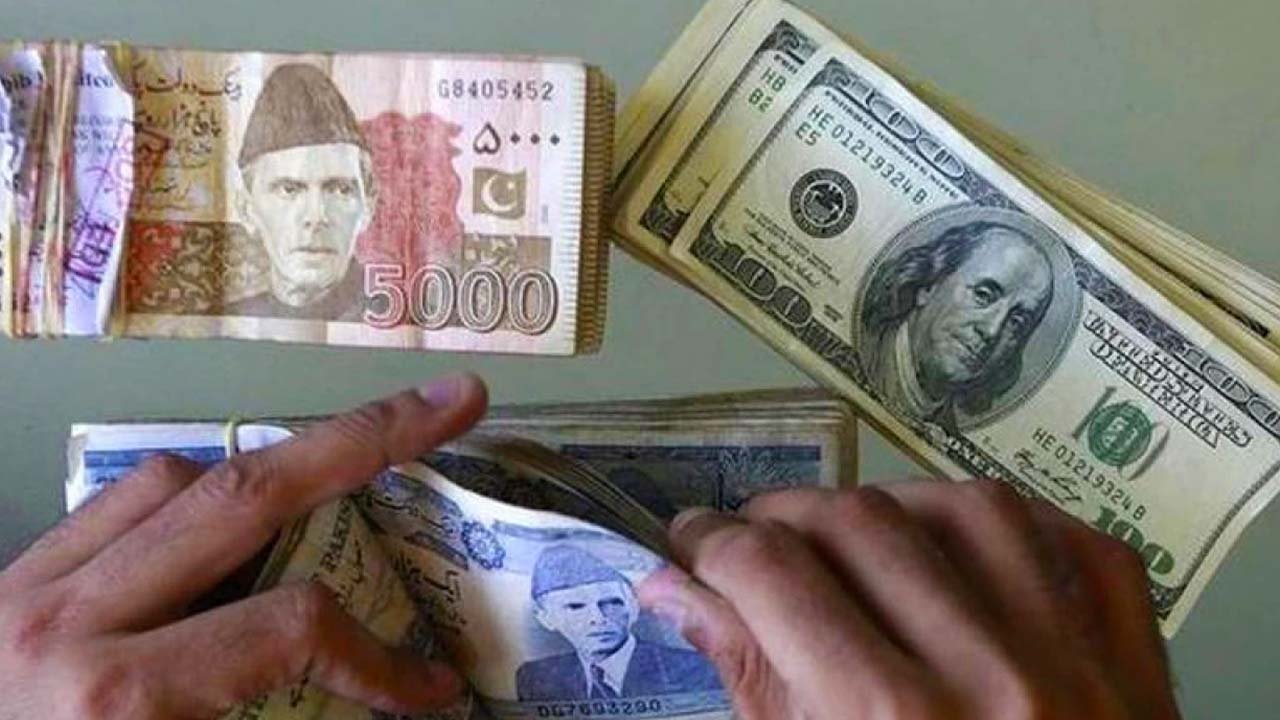
    In the intra-day trade on Friday, the Pakistani rupee (PKR) gained an impressive Rs3.5 against the US dollar, the highest single-day gain in two years after the Supreme Court (SC) pronounced the National Assembly (NA) deputy speaker order unconstitutional and restored the NA.

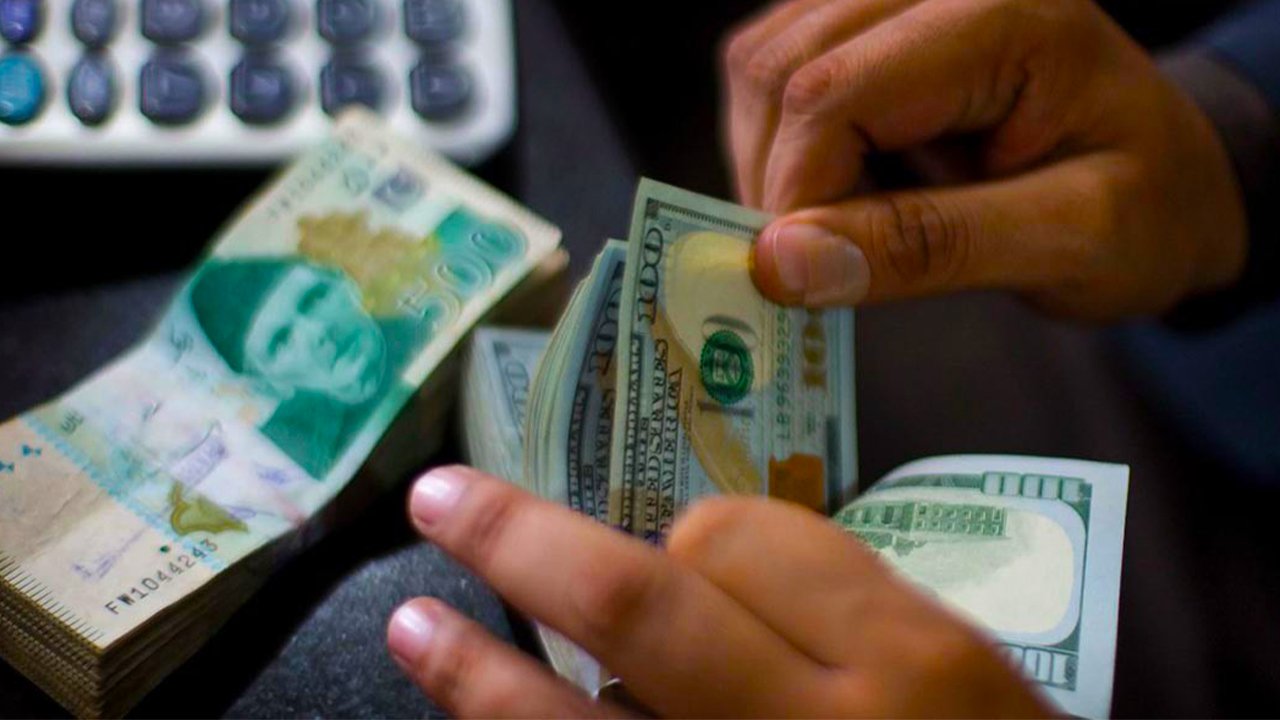
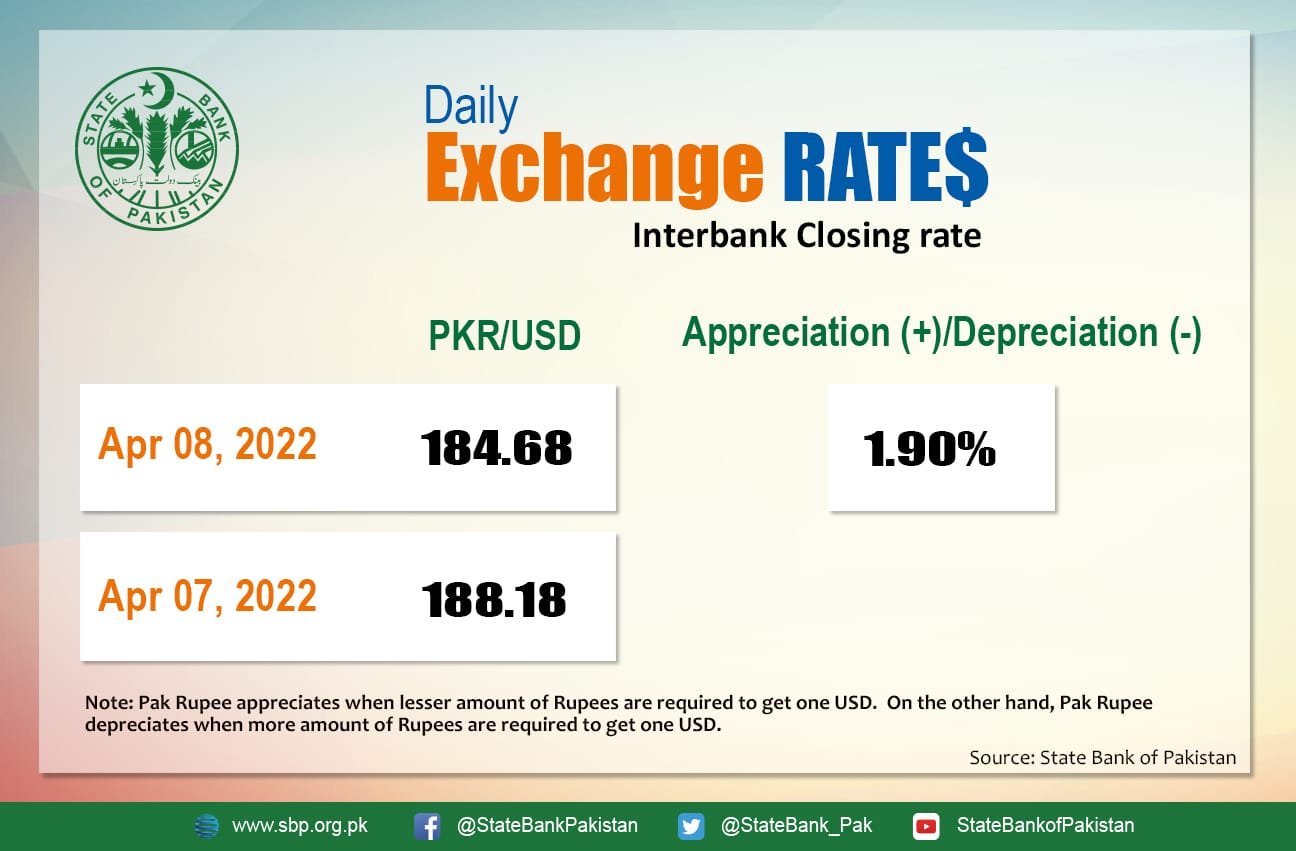
    The US dollar is currently trading at Rs185, as per foreign currency dealers, after weakening Rs3.5 versus the local currency in early trade. The USD is currently trading for above Rs186 on the open market.

    On Thursday, the rupee concluded at Rs188.18 against the USD in the interbank market.
    Consequently, the Pakistan Stock Exchange’s (PSX) benchmark KSE-100 index, reversed its downtrend shortly after starting on Friday and surpassed the 44,000 mark, a day after the Supreme Court of Pakistan annulled the deputy speaker’s decision against a no-confidence motion.

    Considering the trading which continued at 44, 198 on the Pakistan Stock Exchange, the KSE-100 benchmark index gained 411 points.

    The stock market has been under pressure since April 4, when it crumbled, losing over 900 points amid Pakistan’s ongoing political crisis, which arose after the National Assembly deputy speaker declared Prime Minister Imran Khan’s no-confidence resolution unconstitutional.

    SBP’s rate increase of 250 basis points and establishment of cash margins on 177 commodities is a marker that the economic system is in a slump and that prior initiatives were inadequate. This protective approach will aid in limiting the import of certain products, consequently bolstering the balance of payments.
  • Fruit and Vegetable prices getting out of control in Quetta

    Fruit and Vegetable prices getting out of control in Quetta

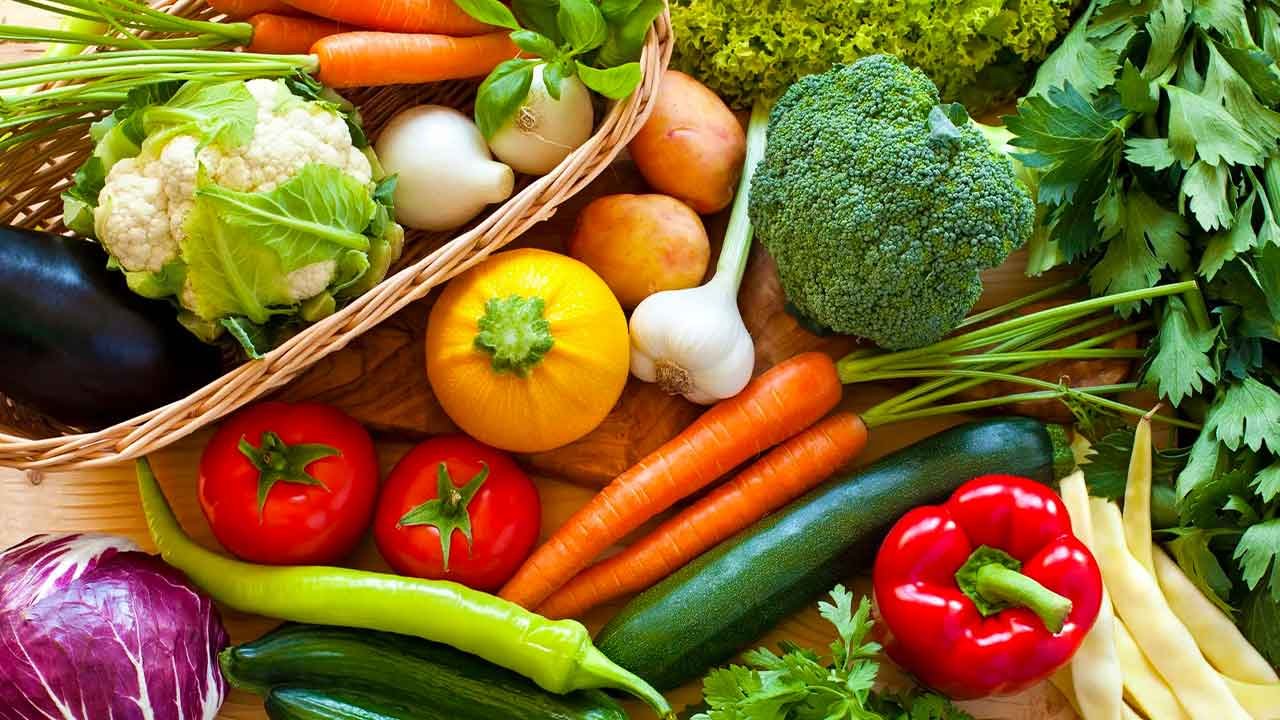
    During the holy month of Ramzan, the price of vegetables and fruits in Quetta rocketed instead of decreasing. Tomatoes, which were previously selling for Rs120 per kilogramme in the vegetable market are now being sold at Rs160.

    Some other reports even suggest that a few shopkeepers were selling tomatoes for up to Rs190, minting money directly in front of the district administration’s eyes.

    Ladyfinger which was sold at Rs240, is now available for Rs280, potatoes, and onions after getting a hike of Rs10 are being sold at Rs50 and Rs60, respectively. Ginger, lemon, and garlic are now priced between Rs300 to Rs320.

    The government of Balochistan has not set up any Ramzan or ‘Sasta bazaar’ this year to facilitate citizens during the holy month of fasting. Formerly, district governments held Ramazan bazaars on the orders of provincial governments to assist the people.

    Previously, the Quetta administration had issued shops with a detailed list of commodities and their pricing. The shop owners, on the other hand, are not obeying the administration’s directives and selling items at their desired rate. These artificial rates have multiplied the problems of the common man.

  • Toyota Pakistan records highest monthly sales, selling 7,132 vehicles in March 2022

    Toyota Pakistan records highest monthly sales, selling 7,132 vehicles in March 2022

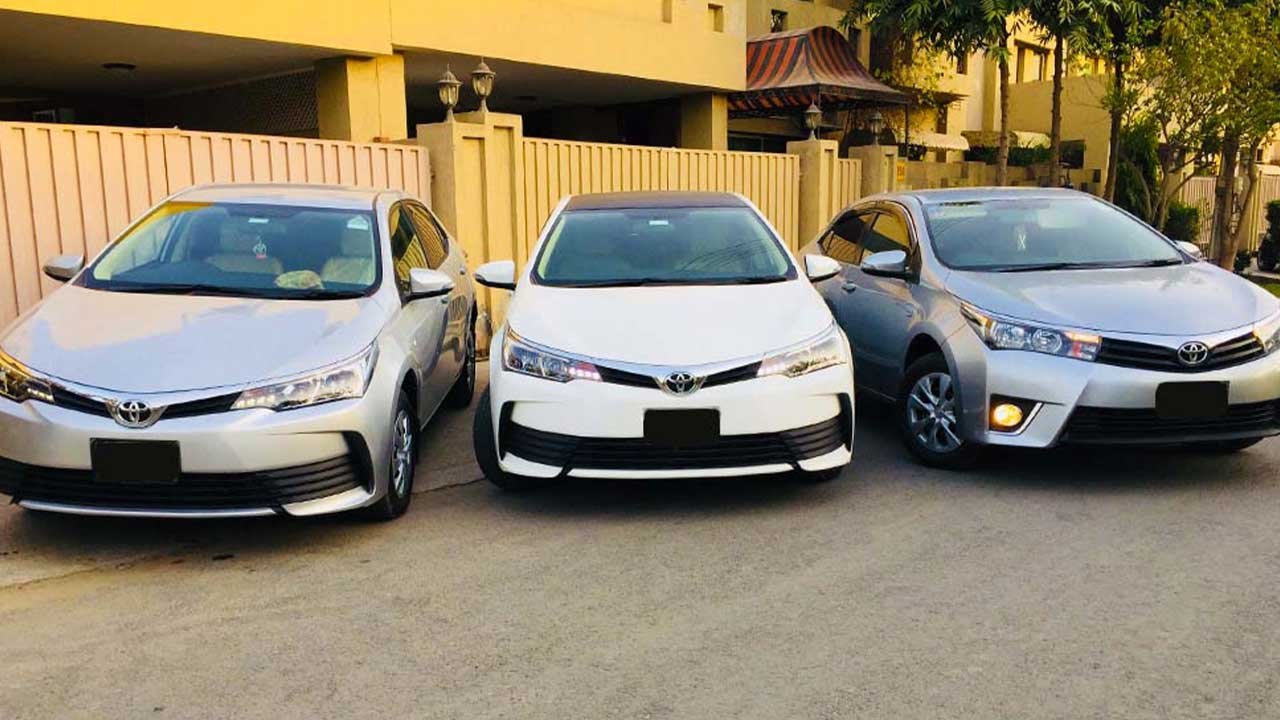
    Toyota Indus Motor Company (IMC) achieved a new monthly milestone in March 2022, selling 7,132 vehicles, exceeding the prior record of 7,001 vehicles sold last year in October.

    It is pertinent to mention that the manufacturer has established a monthly sales record for the third time in the last eight months, which is a remarkable achievement.

    IMC has experienced tremendous growth over almost three decades of competence in producing and marketing Toyota cars in Pakistan. It was also revealed that the recent sales are the biggest since the company’s inception in 1993, for which the business has extended gratitude to its devoted customers.

    As consumer demand has grown over time, the corporation has made significant efforts to expand its capacity in order to satisfy the demands for innovative products.

    One of the most popular models from Toyota Pakistan is the iconic Toyota Corolla, which is also one of Asia’s most popular automobiles. The latter has been quite successful for decades now, accounting for the best sales.

    Due to its relatively faster delivery period than other car brands in Pakistan, the automaker has a broad demand in the nation and appeals to a wider clientele for its durable and trusted offerings.

    Reportedly, the Toyota Yaris has a two-month delivery wait as opposed to the Honda City’s four-month delivery period.

    In order to maintain quality standards, the firm invests heavily in coaching and motivating its qualified personnel. The corporation places a strong emphasis on corporate ethics along with employee and customer safety.

    On the flip side, the corporation may have to raise prices once again due to worldwide logistical issues, rising freight costs, and the depreciation of the Pakistani rupee.

    Imported raw materials have become pricier for automakers as the rupee continues to depreciate against the US dollar. As a consequence, IMC said that overall sales may drop by nearly 15 per cent over the coming years.

  • Nepra approves Rs1.29 hike in cost per unit for Karachi residents

    On account of monthly Fuel Cost Adjustments (FCA), the National Electric Power Regulatory Authority (NEPRA) raised the cost per unit of power for Karachi residents by Rs1.29.

    It held a public hearing at its headquarters on Karachi Electric’s (KE) request to hike the power tariff under the FCA by Rs3.45 per unit for February. Chairman Tauseef H. Farooqi chaired the public meeting, which was also attended by officials Rafiq Ahmed Sheikh and Engineer Maqsood Anwar Khan.

    According to the officials, KE’s monthly FCA is decided at Rs1.29 per unit based on data analysis.

    The Chairman inquired about Karachi’s load-shedding status and if KE has a gas procurement deal with the Sui Southern Gas Company (SSGC) to address the fuel crisis.

    Load management is only done on feeders with a low recovery rate, according to the latter’s officials, and consumers only have to experience one to one-and-a-half hours of load shedding every day.

    Chairman Farooqui stated that KE’s technology needs to be modernised, and that there should be no load-shedding for bill-paying customers and locations where billing is timely.

    He also mentioned that the NEPRA has posted phone numbers on its website for inhabitants of the city to report any forced load-shedding by any power utility.

    According to the briefing delivered at the meeting, KE’s customers were charged Rs3.28 per unit in January under the FCA. Similarly, the FCA for February was decided to be Rs1.99 lesser than the January billing.

    Muhamad Tanveer, who is a representative of the Karachi Chamber of Commerce (KCCI), denied the FCA, citing that customers are already paying for the January hike and that the FCA should not be transferred to them.

    After reviewing the facts, the NEPRA issued a thorough judgment declaring that the FCA is only levied and set for the month in concern and that it is variable with each hearing depending on the fuel costs for that month.

  • Petroleum sales increase by 23% in March, despite hefty oil prices

    Petroleum product sales rebounded in the last month after a dismal February with Oil marketing companies (OMC) witnessing an increase of 23 per cent in sales of petroleum products on a year-over-year (YoY) basis in March 2022.

    Overall petroleum sales in March 2022, increased to 1.82 million tonnes compared to 1.54 million tonnes in March 2021, as per the data released by Arif Habib Limited.

    The stability comeback shows a 19 per cent increase in overall OMC sales on a month-over-month (MoM) basis.

    OMC volume growth was driven by furnace oil, which climbed by 34 per cent on a YoY basis, followed by HSD volume growth of 29 per cent and MS volume growth of 13 per cent. MoM growth in OMC volumes followed a similar pattern, with FO taking the lead.

    Although the increase in furnace oil volumes was driven by increased furnace oil usage in the power sector due to low gas and Re-Gasified Liquefied Natural Gas (RLNG) availability.

    The increase in HSD volumes was driven by increased demand from the transportation and agriculture sectors and increased usage in generators and the power sector.

    Moreover, the government’s price caps and the additional number of days in March compared to February were the main contributors to MoM growth in diesel and gasoline sales.

    Consequently, petroleum sales increased by 19 per cent on a YOY basis in 9MFY22, with double-digit increases for petroleum products.

    Diesel sales grew by 17 per cent, followed by 16 per cent increase for furnace oil and a 10 per cent growth for motor oil.

    While some are expecting a drop in petroleum sales due to the political turmoil and rising commodity prices, others say that higher oil consumption cannot be overturned as the summer is already here and people are likely to consume more electricity, also that the power sector may switch to furnace oil due to RLNG commitment defaults.

  • Suzuki Pakistan increases bike prices by up to Rs15,000

    Suzuki Pakistan has announced a massive price increase for its entire motorcycle lineup, following Yamaha and Honda. The new prices are effective from Friday, April 1, 2022.

    The biggest price increase has been announced for the 150cc GR-150 variant, which is now priced at Rs330,000 after getting a massive hike of Rs15,000 in its previous cost of Rs315,000. Considering the size of its engine, this is unquestionably a significant and unjustified increase.

    Suzuki GS-150, one of the most prominent bike in Suzuki’s lineup witnessed a hike of Rs10,000 for both variants (GS-150 and GS-150SE). The base GS-150 costs Rs225,000 after the hike and the upper variant GS-150SE is now priced at Rs242,000, as compared to their earlier prices of Rs215,000 and Rs232,000.

    Moreover, the 110cc variant, Suzuki GD-110s which was previously sold at Rs199,000 will now be offered at Rs207,000, after getting a hike of Rs8,000.

    The motorcycle manufacturer raised the prices of its motorcycles four times in 2021, and this is the first price rise of 2022. Suzuki motorcycle prices were increased by up to Rs28,000 between January and December 2021.

    Read more: Honda Atlas to increase prices for all motorcycles from April 1

    Bike manufacturers’ pricing hikes have pushed two-wheelers out of reach for most of the country’s population. Despite the fact that the matter has been raised numerous times in the media, the government has yet to take a step in this regard and maintain pricing consistency.

  • PKR closed at 184.09 against USD, the lowest level in history

    PKR closed at 184.09 against USD, the lowest level in history

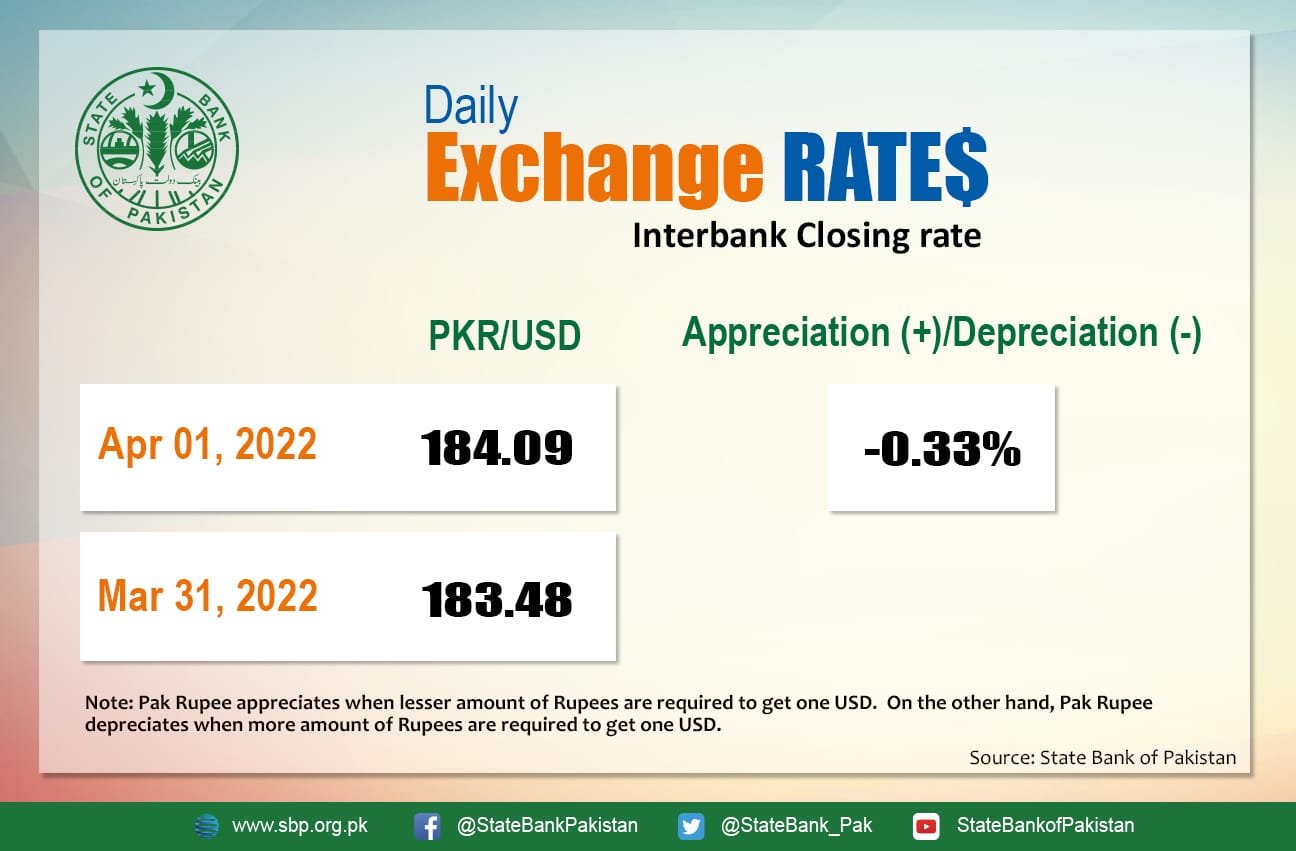
    A substantial decline in foreign exchange reserves, persistent political instability, and hefty petroleum costs dragged Pakistan’s currency (PKR) to new lows on Friday, with the rupee closing over the 184 level for the first time against the US dollar following a 0.33 per cent drop in the interbank market. 

    After a day-on-day devaluation of 61 paisas, the PKR closed at 184.09, its lowest level recorded, according to the State Bank of Pakistan (SBP).

    Since its most recent peak in May of last year, the PKR has lost over 17 per cent, while the local currency has devalued by over 14 per cent in the fiscal year to date (FYTD).

    The last time the PKR rose versus the US dollar (during its most recent weakening run) was on March 11. It has dropped in 13 sessions since that while staying stable in the remaining.

    Moreover, the State Bank of Pakistan’s (SBP) reserves also fell by $2.915 billion, to $12.05 billion, according to figures issued by the central bank on Thursday.

  • FBR records 29.1% growth during July 2021 to March 2022, despite providing ‘massive tax relief’

    The provisional revenue collection data for the months of July 2021 to March 2022 of the current financial year 2021-22 have been announced by the Federal Board of Revenue (FBR).

    The net collection was Rs575 billion for the month of March 2022, up 20.5 per cent from Rs477 billion in March 2021.

    Conversely, the gross revenues, rose by 28.9 per cent in the current financial year, from Rs3,577 billion in July 2020 to March 2021 to Rs4,611 billion in July 2021 to March 2022. Furthermore, the amount of reimbursements granted in March 2022 was Rs31.9 billion, compared to Rs26.3 billion in March 2021, showing a 21.3 per cent upsurge.

    Then again, refunds of Rs229 billion were paid from July 2021 to March 2022, a 25 per cent increase over the Rs183 billion paid the previous year.

    Read more: Petrol, Diesel prices to remain unchanged till April 15

    It is worth noting that the continuous remarkable growth in revenue collection has been achieved despite the government providing ‘massive tax relief’ to the general public on a variety of vital commodities.

    For the first time in Pakistan’s history, the sales tax on all petroleum products was abolished, costing the FBR Rs45 billion in the past month.

  • Nisab amount of zakat deduction set at Rs88,927 for 2022

    Nisab amount of zakat deduction set at Rs88,927 for 2022

    The nisab amount of zakat for the year 2022 is set at Rs88,927, according to a notification dated March 30, 2022, issued by the Poverty Alleviation & Social Safety Division, Cabinet Secretariat, Government of Pakistan.

    The account holders, maintaining a minimum of Rs88,927 balance on the first day of Ramzan would be liable to pay 2.5 per cent Zakat on the first day of the fasting month of Ramzan.

    If the amount standing to the credit of an account is less than the said amount, no Zakat deduction shall be made. While savings, profit-and-loss sharing, and other similar accounts are subject to nisab deductions. it is worth noting that the zakat deduction has surged by Rs7,994 as compared to last year, due to an increase in gold and silver prices.

    Read more: Banks to remain closed for public dealing on 4 April

    The amount for nisab in 2021 was set at Rs80,933 and Rs46,329 for 2020. In the majority of Islamic countries, It is adjusted at 2.5 per cent of one’s wealth above the nisab.

  • Pakistani rupee continues its record-breaking decline against the US Dollar

    Pakistani rupee continues its record-breaking decline against the US Dollar

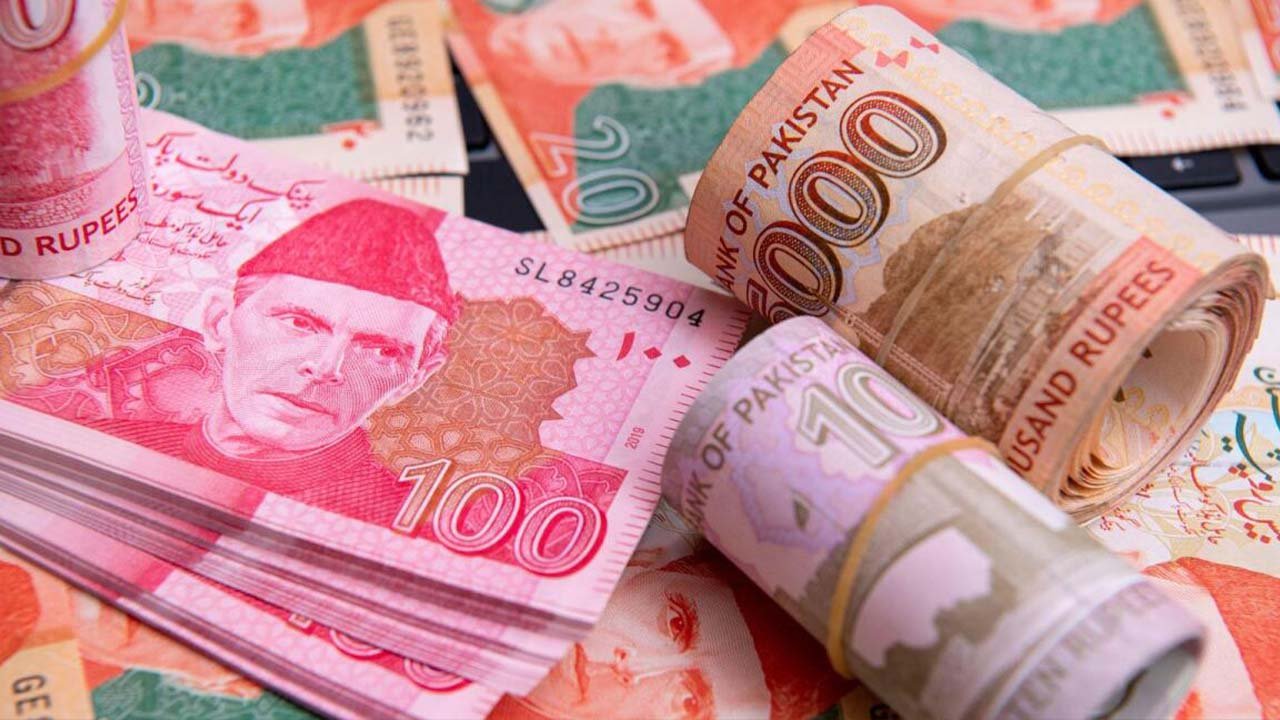
    The Pakistani Rupee (PKR) continued its decline against the US Dollar (USD) today, reporting losses in the interbank market. At the close of the session today, the local currency lost 30 paisas against the US dollar.

    It fell 0.16 percent against the US dollar, closing at Rs182.64 after losing 30 paisas and closing at Rs182.34 in the interbank market on Tuesday, March 29.

    Pakistan’s ongoing political volatility and economic problems continue to weaken currency reserves as the country attempts to remove obstacles toward financial relief.

    After global oil prices surged on Monday, the PKR maintained its downward trend against the greenback.

    The rupee has lost about 17 per cent of its value since its last peak in May 2021. To date, the local currency has lost more than 13.6 per cent of its value.

    It is worth noting that the Pakistani currency depreciated 30.5 per cent against the US dollar in the last three years under the government of Prime Minister (PM) Imran Khan.