Tag: Car Financing

  • Car financing in Pakistan drops 20% in July amid rising prices and interest rates

    Car financing in Pakistan drops 20% in July amid rising prices and interest rates

    Car financing in Pakistan witnessed a significant decline in July 2024, as soaring vehicle prices and elevated interest rates continued to dampen consumer demand.

    According to the latest data from the State Bank of Pakistan (SBP), car financing fell by 20.06 per cent year-on-year, dropping from Rs285.19 billion in July 2023 to Rs228 billion in July 2024.

    This sharp decrease is largely attributed to a combination of rising interest rates, inflated car prices, stricter loan regulations, and increased taxes on automobile imports and parts.

    Month-on-month, the decline in car financing was relatively modest, with a 1.09 per cent reduction from Rs230.5 billion in June 2024.

    The SBP data also highlighted a decline in consumer financing for house construction, which totalled Rs202.8 billion at the end of July 2024. This marks a 3.94 per cent decrease compared to the same period last year.

    On a monthly basis, house construction financing saw a slight dip of 0.39 per cent, down from Rs203.58 billion in June 2024.

    In contrast, personal financing reached Rs238.95 billion in July 2024. While this represents a year-on-year decrease of 4.51 per cent, it showed a slight uptick of 0.14 per cent from the previous month.

    The impact of rising costs is evident in the automobile market, where even the most affordable vehicles are now out of reach for many consumers.

     For instance, the Suzuki Alto, one of the highest-selling and traditionally considered among the cheapest cars from a reputable brand in Pakistan, now costs over Rs3 million for the top variant, the Suzuki Alto VXL AGS, while the base variant, the Suzuki Alto VX, is priced at Rs2.3 million.
  • Factors behind the continuous decline in car financing in Pakistan

    Factors behind the continuous decline in car financing in Pakistan

    In January 2024, the automobile financing sector in Pakistan witnessed a significant downturn, as car financing recorded a notable decrease to Rs246.26 billion.

    This marks a 25.82 per cent year-on-year (YoY) decrease and a 1.98 per cent month-on-month (MoM) decrease compared to Rs331.98 billion in January 2023 and Rs251.25 billion in December 2023, respectively. The latest data from the central bank provides these insights.

    This decline in automobile financing extends to the nineteenth consecutive month, with a total decrease of Rs114.29 billion over the past 19 months.

    Several factors contribute to this decline, including higher interest rates, increased car prices, regulatory restrictions on acquiring loans, and elevated taxes on the import of automobiles and their parts.

    According to the State Bank of Pakistan (SBP) data, consumer financing for house building amounted to Rs207.62 billion by the end of January 2024.

    This reflects a 3.44 per cent YoY decrease compared to Rs215 billion in the same month last year. Looking at monthly changes, financing for house building saw a marginal 0.26 per cent MoM decrease compared to the previous month’s Rs208.15 billion.

    Financing for personal use stood at Rs243.1 billion, showing a 4.47 per cent YoY decrease and a 0.54 per cent MoM decrease.

    Consequently, the overall credit disbursed to consumers declined to Rs813.96 billion during the review month, registering a fall of 9.04 per cent YoY and 0.52 per cent MoM.

    The outstanding credit to the private sector also experienced a decline, decreasing by 0.76 per cent YoY to Rs8.35 trillion in January 2024. On a monthly basis, this represents a 2.21 per cent decrease compared to the credit of Rs8.54 trillion in December 2023.

    Analysing credit distribution to the private sector, loans to the manufacturing sector amounted to Rs4.81 trillion in the review period, showing a slight 0.33 per cent YoY increase. However, on a monthly basis, there was an 0.89 per cent MoM decline, as December recorded loans to this sector at Rs4.85 trillion.

    Borrowing from the construction sector stood at Rs190.15 billion in January 2024, experiencing a 0.97 per cent YoY decrease and a 5.05 per cent MoM decrease compared to the previous month.

    Looking ahead, the data indicates that loans to the agriculture, forestry, and fishing sectors rose to Rs397.27 billion in the month under review, marking a significant 16.95 per cent YoY increase.

    However, on a sequential basis, loans to this sector recorded a fall of 4.82 per cent MoM.

  • SBP data reveals 23.5% YoY decline in auto loans

    SBP data reveals 23.5% YoY decline in auto loans

    In October, auto loans faced a decline for the 16th consecutive month due to high interest rates and inflation, as per data released by the State Bank of Pakistan (SBP).

    According to the SBP, auto loans witnessed a year-on-year drop of 23.5 per cent, amounting to Rs264 billion, and a month-on-month decrease of 3 per cent, down from Rs272 billion in September.

    While auto loans had peaked at Rs368 billion in June 2022, a subsequent decrease of Rs104 billion, or 28 per cent, occurred. This decline followed the SBP’s implementation of tighter monetary policies to address inflation and external imbalances.

    Financial analysts attribute this trend to the SBP’s measures, including elevated interest rates and the rupee’s significant depreciation against the dollar.

    These factors have led to increased costs in car financing and higher car prices, rendering them unaffordable for many consumers. The surge in inflation has further diminished consumer purchasing power.

    An analyst stated, “The auto sector bears the brunt of high interest rates and currency devaluation, rendering car financing and prices prohibitively expensive.”

    Despite recent price reductions by some car manufacturers, the anticipated boost in demand has not materialized. Consumers continue to grapple with high inflation and limited disposable income.

    Data from the Pakistan Automotive Manufacturers Association (PAMA) reveals a 44 per cent decline in car sales, totaling 27,163 units in the first four months of the current fiscal year, commencing in July.

    The SBP has aggressively increased its policy rate by a cumulative 15 percentage points to 22 per cent since September 2021, marking one of the world’s highest rates.

    Speculation suggests that the SBP will initiate a monetary policy easing in the first half of 2024, anticipating a relief in inflationary pressures and an improvement in foreign inflows to enhance the country’s external position.

    SBP data indicates a 0.8 per cent decrease in bank loans to the private sector, amounting to Rs8.10 trillion in October.

    Consumer loans, including an 8 per cent drop to Rs829 billion, witnessed personal loans declining by 4 per cent to Rs246 billion and housing loans falling by 2.7 per cent to Rs207 billion.

    Analysts predict an upswing in credit to the private sector in the coming months, as decreasing interest rates, fiscal consolidation, reducing crowding out, and improved foreign inflows are expected to alleviate liquidity constraints.

  • Honda Civic sales in Pakistan drop by 72.36%

    Honda Civic sales in Pakistan drop by 72.36%

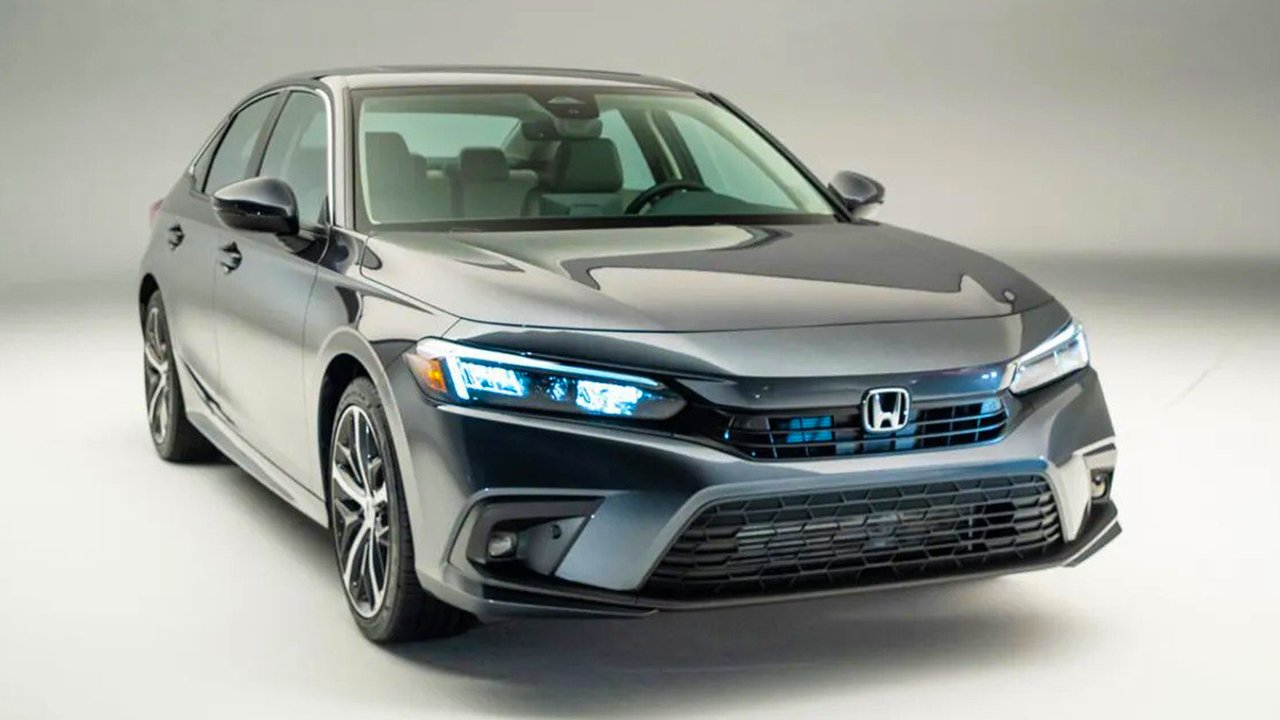
    Sedan car sales experienced a significant downturn, particularly notable in Honda Civic sales, which suffered a substantial decline of 67.33 per cent in October 2023 on a month-over-month basis and 72.36 per cent on a year-over-year basis in Pakistan. 

    This decline can be attributed to production interruptions, elevated car prices, and a reduction in car financing. 

    Specifically, Honda Atlas Cars Limited reported the sale of only 379 Civic units in October 2023, a notable drop from the 1371 units sold in October 2022.

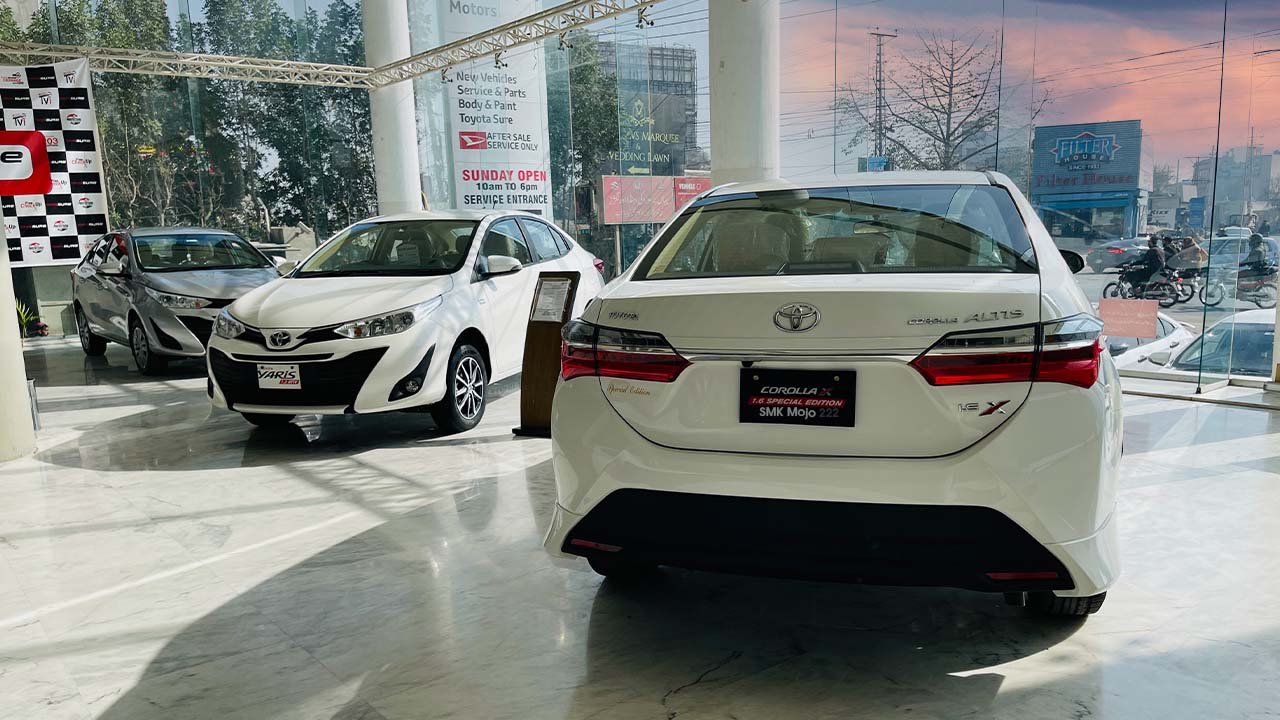
    In contrast, Toyota Corolla sales exhibited a relatively better performance, with a 24.19 per cent decrease on a month-over-month basis and a 56.69 per cent decrease on a year-over-year basis in Pakistan. 

    To provide precise figures, Toyota Indus Motor Company sold 796 Corolla units in October 2023, as opposed to the 1838 units sold in October 2022.

  • High interest rates and taxes lead to 20.90% drop in car financing in Pakistan

    High interest rates and taxes lead to 20.90% drop in car financing in Pakistan

    In a notable shift, the landscape of automobile financing in Pakistan has undergone a substantial transformation, with figures from the State Bank of Pakistan (SBP) indicating a significant decline. The data, released by SBP, unveils a marked decrease in car financing, plummeting to Rs285.19 billion in July 2023. This represents a notable 20.90 per cent year-on-year (YoY) decrease and a 2.91 per cent month-on-month (MoM) decrease when compared to the figures from July 2022, which stood at Rs360.55 billion, and June 2023, which registered at Rs293.73 billion.

    The primary contributors to this downward trajectory are multi-faceted. Firstly, the imposition of higher interest rates has played a pivotal role in reshaping the car financing landscape. Additionally, the surge in car prices has also contributed significantly to this downturn. Moreover, regulatory restrictions governing the acquisition of loans have created a notable barrier, further impacting the market. Furthermore, the imposition of elevated taxes on the import of automobiles and their integral parts has compounded the challenges faced by the automobile financing sector.

    Contrastingly, in a separate but related sphere, consumer financing for house building displayed a contrasting narrative. SBP’s data reveals that by the conclusion of July 2023, consumer financing for house building registered at Rs211.11 billion, marking a commendable 4.82 per cent YoY increase. According to Mettis Global, this uptick can largely be attributed to SBP’s proactive measures to stimulate the housing and construction sector within the nation. However, in terms of monthly changes, the figures remained relatively static, with a minor decline of 0.57 per cent.

    Meanwhile, financing for personal use, amounting to Rs250.24 billion, experienced a marginal 0.09 per cent YoY decrease. Similarly, on a monthly basis, financing within this category saw a slight downturn of 0.95 per cent. Consequently, the cumulative credit extended to consumers in various segments reached Rs851.22 billion during the assessment month. This overall credit value reflected a notable 4.70 per cent YoY decline and a 0.99 per cent MoM reduction.

    Furthermore, the credit scenario within the private sector depicted a nuanced picture. Outstanding credit to the private sector encountered a minor 0.06 per cent YoY decrease and a slightly more pronounced 1.12 per cent MoM reduction, resting at Rs8.19 trillion in July 2023. In contrast, loans granted to the manufacturing sector exhibited an encouraging 1.12 per cent YoY increase, amounting to Rs4.48 trillion during the review period. However, on a monthly scale, the loans within the manufacturing sector dipped by 1.44 per cent MoM.

    In summation, the marked decline in car financing, as evidenced by SBP’s recent data, underscores the multifaceted challenges that the automobile financing sector in Pakistan is currently grappling with. While interest rates, car prices, and regulatory curbs have contributed to this downward trend, other sectors such as house building and manufacturing loans have demonstrated distinct trajectories. As the nation navigates through these financial dynamics, stakeholders remain vigilant in monitoring and adapting to these evolving circumstances.

  • SBP shortens car loan tenure to deflate import bill

    SBP shortens car loan tenure to deflate import bill

    The State Bank of Pakistan (SBP) decreased the consumer lending duration for vehicles on May 24, bringing it to a maximum of three years for cars with engine displacements greater than 1,000cc and five years for those with engine displacements less than 1,000cc.

    “The maximum tenure of auto finance facility is reduced from five (5) years to three (3) years for vehicles above 1,000 cc engine displacement and from seven (7) years to five (5) years for vehicles up to 1,000 cc engine displacement,” read the circular.

    The SBP decided to change the Prudential Regulations for Consumer Financing (PRCF) in its circular Letter No. 19 of 2022:

    Other amendments issued previously, via BPRD Circular Letter No. 29 dated September 23, 2021, will now be applicable on financing for all locally assembled/manufactured vehicles, including financing for vehicles with up to 1,000 cc engine capacity and locally assembled/manufactured electric vehicles, according to the central bank.

    “However, the regulatory treatment of Roshan Apni Car product communicated earlier to RDA participant banks will continue to remain effective,” read the circular.

    “The maximum tenure of auto finance facility is reduced from five (5) years to three (3) years for vehicles above 1,000 cc engine displacement and from seven (7) years to five (5) years for vehicles up to 1,000 cc engine displacement,” read the letter.

    Other amendments issued previously, via BPRD Circular Letter No. 29 dated September 23, 2021, will now be applicable on financing for all locally assembled/manufactured vehicles, including financing for vehicles with up to 1,000 cc engine capacity and locally assembled/manufactured electric vehicles, according to the central bank.

    “However, the regulatory treatment of Roshan Apni Car product communicated earlier to RDA participant banks will continue to remain effective,” read the circular.