Tag: Car production

  • Here’s why Toyota Indus Motor Company is halting car production for one month

    Here’s why Toyota Indus Motor Company is halting car production for one month

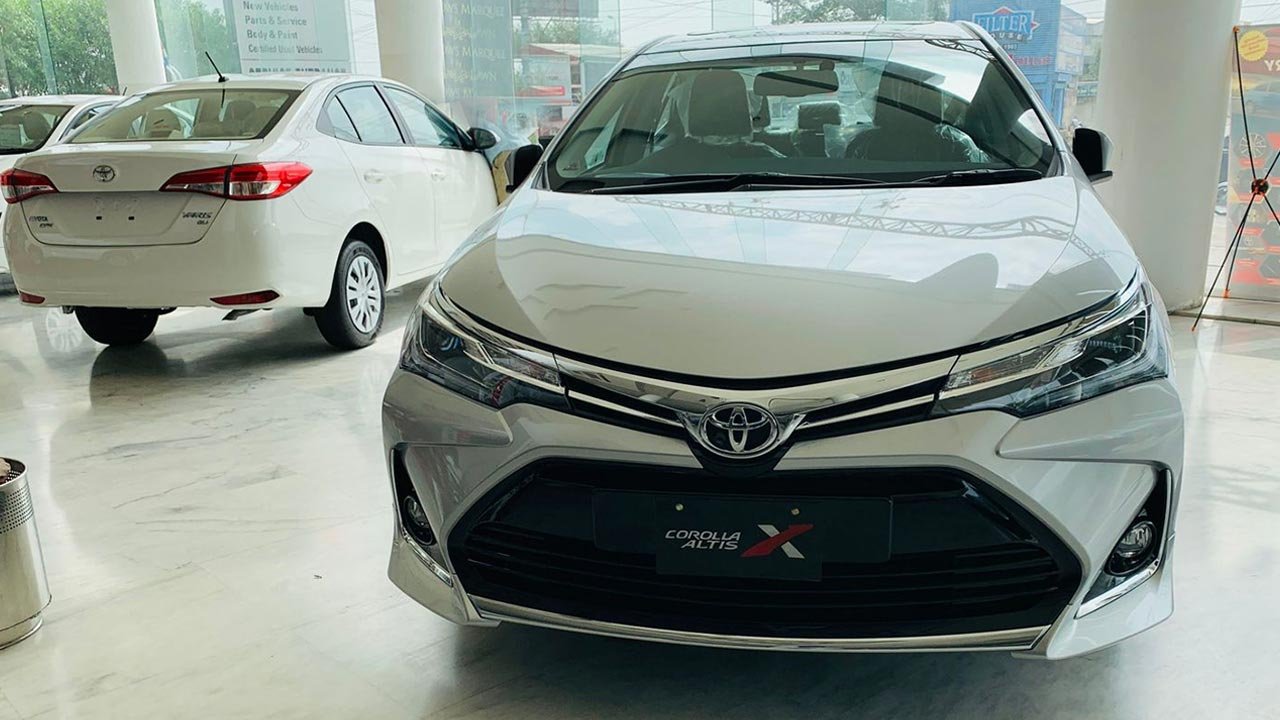
    Indus Motor Company (IMC), the leading manufacturer of Toyota vehicles in Pakistan, has announced a temporary production suspension lasting a month due to inventory shortages.

    The company informed the Pakistan Stock Exchange (PSX) of this development.

    Starting on October 17 and concluding on November 17, 2023, Toyota IMC has chosen to halt production in response to insufficient inventory of vehicles and parts stemming from supply chain challenges.

    The company has stated that they will keep stakeholders informed of any adjustments to this plan. This marks the ninth production closure announcement by Indus Motor this year. In the previous month, the company ceased plant operations from September 28 to October 9 due to similar inventory issues.

    In its most recent financial report, Indus Motor recorded a profit-after-tax (PAT) of Rs9.66 billion for FY23, representing a nearly 39 per cent decline compared to the earnings of Rs15.8 billion in the preceding year’s corresponding period.

    The Pakistani auto sector, heavily reliant on imports, has encountered hardships due to government measures to restrict imports and limit LC issuance. Elevated financing costs and substantial car price hikes have also dampened consumer demand.

    In the first quarter of FY24, sales figures reached 20,983 units, reflecting a 40 per cent decrease compared to the same period in the prior year.

    The Pakistani automotive industry is grappling with dwindling demand, primarily attributed to soaring prices, costly auto financing, and increased taxes, all contributing to a year-on-year decline in sales.
  • ‘Insufficient inventory levels’ force Toyota IMC to suspend car production for two weeks

    ‘Insufficient inventory levels’ force Toyota IMC to suspend car production for two weeks

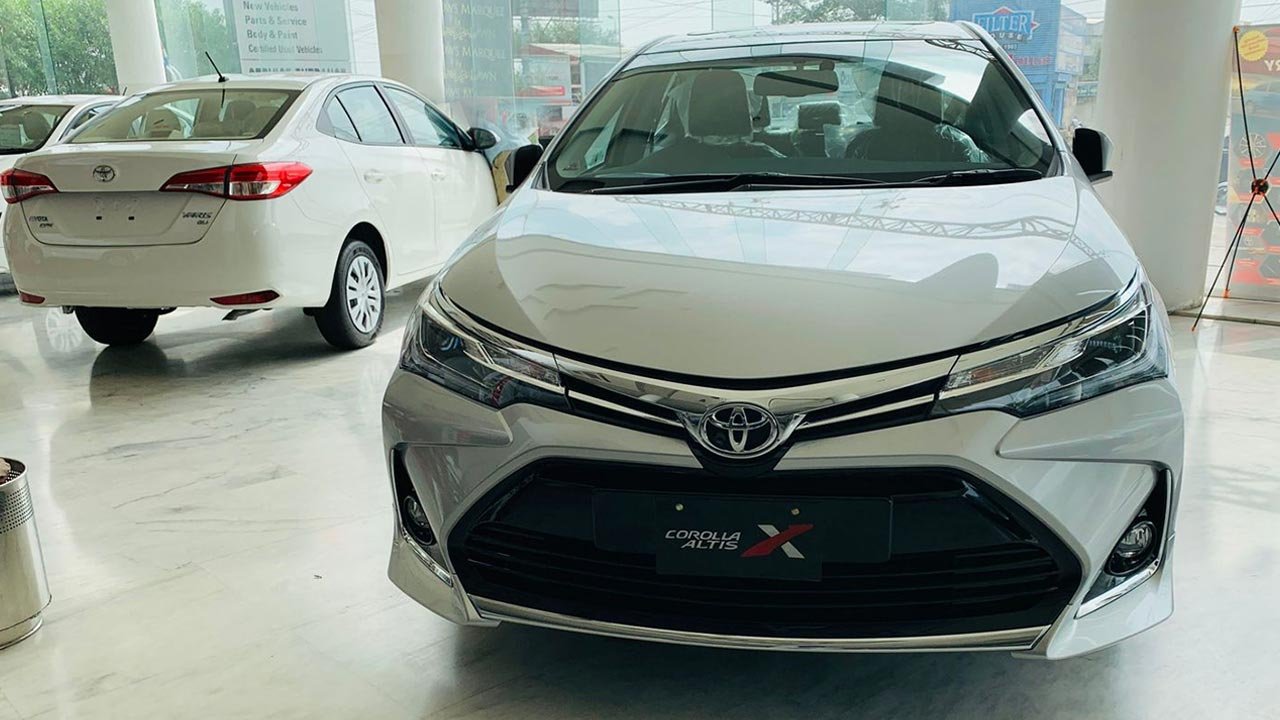
    Due to the continuing economic crisis, Pakistan’s automobile industry is struggling much like all other businesses. In the most recent development, Toyota Indus Motor Company (IMC) has temporarily halted automobile production.

    Non-production days (NPDs) will be observed by the automaker from February 1 to February 14, 2023. Due to limited supply, the corporation will also switch to single-shift manufacturing from February 15, 2023.

    An official notification from Toyota IMC reads:

    The company and its vendors continue to face major hurdles in import of raw materials and receiving clearance of their consignments from commercial banks. This has disrupted the entire supply chain and the vendors are unable to supply raw materials and components to the company. Accordingly, the company has insufficient inventory levels, therefore, the company is unable to continue its production activities.

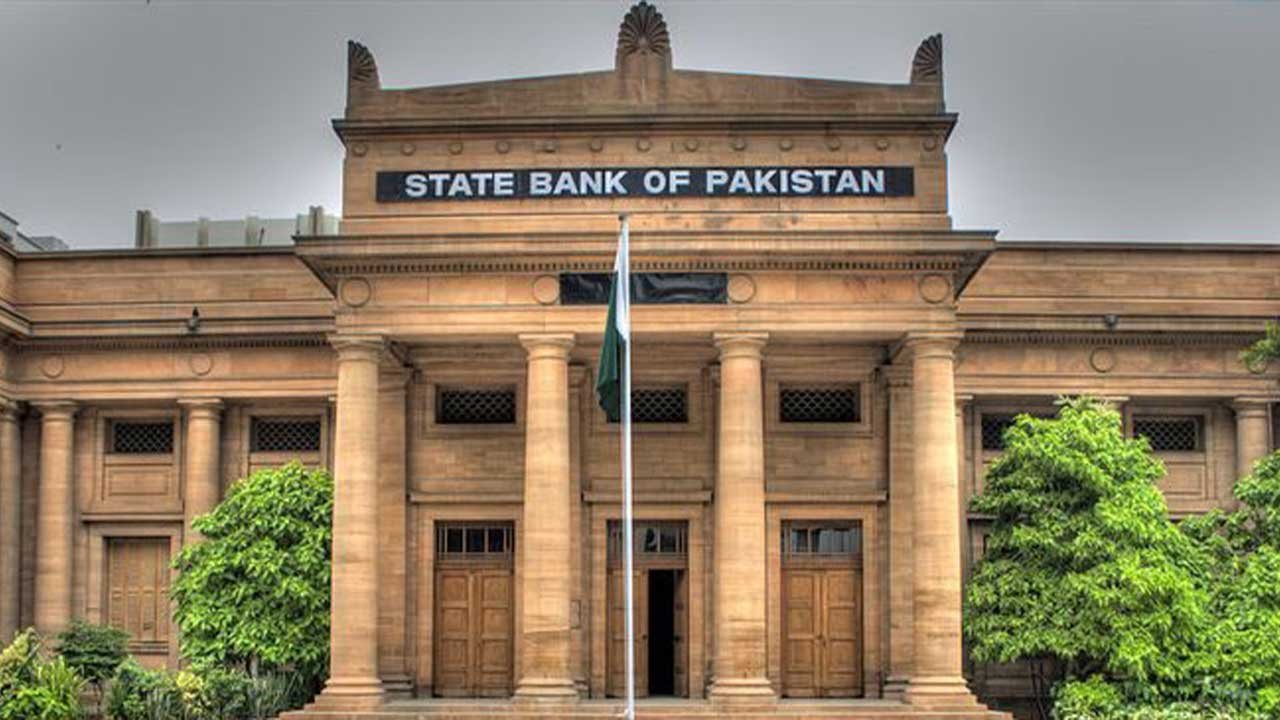
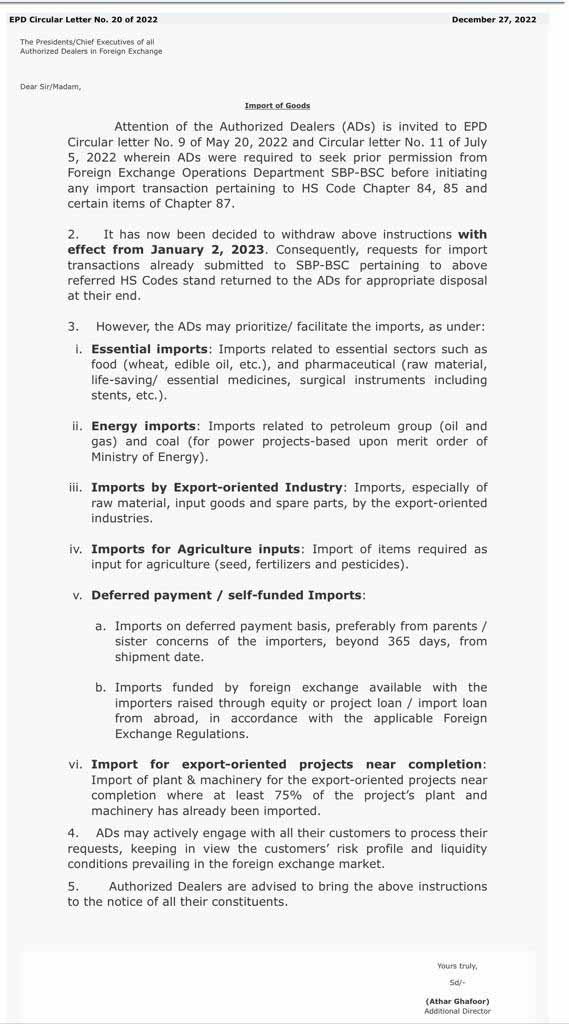
    Last month, the State Bank of Pakistan decided to withdraw the restrictions placed on imports with effect from January 2, 2023. The SBP said that Authorised Dealers (ADs) may prioritise or facilitate imports under essential imports, energy imports, imports by export-oriented industry, imports for agriculture inputs, deferred payment / self-funded imports and import for export-oriented projects near completion.

    However, import restrictions due to dollar shortage are still hampering many industries including the auto sector.

    The prices of Toyota IMC’s vehicles have already increased twice in a single month. The uncertainty caused by the continued economic decline is now casting doubt on the future of Pakistan’s auto sector.

  • Pak Suzuki announces second plant closure in less than 10 days due to parts shortage

    Pak Suzuki announces second plant closure in less than 10 days due to parts shortage

    Due to a persistent lack of imported components and accessories, Pak Suzuki Motor Company Ltd (PSMCL) has prolonged the factory shutdown from January 9 to 13 after keeping manufacturing operations paused from January 2 to 6.

    However, the business stated in a stock filing on Friday that the motorbike facility will continue to be in operation.

    The State Bank of Pakistan’s restrictions on obtaining prior approval for imports, including completely knocked-down (CKD) kits, have prevented PSMCL from opening its production facilities for 30 days since August 2022. This has negatively impacted the clearance of shipments from the port and resulted in shortages of parts and accessories.

    On the fate of employees because of persistent plant closure and plummeting sales of vehicles, a PSMCL official claimed that “so far no company’s employees have been terminated.”

    In 5MFY23, Pak Suzuki’s sales decreased by 35 per cent to 37,042 units from 57,200 in the same time the previous fiscal year.

    On Friday, the Lahore Chamber of Commerce and Industry (LCCI) and the Pakistan Association of Automotive Parts and Accessories Manufacturers (PAAPAM) both voiced their concerns regarding Millat Tractors’ decision to cease operations for an indefinite period of time due to declining sales and delayed sales tax refunds.

    In a joint statement, PAAPAM Senior Vice Chairman Usman Aslam Malik and LCCI President Kashif Anwar observed that “we should save Pakistan first, then politics, before we reach the point of no return.”

    Both leaders urged the administration and the opposition parties to get together and talk about how to resolve the nation’s crisis.

    They pointed out localization as the long-term answer to economic issues. The removal of imports must be given first priority, followed by the removal of export.

  • SBP to lift import restrictions next week

    SBP to lift import restrictions next week

    The government has lifted import restrictions on commodities intended for vehicle manufacturing, mobile production, solar power equipment, and nuclear reactors for power generation projects commencing in 2023, despite Pakistan’s limited foreign exchange reserves.

    Simultaneously, authorised dealers (ADs – largely commercial banks) have been encouraged to prioritise the import of food and energy products. They should consider enabling the import of non-essential and luxury products after first providing for the necessities.

    The State Bank of Pakistan (SBP) reminded ADs on Tuesday that for the past eight months, they had been required to obtain prior permission from the Foreign Exchange Operations Department, SBP-BSC, before initiating any import transaction involving HS Code Chapters 84, 85, and certain items of Chapter 87.

    “It has now been decided to withdraw instructions (of prior permission) with effect from January 2, 2023. Consequently, requests for import transactions already submitted to SBP-BSC pertaining to referred HS codes stand returned to the ADs for appropriate disposal at their end,” the SBP said in the circular.

    Arif Habib Limited (AHL) Head of Research Tahir Abbas said that the import system may “continue to work in its present form. The removal of restrictions will not re-open imports in a full-fledged manner.”

    He stated that due to the country’s short foreign exchange reserves, the government has encouraged banks to first allow the import of necessary items before catering to others.

    The SBP advised ADs (commercial banks) to “prioritise and facilitate the import of essential sectors such as food (wheat and edible oil) and pharmaceuticals (raw material, life-saving or essential medicines, and surgical instruments, including stents).”

    According to Express Tribune, the second priority of ADs is to focus on energy imports “like oil, gas, and coal” (for power projects based on the merit order of the Ministry of Energy).

    Imports for export-oriented businesses should be prioritised as well. They should facilitate “imports, especially of raw materials, input goods, and spare parts, by the export-oriented industries,” stated the SBP. Imports of agri-inputs should be the fourth priority of ADs, as explained by SBP: “import of items required as inputs for agriculture (seed, fertilizers, and pesticides).”

  • Hyundai Pakistan launches another variant of obsolete Elantra

    Hyundai Pakistan launches another variant of obsolete Elantra

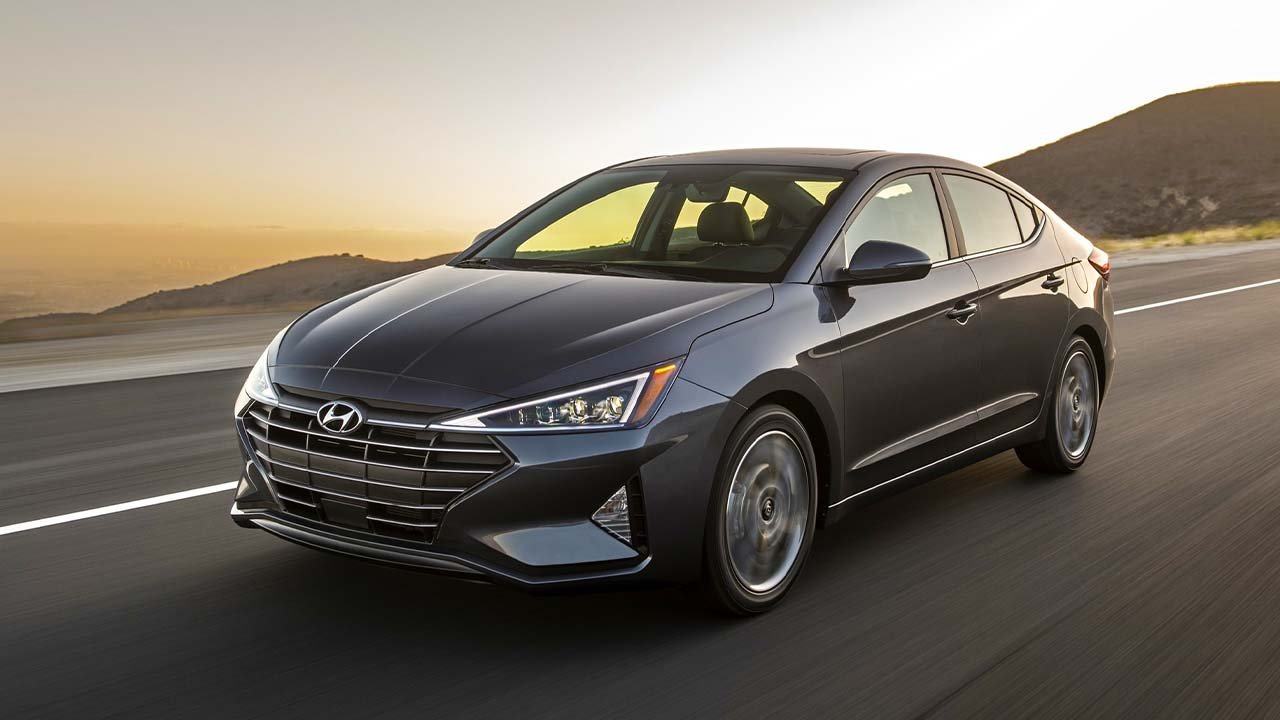
    Hyundai-Nishat has introduced the long-awaited Elantra GL 1.6, with a hefty price tag of Rs4.3 million for the ‘base trim’.

    This model was predicted to compete with the Altis X 1.6, but Rs4.3 million for a base model does not seem to attract much for a car that already existed.

    The ‘latest sedan’ is now available for bookings at Hyundai dealerships for Rs1.2 million. In terms of appearance, the new Elantra GL is identical to the GLS model. The majority of the changes have occurred on the inside.

    GL’s naturally aspirated 1.6-liter 4-cylinder petrol engine produces 127 horsepower (hp) and 155 Newton-meters (Nm) of torque in the new model. It has a 6-speed automatic transmission that drives the front wheels.

    The Toyota Corolla Altis 1.6L, which is priced between Rs3.92 million and Rs4.3 million, will be the Hyundai Elantra GL’s main rival which comes with a 4-year or 100,00 km warranty. Hyundai, as a newcomer to Pakistan’s automarket, appears to be up against a formidable opponent: Toyota Indus, which has been selling automobiles for decades and is known for its sturdiness.

    Read more: Toyota to launch its first electric car with 559 km range next month

    It is too early to comment on its performance at the moment, as its fate will be revealed in the near future when Pakistan Automotive Manufacturer’s Association releases the monthly sales data.

  • Here’s a look at the upcoming  Honda Vezel 2023

    Here’s a look at the upcoming Honda Vezel 2023

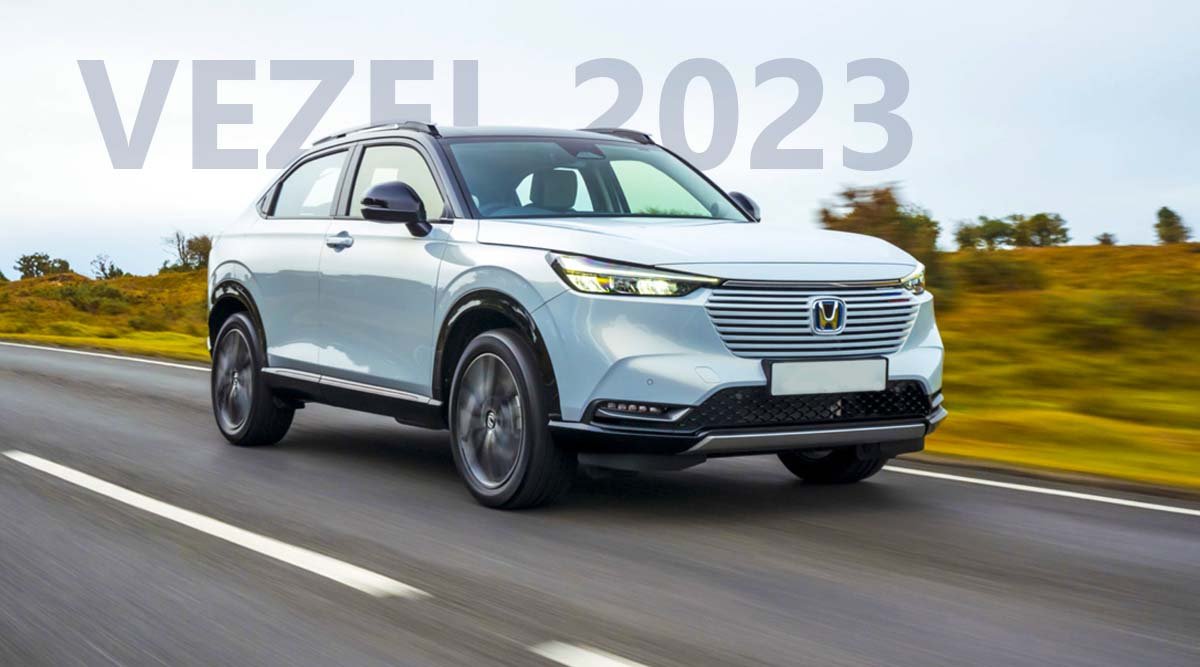
    Honda’s mini-SUV, the HR-V is finally approaching its second generation. The upcoming model will have some significant upgrades from styling to engine performance.

    It will be bulkier, futuristic, and more powerful than the previous model, with better looks than the smaller, hybrid-only European variant introduced in 2021.

    VEZEL and HR-V confusion

    For those who may not know, the original name for ‘Honda Vezel’ is ‘Honda HR-V’. This hybrid vehicle has become quite famous in Pakistan for its good looks and impressive fuel consumption despite being an expensive completely built-up (CBU) unit. It is mostly witnessed with a ‘Vezel’ badging instead of ‘HR-V’ here.

    The Japanese automaker said that the new subcompact SUV will be based on the same platform as the international Honda Civic variants. It has a longer wheelbase than before, and the rear suspension is now independent.

    Engine and Performance

    One important thing Honda revealed about the powertrain is that it will be a more responsive engine as compared to the prior one, which might be the Civic’s 180-hp turbocharged 1.5-liter inline-four, replacing the existing HR-V’s 141-horsepower 1.8-liter inline-four.

    The HR-V’s engine for the base model could be the naturally aspirated 158-hp 2.0-liter inline-four from the Civic’s lower trim levels. Front-wheel drive will almost certainly be standard, with all-wheel drive as an option, and a CVT automatic transmission will almost certainly be the only transmission option. A hybrid HR-V is also expected to enter the lineup, though it may arrive later than the fuel-only model.

    Read more: Car sales up by 53.7 per cent in 2022, despite repeated price hikes

    Honda has not officially revealed any photographs or details of the HR-V’s interior, however, it will be exciting to see how the new platform will affect its packaging. As the fuel tank was positioned behind the front seats, the previous HR-V, like the Fit, had a surprisingly low cargo floor.

    The LX, Sport, EX, and EX-L variants from the current model are anticipated to continue over. Honda also published a video showcasing the new HR-V in a variety of colours, including red, silver, black, and white. Unfortunately, there is no official statement released by the company regarding its price and availability in other regions.