Tag: car sales

  • Car sales in Pakistan hit 15-year low in FY 2023-24: PAMA data

    Car sales in Pakistan hit 15-year low in FY 2023-24: PAMA data

    Car sales in Pakistan plummeted to their lowest level in 15 years during the fiscal year 2023-24, as reported by the Pakistan Automotive Manufacturers Association (PAMA).

    The data reveals that sales of cars, including light commercial vehicles (LCVs), vans, and jeeps, declined by 18.2 per cent year-on-year, amounting to 103,826 units by the end of the fiscal year on June 30, 2024.

    This marks the lowest sales figures since FY 2009.

    In comparison, 126,878 units were sold in the previous fiscal year, while the average sales over the past five years stood at 188,030 units.

    Furthemore, passenger car sales decreased by 15.7 per cent year-on-year to 81,577 units during the fiscal year, compared to 96,811 units recorded in the previous year.

    Total production of passenger cars was 79,573 units in FY24, a 22.0 per cent decline from the 101,984 units produced last year.

    The PAMA data also highlighted that the highest number of passenger car sales occurred in the ‘Below 1000cc’ category, with 38,657 units sold in FY24.

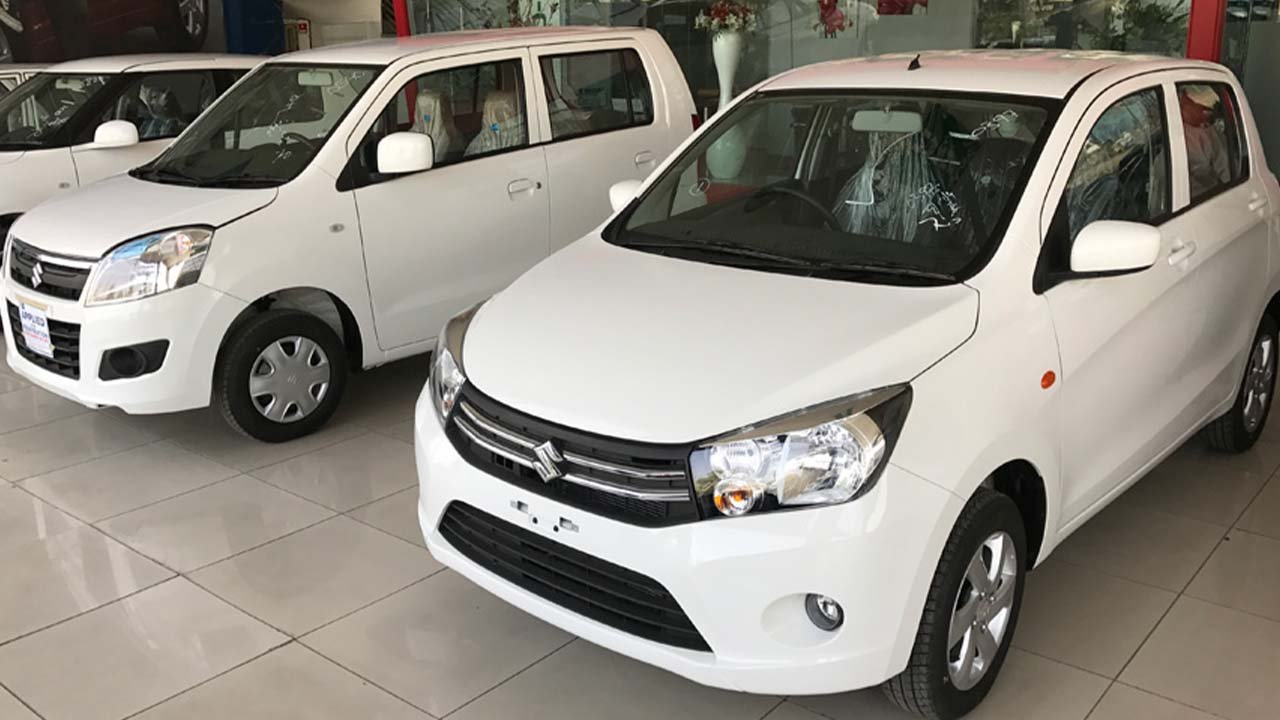
    Within this segment, Suzuki Alto led with 35,883 units sold, followed by Suzuki Bolan with 2,774 units.

  • Car sales increase in Pakistan despite high prices, economic challenges

    Car sales increase in Pakistan despite high prices, economic challenges

    In a surprising turn of events, the soaring prices of cars in Pakistan have not deterred buyers, as car sales experienced a notable uptick in February 2024.

    According to data released by the Pakistan Automotive Manufacturers Association (PAMA), car sales edged up by 1.94 per cent, reaching 7,953 units, compared to 7,802 units recorded in January 2024.

    This positive momentum follows a robust performance in the preceding month, where car sales hit their highest mark since December 2022.

    Analysts attribute this continued growth to the momentum generated by the new year, which has carried over into February.

    Year-on-year comparisons reveal a substantial increase, with car sales spiking by 2.18 times compared to February 2023, when only 3,642 units were sold.

    However, despite this recent surge, cumulative sales for the first eight months of fiscal year 2024 stand at 46,417 units, marking a 40.93 per cent decline from the same period last year.

    Similarly, the production of passenger cars has witnessed a significant downturn, with 8MFY24 recording 48,402 units, reflecting a 40.84 per cent decrease compared to the previous fiscal year.

    In February alone, production plummeted by 16.77 per cent month-on-month, totaling 8,002 units, down from 9,614 units in January 2023.

    Nonetheless, on a year-on-year basis, production saw a remarkable surge of 69.97 per cent, indicating a shift in manufacturing trends.

    Despite these fluctuations, the automotive landscape faces challenges, notably with Pak Suzuki Motor Company announcing two price hikes within a span of ten days in response to increased sales tax.

    The repercussions of these adjustments on sales are anticipated to unfold in the coming weeks, as the market adapts to the new pricing structure.

  • SBP-held forex reserves surge to $7.76 billion in December

    SBP-held forex reserves surge to $7.76 billion in December

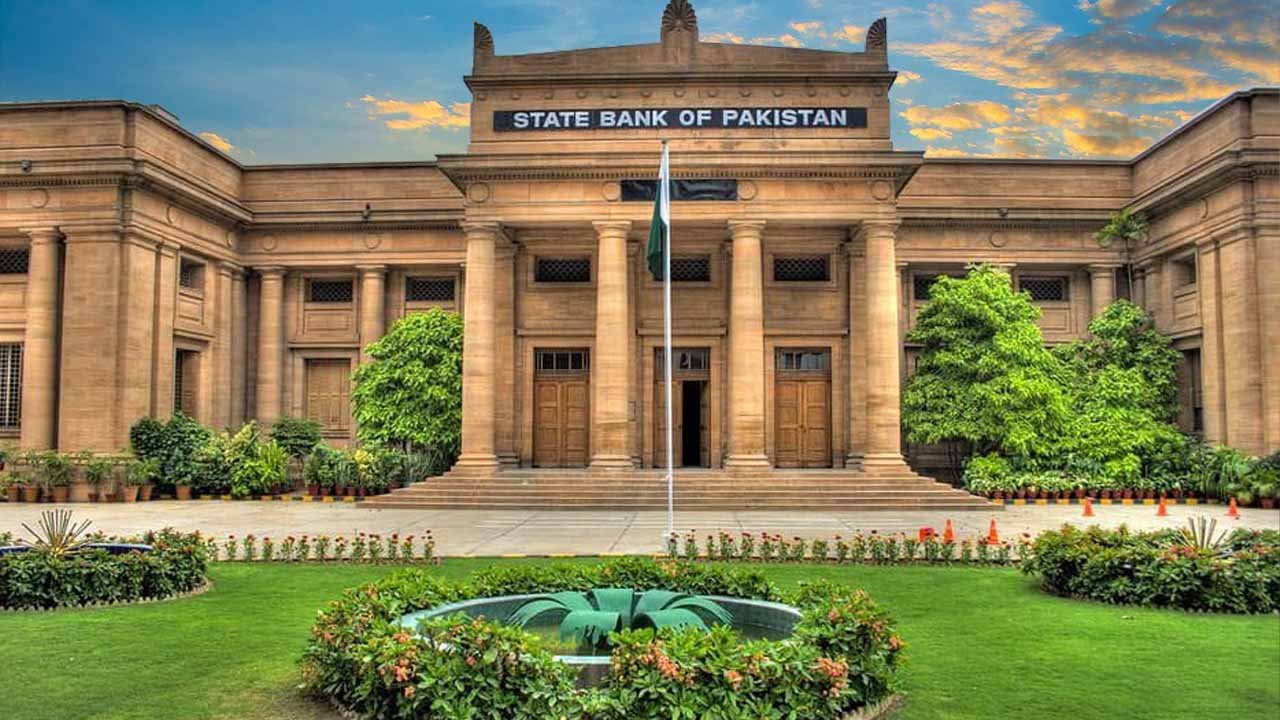
    In the week concluding on December 22, 2023, Pakistan witnessed a substantial increase in its total liquid foreign reserves, reaching a noteworthy $12,855.7 million.

    This surge was reported by the State Bank of Pakistan (SBP), which highlighted that the central bank’s reserves saw a remarkable uptick to $7,757.1 million during the same period.

    The SBP revealed that the surge in reserves, amounting to $852 million, was primarily attributed to official inflows from the Government of Pakistan received during the week under review.

    Simultaneously, commercial banks in the country reported net foreign reserves amounting to $5,098.6 million, further contributing to the overall resilience of Pakistan’s financial position.

    This positive development follows the previous week’s figures, ending on December 15, 2023, where the total liquid foreign reserves were recorded at $12,068.4 million.

    During this period, the central bank held reserves worth $6,904.8 million, with commercial banks reporting net foreign reserves of $5,163.6 million.

    In contrast to the positive financial indicators, Pakistan’s auto industry faced significant challenges in 2023, marked by a sharp decline in car sales of up to 55 per cent. Factories involved in manufacturing car parts also experienced a substantial production cut of 70 per cent.

    The persistent challenges in the auto sector were attributed to the exchange rate crisis, causing a decline in income until the previous year.

    The repercussions of reduced car sales were not limited to impacting the national Treasury; they also resulted in a noticeable decrease in revenue from products.

    An essential factor in this context is the adjustment made by automobile companies following a decrease in the value of the US dollar against the Pakistani rupee.

    In the closing months of 2023, these companies responded by slashing the prices of their units, reflecting the dynamic interplay between economic forces and market conditions.

  • Toyota car prices reduced by up to Rs1.3 million in Pakistan

    Toyota car prices reduced by up to Rs1.3 million in Pakistan

    Indus Motor Company, the leading assembler of Toyota-brand vehicles in Pakistan, has made a significant move to benefit its customers. 

    In a recent announcement sent to its dealers on Tuesday, the company revealed a substantial reduction in car prices, effective October 24. This decision was prompted by the recent strengthening of the Pakistani rupee against the US dollar.

    Following this development, the basic Yaris model 1.3MT LO is now more affordable, with a price decrease of Rs100,000, or 2.2 per cent, bringing its new price to Rs4.399 million. 

    Similarly, the top variant, 1.5 CVT Aero, will now be available at Rs5.849 million after a reduction of Rs120,000. 

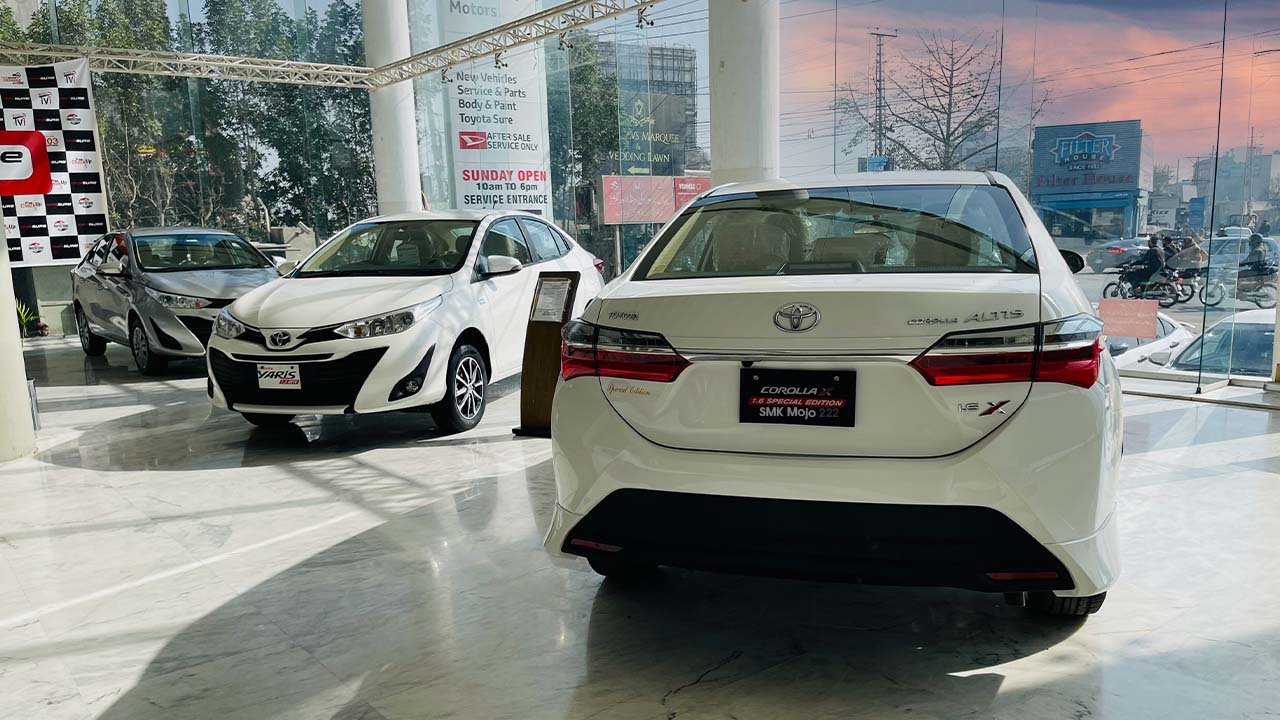
    The Toyota Corolla’s variant prices have been reduced between Rs200,000 and Rs250,000. Furthermore, Toyota’s pickup Revotrucks are now more budget-friendly, with price reductions ranging from Rs450,000 to Rs790,000.

    One of the most notable changes is seen in the Fortuner G4x2 Petrol STD, which will now be priced at Rs14.499 million after a substantial reduction of Rs1.31 million, or 8.3 per cent.

    This price adjustment follows the footsteps of other major players in the industry, including MG Motors and Lucky Motor Corporation (LMC), both of which have also announced price reductions for their vehicles.

    The automobile sector in Pakistan has faced challenges recently, mainly due to fluctuating exchange rates and restrictions on imports. 

    The rupee experienced a significant depreciation against the dollar, reaching a record low of Rs307.1 on September 5. 

    However, it has since recovered, stabilising around the Rs279–280 level. This positive trend aligns with the efforts of the caretaker government, which took measures against smugglers and hoarders, contributing to the currency’s recovery.

    Apart from currency fluctuations, the auto sector was affected by previous government policies, including import restrictions aimed at preserving foreign exchange reserves. 

    Additionally, higher finance costs and a considerable rise in car prices led to a decrease in consumer demand. In the first quarter of FY24, car sales in Pakistan plummeted to 20,983 units, marking a 40 per cent decline compared to the same period the previous year.

    Here are the latest prices of all Toyota cars in Pakistan:

    Car Model Variant Old Price (Rs.) New Price (Rs.) Price Reduction (Rs.)
    Yaris 1.3 MT LO 4,499,000 4,399,000 100,000
      1.3 CVT LO 4,789,000 4,689,000 100,000
      1.3 MT Hi 4,759,000 4,659,000 100,000
      1.3 CVT Hi 4,999,000 4,899,000 100,000
      1.3 CVT Aero 5,199,000 5,099,000 100,000
      1.5 MT 5,429,000 5,309,000 120,000
      1.5 CVT 5,769,000 5,649,000 120,000
      1.5 CVT Aero 5,969,000 5,849,000 120,000
    Corolla 1.6 MT 6,169,000 5,969,000 200,000
      1.6 CVT 6,769,000 6,559,000 210,000
      1.6 CVT SR 7,429,000 7,189,000 240,000
      1.8 CVT 7,119,000 6,889,000 230,000
      1.8 CVT SR 7,759,000 7,509,000 250,000
      1.8 CVT SR BLK 7,799,000 7,549,000 250,000
    Hilux Revo E 11,439,000 11,039,000 400,000
      G 12,409,000 11,959,000 450,000
      G 13,019,000 12,549,000 470,000
      V AT 2.8 14,389,000 13,849,000 540,000
      V AT Rocco 15,179,000 14,419,000 760,000
      GR S 16,149,000 15,359,000 790,000
    Fortuner 2.7 G Petrol 15,809,000 14,499,000 1,310,000
      2.7 V Petrol 18,099,000 16,999,000 1,100,000
      2.8 Sigma 5 Diesel 19,079,000 17,999,000 1,080,000
      Legender Diesel 20,129,000 18,999,000 1,130,000
      GRS 21,089,000 19,899,000 1,190,000
  • Car sales in Pakistan witness 57% decline in July 2023 compared to last year

    Car sales in Pakistan witness 57% decline in July 2023 compared to last year

    In the midst of ongoing economic uncertainty, the automobile sector has encountered a substantial decline in car sales, marking another significant setback.

    The most recent data released by the Pakistan Automotive Manufacturers Association (PAMA) unveils a noteworthy trend, with exclusive member carmakers collectively retailing a mere 5,092 vehicles during July 2023. This figure represents a notable downturn both in comparison to the previous month, with a 16 per cent decrease in sales, and to the same period last year, with a staggering 57 per cent reduction.

    Among the industry leaders, the Toyota Indus Motor Company (IMC) experienced a sales figure of 1,368 cars, indicating a 26 per cent reduction in sales on a month-on-month basis. On the other hand, the Honda Atlas Cars Limited (HACL) reported a sale of 494 cars, reflecting an unexpected 61 per cent surge in monthly sales. Meanwhile, the Pak Suzuki Motor Company (PSMC) encountered a decline of 19 per cent in its monthly sales, with a total of 2,444 cars sold.

    Hyundai Nishat Motors Private Limited (HNMPL) also made its mark by selling 569 cars in the past month, showcasing a modest 2 per cent increase in sales compared to the previous month. The resounding success of the Tucson model has been a driving force behind the company’s performance.

    While a slight uptick in sales has been witnessed, the overarching trajectory of the local car industry remains somber. Production disruptions persist as car companies grapple with inventory shortages, further exacerbated by the escalating prices and taxes that have curbed consumer demand.

    Experts caution that the challenges facing the industry are far from over, with more potential production obstacles and price escalations looming on the horizon. The road ahead continues to be a demanding one, requiring the industry to navigate through these formidable headwinds.

  • High prices lead to 79% drop in new car sales in June 2023

    High prices lead to 79% drop in new car sales in June 2023

    The automobile industry of Pakistan experienced a severe blow in the fiscal year 2022-23, with car sales plummeting by 56 per cent to a mere 126,879 units, according to data shared by the Pakistan Automotive Manufacturers Association (PAMA) on Tuesday. This significant decline can be attributed to various factors, including the non-availability of completely knocked down kits (CKDs), exorbitant car prices, a surge in auto financing, and the reduced purchasing power of buyers.

    In June 2023, the monthly sales took a substantial hit, dropping by 79 per cent compared to the same period last year, reaching a meager 6,034 units. However, it is worth noting that the sales in June were 10 per cent higher when compared to the sales in May.

    Among the car manufacturers, Honda Atlas Car (HCAR) witnessed the most notable increase in sales, with a month-on-month surge of 253 per cent to 307 units in June. This growth can be attributed to the lower sales base in the previous month and the availability of necessary car parts.

    Pak Suzuki, on the other hand, experienced a modest month-on-month growth of 2 per cent in June, with sales reaching 3,009 units. The surge in Bolan sales by 67 per cent contributed to this increase. However, the company’s bookings took a significant hit, plunging by 57 per cent to 65,364 units in the fiscal year 2022-23.

    Indus Motor Company, responsible for assembling Toyota cars, observed a 7 per cent increase in bookings on a month-on-month basis, reaching 1,846 units in June. Nonetheless, the company’s total car sales for the fiscal year 2022-23 amounted to 31,104 units, reflecting a decline of 58 per cent year-on-year.

    Hyundai Nishat Motor witnessed an 11 per cent month-on-month increase in sales, with the sales of Tucson surging by 61 per cent to 313 units and Elantra sales increasing by 28 per cent to 88 units in June.

    Shifting focus to the tractor segment, Millat Tractors (MTL) experienced a 42 per cent month-on-month increase in bookings, reaching 2,136 units in June. Conversely, Al Ghazi Tractors (AGTL) recorded sales of 854 units, marking a decline of 57 per cent. Overall, the total tractor industry sales for the fiscal year 2022-23 amounted to 30,942 units, representing a decrease of 48 per cent due to factors such as floods, plant shutdowns, lower consumer buying power, and higher prices.

    Looking ahead, the high interest rates and the significant increase in auto prices resulting from the depreciation of the Pakistani rupee against the dollar are expected to continue negatively impacting auto sales in the fiscal year 2024. Furthermore, restrictions on opening letters of credit (LCs) for importing CKDs by auto assemblers may lead to lower plant capacity utilisation and, in extreme cases, plant shutdowns across the industry.

  • Pak Suzuki suffers worst sales decline, sells less than 1,000 cars in February

    Pak Suzuki suffers worst sales decline, sells less than 1,000 cars in February

    Recent reports indicate that Pak Suzuki Motors has experienced a significant decline in sales due to production issues. The company has recorded its worst sales performance in history, mainly because of a shortage of production parts and rising raw material costs.

    Reports reveal that Pak Suzuki sold fewer than 1,000 units in February, marking its worst performance since the country’s COVID-19 lockdowns in April 2020 when production and sales came to a halt. In January, the automaker sold 2,940 vehicles, a significant 74 per cent decrease in monthly sales. This was attributed to the poor sales of the Suzuki Alto, which declined from 6,898 units in December 2022 to 44 units in January 2023.

    The official figures from the Pakistan Automotive Manufacturers Association (PAMA) are yet to arrive, but the total units sold in February are expected to range from the high tens to low hundreds.

    Despite being among the highest-selling automobile brands in the country, Pak Suzuki’s recent sales decline has left it struggling to maintain its position in the fiercely competitive industry. The drop in Suzuki sales is attributed to production part issues, which have caused difficulty in obtaining necessary auto parts due to major supply chain issues caused by the pandemic. As a result, the company has faced a shortage of raw materials and production parts.

    Global inflation has further exacerbated the problem, leading to a rise in the prices of raw materials and an increase in the car prices. This inflation has further contributed to a drop in sales as it has become difficult for the company to access all the required materials.

  • Car sales in Pakistan drop by 65% due to low purchasing power, supply chain disruptions

    Car sales in Pakistan drop by 65% due to low purchasing power, supply chain disruptions

    According to data from the Pakistan Automotive Manufacturers Association (PAMA), passenger car sales in Pakistan experienced a significant decline of 65 per cent in January 2023 compared to the same period the previous year. This was attributed to a shortage of raw materials, low purchasing power, and price surges.

    With the exception of Suzuki’s Swift, sales of all other variants of cars, trucks, buses, tractors, pick-ups, and three-wheelers, as well as two-wheelers, also dropped in January 2023.

    The seven-month sales data for FY23 showed a 43 per cent drop compared to the same period last year, with passenger car sales decreasing by 65 per cent to 6,021 units. In January 2023, engine-wise sales data showed that sales of 1,300cc and above cars were recorded at 4,207 units, down 55.5 per cent compared to the same period last year. Additionally, 1,000cc cars recorded sales of 1,214 units, a decrease of 55.2 per cent from the same period the previous year.

    In January 2023, sales of passenger cars with engines less than 1,000cc plummeted to 600 units, down 88 per cent from 4,820 units sold in the same period last year.

    Sales of Suzuki’s new Alto were particularly hard hit, dropping to 44 units from 3,864 units last year, as the company was unable to produce any due to raw material shortages. Commercial vehicle sales were also impacted, with buses and trucks declining to 470 units from 778 units in January 2022.

    Despite this, the sale of jeeps and pickups increased to 4,846 units from 3,625 units sold last year, largely due to an increase in sales of Honda BR-V and HR-V. Tractor sales, on the other hand, decreased to 3,406 units from 4,966 units in January 2022.

    Meanwhile, sales of rickshaws and motorcycles dropped to 109,558 units from 153,658 units in the same period last year. According to Topline Securities, Pakistan’s overall car sales, including those of non-PAMA members, stood at around 11,500 units, down 37 per cent from the previous month, primarily due to Pak Suzuki’s inability to produce due to the non-availability of CKD parts.

    In January 2023, the automotive industry in Pakistan experienced a 47 per cent year-on-year drop in sales, contributing to a 39 per cent decline in sales for the first seven months of FY23. According to Sunny Kumar, an analyst for Topline Securities, this is due to rising car prices, costly auto financing, and limited consumer purchasing power.

    Pak Suzuki (PSMC) was hit particularly hard, with sales falling to 2,946 units, the lowest level since April 2020, largely due to a credit letters issue. In contrast, Hyundai sales increased 81 per cent month-on-month, with Tuscon sales up 69 per cent and Sonata sales up 241 per cent in January 2023. In the tractor sector, Millat Tractors and Al-Ghazi Tractors recorded increased sales in January 2023 compared to the previous month.

    However, the industry’s overall sales have dropped by 53 per cent YoY to 14,919 units in 7MFY23, affected by floods, plant shutdowns, higher prices, and low consumer purchasing power.
  • Pakistanis buying 47% fewer cars due to rising prices

    Pakistanis buying 47% fewer cars due to rising prices

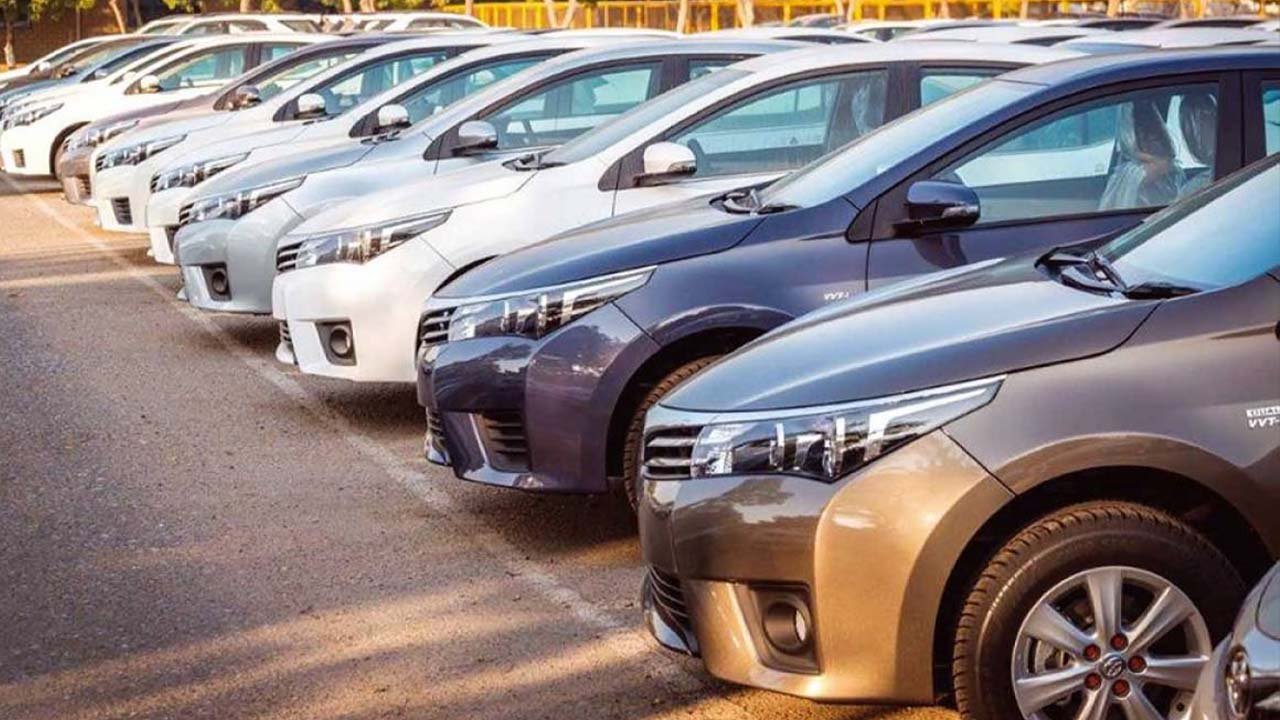
    Despite an increase from month to month in October, the total number of cars sold fell by 47 per cent to 39,700 units in 4MFY23 from 74,952 units as a result of increased prices, restrictions on auto financing and part imports, and high interest rates.

    However, the number of cars sold in October increased to 11,129 from 9,213 in September, a significant decrease from the 17,413 sold in October 2021.

    Assemblers have been allowed to hand over automobiles after the release of auto parts from the port as a result of the State Bank’s decision to increase the import quota, which led to a recovery in car sales as well as production in October.

    Honda Civic/City sales decreased to 6,416 units in 4MFY23 from 10,444 units during the same period in FY22, while Toyota Corolla and Yaris sales significantly decreased to 8,253 units from 19,214 units. Sales of the Suzuki Cultus and WagonR decreased from 11,454 to 6,779 units to 2,952 and 2,181 respectively. Sales of the Suzuki Bolan and Alto were unchanged at 1,469 and 13,464 units, compared to 4,012 and 20,773 units in 4MFY22.

    Jeep and pickup sales decreased by 45 percent, from 14,969 units in the same period last fiscal year to 8,234 units in July-October FY23.

    Additionally, the total number of tractors sold decreased by 47 per cent, from 17,386 units to 9,258 units, indicating a decline in agricultural activity.

    Compared to 2,011 and 184 units sold in 4MFY22, trucks and buses showed sales of 1,109 and 210 units, respectively.

    Sales of two and three-wheelers in the country fell dramatically, from 629,212 units in the same period last year to 412,111 units in the first four months of the current fiscal year.

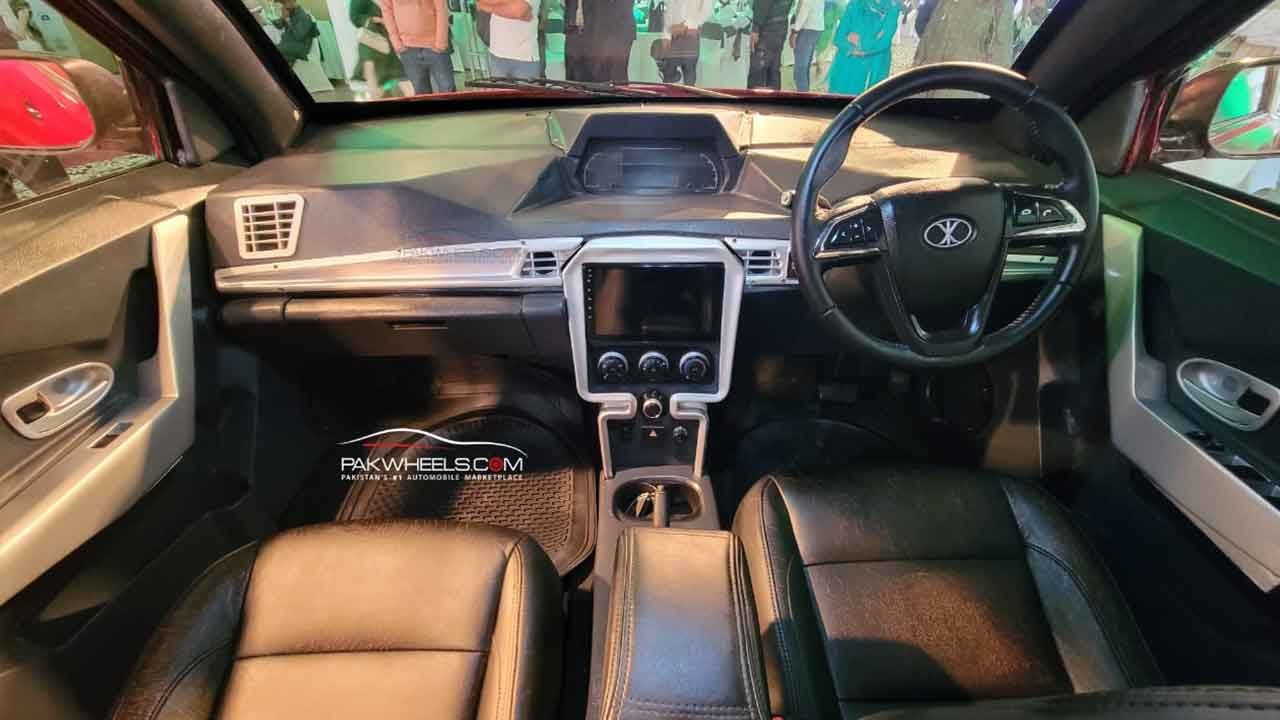
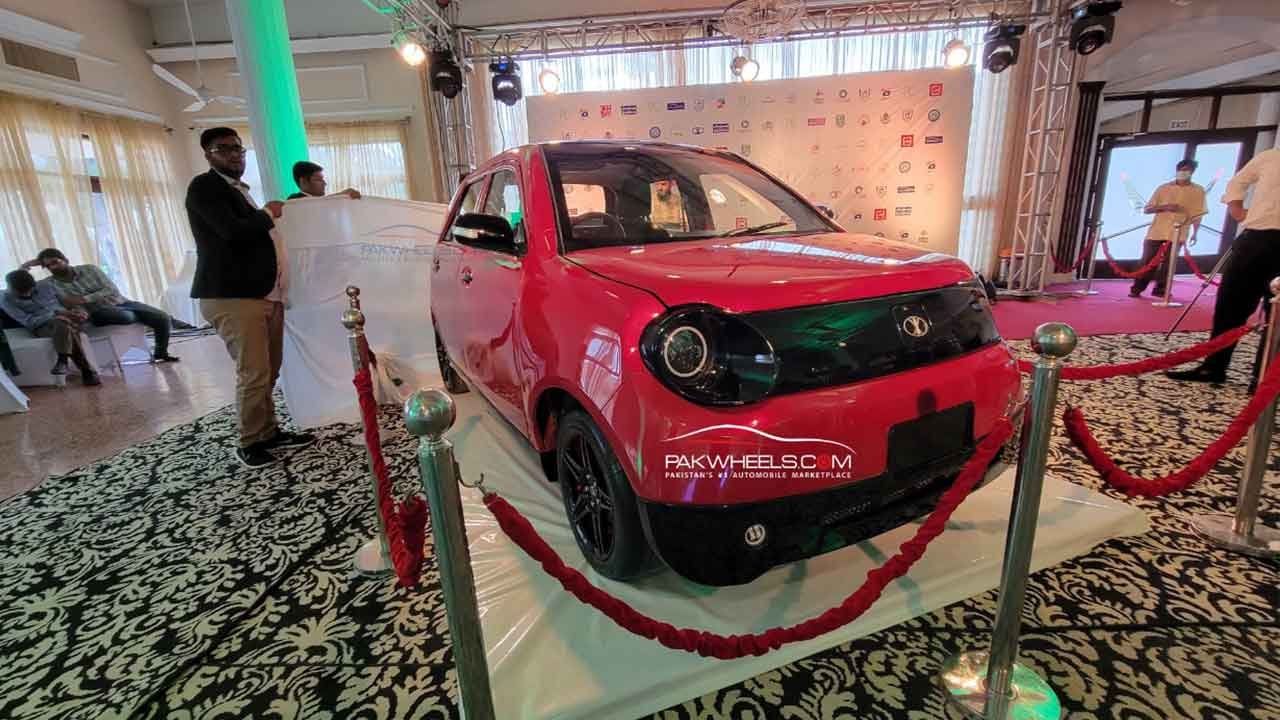
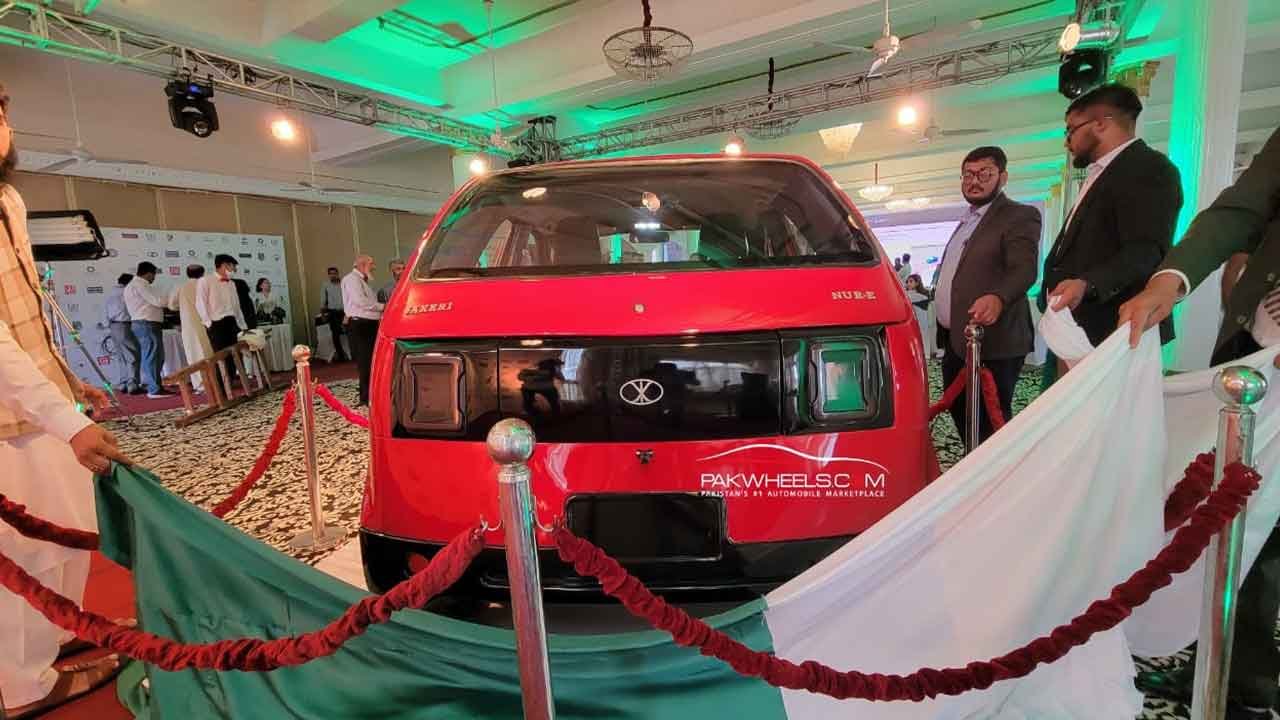
  • In Pictures: Pakistan unveils its first electric car with 210km range

    In Pictures: Pakistan unveils its first electric car with 210km range

    Except for Pakistan, electric vehicles have gained massive popularity throughout the world. A few imported cars that are available in the local market are pricey and out of the range of the average person.

    Now that Pakistan’s first electric automobile has been launched with some outstanding features, things are set to change.

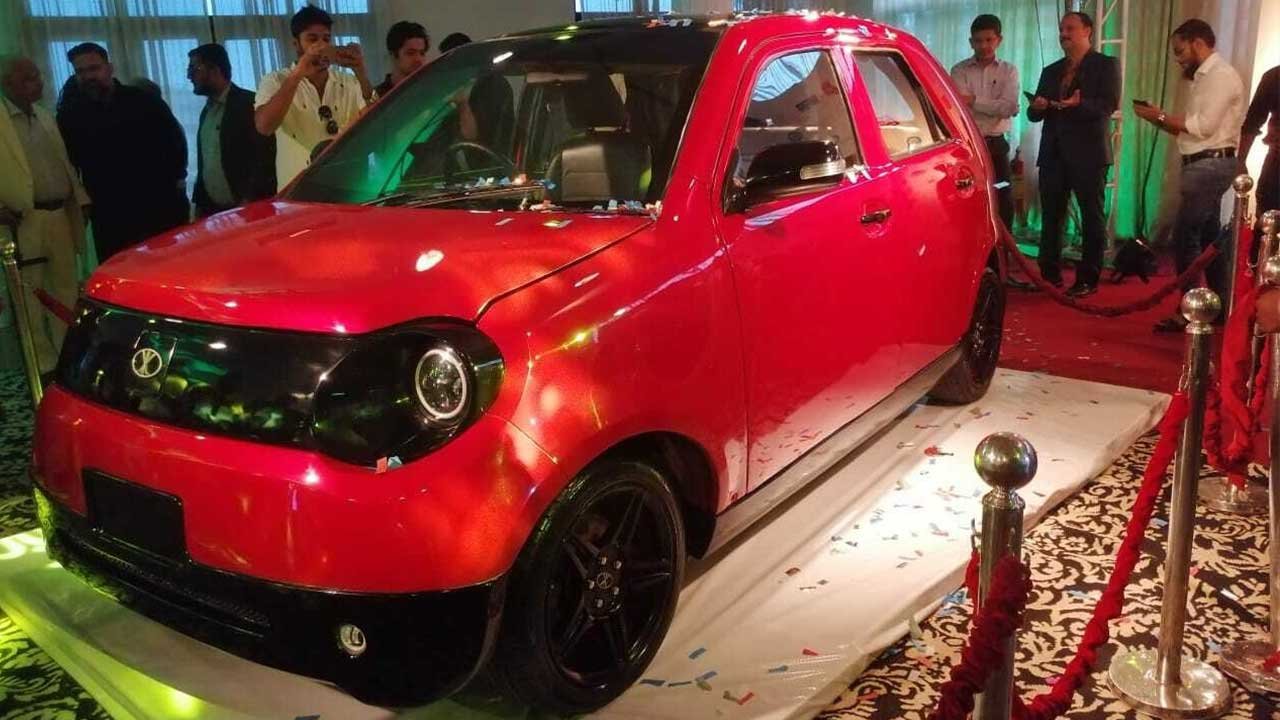
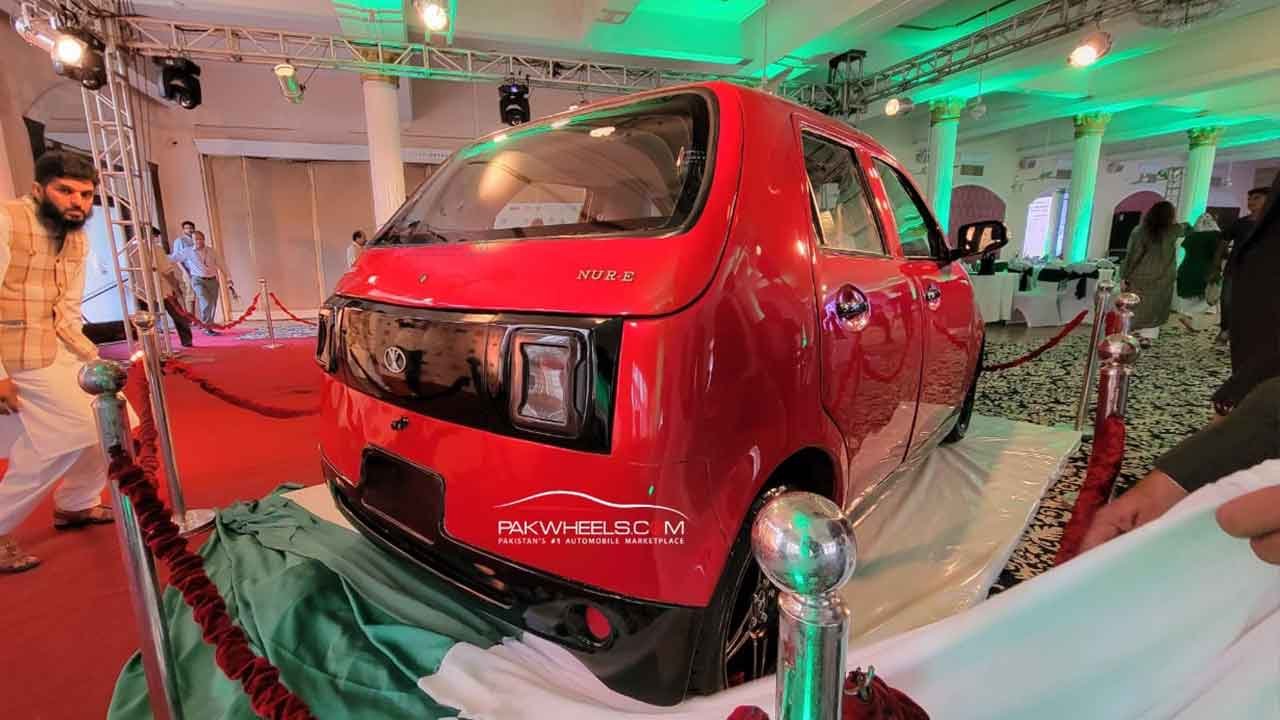
    On Independence Day, Pakistan’s first electric vehicle prototype, the NUR-E 75, was displayed on August 14.

    The battery in the car will have a 35kWh capacity with a range of 210 kilometres after being fully charged.

    NUR-E 75 will save a significant amount of fuel, contribute to the fight against climate change, and maintain economic prosperity, claims Dr Khurshid Qureshi, founder and chairperson of the Distinguished Innovation, Collaboration & Entrepreneurship (DICE) Foundation, who developed the prototype.

    It has a maximum speed of 120km/h, tyre size of 16 inches, a ground clearance of 190mm, and a charging capacity of 220V in eight hours, with fast charging also available.

    Dr Qureshi claimed that the production of the car has three stages: the first involved industrial design, production, and launch; the second involved expanding production to include sedans and SUVs, small commercial trucks, and EV platform export; and the third involves exporting the cars.

    Read more: Cheapest new cars to buy in Pakistan

    The completely working prototype, EV NUR-E 75, is ready for testing and regulatory approval, he said, adding that manufacturing started in 2019. Meanwhile, design work on a rolling platform that will be utilised for multiple vehicle segments is in progress.

    The little hatchback’s maximum output is 80 kW (108 horsepower), and its 35 kWh battery can travel 210 km without the air conditioner on.

    He emphasised that the vehicle, given to Pakistan as a gift for its diamond jubilee, would play a significant role in the context of the environment and climate change and help us transition away from the use of non-renewable fuels.