Tag: Caretaker government

  • Pakistan may enter fresh IMF loan programme, stricter conditions expected

    Pakistan may enter fresh IMF loan programme, stricter conditions expected

    In the wake of the completion of its current loan programme, Pakistan is poised to sign a new loan agreement with the International Monetary Fund (IMF), reports indicate. 

    The forthcoming Extended Fund Facility programme, anticipated to span three years, will see Islamabad share budget proposals for FY 2024–25 with the IMF. 

    Sources suggest that before finalising the agreement, Pakistan will provide assurances to the IMF regarding further increases in electricity and gas prices, as well as a commitment to reduce subsidies. 

    Finance ministry sources have disclosed that the conditions for the new loan programme are expected to be more stringent compared to the current Standby Agreement (SBA) programme. 

    Earlier discussions hinted at Pakistan securing another loan package from the IMF following the conclusion of the ongoing standby agreement. 

    The caretaker government has commenced consultations for the upcoming IMF programme, with talks expected to commence this month. 

    Officials from the finance ministry have indicated that the measures initiated by the caretaker government will be continued by the elected government in discussions with the IMF.

  • PIA set for transformation: Federal cabinet approves privatisation, restructuring

    PIA set for transformation: Federal cabinet approves privatisation, restructuring

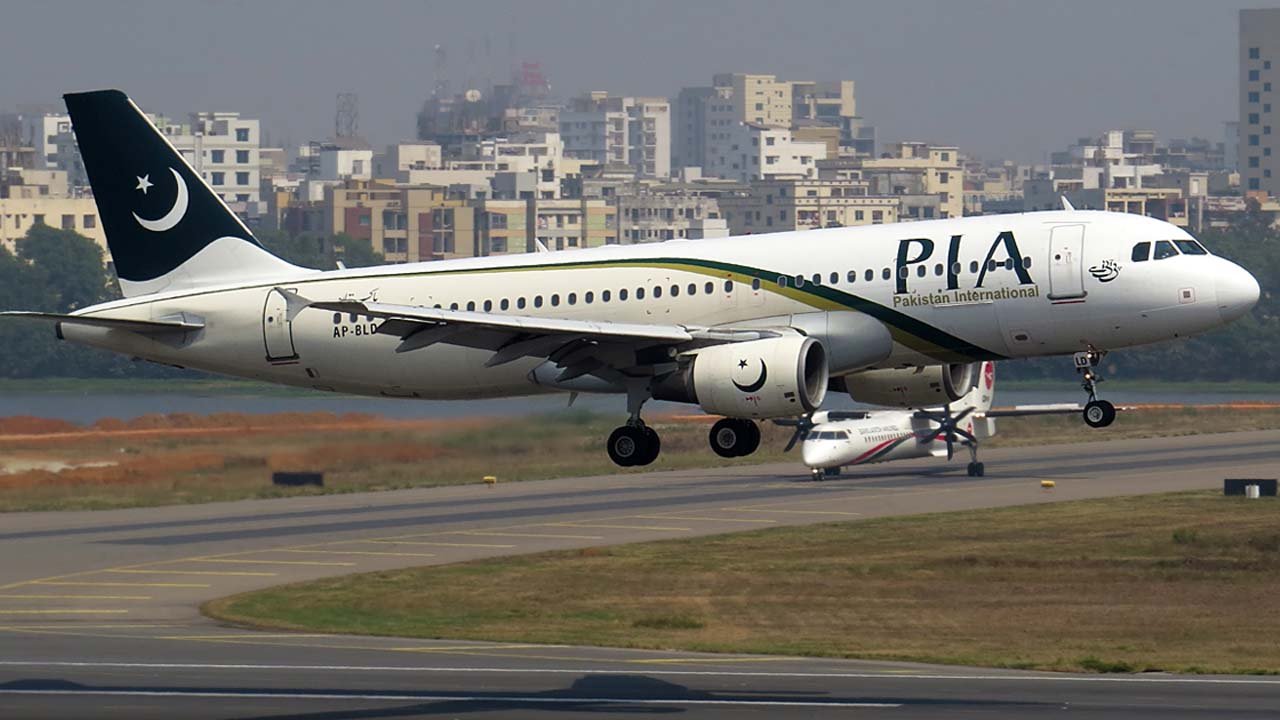
    In a significant development, the caretaker federal cabinet has granted approval for the restructuring of Pakistan International Airlines (PIA) and the privatisation of First Women Bank Limited.

    This decision, based on recommendations put forth by the Privatisation Division, aims to address the financial challenges faced by PIA in recent years.

    The pivotal meeting of the federal cabinet, presided over by Caretaker Prime Minister Anwaar ul Haq Kakar, saw the submission of restructuring recommendations by the Privatisation Division.

    It was highlighted during the session that PIA has been grappling with financial losses over an extended period.

    Previous cabinet meetings had already endorsed the appointment of a financial advisor, whose role is integral to the financial and administrative restructuring of PIA.

    The cabinet was briefed on the progress, indicating that the financial advisor has devised a comprehensive financial restructuring plan aligned with international norms.

    Under this plan, PIA is set to undergo a division into two distinct entities: Top-Co and Hold-Co. The core operations of PIA, including engineering, ground handling, cargo, flight kitchen, and training, will be consolidated under Top-Co.

    On the other hand, entities such as Precision Engineering Complex, PIA Investment Limited, properties, and other subsidiaries will find their place within Hold-Co.

    This strategic restructuring aims not only to address the financial challenges faced by PIA but also to attract potential investors.

    The cabinet has been briefed on the measures undertaken to enhance the attractiveness of PIA for investment, laying the groundwork for a positive trajectory in the airline’s future.

  • Pak-Iran tension will not affect February 8 elections, confirms ECP

    Pak-Iran tension will not affect February 8 elections, confirms ECP

    The Election Commission of Pakistan (ECP) and the caretaker government have said that the border clash between Pakistan and Iran will not affect the upcoming general polls set to take place on February 8, 2024.

    On a question regarding border tensions erupting between Iran and Pakistan, the spokesperson of the ECP affirmed that the upcoming general elections will be held on the announced date.

    “The ECP is busy in preparation for the elections, and there is no proposal or consideration about reviewing the election date because of the Pak-Iran tension.

    “We are working as usual and all set to hold elections on February 8,” he said.

    Caretaker information minister Murtaza Solangi said that elections will be held on time. He said that the Pakistan-Iran tension will not affect the elections and its schedule.

    When asked about the security requirements needed to hold the elections, the information minister said that the government will provide the required security to the ECP for the holding of elections in a peaceful manner. “There is now no backstepping from general elections on the announced date,” assured the minister.

  • Govt reduces petrol price by Rs8 to Rs259.34 per litre for next fortnight

    Govt reduces petrol price by Rs8 to Rs259.34 per litre for next fortnight

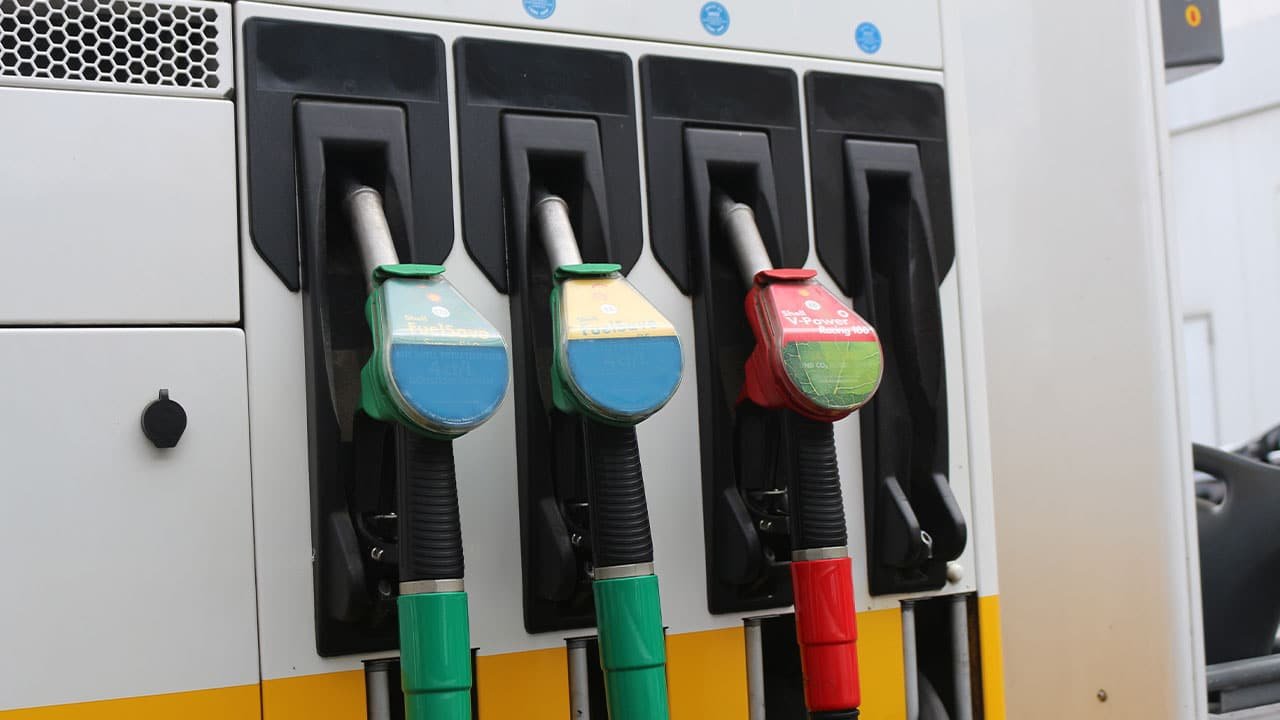
    In a significant move, the caretaker government announced a substantial reduction in the price of petrol by Rs8 per litre for the upcoming fortnight, effective January 16.

    This decision, as conveyed in a notification issued today by the Finance Division, aligns with the recommendations put forth by the Oil and Gas Regulatory Authority (OGRA).

    The adjusted ex-depot price of petrol now stands at Rs259.34 per litre, reflecting a notable decrease from the previous rate of Rs267.34 per litre.

    However, it is important to note that there have been no alterations in the prices of high-speed diesel, light-diesel oil, or kerosene oil.

    The government has already reached the maximum permissible limit under the law, with a Rs60 per litre petroleum levy imposed on both petrol and high-speed diesel (HSD).

    This levy is in line with the commitments made to the International Monetary Fund (IMF), aiming to collect Rs869 billion during the current fiscal year.

    Optimistically, the government anticipates surpassing this target, with the collection expected to exceed Rs950 billion by the end of June.

    Petroleum and electricity prices have been identified as key contributors to inflation, which surged to 29.7 per cent in December, as indicated by the Consumer Price Index.

    Presently, the government imposes a tax of approximately Rs82 per litre on both petrol and HSD.

    This adjustment in petrol prices not only provides relief to consumers but also marks a strategic step by the caretaker government to manage fiscal targets while considering the economic impact on the general population.

    The move is anticipated to have ripple effects on inflation rates, offering a temporary respite from the cost of living for the common citizen.

  • Federal cabinet to approve FBR restructuring in upcoming meeting

    Federal cabinet to approve FBR restructuring in upcoming meeting

    In a significant development, the caretaker government has concluded the comprehensive restructuring plan for the Federal Board of Revenue (FBR).

    The approval for this pivotal reform comes from the Apex Committee of the Special Investment Facilitation Council (SIFC), highlighting a crucial step towards enhancing efficiency and transparency in Pakistan’s tax administration.

    According to reliable sources, the Apex Committee granted its approval for the FBR’s reforms and restructuring plan during its recent meeting. The caretaker government is now poised to move a summary for the approval of the FBR’s restructuring plan in the upcoming federal cabinet meeting.

    The decision to move the summary will follow the meticulous review of the minutes of the last SIFC committee meeting, ensuring a thorough examination of the proposed reforms. The anticipated summary aims at facilitating the implementation of a robust action plan geared towards restructuring Pakistan’s tax administration, thereby fortifying the internal governance mechanisms of the FBR.

    As part of the ongoing reform initiative, the caretaker government is contemplating the establishment of a dedicated Customs Board to oversee the operations of Pakistan Customs. This strategic move aims to streamline and enhance the efficiency of customs affairs while ensuring a clear demarcation from the revenue collection mechanism.

    It is expected that the revenue collection mandate will continue to be under the purview of the FBR. In line with this reform trajectory, the creation of a separate Inland Revenue Board is also under consideration, which will operate under the vigilant supervision of the Revenue Division.

    This bifurcation is designed to address concerns related to smuggling and other illicit activities, providing a specialised focus on each aspect of tax administration.

    Furthermore, as part of the tax reform programme, five federal secretaries, namely Finance, Industries and Production, National Food Security, Commerce, and Interior, are slated to become ex-officio members of the proposed Customs Board. This inclusion is envisioned to bring multidimensional expertise to the board, fostering collaboration among various sectors crucial for effective customs management.

    The restructuring plan marks a pivotal moment in Pakistan’s efforts to modernise and fortify its tax administration system. The caretaker government’s commitment to transparency and efficiency is evident in these strategic reforms, setting the stage for a more resilient and responsive revenue collection framework.

    The anticipated approval of the summary at the federal cabinet meeting will further propel the implementation of these transformative changes.
  • Petrol, diesel  price in Pakistan to remain unchanged for first two weeks of January 2024

    Petrol, diesel price in Pakistan to remain unchanged for first two weeks of January 2024

    The interim government has chosen to uphold the current petrol price in Pakistan for the initial two weeks of January 2024.

    This decision is attributed to the absence of any significant decrease in global crude prices and amidst a stable exchange rate between the Pakistani rupee and the US dollar.

    The diesel price will also stay unaltered for the upcoming fortnight.

    As a result of this development, the prices for petrol and diesel will persist at Rs267.34 and Rs276.21 per liter, respectively.

    These revised prices will be effective from January 1, 2024.

    Earlier in the month, the government had reduced the prices of petrol and diesel by Rs14 and Rs13.5, respectively, following the bi-weekly revision.

  • Sarfraz Bugti kis party kay ticket par election larrain gay?

    Sarfraz Bugti kis party kay ticket par election larrain gay?

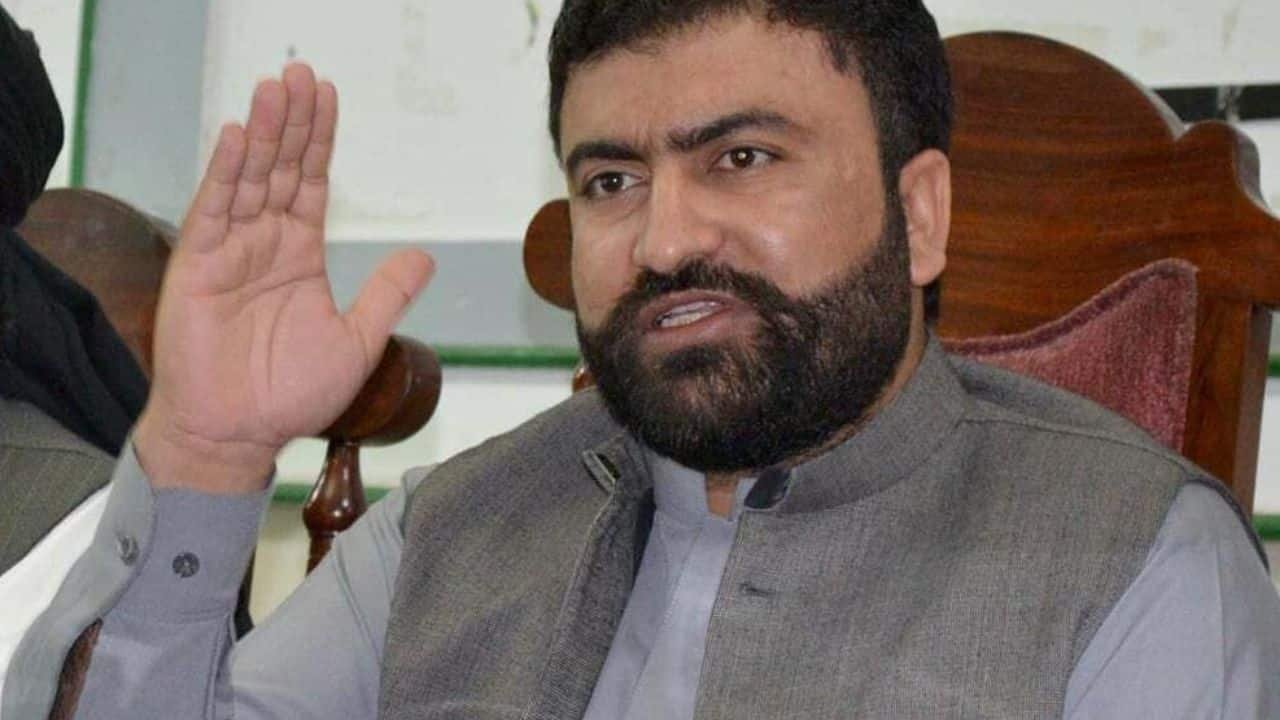
    Sarfraz Bugti, former interim interior minister, sent his resignation to caretaker Prime Minister Anwaar-ul-Haq Kakar on December 13, which was accepted Friday night.

    He cited personal reasons for stepping down from his position.

    Interior Ministry spokesperson Qadir Yar Tawana confirmed the report on Friday when contacted for the version of the ministry by Geo News.

    Close aides of Bugti said he had decided to resign from the office about two months ago to take part in the upcoming general elections. His resignation was accepted hours before the Election Commission of Pakistan (ECP) announced the schedule of the general elections in 2024.

    As per sources of Geo News, Sarfaraz Bugti resigned to contest the election on a Pakistan Muslim League-N (PML-N)’s ticket.
    They said he was expected to call on the PML-N leadership in a few days.

    He is currently associated with the Balochistan Awami Party (BAP).

    Bugti had been elected as a senator from Balochistan in 2021.

    The 42-year-old had previously served as interior minister for Balochistan after winning a seat in 2013 as an independent candidate, but later joined the Pakistan Muslim League-Nawaz (PML-N).

    In a related development, Balochistan caretaker Minister for Sports and Culture, Nawabzada Jamal Raisani and Adviser to the Chief Minister on Mines and Minerals, Mir Umair Muhammad Hasni, also resigned from the interim provincial cabinet on Friday.

  • Petrol price slashed by Rs14 per litre, providing relief amidst inflation

    Petrol price slashed by Rs14 per litre, providing relief amidst inflation

    As announced in an official notification by the Finance Division, the revised prices for petroleum products, applicable from December 16 to December 31, have been endorsed by the Oil and Gas Regulatory Authority (OGRA).

    The recalibrated rates indicate a decline in petrol prices to Rs267.34 per litre, while the diesel rate has seen a reduction of Rs13.50 per litre, now standing at Rs276.21 per litre, according to the Finance Division’s official statement.

    Furthermore, the cost of kerosene oil has been curtailed by Rs10.14 per litre, settling at Rs191.02, and light diesel oil is now priced at Rs164.64 per litre following a reduction of Rs11.29.

    This adjustment comes in response to the notable decrease in global oil prices over the past two weeks, a factor contributing to the anticipation of a downward trend in fuel prices during the fortnightly review.

    It’s imperative to note that the government undertakes a bi-weekly reassessment of petroleum product prices, aligning them with international market dynamics and the exchange rate of the rupee. This latest revision reflects a proactive approach by the authorities to mitigate the economic impact on the general populace.

  • Pakistan expected to increase petroleum levy to get IMF loan 

    Pakistan expected to increase petroleum levy to get IMF loan 

    Pakistan has reportedly provided assurances to the International Monetary Fund (IMF) regarding an augmentation of the petroleum levy in the fiscal year 2024–25, aligning with its intentions to embark on a new loan programme. 

    According to documentation cited by sources within the finance ministry, Pakistan has committed to elevating the petroleum levy to Rs1,065 billion in FY2024–25, anticipating a revision of the current levy target from Rs869 billion to Rs918 billion.  

    The attainment of the revised target is contingent upon an uptick in the consumption of petroleum products. 

    The sources additionally revealed that the caretaker government would have implemented a Presidential Ordinance if adjustments were to be made to the current petroleum levy target. 

    Earlier revelations indicate that Pakistan is poised to secure another financial assistance package from the International Monetary Fund (IMF) subsequent to the conclusion of the existing standby agreement. 

    The caretaker government has initiated consultations in preparation for the forthcoming IMF programme. 

    Sources have indicated that talks between the government and the IMF for the new loan programme are likely to commence this month.  

    Finance ministry officials underscored the commitment of the elected government to advance the measures established by the caretaker government. 

  • SNGPL proposes 137.62% hike in gas tariff amidst financial challenges

    SNGPL proposes 137.62% hike in gas tariff amidst financial challenges

    Sui Northern Gas Pipelines Limited (SNGPL) has proposed a substantial 137.62 per cent increase in gas tariffs per Metric Million British Thermal Unit (MMBtu), aiming for implementation in June 2023. 

    This tariff adjustment, seeking Rs1,715 per MMBtu, is intended to address the company’s financial shortfall of Rs181.51 billion projected for the fiscal year 2023–24. 

    The plea to the Oil and Gas Regulatory Authority (OGRA) emphasises the necessity of fixing the gas price at Rs2,961.98 per MMBtu.

    Currently priced at Rs1,246.49 per MMBtu, SNGPL proposes a hike of Rs1,209.14 per MMBtu in arrears, with an additional Rs56.48 per MMBtu attributed to rupee devaluation. OGRA is scheduled to review SNGPL’s plea on December 11.

    In a related context, the caretaker government, led by Finance Minister Dr Shamshad Akhtar, has announced plans to increase gas prices in Pakistan starting in January 2024. 

    Dr Akhtar highlighted that this decision aligns with Pakistan’s commitment to the International Monetary Fund (IMF), aiming for a comprehensive review of power tariffs. 

    The government’s broader economic strategy involves reducing debts, prioritising development initiatives, and implementing governance reforms within government enterprises.

    Upon reaching a staff-level agreement with the IMF, Pakistan anticipates receiving approximately 70 million US dollars, contributing to a total assistance amount of about $1.9 billion under the IMF programme. 

    Dr Akhtar emphasised the need to address the circular debt in the power and gas sectors, which currently exceeds 4 per cent of the Gross National Product (GNP). 

    Immediate measures have been initiated to mitigate this challenge, including adjustments to electricity and gas rates. 

    Dr Akhtar underscored the importance of a market-based exchange rate policy and the augmentation of foreign exchange reserves as key priorities for economic stability.