Tag: Cashless Economy

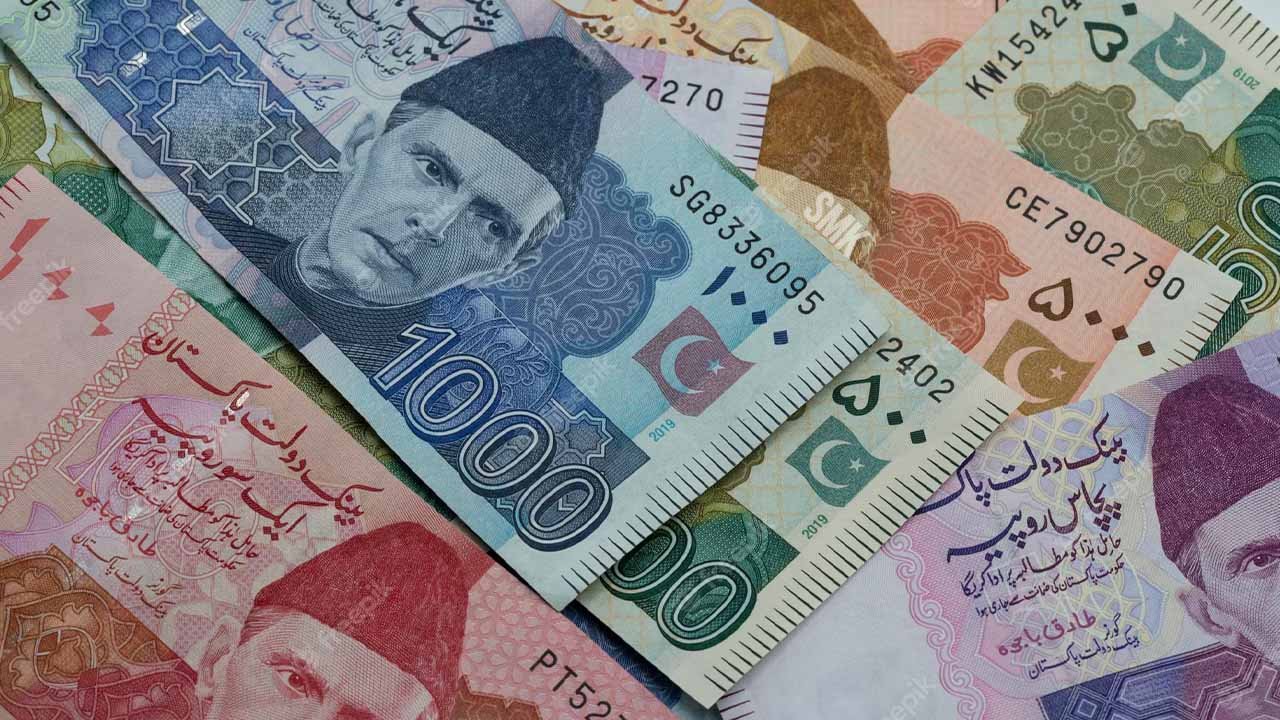
  • State Bank of Pakistan unveils plans for new currency notes with international security features

    State Bank of Pakistan unveils plans for new currency notes with international security features

    The State Bank of Pakistan (SBP) on Monday announced plans to issue new currency notes featuring international security features. 

    The central bank assured a seamless transition, avoiding disruptions akin to India’s 2016 demonetisation. 

    Governor Jameel Ahmad stated that the new notes would have updated serial numbers, designs, and heightened security features. The design framework is expected to be finalised by March.

    The decision, prompted by concerns over counterfeit currency, was cautiously welcomed by financial experts. 

    CEO Khurram Schehzad acknowledged the move as a “positive development” but cautioned against premature assessment. 

    He emphasised the need to address higher-denomination notes and questioned their effectiveness, citing challenges faced by countries like India after demonetisation.

    Schehzad underscored the importance of evaluating the impact on black money, highlighting the public’s inclination to convert cash into alternative assets amidst inflation. 

    He urged the SBP to consider reducing the number of higher-denomination notes in circulation to address economic concerns, emphasising the role of controlled currency printing in curbing inflation.
  • Pakistan to launch digital rupee to reduce printing and distribution costs

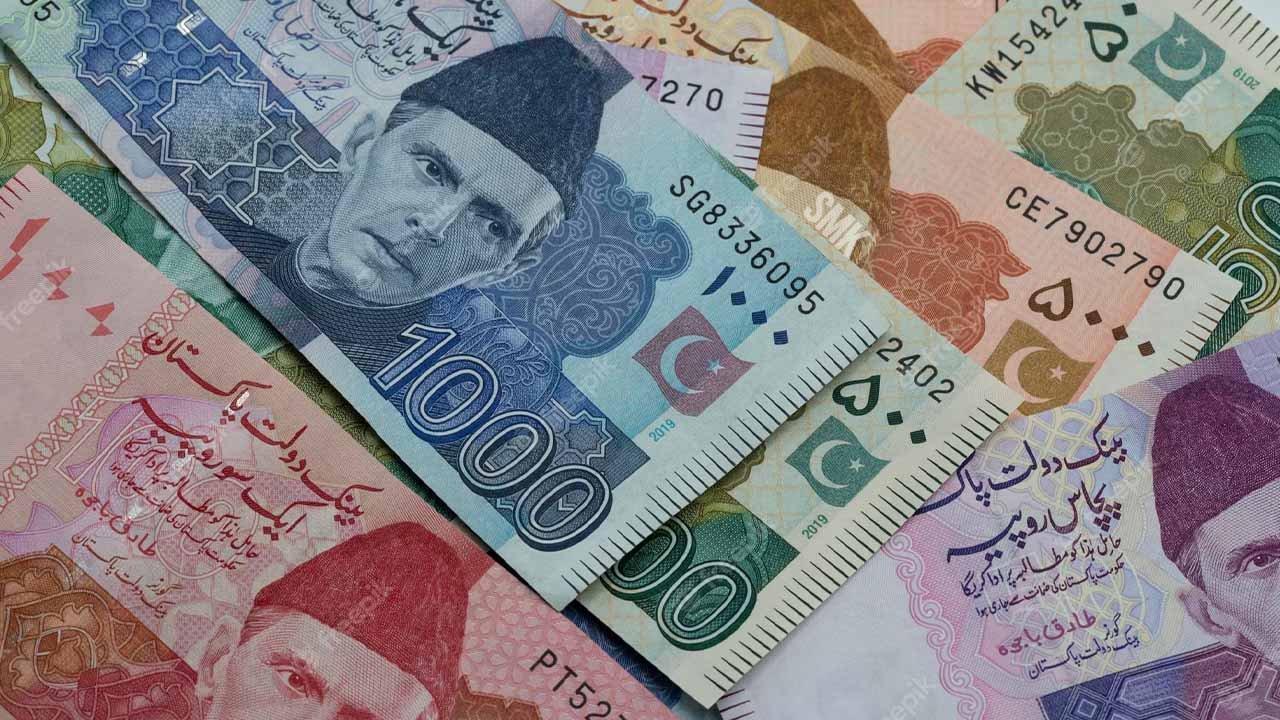
    Pakistan to launch digital rupee to reduce printing and distribution costs

    The government has opted to introduce a digital currency as a strategic move aimed at reducing expenses associated with currency printing and distribution.

    According to The News, this digital currency initiative is expected to contribute to the appreciation of the rupee’s value, bolster the overall economy, and facilitate extensive financial transactions.

    Much like the Chinese digital currency, where one unit is equivalent to one Chinese Yuan, the value of this digital currency will be pegged to the Pakistani rupee. The State Bank of Pakistan (SBP) will be the driving force behind this endeavour, offering government-backed guarantees similar to traditional currency notes. The SBP has already begun its efforts, enlisting the expertise of professionals for its development.

    To oversee this transformation, a specialised department known as the Central Bank Digital Currency has been established. This department is diligently assessing the cost benefits and feasibility of the digital currency to ensure seamless transactions upon its launch.

    The government’s objective is to gradually replace physical currency notes with digital currency while maintaining an 80:20 ratio, allowing currency notes to coexist as a backup in unforeseen circumstances.

    The adoption of digital currency will also yield significant savings by eliminating the expenses associated with printing, distributing, and disposing of physical notes. Additionally, every digital transaction will be meticulously documented, enhancing the effectiveness of monetary policy enforcement.

    Furthermore, digital currency holds substantial potential for advancing cross-border trade and investment and extending access to financial services for the unbanked population. The World Bank acknowledges its potential to enhance the financial industry’s efficiency, resilience, and reliability, with blockchain technology serving as one of the pivotal distributed ledger technologies supporting these advancements.