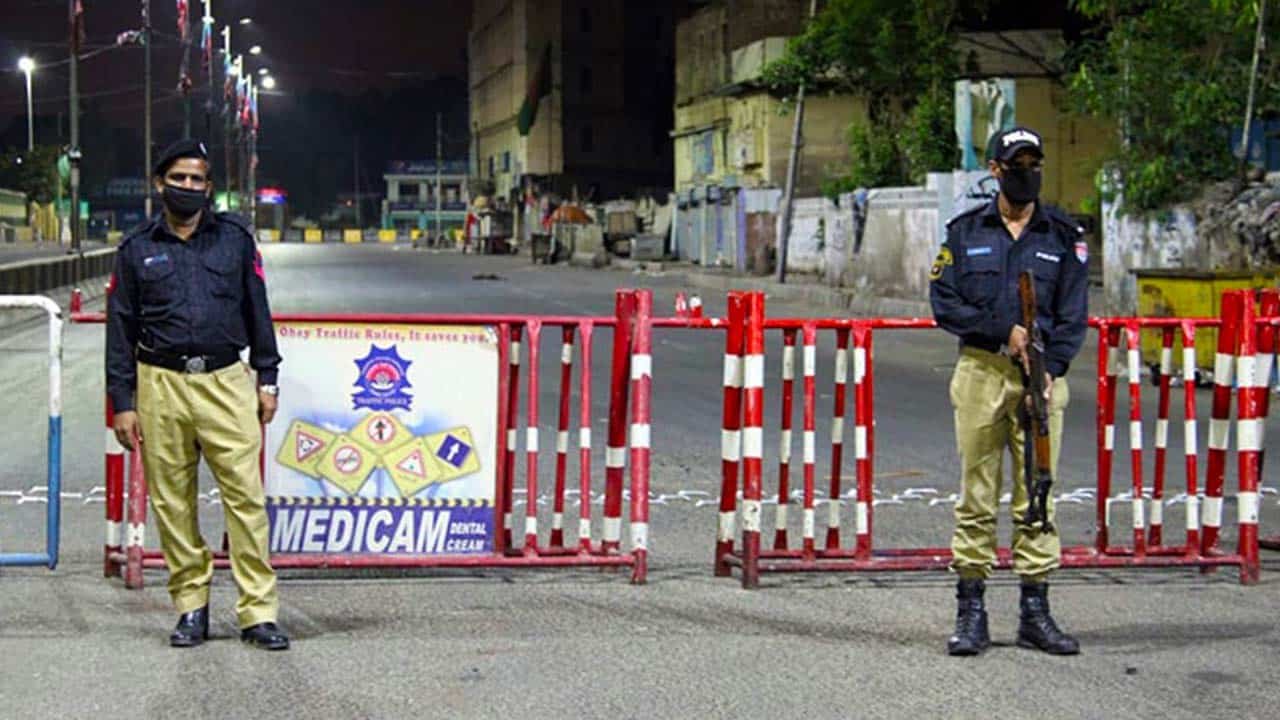
Yesterday, Eid-ul-Azha was celebrated in Pakistan. Leading up to the occasion, thousands of sacrificial animals were made available for sale at established cattle markets in Karachi, Lahore, and Islamabad. However, a significant hurdle emerged as there were very few customers due to the prevailing issue of record inflation, which has affected millions of Pakistanis.
Eid-ul-Azha, also known as the “Feast of Sacrifice,” is a revered observance that coincides with the final rites of the annual Hajj pilgrimage in Saudi Arabia. It is a joyous occasion where food plays a central role. Many Muslims mark the four-day festival by ritually slaughtering livestock and distributing the meat among family, friends, and the less fortunate.
Yet, Pakistan’s annual inflation rate, reaching a record high of 37.97 per cent in May for the second consecutive month, has had a significant impact. Many buyers at Islamabad’s main cattle market expressed their inability to afford the livestock needed for the ritual sacrifice. On the other hand, sellers lamented that they had to acquire animals at exorbitant prices this year, with the cost of rearing the cattle being three times higher than before.
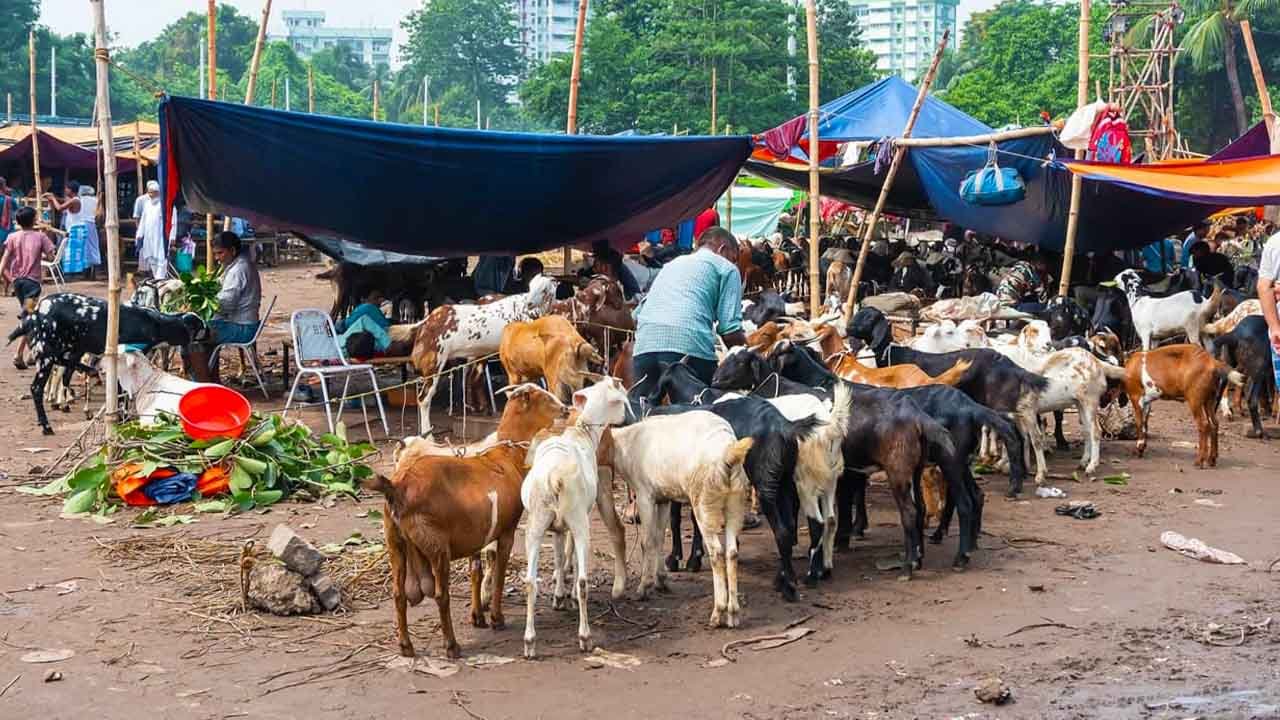
Last week at Islamabad’s cattle market, the thin crowd was evidence of the prevailing desperation caused by the high cost of living, which had significantly dampened the typically thriving holiday trade in goats, cows, and sheep. One seller shared that despite bringing 20 animals, they were only able to sell five.
Approximately 4,000 sacrificial animals had been brought from different parts of the country to the market ahead of Eid-ul-Azha. However, sellers reported a distinct lack of customers, and they expressed their concerns about the high prices of the animals, as their ability to earn income for their families depended on successful sales.
Buyers, on the other hand, voiced their discontentment with the sellers’ pricing, noting its unfairness. Their grievances were justified, considering the substantial price disparities observed this year.
For instance, a goat that would typically cost no more than Rs40,000 was being sold for Rs80,000, while a cow that should be priced around Rs300,000 had sellers asking for Rs700,000. These doubled rates compared to previous years reflect the challenging economic conditions in Pakistan.
Cattle owners emphasised that looking after the animals was neither an easy nor a cheap task. The cost of animal feed, along with the overall care and maintenance, required considerable financial resources and effort.
Sellers further elaborated on the costs associated with caring for the animals, emphasising the additional expenses incurred to ensure their well-being and appearance. They mentioned providing the animals with a diet consisting of wheat, milk, ghee, barley, nuts, and other natural ingredients to enhance their beauty, weight, and physique.
However, the increased costs resulted in fewer customers. People’s purchasing power was significantly impacted, leading to a decline in market visitors. Even those who did come preferred to leave empty-handed due to the inflated prices of the animals.
The prices for bulls ranged up to Rs600,000, while goats were priced between Rs50,000 and Rs150,000. The impact of inflation had a significant effect on people’s purchasing power, and as a result, there was a noticeable decrease in the number of sacrificial animals being bought compared to previous years. Many individuals who would typically purchase whole animals opted to go for “Hissa” meat instead.