Tag: caution

  • Govt issues warning to be cautious with Indian tech products 

    Govt issues warning to be cautious with Indian tech products 

    The government has warned information technology (IT) and financial institutions, including regulators, to avoid using artificial intelligence (AI) and information and communication technology (ICT) products from India. They say these products could pose a serious threat to Pakistan’s critical information systems. 

    According to Geo News, this warning came through a cybersecurity advisory shared with federal and provincial ministries and regulators. The advisory noted that AI and ICT products from India are used worldwide, especially in the financial industry, to help businesses grow. 

    However, it pointed out that some Pakistani fintech companies and banks are working with Indian firms that offer IT, cybersecurity, and AI solutions. The government is concerned for two main reasons: 

    Indian products could have hidden “backdoors” or malicious software that collects data, including personal information. 

    There might be direct access to Pakistan’s critical systems by Indian entities, allowing them to monitor and control these systems. 

    Read more:

    The government has asked all ministries and regulators to make sure their affiliated organisations and licensees understand the risks of using Indian products. Instead, they suggest consulting with the Pakistan Software House Association (P@SHA) to find affordable alternatives from local tech companies. 

    Two years ago, a US company called Exodus Intelligence claimed that India used its software vulnerabilities to spy on Pakistan and China. 

  • Godfather of AI resigns from Google, issues warning on dangers of AI development

    Godfather of AI resigns from Google, issues warning on dangers of AI development

    Geoffrey Hinton, known as “the Godfather of AI,” has spent most of his career promoting the benefits of artificial intelligence, but now he is concerned about its potential dangers. He recently spoke to the New York Times about his decision to leave Google, where he co-founded Google Brain, a research team developing AI systems, citing concerns about the difficulty of preventing bad actors from using the technology for malicious purposes. Hinton is not alone in his apprehension about AI’s future, as other AI pioneers have expressed similar concerns.

    One of Hinton’s primary concerns is the spread of misinformation enabled by AI, such as deepfakes and AI-generated fake news, which can confuse people and blur the lines between reality and fiction. He worries that people will no longer be able to distinguish what is true from what is not.

    Hinton is also concerned about the rapid pace of AI technology advancement, which has been fueled by competition among major tech companies like Google and Microsoft. He is worried that the technology will become more advanced than the human brain, something he once believed was decades away from happening.

    Now 75, Hinton is dedicating the rest of his life to ensuring that the technology he helped create won’t lead to the destruction of civilization. He acknowledges the possibility that others would have developed AI had he not done so, but he still feels a sense of responsibility to help mitigate the potential negative consequences of its use.

  • Air pollution reduces life expectancy by two years worldwide: Report

    Air pollution reduces life expectancy by two years worldwide: Report

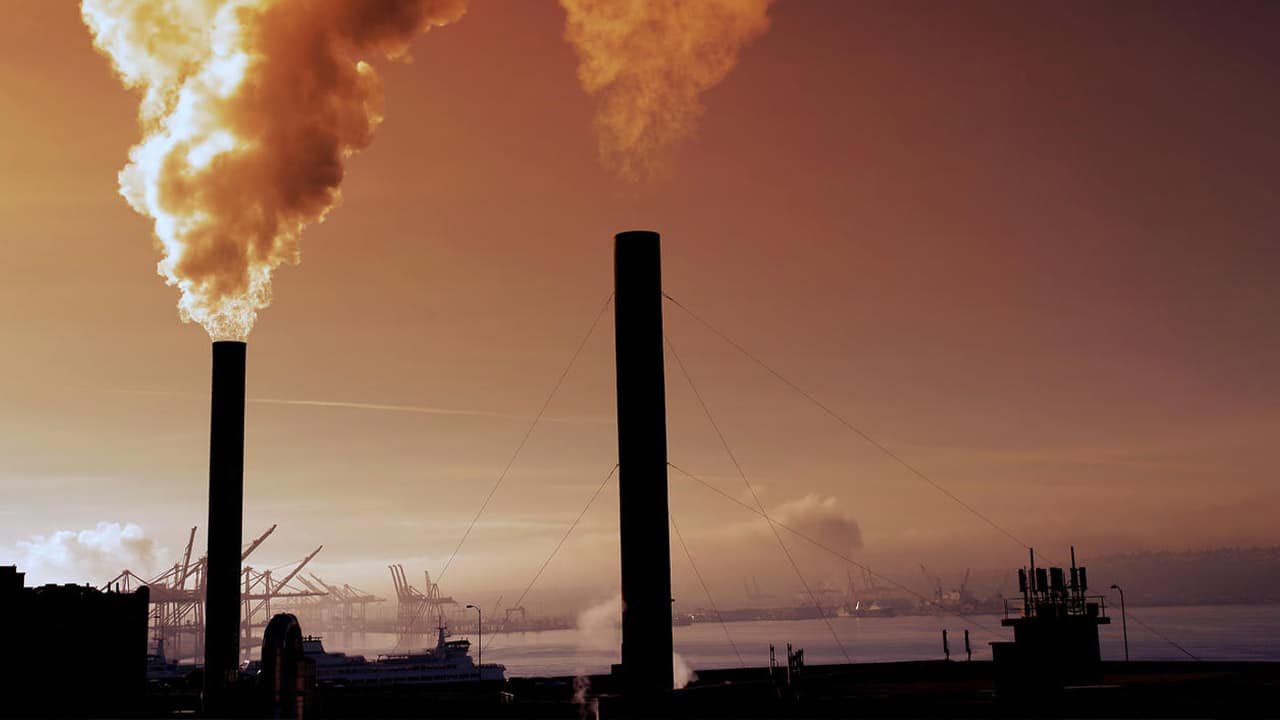
    A recent study revealed that microscopic air pollution, mostly generated by the combustion of fossil fuels, affects life expectancy by more than two years globally.

    According to a report by the University of Chicago’s Energy Policy Institute, if fine particulate matter levels across South Asia reached World Health Organization criteria, the typical individual would live five years longer.

    The severe lung and heart illness caused by so-called PM2.5 pollution reduce life expectancy by eight years in the Indian states of Uttar Pradesh and Bihar, home to 300 million people, and by a decade in the capital city of New Delhi.

    PM2.5 pollution penetrates deep into the lungs and reaches the circulation, with a diameter of 2.5 microns or smaller, nearly the same as a human hair. It was declared a cancer-causing substance by the United Nations in 2013.

    According to the WHO, the concentration of PM2.5 in the air should not exceed 15 micrograms per cubic metre in any 24-hour period, or 5 mcg/m3 on an annual basis.

    The WHO strengthened these guidelines last year, the first revision since air quality guidance was established in 2005, in response to accumulating evidence of harmful health effects.

    In the Air Quality Life Index report, lead researcher Crista Hasenkopf and colleagues stated, “Clean air pays back in additional years of life for individuals all over the world.” “Reducing global air pollution to WHO recommendations permanently would add 2.2 years to average life expectancy.”

    Almost every inhabited region on the planet exceeds WHO limits, but not more so than Asia: Bangladesh, India, Nepal, and Pakistan all exceed WHO guidelines by 15-fold, 10-fold, and nine-fold, respectively.

  • Heatwave intensifies, Disaster Management Authorities on high alert

    Heatwave intensifies, Disaster Management Authorities on high alert

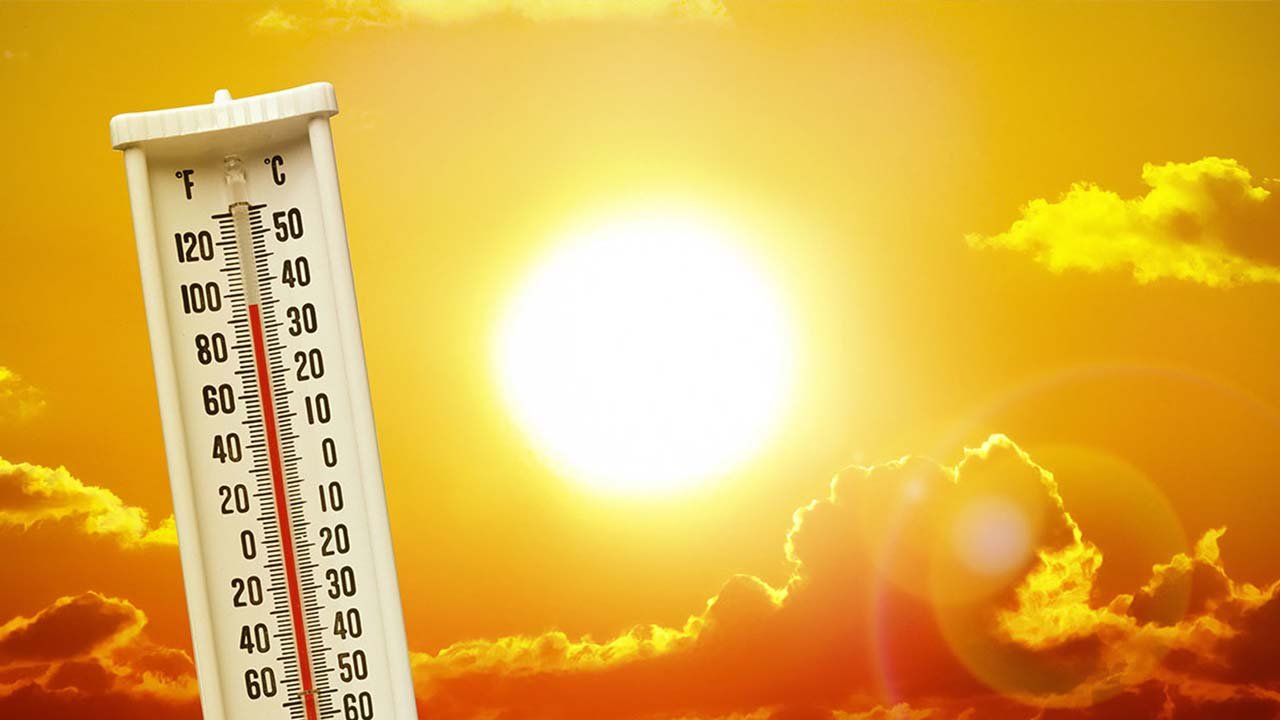
    Keeping in view the meteorological department’s prognosis of a heatwave for the coming week, the Punjab government issued an advisory on Friday, requesting that all relevant ministries in the province take steps to mitigate the effects of the heat.

    The provincial and district crisis management agencies have been activated across the province to avert health-related occurrences, according to Punjab Chief Secretary Kamran Ali Afzal, who issued an advisory to several ministries.

    Hospitals and the emergency service Rescue 1122 have also been placed on high alert, he said. For sensitive areas, temporary water-drinking sites and early reaction centers, according to the chief secretary, should be erected. He urged individuals to take all necessary precautions to protect themselves from the heatwave and to heed the health department’s advice.

    The Provincial Disaster Management Authority (PDMA) has already issued a warning for severe heatwave conditions in upper, central, and southern Punjab during the next week.

    Read more: Rescue 1122 service to officially launch in Karachi this month

    From May 15, a high-pressure system is expected to hold the upper atmosphere, according to the Met Office.

    Day temperatures are expected to rise to 7-9 degrees Celsius above normal owing to the high pressure in upper Punjab, and 6-8 degrees Celsius beyond average in the central and south Punjab, during the heatwave.

  • Met department predicts torrential rains starting next week

    Met department predicts torrential rains starting next week

    The Pakistan Meteorological Department (PMD) has predicted torrential rainfall starting next week, putting an end to the brutal heatwave in most parts of Pakistan.

    As per the latest PMD forecast, a new weather system will develop in the country from Sunday, attracting downpours from the May 16 to May18.

    Heavy rain and thunderstorms are expected in Islamabad, upper and central Punjab, Khyber Pakhtunkhwa, Gilgit Baltistan, and Azad Jammu Kashmir. Following the rain, the PMD predicts that temperatures in these areas will decrease radically.

    In addition, the PMD has directed that the relevant Disaster Management Authorities be on high alert in order to avert loss of life and property throughout the rainfall.

    In other news, the PMD has warned that a severe heatwave will approach Sindh. The extreme heat will extend through May 17th, with daytime temperatures in most regions exceeding usual.

    Read more: Heatwave Alert: All physical activities in Punjab schools suspended

    Daytime highs in upper Sindh will linger between 46°C and 48°C, in central Sindh districts between 43°C and 45°C, and in lower Sindh districts between 38°C and 40°C.