Tag: cbu

  • Kia increases car prices by up to Rs1.3 million ‘due to significant devaluation of Pakistani rupee’

    Kia increases car prices by up to Rs1.3 million ‘due to significant devaluation of Pakistani rupee’

    As the value of the Pakistani rupee (PKR) against the US dollar falls to an all-time low, Kia Lucky Motors Corporation (KLMC) has announced a significant hike in their car prices in Pakistan.

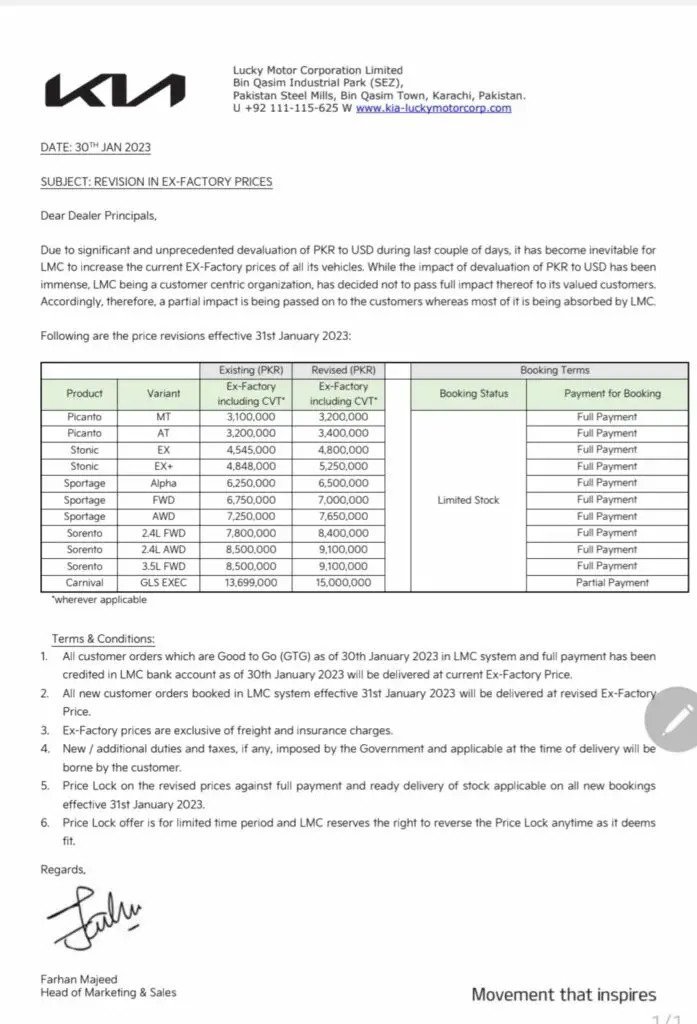
    Details indicate that, depending on the model, the manufacturer has increased the price of the Kia Picanto, Kia Sportage, Kia Stonic, Kia Sorento, and Kia Carnival in Pakistan by up to Rs1.3 million.

    “Due to the significant and unprecedented devaluation of PKR to USD during the last couple of days, it has become inevitable for LMC to increase the current ex-factory prices of all its vehicles,” the company announced in its notification to dealers.

    The new rates will go into effect on January 31, 2023.

    “While the impact of the devaluation of PKR to USD has been immense, LMC, being a customer-centric organization, has decided not to pass the full impact thereof to its valued customers,” it said, adding that only a partial impact is being passed on to the customer and the rest has been absorbed by LMC.

    It is important to note that on January 30, 2023, the interbank market closed with the Pakistan rupee at an all-time record low of Rs269.63 versus the US dollar.

    The price of the Kia Picanto in Pakistan has been increased by a massive Rs100,000 for both variants, bringing the new price of the M/T variant to Rs3,200,000 and the A/T variant to Rs3,400,000, compared to the old prices of Rs3,100,000 and Rs3,400,000, respectively.

    Here are the new prices for all Kia cars:

  • Honda Pakistan to launch the long-awaited HR-V tomorrow

    Honda Pakistan to launch the long-awaited HR-V tomorrow

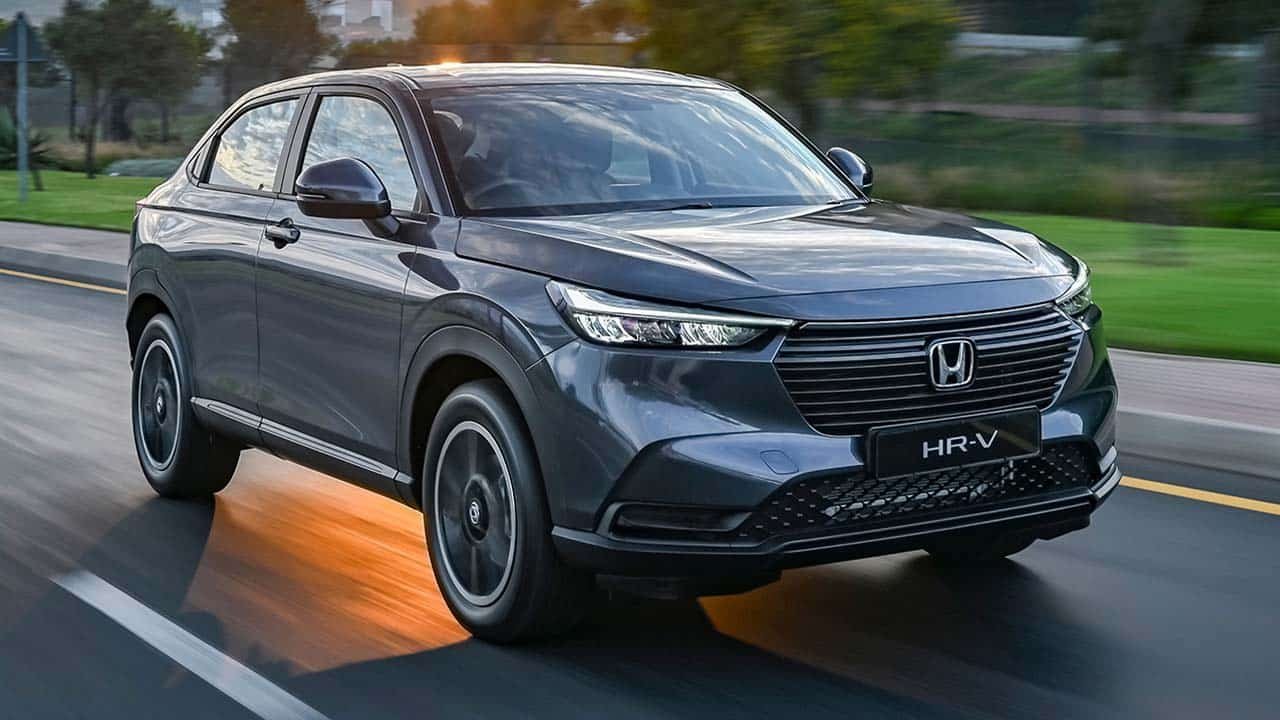
    The long-awaited all-new Honda HR-V will finally make its formal debut on Friday, according to Honda Atlas Cars Limited (HACL), which recently teased the crossover in a Facebook post and confirmed the unveiling.

    Honda Pakistan will offer two versions of the HR-V, the VTi and VTi S. The 1.5-liter 4-cylinder naturally aspirated (NA) petrol engine in the base model will produce 119 horsepower and 145 Nm of torque. A 1.5-liter turbocharged 4-cylinder petrol engine with 179 horsepower and 240 Nm of torque will power the second model.

    According to details, the Honda HR-V VTi is anticipated to cost between Rs6.3 and Rs6.5 million. The top variant would cost approximately Rs6.7 million.

    If this pricing is accurate, the Honda HR-V will be a fierce competitor for crossover SUVs that are already on the market. As Pakistani car buyers may favour a crossover over a pricey sedan, sales of Honda Civic and crossover SUVs from other automakers could also have a little impact.

    The sources have also stated that because bookings would begin immediately after the launch, the delivery of this car will begin in November 2022.

    Here are the features that the impending crossover may offer:

    • Traction control 
    • Hill start assist 
    • Stability control  
    • Dual tone side view mirrors + roof
    • Body coloured & black front grille
    • Automatic climate control 
    • Honda Sense
    • Four airbags

    For those who are unaware, the Honda HR-V is not a brand-new sight in Pakistan; local auto dealers have been offering hybrid versions of this vehicle, which are originally imported from Japan.

  • Govt lifts import ban on luxury goods with heavy duties

    Govt lifts import ban on luxury goods with heavy duties

    On the recommendation of the International Monetary Fund (IMF), the Federal Minister for Finance and Revenue, Miftah Ismail, announced lifting of the ban on the import of luxury and non-essential goods on Thursday. He added, however, that the Regulatory Duties (RDs) would be increased significantly to deter the import of such items.

    “It is requirement of the international community that there should be no ban so we are lifting ban on all products. But simultaneously the duties I am going to impose would not let these commodities to enter into Pakistan as finished goods,” according to Finance Minister.

    According to the minister, RDs would be increased three times, or to the highest degree conceivable, and may potentially increase by up to 400 to 600 per cent or more.

    Keeping in view his duty to offer basic and vital goods to the nation’s citizens, he said that the prime minister was against the importation of luxury goods, according to APP.

    To comply with the IMF, international agreements, and World Trade Organization, he claimed the restriction had been lifted. Although import taxes would be applied on expensive food, clothing, and other items, anyone still wishing to import is free to do so.

    He said that the available resources will be used to give the people of the country grain, wheat, cotton, and edible oil rather than iPhones or fancy cars. He claimed that Pakistan did not have a lot of money to spend on the import of opulent things.

    The finance minister stated in response to a question that the levies on completely built-up (CBU) automobiles, appliances, imported meat and salmon, as well as other luxuries, would increase. He explained that the government’s goal was to limit imports while adhering to the requirements of the International Monetary Fund (IMF) and other international accords, not to promote the import of such goods.

    On the other hand, since the Completely Knocked Down (CKD) kits are not considered luxury items, their import will resume without any caveats. However, its positive impact on the sales figures will be seen after a few months.

    According to the finance minister, Pakistan and the fund have been in lengthy negotiations. The IMF board is due to convene on August 29 and will decide whether to accept Pakistan’s programme because it has already complied with all requirements and performed all necessary preliminary steps.

    He said that friendly nations like Saudi Arabia, Qatar, and the United Arab Emirates helped arrange the $4 billion cash for strengthening the nation’s foreign exchange reserves. China also agreed to roll over $2 billion in loans, and Saudi Arabia agreed to roll over its own assets. According to him, the finance need has been satisfied.

    According to the minister, the requirement for the electricity tariff has also been met, thus there won’t be any non-funding subsidies.

    In addition, he said that the government was expected to get Rs42 billion from retail tax, but when the decision was reversed, the objective was cut to Rs27 billion, and the Rs15 billion shortfall will be filled by increasing the tax on tobacco and cigarettes.

    Moreover, taxes on tobacco and cigarettes will bring in Rs36 billion. Tier-2 cigarettes’ tax will rise from Rs1,850 to Rs2,050 per 1,000 cigarettes, while Tier-1 cigarettes’ tax would rise from Rs5,900 to Rs6,500 per 1,000 cigarettes. The green leaf Cess has also been raised from Rs10 per kg to Rs380.

    According to Bloomberg’s report, the Pakistani Rupee was the best performing currency in the world during August, and the Pakistan Stock Exchange continued to be the top performing stock market in the world, therefore the minister believed that the country’s economy was strengthening.

    The minister stated that the government was implementing a policy of self-reliance in order to stay within its means, reduce the fiscal deficit, and raise imports to a level equal to exports plus remittance in order to control the current account deficit.

  • ECC lifts import ban on goods except CBU vehicles, mobiles and appliances

    ECC lifts import ban on goods except CBU vehicles, mobiles and appliances

    The Cabinet’s Economic Coordination Committee (ECC) has decided to lift the import ban on all items other than completely built units (CBUs) of automobile, mobile, and home appliances and to permit the import of 200,000 metric tonnes of wheat.

    The increase in petroleum dealers’ margin from Rs4.90 per litre and Rs4.13 per litre, respectively, to Rs7 per litre was also approved at the meeting chaired by Finance Minister Miftah Ismail.

    The Pakistan Petroleum Dealers Association (PPDA), according to sources, has asked the government for an immediate revision of their margins due to inflation, increases in staff salaries and utility costs, etc.

    They have asked that the margins be revised to Rs6.90 per litre including 15 per cent profit (effectively Rs7.94 per litre). The PPDA then used the media to announce a nationwide strike that would begin on July 18, 2022, with the demand that their margins be increased to 6 per cent of the current selling price (effectively, Rs13.81 per litre for MS and Rs4.16 per litre for HSD).

    On the orders of the prime minister, Musadik Malik, the minister of state for petroleum, and Shahid Khaqan Abbasi, the former minister for petroleum, immediately began communication with the PPDA. On July 16 and 17, 2022, several rounds of negotiations took place in Karachi.

    During negotiations, the Secretary of Petroleum and the Chairman of OGRA both remained present. The PPDA changed its position during negotiations and requested that the margins be raised to Rs9.23 and Rs9.46/litre on MS and HSD, respectively, with immediate effect.

    The negotiating team acknowledged that a dealer with daily sales of less than 200,000 litres cannot operate the business profitably on current margins, and that such losses serve as a motivator for dishonest behaviour.

    After lengthy negotiations, the PPDA finally agreed to margins of Rs7 per litre for both MS and HSD. Based on this agreement and the promise that the revised margins will take effect in August 2022, the PPDA cancelled its call for a strike on July 18, 2022.

    The commitment made to the dealers in November 2021 is still less than this agreed-upon margin (4.4 per cent of sales price).

    The 4th international wheat tender for 2022, which was announced and opened on July 25, has prompted the Ministry of National Food Security and Research to ask for urgent advice. The Trading Corporation of Pakistan (TCP) issued its fourth tender on May 19, 2022, in order to secure 200,000 metric tonnes of imported wheat on a CFR basis, it was announced at the meeting.

    The ECC has approved the direct payment of $11.6 million as compensation/goodwill to the company M/s China Gezhouba Group International Engineering Co. Ltd (CGGC) through the Ministry of Foreign Affairs in response to a proposal from the Ministry of Water Resources for a compensation package for the Chinese casualties at the Dasu Hydro Power project.

    The ECC determined that the compensation/goodwill package’s amount, which is US$ 11.6 million, will remain the same as per the ECC’s earlier decision from January 21, 2022.

    it also approved the proposal to switch both the Fatima Fertilizer (Sheikhupura Plant) and Agritech plants to domestic gas on a summary moved by the Ministry of Industries and Production.

    According to the ministry, RLNG is provided to both SNGPL-based plants on a cost-sharing basis, and the gas rate for running these plants is calculated using a variable contribution margin (VCM).

    Both plants have asked the Ministry to revise the VCM and cap the GST at the price paid by the plants due to rising fuel prices and other factors. The proposal to switch both plants to domestic gas was approved by the ECC following discussion in accordance with the Federal Cabinet’s and ECC’s earlier decision.

    The Ministry of Petroleum, Ministry of Finance, Ministry of Food Security, and Ministry of Industries & Production were further instructed by the ECC to determine the gas price/VCM for the fertilisers The ECC also decided that sales tax could be applied to the actual gas cost that the company is paying.

    The Ministry of Commerce also provided a summary stating that the Cabinet approved the ban on the import of approximately 33 classes/categories of goods in order to reduce the current account deficit (CAD), which was on the rise.

    The decision caused an overall decrease in imports of the prohibited goods of over 69 per cent, or from $399.4 million to $123.9 million. Due to serious concerns expressed by significant trading partners regarding the imposition of the ban and taking into account the fact that the ban has had an impact on supply chains and the domestic retail industry, a review meeting was also held to review the ban after two months.

    The government’s ongoing efforts have resulted in a significant decrease in imports, so the ECC decided to lift the ban on imported goods other than auto, mobile, and home appliance CBUs.

    Additionally, all held-up shipments (aside from those that still fall under the banned category) that arrived at the ports after July 1, 2022, may be cleared with the payment of a 25 per cent surcharge.

  • Pakistani mobile manufacturing businesses are laying off workers due to economic challenges

    Pakistani mobile manufacturing businesses are laying off workers due to economic challenges

    There has been significant upheaval in the economy as a result of the new tax structure, rising inflation, and the power shortage.

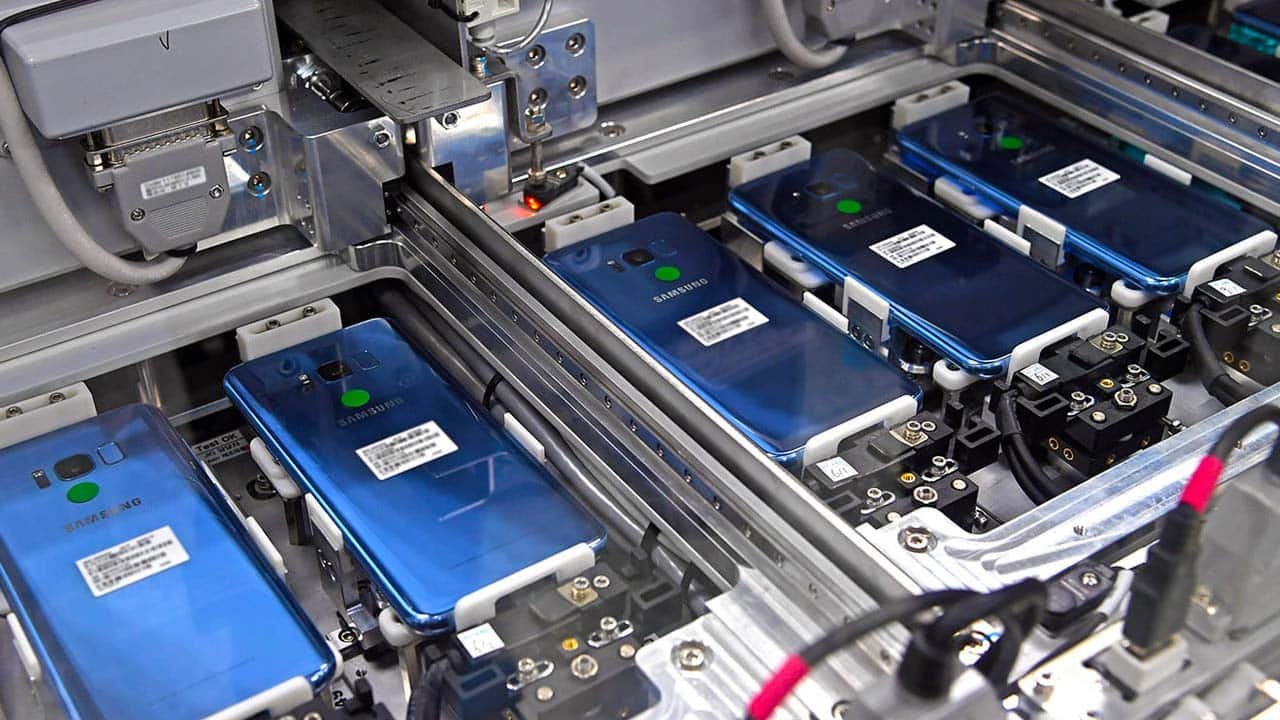
    The Samsung mobile factory, which is owned by Lucky Motors, experienced a similar situation when it had to lay off a number of employees because Pakistan was short on raw materials.

    In addition to Samsung, there have also been reports of firing close to 1,000 workers at the Vivo mobile factory.

    Lucky Motor Corporation was permitted by PTA to manufacture Samsung mobile devices in August 2021, which sounded like a great news in terms of job creation and GDP contribution, among other things.

    In various economic sectors, each economic measure can have numerous impacts. As per economic theory, a nation’s high rate of inflation discourages investment since it makes it less certain that those investments will be lucrative. Humongous unemployment is being caused by this, along with an import ban and a recently implemented “super tax” in Pakistan.

    Additionally, businesses like Careem and Airlift recently stopped operating in some sectors and let go of a number of employees.

    In the year 2020, Careem fired 31 per cent of its workforce due to a pandemic. A number of the staff members at SVWL, Airlift, and Careem Food were let go in 2022. limited their operations or nearly shut down.

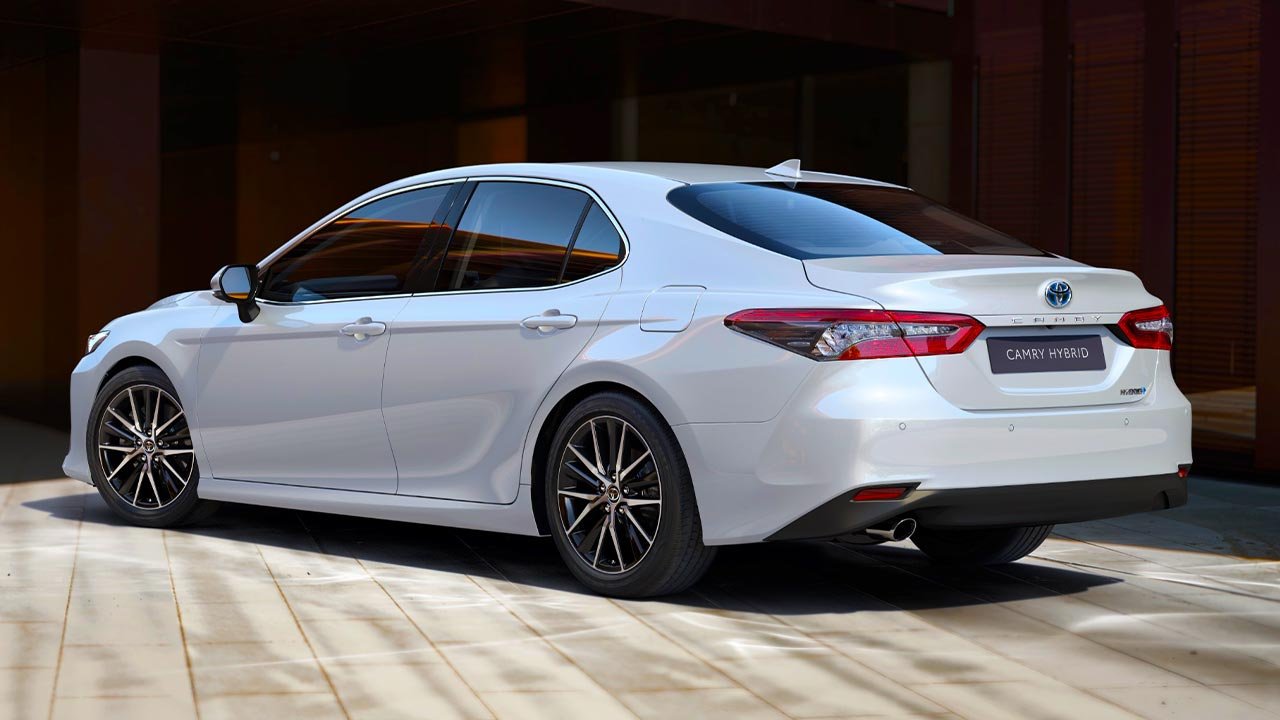
  • Toyota Camry after a hike of Rs2 million, priced at Rs23.3 million

    Toyota Camry after a hike of Rs2 million, priced at Rs23.3 million

    Toyota Indus Motor Company (IMC) has announced a massive price hike for all completely built-up (CBU) units offered by the Japanese automaker in Pakistan. The price of Toyota Camry is upped by Rs2 million and will now cost Rs23.3 million

    The only variant of the popular hybrid model, Toyota Prius received a hike of Rs1.26 million and will be sold for Rs14.65 million. Toyota’s crossover SUV, Corolla Cross (top trim) is now priced at Rs13.4 million after a hefty increase of Rs1.17 million in its earlier price.

    Finally, the automatic version of Toyota Rush will now be offered at Rs8.33 million following an increase of Rs710,000.

    Read more: Hyundai Sonata 2.5 will now cost Rs7.85 million

    Toyota IMC’s CBU models, in particular, have become nearly unobtainable following the recent price jump. The government’s main purpose in the auto sector, however, is to discourage CBU imports and increase sales of locally produced vehicles. This means that all other CBUs are on the verge of suffering the same fate as Toyota.

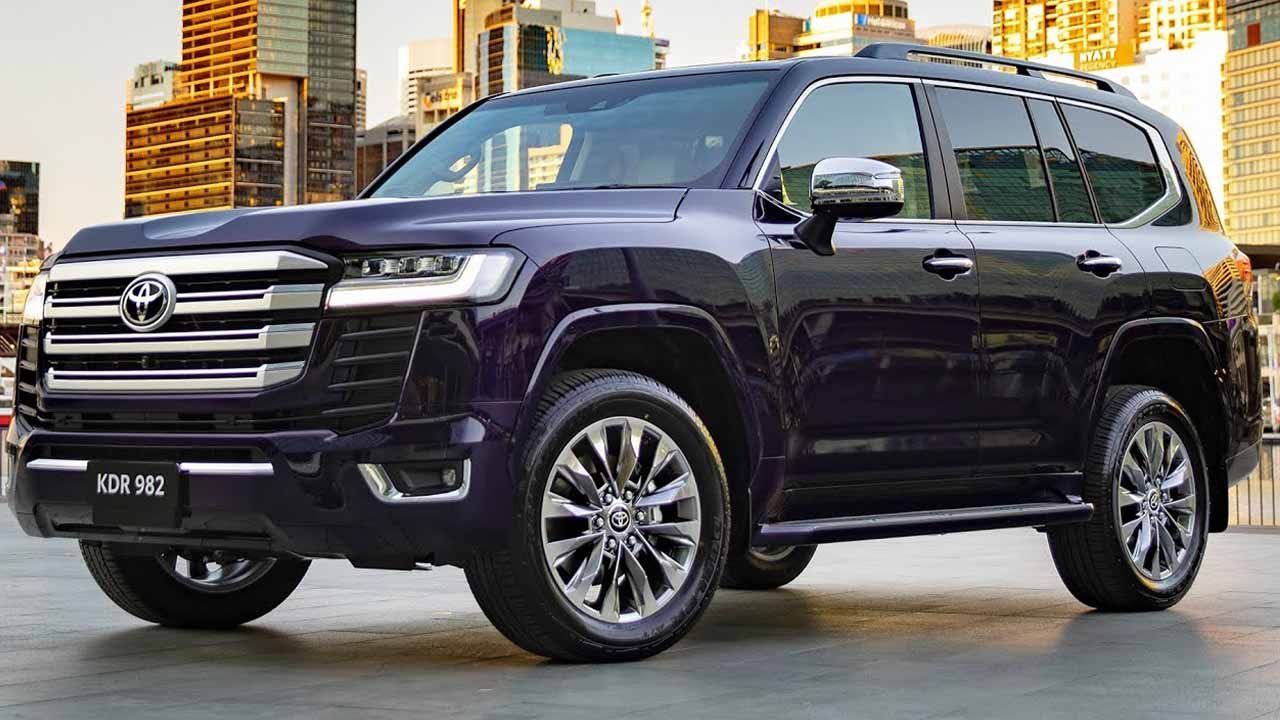
  • Toyota Land Cruiser is now priced at Rs8 crore after a hefty price hike

    Toyota Land Cruiser is now priced at Rs8 crore after a hefty price hike

    The new Land Cruiser was unveiled in Pakistan by Toyota Indus Motor Company (IMC) at a staggering price of Rs72.50 million. The SUV is a one-of-a-kind vehicle in Pakistan, with pricing comparable to some of the most expensive German SUVs.

    Due to the depreciating Pakistani rupee, overall inflation and rising transportation costs, the Land Cruiser, like other locally built vehicles in Pakistan, has undergone a price hike of Rs7.5 million. The luxury SUV from Toyota is now available for Rs79,999,000.

    The Japanese automaker offers only one version of LC300 in Pakistan. It has a 3.5-liter twin-turbocharged V6 petrol engine with 409 horsepower (hp) and 650 Newton-meters (Nm) of torque that is sent to all four wheels via a 10-speed automatic transmission.

    Read more: Pakistani rupee reaches a new all-time low of Rs190 against the US dollar

    Considering its outrageous cost, the Land Cruiser 300 is clearly out of reach for the vast majority of Pakistanis. It is, however, a wonderful addition for aristocrats who have a garage with six to ten cars.

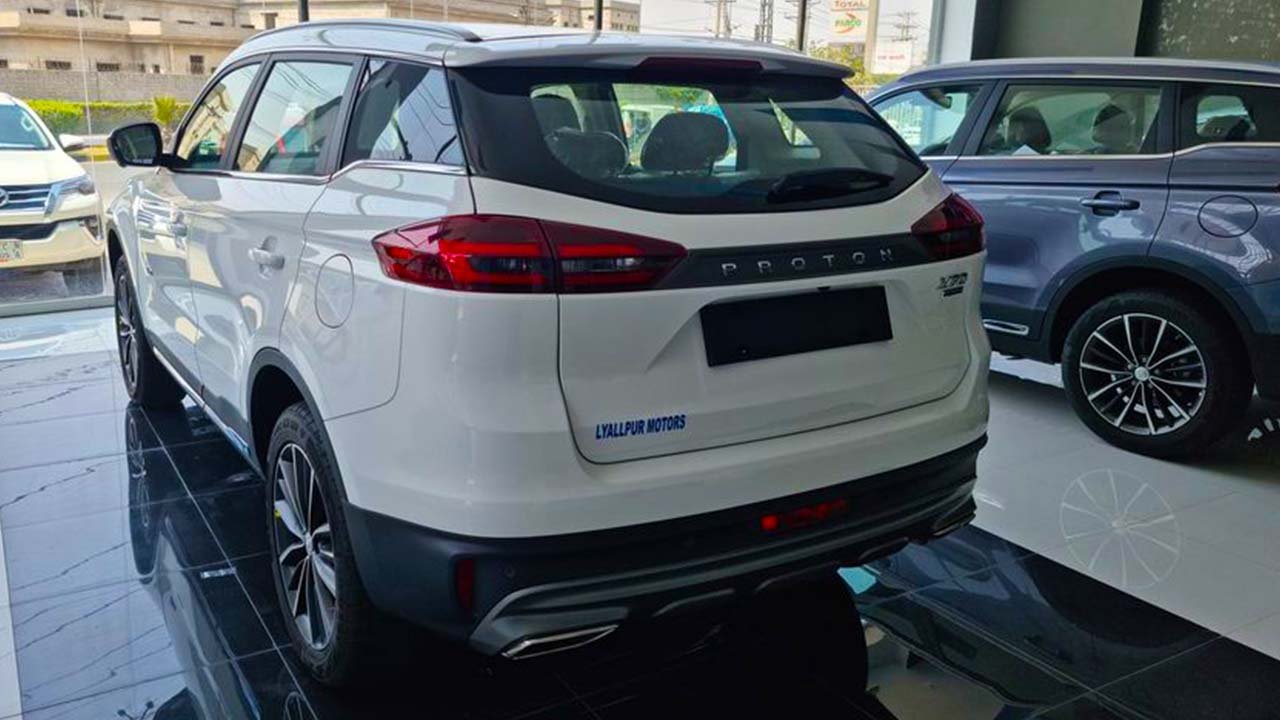
  • Proton X70, the low-cost SUV that never arrives after booking

    Proton X70, the low-cost SUV that never arrives after booking

    The Malaysian SUV Proton X70 was introduced in Pakistan in December 2020. Still, there are very few vehicles observed running on Pakistani roads, implying that the low-cost SUV may have failed in the country’s auto market.

    The SUV reached Pakistan at a difficult period when there were several import restrictions due to COVID-19 lockdowns, which hampered deliveries of the new Malaysian entrant in Pakistan’s burgeoning auto sector.

    Proton imported the X70 units in Pakistan when deliveries resumed as Malaysian facilities reopened. In fact, the company revealed at the beginning of this year that it had begun assembling the SUV in its local plant. The automaker even stated that it is restarting production at full capacity, which relieved some of its customers; nonetheless, buyers disclosed that they were not receiving the SUV on time.

    Unfortunately, a number of consumers who valued the business and ordered the vehicle are still waiting, including those who booked the latter about a year ago, and some have even cancelled their orders and gone for alternative options in the market that offer a quicker delivery.

    Read more: Here’s a look at the 2023 BMW 7 Series

    Being a new brand, the business could have taken a more strategic approach, as the Pakistani automobile market is dominated by Toyota, Honda, and Suzuki, brands that Pakistanis have tried and tested for years.

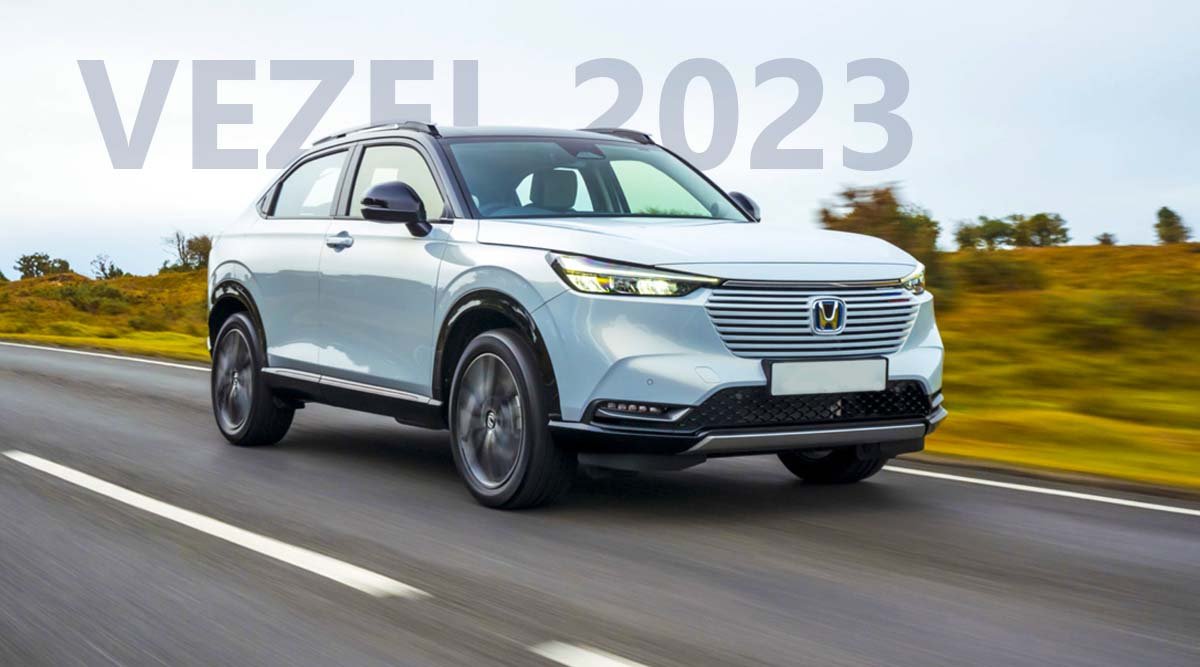
  • Here’s a look at the upcoming  Honda Vezel 2023

    Here’s a look at the upcoming Honda Vezel 2023

    Honda’s mini-SUV, the HR-V is finally approaching its second generation. The upcoming model will have some significant upgrades from styling to engine performance.

    It will be bulkier, futuristic, and more powerful than the previous model, with better looks than the smaller, hybrid-only European variant introduced in 2021.

    VEZEL and HR-V confusion

    For those who may not know, the original name for ‘Honda Vezel’ is ‘Honda HR-V’. This hybrid vehicle has become quite famous in Pakistan for its good looks and impressive fuel consumption despite being an expensive completely built-up (CBU) unit. It is mostly witnessed with a ‘Vezel’ badging instead of ‘HR-V’ here.

    The Japanese automaker said that the new subcompact SUV will be based on the same platform as the international Honda Civic variants. It has a longer wheelbase than before, and the rear suspension is now independent.

    Engine and Performance

    One important thing Honda revealed about the powertrain is that it will be a more responsive engine as compared to the prior one, which might be the Civic’s 180-hp turbocharged 1.5-liter inline-four, replacing the existing HR-V’s 141-horsepower 1.8-liter inline-four.

    The HR-V’s engine for the base model could be the naturally aspirated 158-hp 2.0-liter inline-four from the Civic’s lower trim levels. Front-wheel drive will almost certainly be standard, with all-wheel drive as an option, and a CVT automatic transmission will almost certainly be the only transmission option. A hybrid HR-V is also expected to enter the lineup, though it may arrive later than the fuel-only model.

    Read more: Car sales up by 53.7 per cent in 2022, despite repeated price hikes

    Honda has not officially revealed any photographs or details of the HR-V’s interior, however, it will be exciting to see how the new platform will affect its packaging. As the fuel tank was positioned behind the front seats, the previous HR-V, like the Fit, had a surprisingly low cargo floor.

    The LX, Sport, EX, and EX-L variants from the current model are anticipated to continue over. Honda also published a video showcasing the new HR-V in a variety of colours, including red, silver, black, and white. Unfortunately, there is no official statement released by the company regarding its price and availability in other regions.