Tag: censorship

  • Pakistan’s new social media rules

    Pakistan’s new social media rules

    Pakistan’s new social media rules have ‘alarmed’ the Asia Internet Coalition (AIC), an industry association that promotes the understanding and resolution of Internet policy issues in the Asia Pacific region. It comprises leading internet and technology companies such as Amazon, Airbnb, Apple, Facebook, Google, LinkedIn, Twitter, and Yahoo, among others.

    AIC issued a statement on Thursday about the Removal and Blocking of Unlawful Online Content (Procedure, Oversight and Safeguards) Rules 2020. As per the AIC statement, “The Rules would make it extremely difficult for AIC Members to make their services available to Pakistani users and businesses. If Pakistan wants to be an attractive destination for technology investment and realise its goal of digital transformation, we urge the Government to work with industry on practical, clear rules that protect the benefits of the internet and keep people safe from harm.”

    Digital rights activists in Pakistan have also condemned the move.

    In a world that is now all about technology, Pakistan should be embracing the digital spaces instead of alienating tech giants. Not only will it be a huge blow to everyone in Pakistan who uses the internet but it also means that leading tech companies will not consider investing in Pakistan.

    During the corona pandemic, we saw how tech companies were successful and also made life easier for people during lockdown. It is thus baffling to see a government that always talks about Digital Pakistan and has actually used social media and digital media to its advantage now come up with rules that are draconian and not practical.

    Such shortsighted moves could lead to consequences that we can ill afford. With a struggling economy, we should ideally be more open and welcoming to tech companies. Instead, these companies are now expressing alarm at the new rules.

    If we just look at countries around us, including China and India, they have taken full advantage of the digital world. The US economy is helped immensely by technology companies. Pakistan’s new rules make it almost impossible for international tech companies to even consider opening their offices in the country.

    In the past, the ban on Facebook and YouTube pushed Pakistan back digitally by several years according to digital rights experts. The new rules, if not improved, could have far-reaching consequences. While these companies have not given an inkling of their next move, what if they stop providing these services in Pakistan? We need to factor in that there can be such a possibility and how it will affect hundreds of thousands of users.

    Why is it that we want to ban games or apps or even bring in new rules that take away fundamental freedoms when we are a democratic country and not an autocratic state. It is hoped that the government would rethink this strategy and make Pakistan a more open and tech-savvy country that is on par with the digital world.
  • Tech companies will quit Pakistan if new social media rules enforced

    The Asia Internet Coalition (AIC) — an internet group that represents leading global Internet companies — has rejected the new social media rules announced by the Pakistan government, saying the tech giants would be forced to leave the country in case of such restrictions.

    The statement came a day after the government imposed new curbs on social media that bound the technology companies to provide the designated investigation agency with any information or data in decrypted, readable and comprehensible format.

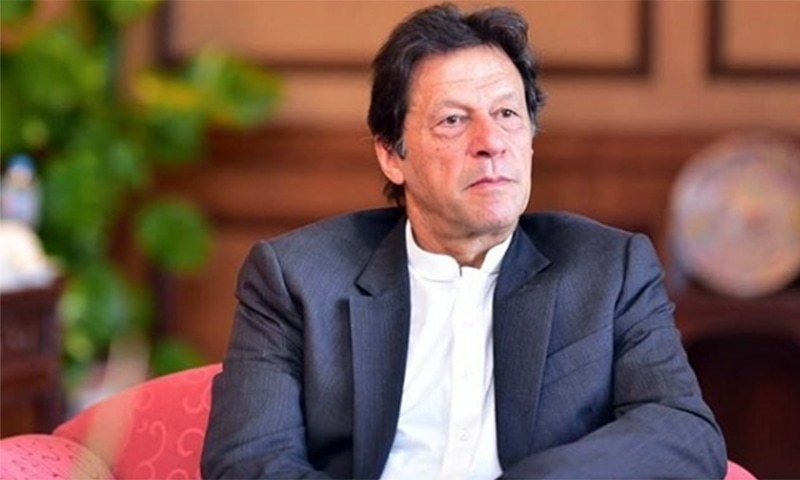
    These new rules, “Removal and Blocking of Unlawful Online Content (Procedure, Oversight and Safeguards) Rules 2020,” have been framed under the Prevention of Electronic Crimes Act 2016 (PECA). They were approved initially by Prime Minister Imran Khan’s cabinet in February.

    They give the PTA “removal and blocking” powers of digital content that “harms, intimidates or excites disaffection” towards the government or poses a threat to the “integrity, security and defence of Pakistan”.

    A service provider or social media company could face a fine up to Rs500 million ($3.14 million) for non-compliance, which would in turn trigger a mechanism preventing the uploading and live streaming, particularly related to “terrorism, hate speech, pornography, incitement to violence and detrimental to national security”.

    A platform has to act within 24 hours or, in case of an emergency, six hours to remove content. The rules also empower the telecom authority to block an entire online system.

    PTA spokesman Khurram Mehran told Reuters the rules were meant for better coordination with foreign-based social media companies, which usually “don’t respond to legal requirements”.

    The new rules shocked rights activists who complained that there had been no consultation. “The expansion of these powers is just horrendous,” Nighat Dad, a digital rights activist, told Reuters.

    “The consultation never occurred,” said Jeff Paine, managing director of AIC, urging the government to “work with industry on practical, clear rules”.

    The AIC said in a statement: “The draconian data localisation requirements will damage the ability of people to access free and open internet and shut Pakistan’s digital economy off from the rest of the world.

    “It’s chilling to see the PTA’s powers expanded, allowing them to force social media companies to violate established human rights norms on privacy and freedom of expression.”

    Furthermore, the tech companies warned that the rules would make it extremely difficult for the AIC members to make their services available to Pakistani users and businesses, a report published in Dawn said.

  • Journalist, who released footage of Capt (r) Safdar’s arrest, goes missing

    A reporter who released the footage of Pakistan Muslim League-Nawaz (PML-N) leader Capt (r) Safdar’s arrest from his hotel room has been missing since last night.

    Ali Imran Syed, a journalist based in Karachi, left his home between 7pm and 8pm after telling his family he would be back home in half an hour. He has not returned home since, said Geo News.

    According to the wife of the reporter, his car was parked outside the house and he had left his mobile phone at home.

    According to the report, the Geo News administration has approached the Karachi police over the disappearance of the journalist. The family had also submitted a report to Sachal police station, it added. However, Dawn quoted a police official saying that a case has yet to be registered.

    Meanwhile, Sindh government spokesperson Murtaza Wahab said Chief Minister Murad Ali Shah has taken notice of the incident.

    Reacting to the disappearance of the reporter, the human rights organisations have called upon the government to ensure the release of the journalist.

    Amnesty International stated that Imran was “feared to have been subjected to an enforced disappearance for his reporting”. “The authorities must establish his whereabouts immediately,” the human rights group said.

    The Human Rights Commission Pakistan also demanded “immediate release” the Geo News reporter.

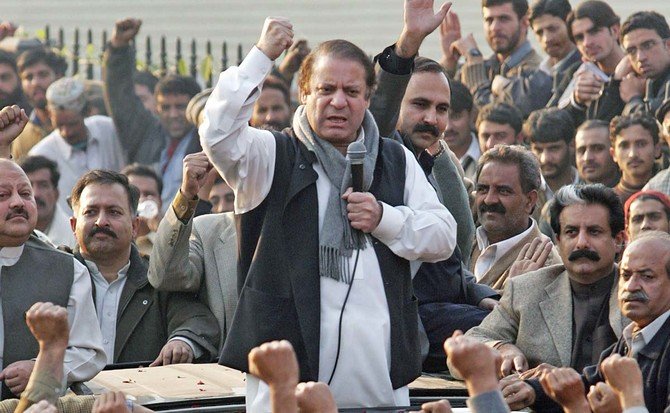
    PML-N Vice President Maryam Nawaz also condemned the reporter’s disappearance. “I have heard that he has been picked up for allegedly sharing CCTV footage of [retired Captain Safdar’s arrest]. This is unfortunate,” she said while speaking to reporters in Lahore.

    Safdar was arrested from his hotel room in the early hours of Monday from his hotel room for raising slogans at the mausoleum of Muhammad Ali Jinnah, the founder of Pakistan, and jumping over the grill surrounding the grave.

    The Sindh government led by the Pakistan People’s Party (PPP) had distanced itself from the matter soon after the arrest.

  • PTI’s new social media laws: Are you in some sort of danger?

    PTI’s new social media laws: Are you in some sort of danger?

    The Pakistan Tehreek-e-Insaf (PTI) government in centre has approved a new set of rules to regulate social media, requiring companies such as Facebook, Twitter, YouTube and even TikTok, to register themselves and open offices in Pakistan to provide the government data of accounts found guilty of targeting state institutions, spreading fake news and hate speech, engaging in harassment, issuing statements that harm national security or uploading blasphemous content, Geo reported.

    But similar to claims of proponents of internet freedom, who fear that the legal document would be used to keep social media companies in check and curb dissent over the internet, is your freedom over the web really at risk?

    According to reports, the rules and regulations have been included in the Prevention of Electronic Crimes Act, 2016, and senior officials in the Ministry of Information Technology have confirmed that the cabinet has already given green light to the legal document.

    Further, IT & Telecommunication Federal Secretary Shoaib Siddiqui confirmed that after the cabinet’s approval, the rules and regulations need not be presented in the parliament for approval.

    According to the law, all global social media platforms and companies would have to register in Pakistan within three months and open offices in Islamabad within the same time period. The law requires digital media companies to appoint a representative in Pakistan to deal with a national coordination authority, which would be responsible to regulate content on social media platforms.

    It further requires the companies to set up data servers in Pakistan within a year and makes it compulsory for them to provide data of accounts found guilty of various crimes — including targeting state institutions, spreading fake news and hate speech, engaging in harassment, issuing statements that harm national security or uploading blasphemous content — to intelligence and law enforcement agencies (LEAs).

    It, however, is safe to say that only time would tell if the government can actually convince any digital media outlets to actually operate under these new regulations.

    Follow this link to give the new set of rules a read.

  • ‘Zindagi Tamasha’s fate hangs in limbo

    ‘Zindagi Tamasha’s fate hangs in limbo

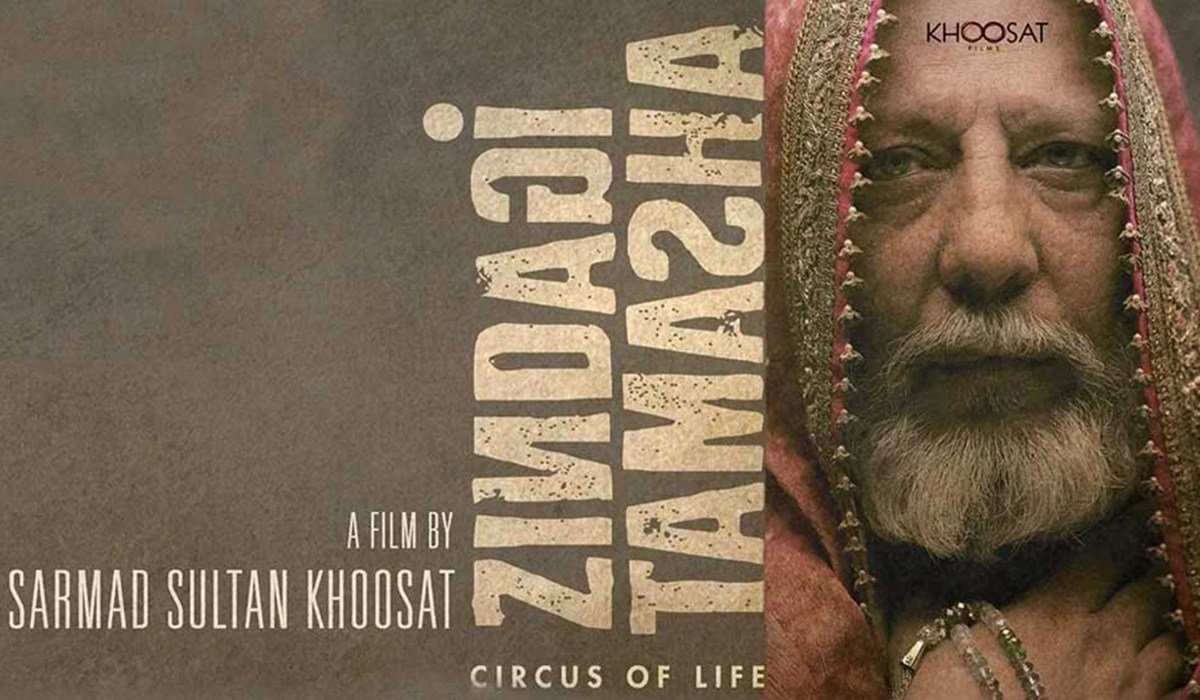
    In an emotionally-charged country like Pakistan, where religion is a sensitive topic, it was no surprise that Sarmad Khoosat’s Zindagi Tamasha ruffled many feathers and sparked controversy. Despite the director’s assurance that the film does not hurt any religious sentiments, people jumped to conclusions based on a two-minute teaser trailer. Nonetheless, fearing public unrest, the federal and provincial governments decided to stop the film from being released, just days before it was scheduled to.

    While the Federal Government has said that the film will be reviewed by the Council of Islamic Ideology (CII), the Punjab Government directed the filmmaker to hold a screening on February 3 so that the film can be reviewed again. It is pertinent to mention here that the provincial and central censor boards had earlier cleared the film for release with a few cuts.

    The ban on the film sparked public outrage and members of the civil society and the film fraternity stepped forward to support the film and filmmaker. They also requested the government to extend more support to filmmakers and called for a more open creative space.

    After all the hue and cry, the hype and criticism around the film has died as its fate hangs in limbo.

    When The Current reached out to the Central Board Of Film Censors Islamabad for an update regarding the film, a source shared that it is “in limbo”. When probed further they asserted that work on the film’s clearance is still underway.

    Read more – Council of Islamic Ideology to ‘critically review’ ‘Zindagi Tamasha’

    Meanwhile, local media had reported that the CII is awaiting the green signal from the censor board so they can go ahead with reviewing the film for any objectionable content.

    As per reports, a three-member committee has been set up to review the film. The censor board has also been informed of this but no response was received from their end. The CII’s media coordinator Rana Zahid shared that the film can only be reviewed after they receive an invitation from the censor board.

    While the three-member committee does not include members of the council, it includes officers from the council’s research wing.

    According to the CII official, “All the members are competent and hold qualifications in Islam and social sciences. They were selected for this task after going through an interview process. We have shown them the CBFC letter and advised them on how to review the film, keeping religious sentiments in mind.”

    The committee will review the film and then submit a report to council Chairman Dr Qibla Ayaz. The report will further be analysed 20 members of the CII after which a decision will be taken. The council members including the chairman will also watch the film after the report has been submitted.

    The CII has informed the censor board of all the preparations they have made but are yet to hear back from the body.

    Read more – Damning bans

    Meanwhile, no progress has been made on the review directed by the Punjab Government. They had directed Khoosat to arrange a review of the film on February 3.

    Khoosat has also made no public comment after the film was barred from release.

    Read more – Sarmad Khoosat appeals to PM, President to facilitate his film’s release

    Petition against Zindagi Tamasha screening withdrawn

    A petition filed against the screening of Zindagi Tamasha was withdrawn on Thursday (Jan 30).

    As per reports, the petition was filed on Monday (Jan 27) by a man named Chaudhry Qadeer Ahmed who alleged that that the film was against the spirit of the Constitution, hurt religious sentiments and violated PEMRA’s rules.

    The petition was heard in the Islamabad High Court (IHC) by Justice Aamer Farooq who questioned the petitioner if he had seen the film anywhere or if it had been released yet.

    In response to the judge’s question, the petitioner’s lawyer said that he has not seen the film.

    “How can you comment on something that no one has seen,” questioned the judge.

    Ahmed’s lawyer explained that the film’s trailer had been released online and it “disrespected” naat khawans.

    The court asked the petitioner’s lawyer when the film was scheduled to screen. The lawyer informed the court that the film had not been released yet as the Punjab government had made a decision against it.

    Ahmed’s lawyer then requested the court to take back the petition which the court accepted.

    Khoosat’s father had also filed a petition against the Tehreek-e-Labbaik Pakistan (TLP) for trying to interfere with the release of the film. However, after the film’s release was delayed, he withdrew the petition for reasons unknown.

  • Damning bans

    Damning bans

    “Creativity takes courage” – Henri Matisse

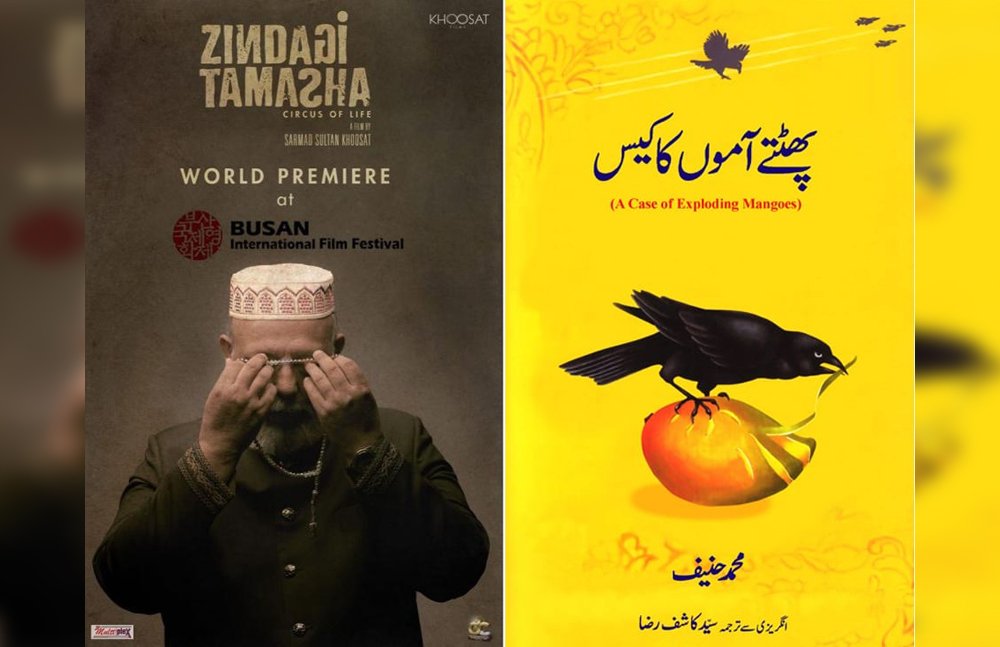
    Matisse wasn’t wrong. When filmmaker Sarmad Khoosat released the first trailer of his upcoming movie, ‘Zindagi Tamasha’, it created quite a buzz. The movie was supposed to release today (January 24) across Pakistan. It has already won the Kim Ji Seok Award at Busan International Film Festival. Film critics and the public at large were waiting for its release as Sarmad is known to be quite creative and the movie looked promising enough. Just like other governments, this government too promised the revival of Pakistani cinema. Sarmad Khoosat’s ‘Zindagi Tamasha’ seemed like a step in the right direction.

    But what happened when religious hardliner Tehreeke Labbaik Pakistan (TLP) threatened to hold protests against the movie just because the protagonist was a bearded man who is shunned by society after a video of him dancing at a wedding goes viral? The Pakistani state caved in to pressure, again.

    A film that was passed by three censor boards cannot be released now because the state fears the religious pressure group. The federal government has decided to block its release and has asked the Council of Islamic Ideology (CII) to critically review it. The Punjab government will review it on February 3 and a TLP representative will be in the review committee. The Sindh Censor Board halted its release citing the reason that it “may create unrest within religious quarters and may deteriorate and be detrimental to the peaceful circumstances in the country”.

    There is nothing outrageous or anti-Islam in the movie. Busting the myths about the movie, Mohammed Hanif writes for Samaa, “The only taboo the film breaks is showing a man with a beard doing house chores. It humanises a religious man.”

    Sarmad wrote two beautiful and heartfelt open letters – one was addressed to the president, prime minister, chief justice, army chief and information minister, while the other was for Pakistan and Pakistanis. He ended his first letter with these poignant words, “The space for rational and artistic thinking and expression must not be annexed by a few troublemakers for their political ends, but I fear this is what will happen if we buckle under this time.”

    We are barring the release of a movie that promises to be creative and critical while being sensitive and responsible at the same time. Why do we then complain about misogyny on our television screens if we will not allow films like ‘Zindagi Tamasha’ to be screened in our cinemas? Films that make us think, films that break stereotypes, films that make us question the dark side of our society; films that celebrate the beauty of our nation.

    There already are curbs on freedom of expression in Pakistan these days. Copies of the Urdu translation of Hanif’s ‘A Case of Exploding Mangoes’ were confiscated after threats to the publisher. The Punjab Assembly has recommended banning three books on Islam as they critically evaluate historical events. When a country starts banning books and movies, it means its descent into the dark ages is almost complete. Once we complete this downward journey, there’s no coming back.

    It’s better to stop right now and celebrate critical thinking instead of banning art and creativity.