Tag: Centers for Disease Control and Prevention

  • How to reuse N95, KN95, and other disposable Masks- A complete guideline

    How to reuse N95, KN95, and other disposable Masks- A complete guideline

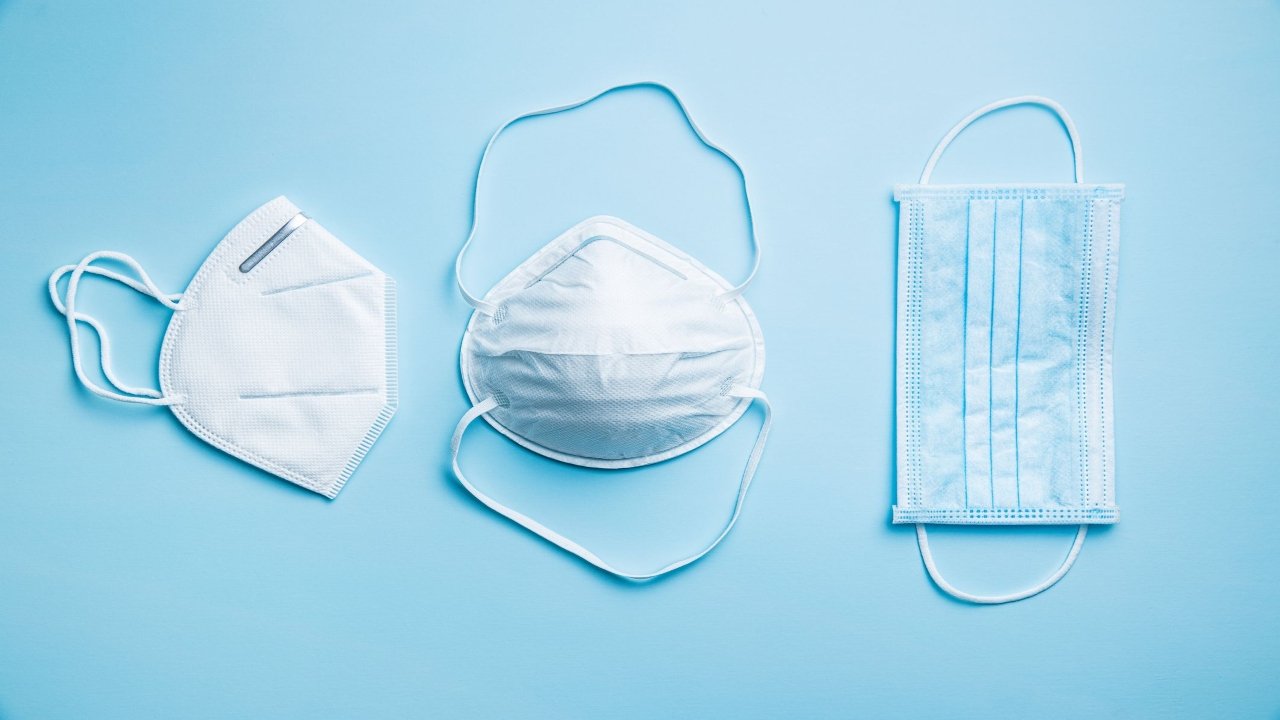
    It is very troublesome for people to change their masks after a single-use. We will explain how you can reuse the recommended masks — N95, KN95, and disposable masks to prevent coronavirus.

    How can you reuse masks?

    For healthcare workers, it is recommended that they can reuse N95 masks while keeping them in brown paper bags after each use.

    How safe is it to reuse masks during increased cases of the Omicron variant of Covid?

    Yes, it’s totally safe to reuse masks if you handle them with care. You are required to touch the elastic of the mask only while covering your face and afterwards you can wash your hands.

    How to use your mask if it gets wet?

    Mask is wearable again if it gets wet due to condensation of your breathing but make sure to keep the masks in the paper bag in a dry spot, ideally by a sunny window, to decontaminate. It can help enhance the viral-deactivation process.

    However, if your mask is drenched during rain, you need to throw it away immediately because moisture degrades the mask little by little.

    Don’t try to wash your masks

    If you are thinking of washing or disinfecting your masks, you cannot use absolutely any kind of bleach or alcohol for washing. You can use the paper bag method for sanitising as it is less expensive and easy to use. It has fewer chances of damaging the mask effectively.

    What is the right time to throw away your mask?

    The United States (US) organisation, Centers for Disease Control and Prevention (CDC) suggests throwing your N95 mask after five times’ use for health workers. However, for other people, you can reuse the mask until the elastic strings become loose to fit and if the fabric looks clean and provides good airflow. You can only throw the disposable masks immediately where you are present in a highly ineffective area or you met with a Covid-positive person.

    It is important to know that dust, air pollutants, pollen, make-up, skin oils, inactivated virus accumulate and block the filters.

  • ‘Fully vaccinated people can skip COVID-19 quarantines’

    ‘Fully vaccinated people can skip COVID-19 quarantines’

    People who have been fully vaccinated with two doses of either the Pfizer/BioNTech or Moderna vaccine against COVID-19 can skip quarantine if they are exposed to someone infected with the virus, the US Centers for Disease Control and Prevention (CDC) said Wednesday.

    However, the disease control body clarified that this doesn’t mean they should stop taking precautions, it’s just not necessary for them to go into isolation.

    “Fully vaccinated persons who meet criteria will no longer be required to quarantine following an exposure to someone with COVID-19,” the CDC said in an update.

    “Vaccinated persons with an exposure to someone with suspected or confirmed COVID-19 are not required to quarantine if they meet all of the following criteria,” the CDC added.

    The criteria for the vaccination is to have both shots with at least two weeks gap. That’s because it takes two weeks to build full immunity after the second dose of vaccine.

    But the CDC says it’s not known how long protection lasts, so people who had their last shot three months ago or more should still quarantine if they are exposed. They also should quarantine if they show symptoms, the CDC said.

    “This recommendation to waive quarantine for people with vaccine-derived immunity aligns with quarantine recommendations for those with natural immunity, which eases implementation,” the CDC said. The agency will update guidance if there is any further development.

    People who have been vaccinated should still watch for symptoms for 14 days after they have been exposed to someone who is infected, the CDC added.

    The body further said that everyone, vaccinated or not, needs to follow all other precautions to prevent the spread of the virus because it’s possible that even vaccinated people could harbour the virus in their noses and throats, and pass it to others.

    “At this time, vaccinated persons should continue to follow current guidance to protect themselves and others, including wearing a mask, staying at least 6 feet away from others, avoiding crowds, avoiding poorly ventilated spaces, covering coughs and sneezes, washing hands often, following CDC travel guidance, and following any applicable workplace or school guidance, including guidance related to personal protective equipment use or SARS-CoV-2 testing,” the agency said.

    Vaccines prevent symptomatic illness but they have not yet been shown to prevent asymptomatic illness, the CDC noted. While people with no symptoms can spread coronavirus, the CDC said, “symptomatic and pre-symptomatic transmission is thought to have a greater role in transmission than purely asymptomatic transmission.”

    Plus, the benefits of not unnecessarily forcing people into lockdown for two weeks may outweigh the risks of transmission in these cases, the CDC said.