Tag: Central Bank

  • SBP’s forex reserves decrease by $239 million in a week due to debt repayments

    SBP’s forex reserves decrease by $239 million in a week due to debt repayments

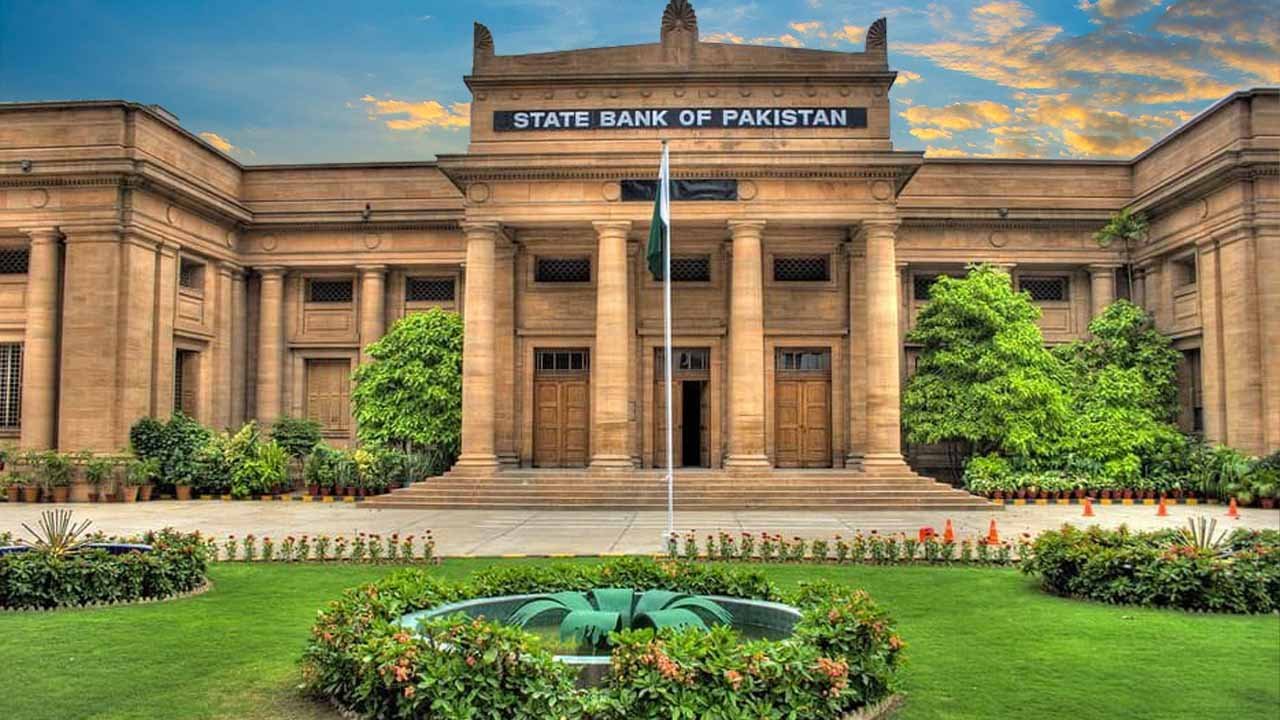
    Foreign exchange reserves held by the State Bank of Pakistan (SBP) fell by $239 million, reaching $8.896 billion as of June 21, according to data released by the central bank on Thursday.

    The total liquid foreign reserves held by Pakistan stood at $14.207 billion, with net foreign reserves held by commercial banks at $5.311 billion. The central bank attributed the decline to external debt repayments.

    “During the week ended on June 21, 2024, SBP reserves decreased by $239 million to $8.896 billion due to external debt repayments,” the SBP stated.

    This comes after a $31 million increase in the central bank’s reserves the previous week. In May, the SBP’s reserves had surged by $1.114 billion, surpassing $9 billion for the first time in nearly two years.

    This increase was primarily due to the disbursement of the last $1.1 billion tranche from the International Monetary Fund (IMF) under its $3 billion Stand-By Arrangement.

    The fluctuating reserves highlight the ongoing financial challenges faced by Pakistan, particularly in managing its external debt obligations and maintaining a stable economic outlook.

  • Govt’s debt rises to Rs5.53 trillion with recent Rs35.4 billion borrowing

    Govt’s debt rises to Rs5.53 trillion with recent Rs35.4 billion borrowing

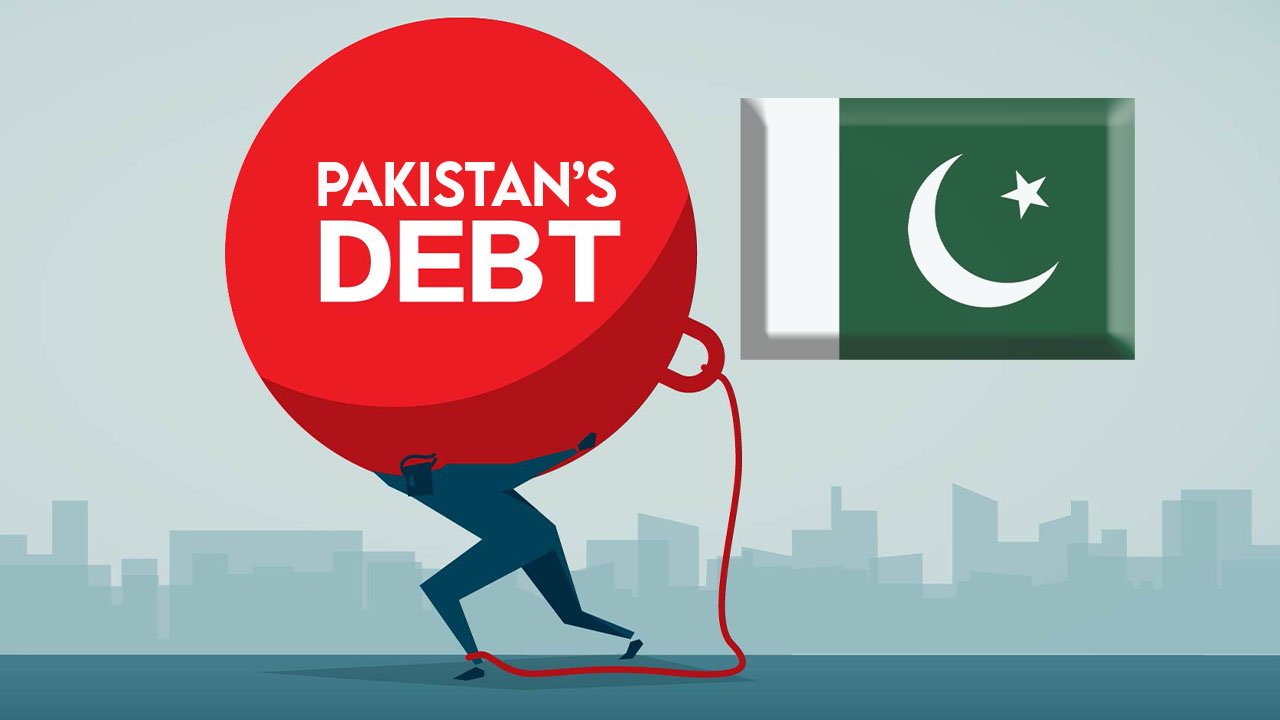
    The government of Pakistan has secured an additional debt of Rs35.4 billion during the week ending on May 24, 2024, bringing the total net borrowing for the ongoing fiscal year 2024 to Rs5.53 trillion, according to the latest estimates from the central bank.

    Government borrowings this fiscal year have consistently outpaced those of previous years, indicating a persistent reliance on external financing. The borrowing is classified into three primary categories: budgetary support, commodity operations, and other purposes.

    For the week in question, net borrowing for budgetary support amounted to Rs24.52 billion, while loans for commodity operations totaled Rs13.07 billion. Conversely, a net amount of Rs2.19 billion was repaid under the “others” category.

    Cumulatively, for fiscal year 2024, borrowings for budgetary support have reached Rs5.68 trillion. In contrast, there has been a retirement of Rs149.47 billion in loans for commodity operations and Rs5.48 billion for other categories.

    The principal sources of financing for budgetary support are the State Bank of Pakistan and scheduled banks. This fiscal year, the government has repaid a net total of Rs1.07 trillion to the central bank. This repayment includes Rs598.84 billion by the Federal Government, Rs423.28 billion by the Provincial Government, Rs38.19 billion by the AJK Government, and Rs5.16 billion by the GB Government.

    On the other hand, scheduled banks have lent a net total of Rs6.75 trillion. The Federal Government borrowed Rs6.9 trillion from these banks, while the Provincial Government retired Rs151.49 billion.

    This pattern of borrowing underscores the government’s heavy dependence on domestic financial institutions to meet its budgetary needs amidst ongoing economic challenges.

  • SBP sees surge of over $17 million in forex reserves

    SBP sees surge of over $17 million in forex reserves

    The latest data released by the State Bank of Pakistan (SBP) revealed a notable rise in the country’s foreign exchange reserves. During the week ending March 8, 2024, SBP’s reserves increased by $17.2 million, marking a 0.22 per cent growth, reaching a total of $7.91 billion.

    Additionally, Pakistan’s overall reserves experienced a surge, ascending by $131.3 million, or 1.01 per cent, week-on-week (WoW), to a sum of $13.15 billion. This increase was further complemented by a rise in reserves held by commercial banks, which climbed by $114.1 million, or 2.23 per cent, to reach $5.24 billion.

    In a significant development, the second review of the stand-by arrangement (SBA) with the International Monetary Fund (IMF) is slated to take place from March 14 to 18, 2024. This review holds particular importance as it marks the final assessment under the SBA. Upon reaching a staff-level agreement, the final tranche of $1.1 billion will be disbursed, subject to approval by the Executive Board of the IMF.

    It is noteworthy that in the current fiscal year, Pakistan has witnessed a substantial increase in its total liquid foreign reserves, amounting to $3.99 billion, or 43.57 per cent. Similarly, the ongoing calendar year has seen a rise of $0.48 billion, or 3.77 per cent.

  • SBP’s foreign exchange reserves rise by $13 million

    SBP’s foreign exchange reserves rise by $13 million

    In a positive development for Pakistan’s economic landscape, the State Bank of Pakistan (SBP) reported a weekly increase of $13 million in its foreign exchange reserves, reaching a total of $8.05 billion as of February 9, according to data released on Thursday.

    The country’s overall liquid foreign reserves now stand at $13.15 billion, with commercial banks holding a significant share of $5.1 billion in net foreign reserves.

    The central bank, however, did not provide specific details or reasons for the notable upswing in reserves during the mentioned week.

    In a statement, the SBP stated, “During the week ended on February 9, 2024, the SBP’s reserves increased by US$ 13 million to US$ 8,056.5 million.”

    This positive development comes on the heels of last week’s decrease in Pakistan’s central bank reserves, which experienced a dip of $173 million.

    The recent rebound signals resilience and stability in the nation’s economic standing, and financial analysts are likely to scrutinise the factors contributing to this uptick in the coming days.

    As the global economic landscape continues to evolve, Pakistan’s foreign exchange reserves play a crucial role in navigating economic challenges, and the recent increase reflects ongoing efforts to bolster the country’s fiscal strength.

    Experts anticipate that a robust foreign reserve position will provide a buffer against external shocks and instill confidence in the financial markets.

  • Pakistan’s forex reserves dip by $173 million, SBP cites debt repayments

    Pakistan’s forex reserves dip by $173 million, SBP cites debt repayments

    The State Bank of Pakistan (SBP) has reported a decrease of $173 million in its foreign exchange reserves on a weekly basis, revealing a total of $8.04 billion as of February 2, according to data released on Thursday.

    The country’s overall liquid foreign reserves are reported to stand at $13.09 billion, with commercial banks holding net foreign reserves amounting to $5.05 billion.

    The SBP has identified debt repayments as the primary factor contributing to the decline in reserves. In an official statement, the SBP stated, “During the week ending on 2-Feb-2024, SBP’s reserves decreased by US$ 173 million to US$ 8,044.0 million due to debt repayments.”

    This follows a trend from the previous week when Pakistan’s central bank reserves experienced a decrease of $54 million. The ongoing challenges related to debt servicing continue to impact the nation’s foreign exchange reserves.

  • SBP seeks design ideas from students, designers for new banknotes

    SBP seeks design ideas from students, designers for new banknotes

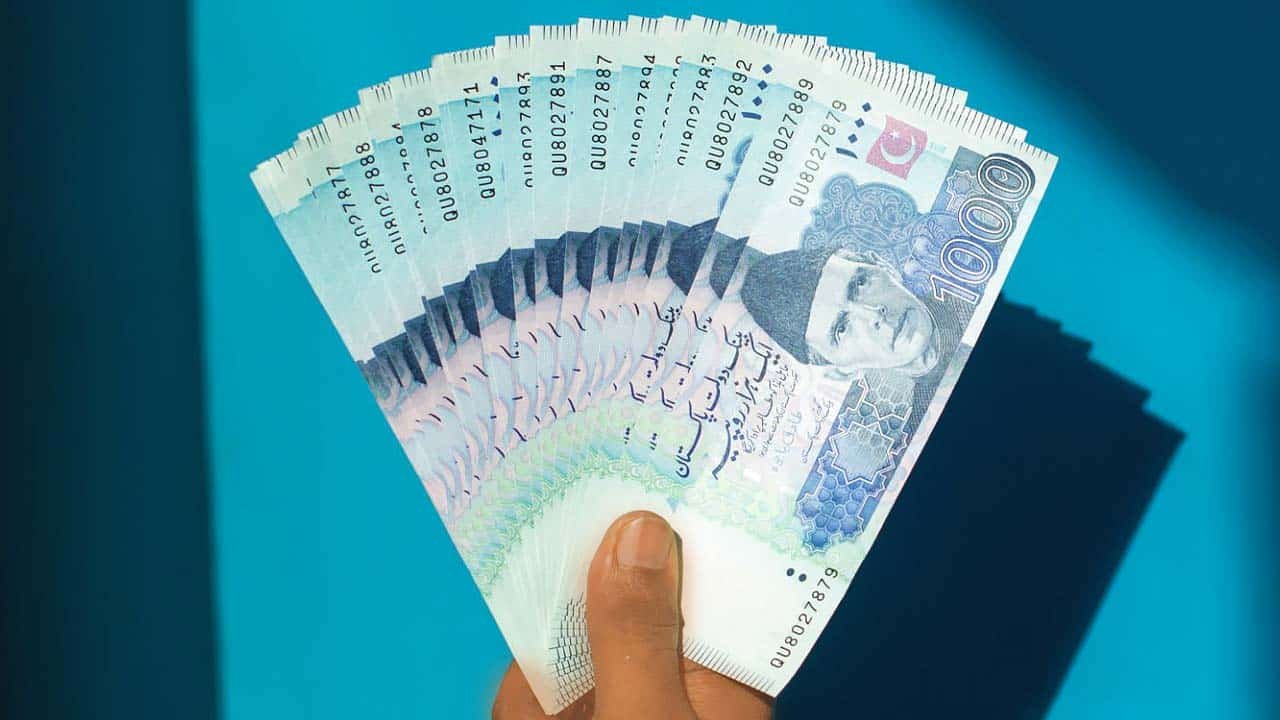
    In a significant move to enhance security features and align with technological advancements, the State Bank of Pakistan (SBP) has kicked off the process of designing and issuing a new series of banknotes covering all existing denominations.

    The SBP, in an official statement released on Tuesday, emphasised the complexity of the issuance process, which involves multiple meticulous steps and stages that demand careful planning and coordination among various stakeholders. Despite the general timeline of 2-3 years for launching a new banknote series, the SBP aims to expedite the process and complete it within the next two years.

    As an initial step towards the design process, the SBP has organised an art competition for the new banknote series. This competition is expected to yield diverse and creative ideas and themes that will form the basis for the subsequent phases of development.

    The finalised concepts will be shared with renowned professional banknote designers, who will be selected through a competitive process to transform these ideas into the final printable designs for each denomination.

    The final designs will then undergo scrutiny by the federal government for approval, ensuring that they meet the necessary standards and security features. The SBP assured the public that the existing banknote series would continue to remain in circulation even after the introduction of the new series.

    Any decision regarding the withdrawal of the existing banknotes will be executed gradually and in a phased manner, contingent upon the successful issuance and sufficient circulation of the new banknotes.

    The central bank highlighted that the periodic introduction of new banknote series, occurring approximately every 15–20 years, is a common practice among central banks. This practice aims to bolster the integrity of banknotes and integrate the latest technological developments in design and security features, ensuring a secure and reliable currency system for the nation.

  • Pakistan’s debt burden increases by Rs86.28 billion within seven days

    Pakistan’s debt burden increases by Rs86.28 billion within seven days

    In the week ending January 12, the government of Pakistan increased its debt burden by Rs86.28 billion, bringing the total net borrowing for the ongoing fiscal year 2024 to Rs2.57 trillion, as per the latest estimates from the State Bank of Pakistan (SBP).

    The government’s borrowings fall into three main categories: budgetary support, commodity operations, and others.

    The breakdown of the weekly net borrowing reveals that Rs87.7 billion was allocated for budgetary support, while Rs1.37 billion went towards retiring commodity operations.

    Additionally, Rs48.4 million was used for other purposes during the week.

    Cumulatively, this brings the borrowing figures for the fiscal year 2024 to Rs2.77 trillion for budgetary support, Rs193.72 billion for retiring commodity operations, and Rs1.1 billion for other purposes.

    The primary sources of financing for budgetary support are the State Bank of Pakistan and the Scheduled Banks. In the ongoing fiscal year, the government has repaid a net sum of Rs1.05 trillion to the central bank.

    The Federal Government accounted for Rs954.56 billion of this repayment, while the Provincial Government, AJK Government, and GB Government contributed Rs77.73 billion, Rs11.17 billion, and Rs2.05 billion, respectively.

    On the other hand, scheduled banks have extended a net total of Rs3.81 trillion in loans. The Federal Government borrowed Rs3.9 trillion, while the Provincial Government repaid Rs90.41 billion during this period.

  • SBP-held forex reserves surge to $7.76 billion in December

    SBP-held forex reserves surge to $7.76 billion in December

    In the week concluding on December 22, 2023, Pakistan witnessed a substantial increase in its total liquid foreign reserves, reaching a noteworthy $12,855.7 million.

    This surge was reported by the State Bank of Pakistan (SBP), which highlighted that the central bank’s reserves saw a remarkable uptick to $7,757.1 million during the same period.

    The SBP revealed that the surge in reserves, amounting to $852 million, was primarily attributed to official inflows from the Government of Pakistan received during the week under review.

    Simultaneously, commercial banks in the country reported net foreign reserves amounting to $5,098.6 million, further contributing to the overall resilience of Pakistan’s financial position.

    This positive development follows the previous week’s figures, ending on December 15, 2023, where the total liquid foreign reserves were recorded at $12,068.4 million.

    During this period, the central bank held reserves worth $6,904.8 million, with commercial banks reporting net foreign reserves of $5,163.6 million.

    In contrast to the positive financial indicators, Pakistan’s auto industry faced significant challenges in 2023, marked by a sharp decline in car sales of up to 55 per cent. Factories involved in manufacturing car parts also experienced a substantial production cut of 70 per cent.

    The persistent challenges in the auto sector were attributed to the exchange rate crisis, causing a decline in income until the previous year.

    The repercussions of reduced car sales were not limited to impacting the national Treasury; they also resulted in a noticeable decrease in revenue from products.

    An essential factor in this context is the adjustment made by automobile companies following a decrease in the value of the US dollar against the Pakistani rupee.

    In the closing months of 2023, these companies responded by slashing the prices of their units, reflecting the dynamic interplay between economic forces and market conditions.

  • Pakistan’s forex reserves rebound: SBP gains $77 million in a week 

    Pakistan’s forex reserves rebound: SBP gains $77 million in a week 

    According to data released on Thursday, the State Bank of Pakistan (SBP) witnessed a weekly increase of $77 million in its foreign exchange reserves, reaching $7.26 billion as of November 24.  

    The total liquid foreign reserves for the country amounted to $12.39 billion, with commercial banks holding net foreign reserves at $5.13 billion. 

    During the week ending on November 24, 2023, SBP’s reserves increased by $77 million, reaching $7,257.0 million. Contrastingly, the previous week saw a decrease of $217 million in Pakistan’s central bank reserves. 

    In July of this year, the central bank’s reserves received a boost as Pakistan obtained the initial tranche of approximately $1.2 billion from the International Monetary Fund (IMF) following the approval of a new $3-billion Stand-By Arrangement (SBA).  

    This boost was complemented by inflows from Saudi Arabia and the UAE. 

    However, the SBP reserves faced pressure due to debt repayments, a surge in import payments after the easing of restrictions, and a lack of fresh inflows. 

    In a significant development, the IMF announced last week that its staff and Pakistani authorities had reached an agreement on the first review of the SBA.  

    The staff-level agreement is pending approval by the IMF Executive Board. 

    The IMF team reached a staff-level agreement (SLA) with the Pakistani authorities on the first review of their stabilization program supported by the IMF’s $3 billion (SDR2,250 million) SBA.  

    Upon approval, approximately $700 million (SDR 528 million) will become available, bringing total disbursements under the program to almost $1.9 billion. 

    Following the SLA with the IMF, Caretaker Finance Minister Dr Shamshad Akhtar expressed confidence that external financing would not be an issue, anticipating inflows in December 2023 to contribute to an increase in foreign exchange reserves. 

  • State Bank of Pakistan set to announce policy rate decision today

    State Bank of Pakistan set to announce policy rate decision today

    The State Bank of Pakistan (SBP) will soon unveil its latest monetary policy for the upcoming two months.

    In an official statement, the central bank declared that the Monetary Policy Committee (MPC) of SBP will convene on Monday, October 30, 2023, to determine the monetary policy. SBP will then issue the Monetary Policy Statement via a press release on the same day.

    Currently, the State Bank’s policy rate stands at 22 per cent. Since October 2021, the central bank has increased its policy rate by a cumulative 1,500 basis points in an effort to combat rising inflation and bolster the external balance. This rate has remained unchanged since July 2023.

    The forthcoming policy rate announcement is poised to exert a substantial influence on Pakistan’s industries and inflation rate.

    In the most recent meeting held in July, the State Bank of Pakistan (SBP) resolved to maintain the interest rate at 22 per cent.

    The Monetary Policy Committee of the central bank meticulously assessed economic data and the prevailing inflation situation before opting to retain the interest rate. It’s worth noting that substantial progress has been achieved in the current account, thanks to government initiatives.

    This decision comes against the backdrop of Pakistan contending with a high inflation rate, currently pegged at 29.65 per cent.