Tag: central bank reserves

  • Pakistan’s foreign exchange reserves increase by $31 million, reaching $7.64 billion

    Pakistan’s foreign exchange reserves increase by $31 million, reaching $7.64 billion

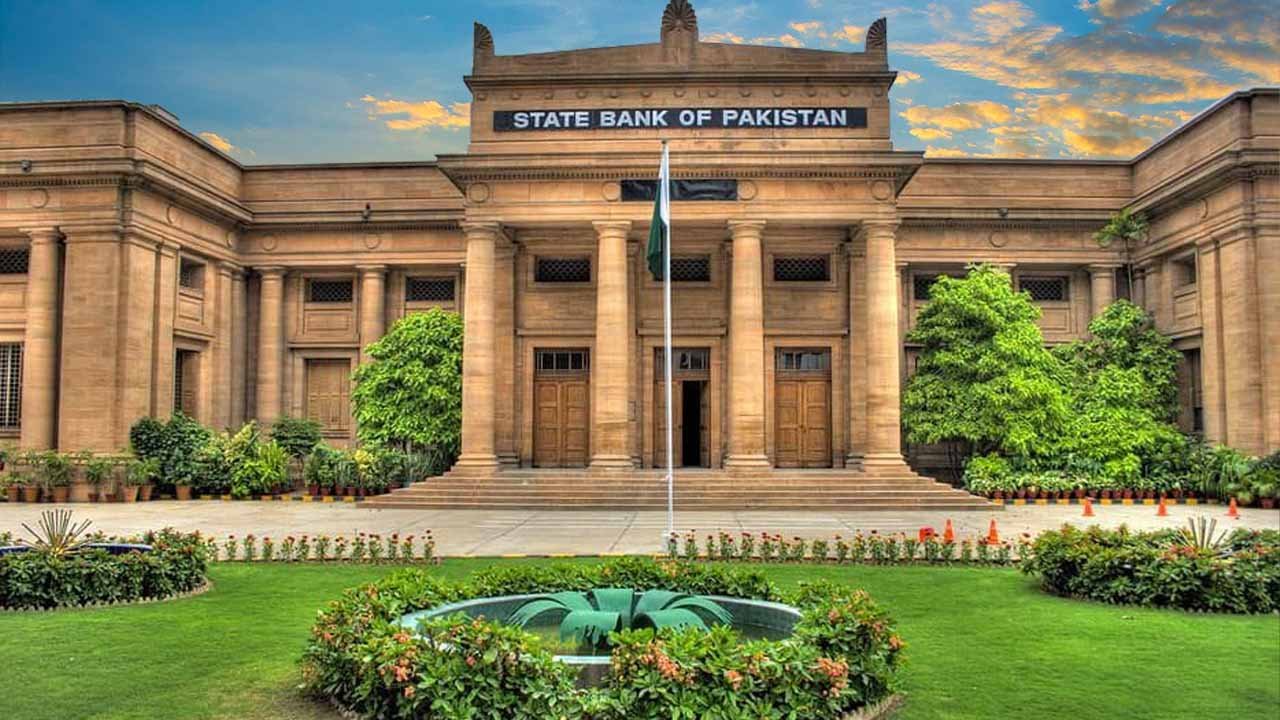
    The State Bank of Pakistan (SBP) reported an increase of $31 million in its foreign exchange reserves on a weekly basis, reaching a total of $7.64 billion as of October 6, according to data released on Thursday.

    The overall liquid foreign reserves of the country amounted to $13.03 billion, with commercial banks holding net foreign reserves of $5.39 billion.

    The central bank did not provide a specific explanation for the increase in reserves.

    In its report, the SBP stated, “During the week ending on October 6, 2023, the SBP’s reserves rose by $31 million, reaching $7,646.7 million.”

    Notably, the previous week witnessed a decrease of $21 million in Pakistan’s central bank reserves.

    In July of this year, the SBP’s reserves received a significant boost when Pakistan received the first tranche of approximately $1.2 billion from the International Monetary Fund (IMF) after the approval of a new $3-billion stand-by arrangement. Additionally, inflows from Saudi Arabia and the UAE contributed to the growth of reserves.

    However, it’s worth mentioning that the central bank’s reserves have been under pressure due to ongoing debt repayments, an increase in import expenditures following the relaxation of restrictions, and a lack of fresh inflows.
  • Pakistan receives $1.2 billion deposit from IMF

    Pakistan receives $1.2 billion deposit from IMF

    The State Bank of Pakistan (SBP) has received a substantial deposit of $1.2 billion from the International Monetary Fund (IMF), offering a glimmer of hope to the economically strained nation that has been on the verge of default for an extended period.

    This deposit follows the approval by the IMF’s executive board, during a late-night session, of a nine-month programme under a $3 billion Stand-By Agreement (SBA). The agreement, reached after arduous negotiations over fiscal discipline lasting eight months, marks a significant milestone for Pakistan.

    Last month, Pakistan successfully reached a staff-level agreement with the IMF, securing a short-term pact that exceeded expectations in terms of funding for the country, which is home to 230 million people. This achievement is of particular importance given the acute balance of payments crisis that Pakistan faced, with its central bank reserves barely sufficient to cover a month’s worth of controlled imports.

    During a televised address from Islamabad, Finance Minister Ishaq Dar expressed that Pakistan will receive the remaining balance of the agreed amount following two reviews. The first review is scheduled for November, while the second review will take place in February.

    These reviews are crucial milestones that need to be met to ensure the disbursement of the funds by the IMF, thus supporting Pakistan’s pursuit of economic stability.

  • IMF denies seeking $8 billion fresh financing from Pakistan in bailout talks

    IMF denies seeking $8 billion fresh financing from Pakistan in bailout talks

    The International Monetary Fund (IMF) has denied recent reports that it is seeking fresh financing from Pakistan, stating that Pakistan’s external financing requirements have remained unchanged throughout talks with the Fund.

    The clarification comes after a report by the Express Tribune suggested that the IMF had increased its demand for additional financing to $8 billion, up from an unmet condition of $6 billion, in order to ensure debt repayments for the May-December 2023 period.

    According to Reuters, IMF Resident Representative Esther Pérez Ruiz confirmed that the country’s external funding requirements had not changed, and that discussions were centered around a review to unlock $1.1 billion in financing as part of a $6.5 billion IMF package.

    Despite ongoing talks, a staff-level agreement on the review has been delayed since November, and the IMF has reiterated that commitments on external financing from friendly countries will be necessary before it can release bailout funds.

    Pakistan’s central bank reserves currently stand at $4.38 billion, equivalent to barely a month’s worth of imports.