Tag: Central Bank

  • Pakistan’s forex reserves surge by $67 million to reach $7.7 billion

    Pakistan’s forex reserves surge by $67 million to reach $7.7 billion

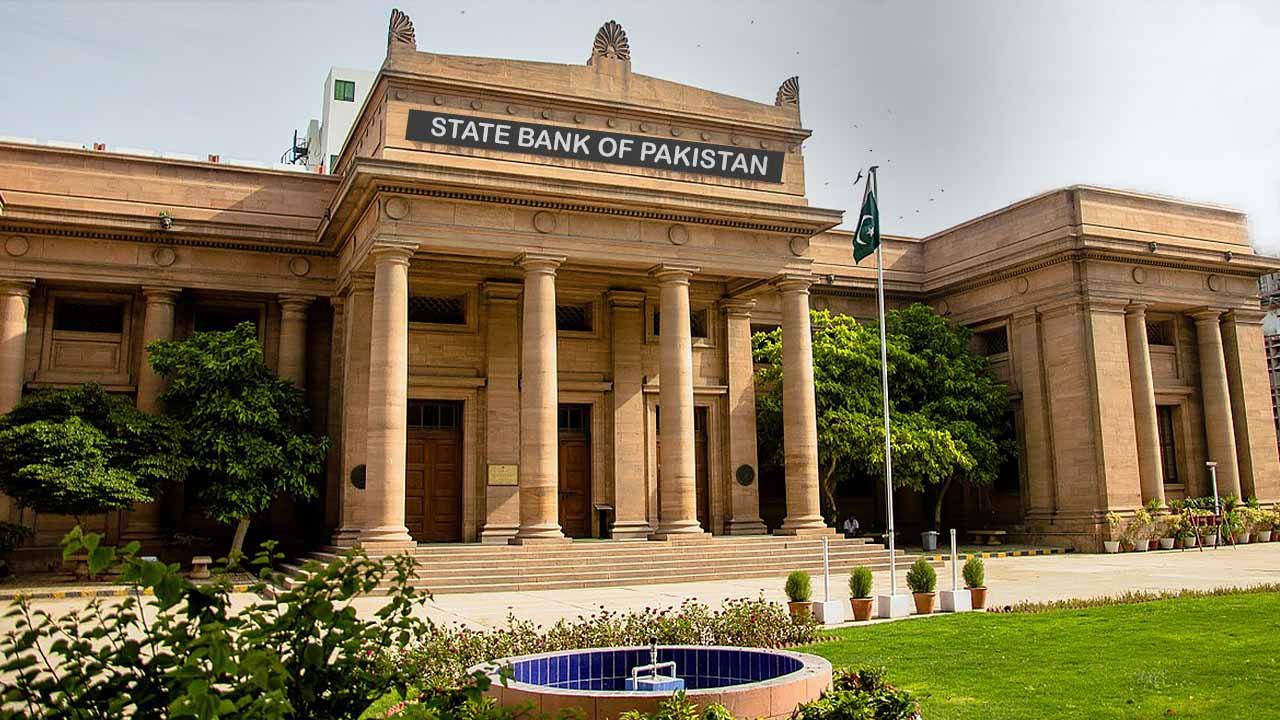
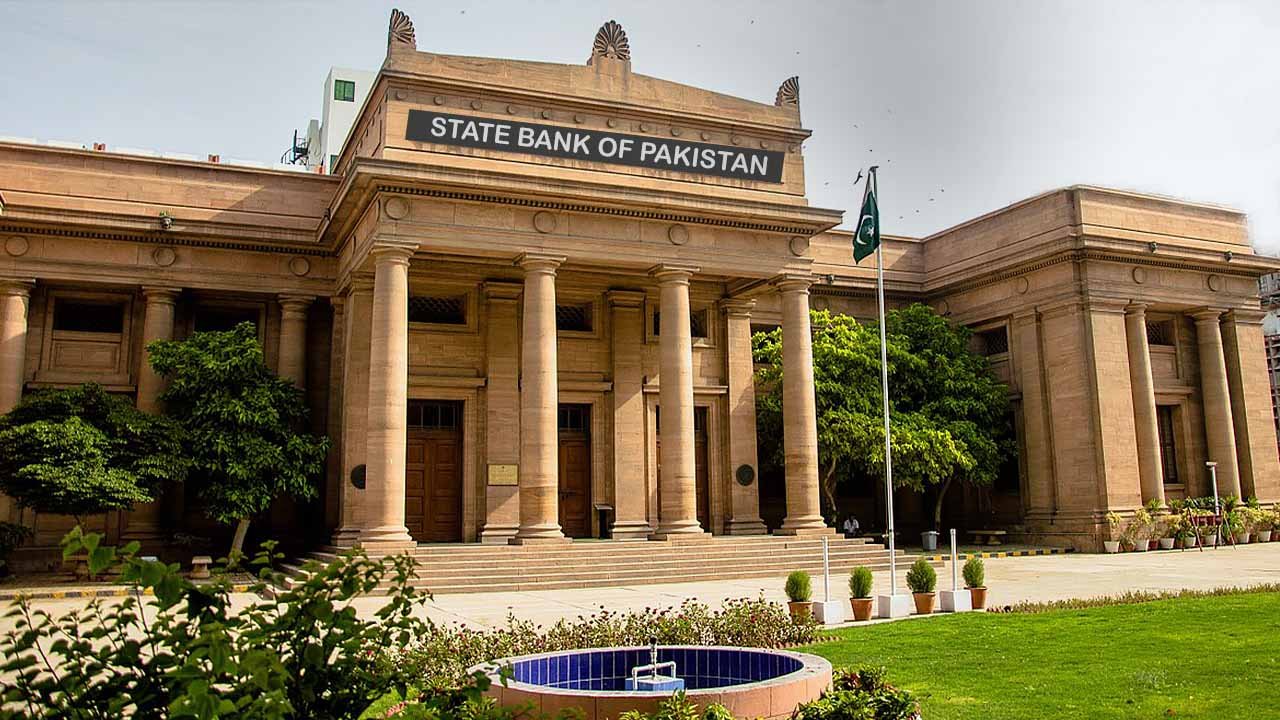
    The State Bank of Pakistan (SBP) reported a notable weekly surge in foreign exchange reserves, with an increase of $67 million, reaching $7.7 billion as of October 13, as per the latest data release on Thursday.

    In total, the nation’s readily available foreign reserves amounted to $12.9 billion, with commercial banks holding $5.2 billion in net foreign reserves. The central bank did not provide a specific explanation for this increase.

    During the week concluding on October 13, 2023, the SBP’s reserves climbed by $67 million, reaching a total of $7,714.0 million, according to the SBP’s statement. This follows a previous week’s increase of $31 million.

    Notably, in July of this year, the central bank’s reserves received a significant boost when Pakistan received an initial disbursement of approximately $1.2 billion from the International Monetary Fund (IMF), following the approval of a new $3-billion stand-by arrangement. Additionally, inflows from Saudi Arabia and the UAE contributed to this increase.

    Nevertheless, the central bank’s reserves have faced pressure due to ongoing debt repayments, increased import expenditures following the easing of restrictions, and a lack of fresh inflows.

  • State Bank of Pakistan reports $21 million decline in forex reserves

    State Bank of Pakistan reports $21 million decline in forex reserves

    Pakistan’s total liquid foreign reserves reached a sum of $13,030.8 million, with the central bank holding reserves amounting to $7,615.4 million, as reported by the State Bank of Pakistan (SBP). 

    According to a statement released by the State Bank of Pakistan on Thursday, during the week ending on September 28, 2023, SBP’s reserves experienced a decrease of $21 million, resulting in a total of US$ 7,615.4 million. Concurrently, commercial banks held net foreign reserves totaling $5,415.4 million. 

    In the preceding week, ending on September 22, 2023, the country’s total liquid foreign reserves were reported at US$ 13.162 billion. Among these, the central bank held foreign reserves amounting to $7.636 billion, while commercial banks held net foreign reserves of $5.525 billion. 

    As of September 29, the total liquid foreign reserves of Pakistan stood at US$ 13.18 billion, with the central bank’s reserves totaling $7,636.7 million. The State Bank of Pakistan (SBP) spokesperson attributed the decrease in SBP’s reserves by $59 million to debt repayments during the week ending on September 22, 2023. Net foreign reserves held by commercial banks amounted to $5,525.1 million. 

    In the week ending on September 15, 2023, the country’s total liquid foreign reserves were recorded at $13.186 billion. Among these, the central bank held foreign reserves amounting to $7.695 billion, while commercial banks held net foreign reserves totaling $5.491 billion. 

  • Pakistan’s forex reserves decline by $59 million to $7.64 billion due to debt payments

    Pakistan’s forex reserves decline by $59 million to $7.64 billion due to debt payments

    The State Bank of Pakistan (SBP) reported a weekly decrease in foreign exchange reserves, with a decline of $59 million, bringing the total to $7.64 billion as of September 22, according to data released on Thursday.

    The overall liquid foreign reserves of the country amounted to $13.16 billion, with commercial banks holding net foreign reserves of $5.52 billion.

    The central bank attributed this reduction in reserves to debt repayments, stating, “During the week ending on September 22, 2023, SBP’s reserves decreased by $59 million to $7,636.7 million due to debt repayments.”

    Notably, Pakistan’s central bank reserves had increased by $56 million the previous week, following four consecutive weeks of decline, during which SBP reserves had dwindled by a cumulative total of $416 million.

    In July, SBP’s reserves received a boost when Pakistan received approximately $1.2 billion as the first tranche from the International Monetary Fund (IMF), following approval of a new $3-billion stand-by arrangement. Additionally, inflows from Saudi Arabia and the UAE contributed to the increase.

    Despite these positive developments, the central bank’s reserves have come under pressure due to ongoing debt repayments, increased import payments following the easing of restrictions, and a lack of fresh inflows.

  • SBP expected to hike interest rates by at least 150 bps to control inflation

    SBP expected to hike interest rates by at least 150 bps to control inflation

    The State Bank of Pakistan (SBP) is expected to hike interest rates by at least 150 basis points (bps) on Thursday in an effort to curb sky-high inflation and bolster diminished foreign exchange reserves. 

    The central bankas already raised its benchmark rate by 12.25 per cent points to 22 per cent since April 2022, but inflation remains in double digits, at 27.4 per cent in August. The rupee has also depreciated sharply in recent months, reaching an all-time low of 200 rupees per dollar. 

    A Reuters poll of 17 analysts shows that 15 are forecasting a rate hike, with nine predicting an increase of at least 150 bps. The other two analysts expect the rate to remain unchanged. 

    The SBP is under pressure to raise rates in order to cool inflation and attract foreign investment. However, a rate hike could also dampen economic growth, which is already slowing. 

    The central bank is also facing challenges from the International Monetary Fund (IMF), which has set conditions for the release of further tranches of its $3 billion bailout package. One of these conditions is that the SBP must raise interest rates. 

    The SBP is likely to balance these competing considerations when it makes its decision on Thursday. However, it is clear that the bank is under pressure to take action to address the country’s economic challenges. 

    Here are some additional details about the factors that are likely to influence the SBP’s decision: 

    • Inflation: Inflation remains a major concern for the SBP. The latest data shows that inflation fell slightly in August, but it remains in double digits. The SBP has said that it expects inflation to decline over the next 12 months, but it is unclear whether this will happen without further monetary tightening.  
    • Foreign exchange reserves: The SBP’s foreign exchange reserves have been declining in recent months, reaching a critical level of $10.3 billion in August. The SBP needs to bolster its reserves in order to meet its import obligations and avoid a sovereign debt default. A rate hike could help to attract foreign investment and slow the decline in reserves.  
    • IMF conditions: The IMF has set conditions for the release of further tranches of its bailout package. One of these conditions is that the SBP must raise interest rates. The SBP is likely to comply with this condition in order to secure the IMF’s support. 

    The SBP’s decision on Thursday will be closely watched by markets and investors. A rate hike is likely to be welcomed by those who are concerned about inflation, but it could also dampen economic growth. The SBP is facing a difficult balancing act, and its decision will have a significant impact on the country’s economic outlook. 

  • SPI index surges to three-week high at 26.41%: Food and energy prices drive inflation

    SPI index surges to three-week high at 26.41%: Food and energy prices drive inflation

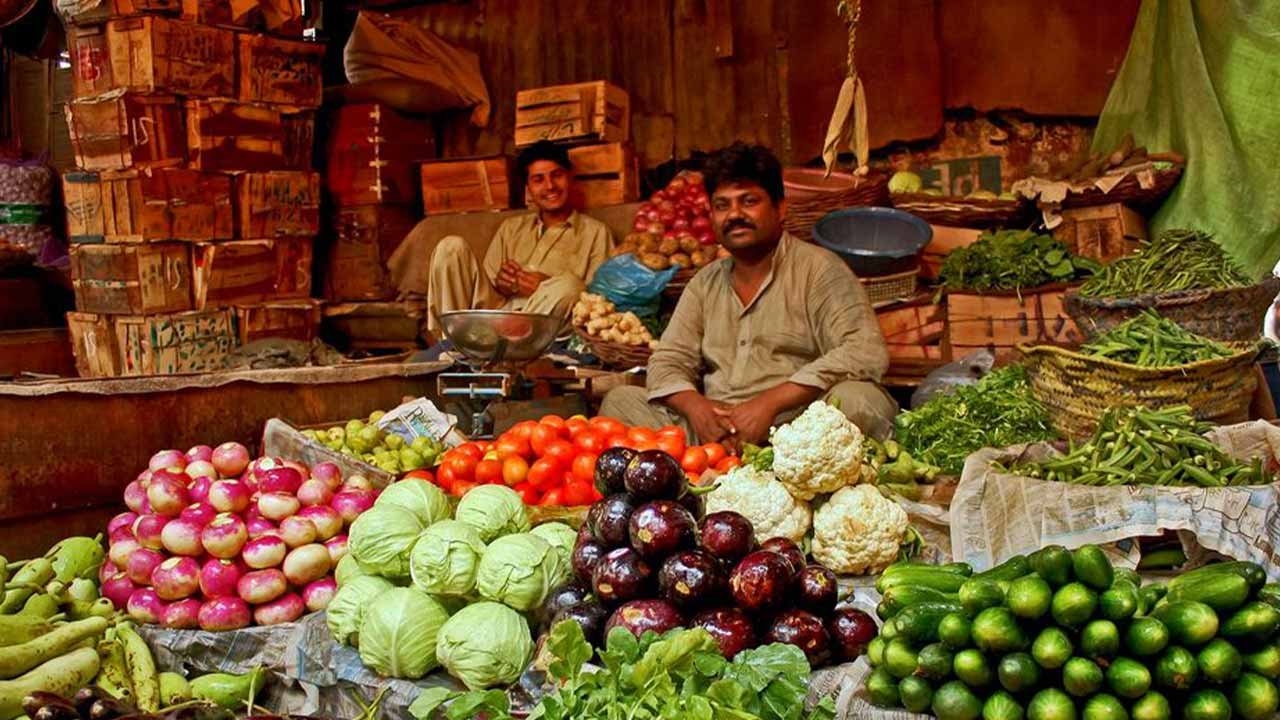
    The Sensitive Price Indicator (SPI) index recorded a notable surge, reaching 26.41 per cent for the week ending on September 7, 2023, marking a three-week high. This increase was primarily propelled by the persistent rise in food and energy prices when compared to the same week in the previous year, putting added strain on households’ purchasing power and disposable income.

    Within this week, data from the Pakistan Bureau of Statistics (PBS) revealed that out of 51 items, 32 (62.75 per cent) experienced price increases, 5 (9.80 per cent) saw decreases, while 14 (27.45 per cent) remained unchanged, in contrast to the previous week.

    Food items saw significant price hikes, including a 17 per cent increase in tomato prices, a 10.87 per cent uptick in pulse masoor prices, a 6.73 per cent rise in sugar prices, a 4.66 per cent surge in garlic prices, and a 3.62 per cent uptick in gur prices. Pulse moong prices rose by 3.55 per cent, onions by 3.43 per cent, and pulse gram by 3.25 per cent. Among non-food items, diesel prices soared by 6.28 per cent, LPG (liquefied petroleum gas) increased by 5.19 per cent, and petrol prices rose by 5.12 per cent.

    Conversely, there was a decline in the prices of certain items, including chicken by 3.20 per cent, 5-liter cooking oil by 1.03 per cent, 2.5 kg vegetable ghee by 0.47 per cent, Lipton tea by 0.43 per cent, and 1 kg vegetable ghee by 0.14 per cent, compared to the previous week.

    Looking at the bigger picture, the Consumer Price Index (CPI) revealed that monthly inflation has remained persistently high, averaging 27.8 per cent in the first two months (Jul-Aug) of the current fiscal year 2023-24. This was primarily attributed to recent rupee depreciation, imported inflation, and the continuous ascent of power and petroleum product prices.

    It is anticipated that September’s monthly inflation reading will reach its peak, with experts also suggesting the possibility of the government raising gas prices, further exacerbating inflationary pressures on the economy.

    To combat inflation, the Pakistan central bank is expected to raise its key policy rate by 1.5 to 2 percentage points during its upcoming Monetary Policy Committee (MPC) meeting on September 14. The current policy rate stands at a record high of 22 per cent.

    Topline Research highlighted significant developments since the last MPC meeting on July 31, 2023, including Pakistan posting a current account deficit of $809 million in July after four consecutive months of current account surplus. 

    Additionally, local fuel prices have increased by around 19 per cent, international oil prices in US dollars have risen by 6 per cent, and the rupee has depreciated by 6 per cent against the US dollar. These factors are expected to weigh heavily on the central bank committee’s decision during the upcoming MPC meeting.


  • SBP-held forex reserves rise by $12 million to $8.05 billion, sufficient to cover over two months’ worth of imports

    SBP-held forex reserves rise by $12 million to $8.05 billion, sufficient to cover over two months’ worth of imports

    The State Bank of Pakistan (SBP) announced a rise of $12 million in its foreign exchange reserves, reaching $8.05 billion, as detailed in a statement released on Thursday. The nation’s overall liquid foreign reserves, encompassing both SBP and commercial banks, amounted to $13.379 billion as of August 11. Among these, commercial banks held net reserves totaling $5.3237 billion, as reported by the SBP.

    While the central bank did not provide specifics on the cause behind the augmentation of foreign exchange reserves, the situation presents an upbeat stance. Nevertheless, it’s worth noting that the existing reserves would barely cover imports for a span slightly exceeding two months.

    Notably, the previous month saw a notable escalation in SBP reserves due to inflows from the United Arab Emirates, Saudi Arabia, and the International Monetary Fund (IMF), following the formalisation of a $3 billion Stand-by Arrangement (SBA) with the global financial institution.

    According to Geo, in a departure from market predictions, the SBP opted to maintain the key policy rate at 22 per cent during the preceding month. This stance diverged from expectations, particularly those guided by IMF recommendations. SBP Governor Jameel Ahmed conveyed this decision following a Monetary Policy Committee (MPC) meeting. Explaining the rationale, he stated that given the decline in inflation, there was no inclination to increase the interest rate.

    During a press conference, Governor Ahmed also shared insights into the nation’s economic trajectory. He projected a growth rate ranging from 2 per cent to 3 per cent for the upcoming year. Highlighting the government’s actions, he mentioned the complete removal of import restrictions. This move, coupled with financial inflows from the IMF and other supportive nations, led to a $4.2 billion upswing in Pakistan’s foreign exchange reserves in July.

  • Pakistan’s foreign exchange reserves rise to $8.4 billion

    Pakistan’s foreign exchange reserves rise to $8.4 billion

    Foreign exchange reserves held by the State Bank of Pakistan (SBP) have surged by over $4 billion following a deposit of $1.2 billion from the International Monetary Fund (IMF).

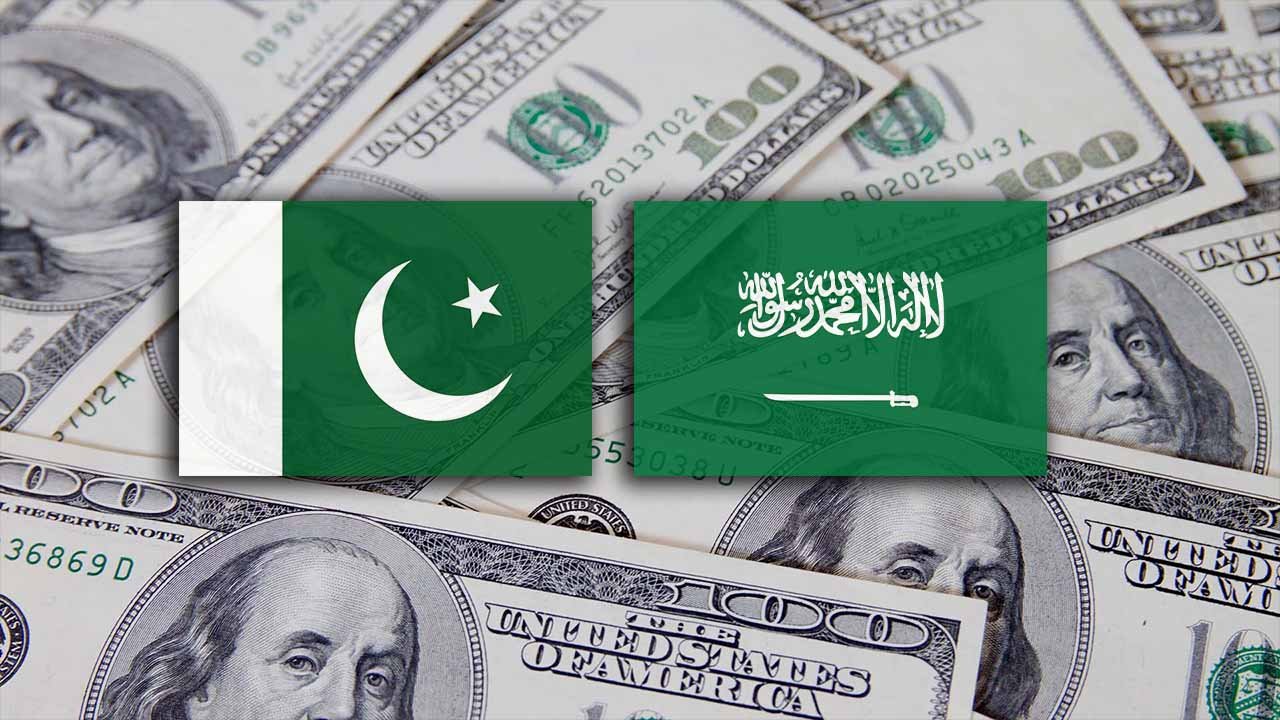
    As per data shared by the central bank, Pakistan has also received $1 billion from the UAE and $2 billion from Saudi Arabia, resulting in a significant increase in the SBP’s foreign exchange reserves, which now stand at $8.4 billion.

    During a televised address earlier today, Finance Minister Ishaq Dar stated that Pakistan’s foreign exchange reserves are projected to reach approximately $13-$14 billion by July 14.

    He emphasised that Pakistan is experiencing a resurgence in development and prosperity. Minister Dar acknowledged the instrumental role played by Prime Minister Shehbaz Sharif in reaching an agreement with the IMF, highlighting the unwavering support provided by the economic team throughout the intricate process.

    It is noteworthy that the International Monetary Fund granted approval for a $3 billion loan to Pakistan, subsequent to the signing of a staff-level agreement last month.

  • Pakistan’s foreign exchange reserves boosted by $2 billion deposit from Saudi Arabia

    Pakistan’s foreign exchange reserves boosted by $2 billion deposit from Saudi Arabia

    Pakistan’s central bank has received a significant financial boost of $2 billion from Saudi Arabia, as announced by Federal Minister Ishaq Dar. This infusion of funds will greatly bolster the country’s low foreign exchange reserves.

    During a media briefing on Tuesday, Dar expressed gratitude, stating, “Our brother nation, Saudi Arabia, has deposited $2 billion into the account of the State Bank of Pakistan (SBP).” He further emphasised that this contribution will directly enhance Pakistan’s foreign exchange reserves.

    At the close of last week, the SBP’s forex reserves grew by $393 million to reach $4.463 billion, primarily due to official government inflows. Over the past two weeks, the SBP’s reserves have surged by $937 million. However, it is important to note that these reserves still only cover approximately a month’s worth of imports.

    Dar stated, “These $2 billion will be reflected in the SBP’s reserves by the week ending 14th July.” The finance minister also commended the Saudi government, specifically King Salman and Crown Prince Mohammad bin Salman, for their instrumental role in this gesture of support. Dar extended heartfelt appreciation to the leadership of the Kingdom of Saudi Arabia for depositing $2 billion with the SBP and expressed optimism about future positive economic developments. He declared that Pakistan’s economic situation has nearly stabilised and is poised for growth.

    This development follows the recent announcement by the International Monetary Fund (IMF) that its staff and Pakistani authorities have reached an agreement on policies backed by a $3 billion, nine-month Stand-By Arrangement (SBA). The staff-level agreement is pending approval by the IMF Executive Board, with a decision expected on 12th July.

    Read more: Pakistan commits to 4% annual profit on $2 billion deposit from Saudi Arabia

    Nathan Porter, IMF Mission Chief to Pakistan, stated, “The new SBA builds upon the authorities’ efforts under Pakistan’s 2019 EFF-supported program, which expires at the end of June.” The new IMF arrangement, viewed as highly favorable for the government and economy amidst the ongoing crisis, extends Pakistan’s commitment to the lender well into the second half of fiscal year 2023-24. Moreover, it represents an upgrade from earlier expectations of receiving $1.1 billion following the ninth review.

    Experts have consistently emphasised the critical nature of resuming the IMF bailout package for Pakistan, a cash-strapped South Asian economy grappling with a balance of payments crisis. In addition to mitigating risks of potential default, the funding from the international lender is expected to pave the way for additional inflows from Pakistan’s multilateral and bilateral partners.

  • State Bank of Pakistan’s foreign exchange reserves surge to $4.46 billion with $393 million increase

    State Bank of Pakistan’s foreign exchange reserves surge to $4.46 billion with $393 million increase

    The State Bank of Pakistan (SBP) has announced an increase of $393 million in its foreign exchange reserves, bringing the total to $4.46 billion. In an official statement, the central bank stated that this rise occurred on June 30, 2023. The boost in reserves is seen as a positive development for the country’s economy.

    At the same time, the overall liquid foreign reserves held by Pakistan now stand at $9.74 billion, with commercial banks accounting for $5.28 billion of that amount. These figures reflect the country’s efforts to stabilise its foreign reserves and strengthen its financial position.

    This increase in foreign exchange reserves is largely attributed to Pakistan’s recent agreement with the International Monetary Fund (IMF). The country signed a staff-level agreement with the IMF, amounting to $3 billion, for a duration of 9 months. The IMF’s “Stand-By Arrangement” with Pakistan has been successfully concluded, signaling a positive outlook for the nation’s economic stability.

    Nathan Porter, the IMF Mission Chief, commended Pakistan for its commitment to achieving its economic goals and acknowledged the parliament’s crucial role in this accomplishment. He emphasised that the staff-level agreement under the Stand-By Arrangement is a significant milestone.

    The agreement is now awaiting final approval from the IMF’s executive board, which is anticipated to occur in mid-July. Once approved, Pakistan will be eligible to receive the $3 billion loan from the IMF.

    In his remarks, Porter highlighted the parliament’s efforts to enhance tax revenues, an essential component of Pakistan’s economic growth. The parliament has taken noteworthy steps to increase funds allocated to the Benazir Income Support Programme and has also limited tax exemptions.

    These measures are expected to lead to an increase in tax revenues, which, in turn, could result in a primary surplus of 0.4 per cent for Pakistan’s economy. The additional funds generated through these increased tax revenues can then be directed towards crucial social sectors.

    Overall, the increase in foreign exchange reserves for the State Bank of Pakistan is an encouraging sign for the country’s economic stability. With the IMF agreement on the horizon and the parliament’s dedication to boosting tax revenues, Pakistan is poised to make significant strides in its economic development.

    The final approval of the agreement by the IMF’s executive board will mark a crucial milestone in Pakistan’s journey towards a more prosperous future.