Tag: Central Bank

  • SBP-held forex reserves increase by $66 million as Pakistan seeks critical IMF loan tranche

    SBP-held forex reserves increase by $66 million as Pakistan seeks critical IMF loan tranche

    The State Bank of Pakistan (SBP) has reported a minor increase in its foreign exchange reserves, as the nation desperately seeks to unlock a critical tranche of funding from the International Monetary Fund (IMF).

    The central bank stated that its reserves had risen by $66 million to $3,258.5 million as of the week ended February 17, providing an import cover of around three weeks. The net foreign reserves held by commercial banks were reported to stand at $5,468.0 million, $2,209.5 million more than the SBP, taking the total liquid foreign reserves to $8,726.5 million.

    China development bank approves $700 million facility for Pakistan

    Finance Minister Ishaq Dar has announced that the forex reserves are expected to receive a significant boost in the coming week, as the Board of China Development Bank has approved a $700 million facility for Pakistan. The funds could be deposited into the SBP’s account this week.

    Pakistan takes austerity measures in a bid to resume IMF programme

    In a bid to resume the delayed IMF programme and avoid default, the Pakistani government has taken a series of steps in the past two months. These measures include adding new taxes, increasing energy prices, and loosening its control on the rupee.

    Parliament approved a supplementary finance bill that increases sales tax from 17 per cent to 25 per cent on imports ranging from cars and household appliances to chocolates and cosmetics. People will also have to pay more for business-class air travel, wedding halls, mobile phones, and sunglasses. A general sales tax was raised from 17 per cent to 18 per cent.

    Prime Minister Shehbaz Sharif also unveiled cost-cutting measures to save $764 million annually, stating that austerity, simplicity, and sacrifice are the need of the hour.

    Concerns over Pakistan’s debt and dollar crunch

    Fitch Ratings, a global credit ratings agency, has downgraded Pakistan’s $350 billion economy twice in four months, citing dwindling foreign reserves. Bloomberg data shows that Pakistan has coupon repayments of $542.5 million this year.

    In all, the country has $8 billion in dollar bonds debt due by 2051, with the next payment of $1 billion due in April of next year. Most of the nation’s external debt of about $100 billion is sourced from concessional multilateral and bilateral sources.

    Pakistan also faces a dollar crunch that tests its external stability, and supply disruptions caused by flooding, food shortages, and IMF preconditions for rescue may push inflation above 30 per cent for the first time on record, according to Bloomberg Economics.
  • Saudi Arabia mulls increasing investments in Pakistan to $10 billion

    Saudi Arabia mulls increasing investments in Pakistan to $10 billion

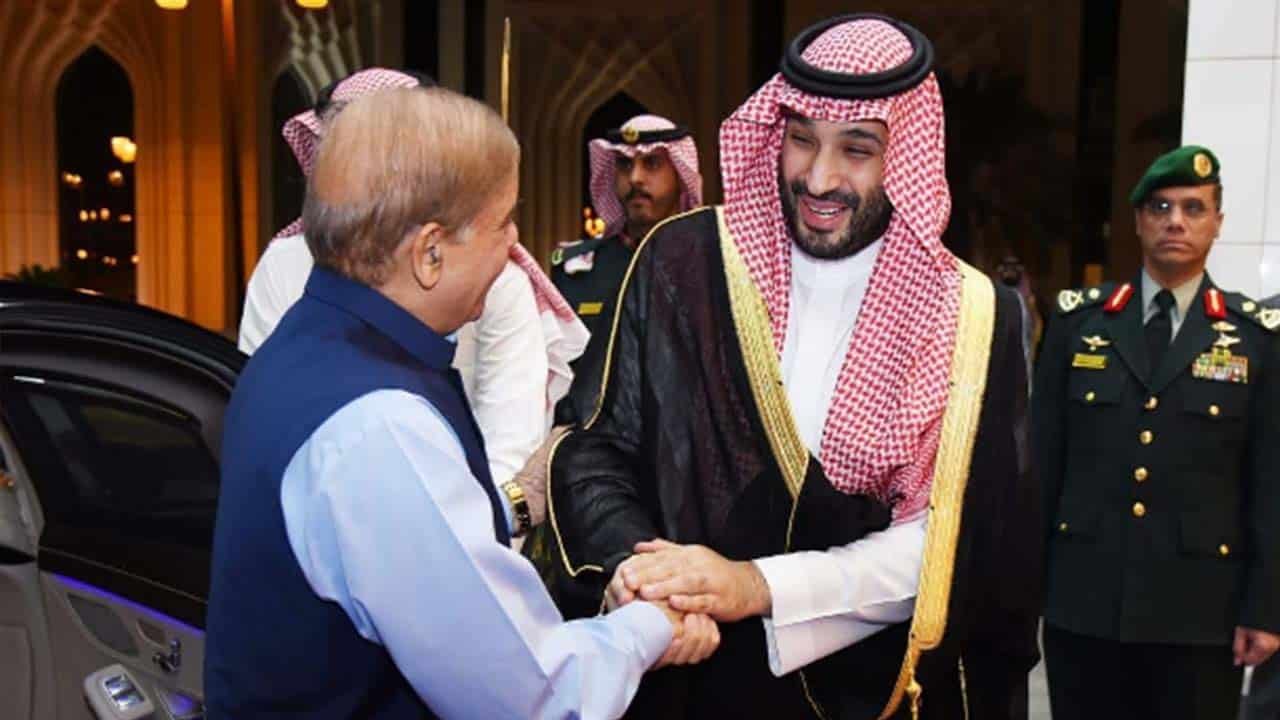
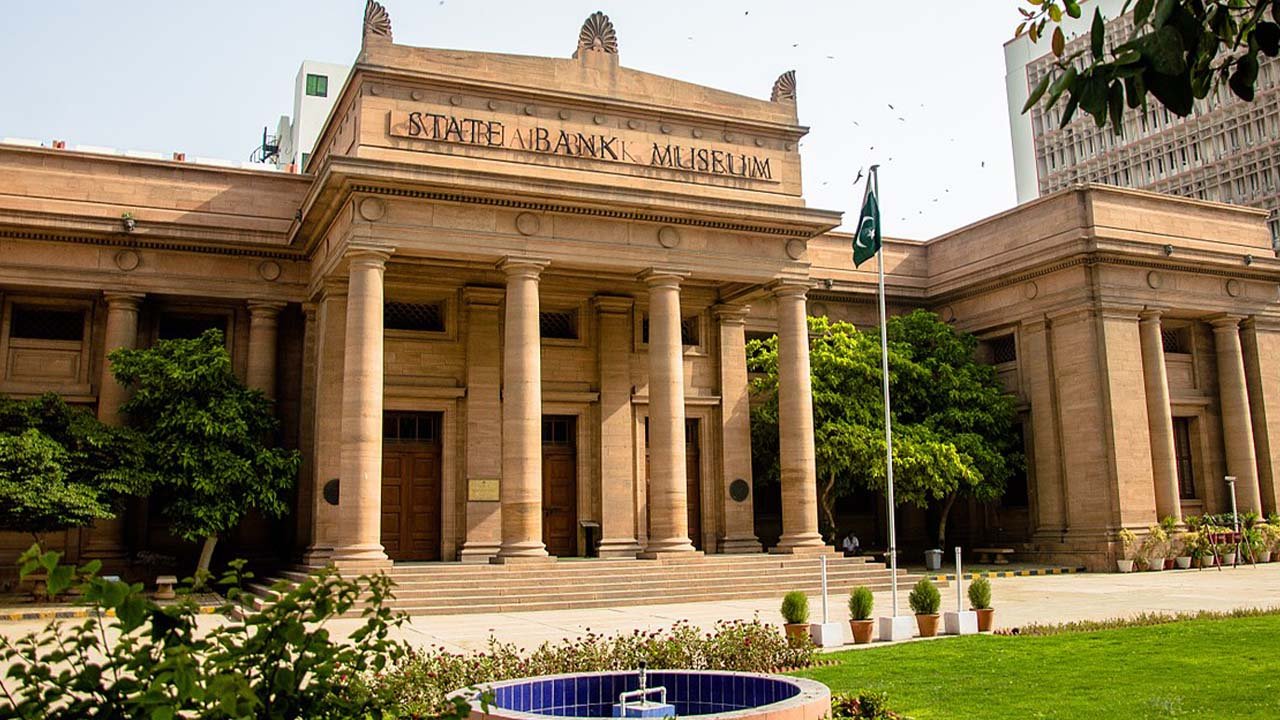
    Saudi Crown Prince Mohammed Bin Salman has directed the Saudi Development Fund (SDF) to study increasing the deposit amount in the State of Bank of Pakistan (SBP) to $5 billion.

    “His Royal Highness Prince Mohammed bin Salman bin Abdulaziz Al Saud, Crown Prince and Prime Minister, has directed to study augmenting the Kingdom of Saudi Arabia’s investments in the sisterly Islamic Republic of Pakistan which have previously been announced on August 25, 2022, to reach $10 billion,” it said.

    “The crown prince also directed the Saudi Development Fund to study increasing the amount of the deposit provided by the Kingdom of Saudi Arabia in favour of the Central Bank of Pakistan which have previously been extended on December 2, 2022, to hit a $5 billion ceiling,” according to Saudi Press Agency.

    The move, according to SPA, confirmed Saudi Arabia’s commitment to assist Pakistan’s economy and its sisterly people.

    The development was reached within the framework of the ongoing dialogue between Prime Minister Shehbaz Sharif and Prince Salman.

    The announcement made today comes the day after Prince Salman and Chief of Army Staff General Asim Munir met in Madina to discuss ways to strengthen bilateral ties between the two nations. Munir was on a week-long official visit to Saudi Arabia and the United Arab Emirates.

    The SBP and SFD entered into a contract in 2021 for the SBP to receive $3 billion, which would be deposited in the central bank’s account to increase its foreign exchange reserves.

    The SFD subsequently acknowledged the rollover of a $3 billion deposit for an additional year in September of last year. The deposit was supposed to maturity on December 5 but Saudi Arabia extended its term on December 2.

    Saudi Arabia had previously committed to restart its financial assistance to Pakistan in the final week of October 2021, providing $1.2 billion in oil deliveries on a deferred payment plan and around $3 billion in safe deposit boxes.

    The accord was made the same month when former prime minister Imran Khan visited Saudi Arabia.

  • SBP raises key interest rate to 16% amid economic difficulties to combat inflation

    SBP raises key interest rate to 16% amid economic difficulties to combat inflation

    The State Bank of Pakistan’s Monetary Policy Committee (MPC) increased the key policy rate by 100 basis points to 16 per cent on Friday, the highest level since 1999.

    The decision, according to the central bank, reflects the MPC’s belief that inflationary pressures have proven to be higher and more persistent than anticipated, according to a statement released following the meeting.

    “This decision is aimed at ensuring that elevated inflation does not become entrenched and that risks to financial stability are contained, thus paving the way for higher growth on a more sustainable basis,” the MPC said.

    The SBP stated that, notwithstanding the continuous slowing in the economy, supply shocks both domestically and globally are increasingly responsible for inflation.

    “In turn, these shocks are spilling over into broader prices and wages, which could de-anchor inflation expectations and undermine medium-term growth,” the statement read, adding that consequently the rise in cost-push inflation cannot be overlooked and necessitates a monetary policy response.

    The MPC also pointed out that the immediate costs of fighting inflation are less than the long-term consequences of letting it persist. In the meanwhile, reducing food inflation through administrative steps to clear supply-chain snags and any required imports continues to be a top focus.

    From September 2021 to November 2022, the central bank raised the interest rate by a total of 900 basis points, bringing it to 16 per cent.

    However, the committee noted that core inflation and rising food costs are now anticipated to raise average inflation for FY23 to 21-23 per cent.

  • Rupee resumes downward trend against US dollar

    Rupee resumes downward trend against US dollar

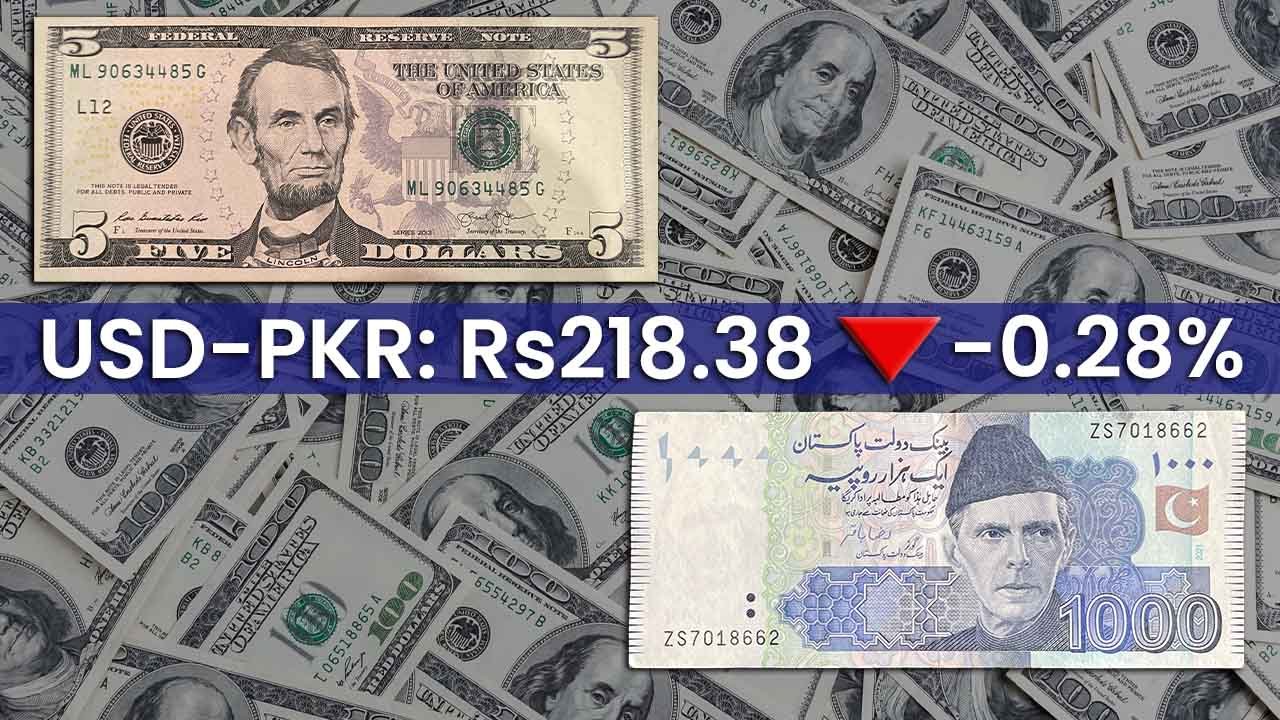
    Pakistani rupee suffered a marginal loss of Rs0.50 against the US dollar in the interbank market, extending its losses for a second straight session.

    State Bank of Pakistan (SBP) reports that the local currency lost Rs0.50 against the dollar in the interbank market and ended the day at Rs218.38.

    The Forex Association of Pakistan (FAP) said that banks were trading US dollars for Rs218.78 at the time. The exchange rate for the dollar in the open market was between Rs220 and Rs222.

    This is the second time, the rupee has registered a loss in its value after Federal Finance Minister Ishaq Dar’s return to office. The local currency appreciated by almost Rs22, or 10.1 per cent, against the greenback in the last 13 sessions.

    Earlier, Federal Minister For Finance and Revenue Ishaq Dar vowed to bring back Pakistani rupee at its original value which is less than 200 against US dollar. “I can genuinely prove that dollar’s actual value is below Rs200,” he added.

  • British pound hits 37-year low against US dollar as recession fears grow

    British pound hits 37-year low against US dollar as recession fears grow

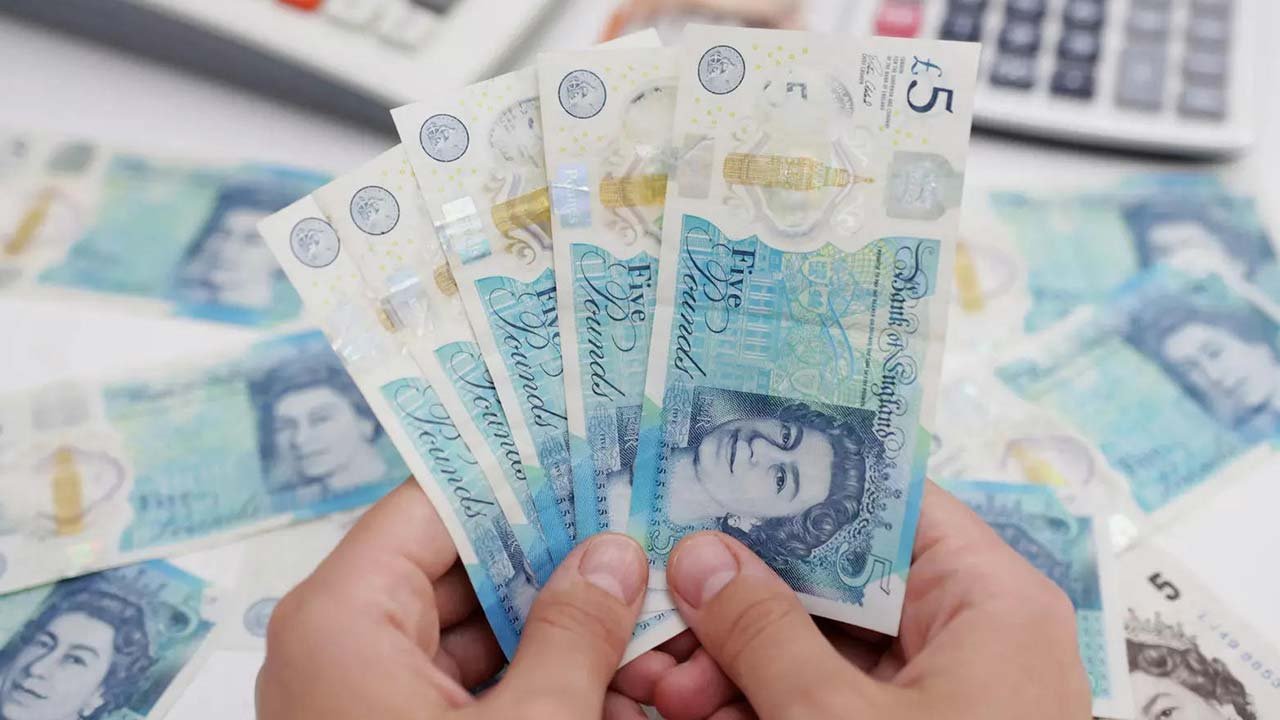
    As central banks raised interest rates to combat soaring inflation, the pound fell to a record 37-year low versus the US dollar on Friday, raising concerns among traders about the economy’s outlook.

    Following the Bank of England’s Thursday increase in borrowing prices by 50 basis points, the value of the pound dropped as low as $1.1151, its lowest level since early 1985.

    That came after the Federal Reserve raised interest rates by three-quarters of a point on Wednesday and hinted at further increases.

    Additionally, the dollar rose versus the euro, with the euro trading at $0.9753, a fresh 20-year low.

    The Fed has taken a notably hawkish stance, stating it would not relent until the inflation, which is near four-decade highs, is controlled, even at the expense of the economy, while central banks around the world are raising borrowing prices.

    The focus of traders is now on London, where the new finance minister Kwasi Kwarteng is scheduled to present a mini-budget to assist individuals and companies.

    On Thursday, Kwarteng announced he would repeal a recent salary tax introduced by his predecessor Rishi Sunak and would disclose the price tag for the new administration’s proposal to cap energy costs for both homes and companies.

    It occurs when the Bank of England issues a warning that Britain is on the verge of entering a recession as a result of skyrocketing gasoline and food prices.

  • Crisis-hit Sri Lanka has enough petrol left for one day, PM warns

    Crisis-hit Sri Lanka has enough petrol left for one day, PM warns

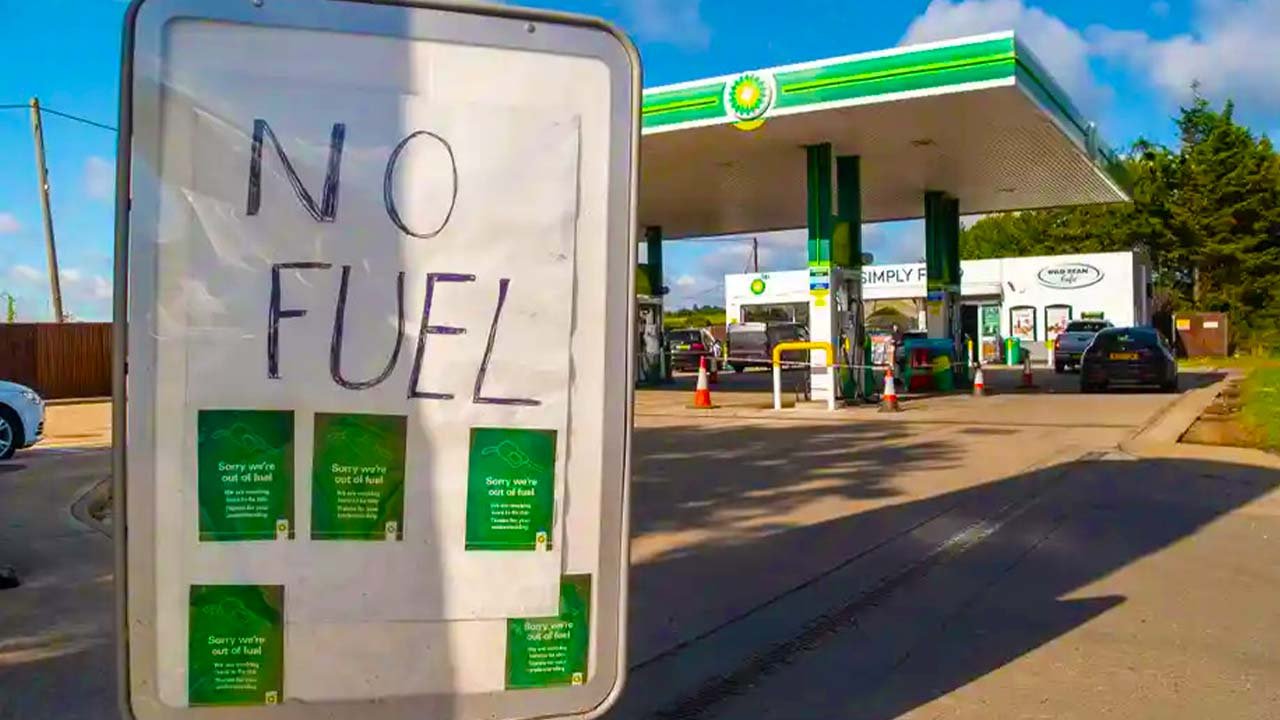
    As the country suffers its greatest economic crisis in more than 70 years, Sri Lanka’s new Prime Minister (PM) declared that the country is headed to its last day of petrol stock.

    PM Ranil Wickremesinghe said the country urgently needed $75 million in foreign currency to pay for crucial imports in a televised address. In order to pay government salaries, he claims the central bank will have to print money.

    Sri Lankan Airlines, which is owned by the government, may be privatised, according to PM Wickremesinghe.

    The pandemic, soaring energy prices, and populist tax cuts have all wreaked havoc on the island nation’s economy. Medicines, fuel, and other essentials were in low supply due to a chronic shortage of foreign cash and rising inflation.

    Auto rickshaws, the city’s most popular mode of transportation, and other vehicles have been queuing at gas stations in Colombo.

    The country has enough petrol for one day at the time. Mr Wickremesinghe, who was appointed Prime Minister last week, cautioned that the next few months will be the hardest of our lives.

    He noted that shipments of petrol and diesel using an Indian credit line could provide fuel supplies in the coming days.

    Mr Wickremesinghe stated that the nation’s central bank will have to print money to assist the government in meeting its salary bill and other obligations.

    The PM stated that he is forced to allow the printing of money against his will in order to pay state employees and purchase vital products and services. However, the nation must keep in mind that printing money causes the local currency to depreciate.

    Read more: CNG prices pushed to Rs140 per kg for sales tax collection

    As part of his efforts to stabilise the country’s finances, he advocated selling out Sri Lankan Airlines. In the fiscal year ended March 2021, the airline lost 45 billion rupees ($129.5 million; £105 million).

  • Dr Murtaza Syed assumes charge as the new Governor State Bank of Pakistan

    Dr Murtaza Syed assumes charge as the new Governor State Bank of Pakistan

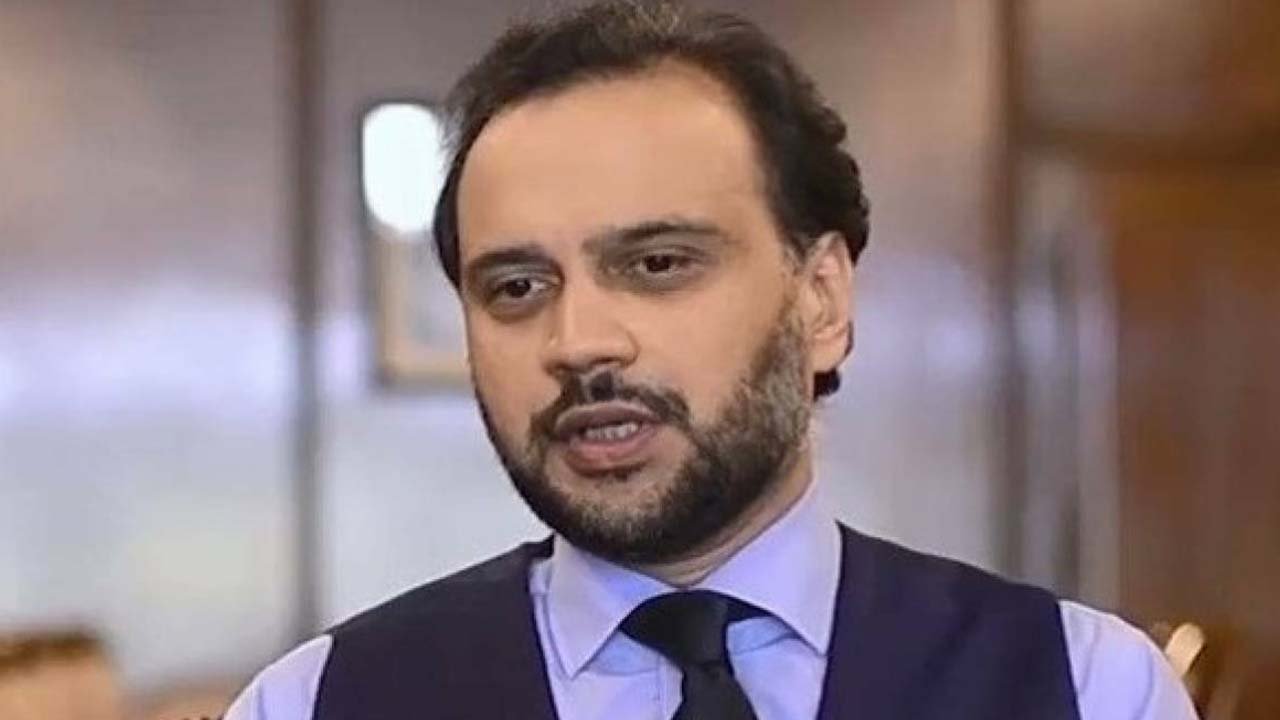
    With effect from May 5, Dr Murtaza Syed, the senior-most Deputy Governor and a former Deputy Resident Representative of the International Monetary Fund (IMF), became the new acting Governor of the State Bank of Pakistan (SBP).

    Prior to this, the federal government named Dr Syed as the Deputy Governor of the SBP for three years on January 27, 2020.

    Dr Syed has taken up the position in light of Section 10(2) of the State Bank of Pakistan (SBP) Act 1956 (amended), and has therefore succeeded Dr Reza Baqir, whose term ended on May 4, according to the notification.

    He holds a Ph.D. in Economics from the University of Oxford’s Nuffield College and has more than 20 years of experience in macroeconomic research and policymaking, including 16 years at the IMF. He worked on IMF initiatives and monitoring of emerging markets and advanced economies such as the Eurozone, Japan, and Korea. Dr Syed also handled IMF training and technical support projects around the world, and between 2010 and 2014, he was the IMF’s Deputy Resident Representative in China.

    Dr Syed started his career as a Senior Policy Analyst at the Human Development Center in Islamabad, where he worked under former Finance Minister D. Mahbub ul Haq. Afterward, he worked for the Institute for Fiscal Studies (IFS), a London-based public policy think tank, where he did research on company investment and employment behaviour, as well as evaluating Latin American anti-poverty programmes.

    Read more: Pakistan’s foreign currency reserves down by $328 million

    Dr Syed has produced papers on a multitude of macroeconomic topics, including fiscal and monetary policy, financial stability, economic crises, investment, demographics, poverty, and inequality, in addition to teaching public policy at the universities of Cambridge and Oxford.

  • Pakistan’s forex reserves inch up to $17.05 billion

    Pakistan’s forex reserves inch up to $17.05 billion

    The State Bank of Pakistan’s (SBP) foreign reserves saw inflows of $36 million in the week ending April 16, 2022, representing a 0.3 per cent increase week over week.

    According to the SBP weekly update posted on Thursday, the country’s total liquid foreign exchange reserves increased by $16.9 million (+0.1 per cent) to $17.045 billion on April 16, 2022, up from $17.028 billion the previous week. SBP reserves rose by $36.1 million to $10.88 billion (+0.3 per cent), up from $10.85 billion the week before.

    Likewise, commercial banks’ net foreign reserves stood at $6.1 billion, down $19.3 million (-0.3 per cent) on a weekly basis.

    Read more: Pakistani rupee plunges by Rs1.05 against the US dollar

    In the interbank market on Thursday, however, the Pakistani Rupee (PKR) resumed its downward trend versus the US Dollar (USD). It fell by Rs1.04 to the dollar, Rs1.15 to the Australian Dollar (AUD), Rs2.04 to the Canadian Dollar (CAD), Rs2.42 to the Pound Sterling (GBP), and Rs2.96 to the Euro (EUR).