Tag: charging

  • Govt plans to promote electric vehicles, establish charging infrastructure: PM Shehbaz

    Govt plans to promote electric vehicles, establish charging infrastructure: PM Shehbaz

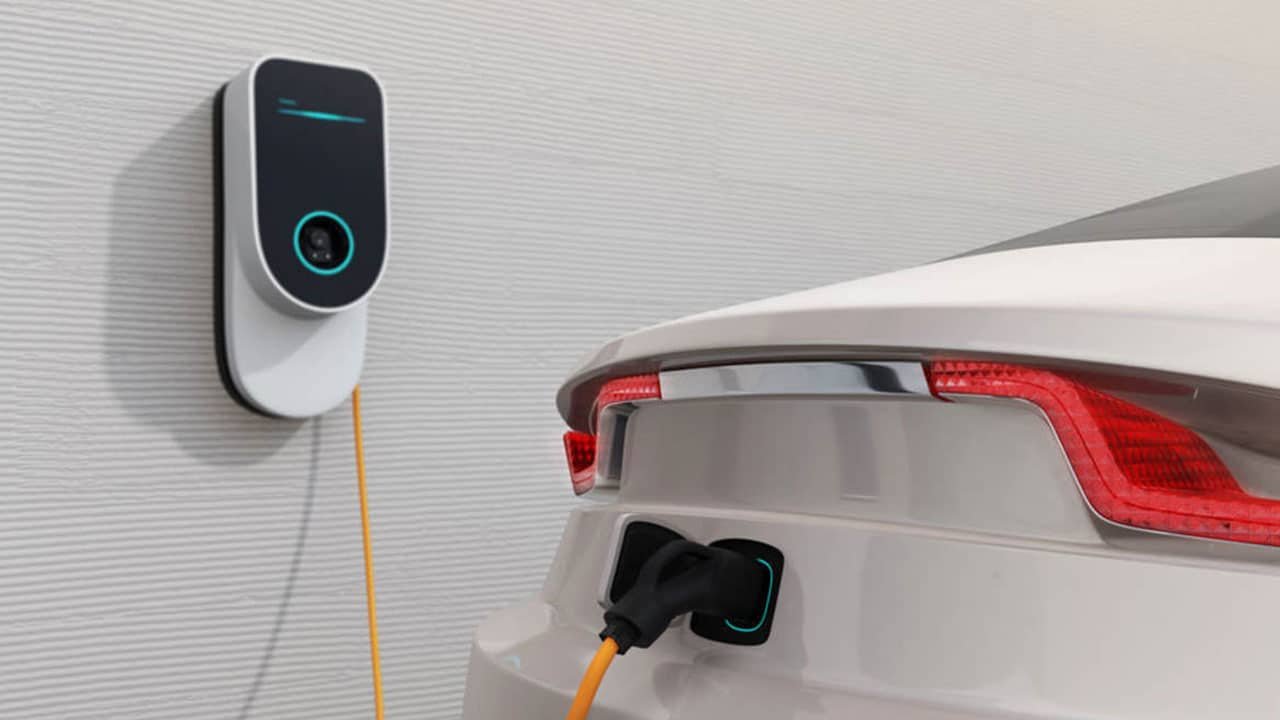
    Prime Minister (PM) Shehbaz Sharif announced on Friday that the government intended to encourage the use of electric vehicles in the nation and would set up a network of the necessary charging infrastructure.

    The PM gave the departments involved the go-ahead to provide him with a thorough plan as soon as possible in this regard.

    According to APP, Shehbaz Sharif also directed that the Board of Investment, the Ministry of Power and Energy, and the Ministry of Trade and Industries provide every opportunity to investors interested in the market for electric vehicles.

    A high-level meeting on the employment of electric buses in the fleet of public transportation, the promotion of the electric vehicle industry, and alternative energy sources was presided over by him.

    The prime minister underlined the urgent necessity to develop renewable energy sources in order to make the nation energy self-sufficient.

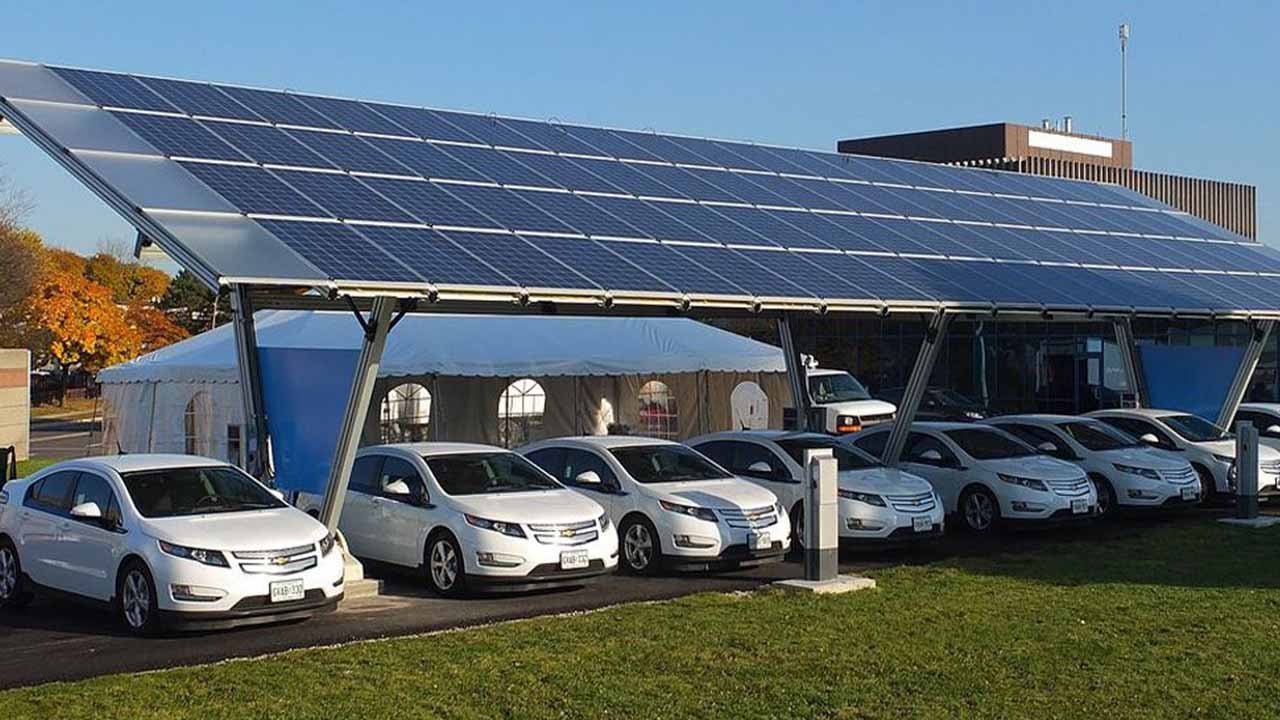
    He noted that the government has recently approved the start of a 10,000-megawatt solar project.

    He said that the solar project would not only lessen environmental pollution but also secure the production of inexpensive power by reducing reliance on pricey imported fuel, saving significant foreign currency.

    The forum heard updates on the growing use of electric vehicles around the world as well as plans for electric buses for public transportation.

    It was advised that the growth of the electric car sector and infrastructure will greatly reduce the nation’s import costs while also creating prospects for international investment and employment.
  • Apple forced to switch to USB-C chargers as EU approves law

    Apple forced to switch to USB-C chargers as EU approves law

    A new regulation mandating the adoption of a standard charger for electronic gadgets was approved by European lawmakers on Tuesday.

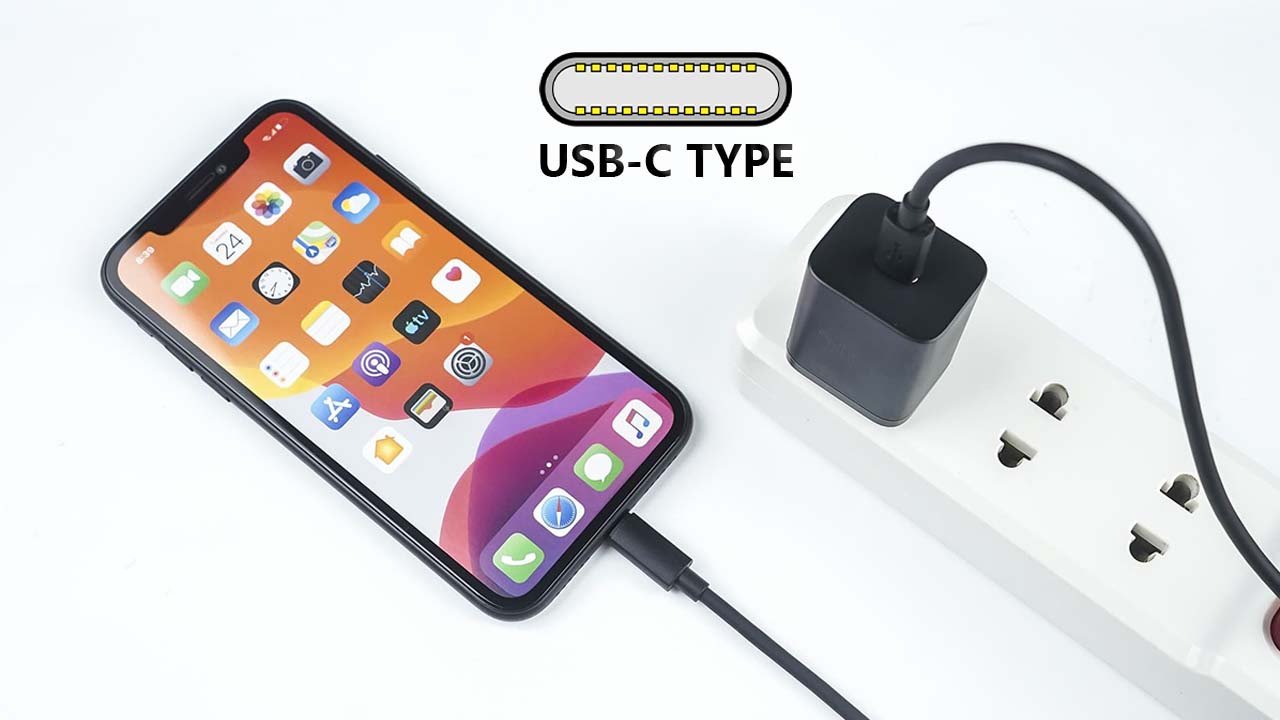
    The rule was passed by the European Parliament, and if it becomes law, it will require that by the end of 2024, all mobile phones, tablets, and cameras sold in the EU incorporate USB Type-C charging ports.

    This could have an impact on businesses that do not already employ USB Type-C, like Apple and others. The iPhone uses Apple’s exclusive Lightning charger. Theoretically, if Apple wanted to sell its iPhones in the EU, it would have to include the standard charging method.

    The more recent iPads and MacBooks from Apple already include USB-C connections.

    More than ten-year-old charge regulations are still undergoing the EU legislative process, thus they are not yet in effect.

    The legislation was approved in June by the European Commission, the EU’s executive body. Now, it has received approval from the European Parliament. It now has to receive the final approval of the European Council, which is made up of representatives of the governments of EU nations, in order to become law.

    The guidelines, according to EU legislators, would cut down on waste because users won’t have to buy a new charger every time they buy a new device. According to the EU, this will decrease the manufacturing and disposal of new charges.

    Technically, if the legislation is approved, consumers will be able to charge compatible iPhones with a Samsung USB Type-C charger.

    According to a news release from European Parliament member Alex Agius Saliba, “This future-proof law allows for the development of innovative charging solutions in the future, and it will benefit everyone — from frustrated consumers to our vulnerable environment.”

  • In Pictures: Pakistan unveils its first electric car with 210km range

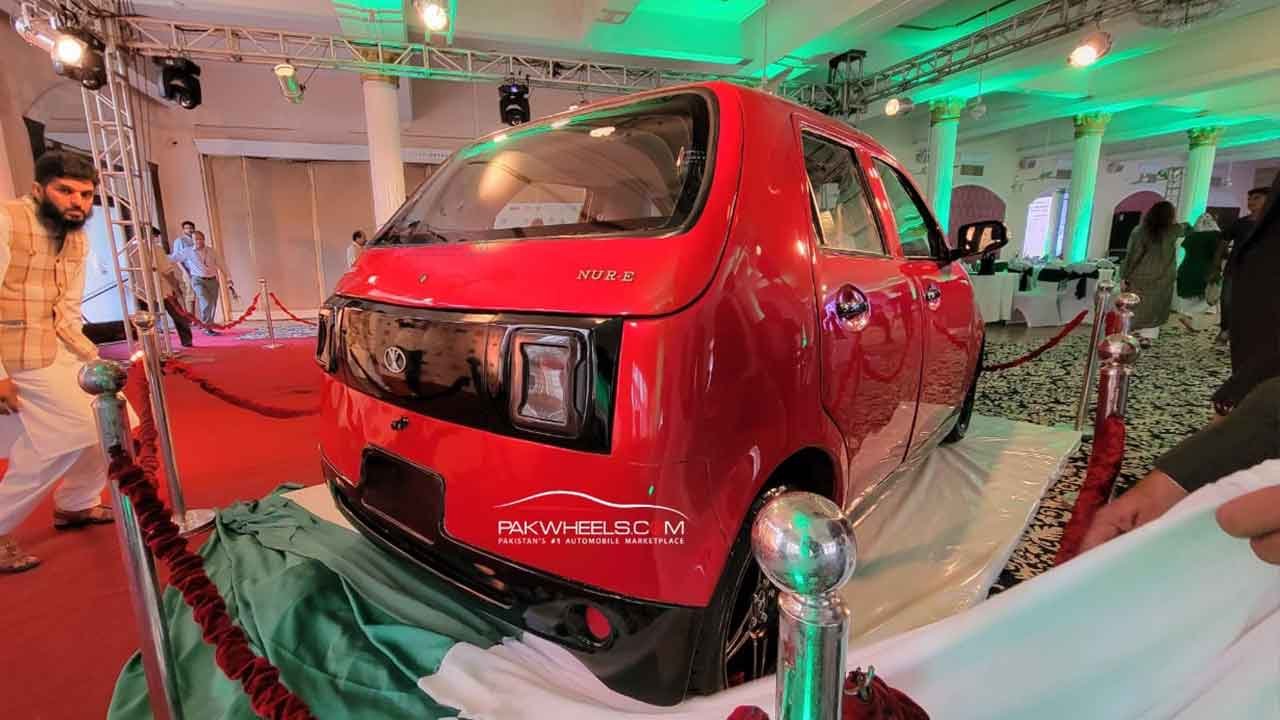
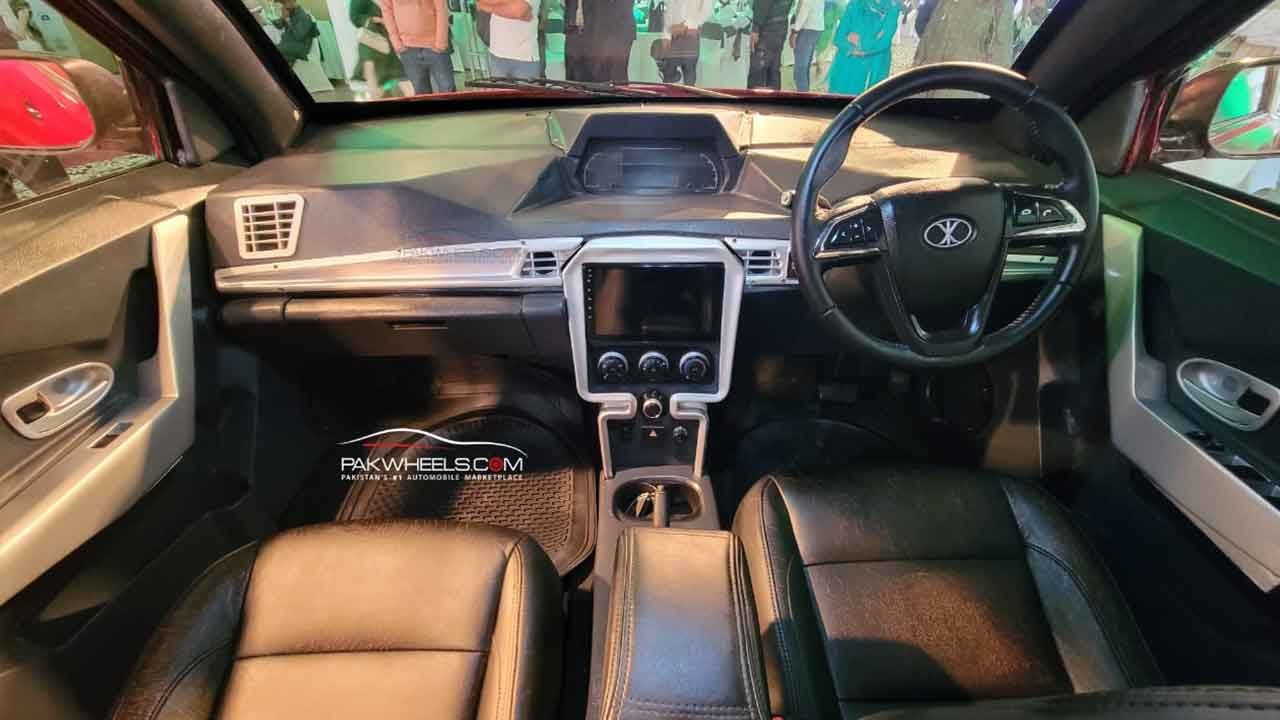
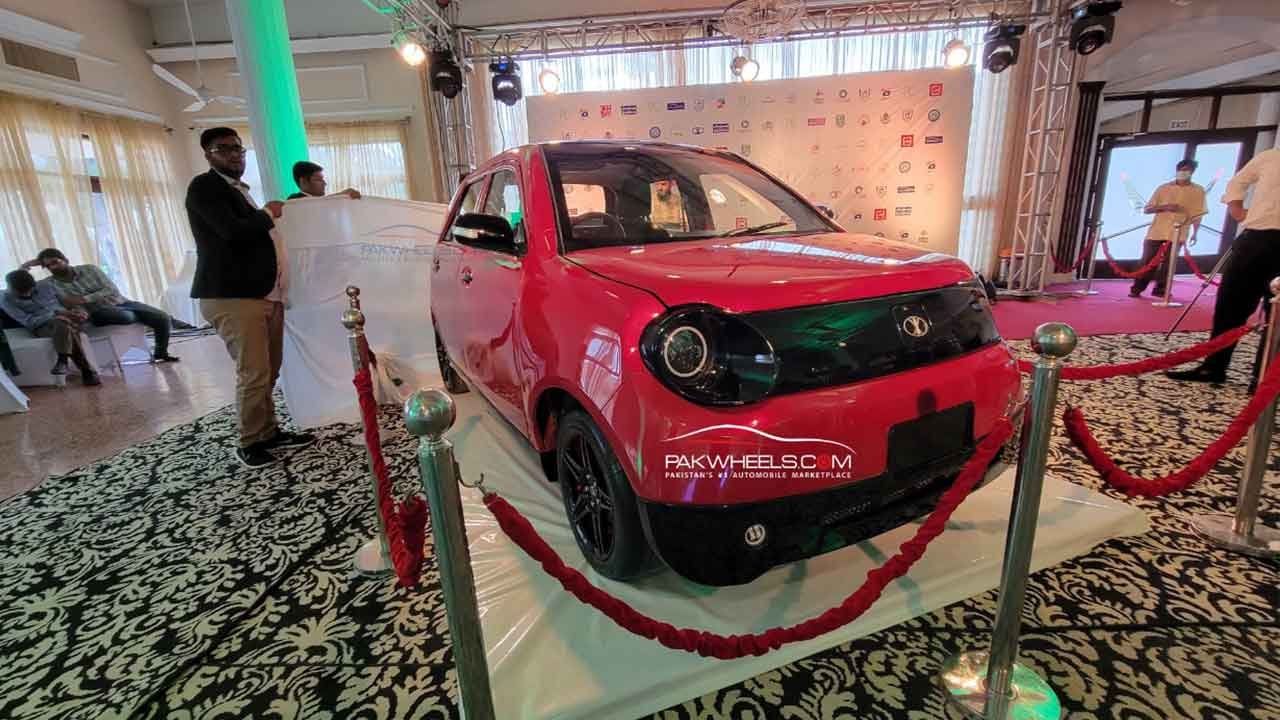
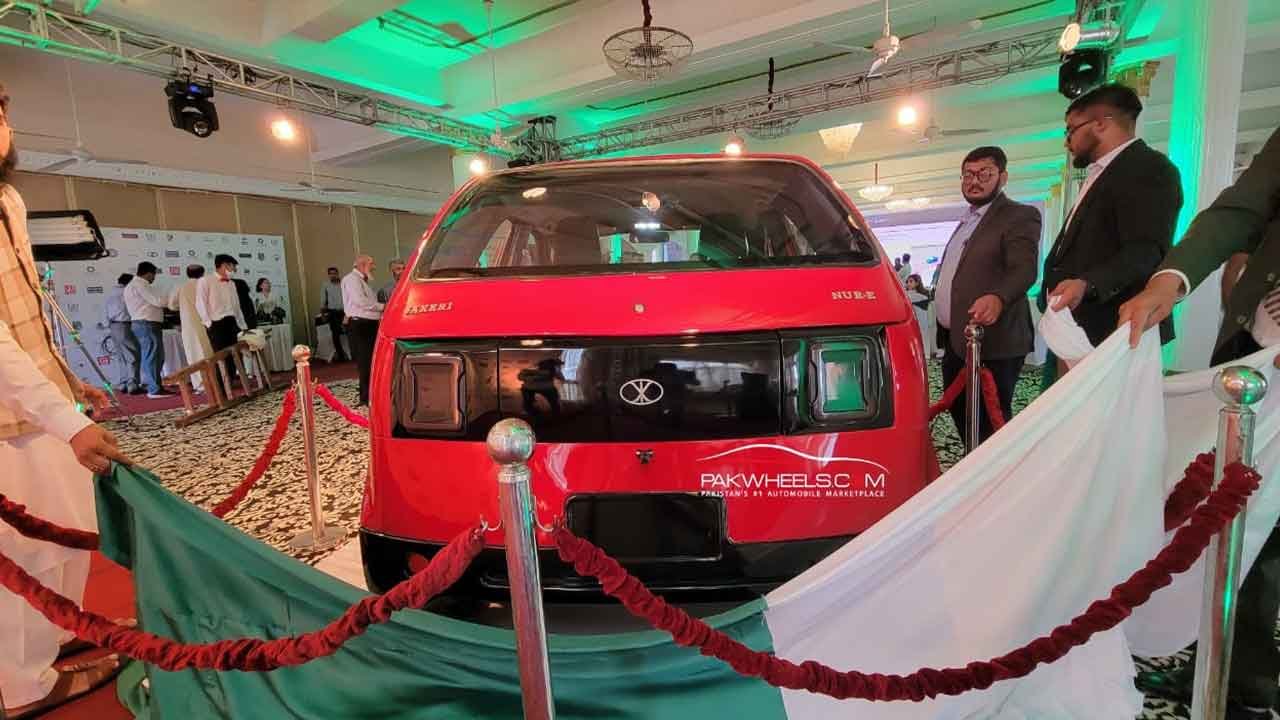
    In Pictures: Pakistan unveils its first electric car with 210km range

    Except for Pakistan, electric vehicles have gained massive popularity throughout the world. A few imported cars that are available in the local market are pricey and out of the range of the average person.

    Now that Pakistan’s first electric automobile has been launched with some outstanding features, things are set to change.

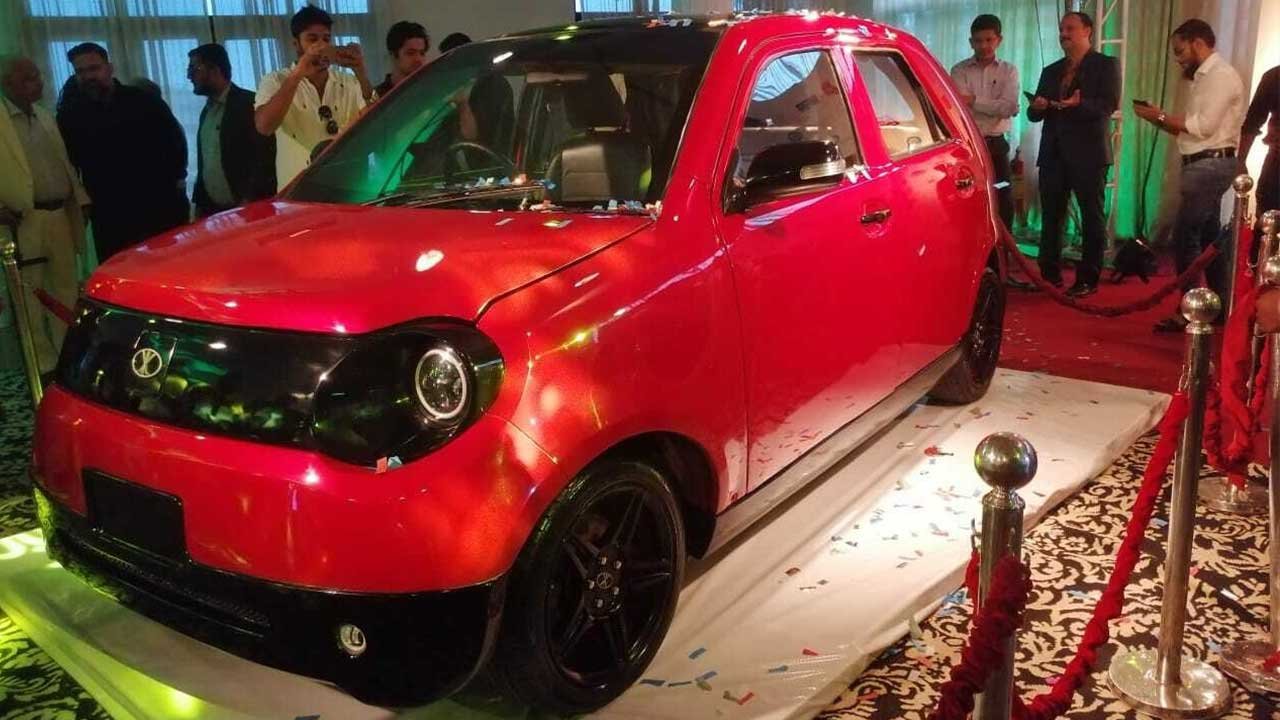
    On Independence Day, Pakistan’s first electric vehicle prototype, the NUR-E 75, was displayed on August 14.

    The battery in the car will have a 35kWh capacity with a range of 210 kilometres after being fully charged.

    NUR-E 75 will save a significant amount of fuel, contribute to the fight against climate change, and maintain economic prosperity, claims Dr Khurshid Qureshi, founder and chairperson of the Distinguished Innovation, Collaboration & Entrepreneurship (DICE) Foundation, who developed the prototype.

    It has a maximum speed of 120km/h, tyre size of 16 inches, a ground clearance of 190mm, and a charging capacity of 220V in eight hours, with fast charging also available.

    Dr Qureshi claimed that the production of the car has three stages: the first involved industrial design, production, and launch; the second involved expanding production to include sedans and SUVs, small commercial trucks, and EV platform export; and the third involves exporting the cars.

    Read more: Cheapest new cars to buy in Pakistan

    The completely working prototype, EV NUR-E 75, is ready for testing and regulatory approval, he said, adding that manufacturing started in 2019. Meanwhile, design work on a rolling platform that will be utilised for multiple vehicle segments is in progress.

    The little hatchback’s maximum output is 80 kW (108 horsepower), and its 35 kWh battery can travel 210 km without the air conditioner on.

    He emphasised that the vehicle, given to Pakistan as a gift for its diamond jubilee, would play a significant role in the context of the environment and climate change and help us transition away from the use of non-renewable fuels.

  • LG Electronics is stepping into EV charging business

    LG Electronics is stepping into EV charging business

    As the worldwide competition to produce everything linked to EVs intensifies, LG Electronics has acquired AppleMango, a South Korean developer of electric car battery chargers.

    The acquisition, which was done in partnership with GS Energy, a producer of EV charging stations, and GS Neotek, a provider of IT services, will enable LG to take advantage of upcoming commercial prospects.

    According to Paik Ki-mun, senior vice president of LG Electronics, “the EV charging market is likely to increase significantly due to the surging demand for more environmentally friendly automobiles.”

    “We will provide specialised, integrated vehicle charging solutions for a variety of customers, boosting the competitiveness of our existing and assuring our preparation for future prospects,” the statement reads.

    In AppleMango, which will now be a subsidiary of LG Electronics, LG Electronics purchased a 60 per cent share, while GS Energy and GS Neotek acquired 34 and 6 per cent, respectively.

    The deal’s financial details were kept between the firms. The projected cost of the transaction is $7.8 million, according to rumours.

    In order to concentrate on its growing markets, such as electric cars, the internet of things (IoT), and B2B solutions, LG Electronics shut down its loss-making mobile business about a year ago.

    To make EV charging in South Korea a pleasant and simple experience for drivers, LG Electronics is prepared to take advantage of its experience in developing user-friendly interfaces.

    The company added that by entering the EV charging market, LG can increase the synergy between its work on EV batteries, energy storage systems, energy management solutions, and chargers.

    By the end of this year, the tech giant intends to establish an EV charger production line at LG Digital Park in South Korea with the goal of offering specialised EV charging options for private houses, retail establishments, lodging facilities, and public organisations.

    The acquired company brings to the acquisition a wide range of EV charging solution technologies, from slow chargers to rapid chargers for household and commercial use.

    LG did not specify whether it planned to continue selling AppleMango’s chargers.