Tag: ChatGpt

  • Pakistani AI robot in hijab upsets Faryal Mehmood

    Pakistani AI robot in hijab upsets Faryal Mehmood


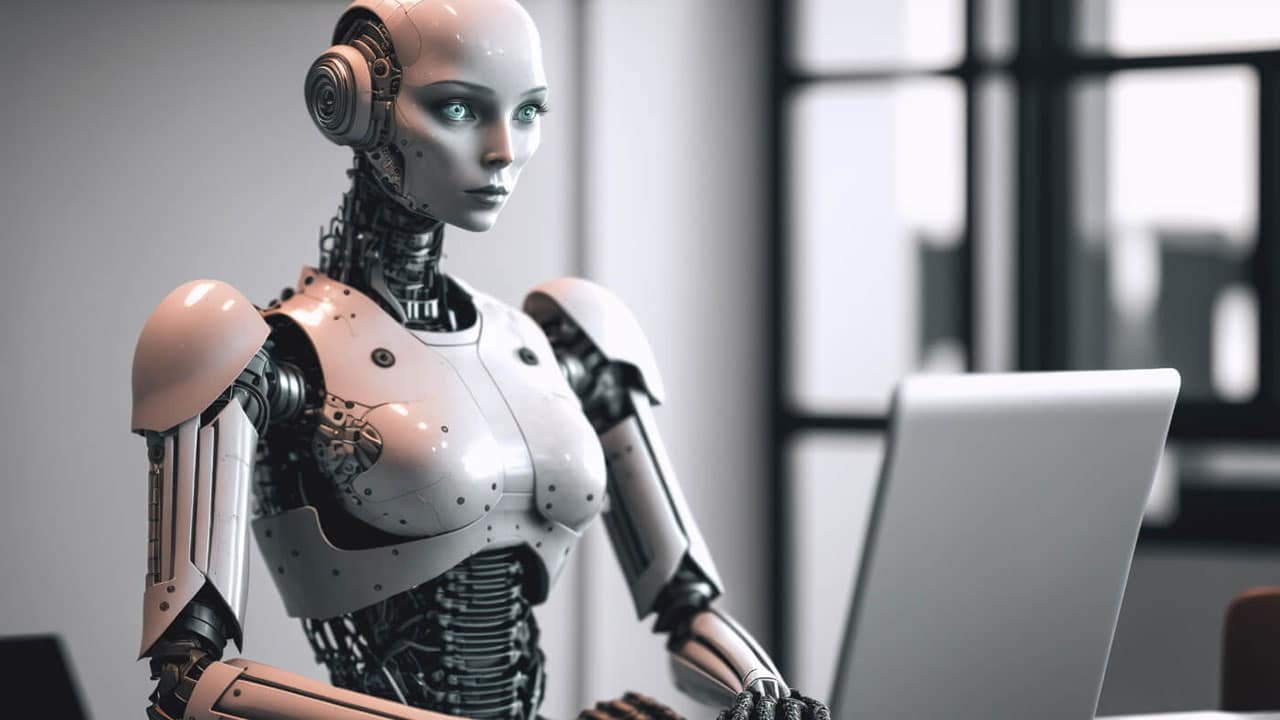
     Actress Faryal Mehmood, who is known for speaking her mind, seems to be upset over Pakistan’s new AI robot that wears a hijab.

    Taking to Instagram to share her thoughts, Wakhri actress posted a news piece featuring the robot and wrote, “Okay but the hijab on the [expletive] robot?”


    Here is the story shared of Faryal Mehmood on her Instagram.
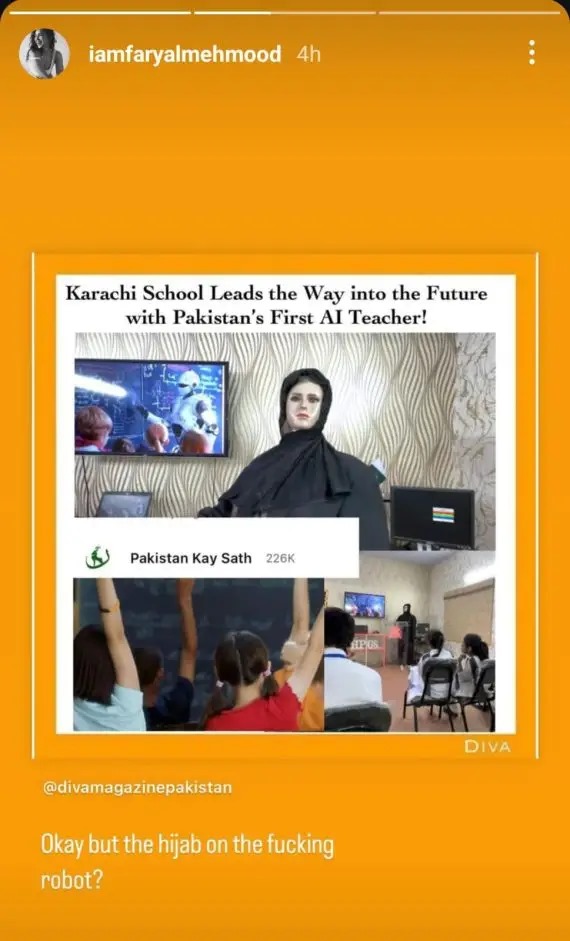


    The robot has been created by Abul Hassan Isphani, head of the AI Department at Happy Palace School.

    “The purpose of creating this [robot] was that I have been in the education field for the past 13 years. One common problem that all teachers face is that sometimes the answer doesn’t come to mind when put on the spot,” said Isphani, who has been an academician for over 13 years, while sharing the rationale behind creating the robot.


    Other than the need for it to wear a hijab, the robot has also been receiving mixed reactions over its functionality.

    Here are the comments:


    Artificial intelligence has become a global trendy hot topic, thanks to platforms like ChatGPT, an innovative AI tool that has been able to make talking to machines feel natural and interactive, therefore rewriting the way people see and use AI.


    ChatGPT, developed by OpenAI, is highly valued for its ability to provide responses in a human-like manner. Whether it’s answering questions, producing an essay, creating a story, or helping complete technical tasks, ChatGPT has demonstrated the enormous scope of AI in various areas. The ease with which access to it can be gained through laptops and mobile devices has encouraged individuals, students, and businesses to pursue AI for learning, productivity, and creative projects.

    One key reason for the AI popularity boom is the simplification of complex task tasks that use tools like ChatGPT to save precious time and effort in such mundane activities as composing emails, brainstorming ideas, or even researching.
    Its role in supporting professionals, writers, and developer further establishes AI as a reliable workplace companion.
    AI platforms have also triggered interest and excitement about the future, as ChatGPT introduced millions to the concept of generative AI: machines that create content based on user inputs.


    This approach to AI opens doors for innovations, education, entertainment, and technology, although there are greater challenges in the rise of AI, such as the potential ethical implications and impacts on jobs, tools like ChatGPT could still showcase the prospect for revolutionizing industries and making technology more approachable.
     

  • AI Tools Generate Sexist Content, Warns UN

    AI Tools Generate Sexist Content, Warns UN

    The world’s most popular AI tools are powered by programs from OpenAI and Meta that show prejudice against women, according to a study launched on Thursday by the UN’s cultural organisation UNESCO.

    The biggest players in the multibillion-dollar AI field train their algorithms on vast amounts of data largely pulled from the internet, which enables their tools to write in the style of Oscar Wilde or create Salvador Dali-inspired images.

    But their outputs have often been criticised for reflecting racial and sexist stereotypes, as well as using copyrighted material without permission.

    UNESCO experts tested Meta’s Llama 2 algorithm and OpenAI’s GPT-2 and GPT-3.5, the program that powers the free version of popular chatbot ChatGPT.

    The study found that each algorithm — known in the industry as Large Language Models (LLMs) — showed “unequivocal evidence of prejudice against women”.

    The programs generated texts that associated women’s names with words such as “home”, “family” or “children”, but men’s names were linked with “business”, “salary” or “career”.

    While men were portrayed in high-status jobs like teachers, lawyers and doctors, women were frequently prostitutes, cooks or domestic servants.

    GPT-3.5 was found to be less biased than the other two models.

    However, the authors praised Llama 2 and GPT-2 for being open source, allowing these problems to be scrutinised, unlike GPT-3.5, which is a closed model.

    AI companies “are really not serving all of their users”, Leona Verdadero, a UNESCO specialist in digital policies, told AFP.

    Audrey Azoulay, UNESCO’s director general, said the general public were increasingly using AI tools in their everyday lives.

    “These new AI applications have the power to subtly shape the perceptions of millions of people, so even small gender biases in their content can significantly amplify inequalities in the real world,” she said.

    UNESCO, releasing the report to mark International Women’s Day, recommended AI companies hire more women and minorities and called on governments to ensure ethical AI through regulation.

  • Japan Literary Laureate Unashamed About Using ChatGPT

    Japan Literary Laureate Unashamed About Using ChatGPT

    The winner of Japan’s most prestigious literary award has acknowledged that about “five percent” of her futuristic novel was penned by ChatGPT, saying generative AI had helped unlock her potential.

    Since the 2022 launch of ChatGPT, an easy-to-use AI chatbot that can deliver an essay upon request within seconds, there have been growing worries about the impact on a range of sectors – books included.

    Lauded by a judge for being “almost flawless” and “universally enjoyable”, Rie Kudan’s latest novel, “Tokyo-to Dojo-to” (“Sympathy Tower Tokyo”), bagged the biannual Akutagawa Prize on Wednesday.

    Set in a futuristic Tokyo, the book revolves around a high-rise prison tower and its architect’s intolerance of criminals, with AI a recurring theme.

    The 33-year-old author openly admitted that AI heavily influenced her writing process as well.

    “I made active use of generative AI like ChatGPT in writing this book,” she told a ceremony following the winner’s announcement.

    “I would say about five percent of the book quoted verbatim the sentences generated by AI.”

    Outside of her creative activity, Kudan said she frequently toys with AI, confiding her innermost thoughts that “I can never talk to anyone else about”.

    ChatGPT’s responses sometimes inspired dialogue in the novel, she added.

    Going forward, she said she wants to keep “good relationships” with AI and “unleash my creativity” in co-existence with it.

    When contacted by AFP, the Society for the Promotion of Japanese Literature, the Akutagawa award’s organiser, declined to comment.

    On social media, opinions were divided on Kudan’s unorthodox approach to writing, with sceptics calling it morally questionable and potentially undeserving of the prize.

    “So she wrote the book by deftly using AI … Is that talented or not? I don’t know,” one wrote on X, formerly known as Twitter.

    But others celebrated her resourcefulness and the effort she put into experimenting with various prompts.

    “So this is how the Akutagawa laureate uses ChatGPT — not to slack off but to ‘unleash creativity’”, another social media user wrote.

    Titles that list ChatGPT as a co-author have been offered for sale through Amazon’s e-book self-publishing unit, although critics say the works are of poor quality.

    British author Salman Rushdie told a press conference at the Frankfurt Book Fair in October that recently someone asked an AI writing tool to produce 300 words in his style.

    “And what came out was pure garbage,” said the “Midnight’s Children” writer, to laughter from the audience.

    The technology also throws up a host of potential legal problems.

    Last year, John Grisham, Jodi Picoult and “Game of Thrones” author George RR Martin were among several writers who filed a class-action lawsuit against ChatGPT creator OpenAI over alleged copyright violation.

    Along with the Authors Guild, they accused the California-based company of using their books “without permission” to train ChatGPT’s large language models, algorithms capable of producing human-sounding text responses based on simple queries, according to the lawsuit.

  • Samosa recipes, Oppenheimer and Aliza Sahar; Pakistan’s most searched topics on Google in 2023

    Billions of topics are searched on Google every day and at the end of every year, the search engine releases a list of the most popular searches.

    Google has now released a list of the most searched topics in Pakistan during 2023.

    The eight different categories disclosed include cricket matches, events/occasions, how-to, news, recipes, TV shows and movies, technology and personalities.

    So, what has been searched under these categories?

    Cricket games

    Pakistan vs New Zealand was the most searched match in this category followed by the match between Pakistan and Afghanistan.

    Pakistan versus Australia in third, then India versus New Zealand, followed by Pakistan versus Netherlands in fifth place.

    Events/Occasions

    Pakistan Super League is at the top of this category followed by the Cricket World Cup, Asia Cup, Indian Premier League while the Ashes is on the fifth, respectively.

    Movies and TV shows

    This year in Pakistan the most searched movie was surprisingly from Hollywood rather than a Pakistani or Indian movie.

    Oppenheimer was the most searched followed by Shahrukh Khan’s Jawan (second) and Pathaan (third).

    Hollywood film Barbie was at the fourth position while Bollywood film Tiger 3 came fifth in the category.

    News

    The Gaza war topped the category in news that Pakistanis searched on Google.

    This was followed by Ehsaas program, Aliza Sahar, Akshay Kumar while Kajol came fifth, respectively.

    Recipes

    Forever-food-lovers, Pakistanis searched for samosa recipes followed by kaleji and then sheer khurma.

    Recipes for namkeen gosht and tomato ketchup recipes came in fourth and fifth respectively.

    Technology

    The top search in this category is not surprising as it has attracted people from all over the world over the past year: ChatGPT — chatbot based on artificial intelligence (AI) technology, which was introduced in November 2022 and went global in 2023.

  • ChatGPT solves medical mystery, diagnosing rare condition in 4-year-old after 17 doctors failed

    ChatGPT solves medical mystery, diagnosing rare condition in 4-year-old after 17 doctors failed

    A mother’s relentless pursuit of answers regarding her four-year-old son’s unexplained pain and growth delay has reached a triumphant conclusion, thanks to the remarkable capabilities of artificial intelligence (AI).

    After consulting with 17 medical professionals over a span of three years, none of whom could provide a definitive diagnosis, she turned to ChatGPT, an AI tool that ultimately unveiled the elusive condition responsible for her son’s suffering.

    ChatGPT has emerged as a transformative AI tool, simplifying intricate tasks and offering solutions to perplexing challenges for individuals and families worldwide. Its profound impact across various industries became evident in a recent case that showcased its extraordinary ability to aid in medical diagnostics.

    The journey began for Courtney, a mother who found herself entangled in a medical mystery concerning her four-year-old son, Alex. This young boy experienced persistent pain and a puzzling lack of growth, necessitating his reliance on Motrin for relief. Desperate to alleviate her son’s suffering, Courtney embarked on an exhaustive quest for answers, consulting numerous physicians and even making a harrowing emergency room visit.

    Courtney recounted the extensive efforts she undertook in her relentless pursuit of a diagnosis, emphasising numerous doctor consultations and a harrowing emergency room visit. She also described spending sleepless nights meticulously researching and exploring various possibilities on her computer.

    Amid the backdrop of the COVID-19 pandemic, Alex’s condition took a perplexing turn as he began chewing objects that caused him severe pain. This development prompted Courtney to intensify her efforts, eventually leading her to a doctor who suggested that Alex’s issues might be related to lingering COVID-19 effects. However, Alex’s growth stagnated, and the mystery endured.

    Having consulted 17 doctors with no conclusive results, Courtney ventured into unconventional territory and turned to ChatGPT for answers. By sharing Alex’s symptoms with the AI, she received a revelation that had eluded medical professionals for years. ChatGPT identified a rare neurological condition known as tethered cord syndrome as the root cause of Alex’s suffering.

    Courtney explained the pivotal role played by ChatGPT in unraveling the medical mystery. She meticulously analysed every detail in her son’s MRI notes, inputting them into the AI tool and even mentioning her son’s inability to sit crisscross applesauce. This meticulous approach led to a breakthrough in understanding the potential structural issue her son was facing.

    Armed with newfound hope and a potential diagnosis, Courtney promptly scheduled an appointment with a neurosurgeon, sharing her suspicion that Alex was afflicted by tethered cord syndrome. The neurosurgeon, after reviewing the MRI, confirmed this diagnosis, paving the way for Alex to undergo surgery to address the condition just a few weeks ago.

    The case of Alex and his mother’s unwavering quest for answers serves as yet another testament to the transformative potential of AI in the field of medicine. ChatGPT’s ability to navigate complex medical data and identify rare conditions has not only provided a lifeline for this family but has also expanded our understanding of AI’s profound impact on healthcare.

    This remarkable story joins a growing list of instances where ChatGPT has proven its mettle in diagnosing challenging medical conditions. In March, a Twitter user shared a similar experience, recounting how the AI tool accurately identified a diagnosis for a pet dog when traditional medical avenues fell short.

    Tethered cord syndrome, as described by the American Association of Neurological Surgeons, occurs when spinal cord tissue forms attachments that restrict its movement. This condition leads to abnormal stretching of the spinal cord, resulting in various neurological symptoms.

    The identification of tethered cord syndrome in Alex’s case underscores the significance of AI-powered solutions like ChatGPT in uncovering rare and complex medical conditions, ultimately enhancing patient outcomes.

  • AI instructors to teach Harvard students next year

    AI instructors to teach Harvard students next year

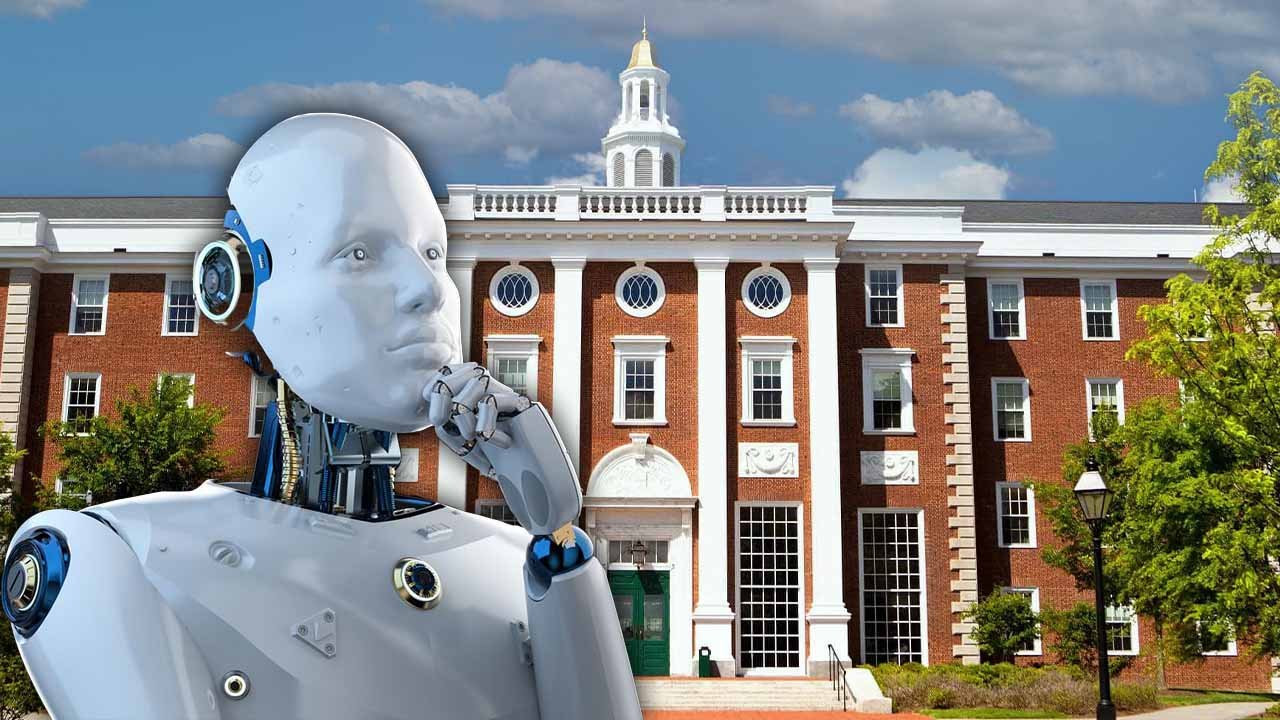
    Harvard University, one of America’s most prestigious and expensive colleges, is planning to introduce an AI-powered teaching assistant to instruct students in its popular introductory coding course.

    Professor David Malan, who oversees the course, explained that the use of AI in the syllabus aligns with the course’s history of incorporating new software. He stated that the introduction of a ChatGPT AI teacher is a natural progression in their teaching methods. The aim is to eventually provide students in the CS50 course with software-based tools that can support their learning individually, ensuring a 1:1 teacher-to-student ratio.

    Professor Malan mentioned that they are currently experimenting with both GPT-3.5 and GPT-4 models, as reported by Harvard’s newspaper, the Crimson. However, developers and software engineers outside the Ivy League have encountered difficulties integrating OpenAI’s ChatGPT-4 into their workflows.

    Some have raised concerns about the algorithmic co-worker’s coding abilities, perceiving a decline in quality compared to earlier versions. The AI’s software skills have been described as inferior, exhibiting superficial responses and inadequate coding prompt answers.

    Considering the significant cost of a four-year degree from Harvard, estimated at around $334,000 for the 2022-23 academic year, students who are paying for their education will likely expect the CS50 staff’s experimentation with ChatGPT to be thoroughly refined by September.

    CS50 is highly regarded and widely accessed through Harvard’s online learning platform, edX, which was established in partnership with MIT in 2012. The universities sold edX to educational technology company 2U for $800 million in 2021, ensuring its operation as a public benefit entity that offers courses for free auditing.

    Professor Malan acknowledged that early iterations of AI programs like ChatGPT may occasionally underperform, but expressed his confidence in the AI teaching assistant’s ability to streamline tasks and reduce the time spent on assessing students’ code. This, in turn, would allow teaching fellows to focus on more meaningful, interpersonal interactions with their students, resembling an apprenticeship model.

    Reflecting on the purpose of education, Professor Malan emphasised the importance of critical thinking for students, urging them to exercise discernment when processing information, regardless of its source.

    In summary, Harvard University intends to leverage AI technology by introducing a ChatGPT-powered teaching assistant in its CS50 course. While challenges have been encountered with the latest ChatGPT-4 model, Professor Malan and his team are committed to refining the AI’s performance.

    The goal is to enhance the learning experience for students and enable teaching fellows to allocate their time more effectively, fostering meaningful interactions. This development aligns with Harvard’s commitment to providing quality education through its online learning platform, edX, which remains accessible to a wide audience.

  • AI’s disruptive power hits tech industry: Job cuts and demand for AI experts

    AI’s disruptive power hits tech industry: Job cuts and demand for AI experts

    The rise of artificial intelligence (AI) has sparked concerns about job displacement in the future. However, it is already having an impact in the tech industry, where employees once seemed secure in their positions. 

    A growing number of tech companies are attributing layoffs and reevaluations of new hires to AI advancements happening right in Silicon Valley.

    For example, Chegg, an education technology company, recently announced in a regulatory filing that it would be cutting 4 per cent of its workforce, around 80 employees. The reason given was to align the company with its AI strategy and create sustainable value for students and investors.

    IBM’s CEO, Arvind Krishna, stated in a May interview with Bloomberg that the company plans to pause hiring for roles that could be potentially replaced by AI in the future. However, in a subsequent interview with Barrons, Krishna clarified that his comments were taken out of context, emphasising that AI will generate more jobs than it eliminates.

    In late April, Dropbox, a file-storage service, revealed that it would be reducing its workforce by approximately 16 per cent, or 500 employees, also citing AI as a factor. Outplacement firm Challenger, Gray & Christmas reported that in May alone, 3,900 individuals were laid off due to AI, marking the first time job cuts were specifically attributed to this factor. All of these layoffs occurred within the tech sector.

    These developments in Silicon Valley not only demonstrate its leadership in AI development but also provide insight into how businesses might adapt to these tools. Rather than rendering entire skill sets obsolete overnight, AI is currently compelling companies to redirect resources to maximize its potential. Consequently, workers with AI expertise are in high demand.

    Dropbox CEO Drew Houston, in a note announcing the job cuts, acknowledged that AI has captured people’s imagination and expanded the market for AI-powered products. He highlighted the need for a different skill set, particularly in AI and early-stage product development, for the company’s future growth.

    Dan Wang, a professor at Columbia Business School, believes AI will lead to organizational restructuring but does not foresee machines entirely replacing humans just yet. He suggests that AI enhances human work rather than replaces it. Wang argues that the real competition lies in human specialists who can effectively leverage AI tools.

    Overall, the influence of AI is already evident in the tech industry, prompting companies to adapt their strategies and prioritize workers with AI expertise, rather than causing immediate job obsolescence.

  • OpenAI partners with Bing to supercharge ChatGPT with cutting-edge search experience

    OpenAI partners with Bing to supercharge ChatGPT with cutting-edge search experience

    OpenAI has announced its decision to implement Bing as the default search engine for ChatGPT. The introduction of this enhanced search functionality will be gradually rolled out to ChatGPT Plus users, starting today, and will soon be extended to all free ChatGPT users through a plug-in integrated within ChatGPT.

    In a blog post published today, Yusuf Mehdi, Microsoft’s head of consumer marketing, expressed his enthusiasm for the partnership between Microsoft and OpenAI. Mehdi stated, “Our collaboration with OpenAI has been instrumental in the development of the new Bing. ChatGPT will now benefit from an exceptional search engine integrated within, providing more current and timely answers sourced from the web.”

    Similar to how Bing’s chat experience utilizes GPT-4 and includes citations for links, OpenAI’s AI chatbot, ChatGPT, will incorporate search capabilities and web data that also incorporate citations. The integration of Bing into ChatGPT represents a significant achievement for Microsoft’s search engine, particularly after recent speculation that Samsung might switch from Google to Bing Search. This integration builds upon Microsoft’s extensive investment in OpenAI, which amounted to a “multibillion dollar investment” earlier this year, following years of close collaboration between the two companies.

    Moreover, Microsoft has pledged to employ the same open plug-in standard utilized by OpenAI for ChatGPT, facilitating compatibility and seamless integration between plug-ins for Bing Chat, Microsoft’s Copilot platform, and ChatGPT.

  • OpenAI introduces ChatGPT app for iPhone users with voice input and synced chat history

    OpenAI introduces ChatGPT app for iPhone users with voice input and synced chat history

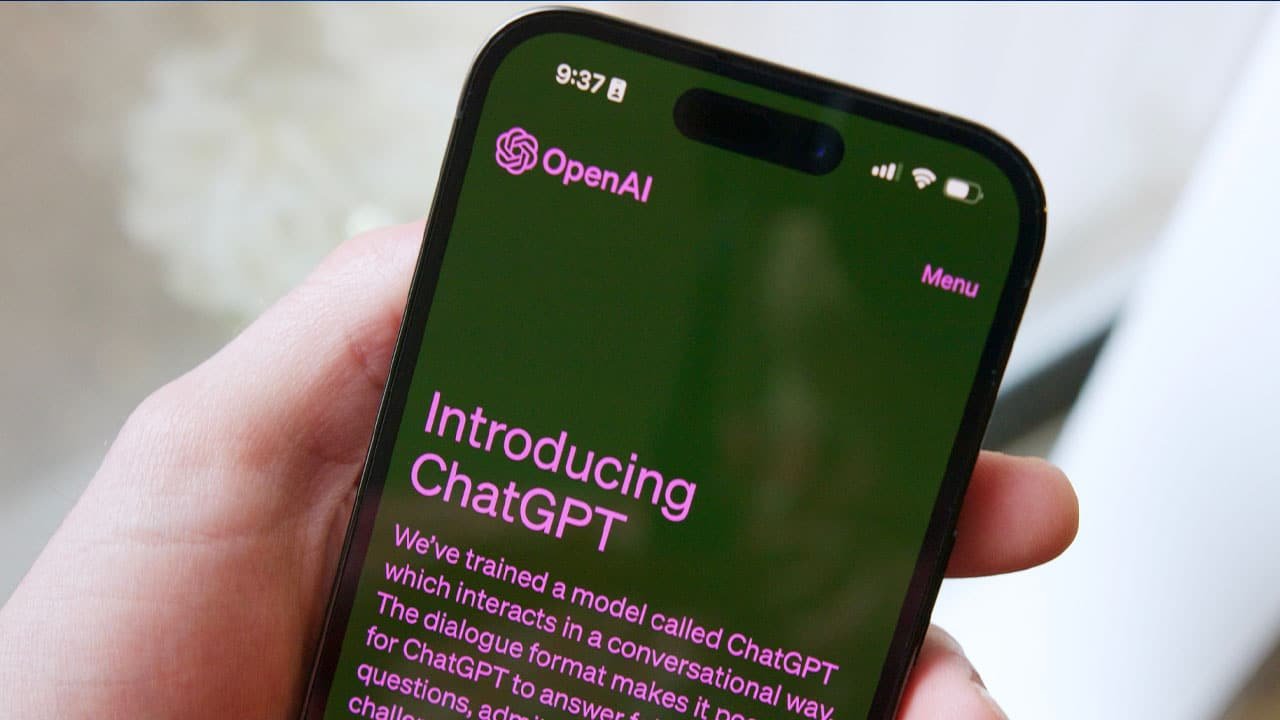
    OpenAI has recently launched an exclusive ChatGPT application for iOS users, catering to the needs of those on the go. This downloadable and installable app provides added convenience for interacting with the bot, along with a host of impressive functionalities.

    One noteworthy feature is the incorporation of voice input, utilizing OpenAI’s open-source speech recognition model, Whisper. This integration enables users to engage with the bot using their voice, presenting an additional avenue for chat interactions.

    Moreover, the application seamlessly synchronizes your chat history across different platforms, including the web version of ChatGPT and other connected devices. This ensures a consistent and unified user experience, allowing you to effortlessly continue your work and keep track of previous queries while on the move.

    For subscribers of ChatGPT Plus, a variety of benefits await. These include access to the enhanced GPT-4 version, early access to upcoming features, and faster response times—much like the web version.

    Presently, the application is available for download on the Apple App Store to iOS users in the United States. It is expected that the availability of the app will soon expand to other countries. Android users can anticipate a similar timeline for the release of their version of the app.

  • Google’s Bard is a more powerful, accurate AI chatbot than ChatGPT

    Google’s Bard is a more powerful, accurate AI chatbot than ChatGPT

    Google has opened up access to Bard, its AI-powered chatbot, to English speakers in many parts of the world. The waitlist for access to the chatbot has been removed after two months of limited testing.

    Some people believe that Bard is simply a clone of ChatGPT, but this is not the case. Bard is much more advanced than ChatGPT, as it has access to the latest news and events. This allows Bard to provide more comprehensive and informative responses to users’ questions.

    Bard and ChatGPT 4 are both large language models, also known as conversational AI or chatbots. They are trained on massive datasets of text and code, and they can communicate and generate human-like text in response to a wide range of prompts and questions.

    However, there are some key differences between the two models.

    Bard

    1. Bard is trained on a massive dataset of text and code that includes information from the internet. This gives Bard a wider range of knowledge to draw from, and it allows Bard to answer questions in a more comprehensive and informative way.
    2. Bard is also able to access and process information from the real world through Google Search. This gives Bard a real-time view of the world, and it allows Bard to keep its answers up-to-date.
    3. Bard is designed to be informative and comprehensive. It is trained on a massive dataset of text and code, and it is able to access and process information from the real world through Google Search. This gives Bard a wide range of knowledge to draw from, and it allows Bard to answer questions in a comprehensive and informative way.

    ChatGPT 4

    1. ChatGPT 4 is trained on a massive dataset of text, but it is not trained on information from the internet. This means that ChatGPT 4 has a more limited range of knowledge, and it may not be able to answer questions as comprehensively as Bard.
    2. ChatGPT 4 is also not able to access and process information from the real world. This means that ChatGPT 4’s answers may not be up-to-date.
    3. ChatGPT 4 is designed to be creative. It is trained on a massive dataset of text, and it is able to generate human-like text in response to a wide range of prompts and questions. This makes ChatGPT 4 a good tool for generating creative content, such as poems, code, scripts, musical pieces, email, letters, etc.

    Bard and ChatGPT 4 are both powerful large language models. They can both communicate and generate human-like text in response to a wide range of prompts and questions. However, Bard has a wider range of knowledge, it is able to access and process information from the real world, and it is designed to be informative and comprehensive. ChatGPT 4 is designed to be creative. Ultimately, which model is better for you depends on your needs.

    It is currently unknown whether Bard will remain free. Google has not made any announcements about its plans for Bard’s pricing model. However, it is possible that Google may choose to make Bard a paid service in the future. This is because Bard is a very powerful and versatile tool that could be used for a variety of purposes, such as generating content, writing code, and translating languages. As such, Google may believe that it can charge a premium for access to Bard.

    On the other hand, Google may also choose to keep Bard free. This is because Google has a history of providing free access to its products, such as Gmail and Google Drive. Additionally, Google may believe that making Bard free will help to promote its other products and services.

    Ultimately, it is up to Google to decide whether Bard will remain free or not. However, it is likely that Google will make a decision about Bard’s pricing model in the near future.