Tag: China

  • ‘Pakistan wants a civilised relationship with the US’: PM Khan

    Prime Minister Imran Khan recently gave an interview to The New York Times about Pakistan’s planned future strategy once the United States (US) leaves Afghanistan and said that in the past, the US kept expecting more from Pakistan, while previous governments “tried to deliver what they were not capable of”.

    The interview was published on June 25, when US President Joe Biden had his first face-to-face meeting with his Afghan counterpart, Ashraf Ghani, at the White House.

    Replying to a question related to Pakistan’s future relationship with the US after the withdrawal of American troops from Afghanistan, PM Khan said that Pakistan has always had a closer relationship with the United States than neighbouring India.

    “After 9/11, Pakistan again opted to join the US war on terror. Now, after the US leaves Afghanistan, basically Pakistan would want a civilised relationship, which you have between nations, and we would like to improve our trading relationship with the US,” he said.

    Mr Khan recalled that Pakistan has had a closer relationship with the United States than other nations in the region, such as India, and was a US partner in the war against terrorism, an argument used by previous Pakistani rulers as well without much success.

    “Now, after the US leaves Afghanistan, basically Pakistan would want a civilised relationship, which you have between nations, and we would like to improve our trading relationship with the US,” the prime minister replied.

    “Unfortunately, the relationship during the war on terror was a bit lopsided,” he said, adding, “It was a lopsided relationship because [the] US felt that they were giving aid to Pakistan, they felt that Pakistan then had to do US’s bidding. And what Pakistan did in terms of trying to do the US bidding cost Pakistan a lot … 70,000 Pakistanis died, and over $150 billion were lost to the economy because there were suicide bombings and bombs going on all over the country.”

    Asked if Pakistan was still using its leverage with the Taliban to move the peace talks towards a deal, Mr Khan said: “Pakistan has used the maximum leverage it could on the Taliban.”

    The prime minister said Pakistan has been emphasising to the Taliban that they should not go for a military victory because it would only lead to a protracted civil war. And since the Taliban are primarily a Pashtun movement, this will have two effects: Another influx of refugees into Pakistan and upset Pakistan’s efforts to lift its economy through trade, he explained.

    ‘We have signed very good trade deals with the Central Asian republics, but we can only go there through Afghanistan. If there is a civil war, all that goes down the drain,’ he said.

    “Let me assure you, we will do everything except use military action against the Taliban. I mean, we will do everything up to that,” Mr Khan said, adding: “All sections of our society have decided that Pakistan will take no military action.”

    The premier was also questioned whether Indo-Pakistan relations would improve if the Modi government leaves power. In response, he said that he “knows India better than any other Pakistani”.

    He said that he has had “love and respect from India [more] than anyone because cricket is a big sport”.

    “And the best way would be if India and Pakistan had a normal, civilised trading relationship. It would benefit both countries,” the PM said he told Modi.

    “So we tried. Didn’t get anywhere. I think that it is a particular ideology of the (Hindu nationalist group) Rashtriya Swayamsevak Sangh (RSS), which Narendra Modi belongs to, which just came up against a brick wall. And therefore the answer to your question is yes. Had there been another Indian leadership, I think we would have had a good relationship with them. And yes, we would have resolved all our differences through dialogue.”

    When asked if Pakistan would consider it an Indian win if Kashmir’s status quo remains the same, PM Imran Khan said that it would be a “disaster for India.”

    “[That is because] it will just mean that this conflict festers on and on. And so as long as it festers, it’s going to stop there being any relationship — normal relationship — between Pakistan and India.”

    The premier was questioned about Pakistan’s relationship with China and how it affects both the US and India. In response, he said that he finds it “very odd” that China and the US would become great rivals. 
  • ‘If a woman is wearing very few clothes, it will have an impact on men, unless they are robots,’ says PM Khan

    In an interview with “Axios on HBO” with Jonathan Swan, which aired at 3am PST on Monday morning, Prime Minister Imran Khan said that “if a woman is wearing very few clothes, it will have an impact on the men, unless they are robots”.

    Prime Minister Khan discussed various issues in his interview with Axios’ Swan ranging from US withdrawal from Afghanistan to Pak-US relationship, Uyghur Muslims in China and sexual violence in Pakistan.

    Rape and sexual violence

    Swan asked PM Khan about his previous comments pertaining to rape and vulgarity, PM said that it is “such nonsense”.

    “I said that the concept of purdah is avoid temptation in the society. We don’t have discos here, we don’t have night clubs, so it is a completely different society, way of life here. So if you raise temptation in the society to the point and all these young guys have nowhere to go, it has consequences in the society.”

    Swan asked: “Do you think that what women wear has any affect, that that’s part of this temptation?”

    “If a woman is wearing very few clothes, it will have an impact on the men, unless they are robots. I mean it’s common sense,” replied PM.

    Swan asked if this would provoke acts of sexual violence, to which PM Khan responded, “It depends which society you live in. If in a society, people haven’t seen that sort of thing, it will have an impact on them. If you grow up in a society like you, maybe it won’t on you. This cultural imperialism, whatever is in our culture must be acceptable to everyone else. It’s not.”

    “Jonathan, it’s about my society. My priority is how my society behaves, what reactions are caused in my society so when I see sex crime going through the roof, we sit down, we discuss how we are going to tackle this. It is having an impact in my society. We have to do something about it.”

    US withdrawal from Afghanistan

    Axios’ Swan asked PM Khan if he was happy that the US military is finally withdrawing from Afghanistan after 20 years. PM said, “Happy in one way because there was never going to be a military solution in Afghanistan. Anxious that they [the US] are leaving without a political settlement, there is a possibility of civil war.” When asked what would a political settlement look like, PM said that a political settlement in Afghanistan “would mean a sort of a coalition government, a government from the Taliban side and the other side. There is no other solution”.

    Swan asked if PM Khan thinks the Americans made a mistake by saying they are getting out by September 11. The PM said they got themselves in such a big mess that they had to give some sort of timeframe. “But the moment they gave a timeframe, Taliban would have considered that a victory.” PM was asked how he felt about the prospect of the Taliban effectively controlling Afghanistan and if he is happy to welcome them into the community of nations. “As far as Pakistan is concerned, whoever represents the people of Afghanistan, we will deal with them.”

    Swan asked what if they were not democratically elected and does it not concern you on some level that this group of people is accumulating power right next door to you. PM Imran Khan said, “Look, I am not a spokesman for Taliban. For me to say, you know what they are doing or what they shouldn’t be doing is pointless. In case Taliban go for an all-out victory, there is going to be incredible amount of bloodshed. And let me tell you, the country that is going to suffer the most after Afghanistan is going to be Pakistan. We already have three million Afghan refugees here. And this could lead to another exodus so that is our biggest concern. The Americans, before they leave, there must be a settlement.”

    Relationship with the United States

    Swan asked PM Imran Khan why the American CIA Director Bill Burns made an unannounced visit to Islamabad. “Ever since 9/11, there’s constantly been in touch between our intelligence agencies.” PM Khan said he did not meet the CIA director but the head of ISI met him.

    Swan said that the Americans want to have their spies and special forces based in Pakistan to keep an eye on what is happening across the border. To a question if he will allow the American government to have CIA here in Pakistan to conduct cross-border counterterrorism missions against al-Qaeda, ISIS or the Taliban, PM Khan emphatically said, “Absolutely not.” The host interjected and asked: “Seriously?”

    “There is no way we will allow any bases, any sort of action from Pakistani territory into Afghanistan. Absolutely not. Pakistan suffered 70,000 casualties, more than any other country by joining the American war. We cannot afford any more military actions from our territory. We will be partners in peace, not in conflict,” added Khan.

    Swan said that the American military is discussing doing airstrikes potentially to support the Afghan forces against the Taliban. “Would you allow the American Airforce to use your air space for those airstrikes?”

    “We are not going to be part of any conflict anymore,” replied Khan.

    But you haven’t decided yet whether you will let them use your airspace, asked Swan again. PM Khan said this has not been discussed at all. “Why would the Americans be using bombing Afghanistan after it hasn’t worked for 20 years, why will it work again?”

    Kashmir resolution

    PM Khan said he has not spoken to US President Joe Biden since he took office. “Whenever he has time, he can speak to me. But at the moment, clearly he has other priorities.” When asked what would he say to Biden when he does meet him, PM said: “The US has a big responsibility as the most powerful nation in the world. Almost 1.4 billion people are living in the subcontinent. We are held hostage to one dispute in Kashmir. A disputed territory. According to the United Nations Security Council resolutions, there should have been a plebiscite for the people of Kashmir to decide about their own future. That has never taken place. It’s festering. If the Americans have the resolve, the will, it can be sorted out.”

    Nuclear weapons

    Prime Minister Khan that the purpose of Pakistan’s nuclear weapons “is not an offensive thing”. He said that any country that has a neighbour seven times the size as Pakistan has, “would be worried”. PM Khan said he is “completely against nuclear arms. I always have been”. Ever since the nuclear deterrence, Pakistan and India have not been to war despite three wars in the past. “We have border skirmishes but we have never faced war. The moment there is a settlement on Kashmir, I believe the two neighbours will live as civilised people. We will not need to have these nuclear deterrence.”

    Uyghur Muslims in China

    Swan asked PM Khan why he does not speak about Uyghurs in China when he is so vocal about Islamophobia in the west.

    “What our conversations have been with the Chinese, this is not the case according to them. Whatever issues we have with the Chinese, we speak to them behind closed doors. China has been one of the greatest friends to us in our most difficult times. When we were really struggling, our economy was struggling, China came to our rescue so we respect the way they are,” said PM Khan. He also questioned why the people of Kashmir are ignored and how this is hypocrisy.

    “Am I going to start talking about everything? I concentrate on what is happening on my border, in my country…that concerns me more.”

  • Pakistani aeronautical engineer sets up juice stall after studying from China

    Pakistani aeronautical engineer sets up juice stall after studying from China

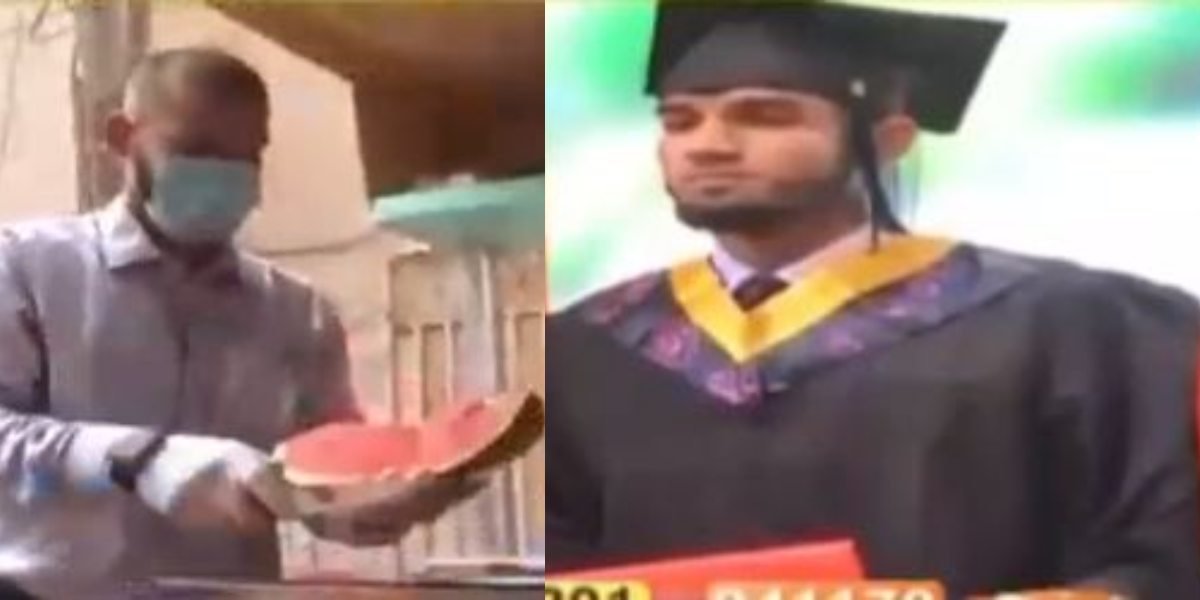
     Abdul Malik, a Karachi citizen had done his aeronautical engineering degree from a Chinese university but now he is forced to sell juice in Pakistan as he could not find a suitable job.

    As per details, he had his schooling from the United Arab Emirates. Later on, he did his bachelor’s degree in aeronautical engineering from a Chinese University.

    After coming back to Pakistan he got a chance to intern at the Pakistan Aeronautical Complex Kamra, followed by a job as a trainee engineer at the Peshawar Flying Club. He also worked as an assistant ramp officer at a private company for a few years.

    But even after having a good qualification and experience, he could neither find a suitable job nor a fair salary. 

    Read More: Engineering graduate from NUST sets up fruit stall during lockdown

    Talking to Geo News, Abdul Malik said that he applied to every aviation-related company for a job but he never got a positive response from anywhere.

    “I think I had to face a setback because there was no one to refer me,” said Abdul Malik, who is also fluent in five languages, including Urdu, English, Chinese, Pushto, and Arabic.

    Finally Abdul Malik decided to sell watermelon juice as he had no other to make ends meet.

    “I stayed jobless for six months before trying to sell juice. But once I started, it became an instant hit and people started loving it,” he said. “I think my career and future have been destroyed.”

    Expressing his disappointment, Abdul Malik said that he would throw away his degrees and certificates because they have been of no use because of the system.

  • 13 mesmerising photos of the Super Flower Blood Moon

    13 mesmerising photos of the Super Flower Blood Moon

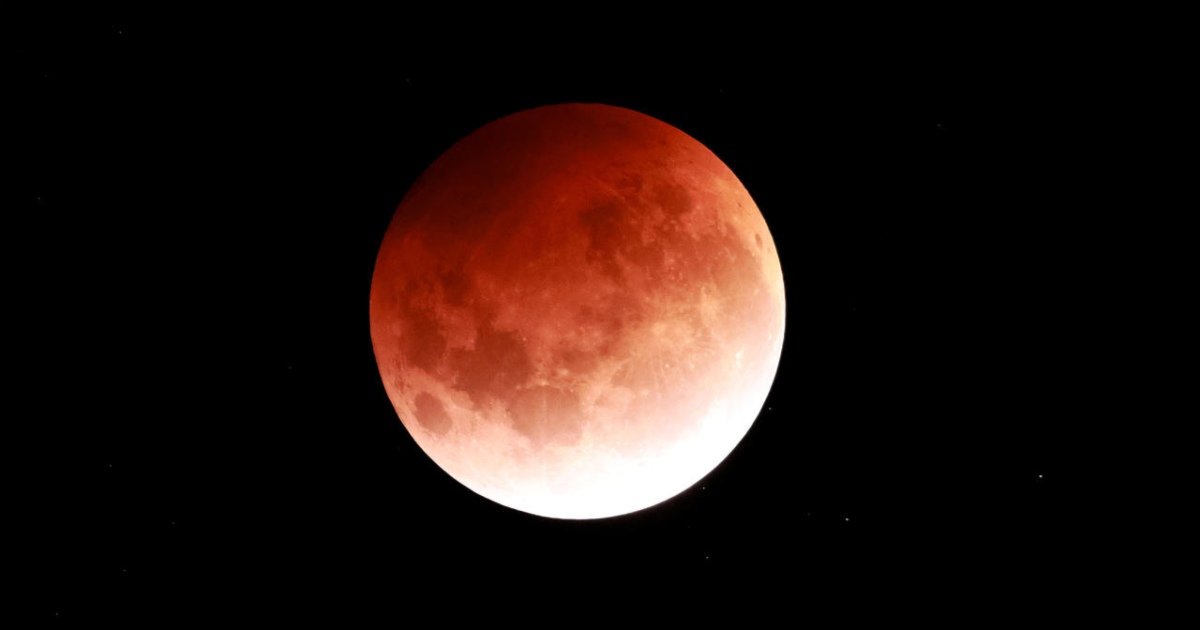
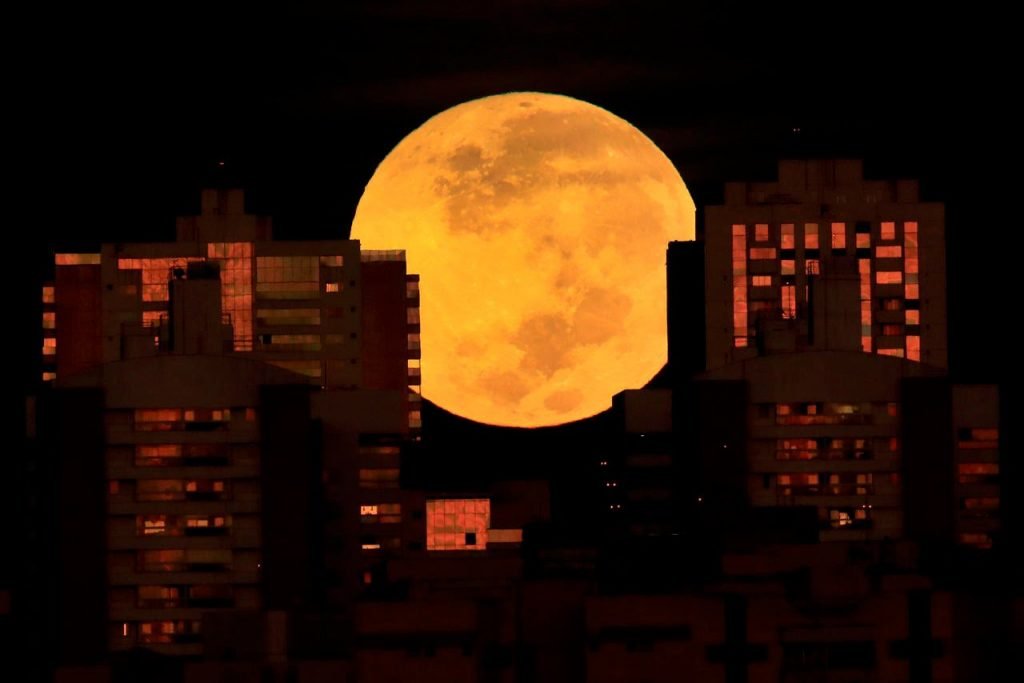
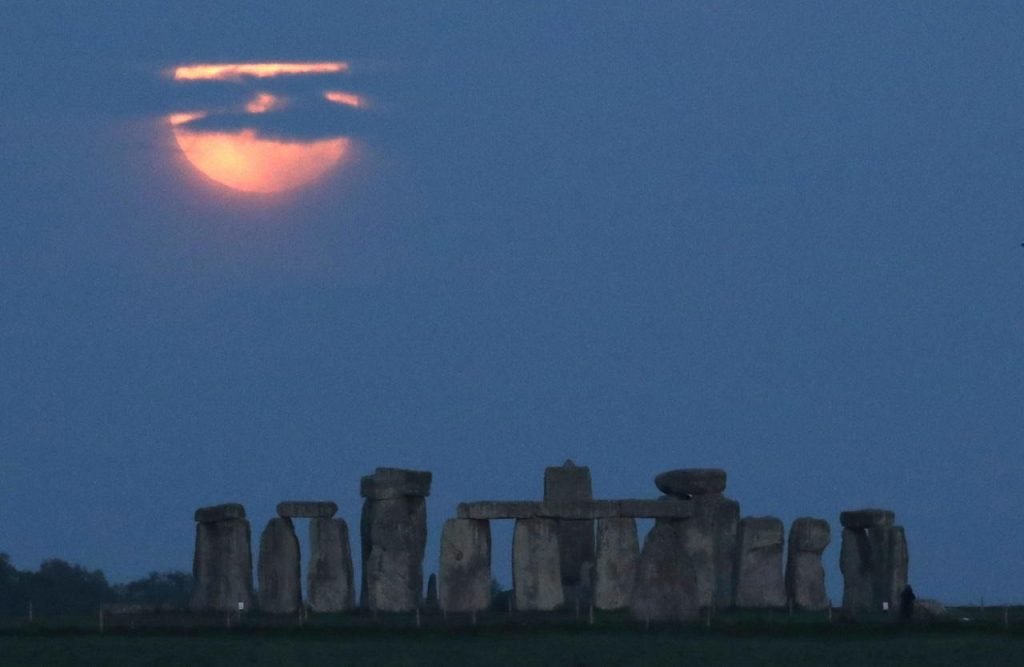
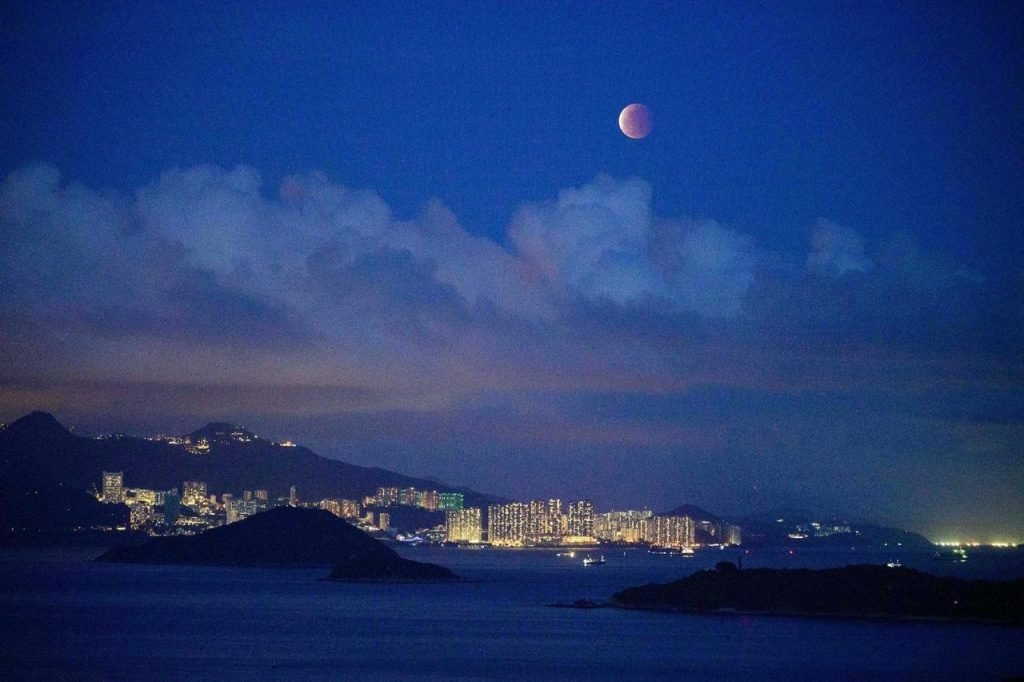
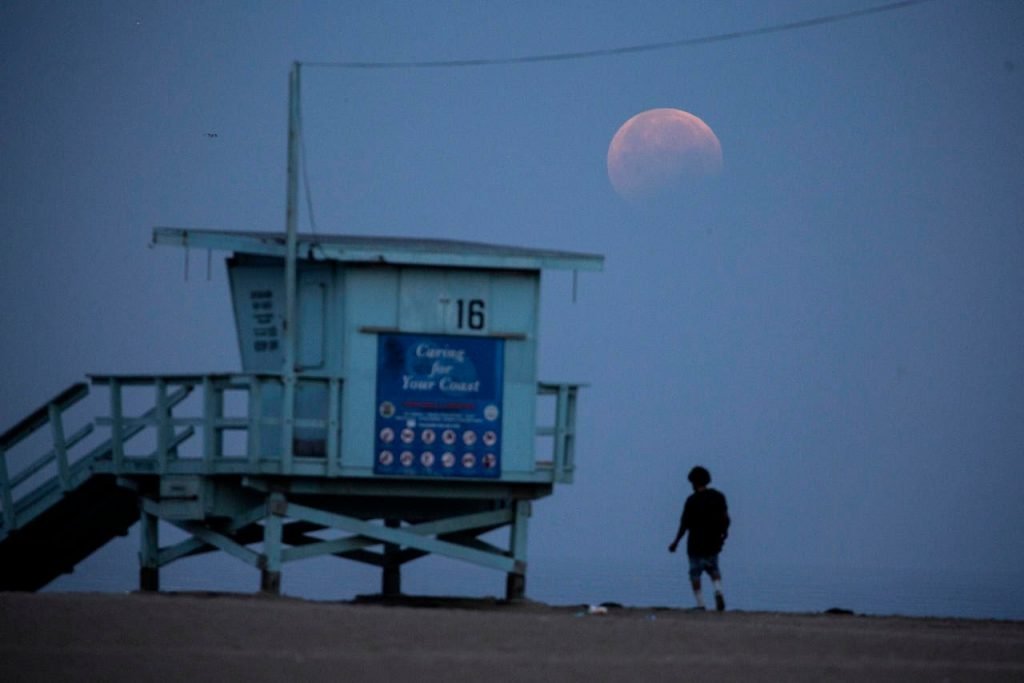
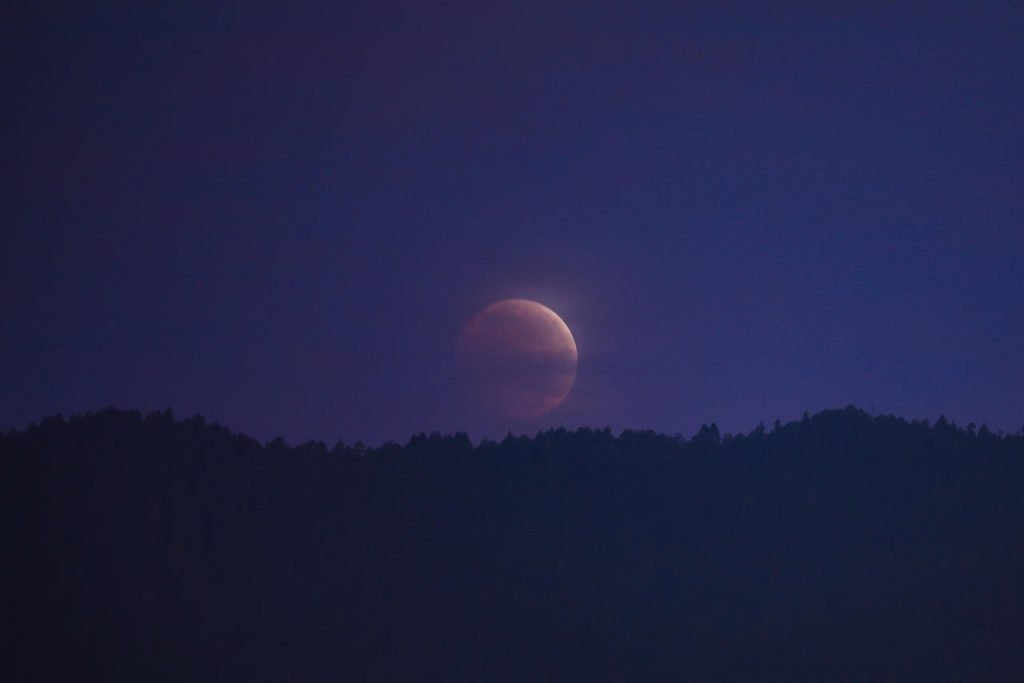
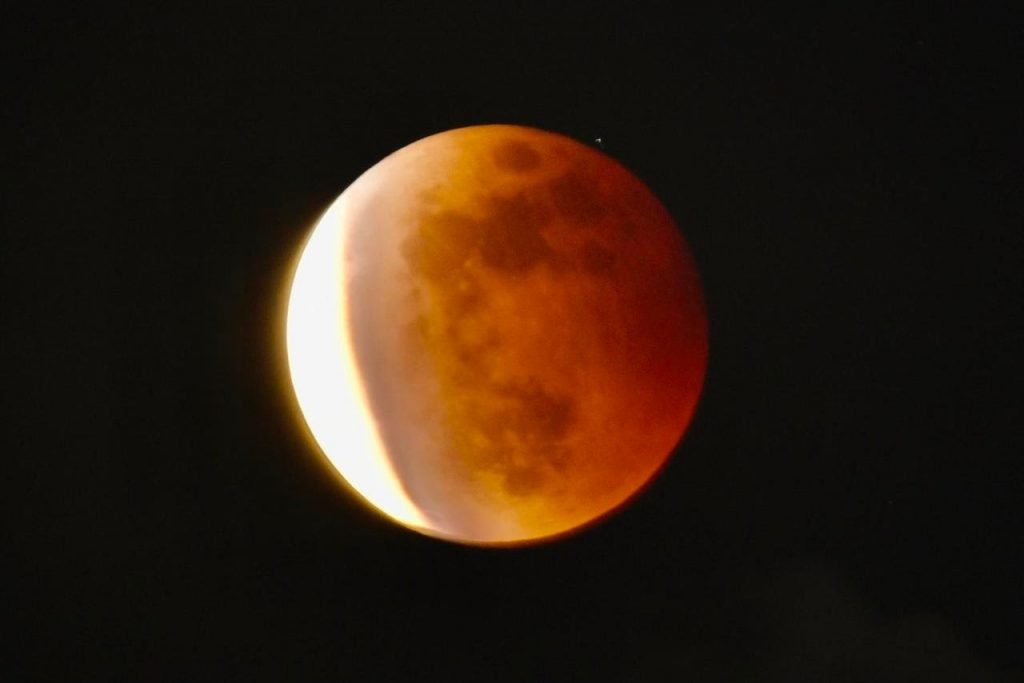
    The first lunar eclipse of the current year took place on May 26 (Wednesday) but it wasn’t just a lunar eclipse with a simple full moon, it was a Super Flower Blood Moon. Photos of the Super Flower Blood Moon were shared from around the world and some scenic pictures will leave you in shock.

    A super moon occurs when the moon appears larger than usual in the night sky because it is at its closest point to Earth in its orbit, known as the perigee.

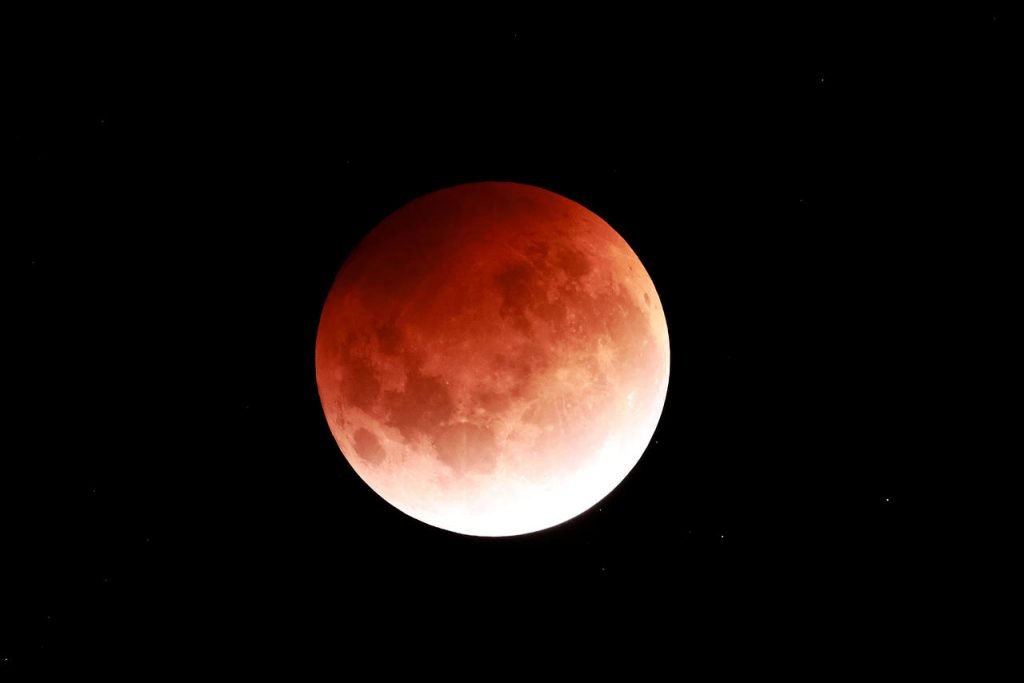
    According to NASA, a blood moon occurs during a total lunar eclipse, when the Earth is positioned directly between the moon and the sun. Earth’s atmosphere filters the sunlight, scattering blue light but allowing red light to pass through.

    May’s full moon is additionally known as the “Flower Moon,” named for the abundance of flowers associated with spring in the Northern Hemisphere.

    Astrophotographers around the globe captured breathtaking images of the event, which was clearly visible in Asia and Australia, as well as much of the US and South America.

    Here are some of the pictures that we’ve collected for you:

    Pakistan

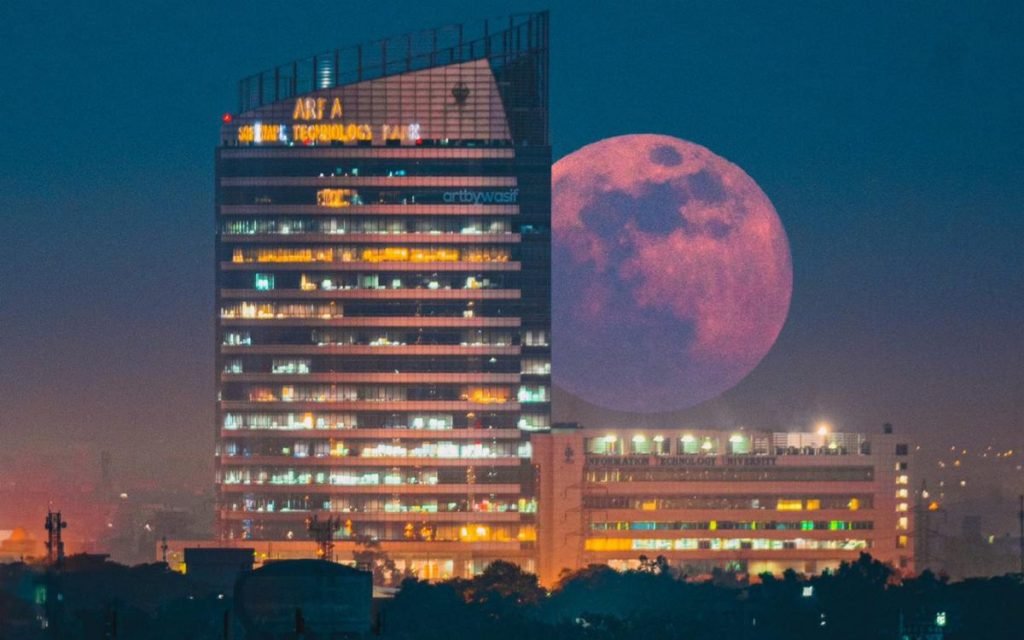
    Arfa Karim Tower, Lahore by Art by Wasif

    New Zealand

    The total lunar eclipse is seen on May 26, 2021, in Auckland, New Zealand. 

    Australia

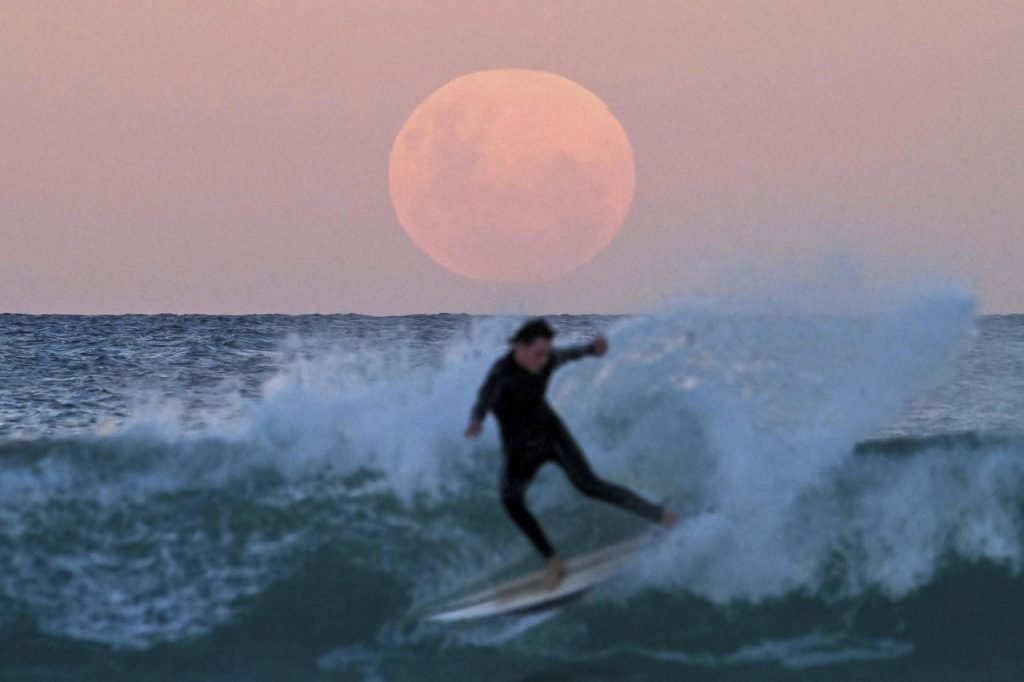
    A surfer is seen as the “Super Flower Blood Moon” rises over the Pacific Ocean at Bondi Beach in Sydney, Australia, on May 26, 2021.

    Brazil

    A lunar eclipse is observed during dawn in Brasilia, Brazil, Wednesday, May 26, 2021.

    Britain

    The full moon is seen behind Stonehenge stone circle near Amesbury, Britain, May 26, 2021.

    Hong Kong

    The moon is pictured above Hong Kong on May 26, 2021, during a total lunar eclipse.

    California

    The full moon sets over Santa Monica Beach in Santa Monica, California, Wednesday, May 26, 2021.

    Mexico

    The lunar eclipse is seen on May 26, 2021, in Mexico City, Mexico.

    Taiwan

    A full moon is seen, May 26, 2021, during a partial eclipse in Taipei.

    Indonesia

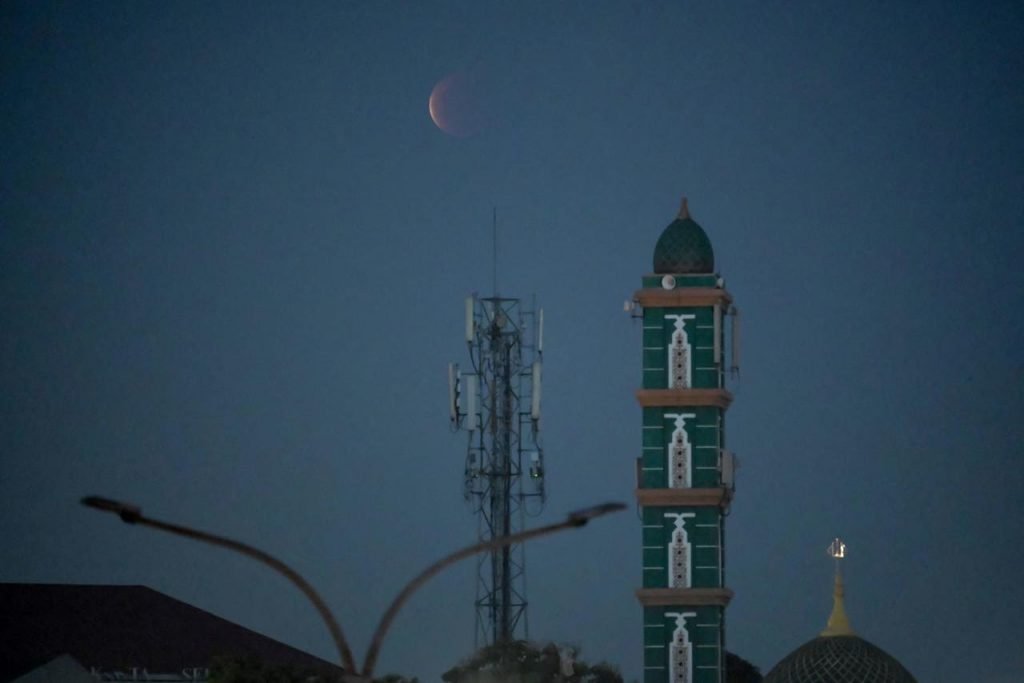
    The moon is pictured above Jakarta during a total lunar eclipse, on May 26, 2021,

    China

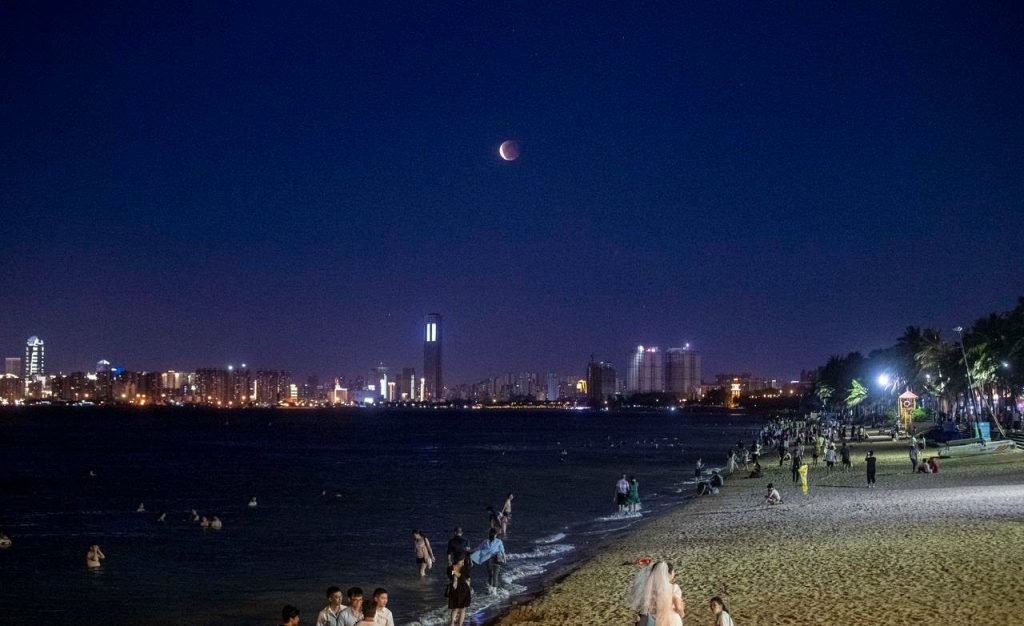
    A total lunar eclipse occurs in the night sky of Haikou, the capital of southwest China’s Hainan Province, on May 25, 2021.

    Hawaii

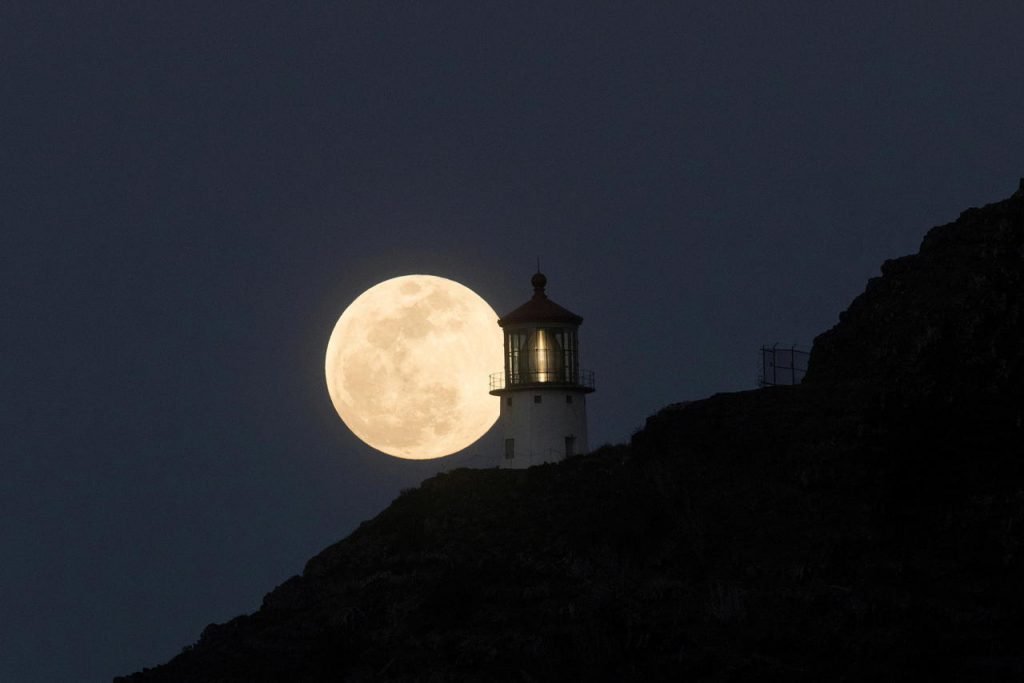
    The full moon rises over the Makapuu lighthouse in east Oahu, Honolulu, Hawaii, U.S., on May 25, 2021. 

    Turkey

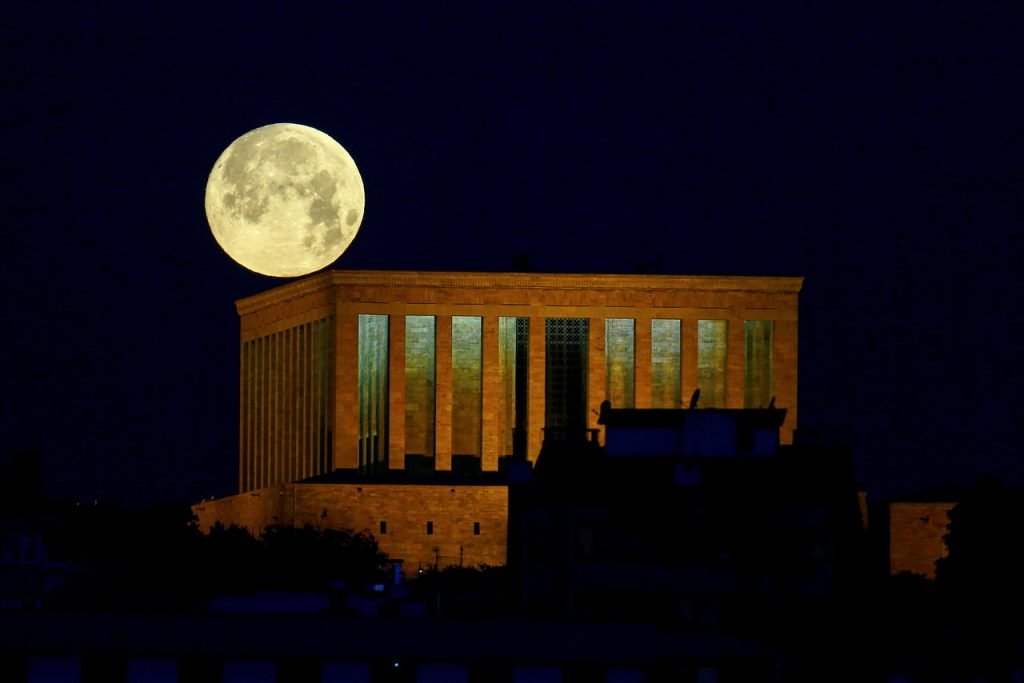
    The full moon is seen over the Anitkabir, the mausoleum of modern Turkey’s founder Mustafa Kemal Ataturk, in Ankara, Turkey, on May 26, 2021.

  • CNN anchor Bianna Golodryga lashes out at Pakistan for not speaking up for Uyghur Muslims

    CNN’s Senior Global Affairs Analyst and anchorperson Bianna Golodryga who earlier labelled Foreign Minister Shah Mahmood Qureshi “anti-Semitic” after she interviewed him on the ongoing violence in Gaza has now called out Pakistanis for not speaking up for Uyghur Muslims.

    Sharing a news story by Vice media about the crackdown by Pakistan on Uyghur Muslims who fled China, Bianna wrote: “Even though Pakistan is the only country in the world created as a Muslim nation, the promise of Chinese money seemingly overpowers the desires to stop what is happening to Uyghur Muslims.”

    Born in 1978, Bianna Vitalievna Golodryga is a senior global affairs analyst at CNN. She has previously served in Yahoo! News, ABC Network, CNBC, Wall Street Journal, and CBS.

  • China’s current COVID-19 vaccines can tackle Indian variants, says expert

    China’s current COVID-19 vaccines can tackle Indian variants, says expert

    China’s current COVID-19 vaccines can fight new coronavirus variants spreading in India and can provide protection “to a certain extent”, based on preliminary research results, a disease control expert claimed on Thursday.

    Speaking at a news briefing, Shao Yiming, a researcher at the Chinese Centre for Disease Control and Prevention, did not elaborate on the specific vaccines or variants he referred to.

    Read more – Arjun Kapoor praises Pakistanis for offering help to India

    The World Health Organisation (WHO) said the predominant lineage of B.1.617 was first identified in India last December, although an earlier version was spotted in October 2020.

    The B.1.617 variant found contains two key mutations to the outer “spike” portion of the virus that attaches to human cells, said senior Indian virologist Shahid Jameel.

    The WHO has described it as a “variant of interest”, suggesting it may have mutations that would make the virus more transmissible, cause more severe disease or evade vaccine immunity. Other strains with known risks, such as those first detected in the United Kingdom, Brazil and South Africa, have been categorized as “variants of concern,” a higher threat level.

  • Boy calls police after getting angry with barber over bad haircut

    Boy calls police after getting angry with barber over bad haircut

    A 10-year-old boy in China called the police after getting angry with the barber over a bad haircut.

    As per reports, the incident happened in Anshun, Guizhou in China where the boy called the police after he was not satisfied with his haircut.

    A video of the boy went viral that showed him repeatedly looking into the mirror and getting angry after the barber was done with his job.

    He started crying and kept moving his hands through his hair. The boy later contacted the police after being unhappy with his new hairstyle.

    The police discovered that the reason for calling them to the scene was not an emergency situation after reaching there.

    They later asked the elder sister of the boy to settle the matter with the barber. She promised the police officials that she would educate the boy to speak to his parents first and not to involve the police in such minor matters.

  • Lookalikes turn out to be twin sisters after becoming friends on social media

    Lookalikes turn out to be twin sisters after becoming friends on social media

    A woman in Henan, China found her doppelgänger on social medial and later discovered that her “friend” was actually her twin sister.  

    According to the details, Cheng Keke and Zhang Li came across each other in January after Cheng’s younger sister spotted Zhang on the Chinese social media site.

    The two looked so similar that Cheng reached out to Zhang. After they became friends, they realised that they had similar hobbies and interests and the same blood group too.

    “We speak in exactly the same voice. When we are together, it is like looking in a mirror,” Cheng was quoted as saying by LADbible.

    Cheng then discussed her loolalike with her parents and came to know that she was adopted.

    read more – Woman discovers son’s bride is her long-lost daughter

    Zhang’s mother then told her that her family was unable to afford to give a good life to both of the sisters. She added that she had no idea where the other daughter is.

    However, Cheng’s family was keen to go for DNA tests. It was confirmed on April 29 that they are twins.

  • ‘Quetta blast was a suicide attack’: Sheikh Rasheed

    Interior Minister Sheikh Rasheed said on Thursday that the blast at Serena Hotel in Quetta was a suicide attack. He said this was a foreign attempt to destabilise Pakistan. “Pakistan Army and the people of Pakistan will defeat such designs.” Tehreek-e-Taliban Pakistan (TTP) claimed the responsibility for the Quetta blast yesterday. Five people were killed and more than a dozen injured in the deadly attack.

    All law enforcement agencies are on high alert at the instructions of the Interior Ministry. Talking about the attack, Sheikh Rasheed said the suicide bomber stayed inside the car. “C4 explosives weighing between 60 to 70 kilogrammes were used in the attack”. Evidence has been sent for forensic analysis.

    The interior minister also said that social media was misused during the past few days by foreign elements who are behind efforts to destabilise Pakistan. “An estimated 250,000-300,000 social media accounts were created in India.” “These foreign forces cannot see Pakistan prosper and progress,” said the minister. 

    China strongly condemned the terrorist attack. A statement by the Chinese embassy in Pakistan said that Chinese Ambassador to Pakistan Nong Rong was leading a delegation on a visit to Quetta on the same day. “When the attack occurred, the Chinese delegation was not in the hotel. Till present, no reports of casualties of Chinese citizens in the attack have been received.”

    Prime Minister Imran Khan tweeted that he is deeply saddened by the loss of innocent lives in the condemnable and cowardly terrorist attack in Quetta yesterday. “Our nation has made great sacrifices in defeating terrorism and we will not to allow this scourge to rise again. We remain alert to all internal and external threats.”

  • UAE-brokered Pak-India peace a ‘tactical move’

    United Arab Emirates-brokered backdoor diplomacy has brought a thaw in otherwise mounting tensions between nuclear-armed Pakistan and India, but it is no more than a “tactical move”, foreign media reports quoted local experts as saying.

    Senior Pakistani and Indian intelligence officials held a series of secret meetings in Dubai in January this year in an attempt to stem the escalating tensions along the Line of Control (LoC), a de facto border that divides the disputed Kashmir valley between the two neighbors.

    Last month, the two militaries agreed to honor the 2003 cease-fire along the LoC, followed by an exchange of letters between the two premiers, which was widely viewed as an outcome of the backdoor diplomacy.

    The UAE’s ambassador to the US, Yousef Al Otaiba, confirmed Wednesday that the Gulf state is mediating between New Delhi and Islamabad to help them reach a “healthy and functional” relationship.

    Addressing a virtual session with Stanford University’s Hoover Institution, Otaiba said his country had a role behind the cease-fire at the Kashmir border, which hopefully ultimately would get relations back to a “healthy level.”

    “The ongoing cease-fire [at the Kashmir border] is certainly the outcome of the backdoor diplomacy, which is benefitting Kashmiris living on both sides of the border,” retired Lt. Gen. Talat Masood, an Islamabad-based defense analyst, told Anadolu Agency.

    “But this is all merely tactical. How long this (thaw) survives, we’ll have to wait and see,” said Masood, who served in the Pakistan Army from 1952 to 1990.

    This, he added, is not the first time that back-channel contacts have helped ease tensions between the two arch rivals.

    “It has happened on several occasions,” he said.

    Echoing Masood’s view, Ikram Sehgal, a Karachi-based defense and security expert, appeared to be skeptical about the significance of the latest developments.

    “Certainly, the UAE has interests both in India and Pakistan, and it will do its best to normalise things between the two neighbors. But in the given circumstances, it will not last long,” Sehgal told Anadolu Agency, referring to a host of land and sea disputes between the two neighbors, mainly over Kashmir.

    “One should try to be optimistic about these developments, which, although, are not very significant,” he maintained.

    Relations between India and Pakistan plummeted to a new low after August 2019, when India scrapped the longstanding special status of Jammu and Kashmir, prompting Islamabad to downgrade its diplomatic ties with New Delhi.

    Islamabad says the normalisation of ties with New Delhi is linked to a review of the Aug. 5 decision and ultimate resolution of the Kashmir dispute.

    ‘NO CHANGE IN STANCE ON KASHMIR’:

    Masood does not see any change in both countries’ stand on Kashmir following the back-channel diplomacy.

    “There is a zero chance of change in India’s current position on Kashmir. It will not reverse its August 2019 decision because it feels that Pakistan cannot do anything except for diplomatic lobbying,” he went on to argue, adding “New Delhi is more interested in talks on trade, business and tourism, whereas Islamabad’s focus is on Kashmir.”

    “India will be happy with backdoor or open diplomacy as long as it serves to maintain the current status on Kashmir,” he further said.

    “In my opinion, open and backdoor diplomatic contacts will continue, however the level of flexibility to resolve the disputes is the most important factor to watch.”
    Sharing a similar view, Sehgal, who is editor of a local defense magazine, Defense Journal of Pakistan, said New Delhi’s “downplaying” of actual issues with Islamabad is the main hurdle in the normalisation of ties.

    CHINA FACTOR:

    The two experts believe that normalisation of ties between Pakistan and India will benefit both countries but may offend Islamabad’s longtime ally China.
    “Normalisation of ties [with Pakistan] will help India focus on China and the economy, whereas it will benefit Islamabad in terms of trade and the economy,” Masood said, adding that the move, however, may irk China, which sees India as a US proxy in the region.

    Sehgal said “China is our diehard supporter on Kashmir and other issues. We cannot afford to displease it at the cost of relations with India.”

    India and China confront each other along the Line of Actual Control (LAC), a de facto border line between the two nations in the Ladakh region of the disputed Jammu and Kashmir region, where 20 Indian soldiers were killed last June.

    Border tensions between the two countries span over seven decades. China claims territory in India’s northeast, while New Delhi accuses Beijing of occupying its territory in the Aksai Chin plateau in the Himalayas, including part of the Ladakh region.

    “This is all not as simple as it seems. Many geopolitical and geoeconomic factors are involved in this process,” said Masood.

    “We may say it’s another good beginning, but a rocky terrain lies ahead.”