Tag: China

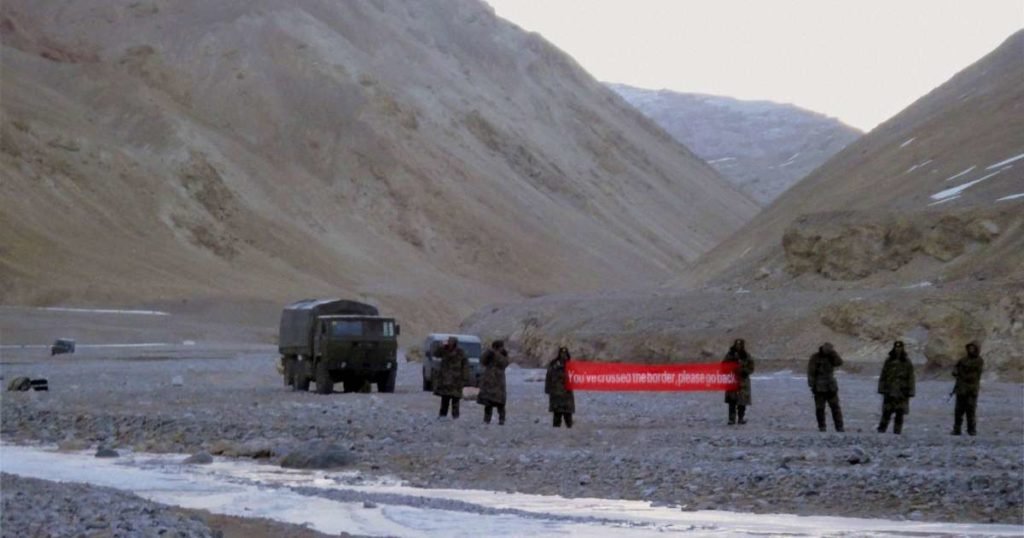
  • ‘You have crossed the border, please go back,’ Indian army to Chinese soldiers

    ‘You have crossed the border, please go back,’ Indian army to Chinese soldiers

    A Himalayan border standoff between old foes India and China was triggered by India’s construction of roads and airstrips in the region as it competes with China’s spreading Belt and Road Initiative (BRI), Indian observers said on Tuesday.

    Soldiers from both sides have been camped out in the Galwan Valley in the high-altitude Ladakh region, accusing each other of trespassing over the disputed border, the trigger of a brief but bloody war in 1962.

    About 80 to 100 tents have sprung up on the Chinese side and about 60 on the Indian side where soldiers are billeted, Indian officials briefed on the matter in New Delhi and in Ladakh’s capital, Leh, said.

    Both were digging defences and Chinese trucks have been moving equipment into the area, the officials said, raising concerns of a long faceoff.

    “China is committed to safeguarding the security of its national territorial sovereignty, as well as safeguarding peace and stability in the China-India border areas,” the Chinese Foreign Ministry spokesperson’s office said in a statement.
    “At present, the overall situation in the border areas is stable and controllable. There are sound mechanisms and channels of communication for border-related affairs, and the two sides are capable of properly resolving relevant issues through dialogue and consultation.”

    There was no immediate Indian foreign ministry comment. It said last week Chinese troops had hindered regular Indian patrols along the Line of Actual Control (LAC).

    But interviews with former Indian military officials and diplomats suggest the trigger for the flare-up is India’s construction of roads and airstrips.

    “Today, with our infrastructure reach slowly extending into areas along the LAC, the Chinese threat perception is raised,” said former Indian foreign secretary Nirupama Rao.

    “Xi Jinping’s China is the proponent of a hard line on all matters of territory, sovereignty. India is no less when it comes to these matters either,” she said.

    After years of neglect Prime Minister Narendra Modi’s government has pushed for improving connectivity and by 2022, 66 key roads along the Chinese border will have been built.

    One of these roads is near the Galwan valley that connects to Daulat Beg Oldi airbase, which was inaugurated last October.

    “The road is very important because it runs parallel to the LAC and is linked at various points with the major supply bases inland,” said Shyam Saran, another former Indian foreign secretary.

    “It remains within our side of the LAC. It is construction along this new alignment which appears to have been challenged by the Chinese.”

    China’s BRI is a string of ports, railways, roads and bridges connecting China to Europe via central and southern Asia and involving Pakistan, China’s close ally and India’s long-time foe.
  • Wuhan officially bans eating wild animals

    Wuhan officially bans eating wild animals

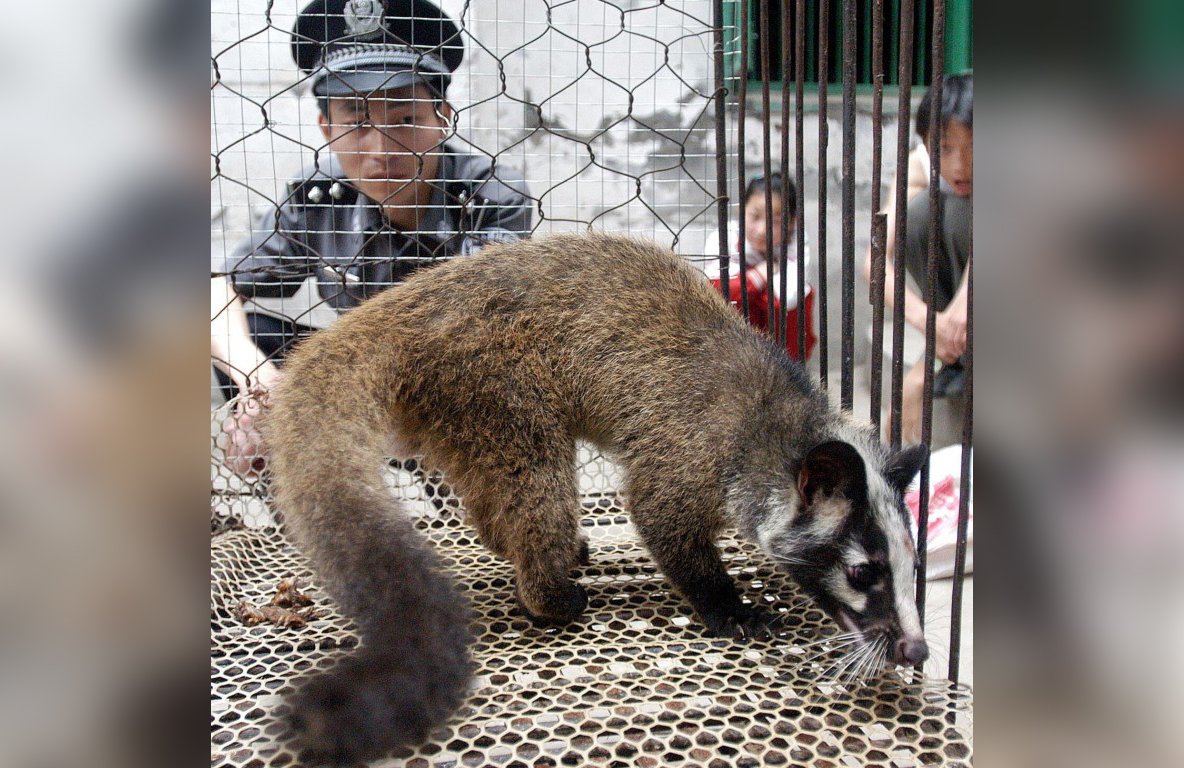
    The city at the centre of the coronavirus crisis — Wuhan — has banned the eating of wild animals and Chinese farmers are being offered cash to quit breeding exotic animals. Both moves come amid mounting pressure for China to crack down on the illegal wildlife trade blamed by many for the pandemic that has killed more than 330,000 people and left over 5 million infected.

    The local administration in Wuhan, the city of about 11 million people in China’s central Hubei province where cases of the new coronavirus were first recorded late last year, announced that the eating of all wild animals was officially banned.

    The city also banned virtually all hunting of wild animals within its limits, declaring Wuhan “a wildlife sanctuary,” with the exception of government-sanctioned hunting for “scientific research, population regulation, monitoring of epidemic diseases and other special circumstances”.

    Wuhan also imposed strict new controls on the breeding of all wild animals, making it clear that none could be reared as food. City officials said the local administration would take part in the wider national scheme to buy wild animal breeders out.

    The national plan is the first time Chinese authorities have pledged to buy out breeders in an attempt to curb exotic animal breeding, animal rights activists say.

    China had already banned the sale of wild animals for food as the new coronavirus — COVID-19 — spread around the world, citing the risk of diseases spreading to humans, but the trade remains legal for other purposes, including research and traditional medicine.

    The virus that causes COVID-19 is widely believed to have passed from bats to people, possibly via another species, before spreading worldwide.

  • Canada’s Calgary Zoo to return two pandas to China due to shortage of bamboo

    Canada’s Calgary Zoo to return two pandas to China due to shortage of bamboo

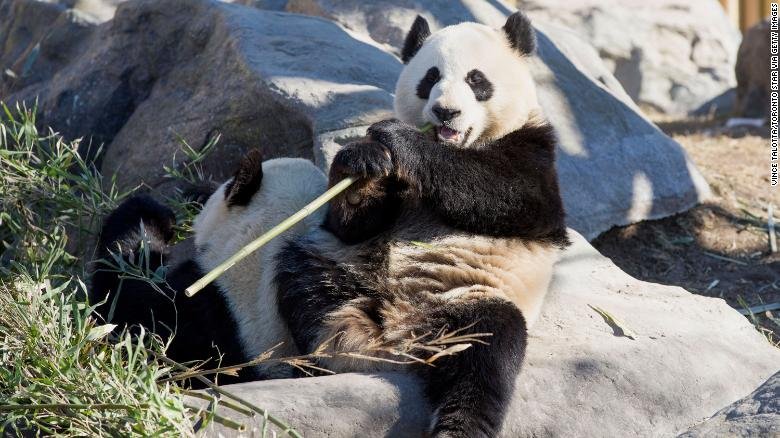
    The Calgary Zoo in Canada is sending two giant pandas back to China due to a shortage of bamboo. A lack of flights due to the COVID-19 pandemic has caused issues with shipments of high-quality bamboo imported from China, forcing the zoo to make the difficult decision.

    “When you’re looking after the welfare of animals, you need to put the politics and business aside,” said Calgary Zoo president Dr Clement Lanthier. “It is too much of a risk for the health and welfare of (the pandas).”

    Er Shun and Da Mao have been in Calgary since March of 2018 and were expected to remain through 2024 as part of a 10-year agreement between Canada and China. The pair spent their first five years at the Toronto Zoo.

    The facility had originally been importing bamboo from China to Calgary directly but when those flights were cancelled due to the coronavirus crisis, they began receiving the bamboo via Toronto. However, when flights from China to Toronto were scaled back, it affected the regularity of their shipments. Delivery times were also slower than normal causing poor quality bamboo.

    They began bringing bamboo in from the United States but Er Shun and Da Mao refused to eat it, preferring the taste of Chinese bamboo instead.

    According to Dr Doug Whiteside, a senior veterinarian at The Calgary Zoo, this can happen because giant pandas have a specific taste and smell for bamboo and are selective eaters.

  • PIA flight to bring students back from Wuhan

    PIA flight to bring students back from Wuhan

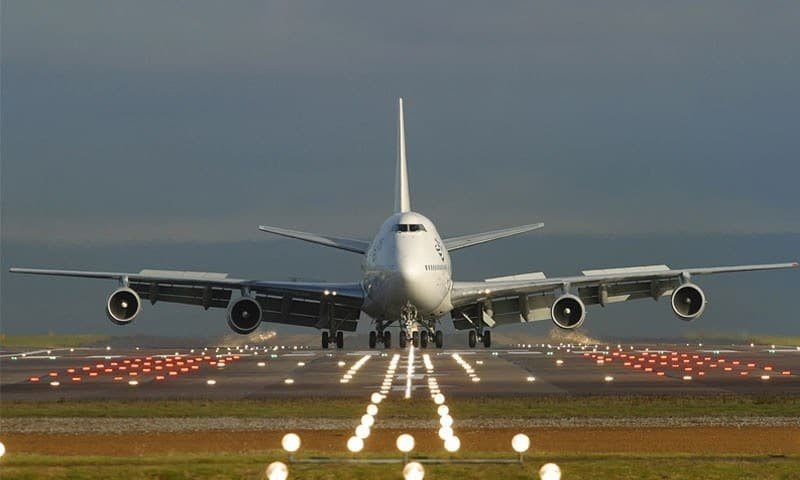
     A day after the government announced to repatriate students from the Chinese city of Wuhan, Pakistan International Airlines (PIA) spokesperson Abdullah Hafeez on Saturday confirmed that a special flight of the national flag carrier will bring back stranded nationals on May 18.

    According to Hafeez, some 250 students will be brought back on the first flight which will land in Islamabad.

    The schedule for three more flights will be announced next week, he added.

    The announcement was originally made by Special Assistant to Prime Minister for Overseas Pakistani Syed Zulfikar Abbas Bukhari on Twitter. “I’m very happy for the 1st flight going to Wuhan to bring back our Pakistani students on 18/05/2020,” he wrote.

    “You guys have been the bravest soldiers, PM Imran Khan & Pakistan are proud of you,” he added.

  • Much-awaited coronavirus drug ‘fails in first trial’

    Much-awaited coronavirus drug ‘fails in first trial’

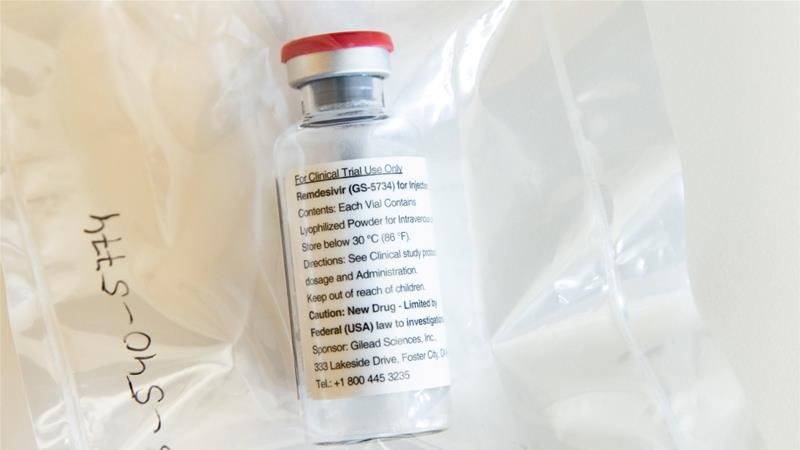
    A potential antiviral drug for the coronavirus has reportedly failed in its first randomised clinical trial, Financial Times reported.

    According to reports, there had been widespread hope that remdesivir could treat the new coronavirus — COVID-19 — that has left at least 191,000 people dead and 2.7 million infected across the globe.

    But a Chinese trial showed that the drug had not been successful, according to draft documents accidentally published by the World Health Organization (WHO).

    The drug did not improve patients’ condition or reduce the pathogen’s presence in the bloodstream, it said.

    Researchers studied 237 patients, giving the drug to 158 and comparing their progress with the remaining 79. The drug also showed significant side effects in some, which meant 18 patients were taken off it.

    Interest in the drug, had been high as there are currently no approved treatments or preventive vaccines for COVID-19, and doctors are desperate for anything that might alter the course of the disease that attacks the lungs and can shut down other organs in extremely severe cases.

    The United States (US) firm behind the drug, Gilead Sciences, is testing it in multiple trials, and highly anticipated trial results from a study involving 400 patients hospitalised with severe cases of the illness are expected later this month.

    It says the WHO documents mischaracterised the study.

    Remdesivir, which previously failed as a treatment for Ebola, is being tried against COVID-19 because it is designed to disable the mechanism by which certain viruses, including the new coronavirus, make copies of themselves and potentially overwhelm their host’s immune system.

  • COVID-19: Flight carrying medical supplies from China draws heart over hospitals for healthcare workers

    COVID-19: Flight carrying medical supplies from China draws heart over hospitals for healthcare workers

    A pilot of Icelendair —  flag carrier airline of Iceland — has drawn a heart in the sky over hospitals in the capital city of Reykjavík to thank healthcare workers for their bravery and dedication during the coronavirus pandemic.

    According to The Reykjavík Grapevine — an Icelandic magazine –, during a recent flight from China, the anonymous pilot of the Boeing 767 aircraft drew a large heart with the plane’s flight path. It was an important journey of nearly 5,600 miles, as the Icelendair flight was importing much-needed medical supplies.

    Before the flight landed, the plane doubled back to doodle a heart above two of the capital city’s hospitals. Though the change in course reportedly added another nine minutes to the flight, it was a heartfelt salute for the nation’s healthcare personnel.

    The plane marked the last of three flights from China that have carried a total of some 50 tonnes of various medical supplies, including masks and protective suits, intended for Iceland’s healthcare workers treating those infected with the coronavirus.

    As of Wednesday, 1,778 confirmed cases of the novel coronavirus had been reported in Iceland. The viral disease has also claimed the lives of at least ten people in the Nordic island nation.

  • Broken seals at Wuhan lab holding 1,500 different strains of virus, including bat coronavirus

    Broken seals at Wuhan lab holding 1,500 different strains of virus, including bat coronavirus

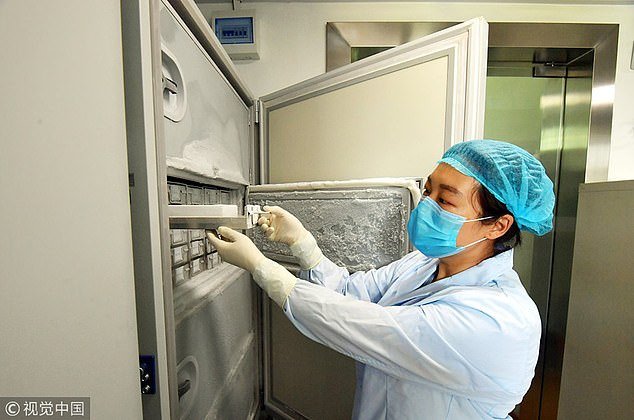
    In a rare glimpse inside a Chinese laboratory in Wuhan amid global suspicions about the COVID-19 pandemic, scenes from the “secretive” Institute of Virology have sent shockwaves over the internet.

    According to Mail Online, pictures from inside the laboratory show a broken seal on the door of one of the refrigerators used to hold 1,500 different strains of virus, including the bat coronavirus that has jumped to humans with over 2.4 million infections and over 165,000 deaths since the first case in November last year.

    The pictures, first released by a state-owned Chinese newspaper in 2018, were also published on Twitter last month, before being deleted.

    Meanwhile, according to New York Post, the director of the lab denies that the bug accidentally spread from his facility.

    “There’s no way this virus came from us,” Yuan Zhiming, director of the Wuhan Institute of Virology, told state media.

    Yuan admitted that the lab is studying “different areas related to the coronavirus,” but told the English-language state broadcaster CGTN that none of his staff has been infected.

    “As people who carry out viral studies we clearly know what kind of research is going on at the institute and how the institute manages viruses and samples,” he said.

    He said that since the lab is in Wuhan “people can’t help but make associations”, but claimed that some media outlets are “deliberately trying to mislead people”.

    But officials in the past have raised concerns over the safety conditions of the Wuhan Institute of Virology.

    In March 2018, US science diplomats dispatched to the lab issued two “sensitive” diplomatic cables about inadequate safety measures at the lab, the Washington Post reported, citing intelligence sources.

    The first cable warned the experiments conducted in the lab on coronavirus in bats “represented a risk of a new SARS-like pandemic,” according to the report.

    The cable, written by two US-China embassy officials, said there is a “serious shortage of appropriately trained technicians and investigators needed to safely operate this high-containment laboratory,” according to the report.

  • ‘China let coronavirus become a pandemic’

    ‘China let coronavirus become a pandemic’

    Top officials of the Chinese government by January 14 knew that the coronavirus outbreak in Wuhan could snowball into a pandemic, yet they kept the world in dark from the unfolding catastrophe for the next six days, The Associated Press (AP) has reported on the basis of retrospective infection data.

    The report cited Chinese media and claimed there was enough data to prove that COVID-19 was spreading person-to-person as people who had never been to Wuhan’s animal market contracted the disease as early as December, yet the Chinese government hid the fact from the public and the World Health Organisation (WHO).

    President Xi Jinping warned the public on the seventh day — January 20 — but by that time, more than 3,000 people had been infected during almost a week of public silence internal documents revealed.

    That delay from January 14 to January 20 was neither the first mistake made by Chinese officials at all levels in confronting the outbreak, nor the longest lag, as governments around the world have dragged their feet for weeks and even months in addressing the virus.

    But the delay by the first country to face the new coronavirus came at a critical time — the beginning of the outbreak. China’s attempt to walk a line between alerting the public and avoiding panic set the stage for a pandemic that has infected more than 2.1 million people and taken more than 147,000 lives.

    Zuo-Feng Zhang, an epidemiologist at the University of California, has said that had they taken action six days earlier, there would have been much fewer patients and medical facilities would have been sufficient. “We might have avoided the collapse of Wuhan’s medical system.”

    Moreover, the Chinese Center for Disease Control had stopped registering any cases from Wuhan’s local hospitals from January 5 to 17. However, thousands of patients were admitted to hospitals not just in Wuhan but all over China during that period.

    It is understood that doctors in local hospitals feared that they might receive the same punishment for rumor-mongering as the eight doctors, including Dr Li Wenliang, who tried to alert the public before any official authorities.

    It’s uncertain whether it was local officials who failed to report cases or national officials who failed to record them. It’s also not clear exactly what officials knew at the time in Wuhan, which only opened back up last week with restrictions after its quarantine.

    But what is clear, experts say, is that China’s rigid controls on information, bureaucratic hurdles and a reluctance to send bad news up the chain of command muffled early warnings.

  • China declares dogs should be treated as pets not livestock

    China declares dogs should be treated as pets not livestock

    For the first time in history, China has declared that dogs should be treated like pets, not livestock.

    The announcement comes after the Chinese government imposed a ban on the eating and trade of wild animals in response to the novel coronavirus. Chinese researchers believe that the disease originated from the animal markets in Wuhan.

    “With the progress of human civilisation and the public’s concern and preference for animal protection, dogs have changed from traditional domestic animals to companion animals,” China’s Ministry of Agriculture and Rural Affairs said.

    It added that dogs are treated as pets and not meat across the world and China should do so as well.

    According to Humane Society International, around 10 million dogs are killed in the country annually,  The meat, however, is only consumed by 20% of the country’s population.

    The move comes as hope for animal lovers and indicates  an end to the torture of animals and their meat trade.

  • Doctors worldwide are dancing as coronavirus patients recover

    As doctors and other healthcare workers continue to fight against COVID-19 on the frontlines and are treating patients around the world, they are also keeping the spirits high amid all coronavirus panic and fear. Doctors across the world are dancing to celebrate the recovery of their patients.

    Here a few video clips from different countries that will lighten your mood at least for some time.

    They are not only dancing, but people from different professions also applauding each other for their services in this difficult time.