A pigeon that spent eight months in Indian police custody has been released after it was finally cleared of being a suspected Chinese spy.
The bird was caught at a port in the financial capital Mumbai with “messages written in a Chinese-like script” on its wings, the Times of India newspaper reported.
“Initially, the police had registered a case of spying against the bird, but after completing their inquiry, they dropped the charge,” the report added.
The unnamed bird was held under lock and key at a city hospital while police carried out an investigation.
That probe took an “astonishing eight months”, the India office of the People for the Ethical Treatment of Animals (PETA) said in a Thursday statement.
PETA India said police had granted “formal permission for the hospital to release the pigeon” on Wednesday.
Local media reports said the bird fluttered away in good health.
The pigeon is the latest of several detained by Indian authorities on suspicion of espionage.
Border security officers took a pigeon into custody in 2016 after it was found carrying a threatening message to Prime Minister Narendra Modi close to India’s border with arch-rival Pakistan.
In 2020, police in Indian-controlled Kashmir released a pigeon belonging to a Pakistani fisherman after a probe found that the bird, which had flown across the heavily militarized border between the nuclear-armed nations, was not a spy.
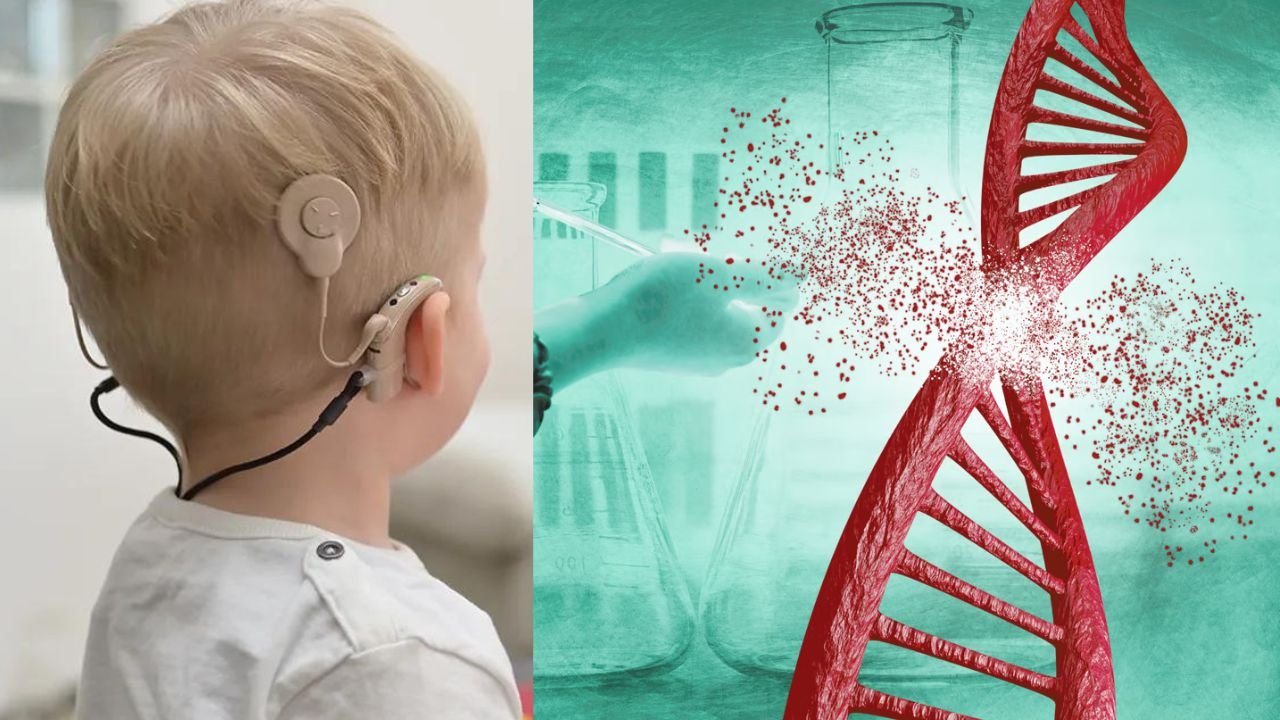
A gene therapy that has allowed several children born deaf to hear for the first time is being hailed as a “game changer” that raises hopes of the first new treatment for hereditary deafness in decades.
Several medical teams around the world are trialling the procedure, which focuses on a rare genetic mutation that affects only a small number of the 26 million people with congenital deafness globally.
But several success stories announced this week are already being seen as a turning point.
On Tuesday, the Children’s Hospital of Philadelphia revealed that 11-year-old Aissam Dam, who was born deaf, was now “literally hearing sound for the first time in his life”.
Aissam still has mild-to-moderate hearing loss, and may never learn to talk because the brain’s window for acquiring speech closes around the age of five.
But a trial in China, the results of which were announced in The Lancet journal on Thursday, tested a similar treatment on six younger children.
Five gained the ability to hear, according to the findings of the trial that started in 2022, making it the first to have tested the gene therapy on humans.
Some of the children were already able to speak thanks to a cochlear implant — which they now no longer need, study co-author Zheng-Yi Chen of the Massachusetts Eye and Ear hospital told AFP.
But one, a baby only a year old, had never been able to communicate verbally, Chen said.
Chen said that after the treatment, when the mother asked the baby “who am I?”, the baby responded: “Mama.”
When asked what a chicken sounds like, the baby responded: “Coo-coo.”
“Everyone just cried with joy, it’s really amazing,” said Chen, adding that the baby was expected to grow up speaking normally.
Not since cochlear implants were invented 60 years has there been such an advance, Chen said, adding that the therapy “symbolises a new era in the fight against all types of hearing loss”.
– How does it work? –
For now, the trials in China, the United States and another announced in France this week all use a similar technique to focus on people born with a mutation of the OTOF gene.
This defect means they can no longer produce the protein otoferlin, which is needed for hair cells in the inner ear to convert sound vibrations into electrical signals that can be sent to the brain.
The treatment involves injecting a harmless virus into the inner ear that smuggles in a working version of the OTOF gene, restoring hearing.
The French trial will focus on babies aged 12-31 months, in the hopes it can “enable the acquisition of language”, said Nawal Ouzren, CEO of the firm Sensorion developing the treatment.
Natalie Loundon, a French doctor and hearing loss expert, called the technique “a game-changer, a technological advance that will revolutionise therapeutic care”.
“The idea is to be able to offer this treatment to children rather than an implant, which is not always received well,” she told AFP.
For the China-based trial, the researchers will continue to study the participants to find out if their improved hearing lasts.
Chen estimated that the treatment tested in that trial could be ready to apply for regulatory approval within three to five years.
– Targeting the other genes –
But this particular treatment will only help a fraction of those born deaf.
Around one in every 1,000 children are born deaf due to gene defects, but a lack of otoferlin is the cause of only around three percent of those cases.
More than 150 other genes have been discovered that trigger genetic hearing loss.
But Chen had some good news.
So far, the otoferlin treatment seems to work just as well in humans as it did in during trials on mice — which is not always the case for such research.
Trials on mice targeting other gene defects that cause hearing loss have also been successful, Chen said.
Researchers therefore hope this first treatment opens the door to others.
France’s Pasteur Institute, which pioneered the research on otoferlin, and Sensorion are already working on another therapy that focuses on a gene whose mutations are responsible for the most common forms of hereditary deafness.
India’s Mukesh Ambani lost the title of Asia’s richest man after almost a year. He has been replaced by Gautam Adani who once again became Asia’s richest man after cracking a deal worth over half a billion dollars for the Adani group.
It should be noted that in January 2023, American short-selling company Hindenburg said in a report that Adani Group has been involved in stock market manipulation and fraud accounting for decades. It called Gautam Adani the biggest fraudster in corporate history.
Gautam Adani’s wealth declined after the report, pushing him to the bottom of the list of the world’s richest people in 2023, while Mukesh Ambani took the title of Asia’s richest person.
But in recent days, the Supreme Court of India has issued an order that there is no need for a new investigation on Hindenburg’s allegations. Gautam Adani’s assets consequently increased and now he has once again become the richest man in Asia.
According to a Bloomberg report on January 4, Gautam Adani’s net worth increased by $7.7 billion to $97.6 billion, after which he overtook Mukesh Ambani to become Asia’s richest man. Ambani currently owns $97 billion.
Gautam Adani started 2023 as the third richest person in the world with $119 billion and then went down after a steady decline in wealth. Now, a year later, he has become the richest person in Asia and the 12th richest person in the world.
Syed Mohammad Ali wrote in an article for The Express Tribune that the deal with the USA is part of the greater scheme of countering China’s growing influence in the region. Half a billion dollars is a sign of the restoration of confidence for the Adani conglomerate-backed Colombo seaport project in Sri Lanka.
“This American deal with Adani seems compelled by growing great power competition across South Asia. The US government intends to use its International Development Finance Corporation to counter the Chinese Belt and Road Initiative in the Indo-Pacific, and its investment in Sri Lanka is part of that plan,” asserts Ali. Adani is closely linked to Prime Minister Narendra Modi and he has long been accused of benefitting from this friendship for the growth of his business. Like Modi, Adani has emerged unscathed from a potentially devastating storm of alleged wrongdoings. And both these men have the US to thank for helping them not only survive but thrive, due to America’s own vested interests, Ali explains.
At least 105 were killed and almost 400 injured in Gansu province, local officials said, after the strong, shallow tremor struck around midnight.
According to state broadcaster CCTV, 11 others were killed and 100 injured in the city of Haidong in the neighbouring province of Qinghai.
The quake brought homes crashing down and caused other significant damage, sending people running into the street for safety, state news agency Xinhua said.
“I was almost scared to death. Look at how my hands and legs are shaking,” said a woman of about 30 in a video posted to a social media account associated with the state-run People’s Daily newspaper.
“As soon as I ran out of the house, the earth on the mountain gave way, thudding on the roof,” she said as she sat swaddled in a blanket outside, cradling a baby.
Footage from CCTV showed family possessions visible among strewn masonry from a house that caved in during the quake.
Rescue work was under way early Tuesday, with Chinese President Xi Jinping calling for “all-out efforts” in the search and relief work.
Temperatures are below freezing in the high-altitude area, and rescuers should be on guard for secondary disasters, he said according to CCTV.
The quake, which was logged as magnitude 5.9 by the US Geological Survey, struck in Gansu near the border with Qinghai, where Haidong is located.
That epicentre is about 100 kilometres (60 miles) southwest of Gansu province’s capital, Lanzhou.
Xinhua reported the quake — which was felt in the major city of Xi’an in northern Shaanxi province, about 570 kilometres (350 miles) away — as being magnitude 6.2.
Several smaller aftershocks followed the initial earthquake, and officials warned that tremors with a magnitude of more than 5.0 were possible in the next few days.
A quake measured at magnitude 5.2 by USGS was detected further northwest in Xinjiang province on Monday morning.
Freezing temperatures
Power and water supplies were disrupted in some villages around the epicentre, Xinhua said.
Footage from one of the worst-hit places on CCTV showed residents warming themselves by a fire while emergency services set up tents.
CCTV said more than 1,400 firefighters and rescue personnel had been sent to the disaster zone, while another 1,600 remained “on standby”.
The broadcaster added that supplies including drinking water, blankets, stoves and instant noodles were also being sent to the affected area.
Footage showed emergency vehicles driving along snow-lined highways towards the scene with their lights flashing.
Rescue workers in overalls were pictured shoulder-to-shoulder in the trucks, while other images showed them lining up in ranks to receive instructions.
Other clips showed emergency personnel going through debris by torchlight, unfolding orange stretchers for the casualties.
Hundreds of people have been evacuated in Gansu, officials said.
The earthquake struck at a shallow depth at 11:59 pm local time Monday (1559 GMT), according to the USGS, which revised the magnitude downwards after initially reporting it to be 6.0.
Earthquakes are not uncommon in China. In August, a shallow 5.4-magnitude earthquake struck eastern China, injuring 23 people and collapsing dozens of buildings.
In September 2022, a 6.6-magnitude quake hit Sichuan province leaving almost 100 dead.
A 7.9-magnitude quake in 2008 left more than 87,000 people dead or missing, including 5,335 schoolchildren.
In a strategic manoeuvre aimed at reducing its reliance on China, Apple has reportedly communicated a strong preference for manufacturing iPhone 16 batteries in India.
As part of this initiative, an existing Indian battery supplier has been encouraged to scale up production, while Chinese suppliers, including Desay and Simplo Technology, have received directives to establish battery factories within India.
Additionally, Japanese battery supplier TDK is gearing up for its own production facility in the country.
This significant shift in strategy deviates from the original decision made by Steve Jobs to centralize most of Apple’s manufacturing operations in China, a move that was previously lauded as a key achievement by Tim Cook during his tenure as COO.
The change reflects a growing recognition of the strategic risks associated with being overly dependent on a single country, evident in events such as the COVID-19 pandemic and ongoing geopolitical tensions between the US and China.
The multifaceted rationale behind this move includes concerns about the impact of global events on manufacturing capacity, the unpredictability of trade relations between major economies, and the reputational challenges posed by close associations with a country facing human rights criticisms.
Apple’s decision aligns with a broader industry trend of diversifying manufacturing locations to mitigate risks associated with geopolitical and economic uncertainties.
Notably, the company aims to prioritise Indian production for iPhone 16 batteries, with local government support evident in a Japanese supplier, TDK, establishing a significant facility in Manesar, Haryana.
While this facility is expected to begin production in 2025, post-iPhone 16 release, it signifies a strategic commitment to bolstering the electronics manufacturing ecosystem in India.
Apple’s move underlines the industry’s evolving approach to supply chain management in response to a dynamic global landscape.
China and the United Arab Emirates (UAE) are considering investing $500 million in two liquefied natural gas (LNG) projects in Pakistan.
The China National Chemical Engineering Company (CNCEC) and LNGFlex, a subsidiary of Bison in the UAE, are expected to contribute to the development of LNG terminals and supply infrastructure.
Sources reveal that these companies have outlined plans for both virtual and non-virtual projects. The aim is to establish a virtual LNG project, which includes a receiving terminal and storage facility at Karachi port.
Earlier, Pakistan and the UAE inked several multi-billion-dollar Memoranda of Understanding (MoUs) to enhance economic and strategic cooperation between the two nations.
It’s worth noting that in June, Bloomberg reported that Pakistan faced challenges in securing liquefied natural gas (LNG) from the spot market.
The attempt to purchase six shipments for October to December through Pakistan LNG Limited (PLL) was unsuccessful, as no suppliers responded to the offer.
Overseas banks were reportedly unwilling to accept letters of credit from Pakistani counterparts, contributing to suppliers’ reluctance to provide LNG cargoes.
The failure to secure gas may worsen energy shortages in Pakistan, leading to more frequent blackouts and limiting fuel supply to industrial consumers.
Liu Jianming, Deputy Party Secretary and Deputy Political Commissar of the Xinjiang Production and Construction Corps, announced that China is set to extend support to Pakistan by providing top-quality, disease-resistant, high-yield hybrid seeds for cotton, canola, and wheat crops.
The objective is to achieve robust crop production while simultaneously addressing the escalating demands of the textile industry and earning essential foreign exchange. During his visit to the head office of Guard Agricultural Research and Services, he emphasised, “We aim for enhanced crop production through modern mechanised agricultural farming,” according to a news release.
Furthermore, Liu affirmed that China will collaborate with Pakistan in the production of cotton hybrid seeds, encompassing sunflower, maize, sesame, and other varieties. He also mentioned that China would share its successful experience with “Water Saving Technology.”
Expressing appreciation for the research activities of Guard Agriculture Research, Liu stated that all nine members of the delegation were keenly interested and extended an invitation to visit China for one-on-one interactions with stakeholders.
Liu asserted, “Together, we can leverage the power of innovation to address the challenges confronting the agricultural sector in Pakistan,” underscoring China’s readiness to provide technical expertise, research collaboration, and necessary resources for the development of cutting-edge hybrid seeds.
Highlighting the significance of the agriculture sector, he mentioned that China is eager to support Pakistan in hybrid seeds, with the shared goal of enhancing crop productivity and contributing to sustainable agricultural practices. Deputy Consul General Cao Ke was also present during the occasion.
According to APP, earlier in the event, Shahzad Ali Malik, CEO of Guard Agri, extended a warm welcome to the visiting delegation. He informed them, “We are pioneers in developing the first-ever Guard Hitech hybrid rice seed, which not only doubled production but also significantly increased farmers’ profitability in Pakistan.”
Malik mentioned that Guard Agri has been actively engaged in research since 1999 in collaboration with the Longping Chinese Company. He added that their rice is exported to 41 countries across Asia, Europe, the Middle East, and North America. The CEO emphasised ongoing research in rice, wheat, cotton, maize, oilseed, and vegetables in various stations across Punjab and Sindh provinces.
“Pakistan aims to enhance the production of all crops through modern technology and Chinese expertise,” Malik stated, expressing gratitude to the Chinese delegation for visiting Pioneer Company. He accepted their invitation to visit Xinjiang Province for further cooperation and collaboration in the agriculture sector.
Subsequently, Liu and Shahzad exchanged souvenirs to mark the occasion.
A thief entered a home late at night in China, however, in the midst of his heist, he fell asleep and was eventually caught by homeowners when they heard loud snoring.
The robber entered a house in Yunnan province in southwest China at around midnight on November 8, but became spooked when he heard people talking inside. So, he decided to wait in a separate room until the homeowners went to sleep.
The waiting criminal then smoked a cigarette and fell asleep, according to The Paper.
The homeowner, surnamed Tang, had gone to sleep with her young child when she was woken by loud snoring, which she initially ignored, assuming it was coming from a neighbor’s house.
When 40 minutes had passed, she got up to clean her child’s milk bottle and noticed that the snoring grew louder and realised it was coming from another room in her house.
She then decided to investigate further and found that the robber, surnamed Yang, sleeping soundly on the floor in another room.
Ms Tang immediately alerted her family and police, following which the man was arrested.
The cops revealed that the intruder had a criminal history, including being jailed for theft in 2022. He resumed his ‘old profession’ after being released in September, the cops said, adding that for now, his case remains under investigation.
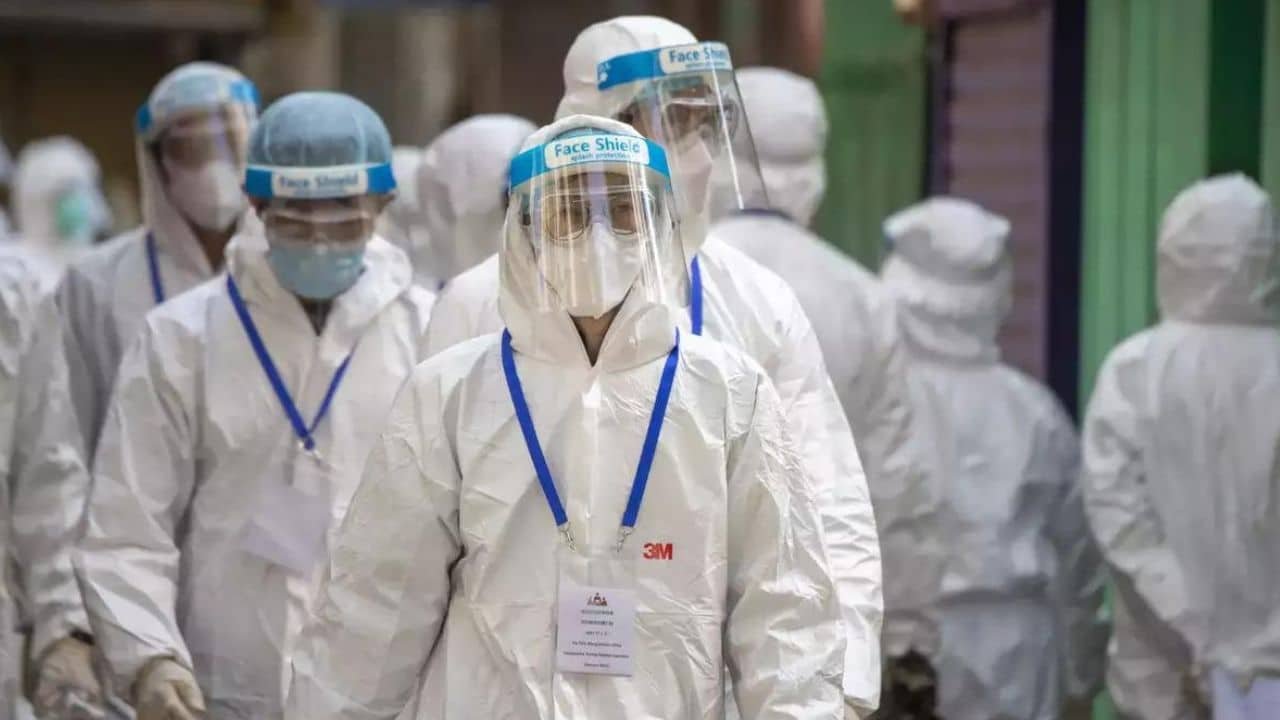
Beijing (AFP) – The World Health Organization has asked China for more data on a respiratory illness spreading in the north of the country, urging people to take steps to reduce the risk of infection.
Northern China has reported an increase in “influenza-like illness” since mid-October when compared to the same period in the previous three years, the WHO said.
“WHO has made an official request to China for detailed information on an increase in respiratory illnesses and reported clusters of pneumonia in children,” the UN health body said in a statement on Wednesday.
China’s National Health Commission told reporters last week that the respiratory illness spike was due to the lifting of Covid-19 restrictions and the circulation of known pathogens, namely influenza and common bacterial infections that affect children, including mycoplasma pneumonia.
The Chinese capital of Beijing, located in the north of the country, is currently experiencing a cold snap, with temperatures expected to plummet to well below zero by Friday, state media said.
Temperatures plummeted as the city “entered a high incidence season of respiratory infectious diseases”, Wang Quanyi, deputy director and chief epidemiological expert at the Beijing Center for Disease Control and Prevention, told state media on Wednesday.
Beijing “is currently showing a trend of multiple pathogens coexisting”, he added.
Calls for transparency
Over the course of the Covid-19 pandemic, the WHO repeatedly criticised Chinese authorities for their lack of transparency and cooperation.
More than three years after cases were first detected in Wuhan, heated debate still rages around the origins of Covid-19.
Scientists are divided between two main theories of the cause: an escape from a laboratory in the city where such viruses were being studied and an intermediate animal that infected people at a local market.
Earlier this year, WHO experts said they were sure that Beijing had far more data that could shed light on the origins of Covid, and called it a moral imperative for the information to be shared.
A team of specialists led by the WHO and accompanied by Chinese colleagues investigated China in early 2021, but there has not been a team able to return since and WHO officials have repeatedly asked for additional data.
WHO chief Tedros Adhanom Ghebreyesus has stressed that getting to the bottom of the mystery could help avert future pandemics.
Binance boss Changpeng Zhao has become the most powerful cryptocurrency figure to fall in a two-year period chaotic even by the standards of the notoriously volatile industry.
Zhao stepped down as CEO of Binance — the largest crypto exchange in the world — after he and the company pleaded guilty on Tuesday to sweeping US money laundering violations and agreed to fines of more than $4 billion.
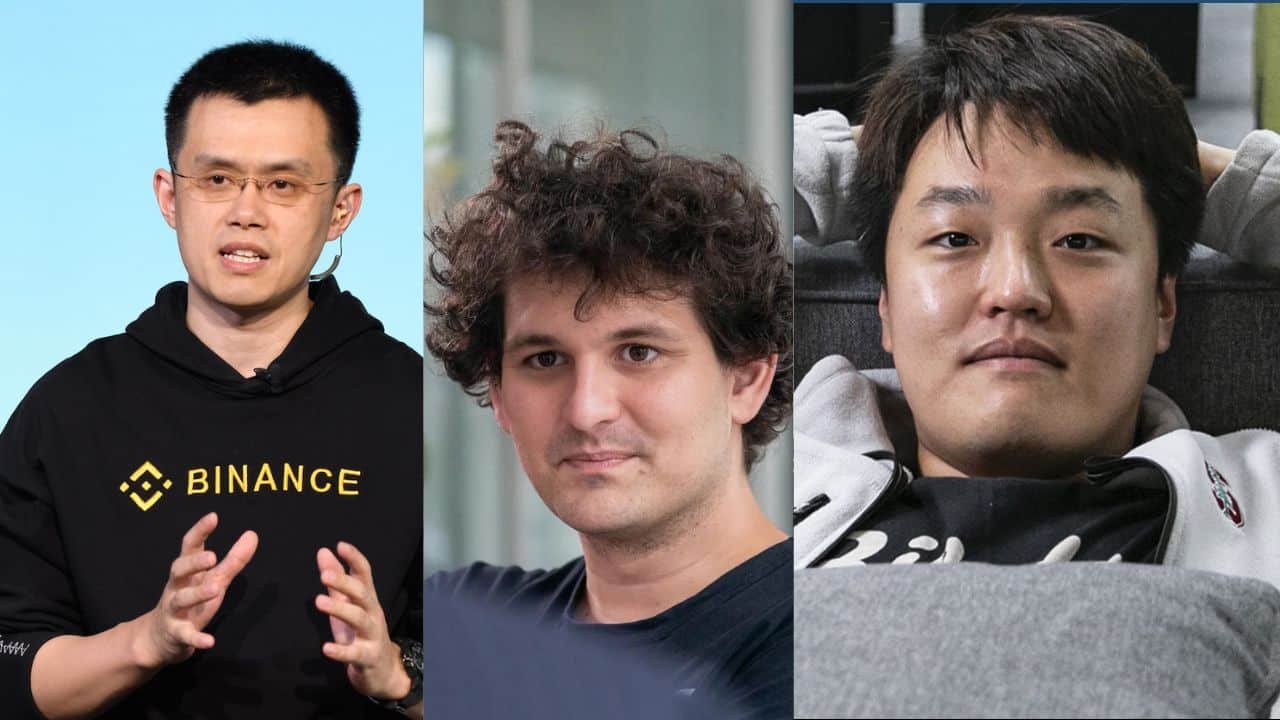
Here are three of the highest-profile crypto executives who have fallen foul of the law since last year:
Changpeng ‘CZ’ Zhao
Born in China in 1977, Zhao moved with his family to Canada in the 1980s and later got a degree in computer science from McGill University, according to his profile in the Bloomberg Billionaires Index.
Zhao Changpeng, chief executive officer of Binance, speaks during a Bloomberg Television interview in Tokyo, Japan, on Thursday, Jan. 11, 2018. The world’s biggest cryptocurrency exchange keeps getting bigger. Binance.com is adding “a couple of million” registered users every week, with 240,000 people signing up in just an hour on Wednesday, said Zhao. Photographer: Akio Kon/Bloomberg
He founded Binance in 2017 in Shanghai, and led the company’s explosive growth into the world’s biggest cryptocurrency exchange.
An outspoken celebrity in the crypto world with 8.7 million followers on X, Zhao became the richest known figure in the nascent industry. His net worth peaked at around $65 billion in 2022, according to a Forbes index.
With the prestige and wealth came increased scrutiny of Binance’s operations, as prominent crypto firms around the world began to buckle under a wave of criminal investigations.
The United States accused Zhao and Binance of multiple violations, including knowingly allowing transactions to militant groups such as the Islamic State and in barred jurisdictions such as North Korea and Iran.
On Tuesday, they pleaded guilty. The firm has agreed to total penalties of nearly $4.4 billion, while he will pay $50 million, according to court documents.
Zhao resigned as CEO of Binance and while he will reportedly retain his shares in the company, he has been banned from any involvement in its business. He is expected to face sentencing later.
Forbes listed his net worth as $10.2 billion as of Wednesday.
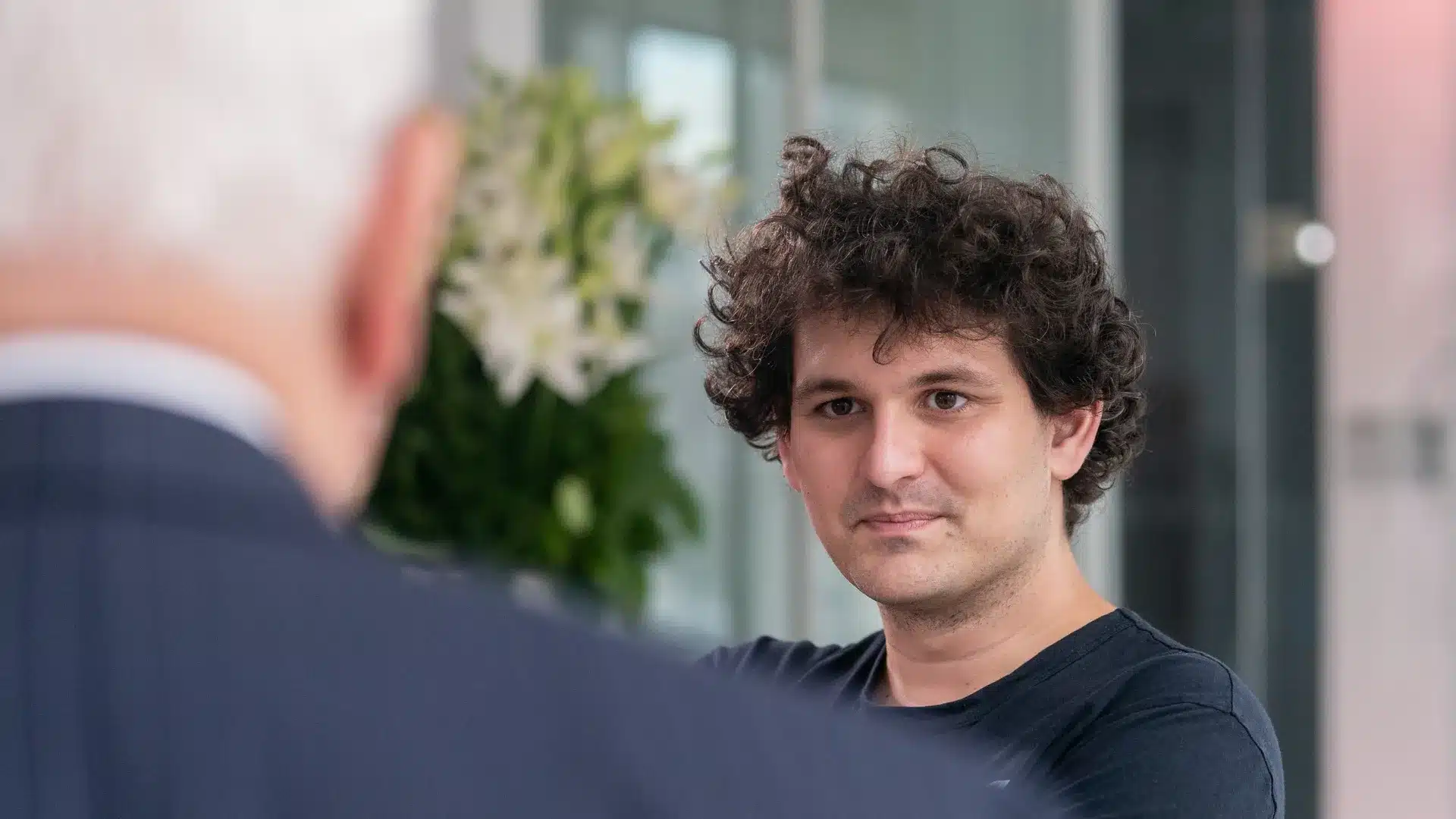
Sam Bankman-Fried
If Zhao was the richest and most powerful person in crypto, Sam Bankman-Fried was easily the most famous.
Born to Stanford University professors, Bankman-Fried graduated from MIT with a degree in physics.
In 2019, he founded FTX, which skyrocketed to become the world’s second-largest crypto exchange.
Along the way, Bankman-Fried built up his image as the unofficial ambassador for the cryptocurrency industry, with high-profile appearances in the media and even the US Congress.
At one point in 2022, he had a net worth of $24 billion, according to Forbes.
But he had been walking a dangerous path — his team used customers’ money for everything from buying posh real estate to covering risky moves by affiliate Alameda Research.
It all came crashing down when these moves were revealed in the media in November 2022. Within hours, rival CZ Zhao said Binance would sell all the FTX tokens it held.
It sparked a stunning collapse of FTX and Bankman-Fried’s empire, his fame turning to notoriety.
Arrested in the Bahamas in January, he was found guilty this month of what US prosecutors described as “one of the biggest financial frauds in American history”. He faces up to 110 years in prison.
During his trial, the 31-year-old admitted to making “mistakes” but denied trying to defraud anyone.
Do Kwon
South Korean entrepreneur Do Kwon co-founded Terraform Labs in 2018, developing the cryptocurrencies TerraUSD and Luna.
Do Kwon, co-founder and chief executive officer of Terraform Labs, poses in the company’s office in Seoul, South Korea, on Thursday, April 14, 2022. Kwon is counting on the oldest cryptocurrency as a backstop for his stablecoin, which some critics liken to a ginormous Ponzi scheme. Photographer: Woohae Cho/Bloomberg via Getty Images
The Stanford grad successfully marketed them as the next big thing in crypto, attracting billions in investments and global hype.
Media reports in South Korea described him as a “genius”.
But in May last year, the value of these currencies — marketed as “stablecoins” — plummeted, wiping out around $40 billion in investments and sending a shock wave through the rest of the industry.
It led to more than $500 billion in further losses on global crypto markets, industry data suggested.
Experts said Do Kwon — whose full name is Kwon Do-kyung — had marketed a glorified Ponzi scheme.
Brash and outspoken on social media, Do Kwon left South Korea before the collapse and spent months on the run.
He was arrested in Montenegro this year after being caught trying to catch a flight using fake Costa Rican travel documents.
He faces multiple criminal charges in the United States and South Korea.