Tag: China

  • Why was Shahid Khaqan Abbasi barred from flying abroad?

    Why was Shahid Khaqan Abbasi barred from flying abroad?

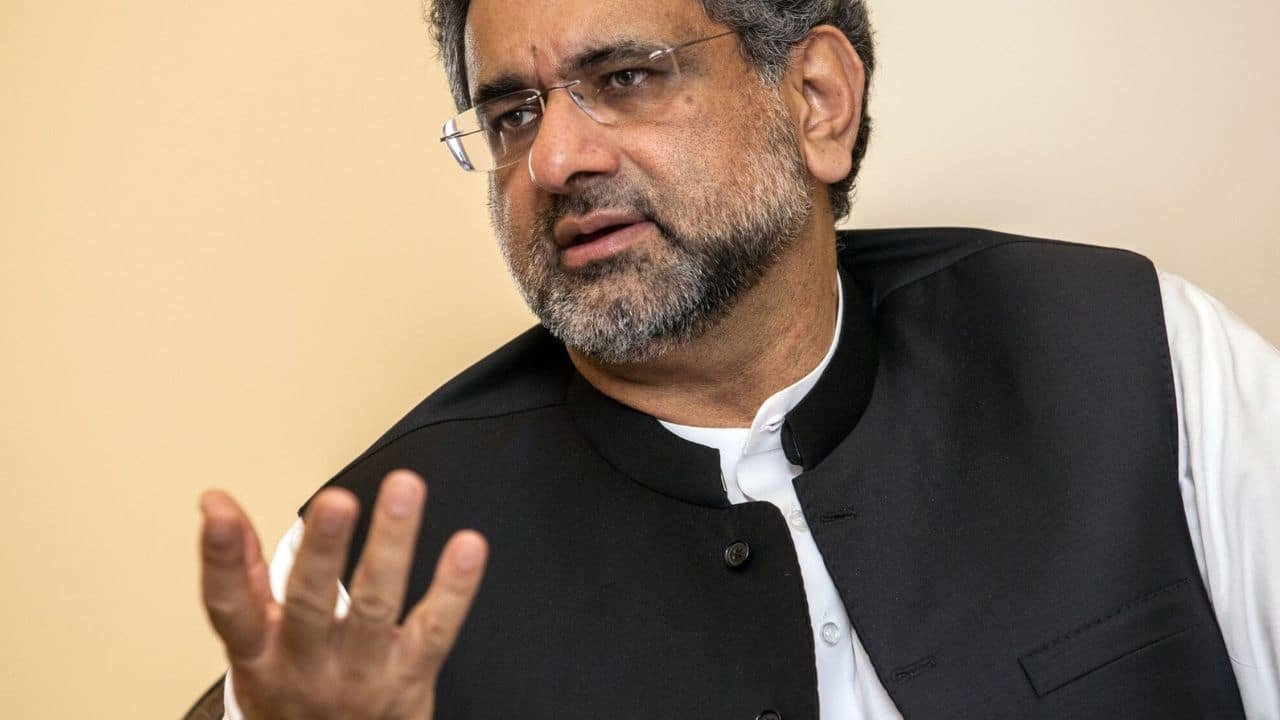
    Former Pakistani Prime Minister Shahid Khaqan Abbasi faced a brief hiccup on Friday when he was initially stopped from flying abroad due to his name being on the no-fly list, as per Shahzad Ali of Samaa.

    However, after clarification, he was allowed to proceed with his travel plans to China.

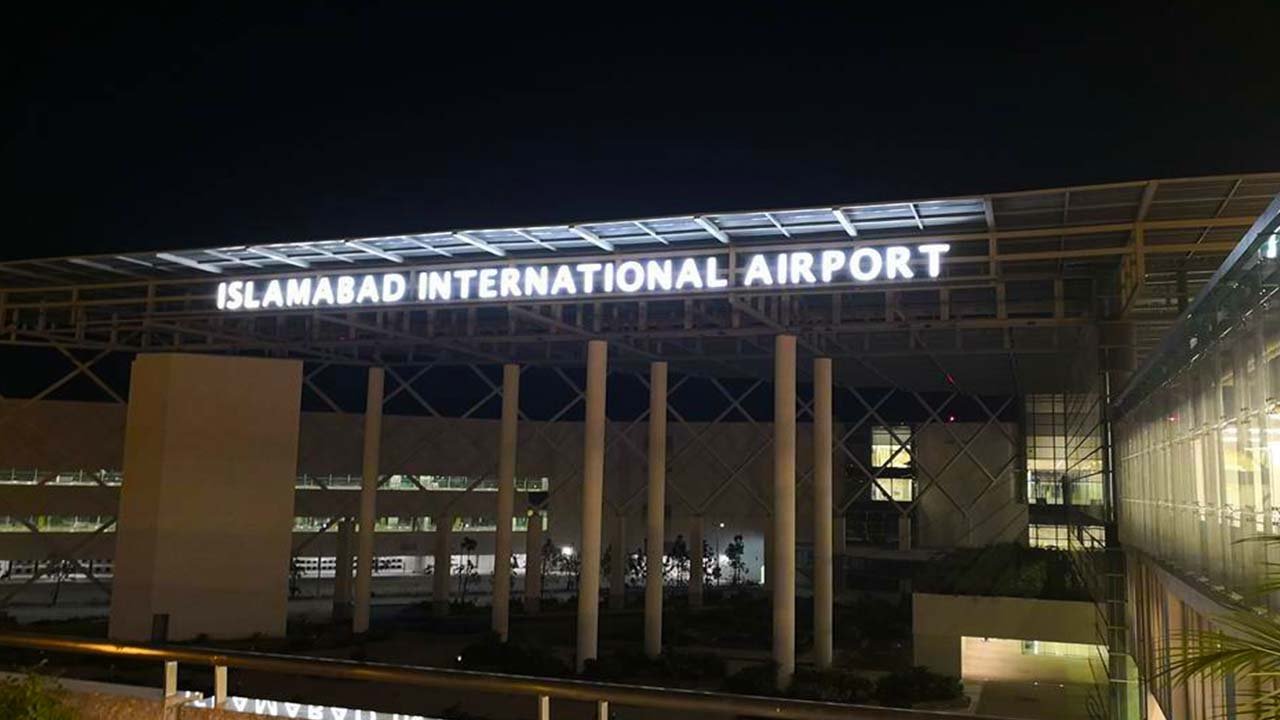
    Mr. Abbasi and his wife were at Islamabad Airport to catch a flight to China when immigration authorities informed him that he was on the stop list based on orders of the Sindh court.

    Consequently, he was told he couldn’t continue his journey and had to return from the airport lounge.

    Eventually, the issue was resolved, and he was permitted to travel.

    When reached for comment, Mr. Abbasi denied any disruption and stated that he had already departed for China.

    Despite attempts to contact the Federal Investigation Agency (FIA) immigration authorities for clarification, no response was received.

    Earlier last month, Shahid Khaqan Abbasi’s son Abdullah Khaqan Abbasi was prevented from leaving the nation at the Islamabad airport by immigration officials.

    On a foreign carrier, flight EK-613, Abdullah Khaqan Abbasi was scheduled to travel for Dubai.

    Due to the fact that Abdullah’s name was on the National Accountability Bureau’s (NAB) stop list, the FIA immigration officers stopped him.

    Earlier, Shahid Khaqan Abbasi’s bail had been extended by the Sindh High Court in a case related to an unauthorized appointment at Pakistan State Oil (PSO).

    The court also ordered that Abbasi’s name and those of the other defendants be added to the Exit Control List (ECL).

    The case involved allegations against Abbasi, Arshad Mirza, Imranul Haque, and Yakoob Babar, with the former petroleum secretary also being present during the court hearing.

  • Palestinian death toll crosses 5,000: What do we know about day 17

    Palestinian death toll crosses 5,000: What do we know about day 17

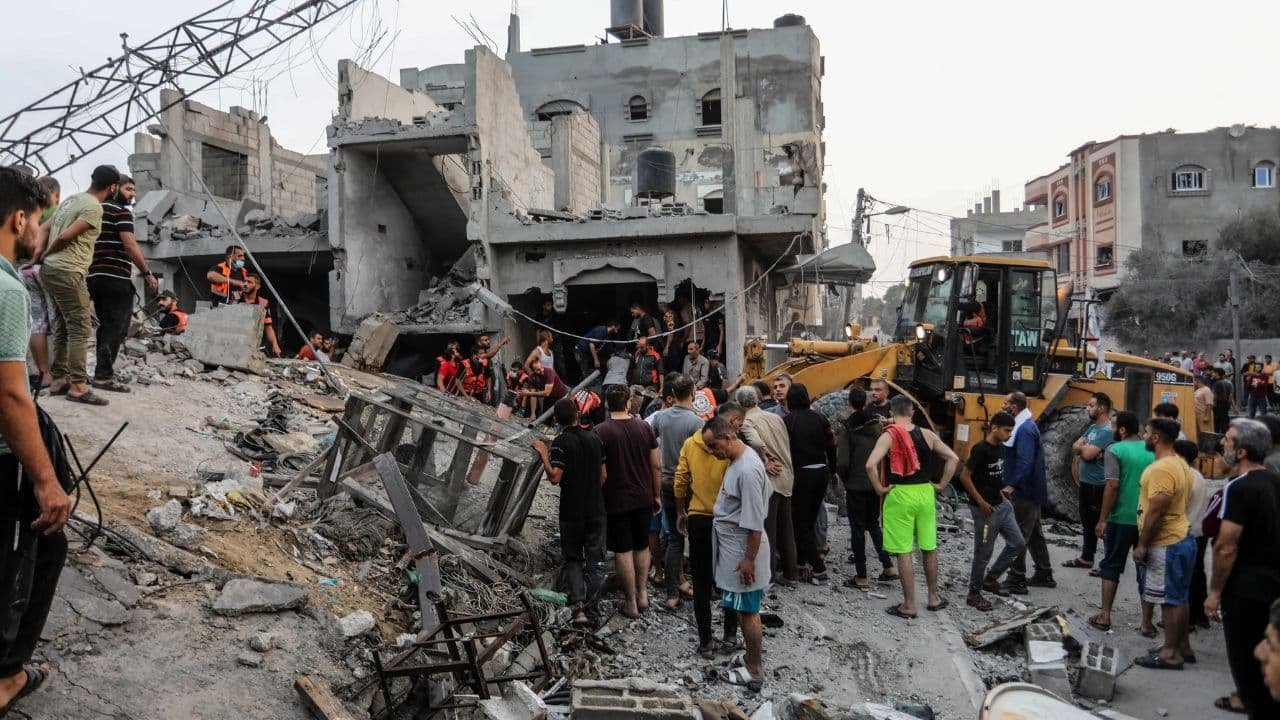
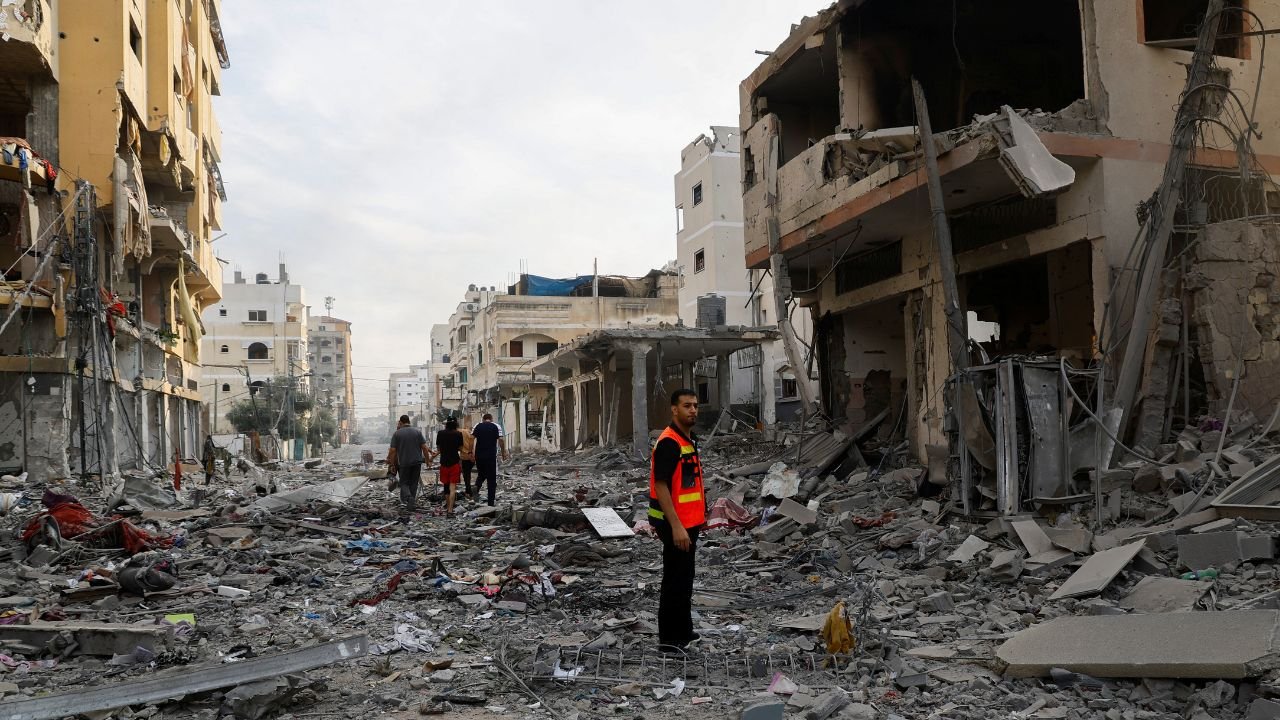
    The number of Palestinians killed in the Israeli onslaught has reached at least 5,087, the Health Ministry has confirmed, whereas 15,273 have been wounded.

    In the past 24 hours alone, at least 436 people, including 182 children, were killed.

    Israeli airstrikes hit areas around Gaza’s Al-Shifa and Al-Quds hospitals. WAFA reports that a number of missiles hit the area surrounding Al-Shifa Medical Complex where currently the largest number of wounded are being treated as well as the largest number of medical staff working in the Gaza strip.

    The vicinity of Al-Quds Hospital, on the other hand, has been attacked for the second time.

    Al Jazeera reports that as per Palestinian officials, Israel has been directly threatening hospitals with evacuation, bombings, or bombing nearby areas, and creating uncertainty in the healthcare system.

    China’s call for ceasefire

    China’s Middle East special representative has asserted to do “whatever is conducive” to encourage a dialogue to lead to ceasefire and peace in the Middle East.

    China’s state media reported that Zhai Jun deemed the situation in Gaza as “very serious” and raised concerns over a potential escalation of conflict into the neighbouring countries, calling it “worrisome”.

    China attended the Cairo peace committee and has been in communication with foreign ministers including from Palestine, Israel, Egypt, Saudi Arabia, the United Arab Emirates and Norway, as well as representatives from the UN and EU.

    Zhai also mentioned that China has been helping with emergency humanitarian assistance to Palestinians through the UN and via bilateral channels to help alleviate the humanitarian crisis.

    Two Hezbollah cells in Lebanon attacksTwo alleged Hezbollah cells in Lebanon were targeted by Israeli forces on Monday.

    123 Palestinians detained in occupied West Bank

    Israeli forces in the occupied West Bank have detained 123 Palestininas in the ongoing Israeli raids.40 people are said to be workers from the Gaza Strip.Israel, on the other hand, claims that 37 of the arrested are “Hamas members”.

  • Here’s all you need to know about what PM Kakar has been doing in China

    Here’s all you need to know about what PM Kakar has been doing in China

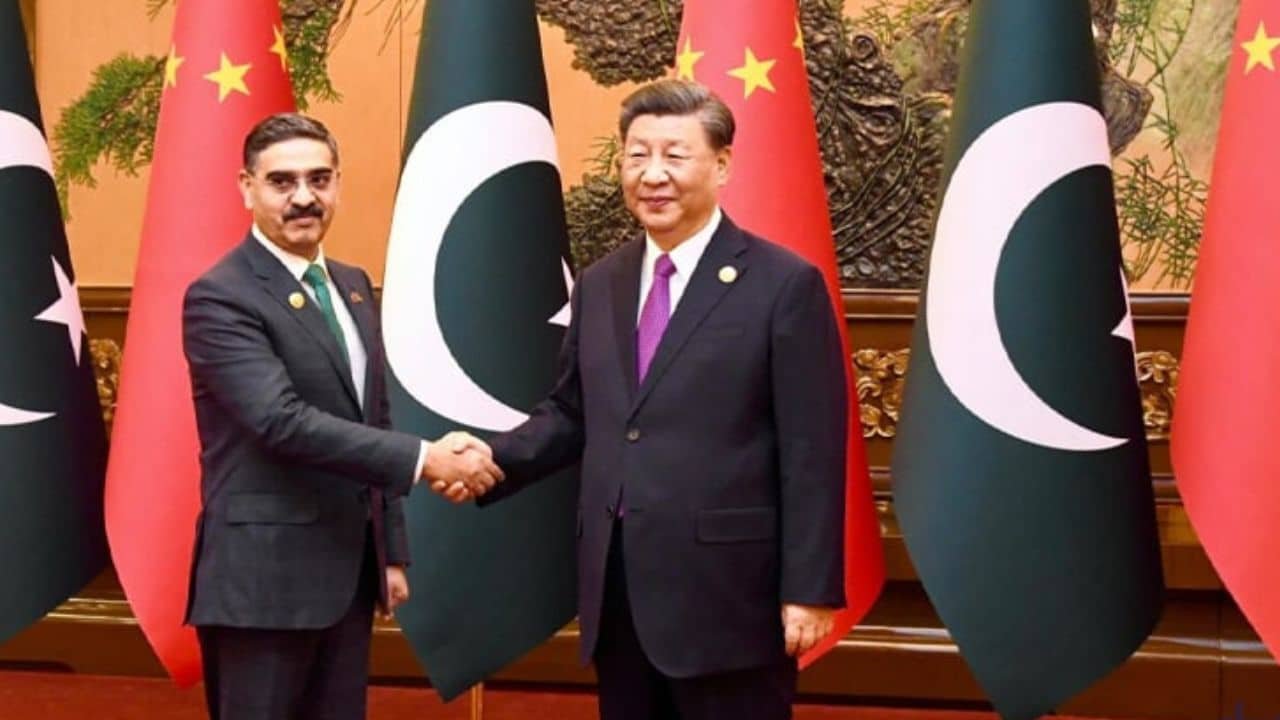
    Caretaker Prime Minister Anwaar ul Haq Kakar is currently on a four day long visit to China, to attend the Third Belt and Road Forum for International Cooperation. This is the first Forum in four years as the last one was held in 2019. This time around there were delegations from 130 countries and ten heads of states mostly from the global south. The PM is there on the invitation of President Xi Jinping to celebrate ten years of CPEC, the flagship project of Belt and Road Initiative.

    The visit has been packed with attending the opening ceremony, addressing the high-level forum and conducting important meetings with head of states and entrepreneurs and presiding over the round tables about CPEC.

    The activities started off with the two-day forum where Anwaar ul Haq Kakar addressed the opening ceremony of BRF at the Great Hall of the People in Beijing. He was welcomed by President Xi and the first lady. Both the countries agreed on growing CPEC as a project ensuring growth, employment and sustainability. Xi talked at length about the Chinese rejection of “economic coercion” and “bloc confrontation”.

    Caretaker PM addressed the high-level forum titled ‘Connectivity in an Open Global Economy’ where he vowed to share responsibility and embrace the vision of working together because he believes by this “we can create a brighter, peaceful, and sustainable future for ourselves and for our generations,” He attended a roundtable on the decade-long progress of CPEC. Different MoUs were signed between the leadership of China and Pakistan during the PM’s meeting with his counterpart Li Qiang.

    The United Energy Group of China and Pakistan Refinery Ltd signed an MoU for a $1.5 billion investment to boost the refinery’s production capacity.

    The rail project, whose cost has been revised downwards from $9bn to $6.7bn, will span 1,733 kilometres, connecting Peshawar to Karachi. Besides, the number of trains travelling to and from both cities could potentially expand to 100.

    Both the projects will help enhance the capacity of the respective department and create thousands of job opportunities.

    Apart from the meetings with Chinese businesses and different ministers, Kakar also met Russian President Viladimir Putin, President of Kenya Dr. William Ruto and the President of Sri Lanka Ranil Wickremsinghe.
    With Russia, he discussed the areas of convergence like countering terrorism in Afghanistan, trade of energy, petroleum and promotion of bilateral ties.
    PM Kakar also talked about expediting the joint investigation report on the Arshad Sharif murder case in Kenya with William Ruto.
    In his meeting with Srilankan President he discussed about the mutual issues regarding economy and the crisis in Gaza calling for an immediate ceasefire.
    He represented Pakistan at the final Gala Dinner having all the attendees of the forum after his meeting with the President of China. He stated categorically of “Pakistan’s blind trust on China” and the pride Pakistan takes in “Chinese progress”.
    In the last leg of the visit, PM is now on his way to Ürümqi, Uyghur region of China to address the students at Xinjiag University after offering Jumma prayers in the Grand Mosque of Xinjiag.

  • World reacts to Israel’s breach of international laws

    World reacts to Israel’s breach of international laws

    While many of its old allies still support Israel as it continues to bomb Gaza, a number of countries are now raising concerns over Israel’s breach of international laws.

    Russia

    President Vladimir Putin responded to the Israel-Palestine escalation by condemning the “catastrophic” deaths and criticised Washington’s involvement in the Middle East peace settlement.

    During a meeting with Iraqi Prime Minister Muhammad Shia al-Sudani, he said “This is a vivid example of the failure of Middle East policies of the United States [as it] tried to monopolise the [peace] settlement”.

    “But, unfortunately, [the US] was not concerned about the search for compromises for both sides and, vice versa, promoted their own conceptions about how it should be done, [and] pressured both sides,” he added.

    Moscow has also refused to label Hamas as a terrorist organisation.

    “We maintain contact with [both] sides of the conflict,” Kremlin spokesperson Dmitry Peskov said.

    “Of course, Russia continues to analyse the situation and keeps its position as a nation that has the potential to participate in the settlement process.”

    China

    On Thursday, China’s top diplomat and foreign minister Wang Yi stated that the issue of Palestinian is central to the Middle East conflict, and that denial of “justice” to the Palestinian people was at its core.

    Turkey

    Turkish President Recep Tayyip Erdogan spoke to German Chancellor Olaf Scholz, asserting that a lasting solution to the conflict lies in the establishment of a sovereign Palestinian state with its capital in East Jerusalem within the 1967 borders .

    Ireland

    Irish Prime Minister Leo Varadkar has criticised Israel for violating international humanitarian law and halting water, food and electricity supply into the Gaza Strip.

    “Israel is under threat. They do have a right to defend themselves, but they don’t have the right to breach international humanitarian law,” he said in an interview with TVE.

    “To me, it amounts to collective punishment. Cutting off power, cutting off fuel supplies and water supplies, that’s not the way a respectable democratic state should conduct itself.”

    He has, however, also urged Hamas to release all the Israeli captives, saying that Israel is “justified in attacking Hamas in Gaza and elsewhere.”

    Former Irish President Mary Robinson has also commented on the escalation, deeming Israel’s response to Hamas attacks as collective punishment.

    Robinson asserted that Ireland has been a “very good voice in acknowledging the suffering of occupation and the continual problems of Palestinians over decades.”

    Richard Boyd Barrett, Irish MP, addressed the Dáil Éireann, the lower house of the Irish parliament, during a discussion on the Irish Government’s response to the situation in Gaza.

    “The Israeli Government has brazenly, publicly and openly declared its intention to commit a war crime, and has commenced that war crime against the people of Gaza”, he said.

    Scotland

    Hamza Yousaf, the first minister of Scotland, has also spoken up against the Israeli attacks on Gaza.

    He posted on X (formerly Twitter), quoting the latest UN statement that warns about the dire consequences of Israeli orders of evacuation of Gaza.

    “The international community must step up and demand an end to collective punishment. Enough. There can be no justification for the death of innocent men, women & children.”

    He also shared a video of his mother-in-law, Elizabeth El-Nakla, calling for help.

    She was visiting her relatives with her husband when Hamas attacked on Saturday.

    Norway

    The Norwegian foreign minister, Anniken Huitfeldt, has said on Thursday that while Israel has the right to defend itself against Hamas, a total blockade of Gaza cannot be supported.

    “The establishment of a full blockade, including on access to electricity, water, food, and other goods that are indispensable for the survival of the civilian population in Gaza, is unacceptable,” she stated.

    She further pointed out that self-defense measures must be taken within international law.

    “The scale of destruction in Gaza is enormous. A large number of civilians have been killed. Given a full blockade by Israel, closed border crossings, and continued Israeli attacks, I fear that the civilian population in Gaza will face even greater hardship in the days to come,” Huitfeldt said.

    She also warned that suspension or decrease in assistance to Gaza can worsen the matter.

    “Functioning Palestinian institutions and the delivery of basic services are crucial to avoid further destabilisation and preserve the objective of the two-state solution.”
  • Chinese company shows interest in buying K-Electric for $1.77 billion

    Chinese company shows interest in buying K-Electric for $1.77 billion

    In a recent development, China’s state-owned Shanghai Electric Power (SEP) has reiterated its interest in acquiring the shares of Karachi’s sole power company, K-Electric, with a renewed offer of $1.77 billion.

    According to Shan Abbas Ashari, the investment advisor of the Saudi group Al-Jomaih Power Limited, a major shareholder of K-Electric, the Saudi group has indicated the possibility of selling its shares at a price of $2 billion.

    Ashari stated that a deal with Shanghai Electric, involving the acquisition of K-Electric shares, is set to be rekindled. He mentioned that SEP had initially proposed the $1.77 billion offer to acquire K-Electric several years ago, and this offer would now be revisited.

    Ashari highlighted the growing electricity demand in Karachi, which should have already reached 5,000 MW. He emphasised that this demand could further increase if all industries were integrated into the company’s grid.

    Moreover, Ashari emphasised that Pakistan stands as an ideal investment destination for Saudi Arabia and other Gulf countries due to its rapidly expanding population, distinguishing it from Europe.

    However, he acknowledged that investors from Saudi Arabia and Kuwait faced challenges following the K-Electric deal. Stay tuned for further updates on this significant investment development.

  • A Pakistani component will soon be going to the moon

    A Pakistani component will soon be going to the moon

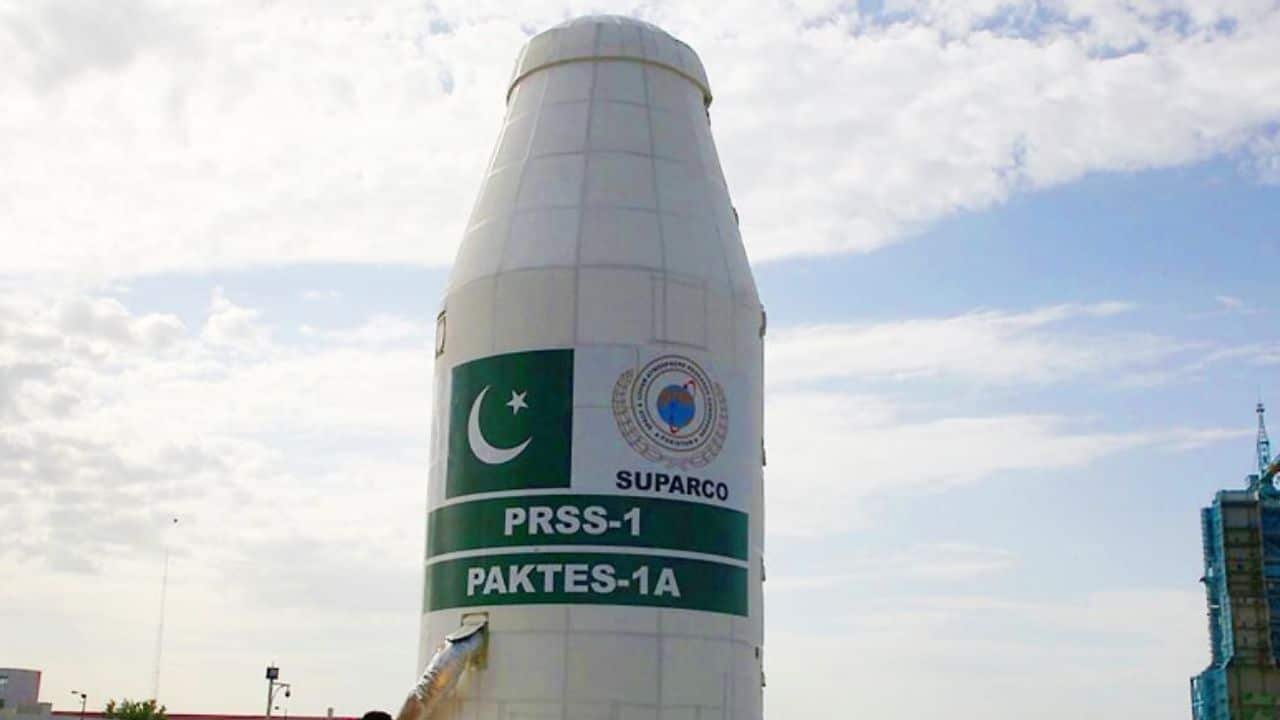
    China’s new mission to the moon, Chang’e 6, will be launched in 2024, carrying a Pakistani satellite.

    As per a statement issued by the China National Space Administration (CNSA), Chang’e 6 mission will be launched to the moon in the first half of 2024.

    The mission is set to carry payloads to the moon from Pakistan, the European Space Agency (ESA), France and Italy.

    This includes French instruments to test radioactive gas, ESA’s Negative Ion Detector, Italy’s Valle Brett Radar System, and Pakistan’s satellite named CubeSat.

    China is currently expanding the International Lunar Research Station project that will result in more international partnerships in the future as well as an increased international cooperation.

    Constituting a first in history, Chang’e-6 mission is to journey towards the dark side of the moon and gather specimens from its surface.

    Previously, samples were collected from the near surface of the moon.

    The aim is to collect samples from various areas of the moon to evaluate its age. This is said to be followed by Chang’e 7 robotic mission to the moon’s south pole.

    This will trace for signs of ice and examine the region’s atmosphere and weather.

    The Chang’e 8 mission is said to conclude the Chang’e missions and to possibly establish a research station on the planet.

  • CAA gathers global players: Meeting in Dubai to discuss Islamabad airport outsourcing 

    CAA gathers global players: Meeting in Dubai to discuss Islamabad airport outsourcing 

    The Civil Aviation Authority (CAA) has convened a significant meeting in Dubai to address matters pertaining to the outsourcing of Islamabad airport. 

    Sources indicate that the CAA administration has scheduled this meeting for September 26 in Dubai, extending invitations to international companies interested in participating in the outsourcing of the airport. 

    This development follows the federal government’s issuance of tenders, soliciting applications for the outsourcing of Islamabad International Airport for a duration of 15 years. 

    According to ARY News, the Civil Aviation Authority has stipulated that interested bidders must submit their applications, along with a Rs5,000 fee, in favour of CAA by November 8. 

    Notably, the government recently made the decision to pursue the outsourcing of Karachi, Lahore, and Islamabad International Airports, drawing keen interest from the United Arab Emirates, Qatar, Turkey, China, and Saudi Arabia. 

    In response to this decision, CAA unions launched a protest movement, which has persisted despite attempts at negotiation by Aviation Minister Khawaja Saad. 

    The steadfast stance of CAA employees remains unwavering, with a spokesperson for the CAA Union asserting during a media address that the protest movement will persist until their demands are met. 

  • Chinese woman holds 16 corporate jobs for three years without showing up

    Chinese woman holds 16 corporate jobs for three years without showing up

    A Chinese woman, identified only as Guan Yue under a pseudonym, was recently exposed for a remarkable three-year involvement in a complex labor-fraud operation, as reported by local media. 

    Guan Yue’s participation encompassed maintaining 16 distinct corporate positions without physically attending any of them, contributing to a staggering labour-fraud scheme valued at nearly $7 million, according to China’s state-owned newspaper, Xinmin.

    The report detailed Guan’s meticulous record-keeping, in which she meticulously documented each hiring opportunity on paper. During job interviews, she would post images from these interviews on her company’s internal communication channels, misleading colleagues by implying client meetings. 

    As the volume of job offers exceeded her capacity, Guan would delegate these positions to acquaintances, earning a commission in the process. It’s important to note that Insider was unable to independently verify the details of this extensive investigation.

    Xinmin highlighted the pervasive nature of such labour fraud in China, with an estimated 700–800 organised groups regularly exploiting multiple job opportunities from employers. These groups have honed their skills in securing employment, mastering the art of interviews, and presenting impressive, albeit fraudulent, resumes.

    Remarkably, when their deception is exposed, these cases are seldom treated as criminal offences; instead, they are typically resolved through employment law channels, a system these groups have become increasingly adept at navigating. 

    In a notable instance, one of these groups successfully infiltrated a company, placing a member in the role of HR representative, who subsequently hired the rest of the group, as disclosed by the newspaper.

  • Air pollution in South Asia can cut life expectancy by more than five years per person

    Air pollution in South Asia can cut life expectancy by more than five years per person

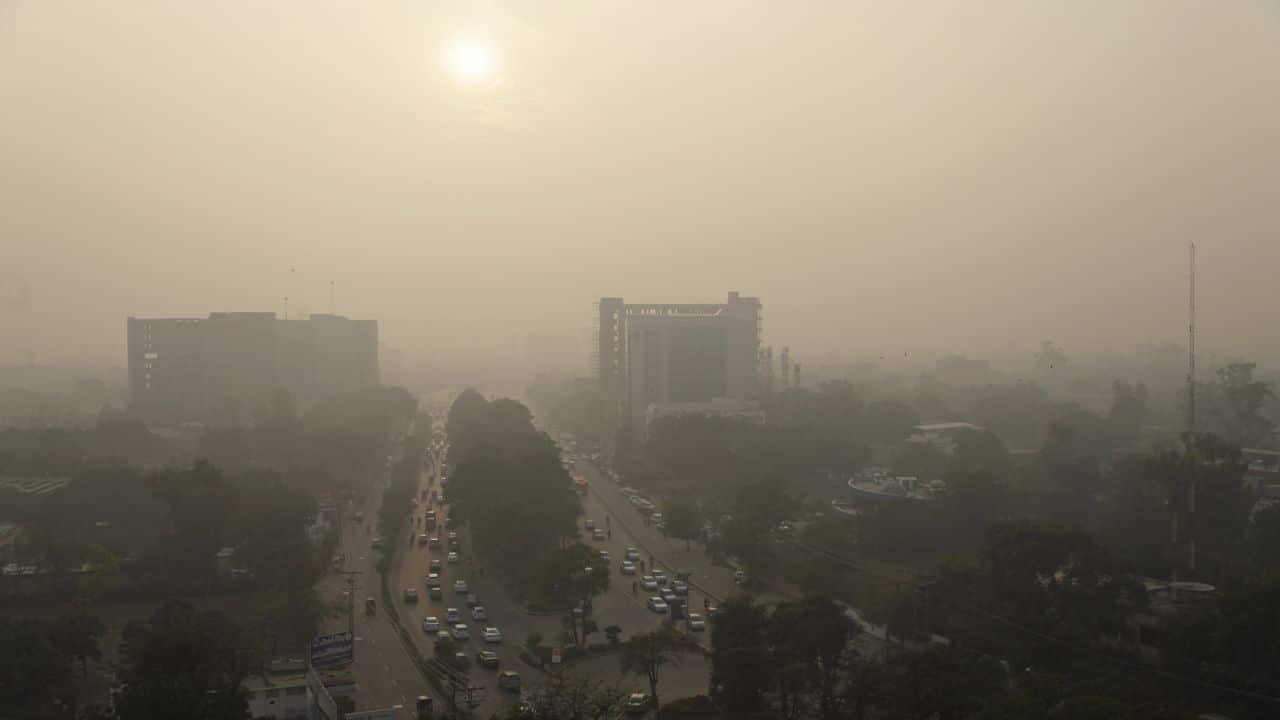
    University of Chicago’s Energy Policy Institute (EPIC) has published its latest report about Air Quality Life Index on Tuesday. The report deduced that rising air pollution can cut life expectancy by more than five years per person in South Asia which is currently one of the most polluted places in the world.

    Primary contributors in the region’s declining air quality are increasing industrialisation and population growth. The particulate pollution levels are resultantly more than 50 percent higher in comparison to the century’s start, posing a much greater health threat.

    What does the report say about Pakistan?
    According to the report, 98.3% of Pakistan’s population lives in areas exceeding the national air quality standard of 15 micrograms per cubic meter.

    From 1998 to 2021, average annual particulate pollution increased by 49.9% in Pakistan and reduced life expectancy by 1.5 years.

    In Punjab, Islamabad, and Khyber Pakhtunkhwa 65.5 million citizens reside (69.5% of Pakistan’s population), with the country’s people potent set to lose between 3.7 to 4.6 years of life expectancy on average relative to the World Health Organization (WHO) guideline and between 2.7 to 3.6 years relative to the national standard if the current pollution levels persist.

    Moreover, if Pakistan is able to meet WHO’s guideline, Karachi residents would gain 2.7 years of life expectancy whereas residents of Lahore would gain 7.5 years and people in Islamabad would gain about 4.5 years of life expectancy.
    Pakistanis would gain 3.9 years by meeting the WHO guidelines of limiting average annual PM 2.5 concentration to 5 micrograms per cubic meter.

    Others in South Asia

    The study further expounds upon other countries in the region.

    In light of the current pollution levels, Bangladeshis can lose 6.8 years of life on average per person compared to 3.6 months in the United States.

    A Nepali would live 4.6 years longer by meeting the WHO guidelines of limiting average annual PM 2.5 concentration to 5 micrograms per cubic meter.

    It is also highlighted that India is responsible for about 59 percent of the world’s increase in pollution since 2013, threatening to reduce lifespan in some of the country’s polluted regions.

    The average lifespan in New Delhi, a heavily populated and the world’s most polluted megacity, is down by more than 10 years.

    The report added that by reducing global levels of lung-damaging airborne particles, known as PM 2.5, to levels recommended by WHO could raise average life expectancy by 2.3 years.

    China has put in work to reduce pollution by 42.3 percent between 2013 and 2021. The report suggested the governments generate accessible air quality data in order to help bridge global inequalities in accessing tools to combat pollution.

  • Massive ancient forest discovered 630 feet down sinkhole in China

    A recent scientific expedition ushered in the discovery of an ancient hidden forest located within a sinkhole in China.

    The secret forest is located more than 600 feet inside a sinkhole that is situated within karst bedrock near a village in Leye County, Guangxi Zhuang.

    The sinkhole is apparently one of at least 30 in the country. The researcher found three different cave entrances on May 6.

    The sinkhole is 492ft (150m) wide and has a volume of more than five million cubic metres. While the entire network of caverns is approximately 1,004ft (306m).

    Zhang Yuanhai, a senior engineer with the Institute of Karst Geology of China Geological Survey, spoke with Xinhua news agency. According to him, the sinkhole contains an incredibly well-preserved and primitive forest with trees stretching as high 130ft (40m) tall.

    https://twitter.com/dw_environment/status/1526934382157520896?s=20

    Chen Lixin, leader of the Guangxi 702 expedition, told Live Science that he “wouldn’t be surprised to know that there are species found in these caves that have never been reported or described by science until now”.