Pakistan Hockey team have won their first match 2-1 against China in Asian Hockey Championship taking place in India.
In the first half, the Pakistani team played aggressively, with Shayan Ali scoring the first goal in the 19th minute, setting a match-winning lead for Pakistan. However, in the in the 33rd minute of the second half, China scored to make the lead equal on both sides. Pakistan’s Afraz then scored another goal in the 39th minute which was the match-winning goal for Pakistan.
Earlier, the Pakistani team had drawn their match with Japan by 3-3 and with Korea by 1-1. Pakistani team lost to Malaysia by 1-3.
Pakistan will play the highly anticipated match with India on 9 August. If the Pakistani team wins, they will have a solid chance to enter the semi-finals. Pakistan and India both won the Asian Champion trophy thrice.
All the teams will play five matches to try and make a place in the top 4 to reach the semi-finals. Final will be played on August 12.
Tag: China
-

Pakistan beat China to register first win in Asian Hockey Champion trophy
-
‘China will always stand firmly with Pakistan’; Xi Jinping vows to stand with ally
“No matter how the international landscape may change, China will always stand firmly with Pakistan,” President Xi Jinping has said in a statement reiterating China’s steadfast support for Pakistan.
The statement was given as part of a congratulatory message at the CPEC celebration ceremony held in Islamabad on Monday, where the Chinese Vice-president He Lifeng was also present as part of a three day visit to Pakistan.Talking about mutual ties, President Xi also stressed that China and Pakistan will keep enhancing overall planning. China will work with Pakistan to further develop CPEC into an exemplary project of high-quality Belt and Road cooperation, he stated.
“Since its launch in 2013, China and Pakistan have been advancing CPEC under the principle of extensive consultation, joint contribution and shared benefits, and have achieved a number of early harvests,” he added.Earlier today, both the countries signed six agreements to promote mutual cooperation.
The document establishing the joint cooperation committee of the China Pakistan Economic Corridor (CPEC) was signed by China’s Vice Chairman of the National Development and Reforms Commission and Minister for Planning and Development Ahsan Iqbal. -
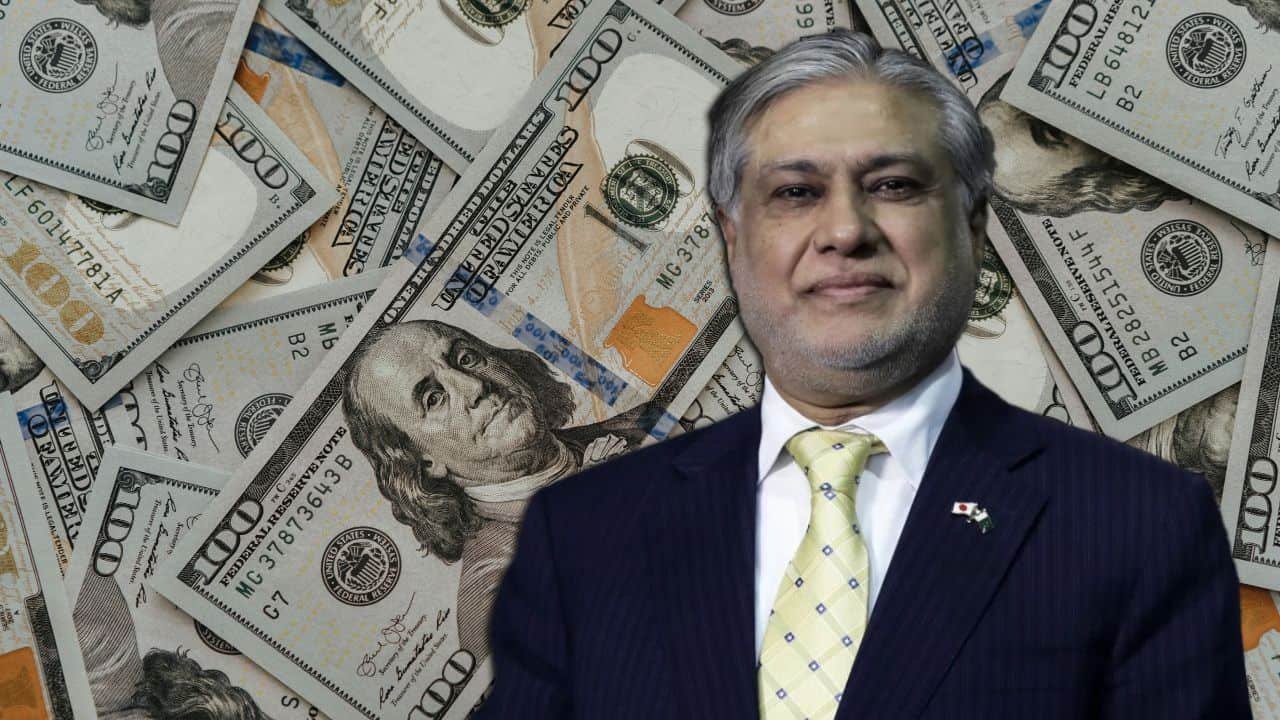
Dar credits govt’s prudent economic policies as Pakistan’s forex reserves rise to $14 billion
In a recent Senate session, Finance Minister Ishaq Dar announced that Pakistan’s foreign exchange reserves have witnessed a significant increase, rising from $8 billion to an impressive $14 billion. He attributed this remarkable growth to the government’s prudent economic policies and the unwavering support received from friendly nations, including Saudi Arabia, Qatar, and China.
Dar said that China played a pivotal role in bolstering Pakistan’s financial position. Recognising Pakistan’s adherence to all technicalities regarding loan repayment, China graciously agreed to roll over the country’s loans. This move from China came as a testament to Pakistan’s commitment to fulfilling its financial obligations.
Speaking about the nation’s economic future, Dar urged all political forces to unite and collaborate on a charter for the economy. The proposed charter aims to tackle the country’s financial challenges collectively, serving as a guiding framework to lead Pakistan out of the current financial crisis.
Addressing a specific issue, the Finance Minister expressed concern over Pakistan International Airlines (PIA) annual loss of approximately Rs70 billion. He attributed this financial setback to an irresponsible statement made by a former minister during the previous regime. Dar highlighted the need for careful and responsible statements from leaders, as they can have far-reaching consequences for the national flag carrier.
In a piece of encouraging news for the aviation sector, the minister also shared that the Pakistan Airports Authority Bill 2023 is on track to be implemented. Once enacted, this bill will pave the way for the resumption of PIA’s operations in Europe. The move is expected to bolster the airline’s revenue and contribute positively to the nation’s economic growth.
-
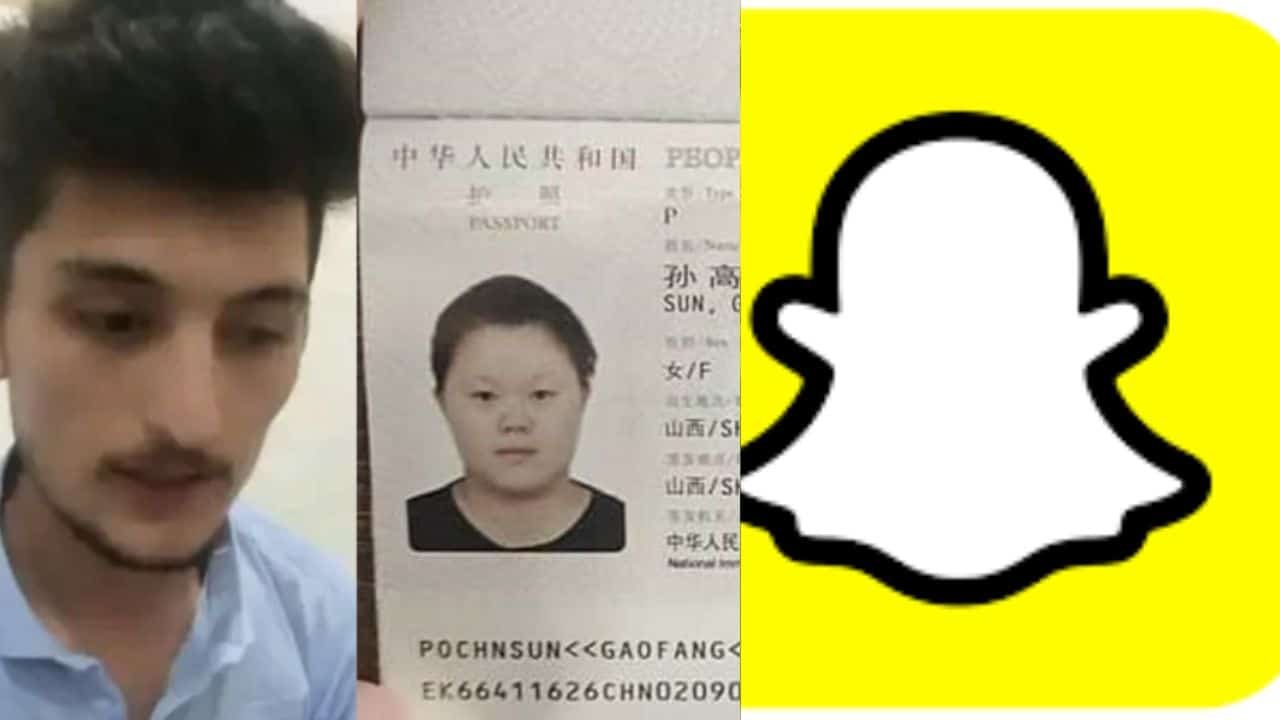
Veer-Zara Chinese version? Woman travels to KP to marry Pakistani lover
After Anju from India, a woman from China, Gao Fang, 20, has travelled to Pakistan to marry her lover Javed, 18, who lives in Khyber Pakhtunkhwa.
According to the Lower Dir District Police Officer, the two met on Snapchat and remained in contact for three years. The woman travelled on a tourist visa to the Samar Bagh area. Currently, the police has provided Fang with security and restricted her movement due to security concerns.
The Pakistani man, Javed, lived in Bajaur district, but had shifted to live with his uncle in Lower Dir.
According to Aaj News, Fang converted to Islam, taking up the Muslim name, Kiswa. Javed also had plans to visit China in the near future.
This is the second case this week where a foreign woman has travelled to Pakistan to marry a man here.
-

China launches its first homegrown PC operating system as a competitor to Windows and macOS
China has unveiled its inaugural domestically produced open-source desktop operating system, known as OpenKylin. This move reflects the nation’s determination to reduce its reliance on technology from the United States.
The release of China’s version took place on Wednesday and is rooted in the existing open-source Linux operating system. It was designed through the collaborative efforts of approximately 4,000 developers and has found applications in various sectors, including the country’s space programme, finance, and energy industries.
State media referred to an industry report, stating that China’s expansive market for operating systems had a value of 15.5 billion yuan ($2.1 billion) in the previous year.
Creating an operating system independent of US technology has emerged as a significant objective within China’s tech industry in recent years. Numerous companies and organisations have actively contributed to the development of the OpenKylin system.
Notably, the China Industrial Control Systems Cyber Emergency Response Team, overseen by the Ministry of Industry and Information Technology, stands as a prominent supporter.
Over a dozen Chinese companies are currently engaged in endeavors to produce operating systems capable of replacing Microsoft’s Windows and Apple’s macOS. One such company, UnionTech Software Technology Co Ltd, is actively working on what it terms the “Unity OS.”
-
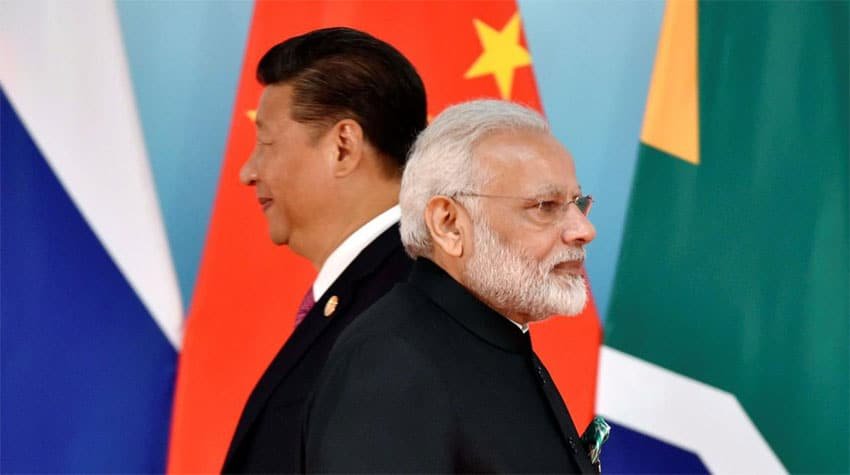
No Chinese journalist left in India after last one expelled
Freedom of expression in India is shrinking as the last remaining Chinese reporter has been expelled from New Delhi. The visa extension of the last Chinese reporter, who was associated with the Chinese official News agency Xinhua, was denied by Indian authorities last month.
The expulsion marks the first instance in history that not a single Chinese journalist is present in India since 1980.
Critics say that the action reflects that there is no space for journalists in Modi’s government.
Indian authorities have been accused of taking such steps to hide cruelty against minorities like Muslims, Kashmiris and Dalits.
-
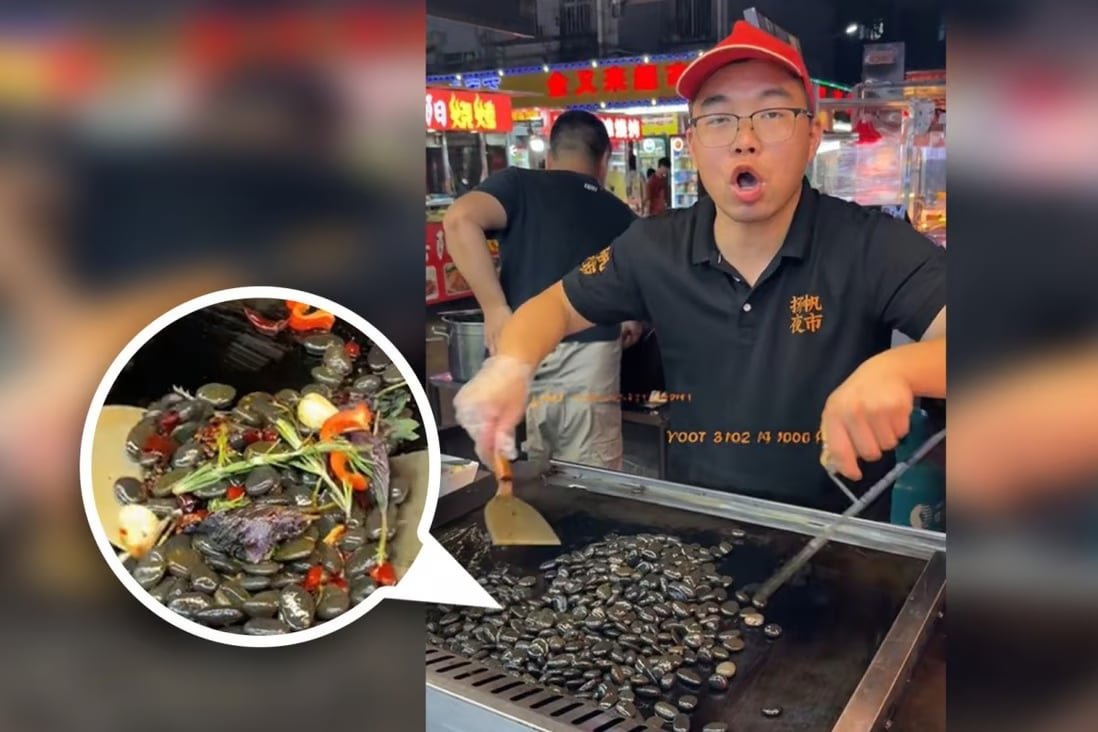
‘World’s hardest dish’; Chinese street food vendors selling stir-fried stones
Videos of customers sampling suodiu have appeared all over Chinese social media. Suodiu is a dish originating from the province Hubei, and it is made up of chilli oil, garlic, diced peppers, and – the main ingredient – river rocks.
Vendors pour chilli oil onto pebbles being grilled teppanyaki-style, sprinkle garlic sauce all over them, then stir-fry everything with a mix of garlic cloves and diced peppers. The way you’re meant to eat it is by sucking on the small rocks to relish the rich and spicy flavour before spitting out the rock.
Hence the name suodiu, which means “suck and dispose”. The dish is believed to date back hundreds of years. It was passed down for generations by boatmen through their oral history.
In a report by the Guardian when boatmen in the landlocked province of Hubei would run out of animals and vegetables while travelling along the Yangtze River, and would then turn to – you guessed it – the rocks beneath the river.
Unsurprisingly, suodiu faded in popularity after Hubei developed economically, and motorised vessels appeared in the Yangtze, as it reduced the chances of boatmen being left stranded in the river.
The dish is also linked to the Tujia people, an ethnic minority who originate from the Wuling mountain range that straddles the borders of Hubei, Hunan and Guizhou.
But what does it taste like?!
According to one food blogger, these rocks acquire the taste of marine life over time and start tasting like fish. So when they’re cooked, they have a flavour similar to that of fish, oysters or clams.
Are you going to be trying suodiu on your next trip to China?
-
Blast in restaurant in China kills at least 31 people
At least 31 people have been killed and seven injured on Wednesday as the result of a gas explosion at a restaurant in northwestern China. The blast was caused by a leaking liquefied petroleum gas tank.
“A leak of liquefied petroleum gas … caused an explosion during the operation of a barbecue restaurant,” state news agency Xinhua said on Wednesday.
The owner, shareholders, and staff of the restaurant were among the nine people who were detained by police after the explosion.According to media accounts, the BBQ restaurant in Yinchuan, the region’s capital, is very popular among locals. High school students and pensioners were among those killed in the explosion, which occurred during the busiest dining hours.
-
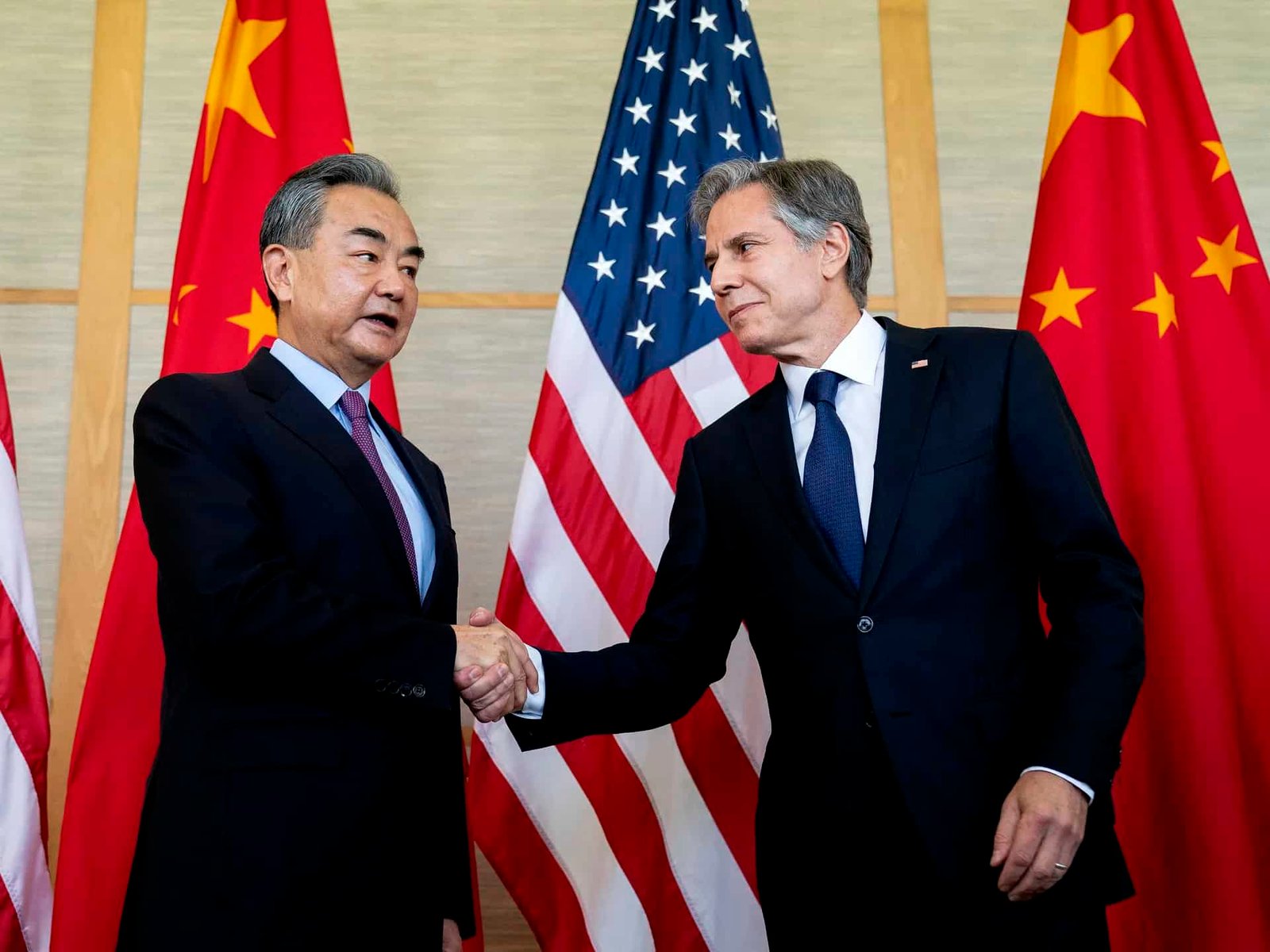
Beijing: US Secretary of State & Chinese officials hold ‘candid and constructive’ talks
US Secretary of State Anthony Blinken met with Chinese officials during a rare trip to Beijing, as relations between the two superpowers continue to deteriorate. Blinken is the first man of his post to meet Chinese leader, Xi Jinping, since 2018. Both Blinken and Chinese Foreign Minister Qin Gang described the talks, held on Sunday, as “candid and constructive”.
Representatives of the two states ‘seemed to agree on little beyond keeping the conversation [of diplomacy] going’ as reported by Reuters. They did not appear to make concrete progress on disputes that include Taiwan, trade, human rights and fentanyl.
According to the State Department, Blinken stressed the “need to reduce the risk of misperception and miscalculation,” thereby underscoring the importance of open communication channels to manage their competition.
Describing the US-China relationship as being at its lowest point since diplomatic relations began, China’s top diplomat Wang Yi said the root cause was the United States’ incorrect perception of China.
“We must take a responsible attitude toward the people, history and the world, and reverse the downward spiral of US-China relations,” Wang was reported to have said during the meeting, as released in a statement by China’s foreign ministry.
Xi Jinping hails ‘progress’
On Monday, Blinken met with Chinese leader Xi Jinping. Their meeting could be instrumental in facilitating a summit between Xi and U.S. President Joe Biden later this year.
The visit reflects attempts from both states in ensuring disputes between the economic superpowers do not develop into outright conflict.
Xi praised the talks as “progress” between the two superpowers. Biden said he hoped to meet the Chinese leader again after their lengthy meeting in November, during the G20 summit in Bali, Indonesia.
“I’m hoping that, over the next several months, I’ll be meeting with Xi again and talking about legitimate differences we have but also how there’s areas we can get along,” Biden said, as reported by The Guardian.
It is likely that the two leaders will be in attendance at the next G20 summit, which is to be held in New Delhi in September. Xi is also invited to travel to San Francisco in November, to attend the Asia-Pacific Economic Cooperation forum.
-
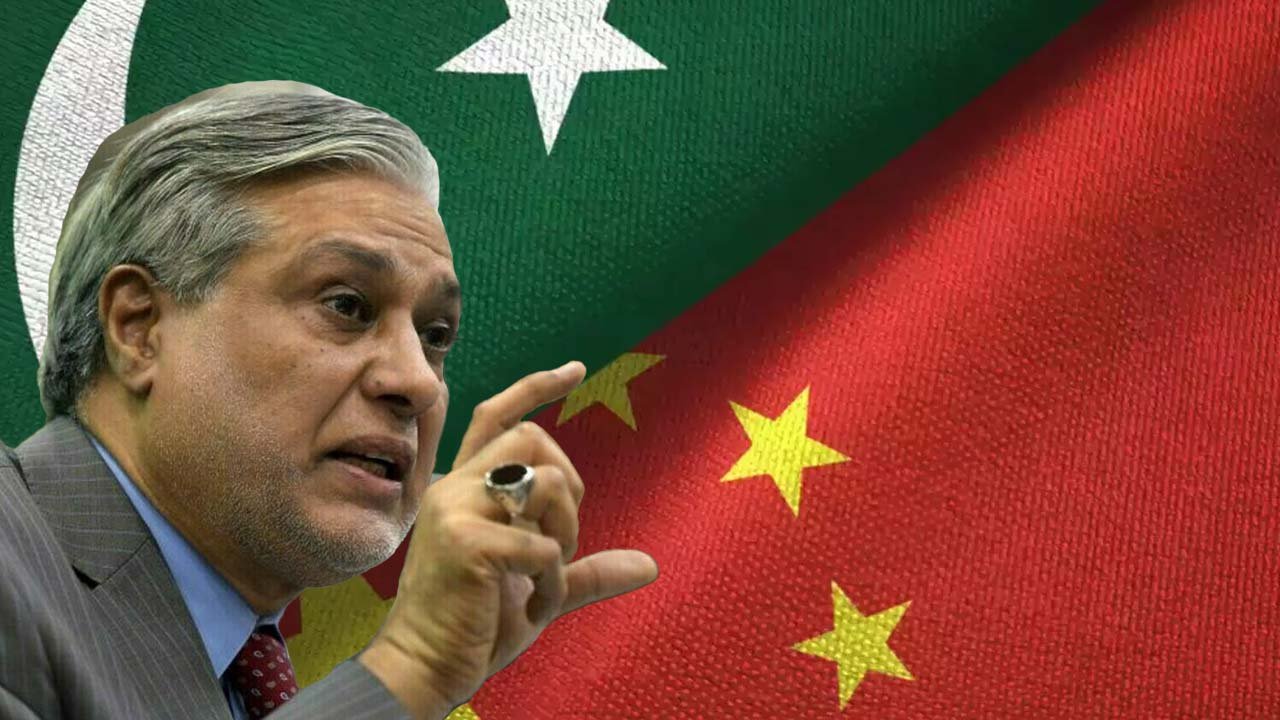
Pakistan’s foreign exchange reserves get a boost as China rolls over $1 billion loan
In a significant development, China has rolled over a $1 billion loan to Pakistan, bolstering the country’s foreign exchange reserves held by the State Bank of Pakistan (SBP). This move comes as a much-needed relief for cash-strapped Pakistan, which has been grappling with a severe liquidity crunch and the looming expiration of its International Monetary Fund (IMF) programme.
Pakistan’s Finance Minister Ishaq Dar said that the $1 billion loan from China would be received on Monday. Additionally, negotiations are underway with the Bank of China for a loan amounting to $300 million. Pakistan is also set to benefit from the dollars obtained through its swap agreement with China.
Prior to this infusion of funds, the SBP and commercial banks jointly held foreign exchange reserves amounting to $9.4 billion as of June 9. With the $1 billion loan, the reserves will rise to $10.4 billion, providing some stability to Pakistan’s economic situation.
The IMF has made external financing a prerequisite for Pakistan, emphasising the importance of securing additional funds. In an effort to address its financial challenges, Pakistan had approached China to refinance commercial loans worth $1.3 billion. However, without the revival of the IMF programme, the SBP’s foreign exchange reserves were at risk of plummeting to less than $3 billion.
Despite these positive developments with China, Pakistan is still struggling to secure external financing in a timely manner, primarily due to ongoing political instability. The country’s fragile economy, valued at $350 billion, continues to be in turmoil, with financial woes exacerbating the situation. The delayed agreement with the IMF has further compounded the need for crucial funding to avoid the risk of default.
Negotiations between the Pakistani government and the IMF have been ongoing since the end of January to resume the $1.1 billion loan tranche that has been on hold since November. This loan is part of a larger $6.5 billion Extended Fund Facility agreed upon in 2019. The impending challenge lies in repaying $900 million to multilateral creditors, which includes both principal and mark-up repayments, by the end of June 2023.
Pakistan remains hopeful that these recent developments with China will provide some respite in the face of its economic challenges. However, the government must continue its efforts to secure external financing and navigate through the political instability to ensure long-term stability and growth for the country’s economy.