Tag: cigarette prices

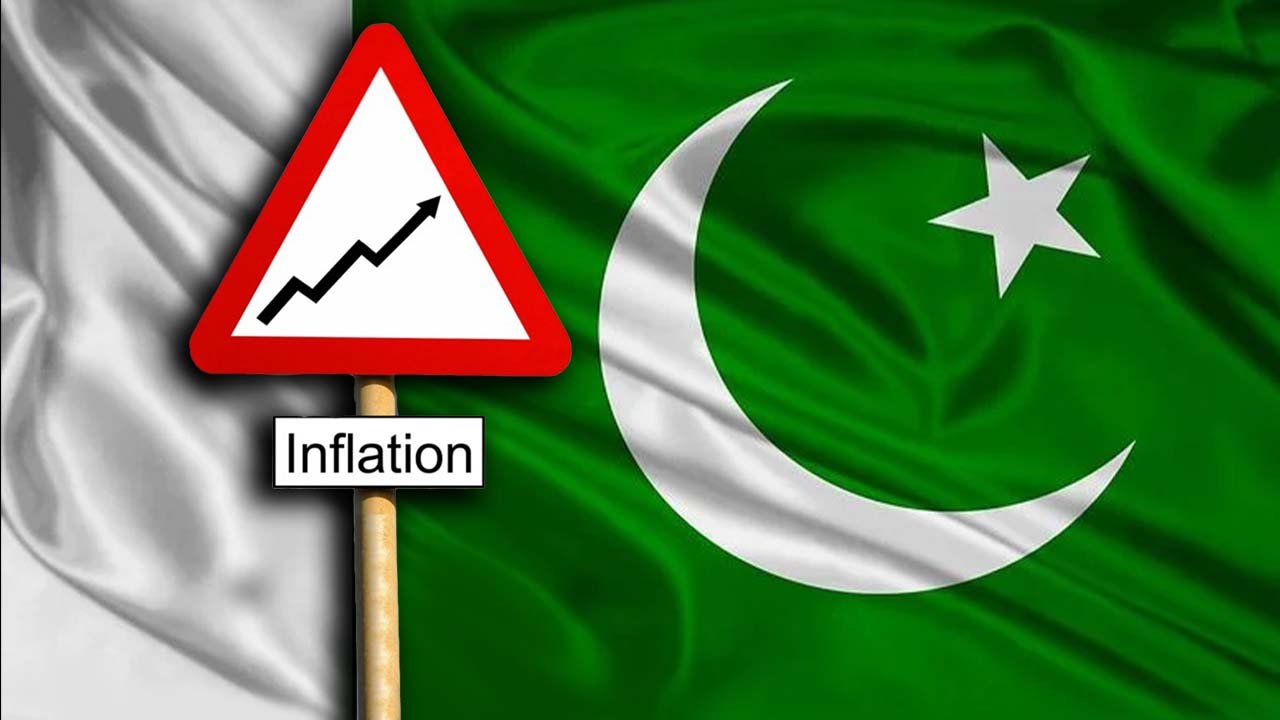
  • Gas and cigarette prices push Pakistan’s weekly inflation to 41%

    Gas and cigarette prices push Pakistan’s weekly inflation to 41%

    According to official data released by the Pakistan Bureau of Statistics (PBS), Pakistan’s weekly inflation has remained high, with an increase of 2.78 per cent week-on-week and 41.54 per cent year-on-year for the seven-day period that ended on February 23.

    The latest figures of the Sensitive Price Index (SPI) reveal that the rise is due to an increase in gas prices for Q1 (108.38 per cent), cigarettes (76.45 per cent), bananas (6.67 per cent), chicken (5.27 per cent), sugar (3.37 per cent), cooking oil 5 litre (3.07 per cent), vegetable ghee 2.5kg (2.79 per cent), vegetable ghee 1kg (2.20 per cent) and prepared tea (1.09 per cent).

    The government of Pakistan almost doubled the gas charges for up to 3.3719 mmBtu to secure the International Monetary Fund’s (IMF) approval for the $1.1 billion tranche out of the $6.5 billion bailout package under the Extended Fund Facility. Previously, the rate was Rs147.57, which now stands at Rs295.

    The PBS attributes the YoY increase in SPI to the rise in prices of onions (372.03 per cent), cigarettes (164.71 per cent), gas charges for Q1 (108.38 per cent), chicken (85.65 per cent), diesel (81.36 per cent), eggs (75.81 per cent), rice irri-6/9 (75.41 per cent), rice basmati broken (74.16 per cent), bananas (72.22 per cent), pulse moong (70.39 per cent), petrol (69.87 per cent), tea (62.76 per cent), pulse gram (57.02 per cent), bread (55.36 per cent), pulse mash (53.90 per cent) and LPG (52.59 per cent). However, there was a decrease in the prices of tomatoes (67.93 per cent), chilli powder (7.42 per cent) and electricity charges for Q1 (6.64 per cent).

    Analysts had predicted that inflationary pressures would intensify due to tax measures and adjustments in electricity, petroleum and gas prices made by the government to unlock the IMF programme.

    Consumers have been facing the burden of rising prices of essential kitchen items, particularly edibles. The average price of 1kg broiler chicken was Rs469.81 during the week under review compared to Rs446.29 last week. For the groups spending up to Rs17,732; Rs17,733-22,888; Rs22,889-29,517; Rs29,518-44,175; and above Rs44,175; WoW SPI increased 2.42, 2.86, 2.32, 2.18, and 3.10 per cent respectively.

    The YoY SPI for the expenditure groups went up 37.81, 39.80, 40.95, 41.94, and 42.98 per cent respectively. For the week under review, SPI was recorded at 241.29 points against 234.77 points registered last week and 170.47 points recorded during the week ended February 24, 2022.
  • PANAH suggests tobacco taxes be raised even higher

    PANAH suggests tobacco taxes be raised even higher

    Pakistan National Heart Association (PANAH) has proposed that the government increase tariffs on unnecessary and harmful tobacco products. Increased tobacco-related levies will lessen diseases and healthcare expenses while also helping to generate tax revenue.

    Sanaullah Ghumman, PANAH’s General Secretary, announced this at a news conference held by the Pakistan National Heart Association on Wednesday at a local hotel.

    Smoking, according to Sanaullah Ghumman, is not healthy for human health in any aspect, and it is the first step toward addiction. Health experts and civil society groups have also urged the Prime Minister to increase tobacco goods taxes.

    A significant number of health experts and civil society representatives attended the event. Tobacco kills 8 million people worldwide each year, according to a global study, and more than 1.5 million individuals in Pakistan lose their lives each year owing to smoking.

    On World Food Safety Day, PANAH proposed that tariffs on sugary drinks be increased as well, as these beverages are harmful to children and cause a variety of health problems.

    Sanaullah Ghumman spoke at the event, urging a 30 per cent rise in tobacco product taxes to protect minors from tobacco usage.

    “This will be a win-win situation for us,” he continued, “since it will lower the health burden while also dramatically increasing revenue”. PANAH, he claimed, had been educating the public about a variety of dangerous diseases, including heart disease and its causes, for 39 years.

  • Pakistan faces Rs615 billion annual deficit due to tobacco consumption

    Pakistan faces Rs615 billion annual deficit due to tobacco consumption

    Pakistan has a substantial Rs615 billion annual deficit owing to diseases caused by smoking and overall tobacco usage, with only Rs120 billion earning in tax revenue from the product.

    The government is expected to improve revenue by raising the tax on cigarettes by 30 per cent according to The Nation.

    This was voiced by speakers at a major symposium held in Islamabad on May 18. The Pakistan National Heart Association (PANAH) held a seminar on the theme ‘Harms of Tobacco Products and the Importance of Tax Policy,’ which was presided over by Patron General (R) Ashraf Khan and hosted by General Secretary Sana Ullah Ghumman.

    As per the speakers at the event, tobacco usage is a major cause of serious heart, lung, and cancer diseases in the country. A fact sheet on the health and economic costs of cigarette usage was released by the Social Policy and Development Centre (SPDC).

    According to the survey, tobacco is used by 31 million persons over the age of 15. More than 260,000 people are predicted to start smoking in the country if tobacco taxes are not raised in the budget for 2022-23.

    Engineer Iqbal Zafar Jhagra, the former governor of KP and a senior PML-N leader, was the special guest at the event. Nisar Cheema, a member of the National Assembly, was also present.

    Read more: Tobacco companies in Pakistan may bump cigarette prices

    PANAH Patron General (R) Ashraf Khan congratulated the attendees and informed them of the organization’s goals and objectives.

    Smoking was declared the primary cause of deaths from non-communicable diseases (NCDs) such as heart, cancer, respiratory, and chronic diseases, according to participants, with an estimated 163,360 persons dying in 2017.