Tag: cigarettes

  • Which wish of Javed Sheikh’s was promptly granted by Shah Rukh Khan?

    Which wish of Javed Sheikh’s was promptly granted by Shah Rukh Khan?

    We knew Shah Rukh is the badshah of Bollywood but did you know, even Lollywood actors love him?

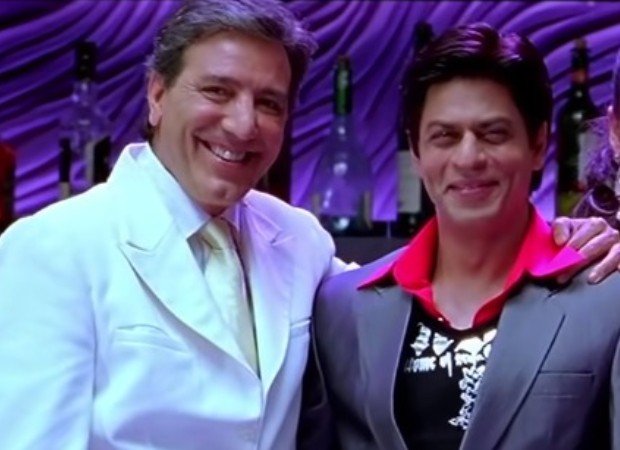
    Veteran actor Javed Sheikh recently shared that on the set of the movie ‘Om Shanti Om,’ he made a request to Shah Rukh Khan, which was promptly fulfilled.

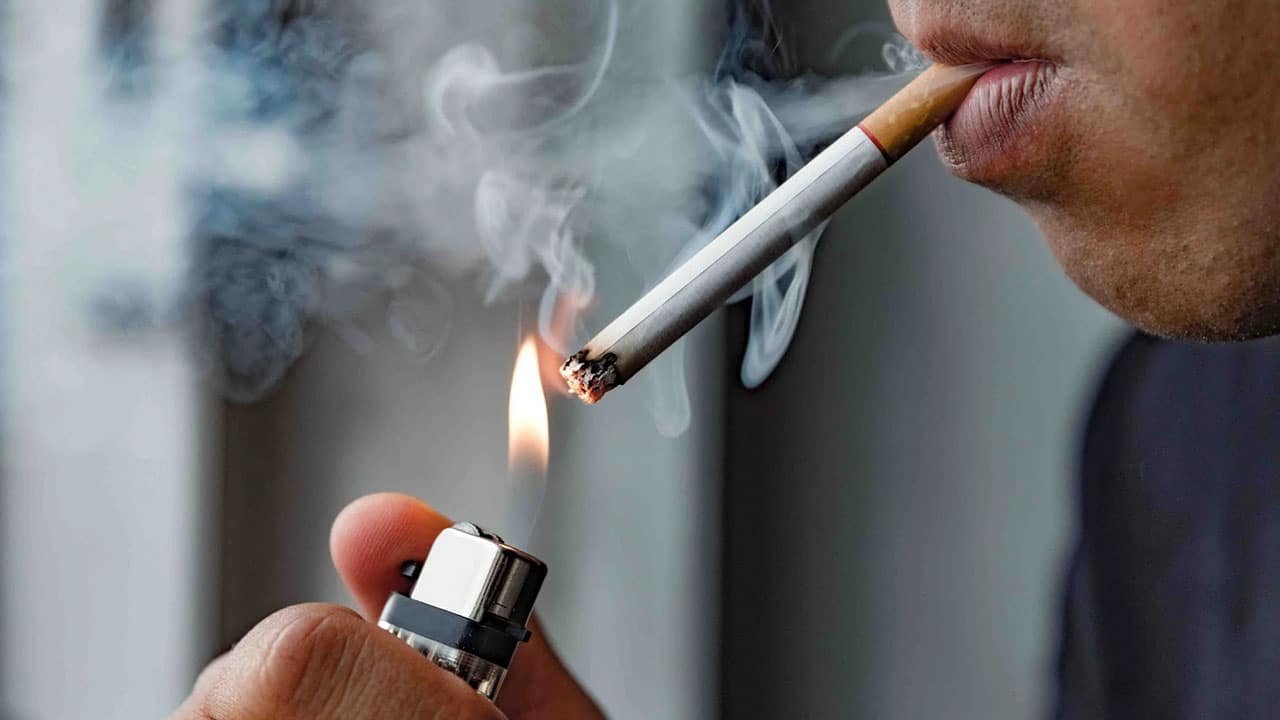
    Discussing his collaboration with Shah Rukh Khan, Javed Sheikh said, “Shah Rukh Khan was my ‘smoking buddy’ during the filming.”
    He explained that during the shoot of ‘Om Shanti Om,’ there were two rules on the set – no photography and no smoking. Special arrangements were made for Shah Rukh Khan, with a table and an ashtray for cigarettes.
    Recalling his interaction with the Bollywood king on set, Javed Sheikh said, “When I met Shah Rukh Khan during the film shoot, he hugged me and offered assistance, saying, ‘If you need anything on the set, let me know.’ I expressed my preference for smoking and explained that I have to go out for it. Upon my request, Shah Rukh Khan immediately arranged for a table and placed an ashtray.”

    ‘Om Shanti Om’ was released in 2007, featuring actress Deepika Padukone alongside Shah Rukh Khan.

  • Health activists urge govt to impose higher taxes on cigarettes for public welfare

    Health activists urge govt to impose higher taxes on cigarettes for public welfare

    Health activists and civil society organizations are calling on the government to impose higher taxes on cigarettes in the upcoming 2023-24 budget, signaling a potential increase in smoking costs for Pakistani consumers.

    Advocates argue that regular tax hikes on tobacco products, in line with the recommendations of the World Health Organization (WHO), are necessary to combat the detrimental effects of smoking in the country.

    Sanaullah Ghumman, representing Pakistan National Heart Association (PANAH), emphasised the importance of consistent taxation on cigarettes, urging the government to align with WHO guidelines. Ghumman’s plea reflects the growing concern over the devastating health consequences associated with tobacco consumption.

    Malik Imran, Country Head of the Campaign for Tobacco-Free Kids (CTFK), highlighted the impact of the government’s recent decision to raise the Federal Excise Duty (FED) on cigarettes in February 2023. This move generated an additional Rs11.3 billion in FED revenue for the fiscal year 2022-23, marking a 9.7 per cent increase from the previous year. Moreover, an extra 4.4 billion in VAT revenue was collected during the same period, representing an 11.5 per cent rise. These figures amount to a substantial boost of 15.7 billion, contributing 0.201 per cent to Pakistan’s struggling economy.

    Imran dismissed the tobacco industry’s claims of illicit trade as a diversion tactic to undermine the benefits of increased taxation. He emphasised that the economic gains resulting from higher prices indicate the viability of this approach, which aids in curbing smoking-related healthcare costs.

  • Weekly inflation in Pakistan spikes above 44%

    Weekly inflation in Pakistan spikes above 44%

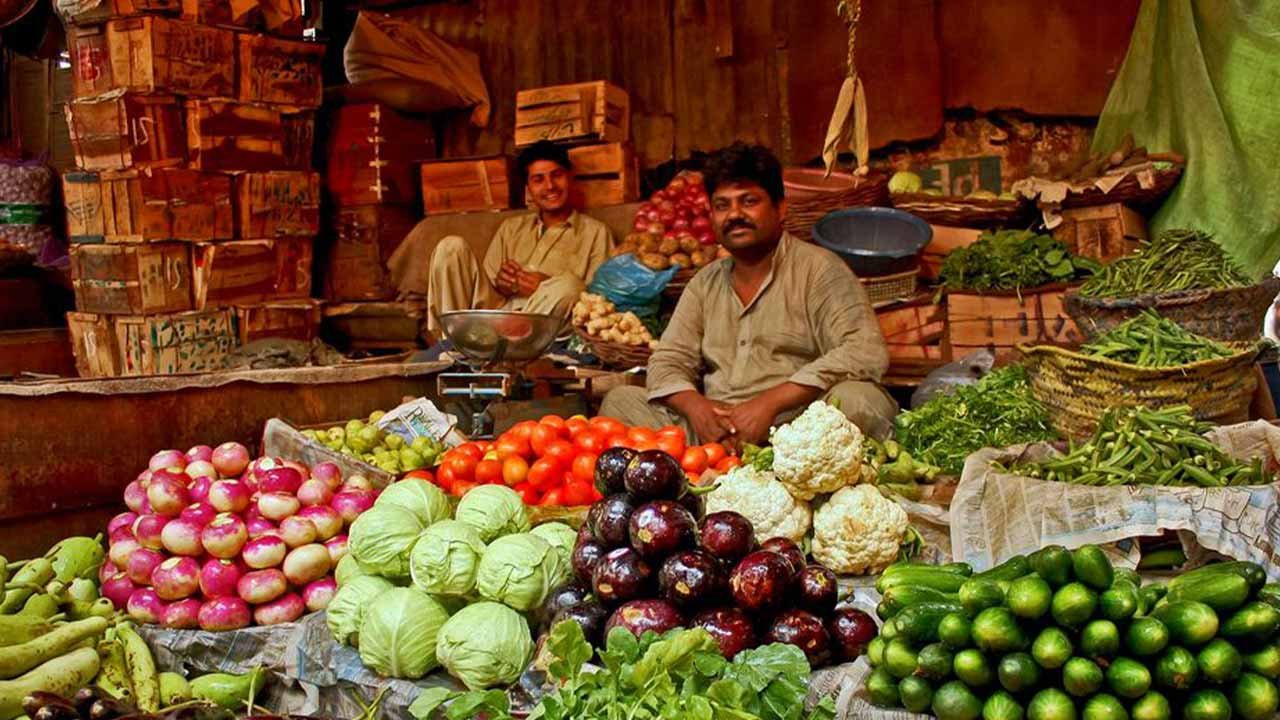
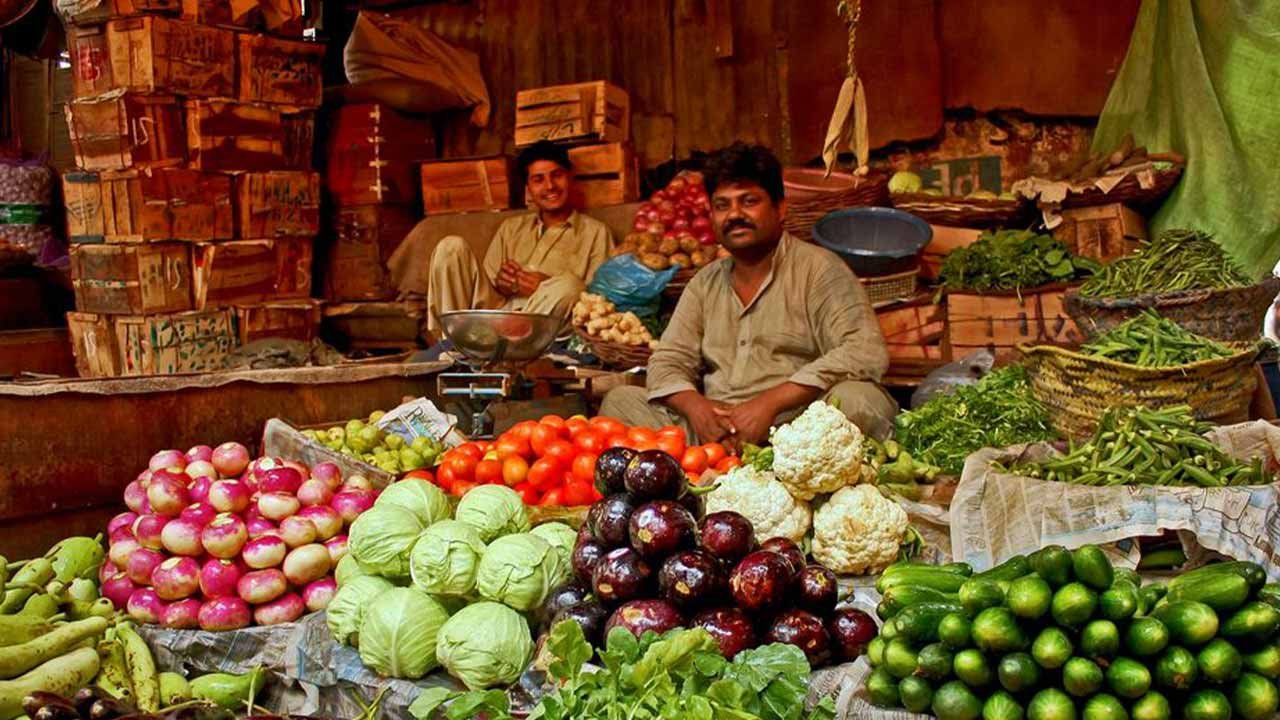
    The Pakistan Bureau of Statistics (PBS) has reported that for the week ending on April 6, 2023, the Sensitive Price Indicator (SPI) based inflation has increased by 0.92 per cent. This rise is mainly due to an increase in the prices of food items such as chicken (15.87 per cent), sugar (13.48 per cent), potatoes (5.11 per cent), bananas (4.95 per cent), wheat flour (3.10 per cent), gur (2.12 per cent), eggs (1.26 per cent), fresh milk (1.24 per cent), and non-food item long cloth (1.95 per cent).

    The year-on-year trend indicates an increase of 44.49 per cent, which is primarily due to a surge in the prices of cigarettes (165.88 per cent), wheat flour (131.72 per cent), gas charges for q1 (108.38 per cent), diesel (102.84 per cent), eggs (98.34 per cent), Lipton tea (97.63 per cent), broken basmati rice (84.92 per cent), bananas (82.23 per cent), petrol (81.17 per cent), irri-6/9 rice (80.61 per cent), moong (68.14 per cent), potatoes (65.95 per cent), maash (56.70 per cent), and onions (55.75 per cent). However, a decrease in prices has been observed for tomatoes (50.39 per cent) and powdered chillies (6.48 per cent).

    The SPI for the week under review has been recorded at 252.06 points compared to 249.75 points in the previous week, as per the latest data released by PBS on Friday. During the week, out of 51 items, prices of 27 (52.94 per cent) items increased, seven (13.73 per cent) items decreased, and 17 (33.33 per cent) items remained stable.

    The average prices of commodities that have increased during the week over the previous week include chicken (15.87 per cent), sugar (13.48 per cent), potatoes (5.11 per cent), bananas (4.95 per cent), wheat flour (3.10 per cent), gur (2.12 per cent), long cloth 57” Gul Ahmed/Al Karam (1.95 per cent), eggs (1.26 per cent), fresh milk (1.24 per cent), irri-6/9 rice (0.80 per cent), shirting (0.75 per cent), beef with bone (0.71 per cent), broken basmati rice (0.69 per cent), curd (0.60 per cent), toilet soap Lifebuoy (0.56 per cent), lawn printed Gul Ahmed/Al Karam (0.55 per cent), prepared tea (0.44 per cent), powdered salt (0.39 per cent), Georgette (0.36 per cent), Sufi washing soap (0.31 per cent), mutton (0.18 per cent), moong (0.16 per cent), masoor (0.15 per cent), maash (0.09 per cent), cooked beef (0.04 per cent), cooking oil Dalda or other similar brand (sn), 5 litre tin each (0.04 per cent), and cooked daal (0.02 per cent).

    The commodities that have recorded a decrease in their average prices are tomatoes (14.96 per cent), onions (12.66 per cent), LPG (3.73 per cent), pulse gram (1.20 per cent), vegetable ghee Dalda/Habib 2.5 kg tin each (0.71 per cent), garlic (0.16 per cent), and mustard oil (0.03 per cent).

    Commodity Year-on-Year Change Week-on-Week Change
    Cigarettes 165.88 per cent N/A
    Wheat flour 131.72 per cent 3.10 per cent
    Gas charges for q1 108.38 per cent N/A
    Diesel 102.84 per cent N/A
    Eggs 98.34 per cent 1.26 per cent
    Lipton tea 97.63 per cent N/A
    Broken basmati rice 84.92 per cent 0.69 per cent
    Bananas 82.23 per cent 4.95 per cent
    Petrol 81.17 per cent N/A
    Irri-6/9 rice 80.61 per cent 0.80 per cent
    Moong 68.14 per cent 0.16 per cent
    Potatoes 65.95 per cent 5.11 per cent
    Maash 56.70 per cent 0.09 per cent
    Onions 55.75 per cent 12.66 per cent
    Tomatoes -50.39 per cent -14.96 per cent
    Powdered chillies -6.48 per cent N/A
    Chicken N/A 15.87 per cent
    Sugar N/A 13.48 per cent
    Gur N/A 2.12 per cent
    Long cloth 57” Gul Ahmed/Al Karam N/A 1.95 per cent
    Fresh milk N/A 1.24 per cent
    Shirting N/A 0.75 per cent
    Beef with bone N/A 0.71 per cent
    Curd N/A 0.60 per cent
    Toilet soap Lifebuoy N/A 0.56 per cent
    Lawn printed Gul Ahmed/Al Karam N/A 0.55 per cent
    Prepared tea N/A 0.44 per cent
    Powdered salt N/A 0.39 per cent
    Georgette N/A 0.36 per cent
    Sufi washing soap N/A 0.31 per cent
    Mutton N/A 0.18 per cent
    Masoor N/A 0.15 per cent
    Cooked beef N/A 0.04 per cent
    Cooking oil Dalda or other similar brand (sn), 5 litre tin each N/A 0.04 per cent
    Cooked daal N/A 0.02 per cent
    LPG N/A -3.73 per cent
    Pulse gram N/A -1.20 per cent
    Vegetable ghee Dalda/Habib 2.5 kg tin each N/A -0.71 per cent
    Garlic N/A -0.16 per cent
    Mustard oil N/A -0.03 per cent
  • Weekly inflation increases more than 38% as prices of petrol and food items hit the roof

    Weekly inflation increases more than 38% as prices of petrol and food items hit the roof

    According to the latest data released by the Pakistan Bureau of Statistics (PBS), the Sensitive Price Indicator (SPI) based inflation for the week ended February 16, 2023, registered an increase of 2.89 per cent. The rise in inflation can be attributed to an increase in the prices of both food and non-food items.

    Food Items that saw an increase in prices

    The following food items saw a significant increase in prices during the week ended February 16, 2023:

    • Cooking oil 5 litre (8.65 per cent)
    • Vegetable ghee 1kg (8.02 per cent)
    • Bananas (8.01 per cent)
    • Chicken (7.49 per cent)
    • Vegetable ghee 2.5 kgs (6.76 per cent)

    Non-food items that saw an increase in prices

    The following non-food items saw an increase in prices during the week ended February 16, 2023:

    • Petrol (8.82 per cent)
    • Diesel (6.49 per cent)
    • Cigarettes (6.18 per cent)

    Year-on-Year Trend

    The year-on-year trend depicts an increase of 38.42 per cent mainly due to an increase in the prices of the following items:

    • Onions (433.44 per cent)
    • Chicken (101.86 per cent)
    • Diesel (81.36 per cent)
    • Eggs (81.22 per cent)
    • Rice irri-6/9 (74.12 per cent)
    • Rice basmati broken (73.05 per cent)
    • Petrol (69.87 per cent)
    • Moong (67.98 per cent)
    • Bananas (67.68 per cent)
    • Tea Lipton (63.89 per cent)
    • Pulse gram (56.93 per cent)
    • Bread (55.36 per cent)
    • Maash (53.42 per cent)
    • LPG (52.68 per cent)
    • Cigarettes (50.02 per cent)

    On the other hand, the prices of tomatoes (65.30 per cent), electricity for q1 (7.50 per cent), and chillies powdered (7.42 per cent) saw a decrease during the same period.

    SPI for the week under review

    The SPI for the week under review in the above-mentioned group was recorded at 234.77 points against 228.17 points registered in the previous week. Out of 51 items, prices of 34 (66.67 per cent) items increased, 05 (9.80 per cent) items decreased and 12 (23.53 per cent) items remained stable.

    SPI for different consumption groups

    The SPI for the consumption group up to Rs17,732, Rs17,732-22,888, Rs22,889-29,517, Rs29,518-44,175 and above Rs44,175 consumption group increased by 2.45 per cent, 2.73 per cent, 2.79 per cent, 2.88 per cent, and 2.94 per cent, respectively.

    Items that recorded an increase in average prices

    The following items recorded an increase in their average prices during the week over previous:

    • Petrol super (8.82 per cent)
    • Cooking oil Dalda or other similar brand (sn), 5 litre tin each (8.65 per cent)
    • Vegetable ghee Dalda/Habib or other superior quality 1 kg pouch each (8.02 per cent)
    • Bananas (8.01 per cent)
    • Chicken (7.49 per cent)
    • Vegetable ghee Dalda/Habib 2.5 kg tin each (6.76 per cent)
    • Hi-speed diesel (6.49 per cent)
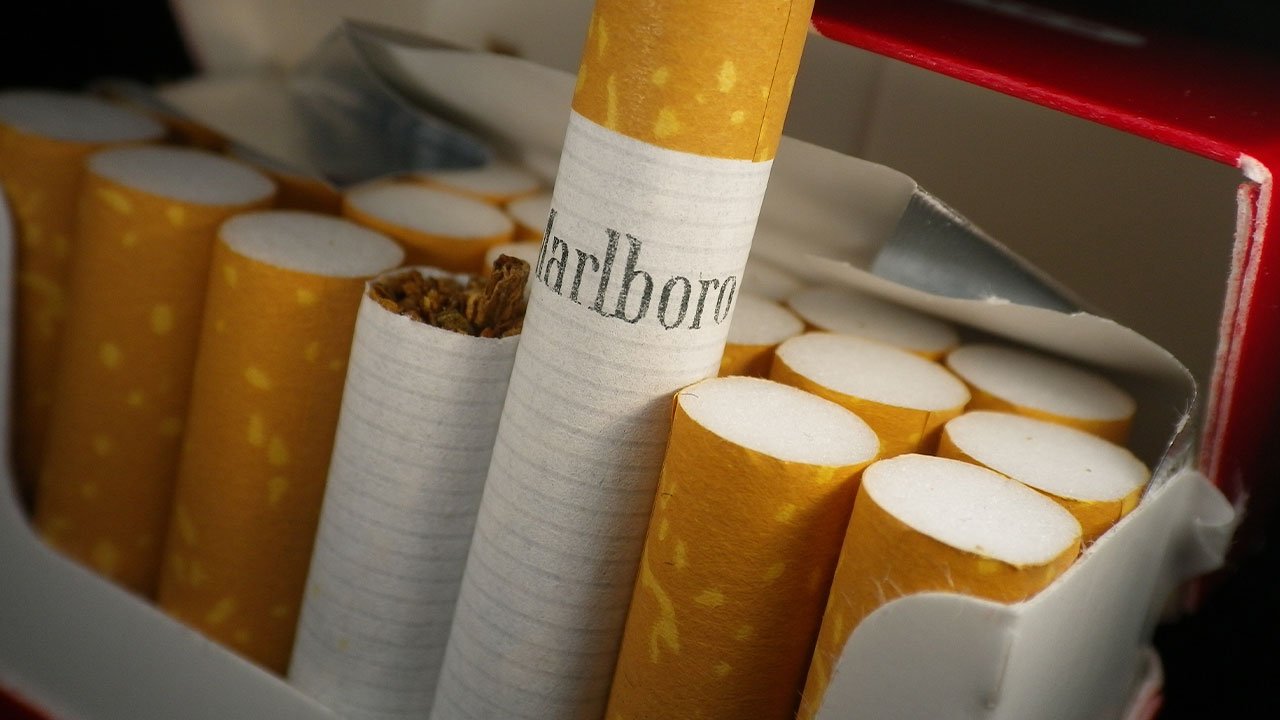
    • Cigarettes Capstan (6.18 per cent)
  • 466 people are dying each day in Pakistan due to tobacco consumption

    466 people die daily in Pakistan due to tobacco use related diseases, Dr Ziauddin Islam, a former technical leader of the Health Ministry’s Tobacco Control Cell, has disclosed during a discussion hosted by SPARC, Ikram Junaidi has reported for Dawn.

    He also said that the number of smokers in Pakistan has reached 31 million people. Dr. Ziauddin also revealed that every day, 1,200 Pakistani kids between the ages of six and fifteen begin smoking.

    The Tobacco Health Levy Bill, which has been on hold since 2019, needs to be approved right away in order to stop the loss of life and healthcare resources, he added.
    “Evidence suggests that higher cigarette taxes deter smoking initiation, reduce cigarette consumption, and even lead smokers to quit. Last year, Pakistan raised tobacco taxes for the first time since 2019 however we are still far off from the 30pc increase suggested by the World Health Organisation (WHO),” said Country head of Campaign for Tobacco Free Kids (CTFK) Malik Imran Ahmed.

  • Govt imposes Rs36 billion additional tax on cigarettes, tobacco processing to revive IMF programme

    Govt imposes Rs36 billion additional tax on cigarettes, tobacco processing to revive IMF programme

    The government has issued an ordinance to impose an additional Rs36 billion tax on cigarettes, an additional Rs2 billion tax on the processing of tobacco, and lowered charges on transportation vehicles in order to raise an additional Rs38 billion in taxes.

    According to Geo, tier-1 brand cigarettes may see a price increase of Rs20 to Rs30 each packet, while tier-2 brand cigarettes would see a price increase of Rs10 per packet.

    The government increased the advance federal excise duty (FED) tax on tobacco processing from Rs10 per kg to Rs390 per kg, which will be adjustable.

    In order to secure the restart of a stalled programme and the release of a $1.17 billion tranche under an expanded $7 billion extended fund facility (EFF), Pakistan has moved to impose taxes on cigarettes and tobacco processing just prior to the International Monetary Fund’s (IMF) executive board meeting, which is scheduled to take place in Washington on August 29.

    The government did not apply regulatory duties on luxury goods because they will be imposed through SRO after receiving tariff board approval and perhaps receiving ECC approval.

    The FBR expects to raise between Rs5 and Rs14 billion in tax income through RDs, hence the overall revenue impact could reach between Rs50 and Rs52 billion.

    It appears strange that the government did not implement any taxation measures on the production of sugar-filled beverages, which also harms the health sector.

    According to the ordinance, retailers who do not fall under tier-1 will be charged the tax through their monthly electricity bills at a rate of 5 per cent where the amount of the bill does not exceed Rs20,000 and at a rate of 7.5 per cent where the amount is greater. The electricity supplier will deposit the money that is thus collected directly without deducting it from his input tax.

    Through this move, the government hopes to raise Rs2 billion.

    In contrast, the FED on locally produced cigarettes has increased from Rs5,900/1,000 sticks to Rs6,500/1,000 sticks for tier-1 and from Rs1,850/1,000 sticks to Rs2,050/1,000 sticks for tier-2 cigarettes. The FED on un processed tobacco has increased from Rs10 per kg to Rs390 per kg.

  • Govt lifts import ban on luxury goods with heavy duties

    Govt lifts import ban on luxury goods with heavy duties

    On the recommendation of the International Monetary Fund (IMF), the Federal Minister for Finance and Revenue, Miftah Ismail, announced lifting of the ban on the import of luxury and non-essential goods on Thursday. He added, however, that the Regulatory Duties (RDs) would be increased significantly to deter the import of such items.

    “It is requirement of the international community that there should be no ban so we are lifting ban on all products. But simultaneously the duties I am going to impose would not let these commodities to enter into Pakistan as finished goods,” according to Finance Minister.

    According to the minister, RDs would be increased three times, or to the highest degree conceivable, and may potentially increase by up to 400 to 600 per cent or more.

    Keeping in view his duty to offer basic and vital goods to the nation’s citizens, he said that the prime minister was against the importation of luxury goods, according to APP.

    To comply with the IMF, international agreements, and World Trade Organization, he claimed the restriction had been lifted. Although import taxes would be applied on expensive food, clothing, and other items, anyone still wishing to import is free to do so.

    He said that the available resources will be used to give the people of the country grain, wheat, cotton, and edible oil rather than iPhones or fancy cars. He claimed that Pakistan did not have a lot of money to spend on the import of opulent things.

    The finance minister stated in response to a question that the levies on completely built-up (CBU) automobiles, appliances, imported meat and salmon, as well as other luxuries, would increase. He explained that the government’s goal was to limit imports while adhering to the requirements of the International Monetary Fund (IMF) and other international accords, not to promote the import of such goods.

    On the other hand, since the Completely Knocked Down (CKD) kits are not considered luxury items, their import will resume without any caveats. However, its positive impact on the sales figures will be seen after a few months.

    According to the finance minister, Pakistan and the fund have been in lengthy negotiations. The IMF board is due to convene on August 29 and will decide whether to accept Pakistan’s programme because it has already complied with all requirements and performed all necessary preliminary steps.

    He said that friendly nations like Saudi Arabia, Qatar, and the United Arab Emirates helped arrange the $4 billion cash for strengthening the nation’s foreign exchange reserves. China also agreed to roll over $2 billion in loans, and Saudi Arabia agreed to roll over its own assets. According to him, the finance need has been satisfied.

    According to the minister, the requirement for the electricity tariff has also been met, thus there won’t be any non-funding subsidies.

    In addition, he said that the government was expected to get Rs42 billion from retail tax, but when the decision was reversed, the objective was cut to Rs27 billion, and the Rs15 billion shortfall will be filled by increasing the tax on tobacco and cigarettes.

    Moreover, taxes on tobacco and cigarettes will bring in Rs36 billion. Tier-2 cigarettes’ tax will rise from Rs1,850 to Rs2,050 per 1,000 cigarettes, while Tier-1 cigarettes’ tax would rise from Rs5,900 to Rs6,500 per 1,000 cigarettes. The green leaf Cess has also been raised from Rs10 per kg to Rs380.

    According to Bloomberg’s report, the Pakistani Rupee was the best performing currency in the world during August, and the Pakistan Stock Exchange continued to be the top performing stock market in the world, therefore the minister believed that the country’s economy was strengthening.

    The minister stated that the government was implementing a policy of self-reliance in order to stay within its means, reduce the fiscal deficit, and raise imports to a level equal to exports plus remittance in order to control the current account deficit.

  • Imposing super tax on the rich will reduce budget deficit: Miftah

    Imposing super tax on the rich will reduce budget deficit: Miftah

    The government’s recently announced indirect tax (super tax) is intended to assist the country in increasing tax revenue and lowering the budget deficit, according to Finance Minister Miftah Ismail.

    He was relating to the large industries’ 10 per cent super tax or poverty alleviation tax.

    13 industries, including LNG terminals, sugar, cement, steel, textile, tobacco, fertiliser, banks, oil and gas, beverages, automobiles, and steel, will be subject to this one-time levy, according to Miftah. The government labelled these 13 industries for a special tax as they made significant profits last year.

    Companies in these sectors earning more than Rs300 million will be subject to a 10 per cent super tax, he added.

    According to the finance minister, this tax is a one-time levy that will only be in effect for fiscal year 2022–2023.

    He clarified on Twitter that the 4 per cent super tax will be imposed on all industries.

    “For the specified 13 sectors, another 6 per cent will be added for a total of 10 per cent,” he said. “So their tax rates will go from 29 per cent to 39 per cent. This is a one-time tax needed to curtail the previous four record budget deficits.”

    The imposition of a super tax on the wealthy, according to Finance Minister, will lessen the country’s reliance on foreign aid, lower the budget deficit, and bring the country closer to financial stability.

    Other businesses that make over Rs150 million will be subject to a 1 per cent super tax, and those that make over Rs200 million will be subject to a 2 per cent tax. On top of the current rates, it is worth noting that these taxes are additional.

    Businesses that earn more than Rs250 million in revenue will pay a 3 per cent super tax, and those that earn more than Rs300 million will pay a 4 per cent super tax.

    He continued, citing statistics, that there were 9 million retail and wholesale establishments in Pakistan, and that the government wanted to bring an additional 2.5–3.5 million into the tax system.

    “We are linking the income tax and sales tax of these shops with the electricity bill,” Miftah said. “Now, small shops will pay a fixed tax of Rs3,000 and large shops will pay Rs10,000.”

    Only 22 of Pakistan’s more than 30,000 gold trading companies, he claimed, were registered, and their average annual sales came to Rs4,000.

    Sales tax and a fixed income of Rs40,000 will now be paid by gold shops of 300 square feet or less.

    He said that the government would lower the sales tax on large stores from 17 per cent to just 3 per cent.

    The withholding tax on jewellery sales to gold shops by the general public has been reduced from 4 per cent to 1 per cent.

    According to Miftah, fixed tax structures similar to these will be introduced for real estate agents, car dealers, and builders. Since this tax only applies to income and not to spending, inflation will not rise.

    Additionally, the withholding tax for the IT sector has been eliminated. Sales and income taxes would not apply to IT companies with annual revenue of less than Rs80 million.

    Miftah emphasised that Pakistan needs the IMF programme to resume as the country’s foreign exchange reserves are at a critical point.

  • Tobacco companies in Pakistan may bump cigarette prices

    Tobacco companies in Pakistan may bump cigarette prices

    Farmers have asked the government and firms to increase the price of future tobacco products in accordance with the current price hikes in pesticides, fertilisers, and other crop preparation and selling charges.

    On May 9, the demand was made at a meeting of Ittehad-e-Kashtkaran in Khyber Pakhtunkhwa. The participants agreed that the government should reduce agricultural inputs because pesticide, fertiliser, and other costs have risen dramatically.

    Attendees suggested that the price of tobacco be set at Rs350 per kilogramme so that growers may meet the current price increases in pesticides, fertilisers, and other expenses spent during crop preparation and marketing.

    The newly elected officials also encouraged the government to create favourable local marketplaces for agricultural products to aid hardworking farmers. They demanded that the government and tobacco businesses pay the farmers’ outstanding debts immediately.

    Read more: Open market: Lemon being sold at Rs1,100 per kg in Lahore

    Growers also asked the government to develop a policy to prevent tobacco-related industries from moving from Khyber Pakhtunkhwa to Azad Kashmir and other provinces.

    It should be noted that tobacco is grown in Pakistan, with Khyber Pakhtunkhwa accounting for 80 per cent of total production.

    Tobacco products also give Rs135 billion to the federal budget, while the tobacco development tax contributes Rs980 million to the provincial budget.

  • FBR suggests Rs10 health tax on pack of cigarettes

    The Federal Board of Revenue (FBR) has proposed a Rs10 health levy on each packet of cigarettes. The proposal has the potential to encourage current smokers to quit, FBR believes.

    Before devising policy formulation, FBR has sent its proposal to the Law Ministry seeking legal advice if the suggestion falls into the jurisdiction of the federal government or not in the aftermath of the 18th Amendment.

    FBR officials say they are awaiting the response of the ministry and after receiving the advice, they would move forward accordingly.

    Read more – Over 1,200 children start smoking every day in Pakistan

    Last year, an approval was granted for the same tax by the cabinet. The anti-tobacco lobby has been advocating imposition of the levy as the price increase would discourage consumption, especially among children and youth.

    Tobacco companies, on the other hand, say this could cause a revenue loss worth Rs20 to Rs24 billion to the national exchequer per year.