Tag: CIRCULAR DEBT

  • Govt aims to ‘reduce power theft of Rs589 billion at the earliest’

    Govt aims to ‘reduce power theft of Rs589 billion at the earliest’

    The caretaker government unveiled a set of measures to tackle power theft nationwide, aiming to reduce the growing circular debt issue in the power sector, which is causing electricity prices to soar. 

    This announcement comes amid widespread protests against high electricity bills, hindered by strict conditions from the International Monetary Fund.

    During a press conference, Caretaker Energy Minister Mohammad Ali, alongside Interim Information Minister Murtaza Solangi, outlined their plan. 

    According to Geo News, Ali said that the government is working on a new law, the electricity theft act, to create enforcement mechanisms and special courts for those involved in theft. This law will be introduced within the next two to three weeks.

    “We are aiming to stop or reduce power theft of Rs589 billion at the earliest,” the minister said.

    In line with Caretaker Prime Minister Anwaar ul Haq Kakar’s instructions, the Energy Minister announced a crackdown on power theft, emphasising that consumers shouldn’t pay for theft, and lower electricity prices depend on solving this issue. Ali assured that authorities would act based on available data.

    Additionally, the minister revealed a list of power distribution company officers involved in power theft and measures to take action against them. This list was sent to the Election Commission of Pakistan for possible removal.

    In another meeting, Caretaker PM Kakar stressed the urgency of dealing with power theft, urging regular progress reports. He emphasised zero leniency toward power thieves and defaulters.

    During the meeting, detailed briefings covered the energy sector’s challenges, including total installed capacity, actual generation, and overall energy supply across different seasons.
  • IMF and Pakistan discuss circular debt and energy sector losses in virtual meeting

    IMF and Pakistan discuss circular debt and energy sector losses in virtual meeting

    Pakistan and the International Monetary Fund (IMF) recently discussed the country’s energy sector losses and efforts to reduce circular debt during a virtual meeting. The government is committed to adjusting fuel prices and quarterly tariffs to eliminate circular debt accumulation.

    According to The News, a new plan called the Circular Debt Management Plan (CDMP) was shared with the IMF. This plan involves revising fuel price adjustments and quarterly tariffs upward to counter circular debt growth. The IMF expressed concerns about the plan’s sustainability due to slower recoveries.

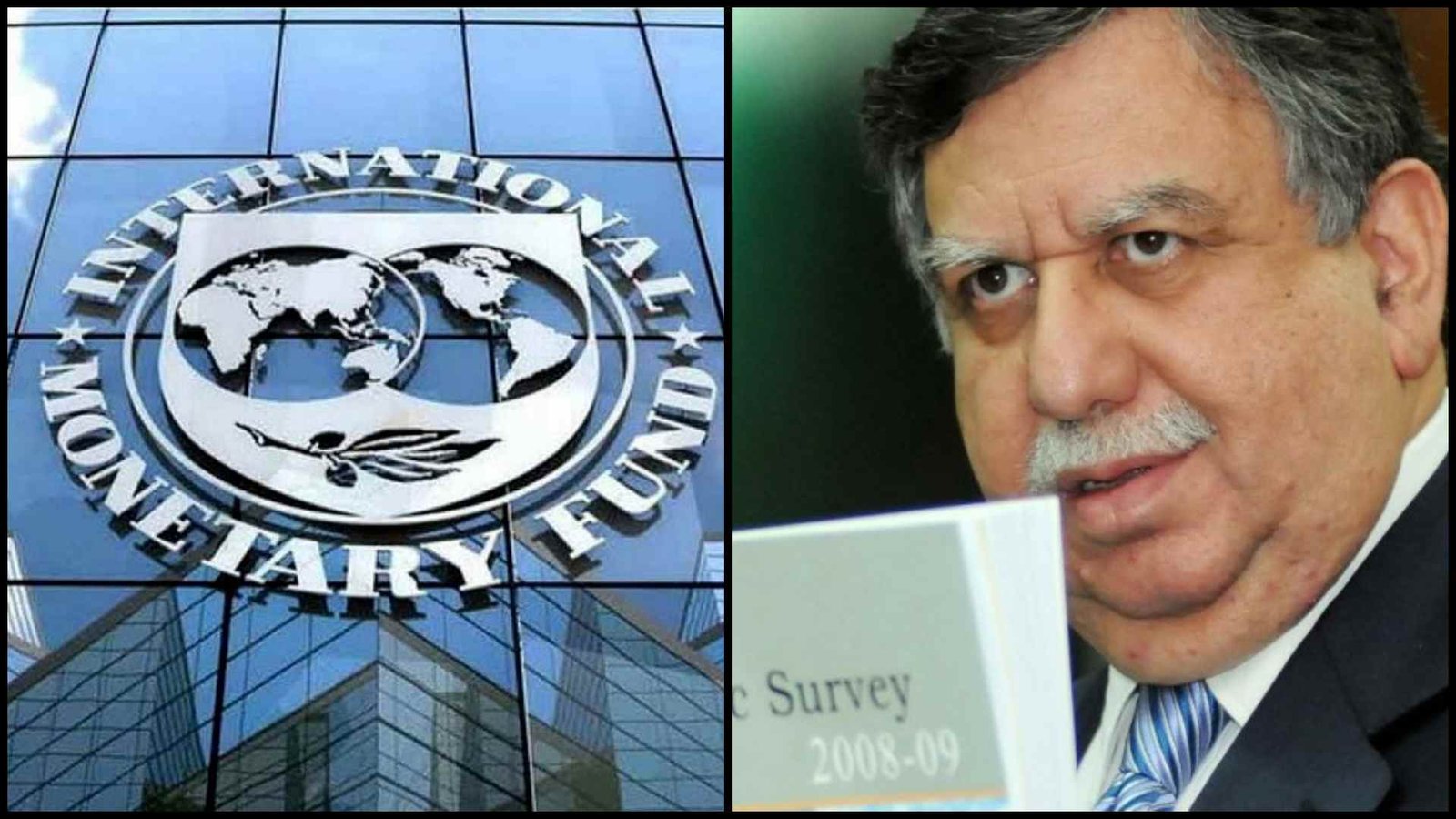
    The government was advised to create an effective strategy to tackle this issue. The meeting took place virtually on a technical level. The newly appointed Finance Minister, Dr Shamshad Akhtar, is expected to hold a virtual meeting with the IMF team soon.

    The IMF’s first review is scheduled for October or November and will be based on economic data from the initial quarter (July–September) of the current fiscal year.

    Pakistan and the IMF signed a $3 billion bailout package under the Standby Arrangement in July 2023. Pakistan has already received $1.2 billion, with two more reviews planned to release the remaining $1.8 billion by March or April 2024.

  • Govt aims to collect extra Rs721 billion from electricity consumers in current fiscal year

    Govt aims to collect extra Rs721 billion from electricity consumers in current fiscal year

    In a significant move to address the mounting circular debt crisis in the energy sector, the government has unveiled a plan to collect an additional Rs721 billion from electricity consumers during the current financial year. The decision comes as a response to the pressing need to reduce the burgeoning circular debt and stabilise the energy sector’s financial health.

    Sources within the Finance Ministry have revealed that the government has informed the International Monetary Fund (IMF) of its comprehensive strategy, which entails a multi-pronged approach to boost revenue and mitigate circular debt. The plan involves a series of phased electricity tariff hikes and adjustments over the coming months.

    According to the proposed timeline, the electricity price will initially be raised by Rs1.25 per unit until September. This adjustment is projected to generate approximately Rs39 billion in additional revenue through quarterly adjustments. This initial step aims to provide a quick injection of funds into the energy sector.

    Following this, from September to December, electricity tariffs are set to witness a further increase of Rs4.37 per unit under the banner of fuel adjustment charges. This particular measure is anticipated to contribute Rs122 billion to the overall revenue pool, providing a substantial boost to the government’s efforts to reduce circular debt.

    Moreover, an ambitious plan to raise the power tariff by Rs5.75 under annual rebasing is on the horizon, with projections suggesting that this move could generate an impressive Rs560 billion in revenue. The cumulative effect of these tariff hikes is expected to bring about a significant reduction in the circular debt that has plagued the energy sector for years.

    The government’s overarching objective is to curtail the circular debt of the power sector, which had skyrocketed to an alarming Rs2,700 billion by June 2023. With the implementation of the proposed tariff adjustments and revenue generation measures, officials are optimistic that the circular debt will be reined in substantially.

    By the end of the current financial year, the government aims to limit the circular debt to Rs2,130 billion, marking a significant milestone in the long-standing battle to stabilise the energy sector’s finances. These measures, though they might impose a temporary burden on electricity consumers, are viewed as critical steps towards achieving a more sustainable and reliable energy infrastructure for the country.

  • Govt to implement Rs7 per unit power tariff hike, expecting over Rs3.2 trillion in revenue

    Govt to implement Rs7 per unit power tariff hike, expecting over Rs3.2 trillion in revenue

    The government is planning to raise the power base tariff by approximately Rs7 per unit. This move is expected to generate over Rs3.2 trillion in additional revenue from power consumers. The International Monetary Fund (IMF) Executive Board is set to discuss a stand-by arrangement, which is the final step in solidifying the IMF Staff Level Agreement. The government will then need to fulfill the program’s requirements.

    The increase in power tariff is a crucial condition set by the IMF for providing financial assistance to Pakistan. The Fund has been urging the government to raise the tariff and eliminate power subsidies to reduce the country’s fiscal deficit. The proposed increase, along with an 18 per cent GST on bills, could lead to a significant financial burden on power consumers.

    Nepra, the regulatory authority, has conducted hearings with distribution companies (Discos) on this matter. While the privatised company, K-Electric, will be insulated from the increase in base tariff, the price of electricity it draws from the national grid will become costlier.

    The increase in base tariff, estimated at nearly Rs7 per unit, is awaiting submission to the federal government for notification. If finalised, it would raise the base tariff to Rs31.80 per unit from the current Rs24.80. The increase is aimed at reducing the power sector’s circular debt accumulation, which currently stands at approximately Rs2.64 trillion due to inefficiencies in power generation, transmission, and distribution.

    The rise in power tariffs will impact consumers across residential, commercial, and industrial sectors, leading to inflation. Businesses will pass on the increased costs to consumers, while households will need to allocate more funds for power, straining their budgets. However, the government asserts that this step is necessary to revive the power sector and the economy. It has also promised targeted subsidies to alleviate the burden on the poor and vulnerable.

    In a positive development, the government has made a payment of Rs142 billion to Independent Power Producers (IPPs), reducing their outstanding dues and improving their cash flows. However, the power sector still faces a circular debt of Rs2.64 trillion. Additionally, the IMF has called for a 45-50 per cent increase in gas tariffs, affecting consumers of Sui Northern Gas Pipelines Limited (SNGPL) and Sui Southern Gas Company Limited (SSGCL).

    The government is likely to continue its policy of having high-end consumers subsidise low-end consumers. The circular debt in the energy sector amounts to over Rs4.30 trillion, including debts from the oil and gas sector.

    Finance ministry and Nepra officials have experienced confusion regarding the finalisation of the increase in base tariff, as the IMF board meeting approaches. The regulator is awaiting projections from the finance ministry to determine the final base tariff. The government aims to achieve a value of Rs240 for the US dollar, despite setting it at Rs290 billion in the federal budget.

    Overall, the government’s objective is to address the financial challenges in the power sector while providing support to those affected by the tariff increase. The proposed measures are crucial to stabilise the power sector and stimulate the economy.

  • ‘Govt to renegotiate programme with IMF’: Finance Minister

    ‘Govt to renegotiate programme with IMF’: Finance Minister

    The new Federal Minister for Finance and Revenue, Shaukat Tarin has said that the government of Pakistan is trying to renegotiate the terms of the International Monetary Fund (IMF) programme.

    Tarin said this during the National Assembly Finance and Revenue meeting on Monday. He said he is trying to convince IMF that price hikes in electricity tariffs will only create problems for the people, as the country is already deeply impacted by the COVID-19 pandemic.

    “We have assured IMF of reducing circular debt but the demand of increasing tariff is not understandable,” he said.

    Tarin further added that the terms and conditions can also be fulfilled if the government “curtails circular debt through other means instead of increasing the tariff.”

    “Financial and monetary wallets are open all over the world but the IMF’s sword is only hanging over us,” Tarin maintained.

    In addition, the State-Owned Enterprises (SOEs) cannot be managed by the government, and they must be privatised.

    “The 17 per cent General Sales Tax (GST) rate is very high, and a mechanism has been prepared for its reduction,” he said.

    On stabilising Pakistan’s economy, the finance minister said that the four to five per cent economic growth is enough for Pakistan, and the government will now focus on achieving the above-stated targets.

    He regretted that the government is spending 85 per cent revenue on only nine cities and rarely invests in education and health.

    Unless the country moved to higher economic growth, nothing would improve, and if we continue with stabilisation that has been in place for over two years, neither revenue collection would go up, nor job opportunities would be available to people, he explained.

    He said the government would increase the Public Sector Development Programme (PSDP) in the next budget and provide equal growth opportunities to all provinces.

    As the country lacks proper planning, Tarin said that he had selected 10 to 12 sectors on which economic experts had already started working so that they could come up with long-term planning for areas such as price stability, agriculture, industry, revenue, housing, social protection, national services, debt management and privatisation of loss-making state-run entities.

    The committee chairman assured the finance minister of all cooperation by committee members.