Tag: Climate

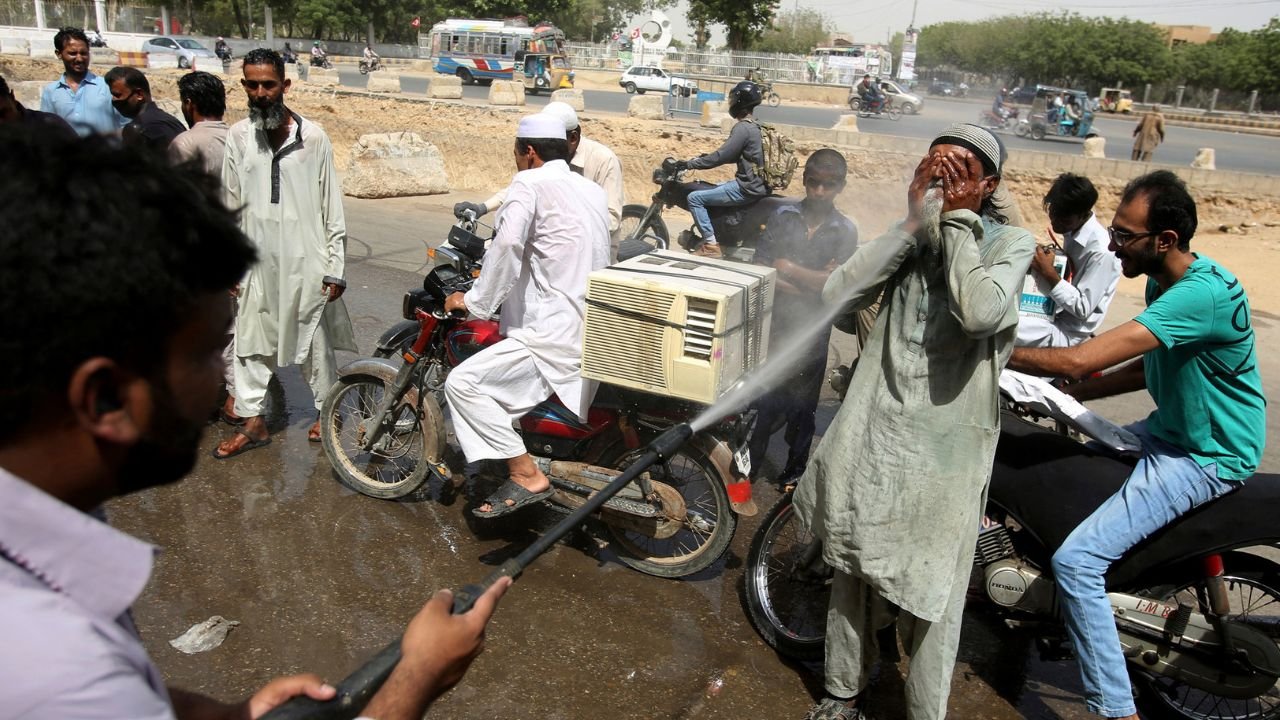
  • What is causing extreme heat in Karachi?

    What is causing extreme heat in Karachi?

    As Karachi grapples with an intense heat wave, meteorological analyst Jawad Memon has devised a reason for the spike in temperatures, attributing the heat to humid winds and moisture from the Arabian Sea.

    Geo reports that Memon has said that instead of experiencing rain during the monsoon in Karachi, temperatures are higher than normal. The sea surface temperature of the Arabian Sea has been above normal for the past few months, absorbing more heat into the atmosphere.

    The meteorological analyst has stated that humid winds are also blowing into the city from the northeast. Due to the moist winds and moisture from the Arabian Sea, temperatures exceed 55 degrees Celsius.

    The abnormally high pressure near Iran prevents the monsoon winds from reaching Karachi, Thatta, and Badin. High pressure is expected to persist for one to two days before likely decreasing.

    The analyst also notes that light to moderate rain is expected in Karachi from July 19 to 21. After July 22, sea breezes are expected to return to normal, with a significant monsoon spell expected in Karachi in August.

  • At least 60 Afghans killed by weeks of intense snow, rain

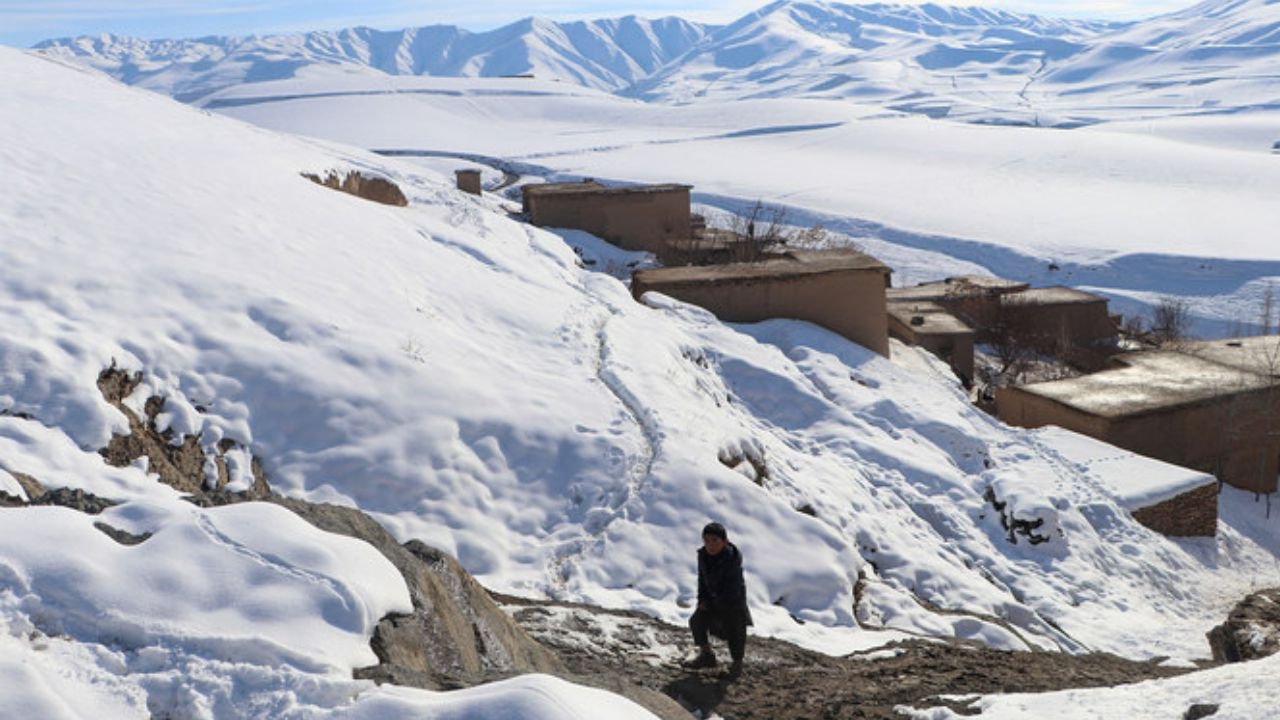
    At least 60 Afghans killed by weeks of intense snow, rain

    At least 60 people have been killed by heavy rain and snow in Afghanistan over the past three weeks, the government’s disaster ministry said Wednesday.

    Afghanistan has been parched by an unusually dry winter, but the end of the season is normally a time when deadly bad weather — particularly floods — batter communities.

    “Because of the snow and rains unfortunately sixty compatriots have been martyred and 23 people injured” since February 20, ministry spokesman Janan Sayeq said in a video statement.

    About 1,645 houses have been totally or partially ruined and nearly 178,000 livestock killed, he added.

    Since the collapse of the US-backed government and the return of the Taliban, foreign aid to Afghanistan has shrunk dramatically, undermining the already impoverished nation’s ability to respond to disasters.

    Western Herat province — still reeling from a succession of devastating earthquakes in October — has been hit by flash floods after heavy rain since Monday evening.

    Five members of the same family were killed Tuesday when the roof of their home collapsed in the provincial capital of Herat city, disaster management official Abdul Zaher Noorzai told reporters.

    Provisional data showed about 250 houses had been destroyed and vast tracts of farmland flooded, he added, saying aid should begin arriving on Thursday.

    Like many other houses in the area, the one that caved-in on the five relatives had been damaged in a series of earthquakes five months ago, local imam Naqibullah told AFP.

    The trio of quakes — starting on October 7 — killed nearly 1,500 and left some 30,000 homes totally or partially destroyed, according to the United Nations.

  • Zargat forests in Balochistan still on fire after three days

    Zargat forests in Balochistan still on fire after three days

    It has been three days since the forest fire in Zargat mountain in Balochistan’s Musa Khel district started spreading but local authorities have failed to control it.

    On Thursday, fire ignited in the forests of the mountains. The fire is reportedly so intense that its flames can be seen 18 kilometers away from the city of Musa Khel, affecting olive groves and wildlife.

    The caretaker chief minister of Balochistan had given instructions for emergency measures to extinguish the fire on Thursday, but the residents of the area say that the fire could not be controlled till now.

  • 2023 set to be hottest year on record: UN

    2023 set to be hottest year on record: UN

    Geneva (AFP) – This year is set to be the hottest ever recorded, the UN said Thursday, demanding urgent action to rein in global warming and stem the havoc following in its wake.

    The UN’s World Meteorological Organization warned that 2023 had shattered a whole host of climate records, with extreme weather leaving “a trail of devastation and despair”.

    “It’s a deafening cacophony of broken records,” said WMO chief Petteri Taalas.

    “Greenhouse gas levels are record high. Global temperatures are record high. Sea level rise is record high. Antarctic sea ice is record low.”

    The WMO published its provisional 2023 State of the Global Climate report as world leaders gathered in Dubai for the UN COP28 climate conference, amid mounting pressure to curb planet-heating greenhouse gas pollution.

    United Nations chief Antonio Guterres said the record heat findings “should send shivers down the spines of world leaders”.

    The stakes have never been higher, with scientists warning that the ability to limit warming to a manageable level is slipping through humanity’s fingers.

    The 2015 Paris climate accords aimed to limit global warming to well below two degrees Celsius above pre-industrial levels — and 1.5C if possible.

    But in its report, the WMO said 2023 data to the end of October showed that this year was already around 1.4C above the pre-industrial baseline.

    ‘Not just statistics’

    The agency is due to publish its final State of the Global Climate 2023 report in the first half of 2024.

    But it said the difference between the first 10 months of this year and 2016 and 2020 — which previously topped the charts as the warmest years on record — “is such that the final two months are very unlikely to affect the ranking”.

    The report also showed that the past nine years were the hottest years since modern records began.

    “These are more than just statistics,” Taalas said, warning that “we risk losing the race to save our glaciers and to rein in sea level rise”.

    “We cannot return to the climate of the 20th century, but we must act now to limit the risks of an increasingly inhospitable climate in this and the coming centuries.”

    The WMO warned that the warming El Nino weather phenomenon, which emerged mid-year, was “likely to further fuel the heat in 2024”.

    That is because the naturally-occurring climate pattern, typically associated with increased heat worldwide, usually increases global temperatures in the year after it develops.

    The preliminary report also found that concentrations of the three main heat-trapping greenhouse gases — carbon dioxide, methane and nitrous oxide — reached record high levels in 2022, with preliminary data indicating that the levels continued to grow this year.

    Carbon dioxide levels were 50 percent higher than the pre-industrial era, the agency said, meaning that “temperatures will continue to rise for many years to come”, even if emissions are drastically cut.

    ‘Climate chaos’

    The rate of sea level rise over the past decade was more than twice the rate of the first decade of satellite records (1993-2002), it said.

    And the maximum level of Antarctic sea ice this year was the lowest on record.

    In fact, it was a million square kilometres less than the previous record low at the end of the southern hemisphere winter, the WMO said — an area larger than France and Germany combined.

    Meanwhile, glaciers in North America and Europe again suffered an extreme melt season, with Swiss glaciers losing 10 percent of their ice volume in the past two years alone, the report showed.

    Dramatic socio-economic impacts accompany such climate records, experts say, including dwindling food security and mass displacement.

    “This year we have seen communities around the world pounded by fires, floods and searing temperatures,” UN chief Guterres said in a video message.

    He called on the leaders gathered in Dubai to commit to dramatic measures to rein in climate change, including phasing out fossil fuels and tripling renewable energy capacity.

    “We have the roadmap to limit the rise in global temperature to 1.5C and avoid the worst of climate chaos,” he said.

    “But we need leaders to fire the starting gun at COP28 on a race to keep the 1.5 degree limit alive.”
  • Stockholm to ban petrol, diesel cars in city centre from 2025

    Stockholm to ban petrol, diesel cars in city centre from 2025

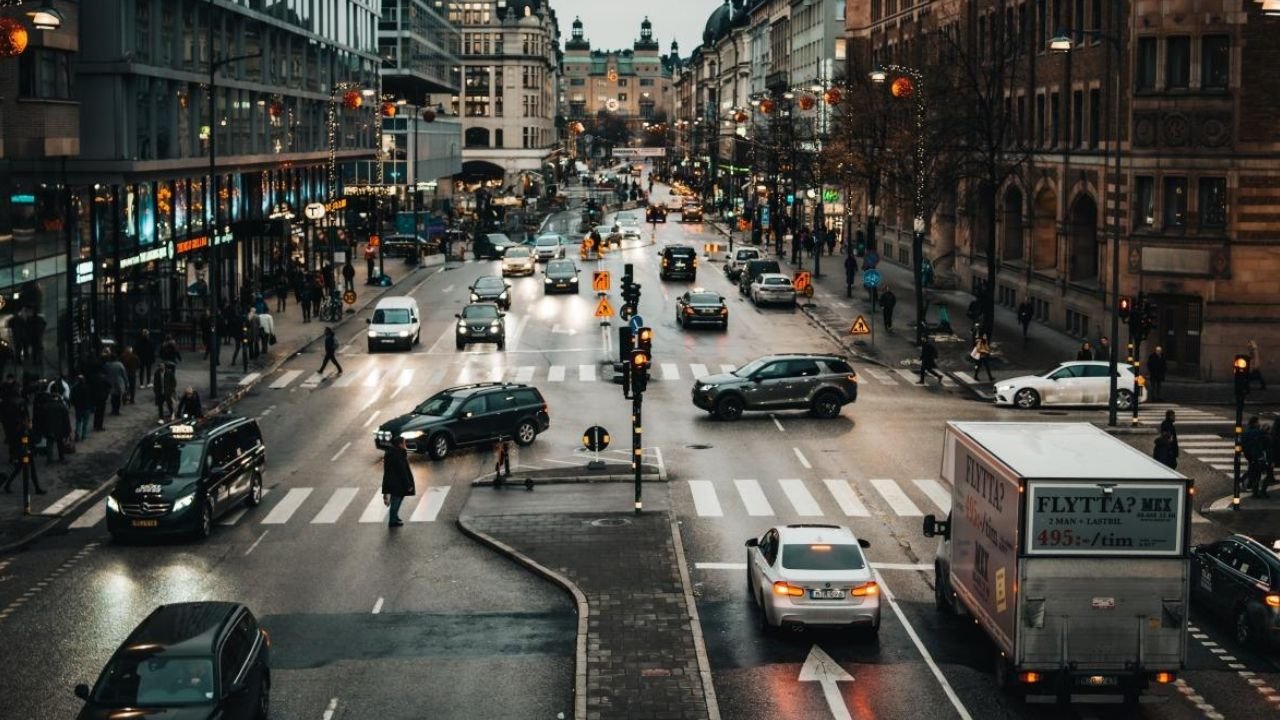
    The capital of Sweden, Stockholm, will ban the presence of petrol and diesel cars by 2025 in a central 20-block area of the city in order to achieve better air quality.

    The city’s vice-mayor for transport and urban environment, Lars Stromgren, said in a statement, “Nowadays the air in Stockholm causes babies to have sick lungs and the elderly to die prematurely. It is a completely unacceptable situation,”
    He added that there is a need to “limit the harmful exhaust gases from petrol and diesel cars,”

    The 20-block area of the city is a bustling part of Stockholm with a shopping district, office buildings, and eateries. And according to Stromgren, this area “has a lot of pedestrians and cyclists, where the air quality needs to be better,”

    “This is also a part of the city where we see that there is a lot of interest in a faster electrification, with actors that can spearhead the transition,” he added.

    The ban will come into effect on December 31, 2024. However, police cars, ambulances and other security services will be exempted.

  • Japanese researchers discover microplastics in clouds

    Japanese researchers discover microplastics in clouds

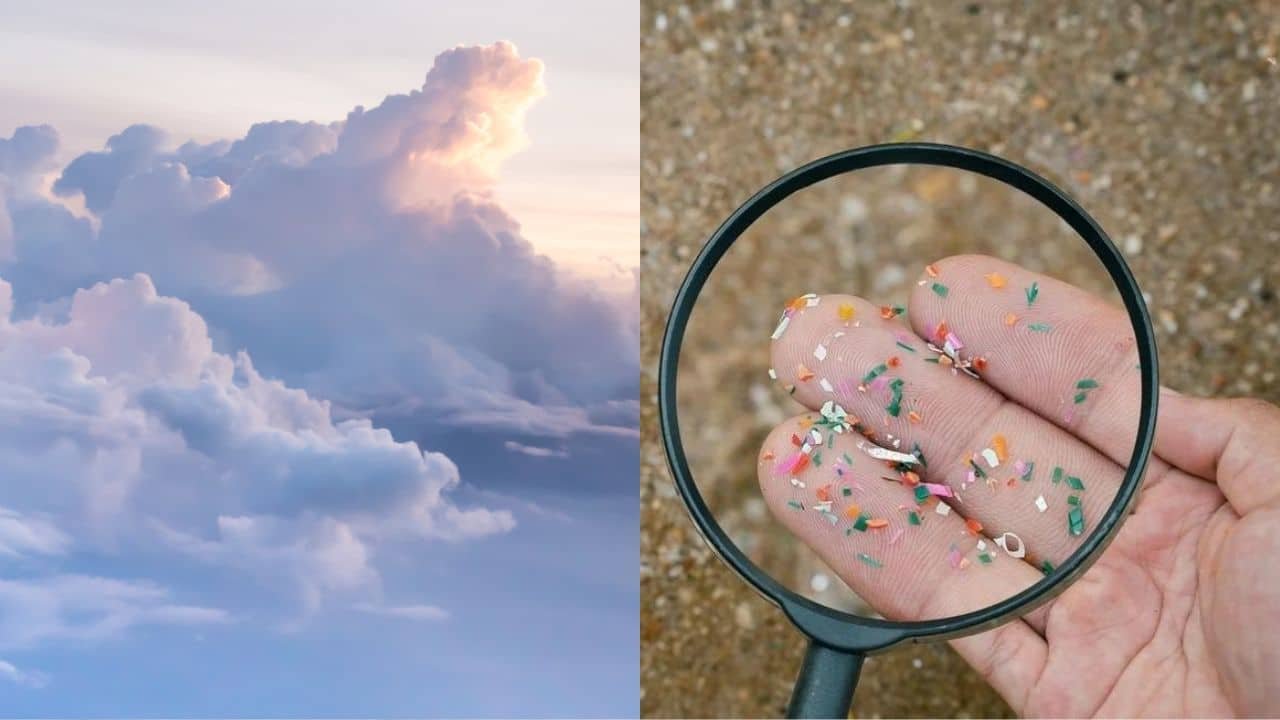
    Researchers in Japan have claimed they have discovered the presence of microplastics in clouds. These small particles of plastic are believed to be affecting the climate in ways that scientists still do not fully understand.

    According to Al Jazeera’s report, a study published in the journal ‘Environmental Chemistry Letters’ details that Japanses scientists researched the collection of water from the fog covering Mount Fuji and Mount Aoyama.

    The research team found nine different types of polymers and one type of rubber in the samples, with particles ranging in size from 7.1 to 94.6 micrometers.

    The amount of plastic particles found in each liter (0.26 gallon) of cloud water ranged from 6.7 to 13.9.

    Lead author of the study from Waseda University, Hiroshi Okuchi, has warned that if the issue is not taken into account, climate change and environmental threats could cause serious environmental damage in the future.

    What is microplastic?
    Microplastics are small plastic particles measuring less than 5 mm which come from industrial waste, textiles, synthetic car tires, and similar products.

    These microplastics have also been found inside fish in the Arctic Ocean and in frozen snow in the Pyrenees mountains between France and Spain.

    In the research report, the author said that “according to our knowledge, this is the first report of the presence of microplastics in clouds.”

    Researchers have stated that humans and animals are ingesting and/or inhaling microplastics, and these small particles of plastic have been found in various human organs, including the lungs, heart, blood and faeces.

    One million tonnes of tiny plastic particles accumulate in the ocean which are often released into the air and then into the atmosphere. Hence, microplastics have also seemingly become an integral part of clouds, potentially contaminating several things including our food and drink.

    Recent findings also show that microplastics are linked to health problems, including effects on heart and lung, as well as cancer.

  • Zulfikar Jr forms Sindh’s first locally initiated wildlife foundation

    Zulfikar Ali Bhutto Jr., grandson of former Pakistani President and Prime Minister, Zulfiqar Ali Bhutto, has taken a step forward with advocacy for wildlife and climate justice. In his latest Instagram post, he has announced the launch of Bulhan Foundation.

    Bulhan Foundation aims to “foster a culture of care and compassion for all living beings”. Further details have been given on the foundation’s official Instagram page where they highlight their vision. Their goal is to “operationalize and implement pro-nature and pro-people laws”. Under this ambit, they look forward to the preservation of wildlife as well as indigenous visual cultures.

    Acknowledging that Pakistan is one of the world’s most vulnerable countries to climate change, the foundation also intends to be one of the “first responders providing on-the-ground relief” to humans and animals during natural calamities like floods, drought, possible economic-induced famine etc.

    With a solutions-oriented approach, Bulhan Foundation will be Sindh’s first locally initiated wildlife foundation. Bhutto’s sister, author Fatima Bhutto and friend, Menaal Munshey, are the co-founders.

    The mascot for the foundation is the Indus River Dolphin, known locally as Bulhan.

    Zulfikar Ali Bhutto has been working for wildlife protection for a long time now, especially when it comes to dolphins. Earlier this year, at his art exhibition at Como Museum Lahore, he dedicated an entire section to the blind dolphins of river Indus.

  • ‘International community should deliver on commitments’: PM asks world to operationalise the Loss and Damage Fund

    ‘International community should deliver on commitments’: PM asks world to operationalise the Loss and Damage Fund

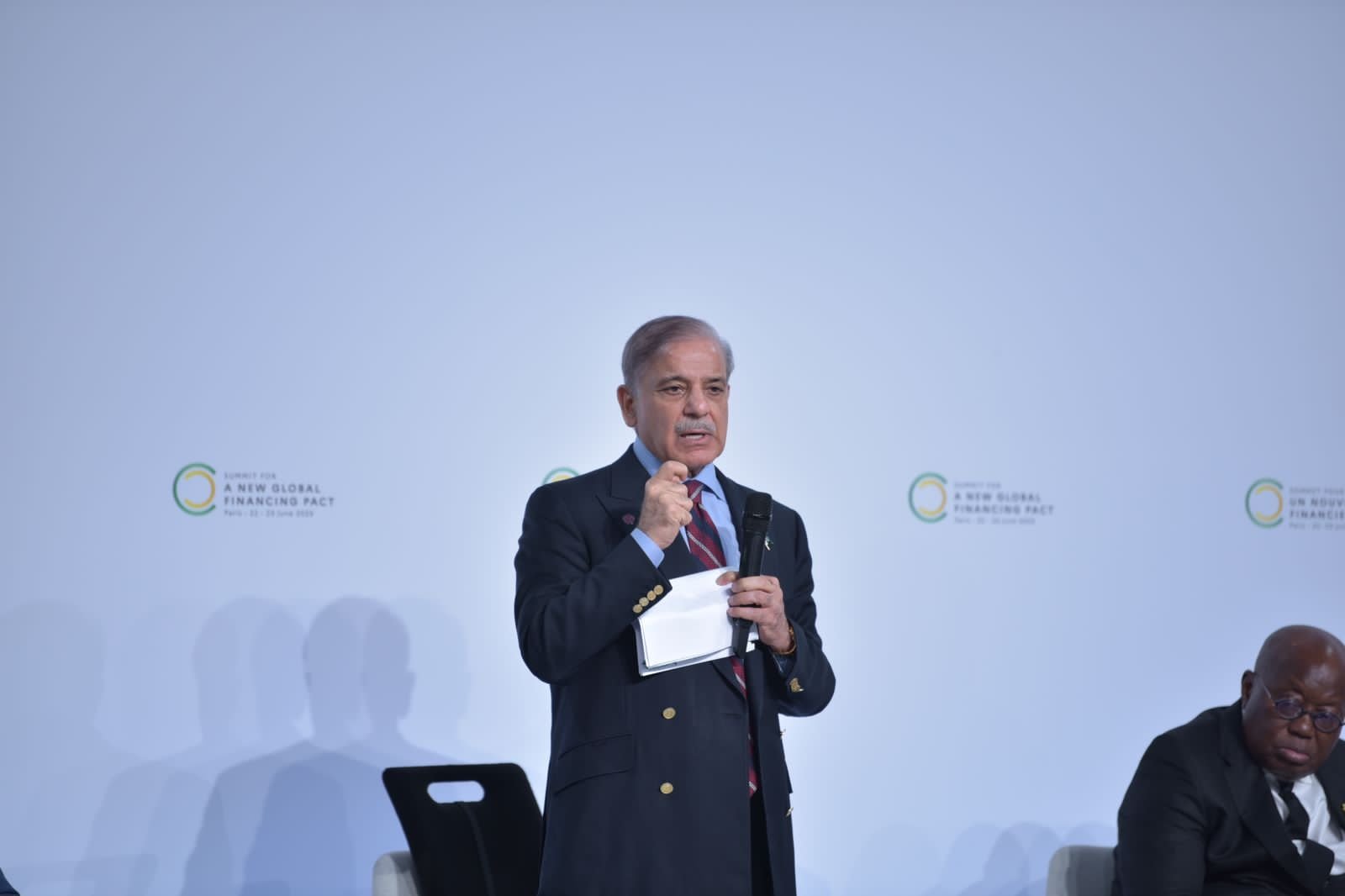
    Prime Minister Shehbaz Sharif has said that as part of his interactions during the Summit for a New Global Financing Pact, he drew world leaders’ attention to the exogenous shocks that created polycrisis for developing countries like Pakistan.

    In a statement issued by the Premier, it is mentioned that shocks from floods badly affected stalling growth. “Supply chain disruption became the reason for back-breaking inflation, and Pakistan faced a $30 billion loss due to an unprecedented flood,” it read.

    The PM also mentioned that it’s essential for the international community to deliver on the commitments they made at COP 27 in Sharm al-Sheikh, Egypt, adding that the operationalization of the Loss and Damage Fund should be based on the principle of equity.

    “The world should also use the present economic and climate turbulence as an opportunity for course correction,” the PM stated.

    He has also said, “The starting point could be rethinking the global financial architecture where International Financial Institutions (IFIs) design their programmes to be pro-growth and aligned with Sustainable Development Goals (SDGs) and climate justice goals.”

  • Brazil polls: Bolsanaro faces off against Lula in tough competition on October 30

    Brazil polls: Bolsanaro faces off against Lula in tough competition on October 30

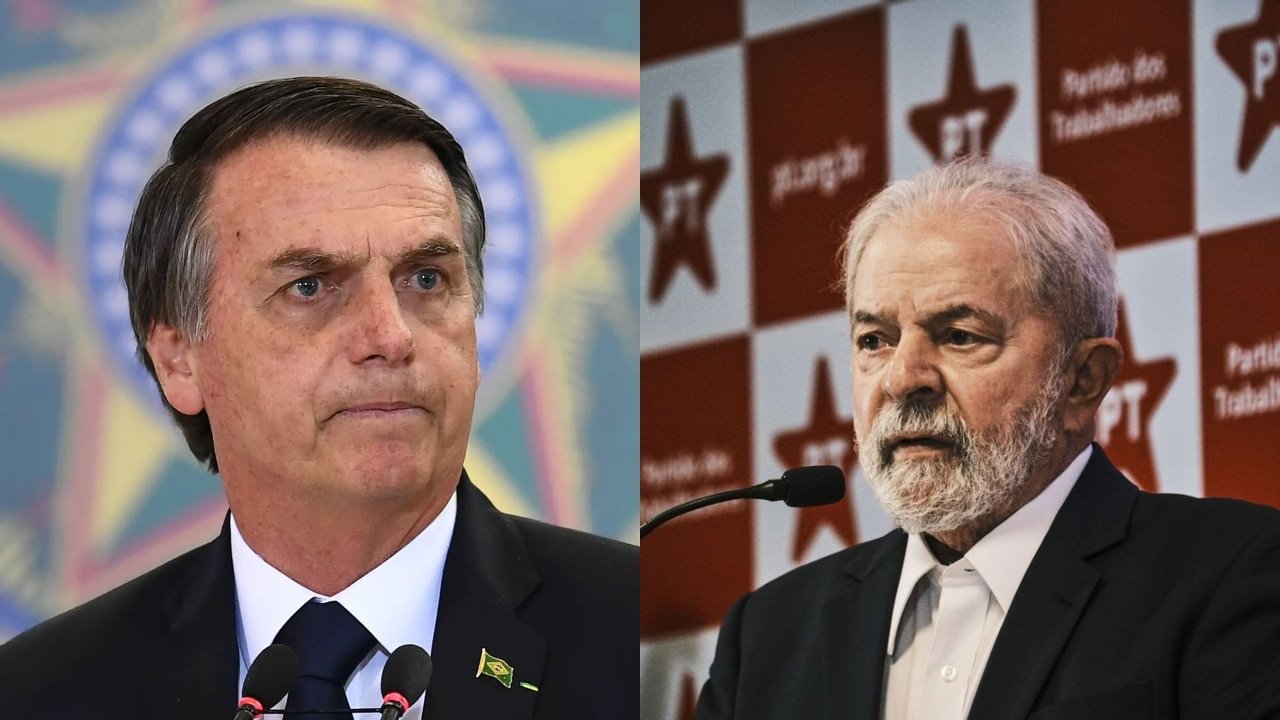
    Brazil’s top two presidential candidates—incumbent President Jair Bolsonaro and Luiz Inacio Lula da Silva— will face each other again in a runoff vote on October 30 after neither of them got a clear majority.

    The polls released a day before the elections had predicted a 14 percentage point gap between Lula and Bolsonaro. However, Lula da Silva is ahead, as he had managed to gain 48.4 per cent of support while President Bolsonaro had 43.2 per cent. Nine other candidates were also competing.

    Bolsonaro had questioned polls that showed him losing to Lula in the first round, saying they did not capture the enthusiasm he saw on the campaign trail. He has also attacked the integrity of Brazil’s electronic voting system without evidence and suggested he might not concede if he lost.

    It is pertinent to mention that Lula could not run in the 2018 election because he was in prison after being convicted on corruption charges which were later annulled.

    Lula left the presidency 12 years ago with record popularity. His conviction was later overturned by the Supreme Court, allowing him to run again for president this year.

    Deforestation and forest fires have soared during President Bolsonaro’s time in office. Climate activists have warned that if he is re-elected, the area could reach a tipping point.

    His popularity has suffered since the coronavirus pandemic, which he called a “little flu” before Covid-19 killed 686,000 Brazilians.

    Voters now have four weeks to decide which of the two should lead the country.

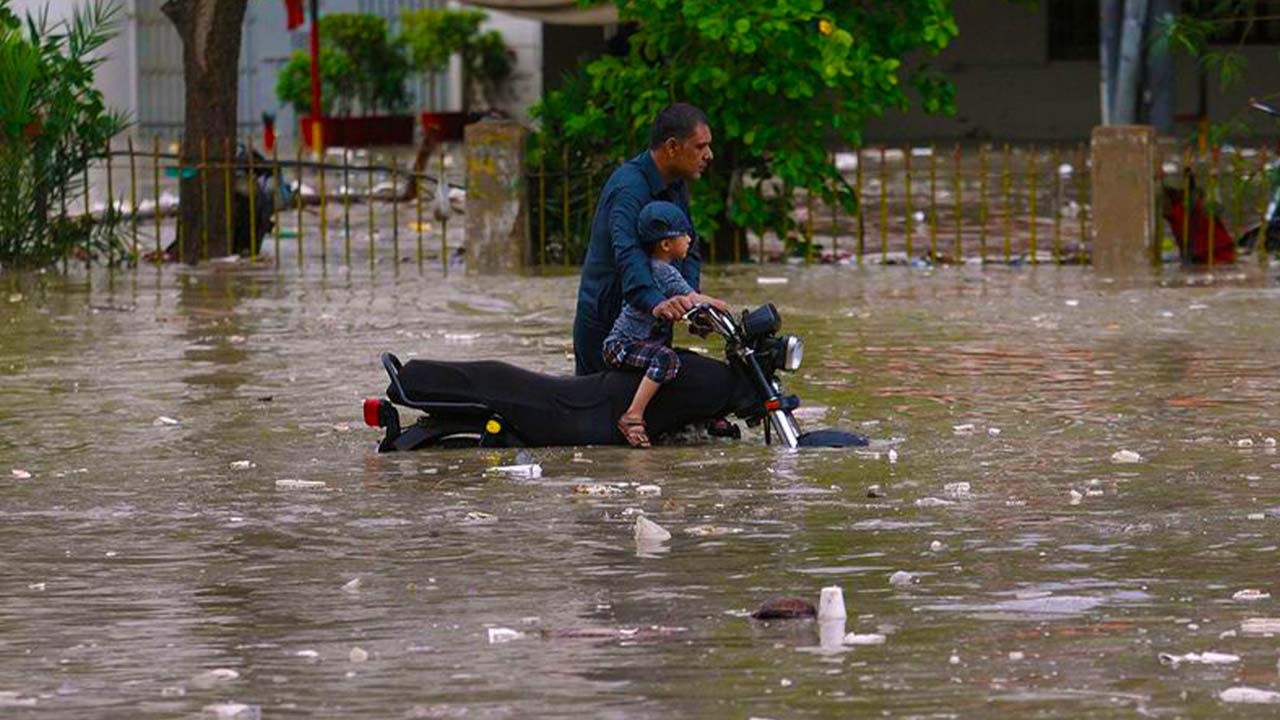
  • Sindh govt declares Monday public holiday in Karachi and Hyderabad due to heavy rain

    Sindh govt declares Monday public holiday in Karachi and Hyderabad due to heavy rain

    Following relentless rain, the Government of Sindh has declared a public holiday for tomorrow (Monday) in Hyderabad and Karachi.

    The spokesman for the Sindh government, Murtaza Wahab, announced that the 25th of July will be a public holiday in the Karachi and Hyderabad Divisions after Sunday’s relentless rain continued to cause urban flooding and the suspension of power in many places. The private sector was also given the warning to keep its doors closed in a notification.

    Sharjeel Inam Memon, the Sindh minister of information, also urged the private sector to close on Monday.

    The highest amount of rainfall during the previous 24 hours, according to local rainfall data released by the regional office of the PMD, was received in Quaidabad (4.5mm), followed by Saddar (4mm), Korangi (3mm), Gulshan-i-Hadeed (3mm), PAF Masroor base (2.4mm), Orangi Town (2mm), University Road (1.5mm), PAF Faisal base (1.5mm), Keamari (1.4mm), Jinnah Terminal (0.8mm), DHA (0.6mm).