Tag: Climate change

  • Air pollution linked to 135 million premature deaths: study

    Air pollution linked to 135 million premature deaths: study

    Pollution from man-made emissions and other sources like wildfires have been linked to around 135 million premature deaths worldwide between 1980 and 2020, a Singapore university said Monday.

    Weather phenomena like El Nino and the Indian Ocean Dipole worsened the effects of these pollutants by intensifying their concentration in the air, Singapore’s Nanyang Technological University (NTU) said, unveiling the results of a study led by its researchers.

    The tiny particles called particulate matter 2.5, or “PM 2.5”, are harmful to human health when inhaled because they are small enough to enter the bloodstream. They come from vehicle and industrial emissions as well as natural sources like fires and dust storms.

    The fine particulate matter “was associated with approximately 135 million premature deaths globally” from 1980 to 2020, the university said in a statement on the study, published in the journal Environment International.

    It found that people were dying younger than the average life expectancy from diseases or conditions that could have been treated or prevented, including stroke, heart and lung disease, and cancer.

    Weather patterns increased the deaths by 14 percent, the study found.

    Asia had the “highest number of premature deaths attributable to PM 2.5 pollution” at more than 98 million people, mostly in China and India, the university said.

    Pakistan, Bangladesh, Indonesia and Japan also had significant numbers of premature deaths, ranging from 2 to 5 million people, it added.

    The study is one of the most expansive to date on air quality and climate, using 40 years of data to give a big-picture view of the effects of particulate matter on health.

    “Our findings show that changes in climate patterns can make air pollution worse,” said Steve Yim, an associate professor at NTU’s Asian School of the Environment, who led the study.

    “When certain climate events happen, like El Nino, pollution levels can go up, which means more people might die prematurely because of PM 2.5 pollution,” Yim added.

    “This highlights the need to understand and account for these climate patterns when tackling air pollution to protect the health of the global population.”

    The Singapore researchers studied satellite data from the US National Aeronautics and Space Administration (NASA) on the levels of particulate matter in the Earth’s atmosphere.

    They analysed statistics on deaths from diseases linked to pollution from the US-based Institute for Health Metrics and Evaluation, an independent research centre.

    Information on weather patterns during the period was taken from the National Oceanic and Atmospheric Administration in the United States.

    The study focused only on the effects of ordinary weather patterns on air pollution, Yim said, adding that the impact of climate change will be the subject of future studies.

    Researchers from universities in Hong Kong, Britain and China were also involved in the study.

    The World Health Organization has said the “combined effects of ambient air pollution and household air pollution” are associated with 6.7 million premature deaths worldwide every year.
  • Severe fire spreads in Margalla Hills once again

    Severe fire spreads in Margalla Hills once again

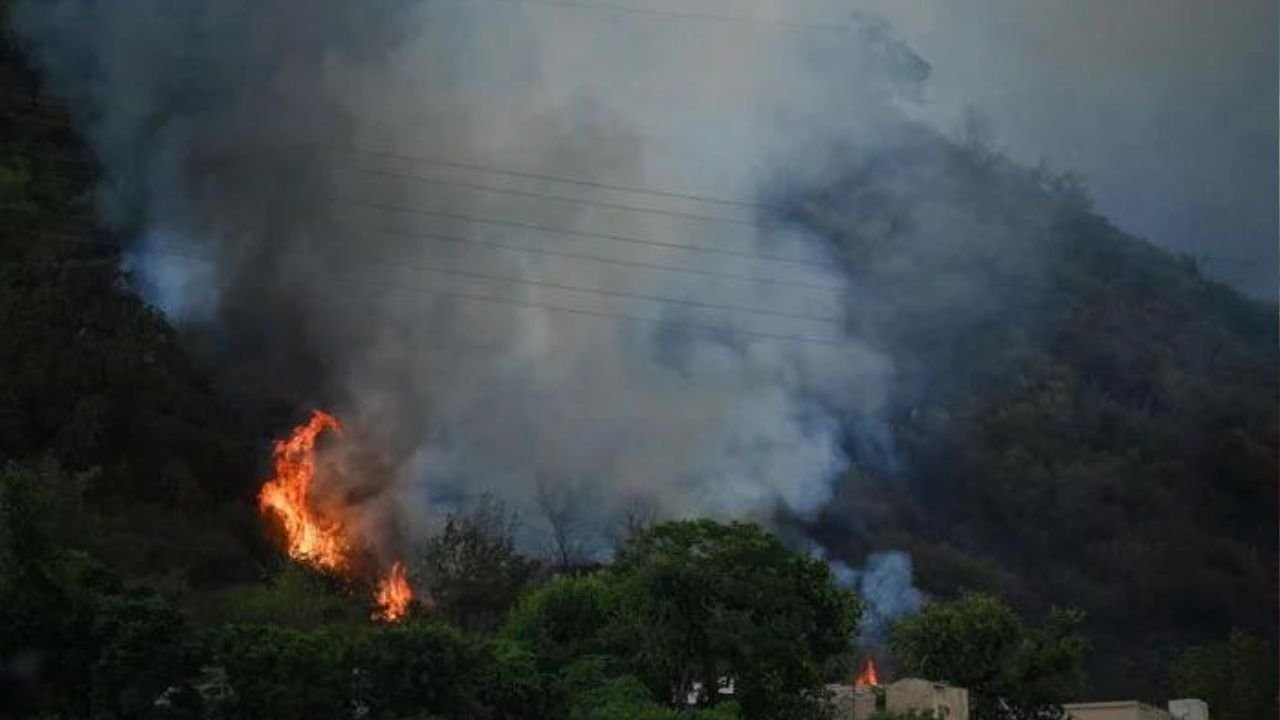
    A fire has once again broken out in the Margalla Hills of Islamabad as temperatures in the capital city rise.

    Pakistan Navy’s rescue services are working on extinguishing the fire in Margalla hills.

    Pakistan Navy firefighters, four fire tenders and two water bowsers are engaged in putting out the fire.

    Yesterday, 15 spots on the Hills caught fire close to E-11.

    Interior Minister Mohsin Naqvi took notice of the fire.

    Later, Chairman Capital Development Authority (CDA) Mohammad Ali Randhawa directed an audit of the forest fire on Margalla Hills.

    CDA had directed Director General (DG) Capital Emergency Services Dr. Abdul Rehman to identify the loopholes in forest fire prevention and control.

  • Pakistan farmers pin poor mango crop on climate change

    Pakistan farmers pin poor mango crop on climate change

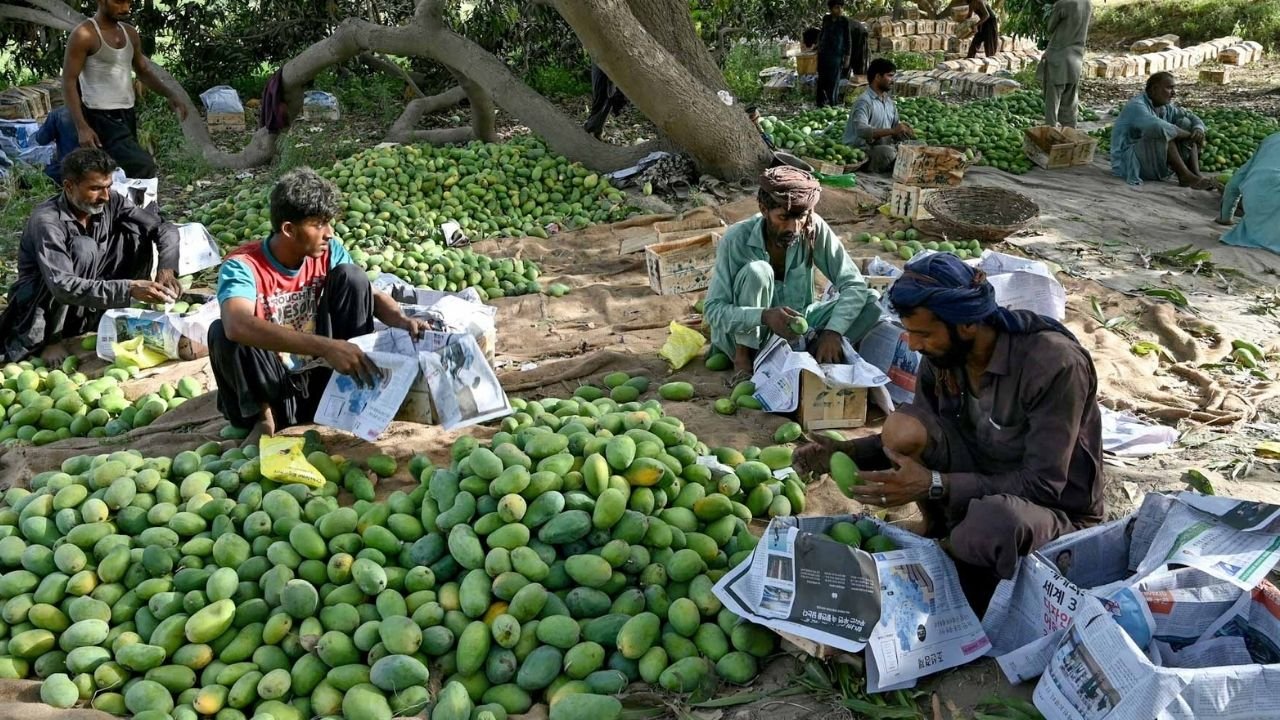
    Pakistan’s mangoes are normally a source of national pride and much-needed income, but farmers are blaming climate change for the parasites and extreme weather ruining much of this season’s crop.

    A white and orange scarf wrapped around his head in the scorching heat, farmer Muhammad Yusuf lamented the erratic weather.

    An abnormally long winter was followed by the wettest April in decades, while the country is now experiencing a heatwave with temperatures hitting up to 52 degrees Celsius (126 degrees Fahrenheit).

    “Buds didn’t flower on time, many buds just died. Those that started growing were infected with (parasite) black hopper,” said Yusuf, who has worked half his life growing mangoes.

    Now over 60 years old, Yusuf said “climate change has wreaked havoc” in his village of Tando Allahyar, around 200 kilometres (124 miles) northeast of economic hub Karachi.

    Pakistan is the world’s fourth-largest mango producer and agriculture accounts for almost a quarter of its GDP.

    Further south in Tando Ghulam Ali, Arsalan, who manages a 900-acre mango orchard, noticed the damage as soon as the harvest started this week.

    “We have production losses of 15 to 20 percent, and the picking has only just started so this figure will surely increase,” said the 32-year-old.

    Exports will be slashed as a result warned Arsalan, who goes by one name.

    “The mangoes turn yellow from the outside but remain underripe or overripe inside,” he explained.

    Ziaul Haq, a mango grower and exporter from Tando Ghulam Ali, said the “many attacks on fruit” by pests were unprecedented.

    “This, in our history, has never happened before,” he told AFP.

    ‘Feed our families’

    The proliferation of parasites has led to an explosion in spending on pesticides.

    This uptick was confirmed by several farmers in Sindh province, where Tando Allahyar and Tando Ghulam Ali are located, as well as those in the leading agricultural province of Punjab further north.

    They told AFP that chemicals are now used six to seven times per year, compared to just twice three years ago.

    Farmers in Sindh said they have been struggling since 2022 when a series of severe heatwaves were followed by unprecedented flooding, while those in Punjab said the declining crops yields date back several years more.

    “The losses in Punjab reached 35 to 50 percent and in Sindh, 15 to 20 percent” compared to last year, said Waheed Ahmed, head of the Pakistan Federation of Fruit and Vegetable Exporters Association (PFVA).

    Speaking to local media, he said that last year Pakistan had only managed to export 100,000 of the 125,000 tonnes of mangoes it planned to sell abroad.

    Pakistan’s 20 varieties of mangoes come second only to oranges as the most-produced fruit in the country.

    The income loss from a poor harvest could have a significant impact on the country, which is in talks to secure a loan from the International Monetary Fund (IMF).

    Mashooq Ali, a 30-year-old labourer in Tando Ghulam Ali, wants the government to help farmers cope.

    “Landowners will earn less this year,” said Ali, whose wife has started trading clothes to earn extra cash.

    “And even if they paid us as much as last year, with inflation, we won’t be able to feed our families.”

    srq/rsc/lb

    © Agence France-Presse

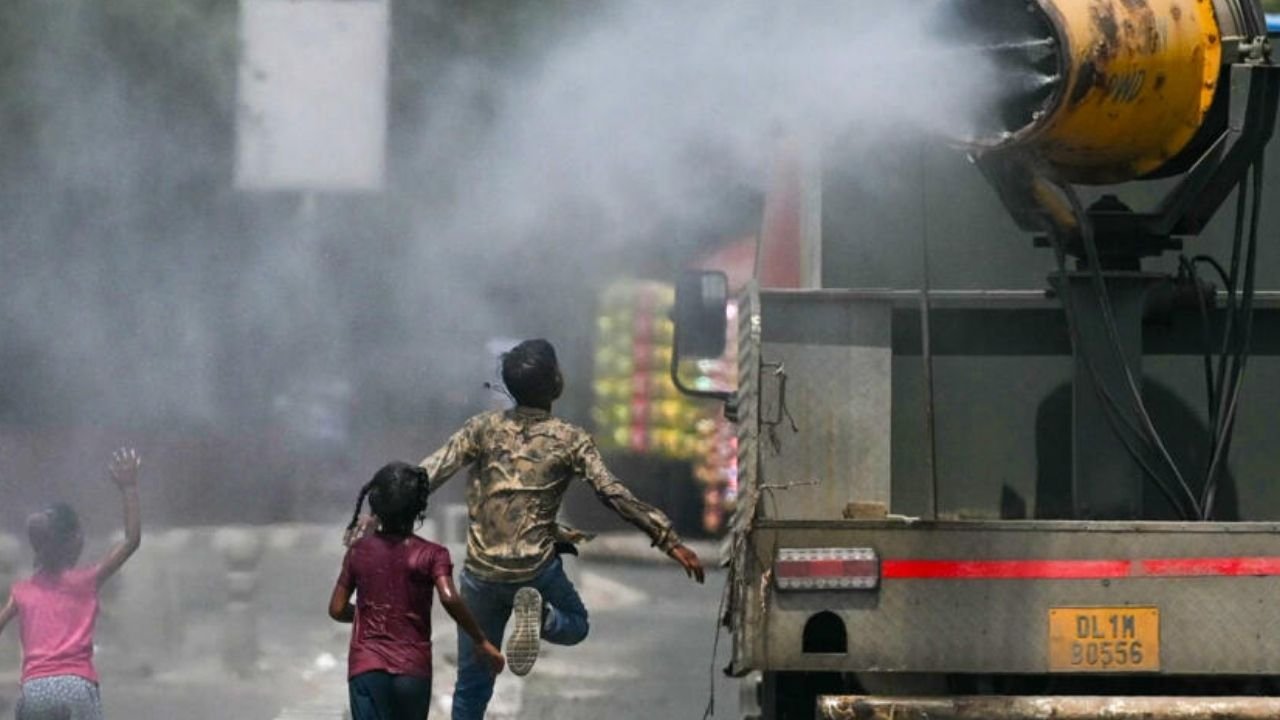
  • Indian capital records highest-ever temperature of 49.9 Celsius

    Indian capital records highest-ever temperature of 49.9 Celsius

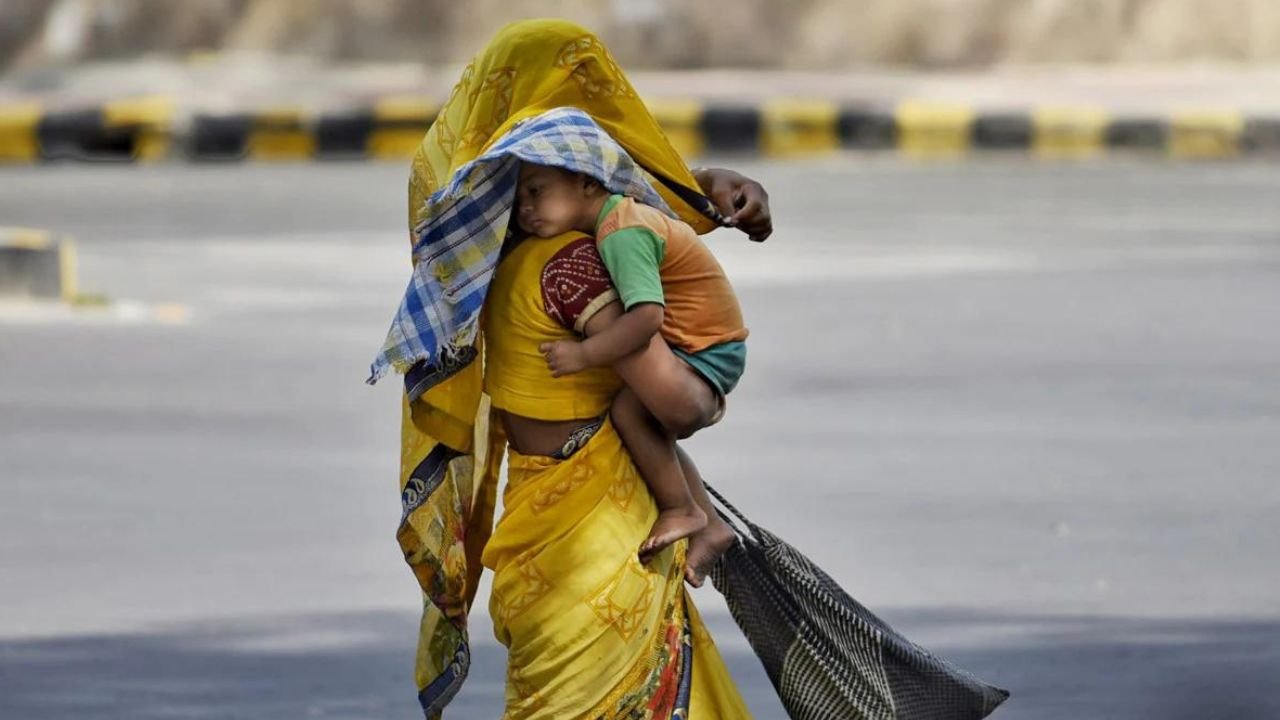
    New Delhi (AFP) – Temperatures in India’s capital have soared to a record-high 49.9 degrees Celsius (121.8 Fahrenheit) as authorities warn of water shortages in the sprawling mega-city.

    The India Meteorological Department (IMD), which reported “severe heat-wave conditions”, recorded the temperatures on Tuesday at two Delhi suburbs stations at Narela and Mungeshpur.

    The weather bureau said the temperatures were nine degrees higher than expected.

    Forecasters predict similar temperatures Wednesday for the city of more than 30 million people, issuing a red alert warning notice for people to take care.

    In May 2022, parts of Delhi hit 49.2 degrees Celsius (120.5 Fahrenheit), Indian media reported at the time.

    India is no stranger to searing summer temperatures.

    But years of scientific research have found climate change is causing heatwaves to become longer, more frequent and more intense.

    ‘Water scarcity’

    New Delhi authorities have also warned of the risk of water shortages as the capital swelters in headache-inducing heat — cutting supplies to some areas.

    Water Minister Atishi Marlena has called for “collective responsibility” in stopping wasteful water use, the Times of India newspaper reported Wednesday.

    “To address the problem of water scarcity, we have taken a slew of measures such as reducing water supply from twice a day to once a day in many areas,” Atishi said, the Indian Express reported.

    “The water thus saved will be rationed and supplied to the water-deficient areas where supply lasts only 15 to 20 minutes a day,” she added.

    The IMD warned of the heat’s impact on health, especially for infants, the elderly and those with chronic diseases.

    Many blame the soaring temperatures on scorching winds from Rajasthan state, where temperatures on Tuesday were the hottest in the country, at 50.5 degrees Celsius.

    Rajasthan’s desert region of Phalodi holds the country’s all-time heat record, hitting 51 degrees Celsius in 2016.

    At the same time, West Bengal state and the northeastern state of Mizoram have been struck by gales and lashing rains from Cyclone Remal, which hit India and Bangladesh on Sunday, killing more than 38 people.

    Bangladesh’s Meteorological Department said the cyclone was “one of longest in the country’s history”, blaming climate change for the shift.

  • Deadly Bangladesh cyclone one of longest seen

    Deadly Bangladesh cyclone one of longest seen

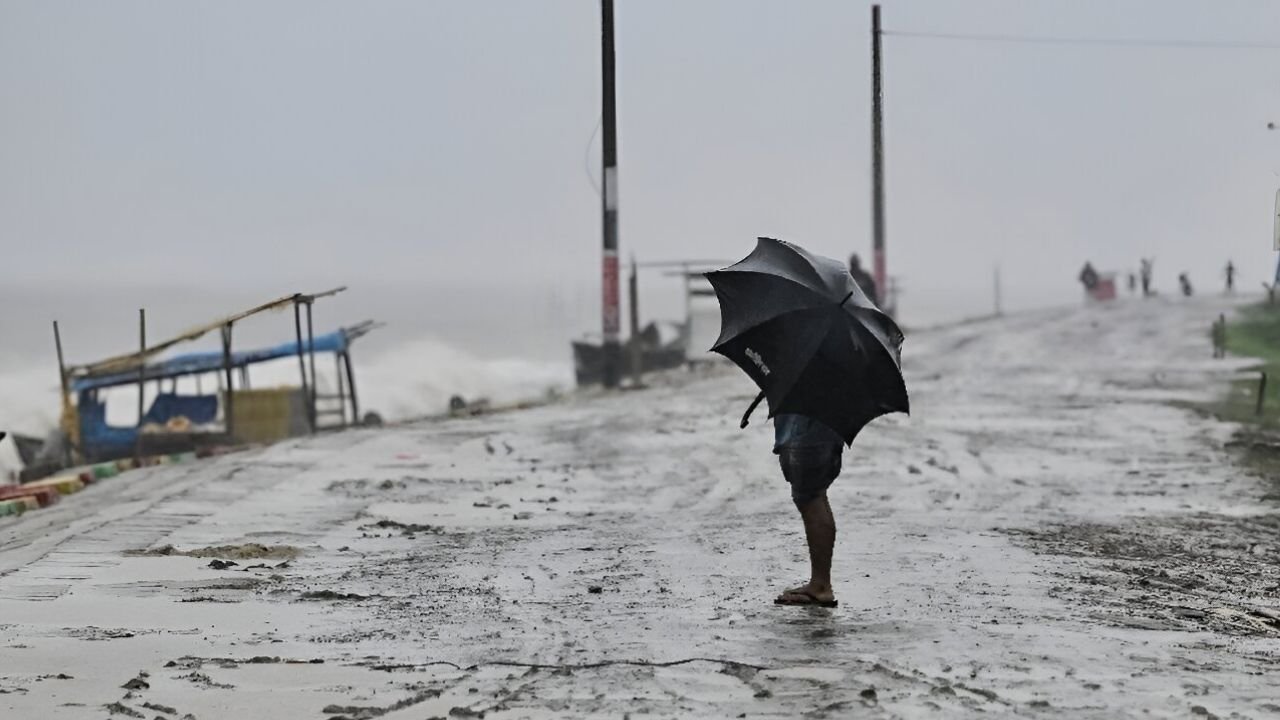
    Bangladeshi weather experts said Tuesday that a deadly cyclone that carved a swathe of destruction was one of the quickest-forming and longest-lasting they’d experienced, blaming climate change for the shift.

    Cyclone Remal, which made landfall in low-lying Bangladesh and neighbouring India on Sunday evening with fierce gales and crashing waves, left at least 23 people dead, destroyed thousands of homes, smashed seawalls and flooded cities across the two countries.

    “In terms of its land duration, it is one of the longest in the country’s history,” Azizur Rahman, director of the state-run Bangladesh Meteorological Department told AFP, adding it had battered the country for more than 36 hours.

    In contrast, Cyclone Aila, which hammered Bangladesh in 2009, lasted around 34 hours.

    Cyclones have killed hundreds of thousands of people in Bangladesh in recent decades, and the number of superstorms hitting its densely populated coast has increased sharply, from one a year to as many as three, due to the impact of climate change.

    Slow-moving — and therefore longer-lasting — storms bring greater destruction.

    “I’ve seen many storms in my life but nothing like this cyclone”, said Asma Khatun, an 80-year-old widow who lives with her son, a fisherman in Bangladesh’s hard-hit coastal town of Patuakhali.

    “Before, the storm came and went away… now it doesn’t seem to go away. The incessant pouring and heavy wind kept us stuck for days”.

    Rahman said the cyclone triggered massive rains, with some cities receiving at least 200 millimetres (7.9 inches).

    Storm surges breached multiple embankments, meaning seawater flooded into farmland, damaged freshwater fish farms common along the coast, or corrupted drinking water.

    Bangladesh’s state minister for disaster Mohibbur Rahman said 3.75 million people had been affected by the cyclone,  more than 35,000 homes were destroyed, and another 115,000 damaged.

    “We don’t know where to go,” said Setara Begum, 75, surveying the wreckage of her home after its tin roof was ripped off.

    Azizur Rahman said the cyclone formed more quickly than almost all the cyclones they have monitored in recent decades.

    “Of course, quick cyclone formation and the long duration of cyclones are due to the impact of climate change,” Rahman said.

    “It took three days for it to turn into a severe cyclone from low pressure in the Bay of Bengal… I’ve never seen a cyclone formed from a low pressure in such a quick time,” he said.

    “Usually, a cyclone is formed in the south and southwest of the Bay of Bengal, then takes seven to eight days to turn into a severe cyclone.”

    But while scientists say climate change is fuelling more storms, better forecasting and more effective evacuation planning have dramatically reduced death tolls.

    Around a million people in Bangladesh and neighbouring India fled inland seeking safety — but many people preferred to stay put to guard their homes.

    In Bangladesh, Cyclone Remal killed at least 17 people, according to the disaster management office and police, who reported Tuesday the additional deaths of a husband and wife, “crushed under stacks of bricks” when their house collapsed.

    Some drowned. Others were killed by debris, falling trees or electrocuted by falling power lines.

    Thousands of electricity poles were torn down, and power is out across large areas, said Biswanath Sikder, chief engineer of the Bangladesh Rural Electrification Board.

    “More than 20 million people are without electricity,” Sikder told AFP. “We are working hard to bring around 50 percent of these affected people by Tuesday evening.”

    In India, six people died, West Bengal state officials said.

    But the worst impact was stemmed by the expansive Sundarbans mangrove forest straddling Bangladesh and India — where the Ganges, Brahmaputra and Meghna rivers meet the sea, Bangladesh’s state weather department said.

    The crucial sea-water coastal forests help dissipate the violence of such storms.

    The International Union for Conservation of Nature (IUCN) warned this month that half of the world’s mangrove ecosystems are at risk of collapse due to climate change, deforestation and pollution.

  • Why is Pakistan severely hit by heatwaves?

    Why is Pakistan severely hit by heatwaves?

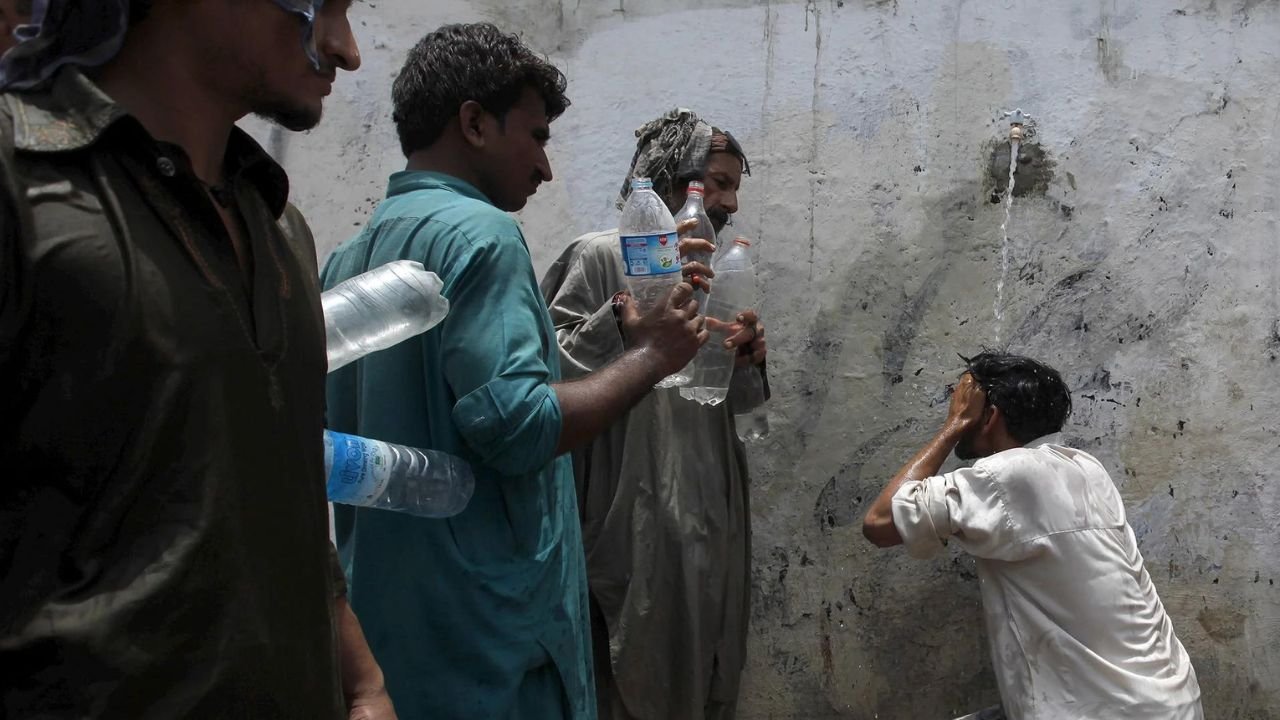
    The Meteorological Department has explained the reason behind the ongoing heatwave in Pakistan.

    Most of the plain areas of the country will continue to be affected by extreme heat in the coming days, while this week in Karachi, temperature is likely to reach 42 degrees Celsius.

    But why is heatwave so severe in Pakistan?

    According to the Department of Meteorology, the phenomenon has stemmed from the combination of meteorological and environmental factors.

    To sum it up, high air pressure in the upper atmosphere and the presence of limited clouds lead to heatwaves.

    This year, scorching heat across the country broke yet another record, with Mohenjo-Daro being the hottest city in the country at 53 degrees on Sunday.

  • 12 injured as Qatar Airways flight hits turbulence

    12 injured as Qatar Airways flight hits turbulence

    Six crew members and six passengers travelling on a Qatar Airways flight from Doha to Dublin suffered injuries during a severe bout of turbulence on Sunday.

    However, the flight landed safely and as scheduled, according to officials at the Dublin Airport.

    “Upon landing, the aircraft was met by emergency services, including airport police and our fire and rescue department, due to six passengers and six crew [12 total] on board reporting injuries after the aircraft experienced turbulence while airborne over Turkiye,” the airport authorities explained in a statement.

    NBC News talked to the passengers arriving at the airport and described the incident as frightening. “Just food all over the plane, on the ceiling, everywhere,” one of the passengers said.

    Qatar Airways said in a statement that a “small number” of passengers and crew sustained minor injuries during the flight and were receiving medical attention.

    The airline did not directly comment on the turbulence.”The matter is now subject to an internal investigation,” the statement read.

    The incident happened nearly a week after a Singapore Airlines flight from Heathrow Airport hit severe turbulence over the Indian Ocean leaving one passenger dead and 20 others injured.

    Scientists blame climate change for increased air turbulence incidents.

  • Glacial outburst expected in Gilgit Baltistan 

    Glacial outburst expected in Gilgit Baltistan 

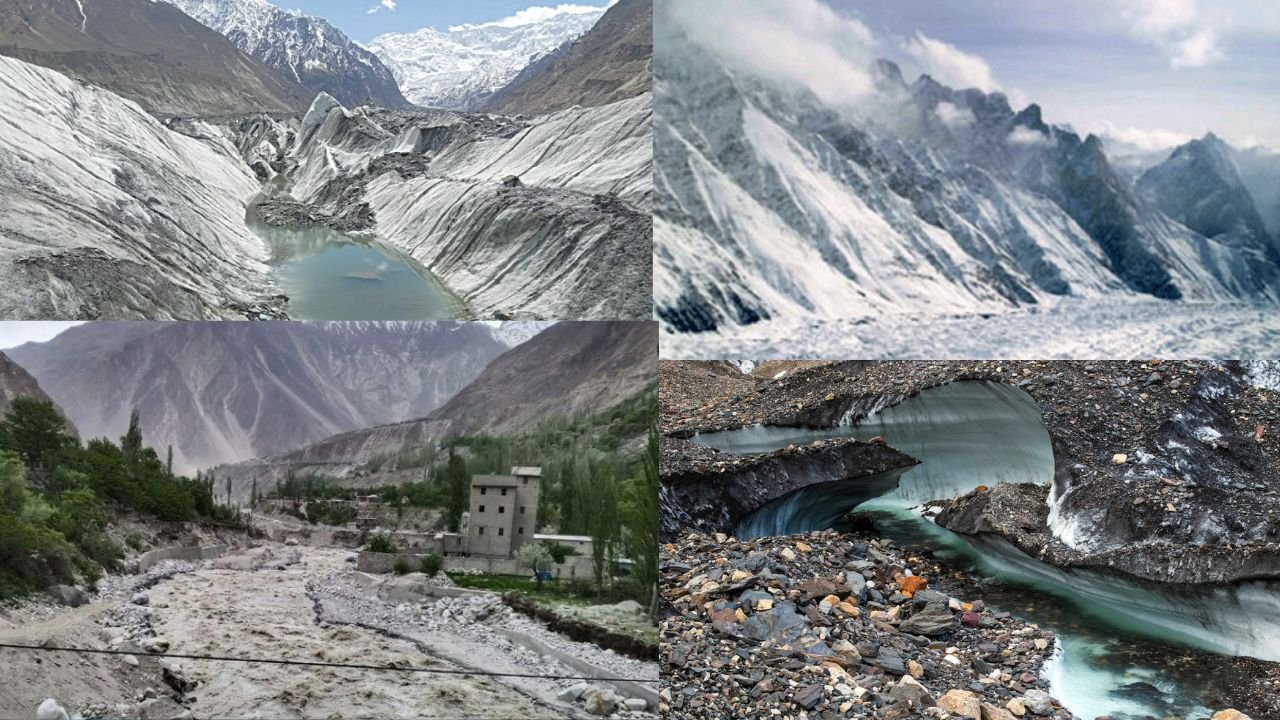
    People of Gilgit-Baltistan have been warned of possible Glacial Lake Outburst Floods (Glof) events and floods this week due to the rising temperature in the region.

    Pakistan Meteorological Department on Monday alerted local authorities that daytime temperatures in GB and Khyber Pakhtunkhwa are expected to remain four to six degrees Celsius, higher than normal, between May 21 and 27. 

    Wind and thunderstorms are also expected in this time span, reports Dawn.

    Glof and flash floods are likely to affect vulnerable snow-covered and glaciated areas of Gilgit Baltistan and the Chitral district of Khyber Pakhtunkhwa. 

    Local authorities have asked people living near glaciers should take precautionary measures. Tourists have also been advised to be careful during rain.

    In 2022, flash floods and Glofs hit many villages in the Hunza, Nagar, Ghizer, Astore, Skardu, and Gilgit districts of GB.

  • India shuts schools as temperatures soar

    India shuts schools as temperatures soar

    Indian authorities in the capital have ordered schools shut early for the summer holiday, after temperatures hit 47.4 degrees Celsius (117 degrees Fahrenheit) with Delhi gripped by a “severe heatwave”.

    Delhi city officials asked schools to shut with “immediate effect” due to the blistering heat, according to a government order quoted by the Hindustan Times Tuesday, cutting short the term by a few days.

    India’s weather bureau has warned of “severe heatwave conditions” this week, with the mercury reaching the sizzling peak of 47.4 degrees Celsius in Delhi’s Najafgarh suburb on Monday, the hottest temperature countrywide.

    Authorities in other states — including Haryana, Madhya Pradesh, Punjab and Rajasthan — have also ordered schools close, Indian Today reported.

    India is no stranger to searing summer temperatures.

    But years of scientific research have found climate change is causing heatwaves to become longer, more frequent and more intense.

    The Indian Meteorological Department warned of the impact of the heat on the health especially for infants, the elderly and those with chronic diseases.

    In May 2022, parts of Delhi hit 49.2 degrees Celsius (120.5 Fahrenheit), Indian media reported at the time.

    The next round of voting in India’s six-week-long election takes place on Saturday, including in Delhi.

    Turnout in voting has dipped, with analysts suggesting the hotter-than-average weather is a factor — as well as the widespread expectation that Prime Minister Narendra Modi will easily win a third term.

    India’s election commission has formed a task force to review the impact of heatwaves and humidity before each round of voting.

    At the same time, India’s southern states including Tamil Nadu and Kerala have been lashed by heavy rains over the past few days.

    Severe storms also hit parts of the country last week, including in the financial capital Mumbai, where strong winds flattened a giant billboard that killed 16 people and left dozens more trapped.

    ash/pjm/sn

    © Agence France-Presse

  • Flash floods kill 50 in western Afghanistan

    Flash floods kill 50 in western Afghanistan

    Flash flooding has killed at least 50 people in western Afghanistan, provincial police said Saturday, a week after hundreds were washed away in the north of the country.

    The floods on Friday also destroyed about 2,000 houses, and damaged thousands more homes and businesses, Ghor police spokesman Abdul Rahman Badri said in a statement.

    The fresh flooding in the country — which is highly vulnerable to climate change — comes as survivors of the May 10 flash floods in northern Baghlan province continue to search for missing relatives.

    “Fifty residents of Ghor province were killed by the floods on Friday and a number of others are missing,” Badri said.

    “These terrible floods have also killed thousands of cattle… They have destroyed hundreds of hectares of agricultural land, hundreds of bridges and culverts, and destroyed thousands of trees,” he added.

    Major roads into and within the province were blocked.

    Abu Obaidullah, the head of the province’s disaster management department, said it was an “emergency situation”.

    The floods hit several districts in the province, including the capital Chaghcharan, where the streets “are full of mud”, Obaidullah said.

    “The situation is really concerning,” he told AFP, adding that victims were in need of shelter, food and water.

    ‘Exceptionally vulnerable’

    The UN’s World Food Programme (WFP) and Taliban officials said more than 300 people died as a result of the flood disaster earlier this month that left homes and roads coated in thick mud.

    The destruction of roads and bridges hampered rescue efforts, with United Nations agencies and Taliban authorities warning the death tolls would rise.

    Afghanistan, which is “exceptionally vulnerable to flooding” has seen above-average rainfall this spring, Mohammad Assem Mayar, a water resource management expert, said in a recent Afghanistan Analysts Network report.

    From mid-April to early May, flash flooding and other floods had left about 100 people dead in 10 of Afghanistan’s provinces, authorities said.

    Farmland has been swamped in a country where 80 percent of the more than 40 million people depend on agriculture to survive.

    The rains come after prolonged drought in Afghanistan, which is one of the least prepared nations to tackle climate change impacts, according to experts.

    The country, ravaged by four decades of war, is also one of the world’s poorest.

    The WFP warned that the recent floods have compounded an already dire humanitarian situation.

    str-sw/ecl/sco

    © Agence France-Presse