Tag: Climate change

  • Brace yourselves for another heatwave, more heavy rains

    Brace yourselves for another heatwave, more heavy rains

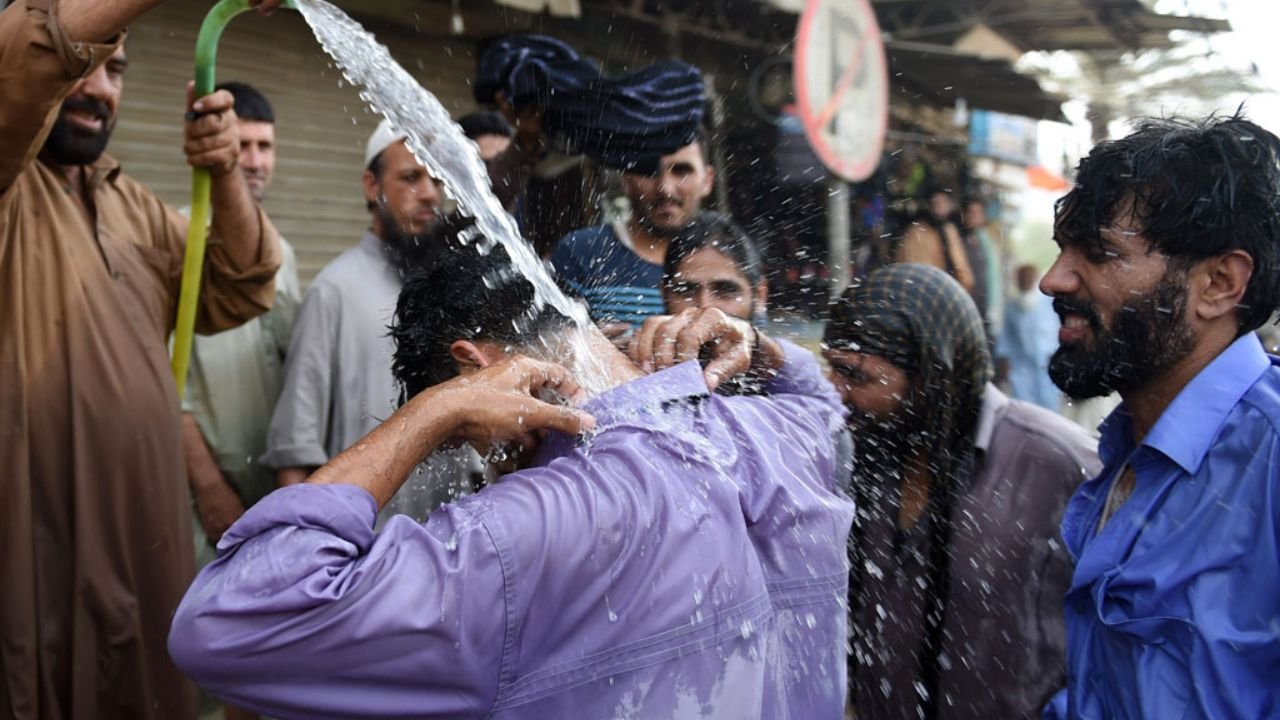
    The Meteorological Department has warned that with a heatwave taking over, temperatures are likely to increase across Pakistan.

    The weather will be hot and dry in most parts of the country this week, while it will be even hotter in the southern regions.

    The heat intensity has not yet peaked due to rains in April and May in Islamabad, but the coming days are going to be very hot.

    Geo reports that the Director General of the Department of Meteorology Mehr Sahibzad Khan stated that more-than-normal rains will be recorded in Pakistan this year, which is likely to affect Sindh and Balochistan the most.

    Meteorologists have also advised citizens to cover their heads and drink plenty of water to avoid heat waves.

  • World Bank withdraws from Mauripur road citing light pollution; Sindh govt insists on keeping artificial lights

    World Bank withdraws from Mauripur road citing light pollution; Sindh govt insists on keeping artificial lights

    The World Bank has decided to pull funding from the second phase of 5.9 kilometre Mauripur Road, which is part of the Competitive and Livable City of Karachi (CLICK) project. A total of 520 harsh white LED lights installed at the road have become the bone of contention after it was noted that they were disturbing the hatching season of turtles coming to the marine beach to lay eggs.

    The lights in the city of lights are surprisingly proving to be hazardous for the endangered species which visit the city to ensure their sustenance and enhance their population. Journalist Oonib Azam working for The Citizenry.pk has formulated a detailed report about the installation of the white lights as part of the rehabilitation program of the Mauripur road from Machli Chowk to the Karachi Nuclear Power Plant (KANUPP). He not just did the research but also played an instrumental role in convincing this Bretton Woods institution to rethink about their investment in this particular area.

    Background of CLICK

    CLICK is a development project by the World Bank to improve “urban management, service delivery and the business environment of Karachi.” Four components of the project involve capacity building of Local Councils and granting them performance-based grants, modernizing urban Property Tax administration, improvement in city competitiveness, and building capacity of local government regarding the technical assistance for solid waste management. The total project cost is a hefty 240 million dollars and it spans over 30 districts of Sindh, six divisions, 25 town municipal corporations, and 209 Karachi UCs.

    Detrimental artificial lights for the turtles

    Sindh Wild Life Department told Oonib that repelled by Artificial Light at Night (ALAN) in the last season, an estimated 250 female turtles turned back to the sea without laying eggs. The same artificial lights disorientate young hatchlings and they get crushed under cars or are eaten up by stray dogs.

    “A female turtle travels all the way to Australian beaches and returns to Karachi’s coast, to lay its eggs at the same coordinates where she layed eggs the last time. This shows how sensitive turtles are to their natural environment,” Oonib quotes a report by Dr. Umair bin Zamir.

    Mauripur road project

    Oonib explained to The Current how his research about the sanctuaries lead to awareness of turtles’ sensitivity to harsh white light. People attending picnics disrupted the whole process with torch lights just for the adventure. Huts in the surrounding areas put up huge flashlights and third and most glaringly, lamppost lights installed on the roadside in the neighbourhood.

    Mauripur road project is a sub-project of the World Bank’s CLICK project which costs 840 million rupees. Because it was a Category B project it required Karachi Metropolitan Corporation (KMC) to submit an Environmental and Social Management Plan (ESMP) to the World Bank. The Citizenry report lays out how the KMC blatantly missed out on the turtle sanctuaries. It also stresses that turtles were a common sight in the area since the project is surrounded by beaches.

    It was in sheer contrast with the World Bank’s policy (Environment Management Framework) of explicitly protecting the environment while ensuring a sustainable poverty reduction and development of societies at the same time.

    Here, Oonib contacted the World Bank via Abedalrazq F. Khalil, manager of Uraban Development, Resilience and Land Practice for the South Asian region and shared all the intel he gathered in his research. It was revealed in that email exchange that World Bank was told that the road was about 5-8 kilometres away from the turtle hatching site. In a video report by The Citizenry, Oonib and Hunain Ameen discussed how Sanspit beach, Turtle Beach and Hawksbay Beach are in a row some kilometres apart as per Sindh Wildlife department’s maps.

    It is important to mention that the 520 street lights are actually installed on a road the road from Machli Chowk to KANUUP Road runs parallel to Hawksbay Beach at a few 100-meter distances.

    The Current has gone through the email exchanges between the Bank’s representative and journalist Oonib Azam and it is apparent that the Bretton Wood body was not entirely aware of the possible repercussions of proceeding with the project but after concerns were raised it was concluded that it will not move forward with the second phase.

    “Light shielding and use of red lights is being considered by the PIU [Program Implementation Unit] as one of the mitigation measures. After consulting with relevant expert, we would have the CLICK PIU implement them,” Abedalrazq asserted.

    As he was asked by the journalist about the operation policy of the World Bank regarding critical habitats being triggered for this project only or for the entire project, the respondent answered, “when CLICK was prepared, impacts on natural habitat were not envisaged and hence the Operational Policy 4.04 was not triggered. If a certain policy is triggered during preparation or implementation, it applies to the entire project.”

    Current status of the project

    Unsurprisingly, the World Bank has pulled funding for the Mauripur project. As a result, local authorities are being directed to implement mitigation measures proposed by the Sindh Wildlife Marine Turtle Conservation. They have proposed the replacement of bright white lights by red lights. Ironically, the email exchange reveals that the PIU office in Karachi plans to cover the lights with a cellophane which can change the white colour to red. As this solution is not durable, the journalist requested Bank authorities to intervene who then asked authorities to change the lights to amber LEDs rather than covering them with a cellophane shield.

    The Current asked Oonib about the current status of the project and he described it to be in a lull. “The current status is that city authorities are not ready to change the lights to amber/red as recommended by the World Bank”.

    We reached out to Murtaza Wahab multiple times for his perspective on the issue and also the spokesperson of the KMC, Ali Hassan Sajid, yet there was no response from them. While Murtaza committed to responding to it at first, he later did not.

    Sindh Wildlife Authority maintains that the lights installed on the nearby hotels and huts are more hazardous for the marine life especially turtles compared to the streetlights but it cannot be denied that these lights of 120 watts are inflicting perils on these turtles to a great extent as well.

    Climate change is hitting home. Humans have been the perpetrators of the suffering of other creatures and it is time we actually employ durable techniques which can prove to be a relief for the ecosystem rather than being a pain in the name of development.

  • Hotter, drier, sicker? How a changing planet drives disease

    Hotter, drier, sicker? How a changing planet drives disease

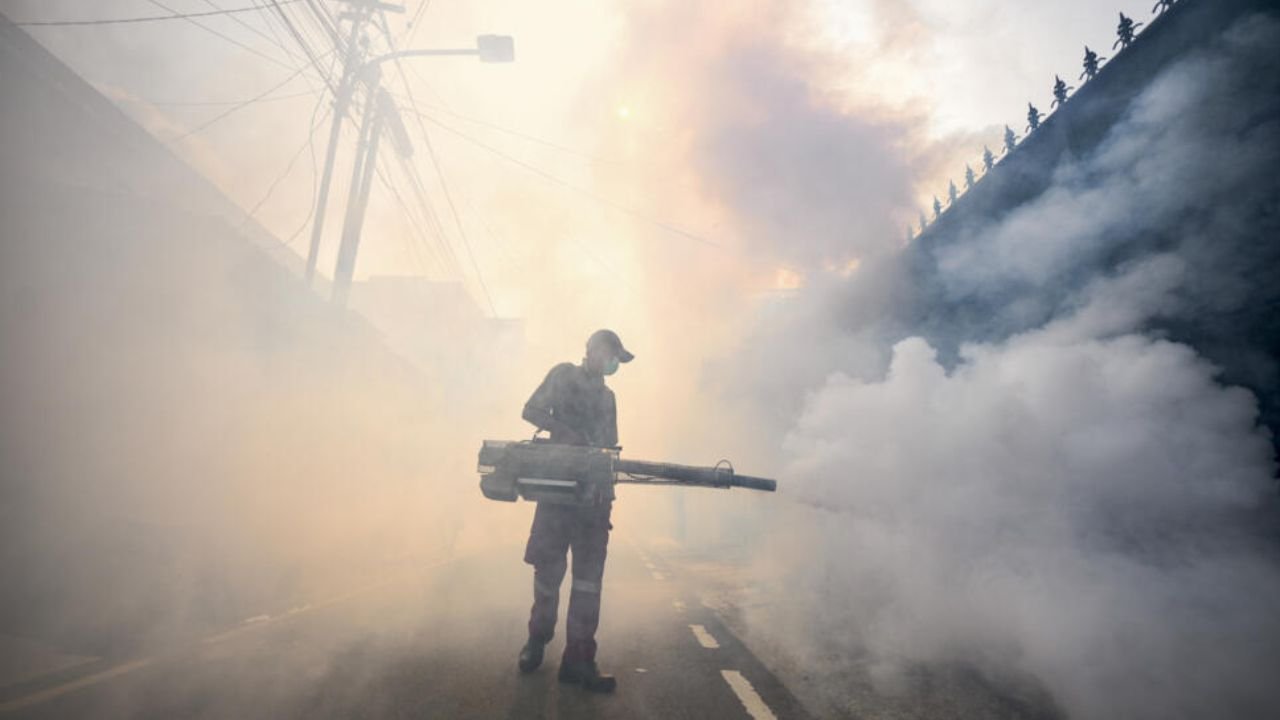
    Bangkok (AFP) – Humans have made our planet warmer, more polluted and ever less hospitable to many species, and these changes are driving the spread of infectious disease.

    Warmer, wetter climates can expand the range of vector species like mosquitos, while habitat loss can push disease-carrying animals into closer contact with humans.

    New research reveals how complex the effects are, with our impact on the climate and planet turbocharging some diseases and changing transmission patterns for others.

    Biodiversity loss appears to play an outsize role in increasing infectious disease, according to work published in the journal Nature this week.

    It analysed nearly 3,000 datasets from existing studies to see how biodiversity loss, climate change, chemical pollution, habitat loss or change, and species introduction affect infectious disease in humans, animals and plants.

    It found biodiversity loss was by far the biggest driver, followed by climate change and the introduction of novel species.

    Parasites target species that are more abundant and offer more potential hosts, explained senior author Jason Rohr, a professor of biological sciences at the University of Notre Dame.

    And species with large populations are more likely to “be investing in growth, reproduction and dispersal, at the expense of defences against parasites”, he told AFP.

    But rarer species with more resistance are vulnerable to biodiversity loss, leaving us with “more abundant, parasite-competent hosts”.

    The warmer weather produced by climate change offers new habitats for disease vectors, as well as longer reproductive seasons.

    “If there are more generations of parasites or vectors, then there can be more disease,” Rohr said.

    Shifting transmission

    Not all human adaptation of the planet increases infectious disease, however.

    Habitat loss or change was associated with a drop in infectious disease, largely because of the sanitary improvements that come with urbanisation, like running water and sewage systems.

    Climate change’s effects on disease are also not uniform across the globe.

    In tropical climates, warmer, wetter weather is driving an explosion in dengue fever.

    But drier conditions in Africa may shrink the areas where malaria is transmitted in coming decades.

    Research published in the journal Science this week modelled the interaction between climate change, rainfall and hydrological processes like evaporation and how quickly water sinks into the ground.

    It predicts a larger decline in areas suitable for disease transmission than forecasts based on rainfall alone, with the decline starting from 2025.

    It also finds the malaria season in parts of Africa could be four months shorter than previously estimated.

    The findings are not necessarily all good news, cautioned lead author Mark Smith, an associate professor of water research at the University of Leeds.

    “The location of areas suitable for malaria will shift,” he told AFP, with Ethiopia’s highlands among the regions likely to be newly affected.

    People in those regions may be more vulnerable because they have not been exposed.

    And populations are forecast to grow rapidly in areas where malaria will remain or become transmissible, so the overall incidence of the disease could increase.

    Predicting and preparing

    Smith warned that conditions too harsh for malaria may also be too harsh for us.

    “The change in water availability for drinking or agriculture could be very serious indeed.”

    The links between climate and infectious disease mean climate modelling can help predict outbreaks.

    Local temperature and rainfall forecasts are already used to predict dengue upticks, but they offer a short lead-time and can be unreliable.

    One alternative might be the Indian Ocean basin-wide index (IOBW), which measures the regional average of sea-surface temperature anomalies in the Indian Ocean.

    Research also published in Science this week looked at dengue data from 46 countries over three decades and found a close correlation between the IOBW’s fluctuations and outbreaks in the northern and southern hemispheres.

    The study was retrospective, so the IOBW’s predictive power has not yet been tested.

    But monitoring it could help officials better prepare for outbreaks of a disease that is a major public health concern.

    Ultimately, however, addressing increasing infectious disease means addressing climate change, said Rohr.

    Research suggests “that disease increases in response to climate change will be consistent and widespread, further stressing the need for reductions in greenhouse gas emissions”, he said.

  • Floods misery reminder of changing climate’s role in supercharging rain

    Floods misery reminder of changing climate’s role in supercharging rain

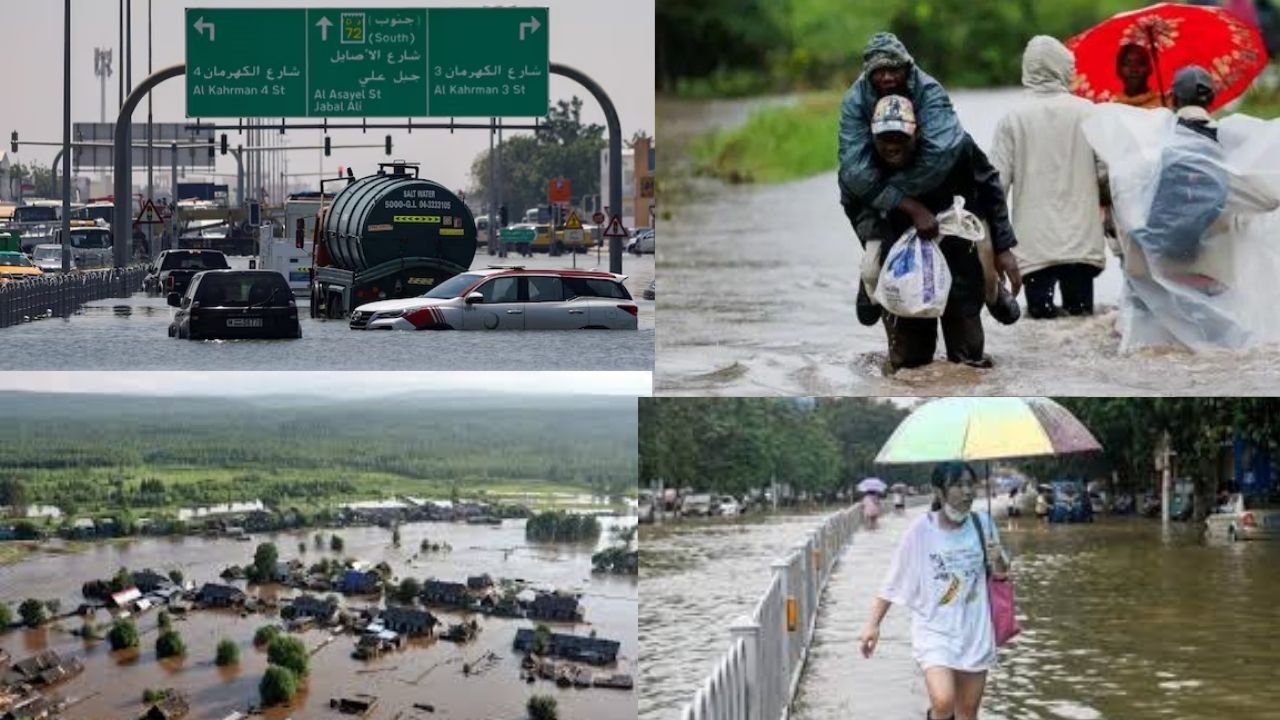
    Floods have been tearing a path of destruction across the globe, hammering Kenya, submerging Dubai, and forcing hundreds of thousands of people from Russia to China, Brazil and Somalia from their homes.

    Though not all directly attributed to global warming, they are occurring in a year of record-breaking temperatures and underscore what scientists have long warned – that climate change drives more extreme weather.

    Climate change isn’t just about rising temperatures but the knock-on effect of all that extra heat being trapped in the atmosphere and seas.

    April was the 11th consecutive month to break its own heat record, the EU climate monitor Copernicus said on Wednesday, while ocean temperatures have been off the charts for even longer.

    “The recent extreme precipitation events are consistent with what is expected in an increasingly warmer climate,” Sonia Seneviratne, an expert on the UN-mandated IPCC scientific panel, told AFP.

    Warmer oceans mean greater evaporation, and warmer air can hold more water vapour.

    Scientists even have a calculation for this: for every one degree Celsius in temperature rise, the atmosphere can hold seven percent more moisture.

    “This results in more intense rainfall events,” Davide Faranda, an expert on extreme weather at the French National Center for Scientific Research (CNRS), told AFP.

    In April, Pakistan recorded double the amount of normal monthly rainfall — one province saw 437 percent
    more than average — while the UAE received about two years worth of rain in a single day.

    This, however, doesn’t mean everywhere on Earth is getting wetter.

    Richard Allan from the University of Reading said “a warmer, thirstier atmosphere is more effective at sapping moisture from one region and feeding this excess water into storms elsewhere”.

    This translates into extreme rain and floods in some areas but worse heatwaves and droughts in others, the climate scientist told AFP.

    Natural climate variability also influence weather and global rainfall patterns.

    This includes cyclical phenomenon like El Nino, which tends to bring heat and rain extremes, and helped fuel the high temperatures seen over land and sea this past year.

    While natural variability plays a role “the observed long-term global increase in heavy precipitation has been driven by human-induced climate change”, said Seneviratne.

    Carlo Buontempo, a director at Copernicus, said cycles like El Nino ebb and flow but the extra heat trapped by rising greenhouse gas emissions would “keep pushing the global temperature towards new records”.

    Considering the overlapping forces at play, attributing any one flood to climate change alone can be fraught, and each event must be taken on a case-by-case basis.

    But scientists have developed peer-reviewed methods that allow for the quick comparison of an event today against simulations that consider a world in which global warming had not occurred.

    For example, World Weather Attribution, the scientists who pioneered this approach, said the drenching of the UAE and Oman last month was “most likely” exacerbated by global warming caused by burning fossil fuels.

    ClimaMeter, another rapid assessment network who use a different methodology, said major floods in China in April were “likely influenced” by global warming and El Nino.

    “It can be difficult to disentangle global warming and natural variability” and some weather events are more clear-cut than others, said Flavio Pons, a climatologist who worked on the China assessment.

    In the case of devastating floods in Brazil, however, ClimaMeter were able to exclude El Nino as a significant factor and name human-driven climate change as the primary culprit.

    Many of the countries swamped by heavy floods at the moment — such as Burundi, Afghanistan and Somalia — rank among the poorest and least able to mobilise a response to such disasters.

    But the experience in Dubai showed even wealthy states were not prepared, said Seneviratne.

    “We know that a warmer climate is conducive to more severe weather extremes but we cannot predict exactly when and where these extremes will occur,” Joel Hirschi from the UK’s National Oceanography Centre told AFP.

    “Current levels of preparedness for weather extremes are inadequate… Preparing and investing now is cheaper than delaying action.”

  • Rains, mudslides kill 29 in southern Brazil’s ‘worst disaster’

    Rains, mudslides kill 29 in southern Brazil’s ‘worst disaster’

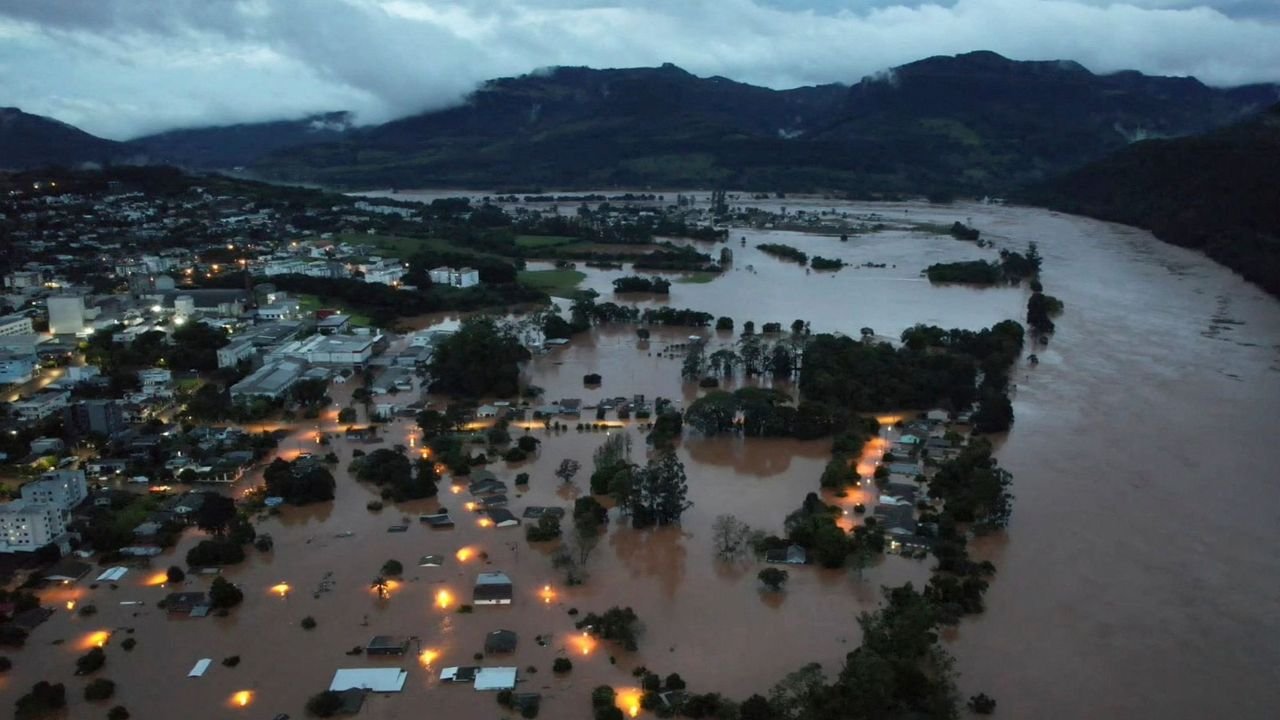
    Brazilian President Luiz Inacio Lula da Silva on Thursday visited the country’s south where floods and mudslides caused by torrential rains have killed 29 people, with the toll expected to rise.

    Authorities in Rio Grande do Sul have declared a state of emergency as rescuers continue to search for dozens of people reported missing among the ruins of collapsed homes, bridges and roads.

    Storm damage has affected nearly 150 municipalities in the state, also injuring 36 people and displacing more than 10,000.

    Governor Eduardo Leite said Rio Grande do Sul was dealing with “the worst disaster in (its) history.”

    “With the deepest pain in my heart, I know it will be even more,” the governor said of the death toll.

    Lula, who has blamed the torrent on climate change, arrived in the town of Santa Maria in the morning with a delegation of ministers and held a working meeting with Leite and other officials to coordinate rescue efforts, the government said.

    The president promised “there will be no lack of human or material resources” to “minimize the suffering this extreme event… is causing in the state.”

    The federal government, he added, “will be 100 percent at the disposition” of state officials.

    Central authorities has already made available 12 aircraft, 45 vehicles and 12 boats as well as 626 soldiers to help clear roads, distribute food, water and mattresses, and set up shelters, a press statement said.

    As the rains continued, forecasts warned the state’s main Guaiba River, which has already overflowed its banks in some areas, would reach an extraordinary level of three meters (9.8 feet) by Thursday and four meters the next day.

    Entire communities in Rio Grande do Sul state have been completely cut off as persistent rains have destroyed bridges and blocked roads, and left towns without even telephone or internet services.

    Rescuers and soldiers have been scrambling to free families trapped in their homes, many stuck on rooftops to escape rising waters.

    “I’ve never seen anything like this… it’s all under water,” said Raul Metzel, a 52-year-old machine operator in the municipality of Capela de Santana.

    A dam collapsed in the town of Cotipora, raising the level of water in the Taquari river.

    “I came here to help people, to get them out of the flooding because it is very dangerous. The current is very strong,” said fisherman Guilverto Luiz, who was helping rescue efforts in Sao Sebastiaio do Cai, about 70 km from Porto Alegre, the state capital.

    Authorities have urged people to avoid areas along state highways due to a risk of mudslides, and those who live near rivers or on hillsides to evacuate.

    Hundreds of thousands of people have been left without access to electricity and drinking water, while classes have been suspended state-wide.

    On Wednesday, the state’s deputy governor, Gabriel Souza, said damages have been estimated at $20 million.

    Mayor Sandra Backes of Sinimbu said the situation in her town was “a nightmare.”

    “Sinimbu is like a war zone, completely destroyed… All the stores, businesses, supermarkets — everything is devastated,” she said in a video posted on Instagram.

    Elsewhere, in Santa Cruz do Sul, lifeguards used boats to transport residents, many of them children, to safety.

    The region’s rivers had already been swollen from previous storms.

    Last September at least 31 people died as a cyclone hit the state.

    South America’s largest country has suffered a string of recent extreme weather events, which experts say are made more likely by climate change.

    The floods came amid a cold front battering the south and southeast, following a wave of extreme heat.

  • Indian election resumes as heatwave hits voters

    Indian election resumes as heatwave hits voters

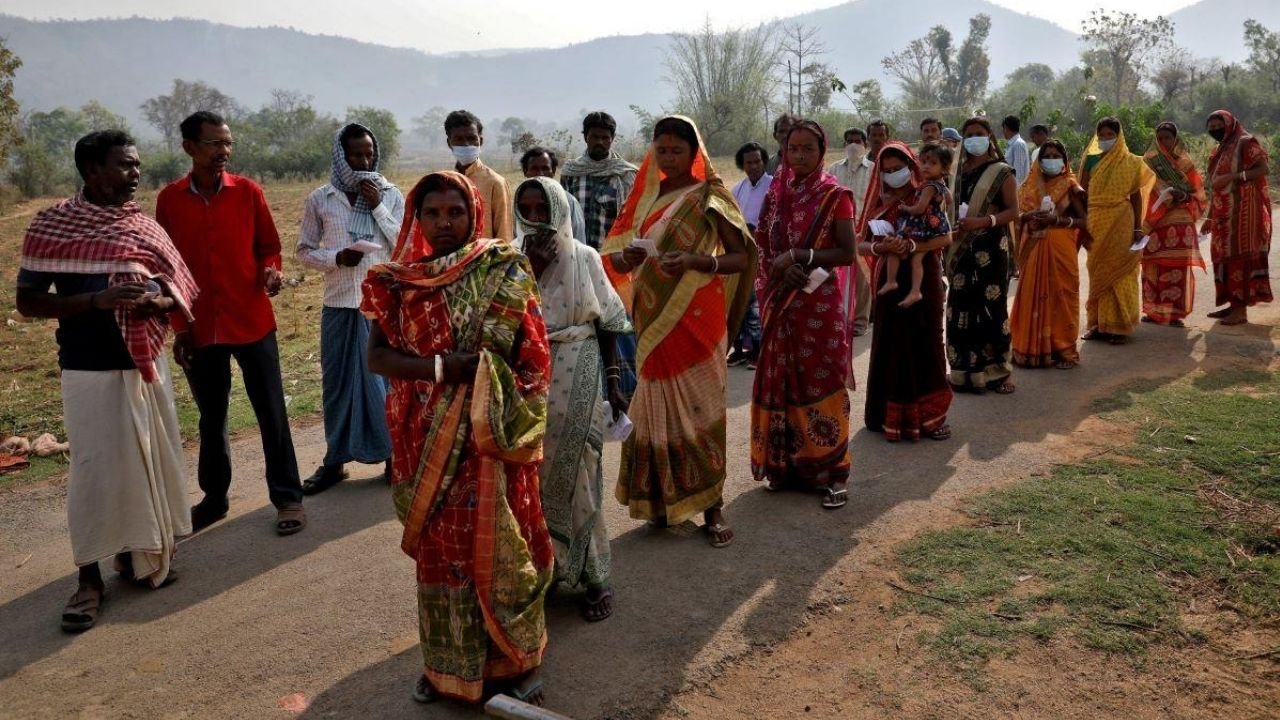
    India’s six-week election juggernaut resumed Friday with millions of people lining up outside polling stations in parts of the country hit by a scorching heatwave.

    Prime Minister Narendra Modi is widely expected to win a third term in the election, which concludes in early June.

    But turnout in the first round of voting last week dropped nearly four points to 66 percent from the last election in 2019, with speculation in Indian media outlets that higher-than-average temperatures were to blame.

    Modi took to social media shortly before polls re-opened to urge those voting to turn out in “record numbers” despite the heat.

    “A high voter turnout strengthens our democracy,” he wrote on social media platform X. “Your vote is your voice!”

    The second round of the poll — conducted in phases to ease the immense logistical burden of staging an election in the world’s most populous country — includes districts that have this week seen temperatures above 40 degrees Celsius (104 degrees Fahrenheit).

    AFP – MOHAMMED

    India’s weather bureau said Thursday that severe heatwave conditions would continue in several states through the weekend.

    That includes parts of the eastern state of Bihar, where five districts are voting Friday and where temperatures more than 5.1 degrees Celsius above the seasonal average were recorded this week.

    Karnataka state in the south and parts of Uttar Pradesh, India’s most populous state and heartland of the Hindu faith, are also scheduled to vote while facing heatwave conditions.

    Earlier this week, India’s election commission said it had formed a task force to review the impact of heatwaves and humidity before each round of voting.

    The Hindu newspaper suggested the decision could have been taken out of concerns that the intense heat “might have resulted in a dip in voter turnout”.

    In a Monday statement, the commission said it had “no major concern” about the impact of hot temperatures on Friday’s vote.

    AFP – SHARMA

    But it added that it had been closely monitoring weather reports and would ensure “the comfort and well-being of voters along with polling personnel”.

    A wave of exceptionally hot weather has blasted South and Southeast Asia, prompting thousands of schools across the Philippines and Bangladesh to suspend in-person classes.

    The heat disrupted campaigning in India on Wednesday when roads minister Nitin Gadkari fainted at a rally for Modi in Maharashtra state.

    Footage of the speech showed Gadkari falling unconscious and being carried off the stage by handlers. He later blamed the incident on discomfort “due to the heat”.

    Years of scientific research have found climate change is causing heatwaves to become longer, more frequent and more intense.

    AFP – SHARMA

    Friday will also see voting in the constituency of India’s most prominent opposition leader — Rahul Gandhi of the once-dominate Congress party.

    The 53-year-old is fighting to retain his seat in the southern state of Kerala, a stronghold for opponents of Modi’s Hindu-nationalist Bharatiya Janata Party (BJP).

    “It is the duty of every citizen to become a soldier of the constitution, step out of their homes today and vote to protect democracy,” he wrote on X.

    Gandhi is the son, grandson and great-grandson of former prime ministers, but his Congress party has suffered two landslide defeats against Modi in the last two general elections.

    Gandhi has been hamstrung by several criminal cases lodged against him by BJP members, including a conviction for criminal libel that saw him briefly disqualified from parliament last year.

    The opposition alliance has accused Modi’s government of using law enforcement agencies to selectively target its leaders and undermine its campaign.

    More than 968 million people are eligible to take part in India’s election, with the final round of voting on June 1 and results expected three days later.

  • Thousands in heatwave-hit Bangladesh pray for rain

    Thousands in heatwave-hit Bangladesh pray for rain

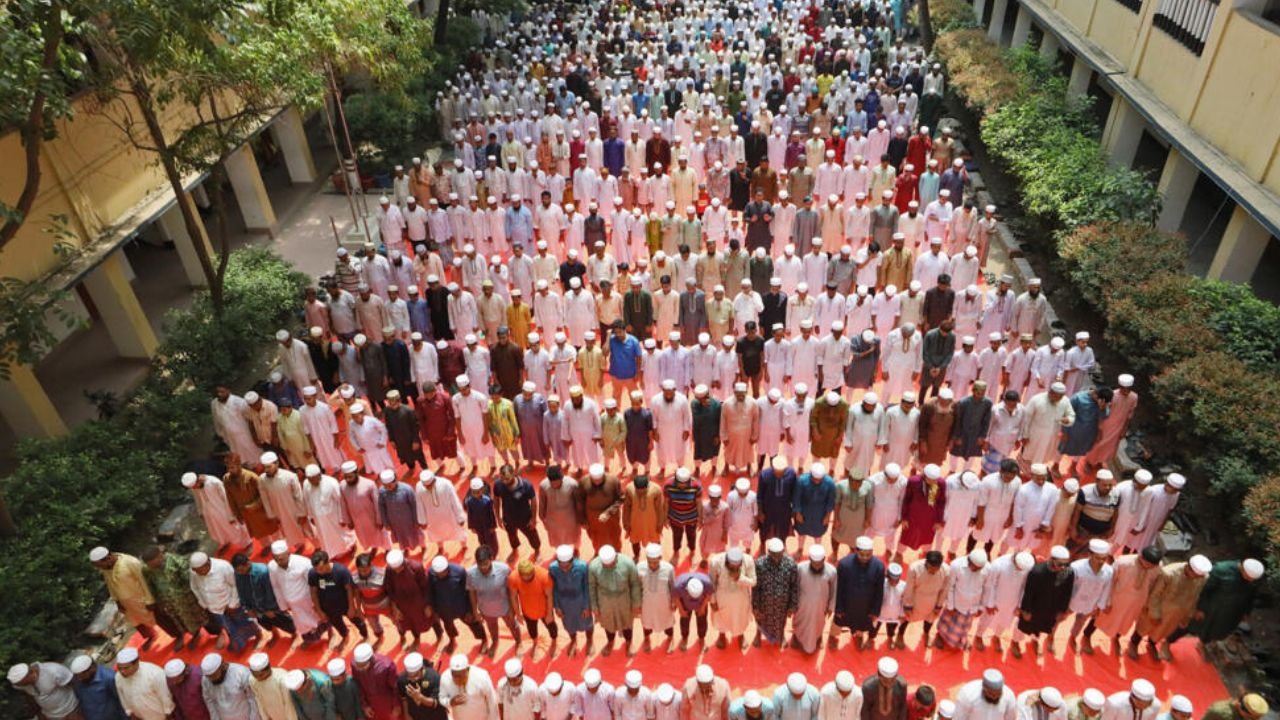
    Dhaka (AFP) – Thousands of Bangladeshis gathered to pray for rain on Wednesday in the middle of an extreme heatwave that prompted authorities to shut down schools around the country.

    Extensive scientific research has found climate change is causing heat waves to become longer, more frequent and more intense.

    Bangladesh’s weather bureau says that average maximum temperatures in the capital Dhaka over the past week have been 4-5 degrees Celsius (39-41 degrees Fahrenheit) higher than the 30-year average for the same period.

    Muslim worshippers gathered in city mosques and rural fields to pray for relief from the scorching heat, which forecasters expect to continue for at least another week.

    “Praying for rains is a tradition of our prophet. We repented for our sins and prayed for his blessings for rains,” Muhammad Abu Yusuf, an Islamic cleric who led a morning prayer service for 1,000 people in central Dhaka, told AFP.

    “Life has become unbearable due to lack of rains,” he said. “Poor people are suffering immensely.”

    Police said similarly sized prayer services were held in several other parts of Bangladesh.

    The country’s largest Islamist party, Jamaat-e-Islami, issued a statement calling its members to join the prayer services planned for Wednesday and Thursday.

    Authorities ordered all schools last week to cancel classes until the end of the month.

    Temperatures across Bangladesh have reached more than 42C (108F) in the past week.

    “April is usually the hottest month in Bangladesh. But this April has been one of the hottest since the country’s independence (in 1971),” government forecaster Tariful Newaz Kabir told AFP.

    Kabir said fewer rainstorms than average for the period had contributed to the heat.

    “We expect the high temperature will remain until the end of this month,” he said.

    Hospitals in the southern coastal district of Patuakhali had recorded local outbreaks of diarrhoea due to higher temperatures and the resulting increased salinity of local water sources, state medical officer Bhupen Chandra Mondal told AFP.

    “The number of diarrhoea patients is very high this year,” he said. “This is all linked to climate change.”

  • Asia hit hardest by climate, weather disasters in 2023: UN

    Asia hit hardest by climate, weather disasters in 2023: UN

    Geneva, Switzerland – Asia was the world’s most disaster-hit region from climate and weather hazards in 2023, the United Nations said Tuesday, with floods and storms the chief cause of casualties and economic losses.

    Global temperatures hit record highs last year, and the UN’s weather and climate agency said Asia was warming at a particularly rapid pace.

    The World Meteorological Organization said the impact of heatwaves in Asia was becoming more severe, with melting glaciers threatening the region’s future water security.

    The WMO said Asia was warming faster than the global average, with temperatures last year nearly two degrees Celsius above the 1961 to 1990 average.

    “The report’s conclusions are sobering,” WMO chief Celeste Saulo said in a statement.

    “Many countries in the region experienced their hottest year on record in 2023, along with a barrage of extreme conditions, from droughts and heatwaves to floods and storms.

    “Climate change exacerbated the frequency and severity of such events, profoundly impacting societies, economies, and, most importantly, human lives and the environment that we live in.”

    The State of the Climate in Asia 2023 report highlighted the accelerating rate of key climate change indicators such as surface temperature, glacier retreat and sea level rise, saying they would have serious repercussions for societies, economies and ecosystems in the region.

    “Asia remained the world’s most disaster-hit region from weather, climate and water-related hazards in 2023,” the WMO said.

    Heat, melting and floods

    The annual mean near-surface temperature over Asia in 2023 was the second highest on record, at 0.91 degrees Celsius above the 1991-2020 average, and 1.87 C above the 1961-1990 average.

    Particularly high average temperatures were recorded from western Siberia to central Asia, and from eastern China to Japan, the report said, with Japan having its hottest summer on record.

    As for precipitation, it was below normal in the Himalayas and in the Hindu Kush mountain range in Pakistan and Afghanistan.

    Meanwhile southwest China suffered from a drought, with below-normal precipitation levels in nearly every month of the year.

    The High-Mountain Asia region, centred on the Tibetan Plateau, contains the largest volume of ice outside of the polar regions.

    Over the last several decades, most of these glaciers have been retreating, and at an accelerating rate, the WMO said, with 20 out of 22 monitored glaciers in the region showing continued mass loss last year.

    The report said 2023 sea-surface temperatures in the northwest Pacific Ocean were the highest on record.

    ‘Urgency’ for action

    Last year, 79 disasters associated with water-related weather hazards were reported in Asia. Of those, more than 80 percent were floods and storms, with more than 2,000 deaths and nine million people directly affected.

    “Floods were the leading cause of death in reported events in 2023 by a substantial margin,” the WMO said, noting the continuing high level of vulnerability of Asia to natural hazard events.

    Hong Kong recorded 158.1 millimetres of rainfall in one hour on September 7 — the highest since records began in 1884, as a result of a typhoon.

    The WMO said there was an urgent need for national weather services across the region to improve tailored information to officials working on reducing disaster risks.

    “It is imperative that our actions and strategies mirror the urgency of these times,” said Saulo.

    “Reducing greenhouse gas emissions and adapting to the evolving climate is not merely an option, but a fundamental necessity.”

    rjm/nl/rlp

    © Agence France-Presse

  • World’s largest private firms fail to set climate targets: report

    World’s largest private firms fail to set climate targets: report

    Paris, France – Only 40 of the world’s 100 largest private firms have set net-zero carbon emissions targets to fight climate change, according to a report released Monday, lagging far behind public companies.

    But for the world to meet the 2015 Paris Agreement to limit global warming 1.5 degree Celsius, all companies need to reduce their planet-heating emissions, the report by the group Net Zero Tracker noted.

    The lack of market and reputational pressures on private firms compared to those publicly-listed, along with an absence of regulation are to blame for their slow uptake of climate commitments, John Lange of Net Zero Tracker told AFP.

    “I think things are changing on all three of those fronts,” he added.

    The report compared 200 of the world’s largest public and private companies based on their reported emissions reductions strategies and net-zero targets.

    It found that only 40 of the 100 private firms assessed had net zero targets, compared to 70 of 100 publicly-listed companies.

    Of the private companies that have set targets, just eight have published plans on how they will meet them.

    “A pledge without a plan is not a pledge, it is a naked PR stunt,” the report said.

    Regulations coming

    Only two firms — furnishing giant Ikea and US engineering giant Bechtel — ruled out using controversial carbon credits to achieve their net-zero goals, the report said.

    Carbon credits allow businesses to offset their emissions by directing money toward a project that reduces or avoids emissions, such as protecting forests, but critics say they allow companies to keep polluting.

    Meanwhile, none of the eight fossil fuel companies included in the report was found to have a net-zero target, compared with 76 percent of the sector’s largest public firms.

    There was also little improvement in the figures compared with a previous analysis done in 2022, “despite a massive uptick in regulation around the world”, Lang said.

    Several jurisdictions including the United Kingdom have adopted climate disclosure regulations.

    Others have regulations on the horizon, with business hubs of California and Singapore requiring greenhouse gas emissions reporting from 2027.

    The European Union also introduced two climate regulations — the Corporate Sustainability Reporting Directive (CSRD) and the Corporate Sustainability Due Diligence Directive (CSDDD) — which will soon require thousands of large companies to report their climate impacts and emissions, and to take action to curtail them.

    “We’re trying to get private firms to understand what’s coming for them,” Lang said.

    ‘Trickledown effect’

    The EU policies will have far-reaching effects in particular, targeting firms not only based in the bloc but those that may be headquartered elsewhere with branches or subsidiaries within the member states.

    Yet two European private firms, including French hypermarket chain E. Leclerc, were singled out in the report for having set any emissions reduction targets.

    E.Leclerc told AFP that the company has made efforts toward more sustainable practises like eliminating the use of single-use plastic bags, and is “committed to setting near-term company-wide emissions reduction targets”.

    But with the enforcement of EU regulations looming, firms will not be able to “dodge” climate targets much longer, Sybrig Smit of the NewClimate Institute told AFP.

    “It’s actually quite watertight. If companies want to do business in Europe, they are going to have to face the consequences,” she said.

    The firms analysed account for roughly 23 percent of the global economy, with the majority based in either China, the United States or EU states — the biggest emitters of greenhouse gases, Lang said.

    Any changes the firms make to meet new regulations will have substantial benefits for the environment.

    “They have such a trickledown effect. Whenever such a big company is implementing something real, it will have a huge effect on the rest of the sector that they operate in,” Smit said.

    giv/cw

    © Agence France-Presse

  • Heatwaves put millions of children in Asia at risk: UN

    Heatwaves put millions of children in Asia at risk: UN

    Massive heatwaves across East Asia and the Pacific could place millions of children at risk, the UN warned Thursday, calling for action to protect vulnerable people from the soaring temperatures.

    Global monitors have warned that 2024 is shaping up to be the hottest year on record, marked by climate extremes and rising greenhouse gas emissions.

    The UNICEF data showed over 243 million children across the Pacific and East Asia were estimated to be affected by heatwaves, putting them at risk of heat-related illnesses and death.

    Several countries in the region are currently smouldering in the summer heat, with temperatures nearing record levels as they regularly hit over 40 degrees Celsius (104 degrees Fahrenheit).

    Local forecasters are predicting steeper rises in the coming weeks.

    Some Philippine schools suspended in-person classes in April, with the state weather forecaster saying temperatures could reach a “danger” level of 42 or 43 degrees Celsius in parts of the country.

    In Thailand, a temperature of 43.5 degrees Celsius was recorded in the northern province of Mae Hong Son earlier this week — just a few degrees shy of the record 44.6 degrees Celsius.

    Around 40 people die from heat-related illnesses annually, according to the Thai Ministry of Health.

    And in February, neighbouring Vietnam endured a monster heatwave in its southern “rice bowl” when temperatures reached up to 38 degrees Celsius — an “abnormal” high for the period.

    According to the UNICEF report, children are more at risk than adults as they are less able to regulate their body temperature.

    “Children are more vulnerable than adults to the effects of climate change, and excess heat is a potentially lethal threat to them,” said Debora Comini, Director of UNICEF Regional Office for East Asia and the Pacific.

    The report said heatwaves and high humidity levels — commonly experienced in the region — can have a deadly effect as the heat will “hinder the body’s natural cooling mechanisms.”

    “We must be on high alert this summer to protect children and vulnerable communities from worsening heatwaves and other climate shocks,” Comini said.

    The UN projected that over two billion children are expected to be exposed to heatwaves by 2050.