Tag: Climate change

  • Farmers protest: From India to Europe

    Farmers protest: From India to Europe

    Farmers are protesting from India to Europe, separately, for their rights and to register their rebellion with sitting governments against soaring fuel, and fertilizer costs, lower prices of their produce, and restrictive regulations. The protests are shedding light on the very pertinent issues faced by the primary food-producing sector of countries owning big agricultural markets.

    Demands of Greek farmers

    Farmers in Greece are protesting across the country against rising costs. They are conducting a tractor rally all across the country. Manolis Liakis, a farmer from the southern island of Crete, talked to __ and singled out fuel costs as his biggest problem. He said farmers pay more than three times as much for petrol as shipping companies due to tax disparities. Farmers can’t sell their products “for ridiculously low prices while the consumer buys them at extremely high prices”, he said.

    Demands of Polish farmers

    In Poland, farmers are blocking roads to stop cheap grain imports crossing the border from Ukraine. They are demanding a “complete embargo” on Ukranian produce. During the protests on Tuesday against competition from imports of cheaper Ukrainian products, farmers in Gorzyczki, southern Poland, unfurled a banner saying “Putin, get Ukraine, Brussels, and our government in order”. Consequently, the farmers were warned by the government against raising the slogans.

    Demands of Spanish farmers

    Spanish farmers are gathering with hundreds of tractors in tow to protest against the unfair competition from outside the European Union. They want to include production costs in the end product so they don’t end up selling their goods at a loss. Additionally, they want imported products to be subjected to the same conditions that they have to face.

    Demands of French farmers

    French farmers blocked a milk transport in protest against wholesale prices they say are too low. The farmers’ unions have made it clear they want ironclad assurances that their grievances over produce prices and red tape have been addressed. French Prime Minister Gabriel Attal is trying to negotiate and pacify the raging farmers with the negotiations.

    Demands of Czech farmers

    In Prague, farmers are on the roads because they feel neglected in the policy-making process. After all, they are not given due attention by the government. “Around 3,000 tractors took to the streets,” The Czech Chamber of Agriculture said in a statement on the nationwide protests. Their demands included an end to restrictions on agricultural production, cutting red tape for farming, and introducing changes to the EU-Ukraine arrangements on farming imports.

    Demands of Italian farmers

    In Rome, cowbells are clanking with the message that Farmers feed the world, but can’t afford to farm.
    Demands of Indian farmers

    In India, massive protests have broken out over minimum crop price guarantees which were promised nearly a year ago but not implemented by the government. Thousands of Indian farmers riding tractors attempted to resume their push towards New Delhi. They were attacked by the police claiming the life of young farmer Shubhkaran Singh and injuring 25 others. Farm unions are demanding a law to set a minimum price on all crops, expanding a government scheme that already exists for staples, including rice and wheat. They have also demanded other concessions, including the waiving of loans and universal pensions for farmers aged 60 and above.


    Concerns of Canadian Farmers

    In Canada, there are fewer environmental regulations but farmers feel a disconnect with the central government whose main mandate is based on the environment. They have been pushing forward all kinds of policies about fertilizer reduction and disallowing certain pesticides. The green policies and higher costs have instead of favouring them making farmers feel ignored. Experts say the consumers feel that lower output prices and higher input prices are just a way for the government to tell them that do whatever they want but in a cleaner and environmentally friendly way.

    Conclusion

    Protesting farmers are trying to divert attention to the most neglected yet important sector of a country which is the food-producing sector which is the backbone of both the society and the economy of the country yet remains ignored by the political class for their vested interests.
  • Ski industry in Indian-occupied Kashmir melts as temperatures rise 

    Ski industry in Indian-occupied Kashmir melts as temperatures rise 

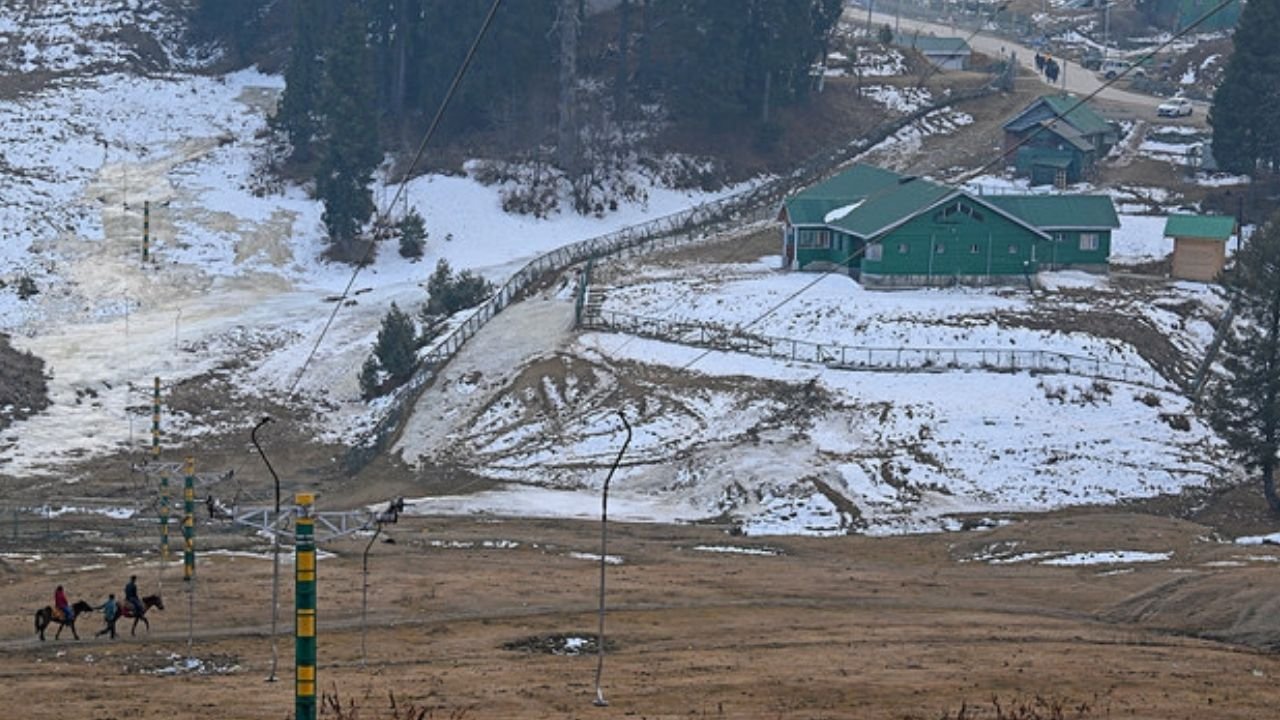
    Winter in the Himalayas should mean blanketing snow, and for Gulmarg in Indian-administered Kashmir, one of the highest ski resorts in the world, that usually means thousands of tourists.

    This year, the deep powder once taken for granted is gone. The slopes are brown and bare, a stark example of the impact of the extreme weather caused by the rapidly heating planet, experts say.

    The lack of snow is not only hammering the ski industry but has a worrying impact on agriculture, the mainstay of Kashmir’s economy.

    “Seeing this snowless Gulmarg, I feel like crying every day,” said adventure tour operator Mubashir Khan, who has put wedding plans on hold with his business teetering near collapse.

    “In the 20 years of my working here, this is the first time I see no snow in Gulmarg in January,” said Majeed Bakshi, whose heliskiing service for high-spending tourists stands idle.

    A lone helicopter waits for the few tourists who have still come, offering flights over higher peaks that have a dusting of snow.

    “Our guests are mainly skiers, and they have all canceled their bookings,” said hotel manager Hamid Masoodi. “Those who come despite no snow are also disappointed.”

    Ski lifts are closed, rental shops are shut and a newly constructed ice rink is a pool of dank water.

    “The current dry spell is an extreme weather event — which are predicted to become more intense and frequent in the future,” said climate scientist Shakil Romshoo, from Kashmir’s Islamic University of Science and Technology.

    For decades, an insurgency seeking independence or a merger with Pakistan — and military operations to crush that movement — has seen tens of thousands of civilians, soldiers and rebels killed in Kashmir.

    The rebellion has lost much of its former strength, and India has been heavily promoting domestic tourism in the region, home to spectacular mountain scenery

    But in Gulmarg, hotel bookings have plunged by as much as three-quarters, tourism professionals say, as hundreds of guides and scooter drivers sit waiting in the sunshine, praying for snow.

    “Most foreigners who mainly come for skiing on the deep powder slopes have canceled,” Bakshi said. “I have lost about 70 percent of bookings so far.”

    Perched at 2,650 meters (8,694 feet), the Himalayan resort is also home to the Indian army’s High Altitude Warfare School, located close to the highly militarised Line of Control, the de facto border that divides contested Kashmir between India and Pakistan.

    Kashmir has recorded little rain, and temperatures are about six degrees Celsius (42.4 degrees Fahrenheit) higher than normal since autumn last year, according to meteorology officials.

    Last month, precipitation across Kashmir was down 80 percent from past years.

    Gulmarg received a few snow showers, but that soon melted.

    India’s Ministry of Earth Sciences said in a 2020 report they expected the Himalayas and Kashmir would be “particularly subject” to warming temperatures.

    Earlier this month, the UN’s World Meteorological Organization said the 2023 annual average global temperature was 1.45 degrees Celsius above pre-industrial levels (1850-1900) — the warmest year on record.

    The nine hottest individual years on record were the last nine.

    In Kashmir, the impact is clear. Gulmarg’s bowl-shaped landscape, beloved by tourists for the snow in winter and meadows of flowers in spring, is brown and bleak.

    Scientists warn rising global temperatures are unleashing a cascade of extreme weather events.

    Beyond the collapse of the skiing industry, many in the ecologically fragile region are worried about impending water shortages that would have a dire potential impact on agriculture.

    Romshoo, the climate scientist, said research indicates Kashmir “will experience more frequent and prolonged dry spells,” worsening in the decades ahead.

    Changing weather patterns have already altered farming practices.

    Snow melt usually helps refresh the usually full rivers, but this week, authorities in Kashmir warned of water shortages and the risk of forest fires, with many wooded areas tinder dry.

    Rice farmers needing plentiful water for their paddy fields have begun switching to fruit.

    But that crop is also at risk, with the dry spell and sunshine meaning some trees are already flowering, blossoming more than two months early.

  • Price Monitoring Committee responds to alarming spike in food prices

    Price Monitoring Committee responds to alarming spike in food prices

    In response to the surge in food prices, the Food and Industries Departments of Punjab, Sindh, and KP have jointly implemented robust monitoring measures, including heavy fines, surprise raids, and the sealing of establishments engaging in price gouging.

    The Caretaker Minister for Planning, Development, and Special Initiatives, Muhammad Sami Saeed, led a crucial meeting of the National Price Monitoring Committee (NPMC) on Tuesday.

    The committee convened to assess the prices of essential commodities amid the current economic challenges.

    As of the week ending on January 11, 2024, the Chief Statistician, PBS, presented a comprehensive overview of the country’s price situation.

    The report revealed a 1.4 per cent increase in the SPI over the previous week (WoW) and a significant 44.2 per cent surge over the corresponding week of the previous year.

    The spike in SPI was primarily attributed to the increased prices of perishable items such as tomatoes and onions, as well as poultry products like chicken and eggs.

    Out of the 21 monitored items, prices for 21 increased, 8 decreased, and 22 remained stable. Noteworthy declines were observed in the prices of potatoes, vegetable ghee, and sugar.

    During the meeting, the minister inquired about the measures taken by provincial governments and ICT to bridge the gap between wholesale and retail prices.

    Representatives from the provincial Food and Industries Departments of Punjab, Sindh, and KP assured strict monitoring through the imposition of heavy fines, surprise raids, and the sealing of shops involved in overcharging.

    Despite challenges in the supply of perishable items due to extreme weather conditions, the meeting underscored the importance of addressing climate change.

    The administration of Punjab is actively working on controlling prices by sensitising Deputy Commissioners across the province.

  • Japan quake toll rises to 62 as weather hampers rescuers

    Japan quake toll rises to 62 as weather hampers rescuers

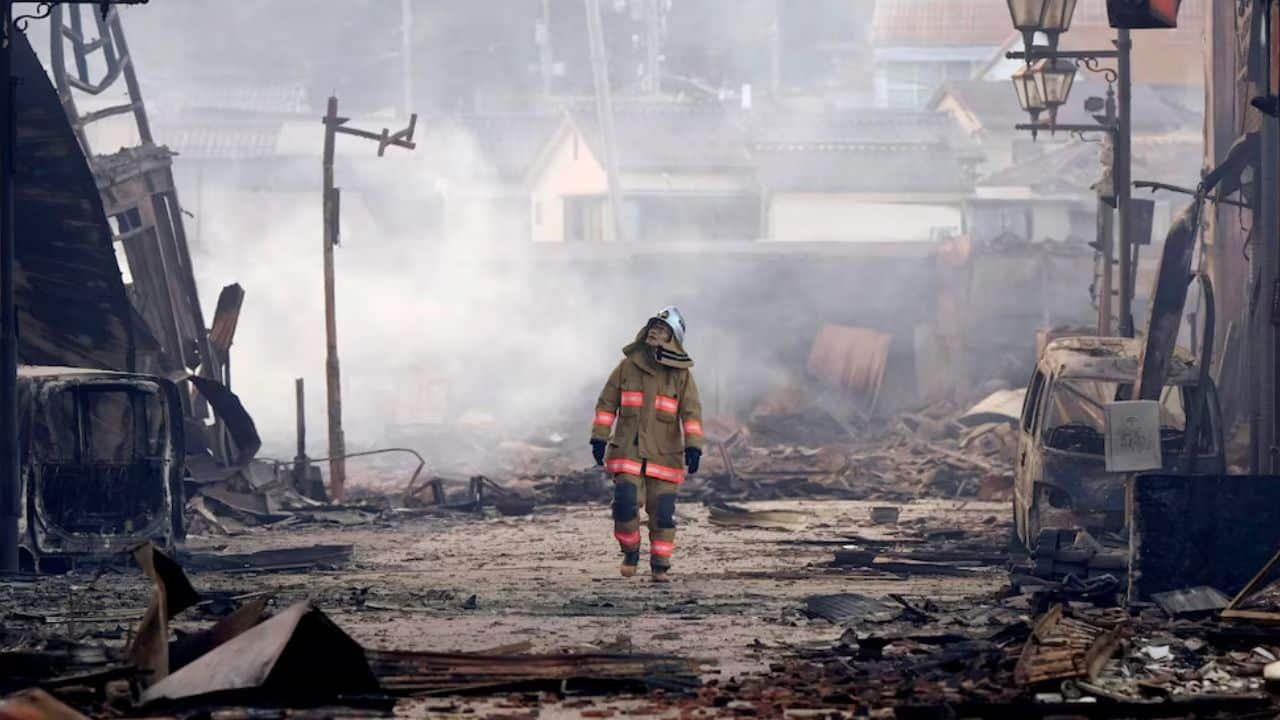
    Japanese rescuers scrambled to search for survivors on Wednesday (January 3) as authorities warned of landslides and heavy rain after a powerful earthquake that killed at least 62 people.

    The 7.5-magnitude quake on January 1 that rattled Ishikawa prefecture on the main island of Honshu triggered tsunami waves more than a metre high, sparked a major fire and tore apart roads.

    The Noto Peninsula of the prefecture was most severely hit, with several hundred buildings ravaged by fire and houses flattened in several towns, including Wajima and Suzu, as shown by before-and-after satellite images released on Wednesday.

    The regional government announced Wednesday that 62 people had been confirmed dead and more than 300 injured, 20 of them seriously.

    The toll was expected to climb as rescuers battle aftershocks and poor weather to comb through rubble.

    More than 31,800 people were in shelters, the government said.

    “More than 40 hours have passed since the disaster. We have received a lot of information about people in need of rescue and there are people waiting for help,” Prime Minister Fumio Kishida said Wednesday after an emergency task force meeting.

    “Rescue efforts are being made by the local authorities, police, firefighters and other operational units, while the number of personnel and rescue dogs is enhanced.

    “However, we ask you to remain fully mindful that we are in a race against time and to continue to do your utmost to save lives, putting people’s lives first,” Kishida said.

    The Japan Meteorological Agency (JMA) has issued a heavy rain warning in the area.

    “Be on the lookout for landslides until the evening of Wednesday,” the agency said.

    In the coastal city of Suzu, mayor Masuhiro Izumiya said there were “almost no houses standing”.

    “About 90 per cent of the houses (in the town) are completely or almost completely destroyed… the situation is really catastrophic,” he said, according to broadcaster TBS.

    A woman at a shelter in the town of Shika told TV Asahi that she “hasn’t been able to sleep” due to aftershocks.

    “I’ve been scared because we don’t know when the next quake will hit,” she said.

    Nearly 34,000 households were still without power in Ishikawa prefecture, the local utility said.

    Many cities were without running water.

    Shinkansen bullet trains and highways have resumed operations after several thousand people were stranded, some for almost 24 hours.

    The US Geological Survey said the quake had a magnitude of 7.5, while the JMA measured it at 7.6, triggering a major tsunami warning.

    The powerful quake was one of more than 400 to shake the region through Wednesday morning, the JMA said.

    Japan lifted all tsunami warnings after waves at least 1.2m high hit the town of Wajima and a series of smaller tsunamis were reported elsewhere.

    Japan experiences hundreds of earthquakes every year and the vast majority cause no damage.

    The number of earthquakes in the Noto Peninsula region has been steadily increasing since 2018, a Japanese government report said last year.

    The country is haunted by a massive 9.0-magnitude undersea quake off northeastern Japan in 2011, which triggered a tsunami that left around 18,500 people dead or missing.

    It also swamped the Fukushima atomic plant, causing one of the world’s worst nuclear disasters.

  • ‘Social media is being used to create environment of chaos,’ says General Asim Munir

    ‘Social media is being used to create environment of chaos,’ says General Asim Munir

    In a recent address at the National Farmers Convention in Islamabad, Chief of Army Staff (COAS) General Asim Munir expressed concern over the rampant spread of fabricated claims against the state of Pakistan on social media.

    “Social media is being used to create an environment of chaos, despair, and panic. Through fake news, an impression is being created that the state is losing its [writ],” the army chief said in an address to the National Farmers Convention in Islamabad on Friday.

    Pakistan, like many other nations, is grappling with the challenge of fake news on social media, where unfounded reports fueled by emotional appeals are spreading rapidly and contributing to societal divisions. A detailed report earlier this year by EU DisinfoLab revealed that Indian media outlets were involved in a smear campaign against Pakistan, quoting non-existent organizations, journalists, and bloggers.

    COAS Munir highlighted that such smear campaigns are not limited to external actors, as investigations have revealed the involvement of the Imran Khan-led Pakistan Tehreek-e-Insaf (PTI) in using state resources to spread false propaganda against state institutions.

    Addressing the farmers, COAS Munir addressed the rumors and negative impressions being spread about Pakistan. He emphasized the historical significance of Pakistan, stating that it is founded on the principles of the Kalima, with divine backing for the country.

    COAS Munir reminded the audience of Pakistan’s abundant resources, including glaciers, rivers, mountains, and fertile land producing world-class rice, fruits, and valuable minerals like granite, gold, and copper.

    He lamented that Pakistan, once one of the fastest-growing countries in Asia in the 1960s, witnessed a decline due to forgetting the golden principles of faith, unity, and discipline advocated by the Quaid-i-Azam.

    Moving forward, COAS Munir discussed the Green Pakistan Initiative, highlighting its focus on boosting agriculture. He assured that a major chunk of the initiative’s income will go to the provinces, while the rest will be kept for farmers and agricultural research, he said, noting that the “role of the army in this is only to serve the people and farmers”.

    COAS Munir pledged to ensure easy agricultural credit, a cold storage chain, climate change-resistant seeds, and genetically engineered livestock for farmers.

  • Five standout events of the year 2023 in the world

    Five standout events of the year 2023 in the world

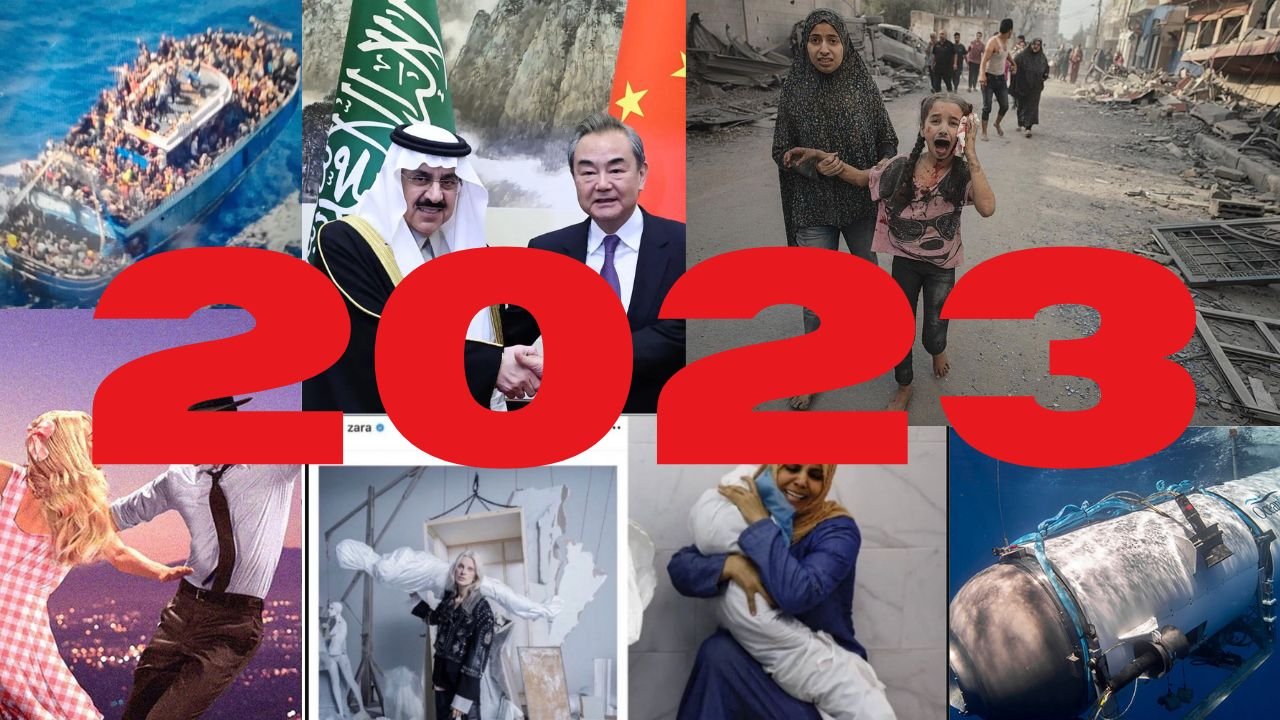
    Diplomats like Maliha Lodhi had predicted that 2023 was going to be a “world of uncertainty” and that proved somewhat true. The world witnessed a hotchpotch of events where at one end a positive step was taken to restore peace in the Middle East when China brokered a deal between Iran and Saudi Arabia but Israel’s war on Gaza made everything fall apart.

    Apart from the man-made conflicts, nature also lashed out with climate change emerging as a dark reality the world can no longer ignore.

    Earthquake in Syria and Turkey

    Early in the year, a ferocious earthquake in Syria and Turkey cost more than 67, 000 lives, a staggering number. It hit southern and central parts of Turkey and northern and western parts of Syria on the morning of February 6. Thousands of buildings were destroyed with the severe magnitude 7.7 quake and aftershocks that struck Antakya within hours. It is estimated to be the most severe earthquake in Turkey since 1939.

    Iran and Saudi Arabia’s friendship mediated by China

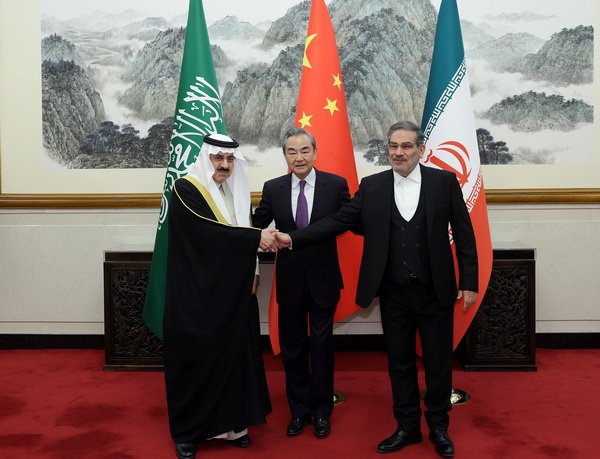
    In an unexpected turn of events, China mediated a deal between arch-enemies Saudi Arabia and Iran in March, earlier this year, surprising the world. The thawing of relations was termed a major blow to the overpowering role of the USA in the region and was dubbed a “wave of reconciliation”.

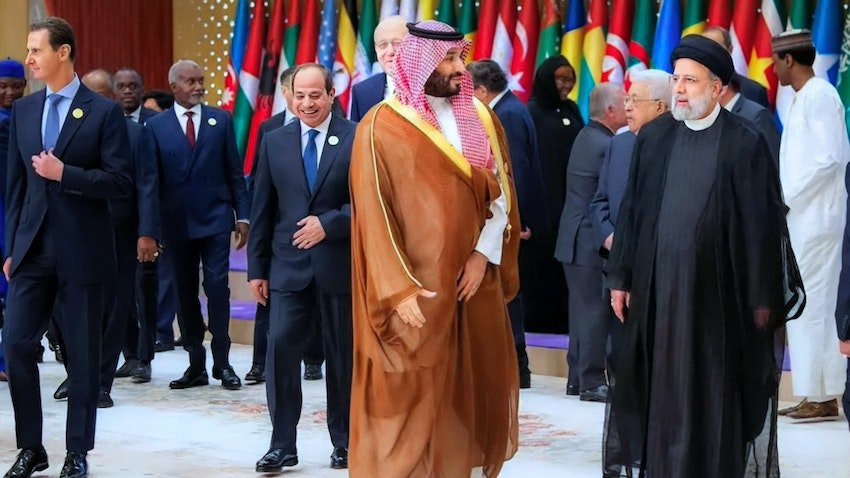
    Saudi Crown Prince and Prime Minister Mohammed bin Salman met with Iranian President Ebrahim Raisi for the first time post the deal on the sidelines of the joint Arab-Islamic summit in Riyadh on December 9, 2023, a moment for the history books.

    Titan submarine

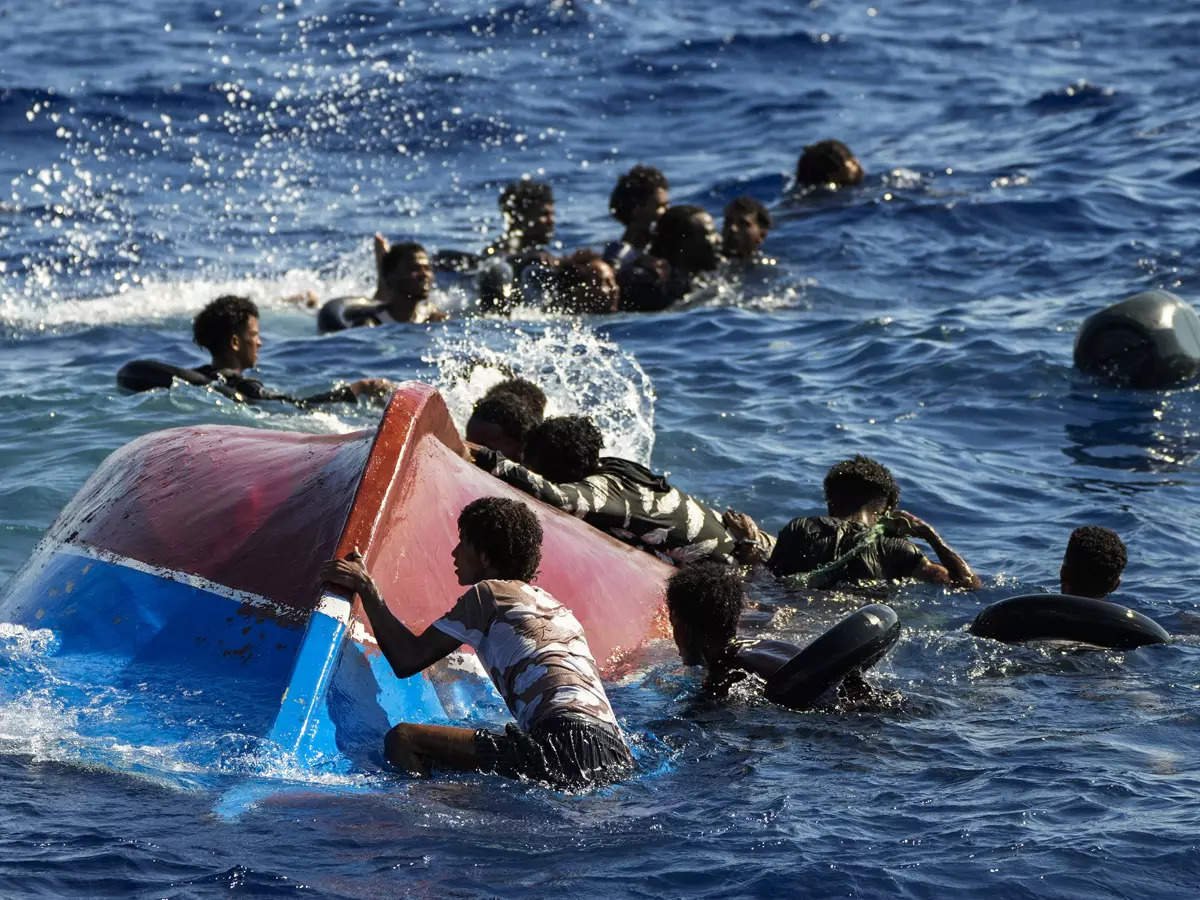
    The tragedy of the Titan submarine came at a point when the world was witnessing the humongous tragedy of the immigrant boat disaster in Greece. In the first one, five men of rich backgrounds lost their lives in an adventurous pursuit while in the latter, 80 people died, and more than 500 went missing in the sea as the over-crowded ship sank.

    The glaring irony sent shockwaves all around the world where a group paid billions of dollars for their death in the name of seeing an archive deep in the sea and the other died by getting suffocated by being cramped in the basement of a ship. The illegal immigrants were denied entry in Greece and due to overloading, it sank. The incident also pointed towards the core racism in the world because the victims were largely brown Asians and Africans while the white population was saved by the authorities.

    Barbenheimer
    The Barbenheimer phenomenon marked the revival of cinema post-covid that engulfed the world in a frenzy.

    Two big-budget movies were coming out on the same day. One was Christopher Nolan’s directorial Oppenheimer, based on the life of the American scientist, the head of the Manhattan Project, and the creator of the Atomic Bomb, J. Robert Oppenheimer. Even though it was about a scientist and the makers were expecting it to attract a niche audience, the movie did great business. The other was the Greta Gerwig directorial Barbie, a live-action, musical based on the life of the famous fictional doll. The audiences had high expectations of how it will be presented and they were not disappointed as the movie went on to break records. The release of the two movies activated the meme brigade to the point that a new pop-culture reference came to life in the form of Barbenheimmer.

    Israel’s War on Gaza

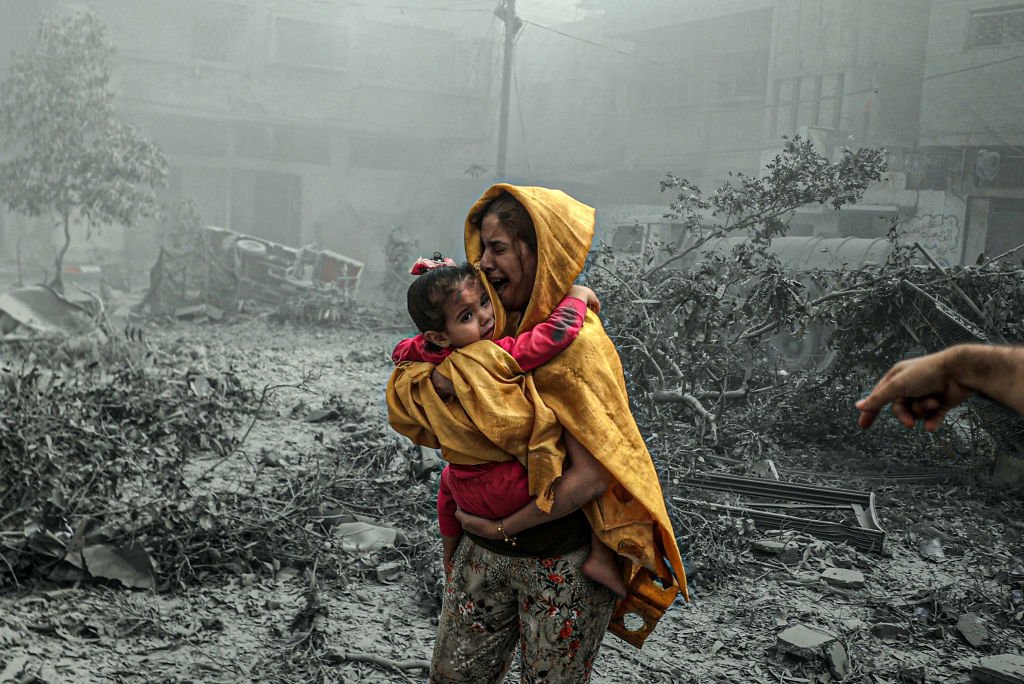
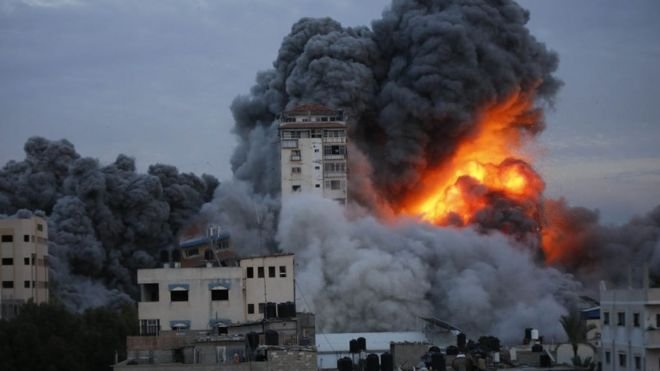
    The war that shook the world was the siege of Gaza by Israel. On October 7 Hamas invaded Israel and took at least 236 hostages. Israel retaliated in what is being called a disproportionate response. The genocide of the poor Gazans has not ended till now with the death toll nearing 21,000 after 80 days of war whereas the Israeli deaths remained at 1200. A short-term truce provided a little break for the return of hostages but Israeli Prime Minister Benjamin Netanyahu has pledged to not stop. Massive protests across the world saw the tide of public opinion turn towards Palestine.

    GAZA CITY, GAZA – OCTOBER 23: A woman holding a girl reacts after Israeli airstrikes hit Ridwan neighborhood of Gaza City, Gaza on October 23, 2023. (Photo by Ali Jadallah/Anadolu via Getty Images)
  • World Bank greenlights $350 million for Pakistan’s fiscal reforms

    World Bank greenlights $350 million for Pakistan’s fiscal reforms

    The Board of Executive Directors of the World Bank gave its approval on Wednesday for a financing package of $350 million to support Pakistan’s fiscal and competitiveness reforms.

    This funding is allocated for the Second Resilient Institutions for Sustainable Economy (RISE-II) Operation, with the primary goal of strengthening fiscal management and promoting competitiveness for sustainable and inclusive economic growth, according to a statement from the World Bank.

    Najy Benhassine, the World Bank Country Director for Pakistan, stressed the urgent need for fiscal and structural reforms in Pakistan to restore macroeconomic balance and establish the groundwork for sustainable growth.

    He highlighted that RISE-II builds upon previous phases of tax, energy, and business climate reforms, aiming to generate additional revenues, improve expenditure targeting, and stimulate competition and investment.

    The RISE-II Operation is designed to enhance fiscal management by improving fiscal policy coordination, increasing debt transparency and management, strengthening property taxation, and enhancing the financial viability of the power sector.

    Additionally, the operation seeks to boost growth and competitiveness by reducing the cost of tax compliance, improving financial sector transparency, promoting digital payments, and facilitating exports through reduced import tariffs.

    Derek H. C. Chen, Task Team Leader of the operation, emphasised the crucial opportunity for Pakistan to address long-standing structural distortions in its economy after the upcoming general elections.

    Failing to seize this opportunity, he warned, could lead the country back into stop-and-go economic cycles.

    Recently, the World Bank projected a decrease in remittance flows to Pakistan, estimating a decline to $24 billion in 2023 and a further drop below $22 billion with a 10 per cent decline in 2024.

    The report attributed this trend to growing economic turmoil, a balance of payment crisis, and high debt, resulting in a loss of public confidence and a shift of remittances from formal to informal channels.

    Addressing Pakistan’s economic challenges, Martin Raiser, the World Bank’s Regional Vice President for South Asia, noted difficult situations, floods, and climate change.

    He highlighted that the country is trapped in a low-growth scenario with poor human development outcomes and increasing poverty. Raiser urged Pakistan to make crucial decisions for a brighter future, emphasising the need for difficult but necessary steps.

    In its October report, ‘South Asia Development Update Towards faster, cleaner growth,’ the World Bank projected positive growth for Pakistan in fiscal years 2023–24, albeit at a modest rate of 1.7 per cent.

    The report underscored the country’s dependence on capital inflows to finance substantial fiscal and current account deficits.

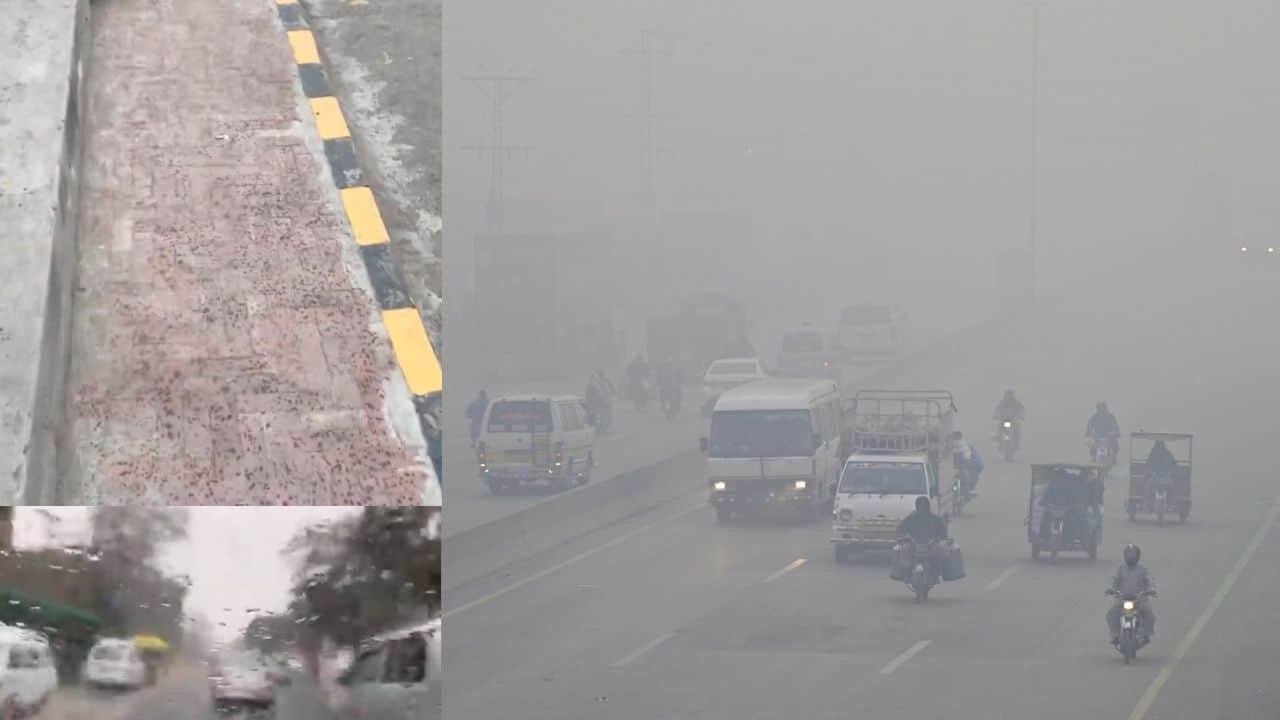
  • Artificial rain in Lahore; Just looking like a wow

    Artificial rain in Lahore; Just looking like a wow

    In a historic stride, Lahore on Saturday witnessed its maiden experiment with artificial rain, revealed caretaker Chief Minister of Punjab, Mohsin Naqvi.

    Addressing the media in Lahore, the caretaker CM Punjab said that the occasion marks the first successful venture into artificial rain in the country’s history. He revealed that this morning, Lahore, previously the most polluted city, experienced artificial rain for the first time.

    Naqvi clarified that no additional funds were allocated for this initiative, however, he expressed willingness to spend money if needed to combat smog. Rainfall occurred in approximately 10 areas of Lahore, covering a planned region of 10 to 15 km.

    He expressed gratitude to the Environment Department and the UAE team for their exhaustive scrutiny of the process, culminating in the eagerly awaited results.

    Detailing the procedure, Naqvi disclosed that 48 flares were deployed for cloud seeding, specifically targeting the Shahdara area.

    Looking ahead, Naqvi mentioned the upcoming installation of smog towers. He emphasized that the artificial rain experiment, being both novel and impactful, is currently under observation for short-term and long-term effects. Results from the artificial rain are expected tonight.

    Naqvi shared insights into the cloud seeding mission, noting that it was executed some time ago, directing clouds towards Shahdara and Muridke.

  • Saudi Arabia says ‘absolutely not’ to oil phaseout at COP28

    Saudi Arabia says ‘absolutely not’ to oil phaseout at COP28

    AFP – DUBAI: Saudi Arabia’s energy minister has slammed the door shut on agreeing to phase out fossil fuels at the UN’s COP28 climate talks, setting the stage for difficult negotiations in Dubai.

    A tentative “phasedown/out” was included in a first draft of an agreement on climate action that delegates are haggling over during talks that are scheduled to finish on Dec 12.

    But Energy Minister Prince Abdulaziz bin Salman, a half-brother of de facto ruler Crown Prince Mohammed bin Salman, told Bloomberg that Saudi Arabia, the world’s biggest oil exporter, would not agree.

    “Absolutely not,” he said in an interview in Riyadh.

    “And I assure you not a single person – I’m talking about governments – believes in that.”

    About 200 countries must come to a consensus decision at the meeting in Dubai, held at the end of the hottest year on record.

    In an interview with AFP last week, United Nations Secretary-General Antonio Guterres called for a total phaseout of fossil fuels, warning “complete disaster” awaits mankind on its current trajectory.

    But Prince Abdulaziz said: “I would like to put that challenge for all of those who… comes out publicly saying we have to (phase out), I’ll give you their name and number, call them and ask them how they are gonna do that.

    “If they believe that this is the highest moral ground issue, fantastic. Let them do that themselves. And we will see how much they can deliver.”

    ‘Small change’

    Separately, the Saudi royal also derided Western donations to a new climate loss and damage fund as “small change” and trumpeted Riyadh’s pledges to developing countries.

    The fund for vulnerable nations – a major win at the start of COP28 – has attracted about US$655 million (S$876.22 million) so far from donors including the European Union and the United States, a sum criticised as insufficient by campaigners.

    “Unlike the small change offered for loss and damage from our partners in developed countries, the Kingdom through its South-South cooperation announced in the Saudi Africa Summit in Riyadh last month the allocation of up to US$50 billion,” he said in a video message to Monday’s Saudi Green Initiative forum, held on the sidelines of COP28.

    “This will help build resilient infrastructure and strengthen climate resilience and adaptation in the African continent directly through Saudi stakeholders,” added the prince, without giving further details.

    Such private funds have been criticised by campaigners for lacking transparency and because the pledges are non-binding and include loans and investments.

    Saudi Arabia has revamped its energy sources, invested in renewables and improved energy-efficiency as it tries to decarbonise its economy by 2030, Prince Abdulaziz added.

    But that target does not include emissions from the 8.9 million barrels of oil a day exported by Saudi Arabia.

    Africa and its energy mix is an area of focus for both Saudi and the UAE, which in September pledged US$4.5 billion for clean-energy investments in the continent.

    “You cannot go to undeveloped countries or developing countries and ask them to do the same measures of the transition,” Yasir Al-Rumayyan, chairman of Saudi state oil giant Aramco, told the forum.

    “Especially people who don’t have access to the energy.”

    He said he heard an African minister say “in order for us to have growth, we have to carbonise first then to decarbonise.”

  • World Health Organization’s annual report highlights growing threat of malaria due to climate change

    World Health Organization’s annual report highlights growing threat of malaria due to climate change

    World Health Organization (WHO) has released an annual malaria report which includes, for the first time, a dedicated chapter focused on the intersection of the disease with climate change. “We are at the crossroads of opportunities and challenges,” says the report.

    As described in the report, climate change is one of many threats to the global response to malaria. Millions of people continue to miss out on the services they need to prevent, detect, and treat the disease. Conflict and humanitarian crises, resource constraints and biological challenges such as drug and insecticide resistance also continue to hamper progress.

    The COVID-19 pandemic significantly disrupted malaria services, leading to a surge in both incidence and mortality rates, exacerbating already stalled progress against the disease. The world is in danger of losing the fight against malaria, as cases of the disease rose by around 5 million year-on-year in 2022, exceeding global targets to contain it, a new World Health Organization (WHO) report.

    Pandemic-related disruptions and extreme weather events linked to climate change have hindered the fight against malaria in recent years.
    Cases surged in areas where weather was most extreme.

    Floods in Pakistan last year, for example, led to a five-fold increase in malaria cases in the country, the report showed.
    Two new malaria vaccines, both of which are due to be available next year, provide some hope.

    But the report also showed a significant funding gap in the response. While $4.1 billion was invested in the global effort to tackle malaria in 2022, roughly $7.8 billion was needed, it said.

    Globally there were an additional five million malaria cases in 2022 over the previous year and five countries bore the brunt of these increases. Pakistan saw the largest increase, with about 2.6 million cases in 2022 compared to 500 000 in 2021.