Tag: Climate change

  • Stockholm to ban petrol, diesel cars in city centre from 2025

    Stockholm to ban petrol, diesel cars in city centre from 2025

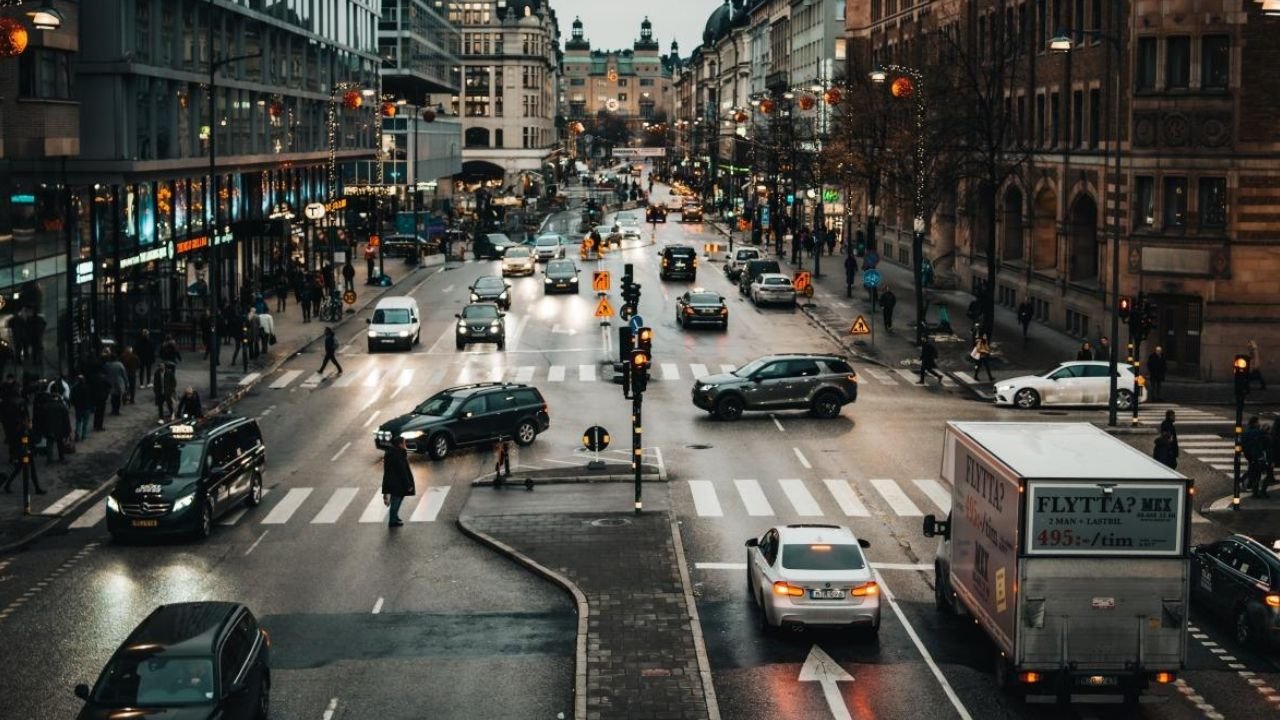
    The capital of Sweden, Stockholm, will ban the presence of petrol and diesel cars by 2025 in a central 20-block area of the city in order to achieve better air quality.

    The city’s vice-mayor for transport and urban environment, Lars Stromgren, said in a statement, “Nowadays the air in Stockholm causes babies to have sick lungs and the elderly to die prematurely. It is a completely unacceptable situation,”
    He added that there is a need to “limit the harmful exhaust gases from petrol and diesel cars,”

    The 20-block area of the city is a bustling part of Stockholm with a shopping district, office buildings, and eateries. And according to Stromgren, this area “has a lot of pedestrians and cyclists, where the air quality needs to be better,”

    “This is also a part of the city where we see that there is a lot of interest in a faster electrification, with actors that can spearhead the transition,” he added.

    The ban will come into effect on December 31, 2024. However, police cars, ambulances and other security services will be exempted.

  • Climate Change causing bird populations to deplete in Pakistan

    Climate Change causing bird populations to deplete in Pakistan

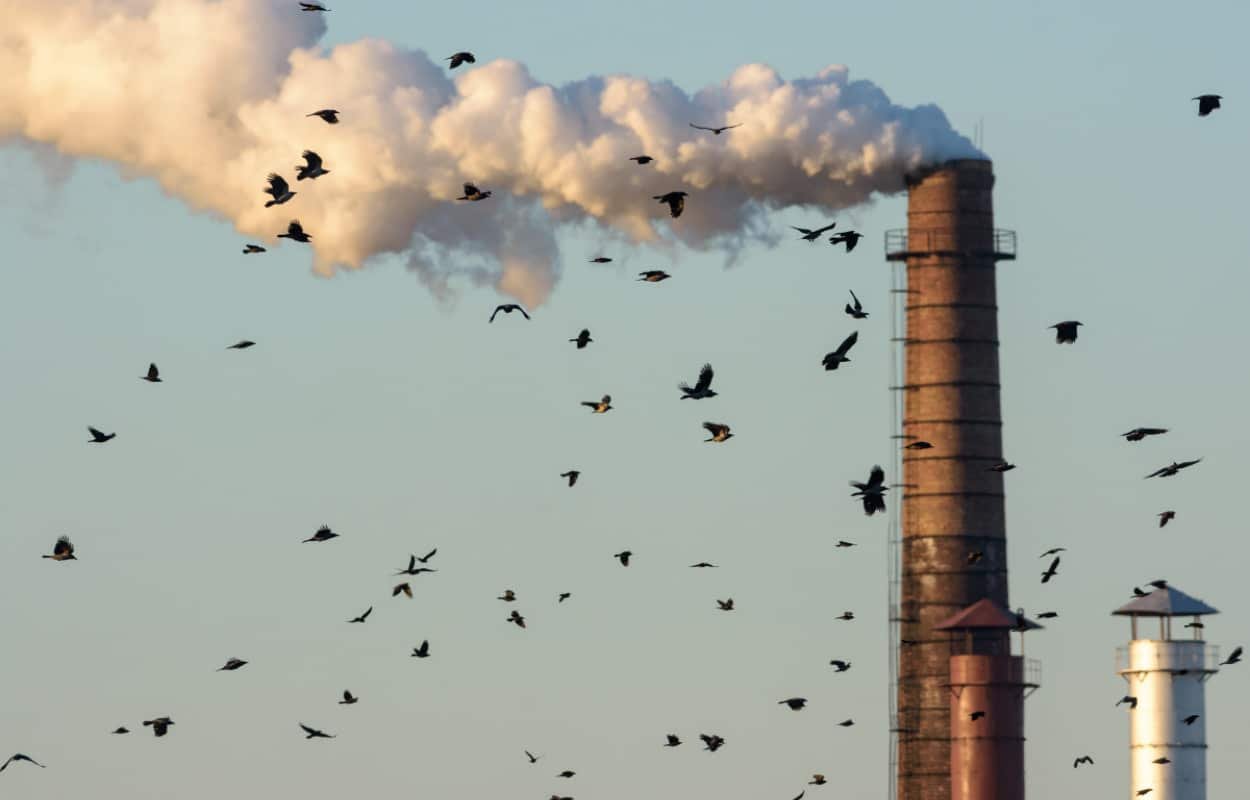
    In the tragic saga of climate change in Pakistan, it is not just humans but birds too that are affected.

    While the avian population has nothing to contribute to the phenomenon of climate change, they are paying the price for it with their lives. According to a State of the World’s Birds report, nearly half of all bird species are in decline with more than one in eight at risk of extinction.

    The situation is not any better in Pakistan. Not just the indigenous species are at risk but the ones migrating to the plains of Pakistan are severely decreasing as well. The research by wildlife expert Dr Azhar has come out at a time when the world is fighting with a challenge as magnanimous as global warming. Scientists have warned that if the temperature increases 3.5 degrees above the current one by 2100, almost 600-900 species would be killed off.

    A significant decrease in the number of birds in tropical regions has been noticed, including the endangered northern snowbird. Even the number of common sparrows is plummeting as declared by the International Convention for Conservation of Nature. For instance, a loss of three billion birds in North America alone posing a threat to biodiversity. Simultaneously, sparrows are being put on a ‘Red List’ in Greater London after a loss of 70 per cent of sparrows was recorded between 1994 and 2001.

    The reason it has not been done in Pakistan, as expressed by renowned ornithologist Mahmood Akhtar Cheema, is because nobody has actually attempted to count the number of these birds at present, implying that they are surely less than before. He warned that it is going to be even worse in the future because of the scarcity of food, changes in habitat, earlier egg-laying time, higher rate of disease transmission and frequent season changes.

    It is explicitly clear that birds’ populace is an indicator of the environmental health around us. The staggering decrease is alarming on many levels. It also demands extensive research and policy making to protect biodiversity. The areas may include the changing weather patterns disturbing the timing of migration to egg-laying and sizes and controlling extreme urbanization to provide for their natural habitats.

  • 150 still missing after glacial burst in Kolkata

    At least 42 people have reportedly died after flash floods swamped following a glacial lake burst its banks in the Indian Himalayas in Kolkata this week.

    150 missing people are still missing.

    On Wednesday, a cloudburst led to severe rain, causing Lhonak Lake to overflow and a consequential avalanche resulting in the flooding of Teesta river.

    It is said to be one of the worst calamities in the region in more than 50 years.

    Accoeiding to authorities in Sikkim, 22,000 people have been affected.

    “We got calls from people that river levels could rise at 3am and we ran for our lives,” Reuters quotes Javed Ahmed Ansari, 44, a resident of Teesta valley, who owns a river rafting business.

    “We ran towards the hill in the jungle … We saw houses getting swept away. I can now only see the first floor of our house which is filled with sand, everything is submerged.”

    According to Reuters, officials involved in the project said that scientists and government authorities had beenbworking on an early warning system for glacial floods at Lhonak Lake which could have given people more time to evacuate if it was fully operational.

  • Karachi ranked most polluted city in world, second day in row

    Karachi ranked most polluted city in world, second day in row

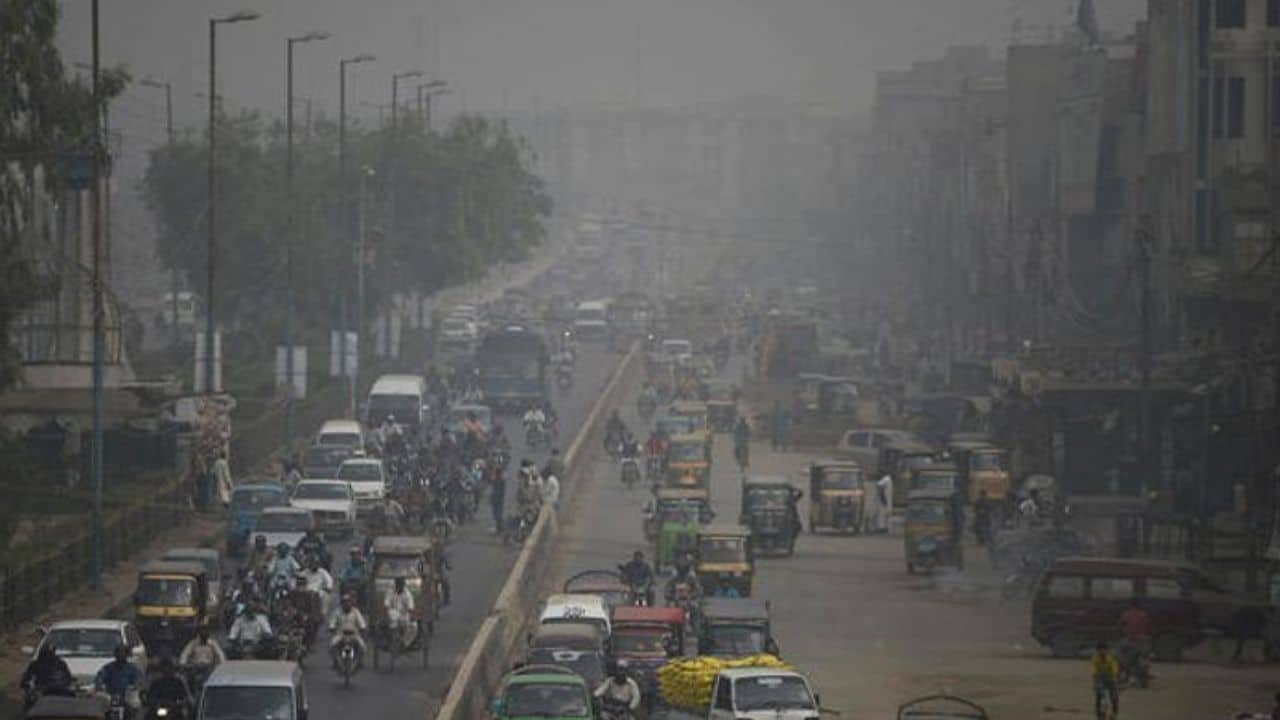
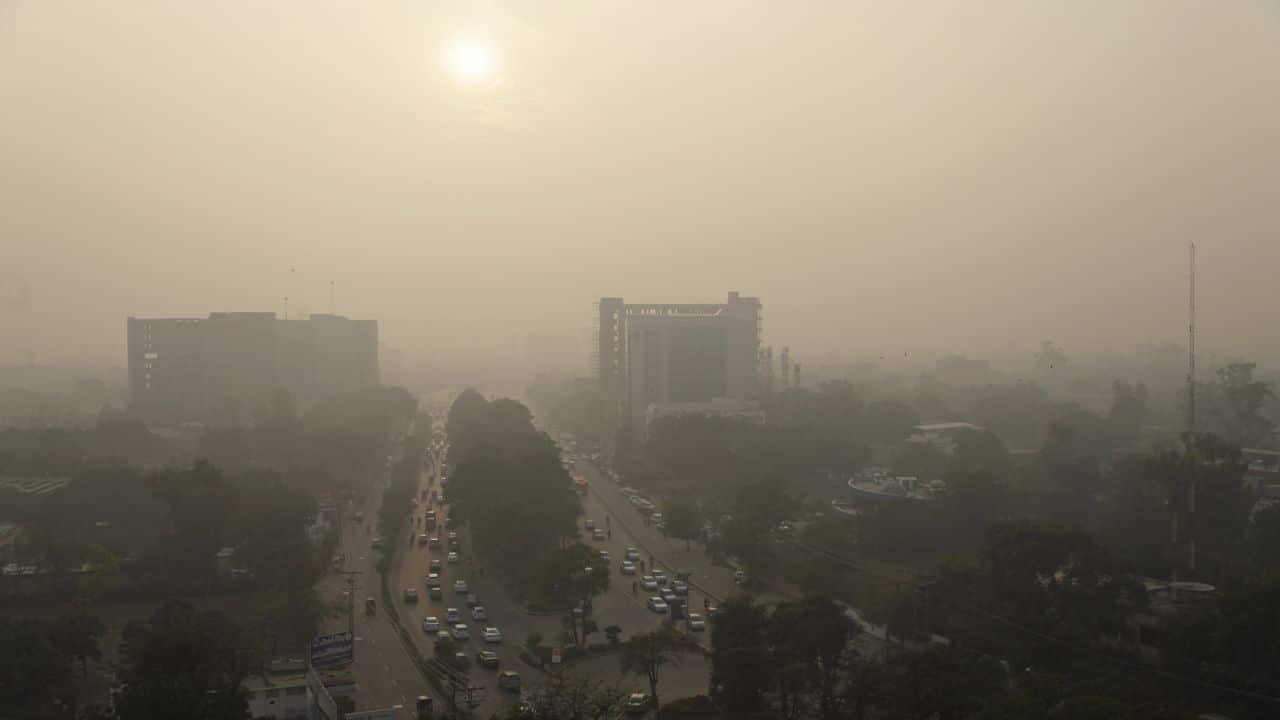
    Karachi has been at the top of the list of the world’s most polluted cities for the past consecutive two days.

    Dawn newspaper quoted ‘IQAir.com’, an air quality monitoring website, stating that Karachi topped the chart, followed by New Delhi.

    The concentration of 2.5 particulate matter (pm) in Karachi is 20.3 times higher than the annual air quality guideline value of the World Health Organization (WHO) as last night it recorded an air quality index of 175.

    Air quality index readings in the range of 151 to 200 are considered unhealthy, while air quality index readings between 201 and 300 are dangerous and severely harmful to health.

    According to the annual report released by ‘IQ Air’, the level of pollution in Karachi has not improved over the past few years, in fact it has increased.

  • Govt attributes UAE’s fresh meat export ban to faulty refrigeration systems in containers

    Govt attributes UAE’s fresh meat export ban to faulty refrigeration systems in containers

    The Trade Development Authority of Pakistan (TDAP) has attributed the United Arab Emirates’ (UAE) restriction on fresh chilled meat exports from Pakistan to issues with inefficient or non-functional refrigeration systems.

    The ban, effective October 10, 2023, was enacted in response to substandard fresh beef shipments detected in Dubai. TDAP revealed that subpar meat quality was linked to refrigeration problems in reefer containers, a responsibility of shipping lines. Exporters affected by the ban have filed claims against these shipping entities.

    According to Brecorder, the UAE’s Ministry of Climate Change and Environment revised its list of approved slaughterhouses for meat exports via sea routes, imposing specific requirements on shipments of fresh and chilled meat until October 10. Only vacuum-packed or modified-atmosphere-packed meat, conforming to specific shelf-life criteria, will be permitted via sea transport.

    Notably, this ban does not affect fresh and chilled meat shipments by air. TDAP is actively engaged in resolving the issue, with the Pakistani Consulate in Dubai collaborating with stakeholders to determine the cause. TDAP remains optimistic that constructive dialogue and cooperation will lead to a resolution, allowing the resumption of fresh chilled meat exports from Pakistan to the UAE.

  • Environmental Protection Agency seals brick kilns, impounds cars

    Environmental Protection Agency seals brick kilns, impounds cars

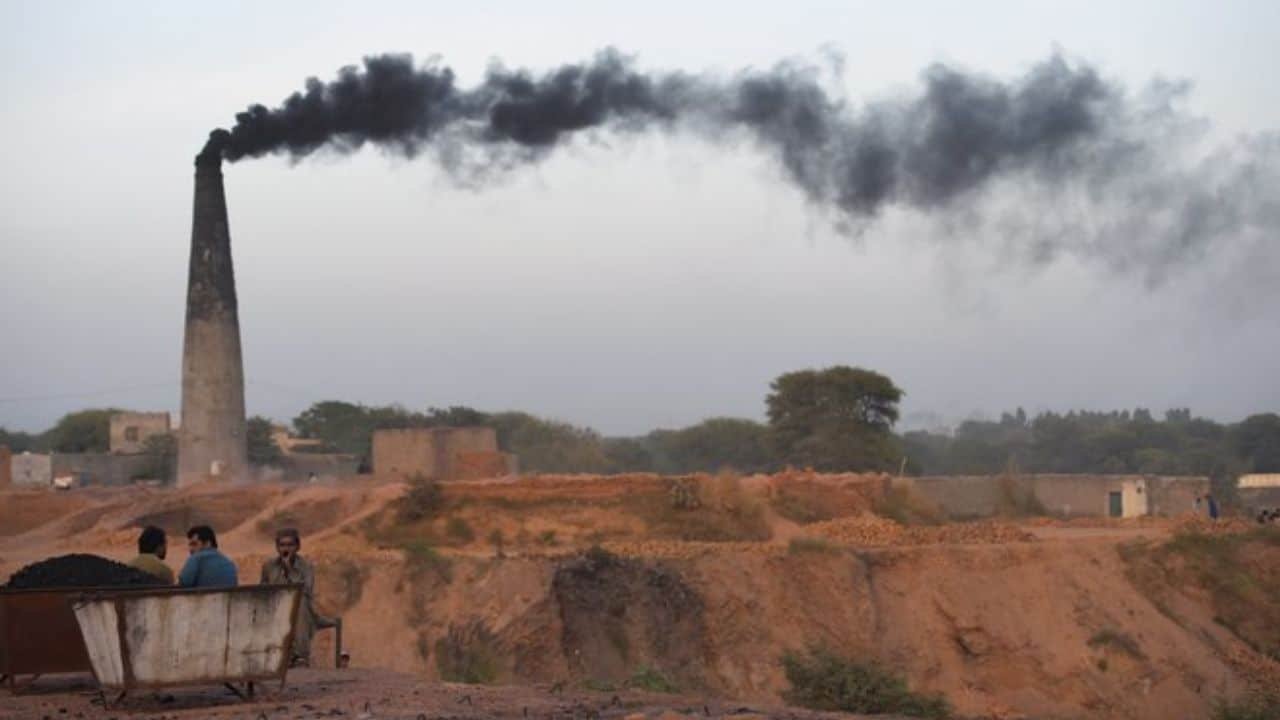
    In a crackdown by the Rawalpindi Environmental Protection Department, 12 brick kilns and six stone crushing units have been sealed while 33 vehicles have been seized for violating environmental laws.

    Express Tribune reported that as per a spokesperson, the purpose of the operation is to counter increasing smog in the region.

    Authorities also identified numerous dengue larvae breeding sites during the operation, and filed cases against 35 property owners, sealing 20 properties.

    The operation was conducted by Environment Protection Department Deputy Director Maria Safeer, Senior Inspector Romaisa Babar and inspectors Maqbool Hussain, Mohsen Shah and Inamul Haque.

    After inspecting 350 vehicles, 124 smoke-emitting cars were issued challans by the authorities, 33 were impounded, and a total fine of Rs228,800 was imposed.

    Similarly, 152 brick kilns were thoroughly examined which revealed that 18 of them were emitting excessive smoke.

    Cases against seven kiln owners have also been filed.

    Additionally, eight hospitals received notices for contributing to pollution, with two of them being charged accordingly.

  • Libya floods: 3,000 dead, 10,000 missing

    Libya floods: 3,000 dead, 10,000 missing

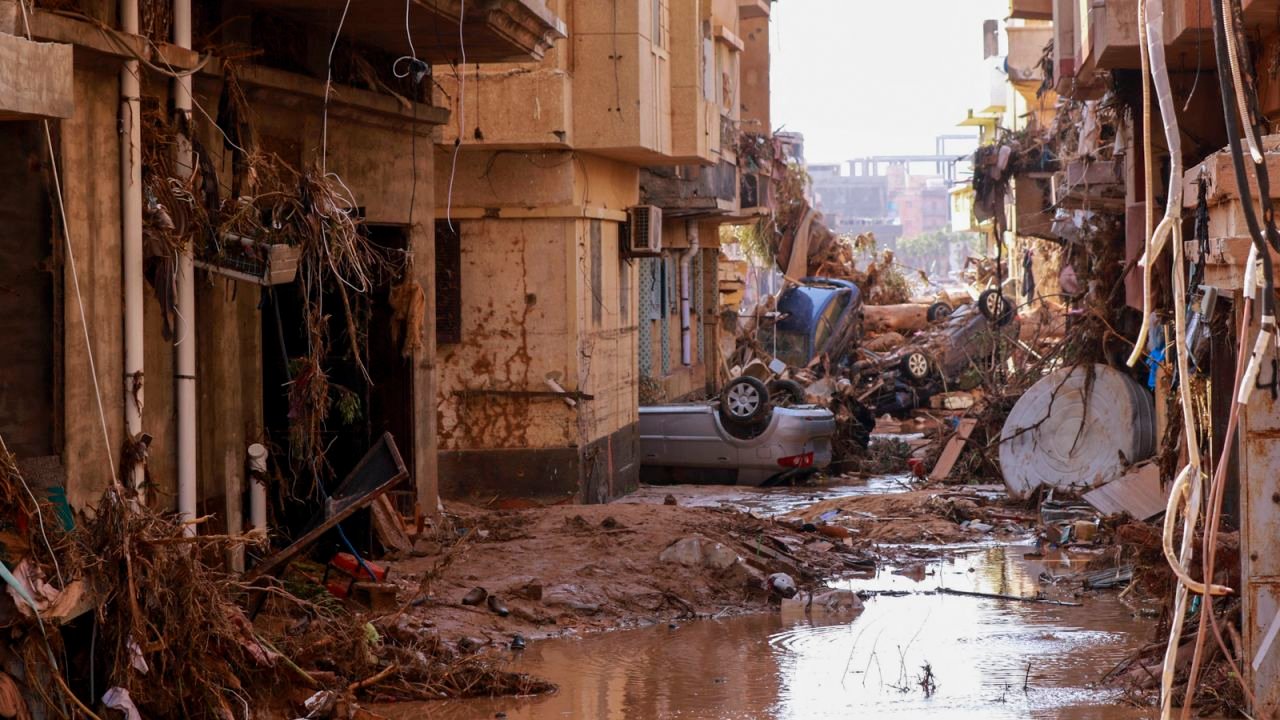
    Around 3,000 people have died while 10,000 are missing and 20,000 people have been displaced since heavy floods have hit eastern Libya, multiple international news outlets have said.

    Aid is being sent to Benghazi via plane carrying 14 tonnes of supplies and medical personnel even though the hard-hit areas are still difficult to reach.

    Additionally, relief convoys are being sent from west to east in divided Libya as the eastern region has been deemed a disaster zone by the internationally recognised Tripoli government.

    However, according to Al-Jazeera, “Authorities have struggled to reach Derna, because roads leading to the city are destroyed or cut off by flooding.” Moreover, communications with the city have been broken off, hindering information collection on casualties and damage.

    According to the Benghazi administration, more than 1,000 bodies have been recovered from the Mediterranean city of Derna.

    Storm Daniel

    Storm Daniel hit eastern Libya on Monday, leaving a path of destruction in its wake. Two dams on the Wadi Derna River were destroyed and consequently, millions of cubic metres of water swept through the area.

    Al-Jazeera also spoke with National Council on Libya-US Relations who stated that “About 4sq km [1.5sq miles] at the heart of the city have been eroded completely.”

    Moreover, Tamer Ramadan, a member of International Federation of Red Cross and Red Crescent Societies delegation to Libya, referred to the issue of dealing with the flood that is “beyond the capabilities of the government, of the national society, of the people” and that assistance from international actors would be needed.

    Benghazi Minister of Civil Aviation Hichem Chkiouat managed to visit Derna and spoke with Reuters, “Bodies are lying everywhere – in the sea, in the valleys, under the buildings.”

    “I am not exaggerating when I say that 25 percent of the city has disappeared,” he added.

  • Govt not reducing solar net metering rate of Rs19 

    Govt not reducing solar net metering rate of Rs19 

    In an official statement, Muhammad Ali, the Caretaker Minister for Energy and Petroleum, has provided clarity on the government’s stance regarding incentives for solar net metering. Addressing recent speculation in the media and on social platforms, he affirmed that the government has no intentions of reducing the incentives associated with solar net metering, particularly the rate of Rs19.  

     “There were talks of a change in the rate of solar net metering in media and social media that the government is reducing the net metering rate from Rs19. I want to clarify and ensure that we are not taking any such measure,” he said. 

    Furthermore, Ali announced the government’s upcoming initiative to introduce a special incremental tariff for industrial electricity users before October 31. This endeavor is aimed at ensuring affordable electricity for industrial sectors, thereby relieving some of the financial burden on energy consumers. 

    In its ongoing efforts to support energy consumers during the winter season, the government is actively working on devising a special tariff designed to mitigate expenses for this specific period. 

    Ali also disclosed the government’s rigorous measures to combat electricity theft, which includes a nationwide crackdown on the illegal activity. He reported that individuals implicated in electricity theft within distribution and other utility companies have been reassigned, and comprehensive actions are being taken against them. Additionally, a crackdown against gas theft has been initiated to curb such practices. 

    Previously, reports had suggested that the government was contemplating the issuance of an ordinance to further regulate net metering. This decision was prompted by concerns that the installation of solar panels on rooftops had inadvertently increased capacity payments to Independent Power Producers (IPPs). Notably, the proposed ordinance is expected to include provisions criminalizing non-payment of electricity bills, as reported by Geo News

  • Air pollution in South Asia can cut life expectancy by more than five years per person

    Air pollution in South Asia can cut life expectancy by more than five years per person

    University of Chicago’s Energy Policy Institute (EPIC) has published its latest report about Air Quality Life Index on Tuesday. The report deduced that rising air pollution can cut life expectancy by more than five years per person in South Asia which is currently one of the most polluted places in the world.

    Primary contributors in the region’s declining air quality are increasing industrialisation and population growth. The particulate pollution levels are resultantly more than 50 percent higher in comparison to the century’s start, posing a much greater health threat.

    What does the report say about Pakistan?
    According to the report, 98.3% of Pakistan’s population lives in areas exceeding the national air quality standard of 15 micrograms per cubic meter.

    From 1998 to 2021, average annual particulate pollution increased by 49.9% in Pakistan and reduced life expectancy by 1.5 years.

    In Punjab, Islamabad, and Khyber Pakhtunkhwa 65.5 million citizens reside (69.5% of Pakistan’s population), with the country’s people potent set to lose between 3.7 to 4.6 years of life expectancy on average relative to the World Health Organization (WHO) guideline and between 2.7 to 3.6 years relative to the national standard if the current pollution levels persist.

    Moreover, if Pakistan is able to meet WHO’s guideline, Karachi residents would gain 2.7 years of life expectancy whereas residents of Lahore would gain 7.5 years and people in Islamabad would gain about 4.5 years of life expectancy.
    Pakistanis would gain 3.9 years by meeting the WHO guidelines of limiting average annual PM 2.5 concentration to 5 micrograms per cubic meter.

    Others in South Asia

    The study further expounds upon other countries in the region.

    In light of the current pollution levels, Bangladeshis can lose 6.8 years of life on average per person compared to 3.6 months in the United States.

    A Nepali would live 4.6 years longer by meeting the WHO guidelines of limiting average annual PM 2.5 concentration to 5 micrograms per cubic meter.

    It is also highlighted that India is responsible for about 59 percent of the world’s increase in pollution since 2013, threatening to reduce lifespan in some of the country’s polluted regions.

    The average lifespan in New Delhi, a heavily populated and the world’s most polluted megacity, is down by more than 10 years.

    The report added that by reducing global levels of lung-damaging airborne particles, known as PM 2.5, to levels recommended by WHO could raise average life expectancy by 2.3 years.

    China has put in work to reduce pollution by 42.3 percent between 2013 and 2021. The report suggested the governments generate accessible air quality data in order to help bridge global inequalities in accessing tools to combat pollution.
  • Heatwave woes: Rising temperatures pose new threats to air travel

    Heatwave woes: Rising temperatures pose new threats to air travel

    In a twist of fate, climate change is exacerbating the challenges of air travel, creating a new layer of misery for passengers and airlines alike. As temperatures soar due to global warming, the very air that planes need to lift off becomes less cooperative.

    When the mercury climbs, hot air’s reduced density causes planes to struggle for lift, complicating takeoffs and in-flight stability. Airlines often resort to delaying flights or unloading cargo and passengers to mitigate the issue, leading to a cascade of disruptions across the aviation system. Stranded on runways, passengers endure stifling conditions within grounded aircraft.

    Experts warn that this problem is set to intensify as the planet heats up further and the frequent occurrence of extreme heat becomes the norm. A Columbia University study projected that by mid-century, up to 30 per cent of all US flights could be subject to weight restrictions during periods of high heat.

    Regrettably, there’s no silver bullet to overcome this challenge. Ethan Coffel, an assistant professor at Syracuse University, explains that it’s a physical limitation tied to air density, leaving limited room for technological solutions.

    Heat-related delays are emerging as a more substantial issue than snow or ice. Last summer, Chicago’s O’Hare International Airport faced twice the number of weather-related delays compared to the previous winter. The impact is especially pronounced at airports with shorter runways, like New York’s LaGuardia Airport, which struggles to handle the volume of traffic it receives.

    Airports in high-altitude regions and warm climates are hit particularly hard by this heat-induced predicament. Denver and the Sun Belt cities face additional hurdles, with workers on scorching runways at risk due to the “heat island” effect. Despite efforts to make aircraft lighter and more efficient, progress is incremental, leaving airports to rely on conventional solutions like rescheduling flights and strengthening runways.

    The compounding effects of climate change on air travel are undeniable. Turbulence grows riskier, flights lengthen due to shifting wind patterns, and extreme weather spawns more delays. To truly address this issue, a holistic approach is required, including a concerted effort to reduce fossil fuel emissions, a primary driver of climate change. Amidst these challenges, the future of air travel remains uncertain, prompting travellers to brace for increasingly tumultuous skies.