Tag: clothes

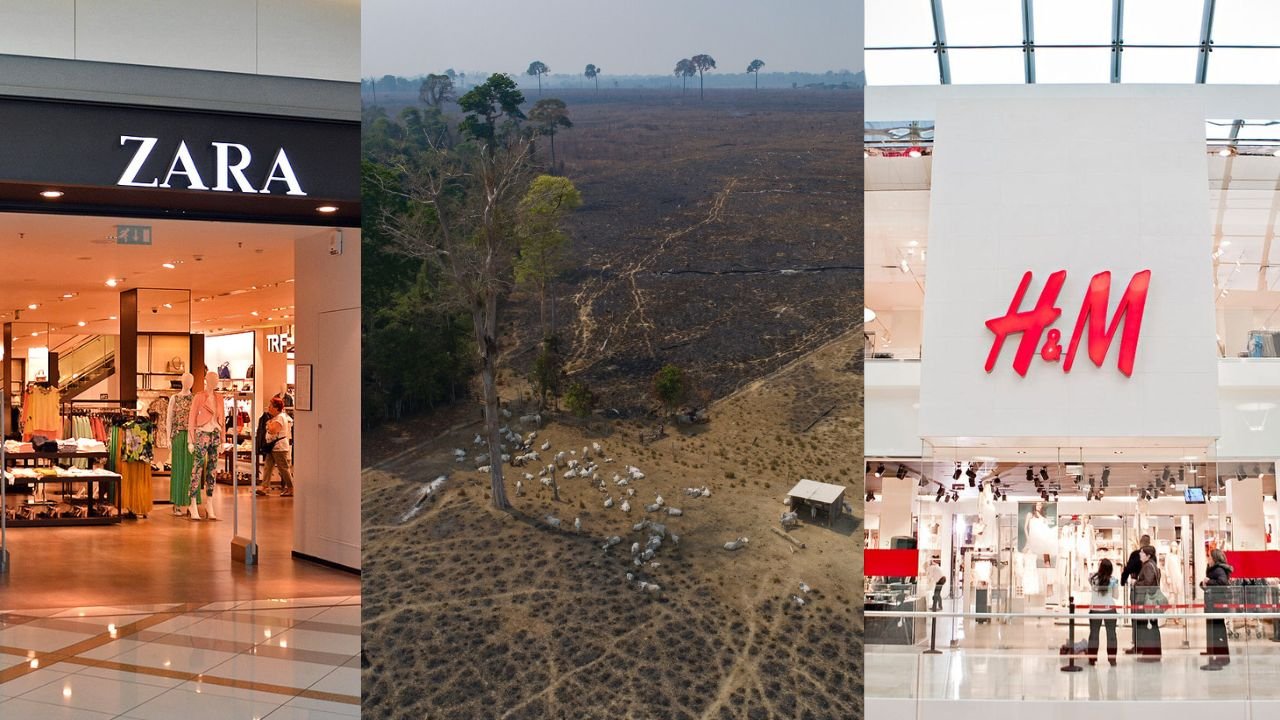
  • Report links H&M, Zara to environmental destruction in Brazil

    Report links H&M, Zara to environmental destruction in Brazil

    Fast fashion giants H&M and Zara have used cotton from farms linked to massive deforestation, land-grabbing, corruption and violence in Brazil, a report by the environmental group Earthsight said Thursday.

    Based on satellite images, court rulings, shipment records and an undercover investigation, the report, titled “Fashion Crimes,” found the companies sourced “tainted cotton” farmed in the fragile Cerrado savanna by two of Brazil’s biggest agribusiness firms, SLC Agricola and the Horita Group.

    Despite abuses linked to its production, the cotton had been labeled as ethical by leading certification scheme Better Cotton, exposing “deep flaws” in the oversight program, said the British environmental group.

    The Cerrado, the most biodiverse savanna on Earth, has been disappearing at an accelerating rate as Brazil’s massive agribusiness industry has increasingly turned to the region in recent decades.

    Earthsight traced at least 816,000 tonnes of cotton exported from 2014 to 2023 to farms run by SLC and Horita, which “have a long record of court injunctions, corruption rulings and millions of dollars in fines related to clearances of around 100,000 hectares of Cerrado wilderness,” it said.

    The cotton in question was farmed in the northeastern state of Bahia and shipped to eight Asian clothing manufacturers whose clients include Sweden-based H&M and Spain-based Zara, the report said.

    Brazil, the world’s top exporter of beef and soybeans, has also emerged as a major cotton producer in recent years, now second only to the United States.

    But that has contributed to environmental destruction in the Cerrado, where “a ruinous mix of corruption, greed, violence and impunity has led to the blatant theft of public lands and dispossession of local communities,” Earthsight said.

    Better Cotton said in a statement it had conducted an independent audit of the “highly concerning issues raised” in the report, and that it would provide a summary of the findings.

    Zara parent company Inditex and H&M said they took the allegations seriously, and urged Better Cotton to release the auditors’ findings.

    The Brazilian Cotton Producers’ Association (ABRAPA) said it had worked with the growers in question to provide records and evidence countering the report’s allegations.

    “Unfortunately, these were largely disregarded,” it said in a statement.

    “ABRAPA unequivocally condemns any practices that undermine environmental conservation, violate human rights or harm local communities.”

  • Two women trick shopkeeper in Faisalabad

    Two women trick shopkeeper in Faisalabad

    Two women pretending to be customers tricked a shopkeeper in the Samundri area of Faisalabad.

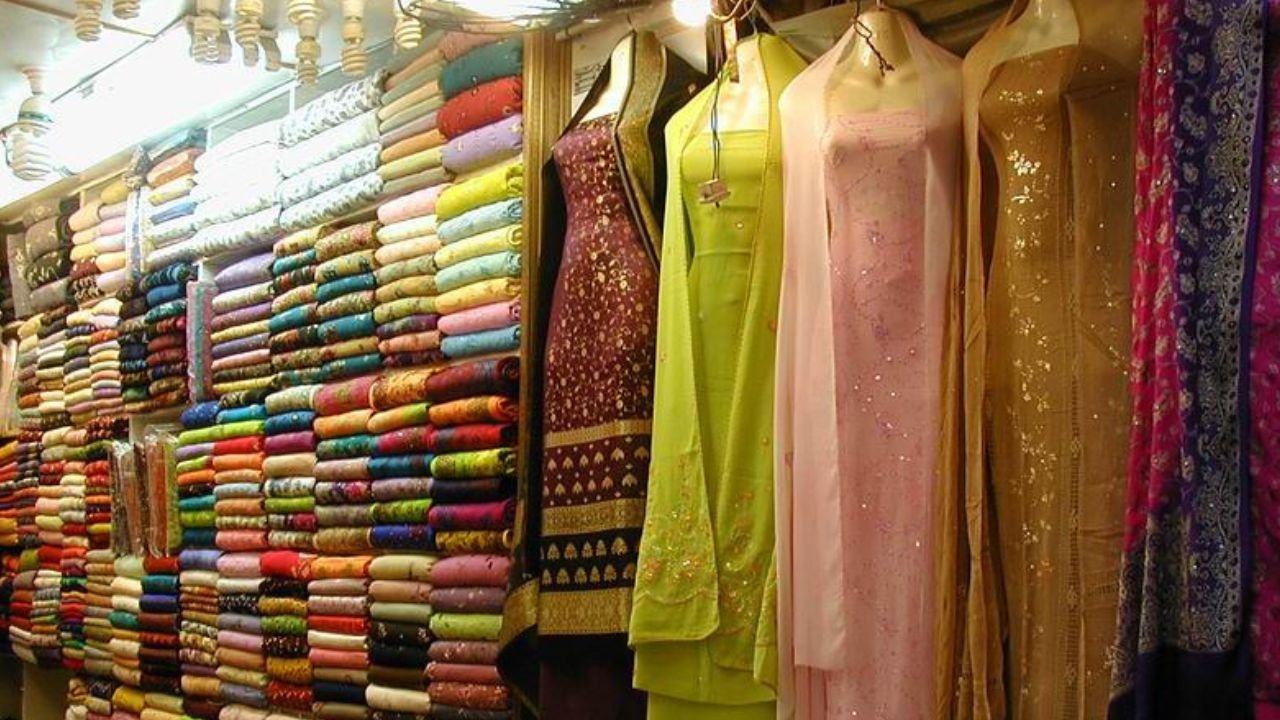
    According to details, the women entered the clothes shop on the pretext of shopping, asked the shopkeeper to show them various valuable suits and kept looking for more.

    Later, when the shopkeeper found that the suits were missing, he went through the CCTV footage after which he came to know about the women’s trickery who stole the clothes.

    The total value of the clothes was more than 40 thousand rupees.

  • Mahira Khan shines in gorgeous clothes by Indian designer Sawan Gandhi

    Mahira Khan shines in gorgeous clothes by Indian designer Sawan Gandhi

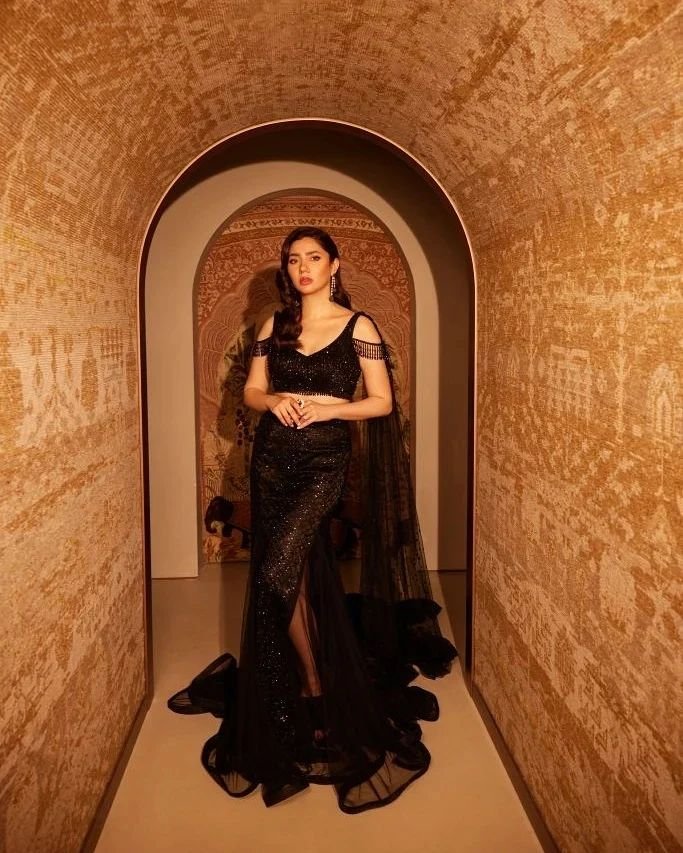
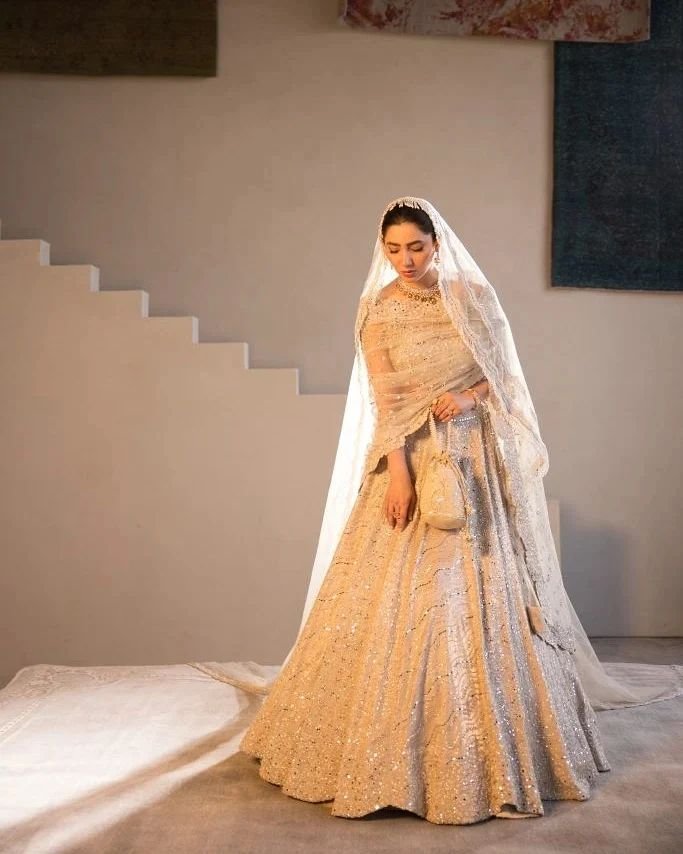
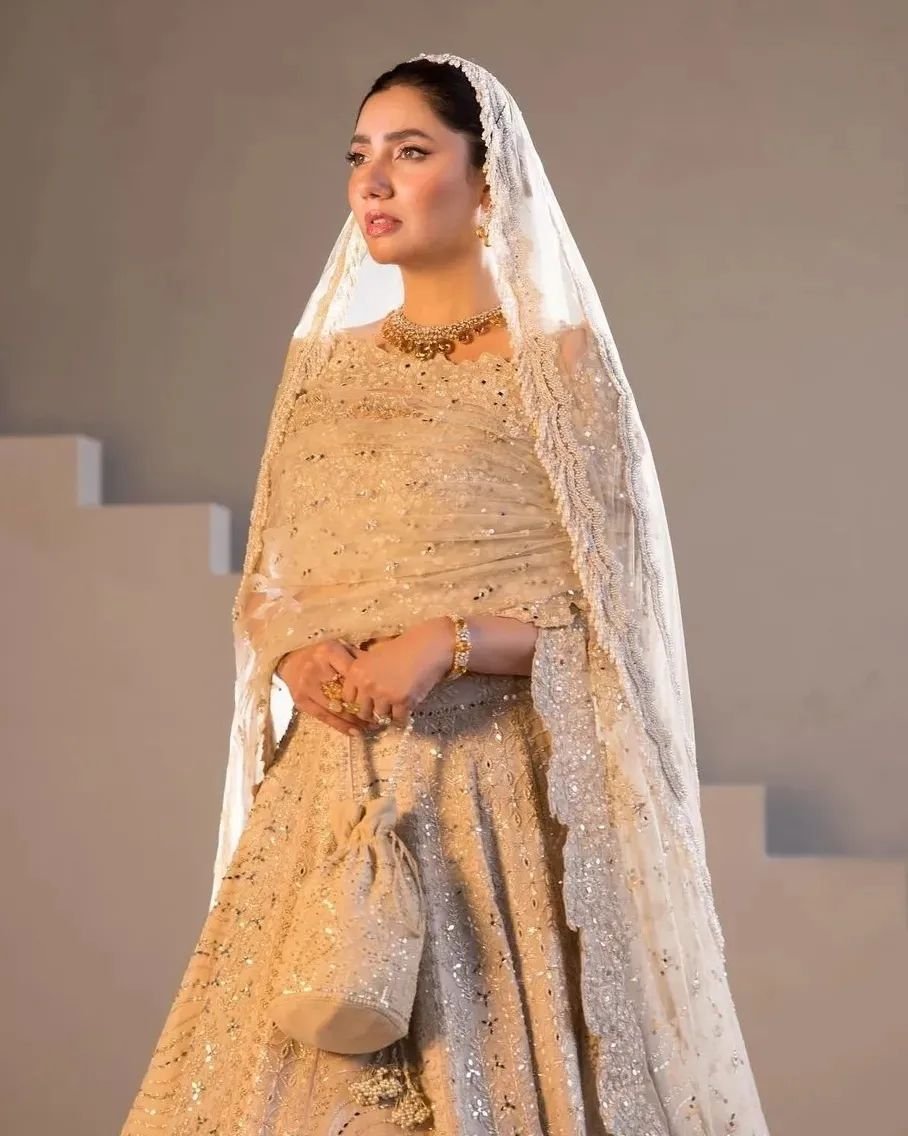
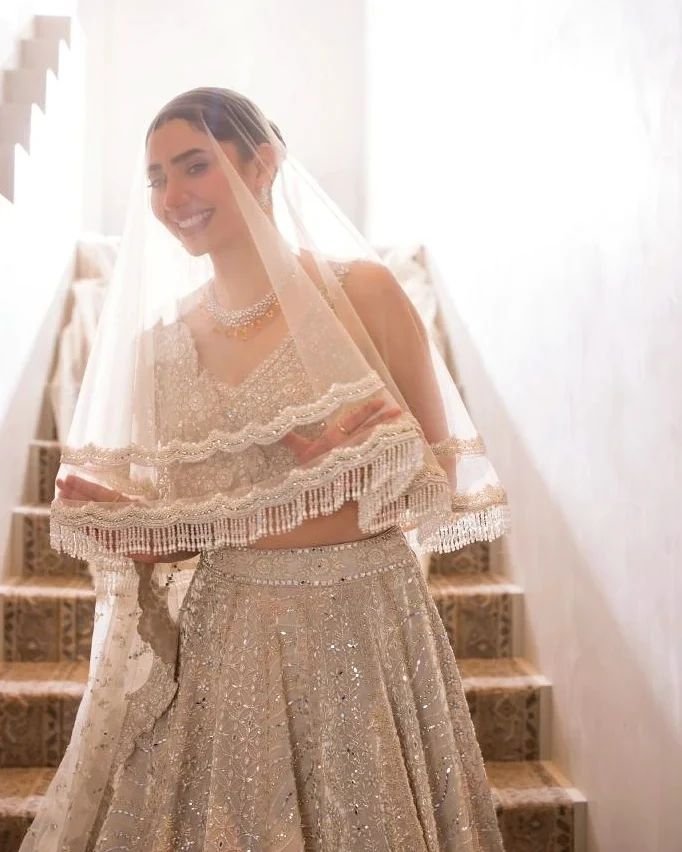
    Superstar Mahira Khan routinely does photo shoots, for all sorts of products and projects. And she looks gorgeous in all of them. But perhaps she has never looked better than in a recent ad where she teamed up with Indian designer Sawan Gandhi, causing quite a stir with her stunning clothes. She showed off a range of beautiful outfits, looking just like a wow.

    Mahira Khan has always been admired for her style and grace. She’s known for setting fashion trends and winning hearts with her clothing choices. This collaboration with Sawan Gandhi was no different. It highlighted why she’s considered one of the most stylish stars around.

    Khan wore various outfits, blending traditional and modern styles flawlessly. With her confident smile, she brought out the beauty in Sawan Gandhi’s designs, adding her own unique charm to each look.

  • You won’t believe who makes Asma Abbas’ clothes

    You won’t believe who makes Asma Abbas’ clothes

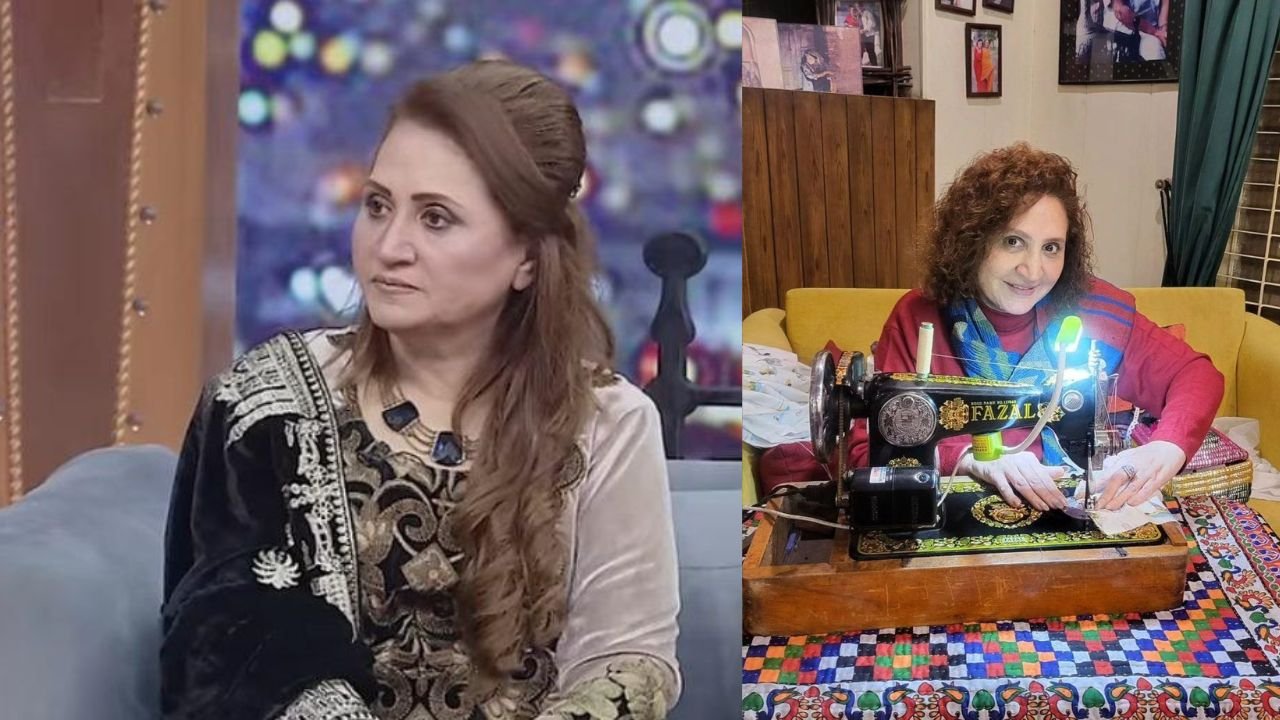
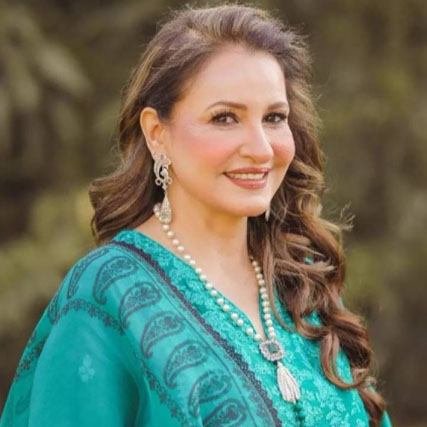
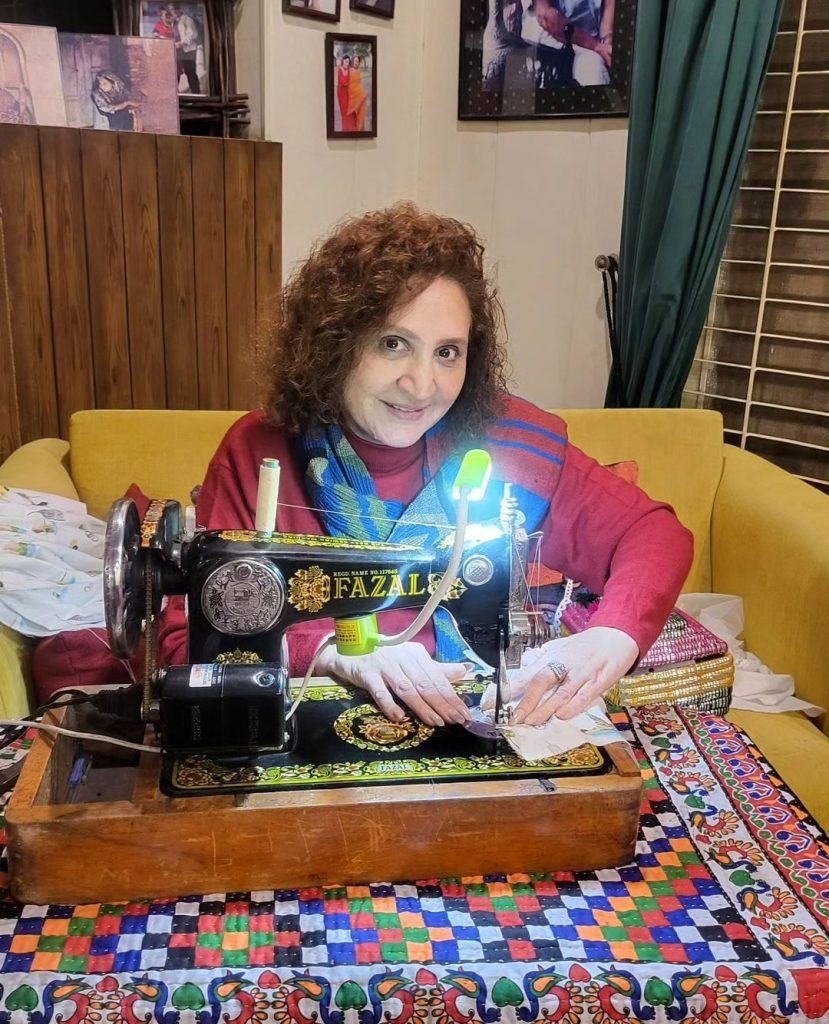
    Our favourite character artist Asma Abbas is formidably talented, but did you know her expertise isn’t limited to acting?
    Abbas has revealed that she’s also a designer with an affordable brand.

    Participating in a private TV channel’s comedy program, Asma responded to a question by stating that people should go for artificial beauty but not become Michael Jackson. “You should not spoil your face by doing injections and botox etc., you should look as you are,” she remarked.

    Answering a question about expensive brands, the senior actress said, “I have my own small brand which I run for my hobby and everyone can afford to buy my brand of clothes.”

    Asma Abbas said, “You have seen pictures of me sewing clothes on social media, I design and sew my own clothes, I have never worn designer clothes because I don’t want to wear clothes on demand. That’s why I make my own clothes, I’m my own designer and I love myself.”

  • ‘I think your clothes don’t define you as a good or a bad person’; Ushna Shah on wearing hijab

    ‘I think your clothes don’t define you as a good or a bad person’; Ushna Shah on wearing hijab

    Actress and model Ushna Shah shared her thoughts on wearing a hijab in a recent interview. The superstar pointed out that some people believe that wearing a hijab automatically makes someone a good person. However, she emphasized that one’s clothing choices do not determine whether they are a good or bad person.

    Ushna Shah highlighted that wearing a hijab is a personal choice, and during the interview.

    Reminiscing about her Umrah experience two years ago, during the COVID-19 pandemic, she explained that there’s a misconception in society that if you wear a hijab or cover yourself, you are automatically considered a good person. She presented these views to highlight the contrasting perspectives that exist in society: “If you wear lehenga choli or sleeveless in your marriage then you are the opposite of good.”

    “I know many of those who cover themselves but I don’t believe them as good human beings. I think your clothes don’t define you as a good or a bad person,” she said.

    Ushna Shah shared that choosing to wear a hijab is a personal decision, and it’s something between an individual and God, so others shouldn’t interfere.

    She also expressed her belief that modest clothing is both comfortable and stylish. According to her, opting for modest clothes has its advantages, such as freeing us from worries about weight gain and complicated hairstyling.
    She added: “I enjoy wearing hijab and I understand why so many women enjoy this. It freed us from so many problems and in such clothing, you represent your religion.”

  • Shop that sold used sherwani getting sued by customer

    Shop that sold used sherwani getting sued by customer

    A local boutique owner has been sent a compensation notice by an upset buyer who alleges that he was sold an old sherwani for his cousin’s wedding.

    A man, identified as Usman Shabbir, reached out to the Consumer Protection Court to file a complaint against the owner of the local boutique demanding Rs500,000 from him.

    The News reports that the sherwani was ordered from the boutique on September 8 and according to the notice, the new sherwani was to be designed for Rs20,000 while Shabir paid Rs15,000 in advance.

    “The owner of the boutique gave an old sherwani instead of a new one,” the notice read, adding that the owner violated the Punjab Consumer Protection Act 2005.

    The district consumer court has summoned the owner of the boutique on January 2, 2024 .

  • Landa Bazar traders threaten to close shops due to increased taxes on imported products

    Landa Bazar traders threaten to close shops due to increased taxes on imported products

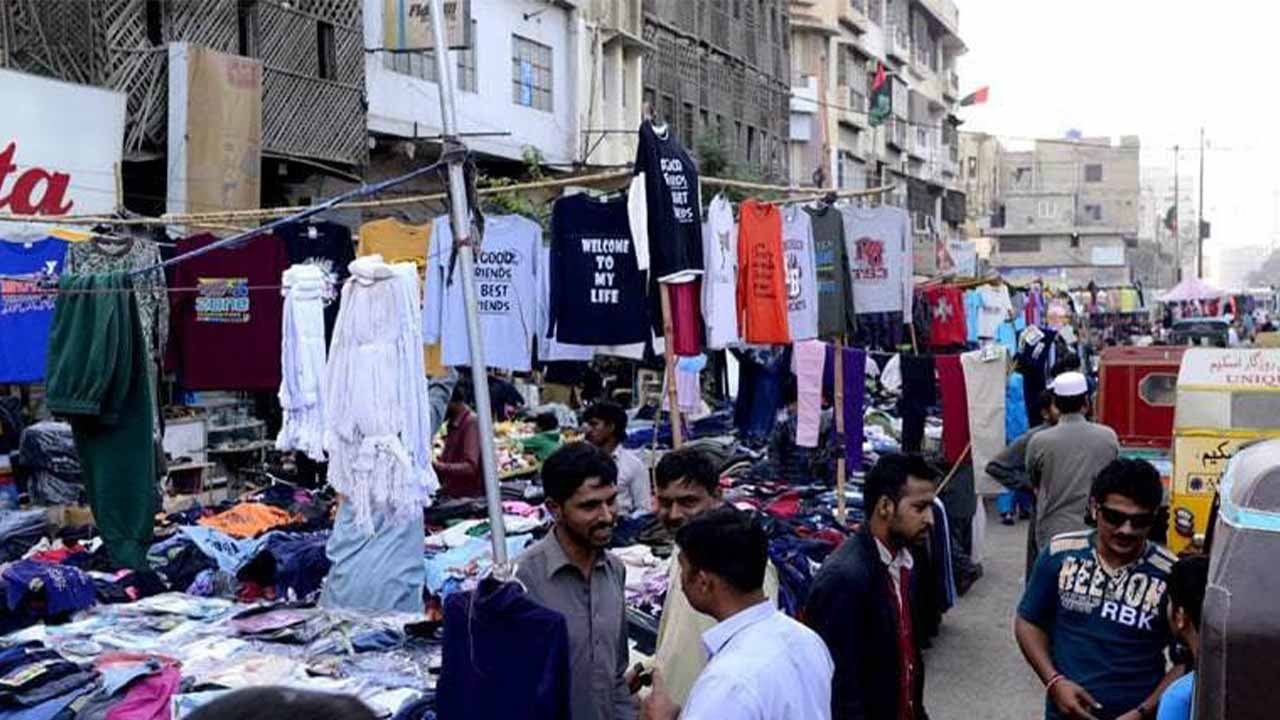
    Shop owners at Landa Bazaar Karachi have threatened to close their shops in protest of the hike in import tariffs.

    Muhammad Usman, secretary general of the Pakistan Second Hand Clothing Merchant Association, urged that the government remove the increased levies placed on imported cotton clothing at a news conference while threatening to close their stores.

    The spokesperson pointed out that the price of imported used clothing had increased due to government action. With the value of the dollar rising steadily, it is getting harder for people to satisfy their necessities. The authorities have raised the valuation on imported goods in such circumstances, he said.

    It was previously reported on December 23 that the government increased the tax on imported items from Rs81 to Rs225 per kg, forcing the dealers to increase the cost of normally inexpensive shirts, blankets, and other warm clothing.

    In the country’s numerous “Landa Bazars,” shoppers shopping for affordable winter clothing will have to contend with inflationary pressure.

    According to the announcement made in this respect, in addition to the sales tax and customs duty of 5 per cent, which are levied on imported used products, there is also a regulatory charge of 10 per cent and an income tax of 5.5 per cent.

    The price of imported used goods, such as warm clothing, sweaters, blankets, jackets, and shoes, as well as children’s toys, would increase as a result of the tax rate increase.

  • Pakistan’s textile sector witnesses a significant downturn in growth

    Pakistan’s textile sector witnesses a significant downturn in growth

    Pakistan’s Economic Survey 2021-22 reveals that the textile industry expanded by 3.2 per cent during July-March in fiscal year 2021-22, compared to 8 per cent in the same period last year, demonstrating a considerable setback in progress.

    The poundage of the textile sector has declined from 20.9 to 18.16 per cent in QIM 2015-16, but it remains the highest among all LSM sectors, according to Brecorder.

    Woolen segment production grew the most, with a 38.9 per cent increase in blankets, a 27.9 per cent increase in woollen and carpet yarn, and a 19.1 per cent increase in woollen worsted cloth. Yarn and cloth production increased by 0.7 per cent and 0.3 per cent, respectively.

    Congruent production units, invariant capacity and elevated cotton prices owing to demand and supply gap disruptions have moderated the growth momentum of the cotton sector, stated the Economic Survey 2021-22 document, unveiled by Finance Minister Miftah Ismail.

    “Depreciation of PKR restrained the production of jute, as most of the raw material is imported from Bangladesh. However, surge in imports of textile machinery, rising demand for concessionary financing from textile firms and high exports of this sector showing a sizable improvement in the textile sector,” it added.

    With a weight of 6.08 in the LSM, wearing garments has been detached from the textile sector. It grew by 34 per cent compared to 35.6 per cent compression.

    The sector has been growing traction both locally and internationally, with garment production increasing by 34 per cent during the time frame. Garment exports have also increased by 33.9 per cent in aspects of volume.

    Textile is Pakistan’s most valuable manufacturing sector, with the widest production chain and intrinsic value addition ability at each point of the process, from cotton to ginning, spinning, fabric, dyeing and printing, made-ups and garments.

    This sector accounts for well almost one-fourth of industrial value addition and employs approximately 40 per cent of the industrial workforce. Textile products have maintained an average share of about 61.24 per cent in national exports, excluding seasonal volatility.

    In the meantime, knitwear exports decreased by 4.8 per cent in quantity while increasing by 34.1 per cent in value during the period under review. Towel exports totaled $819.6 million, up from $692.1 million, representing an increase of 18.4 per cent in value and 5.1 per cent in quantity.

    The ready-made garment industry has surfaced as a crucial small-scale industry in Pakistan, and it is a good source of providing employment opportunities to many people with a very low capital investment. Exports increased by 33.9 per cent in quantity and 26.2 per cent in value from 27.8 million dozen to 37.3 million dozen worth $2.8 billion, up from $2.27 billion in the same period last year.

    Meanwhile, Pakistan exported synthetic textile fabrics worth $343.59 million in comparison to $269.20 million in the same period last year, representing a 27.6 per cent increase. In terms of volume, synthetic textile exports fell by 33.6 per cent.

    The ceremony was also attended by Ahsan Iqbal, Minister of Planning, Development, and Special Initiatives, Khurram Dastgir, Federal Minister of Power, and Aisha Ghaus Pasha, Minister of State for Finance and Revenue.

    Furthermore, the survey underscored the key features of the government’s policies aimed at restoring macroeconomic stability and putting the economy on a growth path. Addressing the launch event, Miftah Ismail stated that the government has avoided a default due to the difficult decisions made by the current administration. He said that the country is now on the path of stability.

  • Pakistan’s textile exports surge by 30 per cent

    Pakistan’s textile exports surge by 30 per cent

    Pakistan Bureau of Statistics (PBS) reported that Pakistan’s textile group exports in July-April 2021-2022 reached a new high of $15.981 billion, up from $12.688 billion in the same period last year, a 25.96 per cent rise.

    Exports of the textile group climbed by 7.01 per cent month over month to $1.739 billion in April 2022, compared to $1.625 billion in March 2022. Textile group exports increased by 30.50 per cent year over year in April 2022, compared to $1.332 billion in April 2021.

    Cotton yarn exports increased by 22.11 per cent from July to April 2021-22 to $1.006 billion, compared to $823.952 million in the same period the previous year, and declined by 4.95 per cent in April 2022 to $97.655 million, compared to $102.736 million in the same month the previous year.

    The country’s overall exports from July to April 2021-22 were $26.247 billion, up from $20.905 billion in the same time last year, a 25.55 per cent rise. Pakistan’s exports in the last month (April 2022) were $2.897 billion, up 4.32 per cent from $2.777 billion in March 2022 and up 30.61 per cent from $2.218 billion in April 2021.

    Major export goods

    Knitwear: Rs90,096 million

    Readymade garments: Rs64,669 million

    Bed wear: Rs51,398 million

    Cotton cloth: Rs38,763 million

    Towels: Rs19,974 million

    Cotton yarn: Rs18,016 million

    Made-up articles: Rs15,277 million (excluding towels and bedwear)

  • Eid-ul-Fitr 2022: Here’s why Pakistan is paying a lot more than last year for clothes, food

    Eid-ul-Fitr 2022: Here’s why Pakistan is paying a lot more than last year for clothes, food

    Cities are decked with spectacular illumination around shopping malls, major streets, and side lanes as Eid shopping begins. Despite growing inflation, there is a lot of hustle in commercial areas.

    But do you know how much higher we are paying for everything this year, from food to clothing, than we did last year?

    Undoubtedly, the PTI-led government struggled to contain inflation, which experts said, was the outcome of record-high global commodity prices and 51 per cent devaluation of the Pakistani rupee (PKR).

    In January 2022, inflation climbed by 13 per cent year on year basis compared to 12.3 per cent in the previous month and 5.7 per cent in January 2021. It is pertinent to mention that inflation reached an all-time high of 14.6 per cent in January 2020.

    The Consumer Price Index (CPI) accelerated in March 2022 over the same month a year ago, according to the inflation bulletin released by the Pakistan Bureau of Statistics (PBS). The index remained higher compared to the preceding month during five out of the past six months.

    Inflation Comparison – January 2022

    General CPI inflation, increased by 13.0 per cent on a year-on-year basis in January 2022 as compared to an increase of 12.3 per cent in the previous month and 5.7 per cent in January 2021. On a month-on-month basis, it increased by 0.4 per cent in January 2022 as compared to decrease of -0.02 per cent in the previous month and a decrease of -0.2 per cent in January 2021.

    Urban CPI inflation, increased by 13.0 per cent on a year-on-year basis in January 2022 as compared to an increase of 12.7 per cent in the previous month and 5.0 per cent in January 2021. On a month-on-month basis, it increased by 0.1 per cent in January 2022 as compared to an increase of 0.3 per cent in the previous month and a decrease of -0.2 per cent in January 2021.

    Rural CPI inflation, increased by 12.9 per cent on a year-on-year basis in January 2022 as compared to an increase of 11.6 per cent in the previous month and 6.6 per cent in January 2021. On a month-on-month basis, it increased by 0.9 per cent in January 2022 as compared to a decrease of -0.5 per cent in the previous month and a decrease of -0.3 per cent in January 2021.

    Wholesale Price Index (WPI) inflation on a year-on-year basis increased by 24.0 per cent in January 2022 as compared to an increase of 26.2 per cent a month earlier and an increase of 6.4 per cent in January 2021. WPI inflation on a Month-on-month basis increased by 0.6 per cent in January 2022 as compared to a decrease of -0.2 per cent a month earlier and an increase of 2.5 per cent in a corresponding month i.e. January 2021.

    Urban Consumer Price Index (UCPI)

    The Urban Consumer Price Index of January 2022 increased by 0.06 per cent over December 2021 and increased by 12.99 per cent over the same month of the last year (January 2021).

    Month-on-Month Inflation

    Main contributors to month-on-month and year-on-year percentage changes are mentioned below:

    Increase in prices of food items: Pulse Masoor (6.13 per cent), Gram whole (4.79 per cent), Fruits (4.11 per cent), Besan (3.82 per cent), Pulse Gram (3.44 per cent), Pulse Mash (3.37 per cent), Wheat (2.68 per cent), Pulse Moong (1.88 per cent), Meat (1.78 per cent) and Rice (1.28 per cent).

    Increase in prices of garments and other items: Woolen Readymade Garments (6.67 per cent), Solid Fuel (5.16 per cent), Hosiery (1.93 per cent), Motor Fuel (1.75 per cent), Cleaning & Laundering (1.59 per cent), Washing soap/Detergents/Match Box (1.46 per cent) and Liquefied Hydrocarbons (1.29 per cent).

    Year-on-Year Inflation – January 2021

    Edible items

    Increased: Cooking Oil (54.33 per cent), Vegetable Ghee (47.4 per cent), Mustard Oil (46.68 per cent), Pulse Masoor (41.3 per cent), Fruits (28.35 per cent), Gram Whole (24.7 per cent), Meat (22.38 per cent), Chicken (17.08 per cent), Pulse Gram (15.67 per cent), Beans (15.37 per cent), Pulse Mash (12.46 per cent) and Vegetables (11.58 per cent).

    Garments and others

    Increased: Electricity Charges (56.20 per cent), Liquefied Hydrocarbons (53.35 per cent), Motor Fuel (36.22 per cent), Footwear (25.47 per cent), Cleaning & Laundering (22.03 per cent), Washing soap/Detergents/Match Box (17.95 per cent), Motor Vehicle Accessories (14.04 per cent), Woolen Readymade Garments (13.03 per cent) and Plastic Products (11.72 per cent).

    Year-on-Year Inflation – March 2022

    CPI National for the month of March, 2022 increased by 12.72 per cent over March, 2021. The Urban CPI recorded an increase of 11.94 per cent while Rural CPI recorded an increase of 13.88 per cent.

    Edible items in urban areas

    Increased: Tomatoes (148.65 per cent), Mustard Oil (59.91 per cent), Vegetable Ghee (49.56 per cent), Cooking Oil (48.05 per cent), Pulse Masoor (38.32 per cent), Vegetables (34.92 per cent), Fruits (32.00 per cent), Gram whole (25.37 per cent), Meat (23.68 per cent), Chicken (19.59 per cent) and Beans (13.62 per cent).

    Edible items in rural areas

    Increased: Tomatoes (158.82 per cent), Cooking Oil (63.47 per cent), Mustard Oil (57.2 per cent), Vegetable Ghee (56.43 per cent), Vegetables (45.62 per cent), Fruits (37.80 per cent), Pulse Masoor (37.46 per cent), Meat (25.19 per cent), Beans (17.38 per cent), Wheat Flour (16.22 per cent), Chicken (15.09 per cent) and Tea (11.74 per cent).