Tag: CNG

  • Gas crisis to worsen in Pakistan as Italy-based supplier refuses to deliver LNG cargo in February

    Gas crisis to worsen in Pakistan as Italy-based supplier refuses to deliver LNG cargo in February

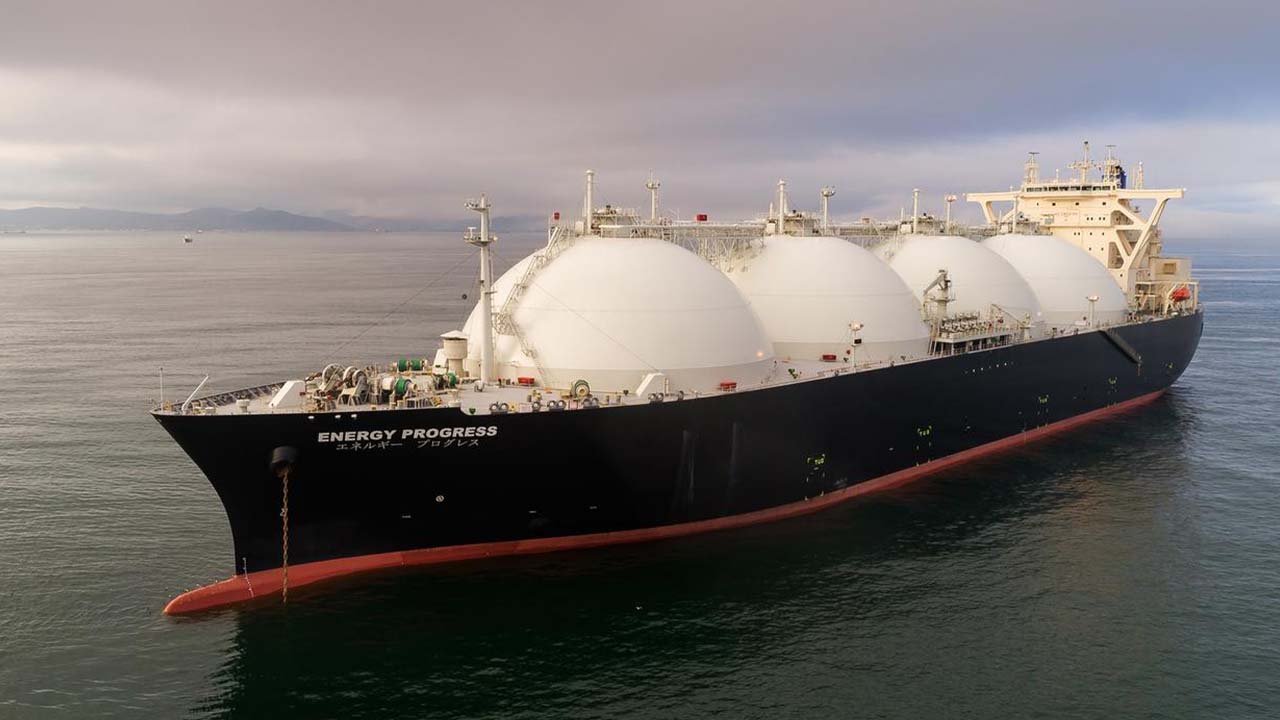
    The Italian LNG trading company ENI has intimated that it won’t be able to deliver its LNG cargo scheduled on February 6, which might cause the gas situation in Pakistan to worsen in the coming days.

    The report has troubled the senior officials in the Petroleum Division since the country is already suffering from a severe gas shortage, with some major cities getting little to no gas pressure.

    In accordance with its petrol load management strategy, the government assured home users a supply of gas for cooking during the winter months for three hours from 6 am to 9 am, two hours from 12 pm to 2 pm for lunch, and three hours from 6 pm to 9 pm for dinner.

    According to authorities, the effect of ENI’s disengagement will be seen as a reduction in supplies to the power sector and the non-availability of the anticipated 325mmcfd supply for the sector next month.

    End users will receive expensive electricity as boiler oil-based electricity’s reliance grows. The captive power plants will be delivered gas at 50 per cent and supply to fertiliser plants, compressed natural gas (CNG) and local industry shall remain discontinued.

    The Petroleum Division had earlier asserted that the ENI will not default starting in January 2023, however, this is untrue.

    The February supply setback is due to an occurrence of Force Majeure, according to an ENI representative, who also confirmed the news, saying that ENI is not in any way benefited from the circumstance.

    According to The News, ENI defaulted five times last year, failing to deliver LNG cargoes in the months of March, May, July, September, and November.
  • SSGC cuts gas supply to industries in Karachi to facilitate domestic customers

    SSGC cuts gas supply to industries in Karachi to facilitate domestic customers

    Owing to the Sui Southern Gas Company Limited’s (SSGC) decision to stop supplying gas to several industries throughout the city, the gas crisis in Karachi appears to have gotten worse.

    “In adherence to the Ministry of Energy (Petroleum Division) gas load management plan, that places domestic and commercial customers on top of the priority list, it has been decided to suspend gas supply to all general industries from November 15 to February 28, 2023,” a statement issued by the gas company read.

    The decision, according to the statement, is intended to accommodate the rising demand from domestic customers in Sindh and Balochistan.

    It should be remembered that due to a gas shortage, all CNG stations in Sindh have already been closed for two and a half months.

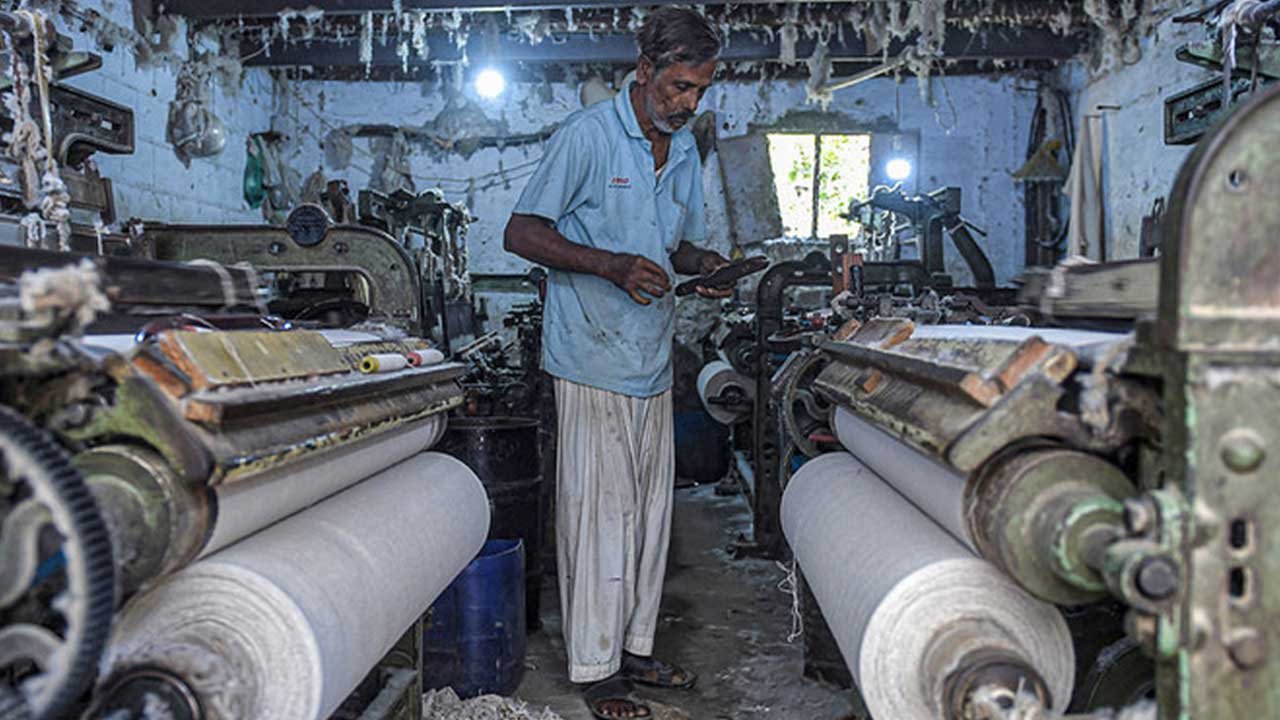
    According to Geo, the SSGC delivered notices last week that gas will be shut off for more than three months over the winter to the city’s industries, but they rejected the notices, claiming that gas interruptions would result in large layoffs and the closing of firms.

    “The industries are in a state of shock to receive SSGCL’s notices of gas closure starting from November 15, 2022, to February 28, 2023,” according to Karachi Chamber of Commerce and Industry (KCCI).

    “The gas closures can not be proved good for the economy, especially this year, as no special arrangements have been made by the government to purchase RLNG to inject in the system.”

    The committee, established by KCCI, stated that it expected the government to take the proper steps to ensure gas supply to the city’s industries rather than completely cutting off gas, which would cause a significant drop in exports and revenue, the closure of industries, and job losses.

    The committee had suggested to the government that the gas supply be shut off every 12 hours for two days each week during the winter.

  • CNG stations in Punjab, KP to remain shut till March 2023

    CNG stations in Punjab, KP to remain shut till March 2023

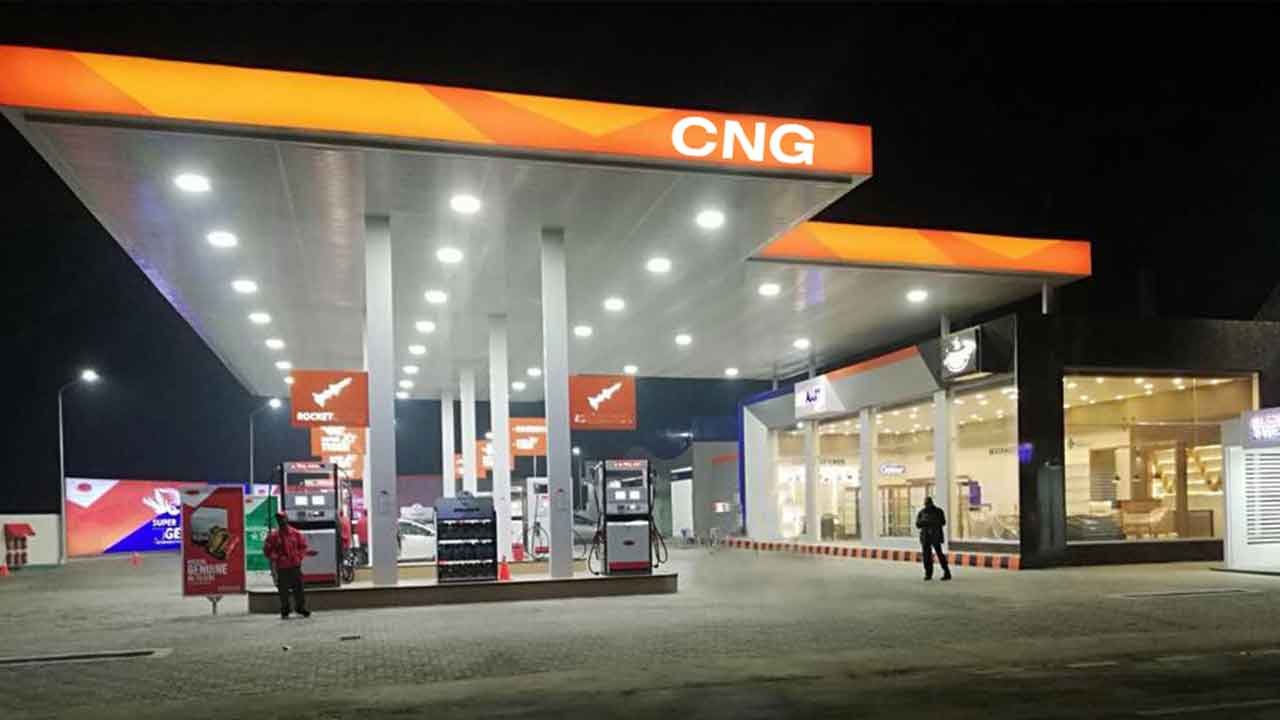
    CNG stations in Punjab and KP will stop operating from November 2022 to March 2023 as the gas crisis increases as a result of the lack of required LNG during the winter.

    While the government is obligated to purchase 12 LNG cargoes each month, Pakistan LNG Limited (PLL) has been unable to do so; as a result, the country will only have 10 LNG cargoes available in December and nine LNG cargoes each month in the following months. Due to the decreased LNG import cargoes, gas utilities will be forced to limit the supply of gas to captive power plants by 50 per cent.

    According to Express, in Punjab and KP, there won’t be any LNG available for CNG stations during the winter. Due to insufficient local gas output, Punjab has also been experiencing a gas crisis.

    According to government officials, the Sui Northern Gas Pipelines Limited (SNGPL) system’s gas supply to the fertiliser sectors won’t be reduced. Due to the probable political reaction this would cause, the government does not intend to reduce supplies of gas for the household sectors, therefore there will always be a supply available.

    As instructed by the federal government, SNGPL has been providing Re-Gasified Liquefied Natural Gas (RLNG) to a number of subsidised industries, including domestic consumers, export-oriented businesses, and fertiliser producers.

    Government payments to SNGPL for RLNG subsidies are Rs199 billion as of this writing. SNGPL’s capacity to pay RLNG suppliers PSO and PLL has been severely hampered by the reduced pricing. The amounts owed to PSO and PLL are now Rs284 billion and Rs135 billion, respectively.

    The power industry pays in full, but because its receivables have grown to over Rs115 billion, payments to suppliers have been significantly delayed.

  • OGRA slashes LPG prices by Rs13 per kilogram

    OGRA slashes LPG prices by Rs13 per kilogram

    The Oil and Gas Regulatory Authority (OGRA) has announced a Rs13 per kilog price cut for liquefied petroleum gas (LPG).

    The cost of an LPG household cylinder has been decreased by Rs155, according to a notification released today. Under the revised tariffs, it will be offered for Rs2,581.35, which includes the sale of a commercial cylinder for Rs9,931.65.

    Chairman of the LPG Distributors Association Pakistan, Irfan Khokhar, commented on the matter, claiming that LPG is 45 per cent cheaper than petrol and diesel at present pricing.

    If the government focuses on the sector, he claims that LPG prices can be decreased by another 60 to 65 per cent.

    This is somewhat good news, as many house owners in developing housing societies lack access to Sui Gas connections and rely on LPG cylinders, which are offered at exorbitant costs. The recent price reductions may help consumers cope with the effects of inflation.

    It is important to note that LPG is an alternative and fuel that is mostly utilised for cooking, heating, and lighting especially in rural and hilly sections of the country where natural gas pipelines are not available.

  • Crisis-hit Sri Lanka has enough petrol left for one day, PM warns

    Crisis-hit Sri Lanka has enough petrol left for one day, PM warns

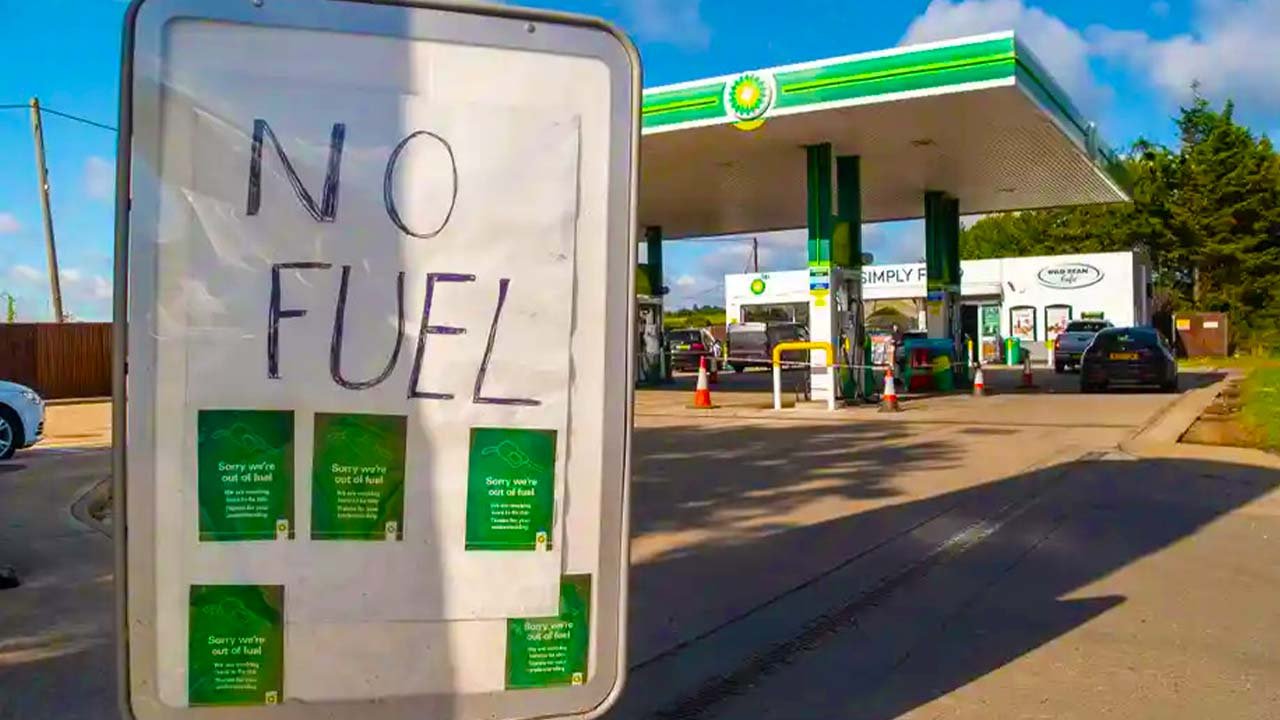
    As the country suffers its greatest economic crisis in more than 70 years, Sri Lanka’s new Prime Minister (PM) declared that the country is headed to its last day of petrol stock.

    PM Ranil Wickremesinghe said the country urgently needed $75 million in foreign currency to pay for crucial imports in a televised address. In order to pay government salaries, he claims the central bank will have to print money.

    Sri Lankan Airlines, which is owned by the government, may be privatised, according to PM Wickremesinghe.

    The pandemic, soaring energy prices, and populist tax cuts have all wreaked havoc on the island nation’s economy. Medicines, fuel, and other essentials were in low supply due to a chronic shortage of foreign cash and rising inflation.

    Auto rickshaws, the city’s most popular mode of transportation, and other vehicles have been queuing at gas stations in Colombo.

    The country has enough petrol for one day at the time. Mr Wickremesinghe, who was appointed Prime Minister last week, cautioned that the next few months will be the hardest of our lives.

    He noted that shipments of petrol and diesel using an Indian credit line could provide fuel supplies in the coming days.

    Mr Wickremesinghe stated that the nation’s central bank will have to print money to assist the government in meeting its salary bill and other obligations.

    The PM stated that he is forced to allow the printing of money against his will in order to pay state employees and purchase vital products and services. However, the nation must keep in mind that printing money causes the local currency to depreciate.

    Read more: CNG prices pushed to Rs140 per kg for sales tax collection

    As part of his efforts to stabilise the country’s finances, he advocated selling out Sri Lankan Airlines. In the fiscal year ended March 2021, the airline lost 45 billion rupees ($129.5 million; £105 million).

  • CNG prices pushed to Rs140 per kg for sales tax collection

    CNG prices pushed to Rs140 per kg for sales tax collection

    The Federal Board of Revenue (FBR) has raised the sales tax rate on compressed natural gas (CNG) supplies to customers.

    On Tuesday, the FBR published S.R.O. 587(I)/2022 to replace S.R.O. 39(I)/2022, which was issued on January 8, 2022. It has amended the value of compressed natural gas (CNG) supply to consumers in order to charge sales tax from CNG stations.

    It has set the value of supply to CNG customers in order for gas generation and distribution businesses to charge sales tax from CNG stations.

    CNG rates

    The price of CNG in Region-I, which includes Khyber Pakhtunkhwa, Balochistan, and Potohar, has been raised from Rs134.57 per kg to Rs140 per kg (Rawalpindi, Islamabad, and Gujar Khan).

    Read more: Pakistani Rupee crashes to a record low against US dollar 

    Moreover, the cost of CNG has been raised from Rs128.11 per kg to Rs135 per kg in Region-II, which covers Sindh and Punjab except for the Potohar region.

  • Pakistan starts oil and gas production from Dhok Sultan DS X-1

    Pakistan starts oil and gas production from Dhok Sultan DS X-1

    Pakistan’s state-owned natural gas and petroleum products supplier Pakistan Petroleum Limited (PPL) has started production from the recently installed Oil Handling Facilities (OHF) in the Dhok Sultan Block in Punjab province.

    The business claimed in a filing on May 6 that it is the operator of the Dhok Sultan Block and owns 75 per cent of the working interest, while Government Holdings (Private) Limited (GHPL) owns 25 per cent.

    As per the filing, The present production figures from DS X-1 are 5 MMscfd gas, 3000 bbls/day oil, and 25 M.Ton/day LPG. The Dhok Sultan OHF is in charge of oil production, while the Meyal Gas Processing Facilities (MGPF) of Pakistan Oilfields Limited (POL) in District Attock is in charge of gas processing.

    The gas production from this facility will go to Sui Northern Gas Pipelines Limited, while the oil will go to Attock Refinery Limited, according to the business.

    This finding is currently in the Extended Well Testing (EWT) production phase, and the data obtained during this phase will aid in its continued development. Through indigenous hydrocarbon production, the start of production from DS X-1 will contribute to increasing energy security and saving significant foreign cash for the country, according to the company.

    Considering the high demand, Pakistan’s economy is significantly reliant on fossil fuels, with petroleum products and other fuels accounting for a large portion of the country’s import bill.

    Read more: Pakistan’s foreign currency reserves down by $328 million

    Due to its surge in the global market, Pakistan’s oil imports have increased dramatically in recent months. The overall petroleum group’s imports were $14.812 billion in the first nine months of the current fiscal year (2021-22), up from $7.553 billion in the same time in 2021.

  • PM Shehbaz rejects OGRA’s proposal, petrol price to remain unchanged till April 30

    PM Shehbaz rejects OGRA’s proposal, petrol price to remain unchanged till April 30

    Pakistan’s new Prime Minister (PM) Shehbaz Sharif on Friday dismissed the proposal from the Oil and Gas Regulatory Authority (OGRA) to raise the price of petroleum products for the fortnight. The recent decision is aimed at providing relief to the public affected by inflation.

    It is worth noting that the present government’s choice to maintain the same prices will oblige it to provide another substantial subsidy till the end of April 2022.

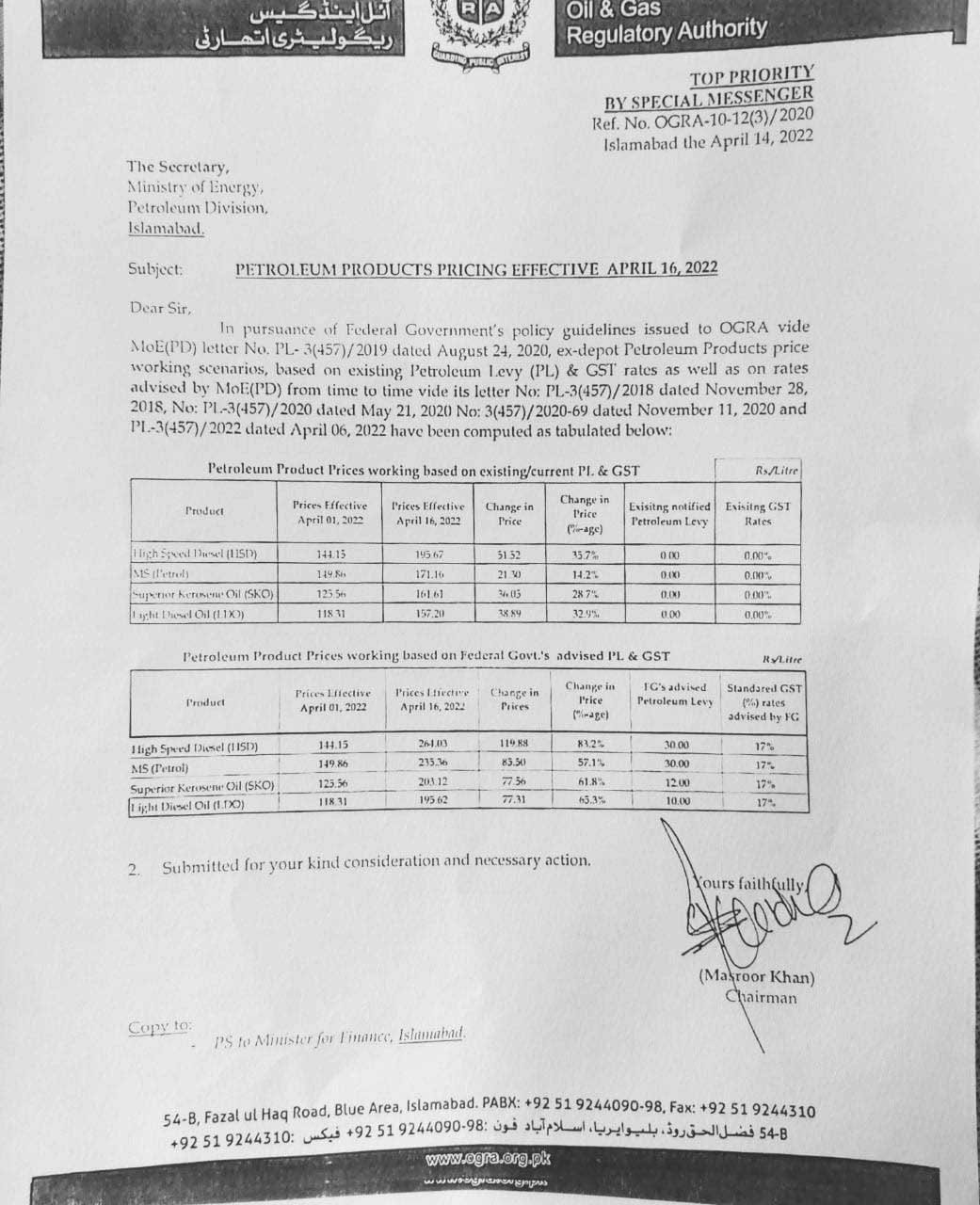
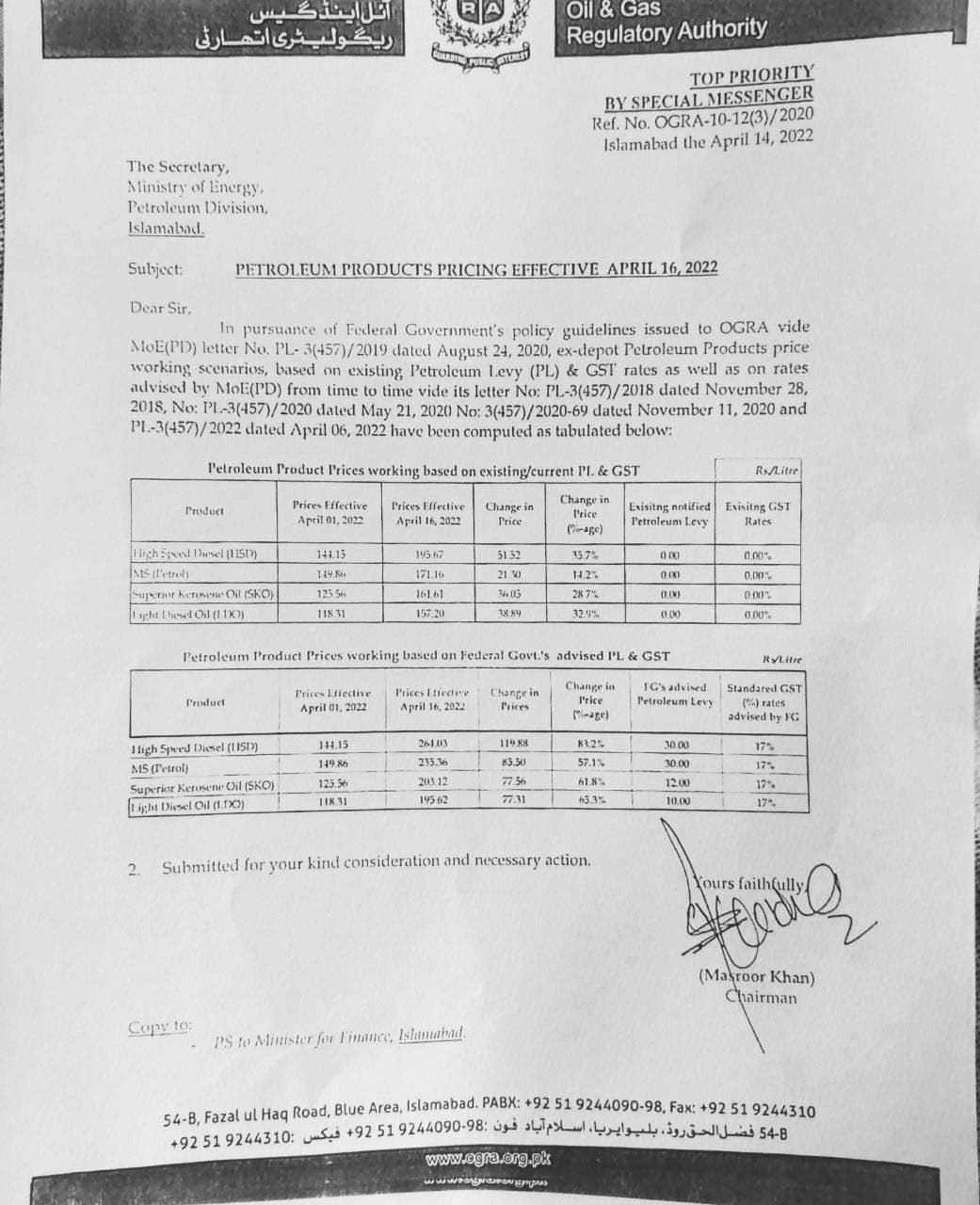
    Earlier, OGRA suggested to the Finance Division that the price of petrol be increased by Rs21.50 and that of diesel be hiked by Rs51.30 in view of the current petroleum levy and general sales tax (GST).

    Read more: Massive hike of Rs83.5 for petrol, Rs119 for diesel proposed by OGRA

    The authority also proposed a hike of Rs83.50 per liter of petrol and Rs119.88 per liter of diesel considering the federal government’s recommended petroleum levy of Rs30 and 17 per cent GST, as per the official statement.

  • Massive hike of Rs83.5 for petrol, Rs119 for diesel proposed by OGRA

    Massive hike of Rs83.5 for petrol, Rs119 for diesel proposed by OGRA

    The Oil and Gas Regulatory Authority (OGRA) suggested the federal government elevate fuel prices by up to Rs83.5 per liter for petrol and Rs119 for diesel.

    A summary to the petroleum division was presented by OGRA for the huge increase in petroleum rates to come into effect on April 16 in Pakistan.

    The proposed raise was calculated using a 70 per cent GST rate plus a Rs30 per liter levy. It is worth noting that the current duty on fuel and diesel is Rs30 per liter, plus 17 per cent GST.

    On the basis of complete levy and taxes, the body has recommended raising petrol prices by Rs83.5 per liter, while diesel prices should be raised by Rs119 per liter.

    According to reports, the OGRA proposed raising the petrol price to Rs21.53 per liter in line with the current tax rate, Rs51.3 for diesel, and Rs77.56 for kerosine oil on the grounds of full tax and levy.

    Read more: Gold prices go up by Rs350 per tola to Rs130,300

    Concerning other oil products, a full tax rate and levy hike of Rs77.31 was suggested for light diesel, Rs36.5 for kerosine oil, and Rs38.89 for light diesel. According to sources, the finance ministry would make the final decision on the OGRA summary after briefing Prime Minister Shehbaz Sharif.

  • CNG stations in Sindh to open on April 11

    CNG stations in Sindh to open on April 11

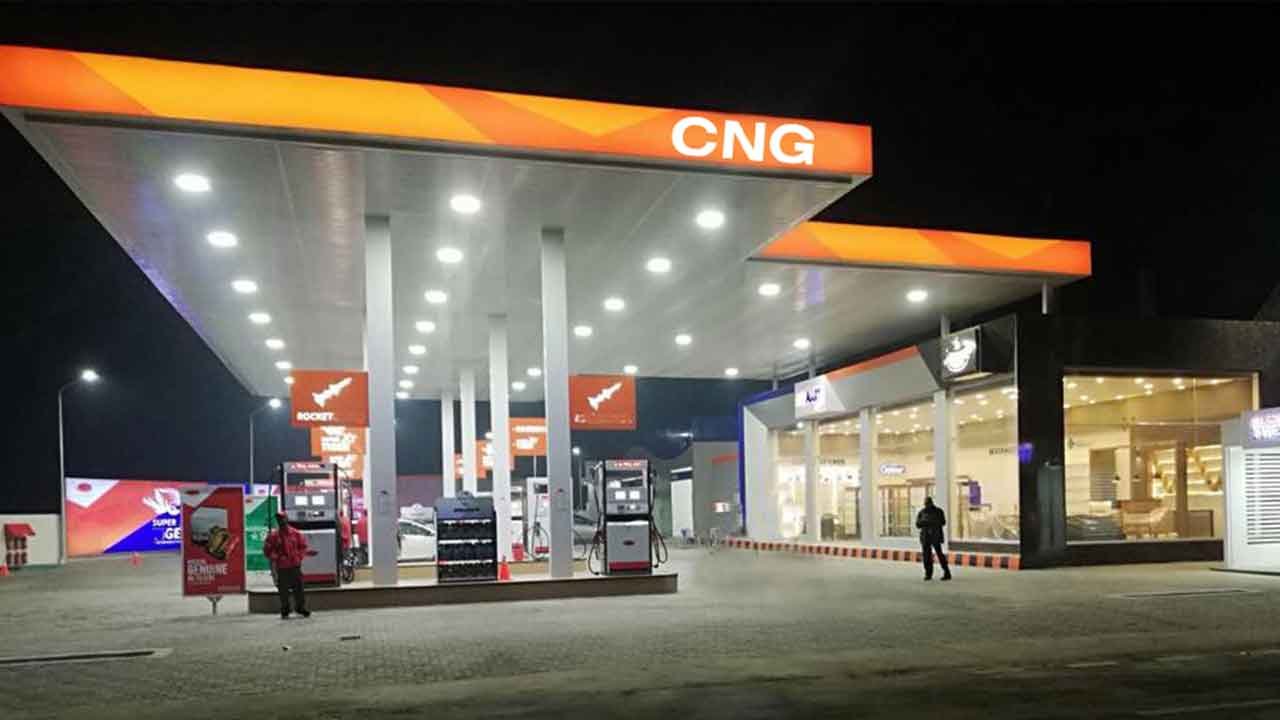
    On April 6, the Sui Southern Gas Company Limited (SSGC) ordered the three-day closure of all compressed natural gas (CNG) stations in Sindh.

    According to a statement from the gas company, all CNG stations will remain closed for 72 hours, starting at 8 AM on Friday and ending at 8 AM on Monday.

    The CNG stations were closed in the province to address the gas shortage in the country and as a part of the gas load management plan.

    “Due to the short supply of gas in the SSGCL system, the availability of gas has diminished, resulting in line pack depletion and low pressure in the system,” according to the statement.

    “All CNG stations in Sindh (including those using RLNG) would stay closed in accordance with the current sectoral priority order for gas load management”.

    It is worth noting that CNG dealers had reopened their business on February 14 after a two-and-a-half-month hiatus. Following the gas load management plan, gas supplies to the CNG sector were suspended from December 1, 2021, to February 15, 2022.

    The unavailability of CNG multiplied the problems of the common man as the masses were forced to top their automobiles up with Petrol, which nearly touched Rs160 during that period.