
Tag: commercial importers

  • New tax rules: Discounts for overseas Pakistanis, higher costs for importers

    New tax rules: Discounts for overseas Pakistanis, higher costs for importers

    In a recent development, commercial importers of new mobile phones are set to miss out on any concessions following the issuance of the new valuation ruling.

    Conversely, a significant benefit has been extended to incoming international passengers, particularly overseas Pakistanis, who can now avail themselves of a depreciation of up to 60 per cent on used or refurbished mobile phones.

    The Directorate of Valuation Karachi’s latest ruling, numbered 1834 of 2023, is positioned to ease processes for overseas Pakistanis.

    However, it paints a different picture for commercial importers dealing with new mobile phones, who are now obligated to pay duties and taxes based on relatively higher customs values.

    The new ruling encompasses several additional models to refine the assessment of duties and taxes.

    Regrettably, the ruling does not offer any respite for commercial importers, placing the onus on them to adhere to the heightened customs values.

    In contrast, overseas Pakistanis stand to benefit from the increased depreciation rates outlined in the ruling, reaching up to 60 per cent for phones up to five years old brought in by incoming international passengers.

    Under the provisions of the new ruling, customs values for used or refurbished mobile phones imported by legitimate passengers will be assessed, considering the allowance for depreciation as stipulated in the provided tabulated values.

    For brands and models imported in commercial quantities but omitted from the annexure, clearance collectorates are advised to assess them under Section 81 of the Customs Act, 1969.

    Subsequently, a reference should be forwarded to the Directorate for the final determination of their values, according to the ruling.

    Sources indicate that overseas Pakistanis will find relief in the ruling due to the augmented depreciation rates, offering a substantial advantage for phones up to five years old.

    Meanwhile, commercial importers are left without any reprieve, as the new models of mobile phones will incur higher prices compared to their less-aged counterparts.

    This policy aims to curtail under-invoicing margins for both existing and new models of branded mobile phones.
  • Commercial importers forced to suspend food and drink imports due to dollar shortage

    Commercial importers forced to suspend food and drink imports due to dollar shortage

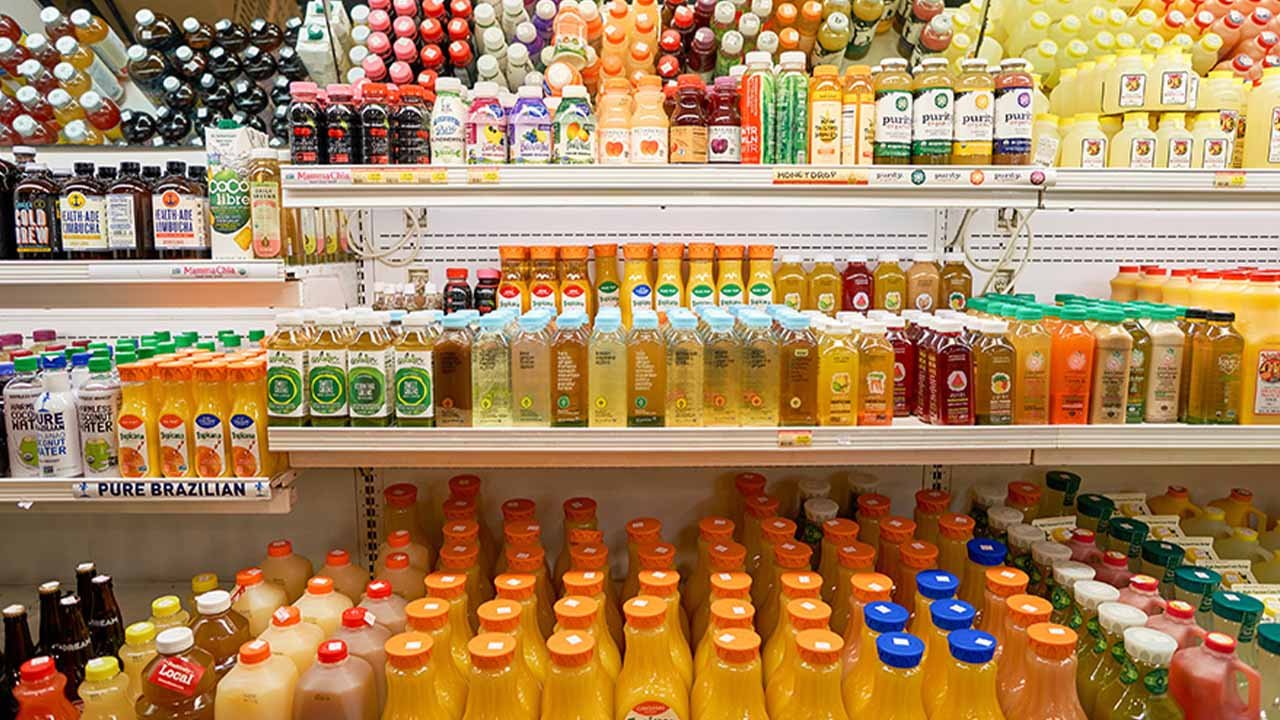
    In a significant development impacting the country’s economy, commercial importers in Pakistan have announced their decision to suspend the import of all eatables and beverages starting from June 25. The move comes as a result of the unavailability of dollars, with banks refusing to provide the necessary foreign currency to importers.

    The decision was taken following a comprehensive discussion among members of the Karachi Wholesale Grocers Association, represented by Secretary Farhat Siddique. In a statement issued by the association, it was revealed that all importers have been instructed to inform their indenters not to dispatch any shipments after June 25. Importers will only be responsible for the clearance of goods that have either arrived at the port or are en route. No shipments dispatched after June 25 will be cleared for entry.

    According to Geo, one of the major concerns highlighted by the association is the mounting number of containers stranded at the port due to the lack of foreign currency. Importers are currently facing fines and other charges as a result. The statement further criticised the State Bank of Pakistan (SBP) for its failure to provide the much-needed foreign exchange, citing its policies as detrimental to the country’s economy.

    This recent development comes at a time when the coalition government is grappling with a balance of payments crisis and striving to combat soaring inflation, which reached a record high of nearly 38 per cent last month. With foreign exchange reserves barely enough to cover a month’s worth of imports, the situation has prompted restrictions on imports and delays in opening letters of credit, severely impacting various sectors across the country. As a result, none of these sectors have been able to meet the growth targets set for the fiscal year 2022-23.

    The implications of the shortage of dollars and the subsequent halt in food and beverage imports are far-reaching, potentially affecting the availability and affordability of essential commodities for consumers. The government and relevant authorities will need to address the foreign currency shortage promptly and implement measures to stabilise the economy, restore confidence, and mitigate the impact on businesses and consumers alike.

    As the situation unfolds, stakeholders and policymakers will be closely monitoring the developments and seeking viable solutions to tackle the ongoing challenges faced by the country’s economy.