Tag: Commodity prices

  • Minister urges officials to use PBS monitoring app for ensuring price stability across provinces 

    Minister urges officials to use PBS monitoring app for ensuring price stability across provinces 

    In a bid to ensure consistent prices across provinces, Muhammad Sami Saeed, the Caretaker Minister for Planning, urged Deputy Commissioners and Assistant Commissioners on Tuesday to rigorously utilise the Decision Support System (DSS) app developed by the Pakistan Bureau of Statistics (PBS) for effective price monitoring. 

    According to a press release issued today, Muhammad Sami Saeed chaired a meeting of the National Price Monitoring Committee (NPMC) in Islamabad.  

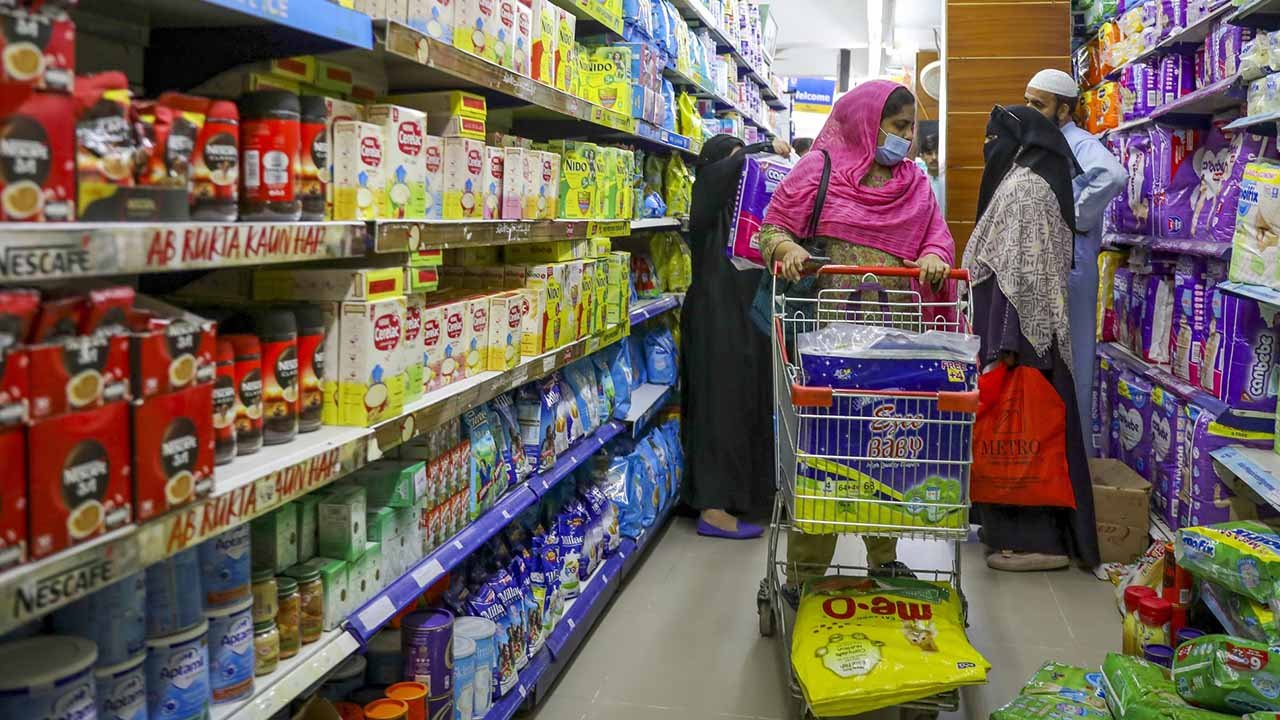
    The gathering focused on essential aspects such as the prices and supply of essential commodities, the margin between wholesale and retail prices, and the availability of necessary items. 

    During the meeting, the Chief Statistician from PBS presented the price movements of 51 essential items collected from the markets in 17 cities.  

    Minister Saeed stressed the importance of maintaining price stability across provinces and urged participants to oversee the supply of essential items, available stock levels, and pricing mechanisms. 

    Highlighting the critical role of administrative oversight and monitoring, Minister Saeed emphasised the need for vigilance in ensuring price stability.  

    The meeting also explored the potential utilization of remote sensing technology provided by SUPARCO to enhance monitoring of cropped areas and predict the supply situation of essential food items in the provinces. 

    Encouraging the exploration and implementation of remote sensing capabilities, the minister aimed to strengthen monitoring and oversight capacities.  

    He underscored the importance of continued vigilance and proactive measures to address fluctuations in commodity prices and ensure a smooth supply chain. 

    Representatives from the Ministry of Industries and Commerce, utility stores, and provincial governments attended the meeting, signifying a collaborative effort to maintain stability in commodity prices. 

  • Gold price in Pakistan drops to Rs215,400 per tola 

    Gold price in Pakistan drops to Rs215,400 per tola 

    The price of 24-karat gold per tola witnessed a decrease of Rs200, settling at Rs215,400 on Monday. This marked a decline from its previous closing at Rs215,600 on the last trading day.  

    Simultaneously, the cost of 10 grammes of 24-karat gold saw a reduction of Rs171, reaching Rs184,671 from its earlier value of Rs184,842.  

    In the case of 10 grammes of 22-karat gold, the price dropped to Rs169,282 from Rs169,439, as reported by the All Sindh Sarafa Jewellers Association. 

    The rates for silver, however, remained unchanged, with the per-tola and ten-gramme prices standing at Rs2,600 and Rs2,229.08, respectively.  

    Additionally, in the international market, the cost of gold experienced a $6 decrease, reaching $2,018 from $2,024, according to the Association. 

    Meanwhile, the recent trend of the Pakistani rupee’s appreciation against the US dollar came to a halt as the currency witnessed a marginal 0.01 per cent dip in the interbank market on Monday.  

    The State Bank of Pakistan (SBP) reported that the rupee settled at 283.90, reflecting a decrease of Re0.03. 

  • Gold price in Pakistan increases to Rs221,000 per tola

    Gold price in Pakistan increases to Rs221,000 per tola

    The per tola price of 24-karat gold in Pakistan witnessed a rise of Rs2,600, reaching Rs221,000 on Wednesday. This marks an increase from its previous sale at Rs218,400 on the last trading day.

    Similarly, the price of 10 grammes of 24-karat gold experienced an uptick of Rs2,229, settling at Rs189,472 compared to the previous Rs187,243.

    Meanwhile, the cost of 10 grammes of 22-karat gold rose to Rs173,683 from Rs171,640, according to the All Sindh Sarafa Jewellers Association.

    The prices for both per tola and ten-gramme silver remained unchanged at Rs2,620 and Rs2,246.21, respectively.

    In the international market, the price of gold increased by $29, reaching $2,062 from the previous $2,033, as reported by the Association.

  • Gold price increases to Rs213,100 per tola

    Gold price increases to Rs213,100 per tola

    The gold price in Pakistan witnessed an increase on Friday, with the cost of 24-karat gold rising by Rs1,300 per tola, settling at Rs213,100 in today’s session.

    The Karachi Sarafa Association reported that the closing price for 10 grammes of 24-karat gold was Rs 182,698, indicating a loss of Rs1,114.
    Meanwhile, 10 grammes of 22-karat gold saw an increase, reaching Rs166,452, up by Rs1,022.

    In contrast, the silver prices remained unchanged in the domestic market, with 24-karat silver and 10 grammes of 24-karat silver closing at Rs2,580 and Rs2,211.93, respectively.

    It is noteworthy that domestic gold prices are influenced by fluctuations in international prices and changes in the local currency’s interbank exchange rate.

    Despite intraday gains, the Pakistani rupee (PKR) is facing its fourteenth consecutive loss against the USD.

    The depreciation of PKR against the USD leads to an increase in the value of PKR-denominated gold since gold is denominated in US dollars.

    On the global front, international gold prices experienced a decline, marking the second consecutive week of losses. International spot gold is currently trading at $1,954.29, down by 0.20 per cent for the day.

  • Eggs and tomatoes lead weekly price hikes in latest SPI inflation report 

    Eggs and tomatoes lead weekly price hikes in latest SPI inflation report 

    The latest data from the Pakistan Bureau of Statistics (PBS) reveals that, for the week ending on October 12, the Sensitive Price Indicator (SPI) reflected a notable weekly inflation uptick of 0.30 per cent.

    During this period, the SPI for this particular category surged to 282.86 points, marking a distinct rise from the preceding week’s 282.00 points.  

    Among the 51 items tracked, the price dynamics exhibited a balanced distribution, with 17 items experiencing upward price movements, 17 witnessing price declines, and 17 remaining stable throughout the week. 

    Some of the commodities that observed a decline in prices encompassed sugar (4.47 per cent), pulse gramme (2.75 per cent), bananas (2.47 per cent), pulse moong (2.44 per cent), gur (1.93 per cent), chicken (1.69 per cent), rice irri-6/9 (1.46 per cent), and pulse masoor (1.26 per cent). 

    Conversely, there was a noticeable surge in the prices of several items during the same week, including tomatoes (6.28 per cent), eggs (3.48 per cent), salt powdered (2.75 per cent), cooked beef (1.06 per cent), garlic (1.04 per cent), tea prepared (0.73 per cent), beef (0.39 per cent), potatoes (0.35 per cent), electricity charges for Q1 (8.59 per cent), energy server (0.55 per cent), shirting (0.47 per cent), and LPG (0.31 per cent). 

    For a broader perspective, when evaluating these price changes on a year-on-year basis, it becomes evident that certain commodities have shown significant variations.  

    For instance, tomatoes witnessed a substantial year-on-year decline of 43.53 per cent, while onions experienced a decrease of 16.67 per cent.  

    Furthermore, pulse gramme recorded a drop of 4.01 per cent, and mustard oil saw a more modest decline of 1.19 per cent. These statistics provide valuable insights into the evolving economic landscape and the relative stability of various consumer goods. 

  • Rangers seize sugar worth Rs1 billion in crackdown against hoarders 

    Rangers seize sugar worth Rs1 billion in crackdown against hoarders 

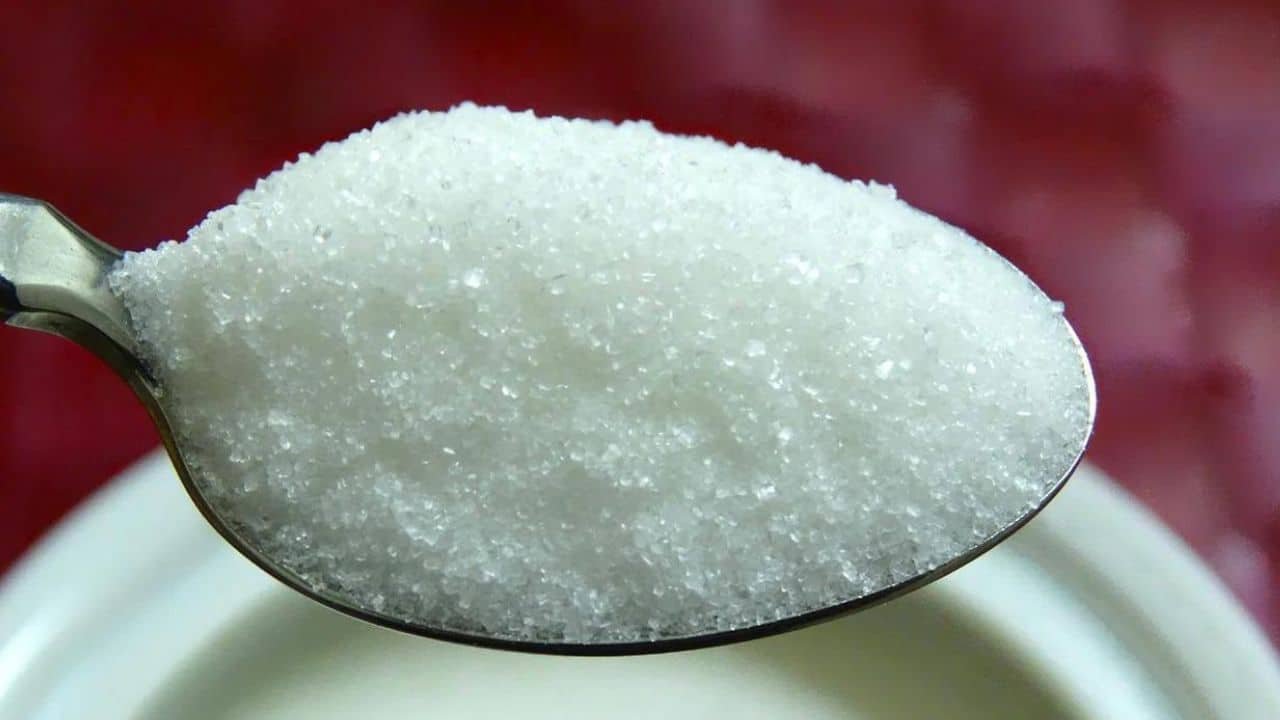
    In a well-executed operation against sugar hoarders in Karachi, Rangers seized a significant quantity of sugar valued at Rs1 billion.

    They conducted raids at two separate sugar warehouses on Hub River Road in Baldia Town, resulting in the recovery of about 140,000 bags of sugar, as confirmed by the paramilitary spokesperson.

    The estimated value of the confiscated sugar is over Rs1 billion. Interestingly, this sugar was destined for illegal smuggling into Afghanistan via Balochistan, and it has been handed over to the civil authorities for legal action.

    The surge in sugar prices, exceeding Rs200, prompted the government to crack down on sugar hoarding nationwide, aiming to control the artificial inflation of this essential commodity.

    This crackdown not only recovered thousands of sugar bags but also led to the arrest of individuals involved in the illicit sugar trade, known as “sugar mafias,” who were stockpiling and selling sugar at high prices.

    While effectively addressing sugar hoarding, this campaign also reduced sugar prices in the local market. Recent data from the Pakistan Bureau of Statistics (PBS) shows a significant 9.11 per cent decrease in sugar prices.

    In a well-executed operation against sugar hoarders in Karachi, Rangers seized a significant quantity of sugar valued at millions of rupees, as reported by The News on Saturday.

    They conducted raids at two separate sugar warehouses on Hub River Road in Baldia Town, resulting in the recovery of about 140,000 bags of sugar, as confirmed by the paramilitary spokesperson.

    The estimated value of the confiscated sugar is over Rs1 billion. Interestingly, this sugar was destined for illegal smuggling into Afghanistan via Balochistan, and it has been handed over to the civil authorities for legal action.

    The surge in sugar prices, exceeding Rs 200, prompted the government to crack down on sugar hoarding nationwide, aiming to control the artificial inflation of this essential commodity.

    This crackdown not only recovered thousands of sugar bags but also led to the arrest of individuals involved in the illicit sugar trade, known as “sugar mafias,” who were stockpiling and selling sugar at high prices.

    While effectively addressing sugar hoarding, this campaign also reduced sugar prices in the local market. Recent data from the Pakistan Bureau of Statistics (PBS) shows a significant 9.11 per cent decrease in sugar prices.Additionally, this effort against hoarders and smugglers had a broader positive impact.

    Weekly inflation decreased by 0.25 per cent in the week ending on September 14, reversing seven consecutive weeks of inflation, mainly due to lower prices of chicken and sugar in local markets following government intervention.

  • Sugar price expected to drop below Rs150 per kg

    Sugar price expected to drop below Rs150 per kg

    The Punjab caretaker government successfully resolved the issue of high sugar prices in the country through negotiations with sugar mill owners. 

    A delegation from the sugar mill owners met with Punjab Caretaker Chief Minister (CM) Mohsin Naqvi. Both sides agreed to start sugarcane crushing on October 28. 

    According to ARY, sugar mill owners agreed to sell sugar to the Punjab government at Rs140 per kilogramme, and the provincial government planned to distribute the sugar stocks through special stalls in model markets.

    CM Naqvi acknowledged the financial difficulties faced by citizens and promised to lower sugar prices to provide relief.

    Despite the commerce ministry denying any sugar shortages, prices had surged to over Rs200 per kilogramme in various cities across the country. 

    This led citizens in Quetta and Sukkur to buy sugar at Rs220 per kg, while Karachi markets sold it for Rs180 to Rs200 per kg. 

    Similarly, sugar prices rose to Rs195 to Rs200/kg in Lahore, Jhang, and Faisalabad.

    Previously, it was reported that sugar prices reached a record high of Rs220 per kg in Balochistan’s retail markets. 

    Authorities initiated an investigation into the price increase and tightened scrutiny on sugar mill owners and dealers in Lahore. The Punjab government planned to take action to reduce the soaring sugar prices.

  • Basic necessity becomes luxury in Quetta: Flour shortage drives prices up to Rs2,800 per 20kg bag

    Basic necessity becomes luxury in Quetta: Flour shortage drives prices up to Rs2,800 per 20kg bag

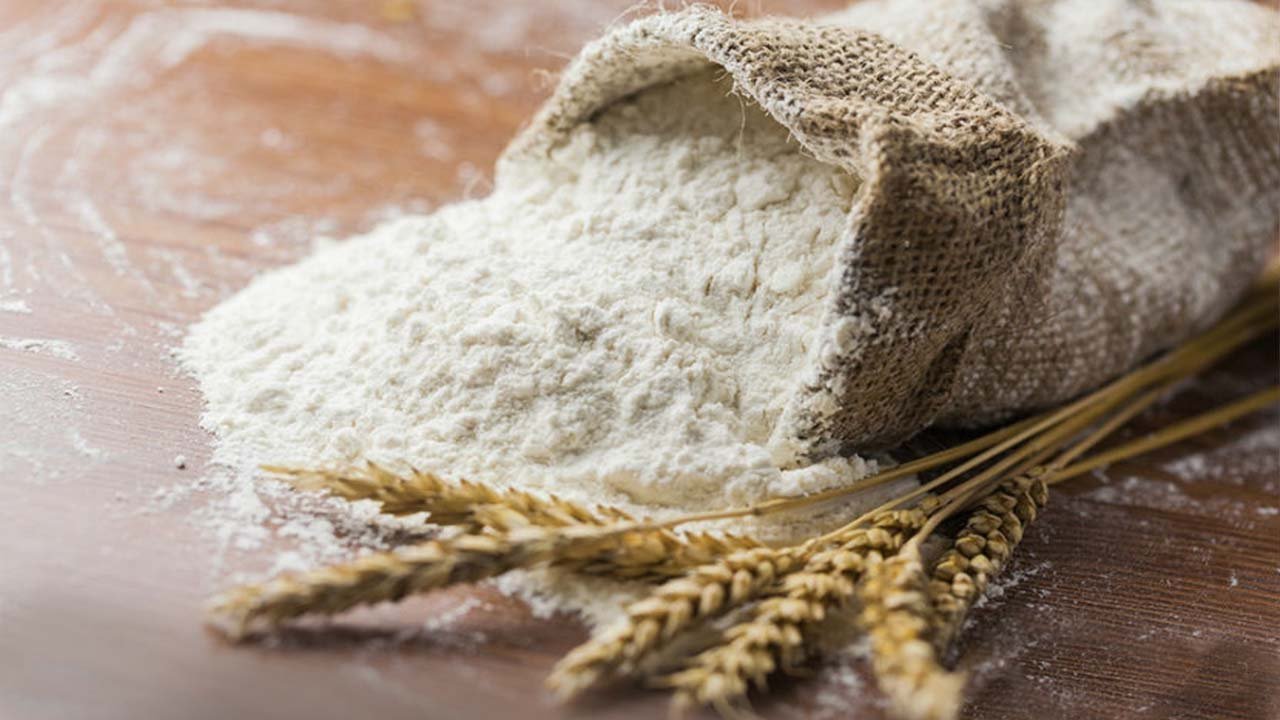
    In Balochistan’s capital of Quetta, a shortage of flour has led to skyrocketing prices for 20kg bags of the commodity. According to reports, profiteers are taking advantage of the situation and selling flour bags for between Rs2,640 to Rs2,800 in Quetta and surrounding areas.

    The residents of Quetta are frustrated that they are unable to obtain flour at the government’s fixed rate and are instead forced to pay an excessive price. They are calling on the provincial government to take action against the profiteers and ensure the availability of flour.

    According to ARY News, the President of Flour Mills Association Balochistan, Nasir Agha, has also weighed in on the crisis. He stated that the supply of wheat to the mills has been suspended for the last ten days, and he blamed the incompetence of the Balochistan food department for the current situation.

    With prices for flour continuing to rise, it remains to be seen how the provincial government will respond to the demands of the residents and the Flour Mills Association.