Tag: competition

  • Apple’s iPhone sales decline by 24% in China, while Huawei’s sales surge

    Apple’s iPhone sales decline by 24% in China, while Huawei’s sales surge

    In the first six weeks of 2024, Apple experienced a significant downturn in iPhone sales in China, facing a 24 per cent year-on-year decrease, according to a report by research firm Counterpoint.

    The decline was attributed to heightened competition from local rivals, notably Huawei, which witnessed a remarkable 64 per cent increase in unit sales during the same period.

    Apple, once holding the second position in the Chinese smartphone market in 2023 with a 19 per cent market share, now finds itself in fourth place with a reduced share of 15.7 per cent.

    On the other hand, Huawei climbed to second place, expanding its market share from 9.4 per cent to 16.5 per cent year-over-year.

    Counterpoint’s senior analyst, Mengmeng Zhang, explained the dynamics, stating that Apple faced formidable competition from a resurgent Huawei at the high end while also encountering pricing pressures from domestic brands like OPPO, Vivo, and Xiaomi in the middle segment.

    To counteract the decline, Apple initiated measures such as subsidising certain iPhone models by up to 1,300 yuan ($180.68) through flagship stores on Tmall, Alibaba’s major marketplace platform.

    Earlier, the company had offered discounts of up to 500 yuan on its official sites.

    Huawei’s resurgence in premium smartphone sales was attributed to the successful release of its Mate 60 series in August.

    Overcoming years of challenges posed by US restrictions on key component exports, Huawei managed to reclaim its position in the market.

    Additionally, Honour, the smartphone brand that separated from Huawei in 2020, witnessed a 2 per cent increase in unit sales, making it the only other top-five brand to experience growth in the first six weeks of the year.

    Contrastingly, Chinese brands Vivo, Xiaomi, and Oppo faced declines of 15 per cent, 7 per cent, and 29 per cent, respectively, highlighting the fiercely competitive landscape in the Chinese smartphone market.

    Overall, the report indicates a 7 per cent shrinkage in the country’s smartphone market during this period.

  • Apple Watch import ban goes into effect in US patent clash

    Apple Watch import ban goes into effect in US patent clash

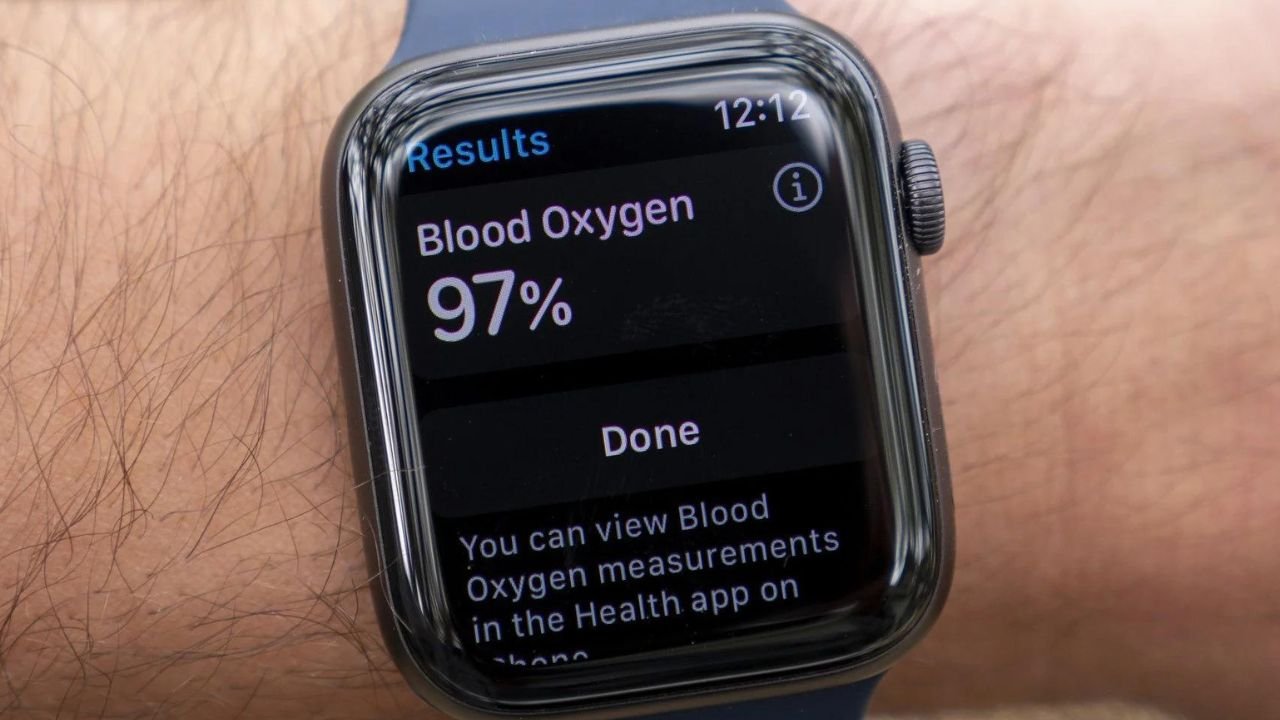
    A US import ban on certain Apple smartwatch models came into effect Tuesday, after the Biden administration opted not to veto a ruling on patent infringements.

    The United States International Trade Commission (ITC) decided in October to ban Apple Watch models over a patented technology for detecting blood-oxygen levels.

    Apple contends that the ITC finding was in error and should be reversed, but last week paused its US sales of Apple Watch Series 9 and Apple Watch Ultra 2.

    The order stemmed from a complaint made to the commission in mid-2021 accusing Apple of infringing on medical device maker company Masimo Corp’s “light-based oximetry functionality.”

    “After careful consultations, Ambassador (Katherine) Tai decided not to reverse the… determination and the ITC’s decision became final on December 26, 2023,” the president’s executive office said in a statement on Tuesday.

    Apple has been steadily ramping up fitness and health features with each generation of its Apple Watch, which dominates the smartwatch category.

    In September, Apple released its Apple Watch Series 9, touting increased performance along with features such as the ability to access and log health data.

    “Our teams work tirelessly to create products and services that empower users with industry-leading health, wellness and safety features,” Apple said when the ITC ban was issued.

    “Masimo has wrongly attempted to use the ITC to keep a potentially lifesaving product from millions of US consumers while making way for their own watch that copies Apple.”

    In May, a trial of Masimo’s allegations ended in a mistrial after jurors failed to reach a unanimous verdict.

    Late last year, Apple filed two patent infringement lawsuits accusing Masimo of copying Apple Watch technology.

  • Apple faces competition as Google releases Pixel 8 and AI-powered smartwatch

    Apple faces competition as Google releases Pixel 8 and AI-powered smartwatch

    The Apple iPhone 15 series now faces fresh competition as Google introduced its latest smartphone, the Pixel 8, on Wednesday, alongside a new smartwatch that seamlessly integrates advanced artificial intelligence (AI) technology into its core consumer devices.

    The enhancements made to the Pixel phones, which are particularly popular among photography enthusiasts and those who prefer a pure Android experience, have the potential to make them more appealing to shoppers as they plan their holiday season purchases.

    Google has upgraded the Pixel lineup by equipping it with the Tensor G3 mobile processor, which includes native machine learning and generative AI models. These AI features can assist users in various ways, such as improving photography, summarising web content, and blocking unwanted spam calls. This announcement was made during the Made by Google event held in New York.

    Additionally, the higher-end Pixel 8 Pro now features a temperature sensor, and Google has applied for approval from the Food and Drug Administration to enable a thermometer app for measuring body temperature.

    The Pixel 8 is priced starting at $699, while the Pixel 8 Pro starts at $999, making it $100 more expensive than the previous generation models. Both models will be available for purchase starting on October 12th.

    At the event, Google emphasized its commitment to mobile AI, a direction that IDC analyst Ryan Reith noted could have a significant impact on the industry, especially in the US, if accompanied by strong marketing efforts.

    Notably, in the previous month, Apple launched a new series of iPhones that included improvements in design and performance but did not increase prices, reflecting the ongoing challenges in the global smartphone market.

    According to IDC, Google’s Pixel ranks 12th globally in terms of smartphone shipments, holding a 0.9 per cent market share. The largest market for Pixel devices is the United States, accounting for approximately 39 per cent of global shipments, followed by Japan at 29 per cent and the UK at 9 per cent.

    In addition to the smartphone and smartwatch announcements, Google also revealed plans to integrate generative AI capabilities into its virtual assistant, enabling it to assist users with tasks like trip planning and email management while also asking follow-up questions.

    Furthermore, Google introduced the Google Watch 2, an upgraded version of its first smartwatch released in October of the previous year. It is priced at $349 and comes with a digital crown and advanced health tracking features powered by AI.

  • Pakistan women’s football team set to participate in six-nation tournament in Saudi Arabia next month

    Pakistan women’s football team set to participate in six-nation tournament in Saudi Arabia next month

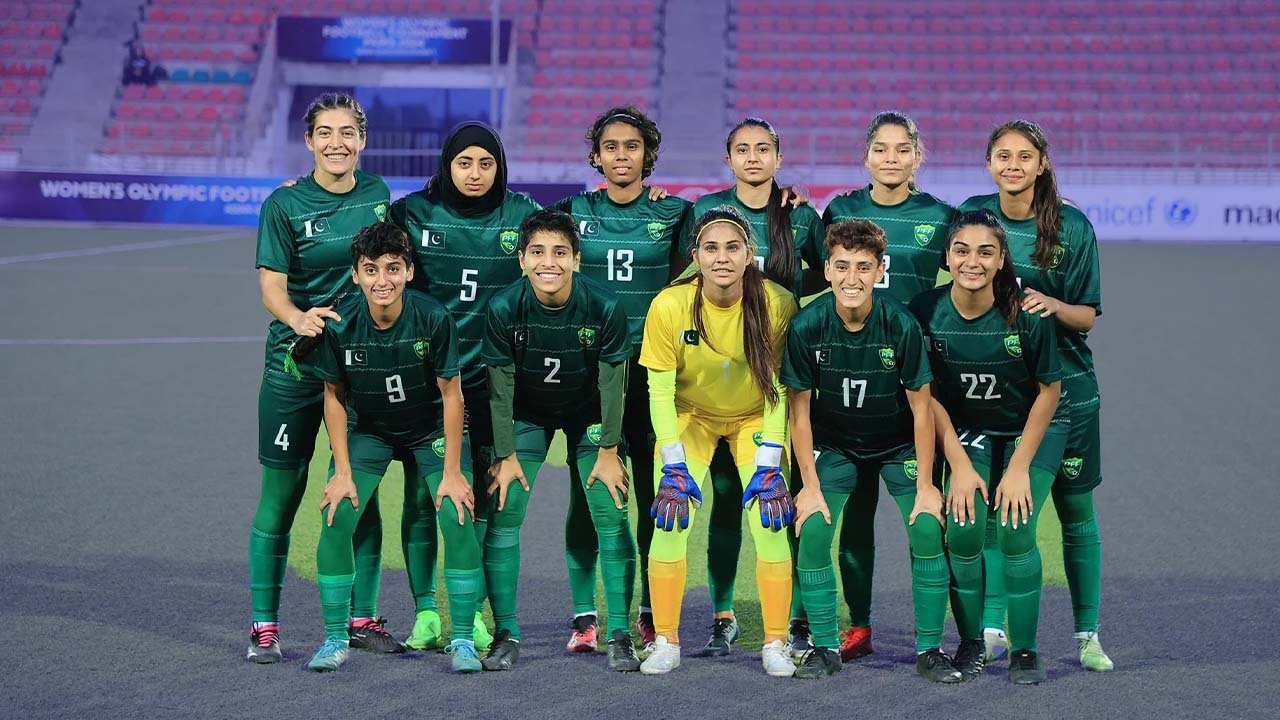
    Pakistan’s women’s football team is set to participate in a six-nation tournament hosted by Saudi Arabia from September 18 to 30, as confirmed by the Pakistan Football Federation (PFF). The tournament will include teams from Saudi Arabia, Lebanon, Laos, Malaysia, and Bhutan. The PFF will soon announce a training camp to prepare the women’s squad for the upcoming event.

    The PFF released a statement mentioning that the Pakistan women’s football team will be part of the six-nation tournament taking place in Saudi Arabia from September 18 to 30.

    In January of this year, Pakistan traveled to Saudi Arabia for a four-nation tournament, competing against Comoros and Mauritius. The team achieved victory against Comoros but lost to Mauritius 2-1. They concluded the tournament on a strong note by drawing 1-1 against Saudi Arabia, which ultimately won the tournament.

    According to Arab News, one of the recent accomplishments of the Pakistani women’s football team was a significant 7-0 triumph over the Maldives in the South Asian Football Federation championship in September 2022. In April of the same year, Pakistan achieved an impressive 1-0 victory over Tajikistan in the qualifiers for the 2024 Paris Olympics.

    This win marked Pakistan’s first major tournament victory since resuming regular international football in September 2022, following a lengthy break. Previously, the team had secured victories mainly in friendly matches or exhibition tournaments such as the Four-Nation Cup in Saudi Arabia.

  • Meta set to unveil web version of Threads, challenging X

    Meta set to unveil web version of Threads, challenging X

    Meta is getting ready to launch the web version of Threads, which is its rival to X (previously known as Twitter). This launch is expected to happen early this week, according to a report from The Wall Street Journal. Threads, which offers short-form posts, has been missing a web version since its start.

    Mark Zuckerberg, who is the CEO of Meta, mentioned that they’re working on adding this feature along with a better search function. Right now, the search function is quite limited; you can only search for usernames. These changes are expected to be ready in a few weeks.

    However, The Wall Street Journal’s sources say that the exact launch plans are not set in stone and could change. Adam Mosseri, who posted on Threads, shared that they’ve been testing an early version internally for a short time. But before it’s released widely, some more work is needed.

    Threads started as a basic version similar to Twitter just about a month and a half ago. Surprisingly, it quickly gained over 100 million users and attracted celebrities and brands. However, it has been missing some important features. The company has been slowly adding improvements, like a follow feed and the ability to verify a link using a Mastodon profile. This suggests that Meta might be considering integrating with the decentralised social network protocol Activity Pub.

  • Sindh govt’s Rs2 roti plan may trigger shortage, price inflation in the near future

    Sindh govt’s Rs2 roti plan may trigger shortage, price inflation in the near future

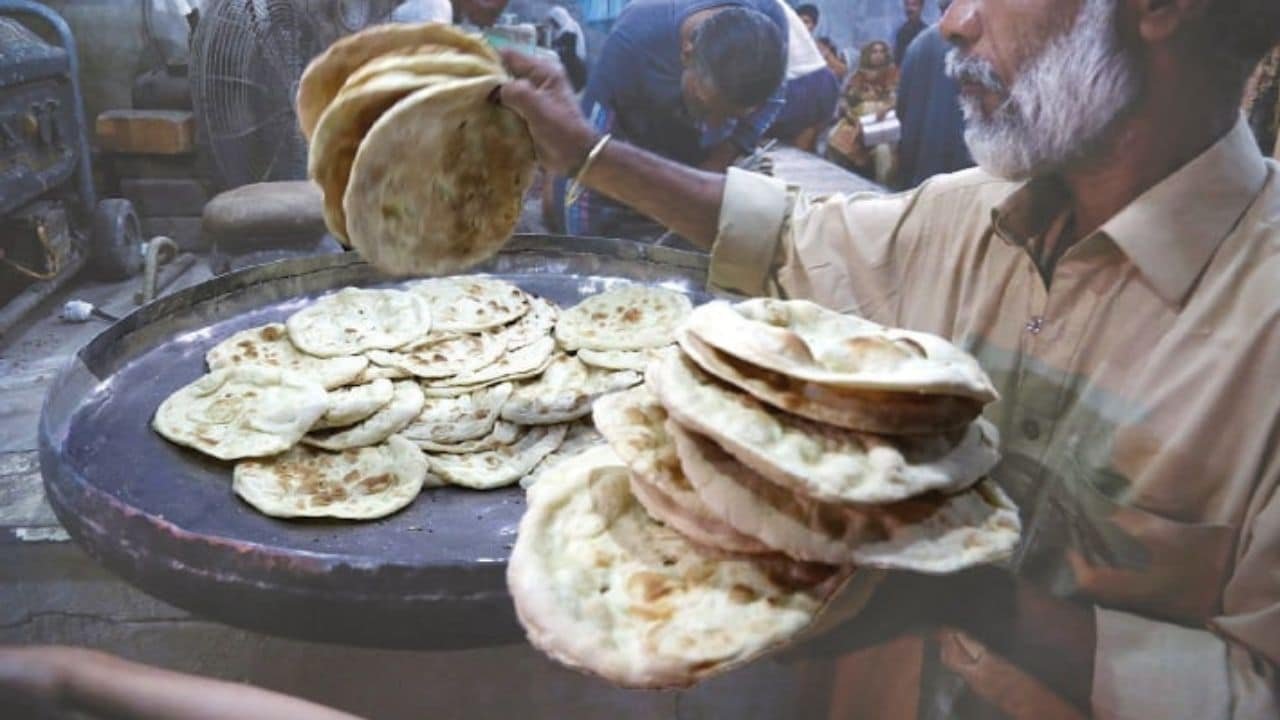
    Sindh Governor Kamran Tessori has announced a subsidised food programme for the poor. As part of this initiative, the government will provide roti (flatbread) at a price of Rs2.

    Tessori stated that the provision of roti at a reduced price is aimed at helping people affected by inflation and will be implemented in specific areas of the metropolis. He emphasised that this noble cause will be pursued as a mission.

    During a ceremony on Sunday, the governor announced the establishment of up to 300 tandoors (traditional clay ovens) across the Sindh capital, where roti will be sold for only Rs2. Additionally, he reiterated that ration bags would be distributed among one hundred thousand deserving families in the port city.

    While it may seem beneficial for the inflation-hit people of Karachi to have access to roti at a significantly lower price of Rs2 compared to the Rs20-25 market price, there could be unintended consequences.

    If the government sets up 300 temporary tandoors selling roti at Rs2, the majority of people may opt to buy from them rather than purchasing roti from tandoors selling it at a higher price. Consequently, the tandoors selling roti for Rs20 may be forced to close as they would be unable to compete with these subsidised tandoors.

    Once the government discontinues the cheap roti scheme or ceases to offer it at reduced rates, there is a potential for a shortage to arise. With only a limited number of tandoors available for citizens to purchase roti from, the scarcity could drive up the price of roti to Rs30 or even higher.

    This highlights the possibility that the government’s initiative of selling roti at a reduced rate may not be sustainable in the long run. The temporary availability of roti at Rs2 might not be as beneficial as initially perceived. Only time will tell whether this programme will provide temporary relief to the masses or worsen the situation.

  • Twitter introduces content monetisation, paying influencers from advertising revenues

    Twitter introduces content monetisation, paying influencers from advertising revenues

    Elon Musk’s social media platform, Twitter, has taken a significant step by initiating payments to content creators from advertising revenues for the first time. This development has caught the attention of numerous influencers; however, not all users are eligible to receive compensation from the platform.

    Influencers such as Ian Miles Cheong, Benny Johnson, and Ashley St. Claire, who are considered high-profile figures within the far-right community, shared details of their Twitter earnings prior to the official announcement of monetiation.

    “Wow. Elon Musk wasn’t kidding. Content monetisation is real,” tweeted a user named End Wokeness, boasting 1.4 million followers, showcasing earnings surpassing $10,400.

    Users who have subscribed to Twitter Blue and have accumulated over 5 million tweet impressions per month for the past three months are eligible to receive earnings.

    Elon Musk, who also serves as the CEO of SpaceX and Tesla, stated that an initial sum of $5 million will be distributed, accumulating from February onwards. However, the program is only accessible in countries where Stripe, a payment platform, supports payouts.

    Renowned writer Brian Krassenstein, boasting approximately 750,000 followers, claimed to have received $24,305 from Twitter. Similarly, SK, another creator with around 230,000 followers, reportedly earned $2,236, while political commentator Benny Johnson, with 1.7 million followers, disclosed earnings of $9,546. Ashley St. Clair, a writer for Babylon Bee, shared that she earned $7,153.

    Who will not benefit from Twitter monetisation? According to Twitter’s content monetisation standards, sexual content, as well as pyramid schemes, violence, criminal behaviors, gambling, drugs, and alcohol-related content, cannot be monetised.

    In a blog post, Twitter explained that creators’ share of advertising revenue would be determined based on the number of replies to their posts and monthly impressions.

    According to a report by The Washington Post, some non-political contributors expressed frustration with the company’s lack of transparency during the program’s rollout.

    “My tweets have generated hundreds of millions of impressions for Twitter every year,” stated Matt Navarra, a social media strategist who runs the tech-focused newsletter and community Geekout. He further added, “And I’ve been on the platform for 15+ years. It’s pretty lame that there is no payout coming my way. Twitter has never generated any income directly from all the content I have contributed.”

    This development comes shortly after Twitter faced fierce competition from its rival Meta-owned Threats, which witnessed millions of sign-ups within hours of its launch.

  • China launches its first homegrown PC operating system as a competitor to Windows and macOS

    China launches its first homegrown PC operating system as a competitor to Windows and macOS

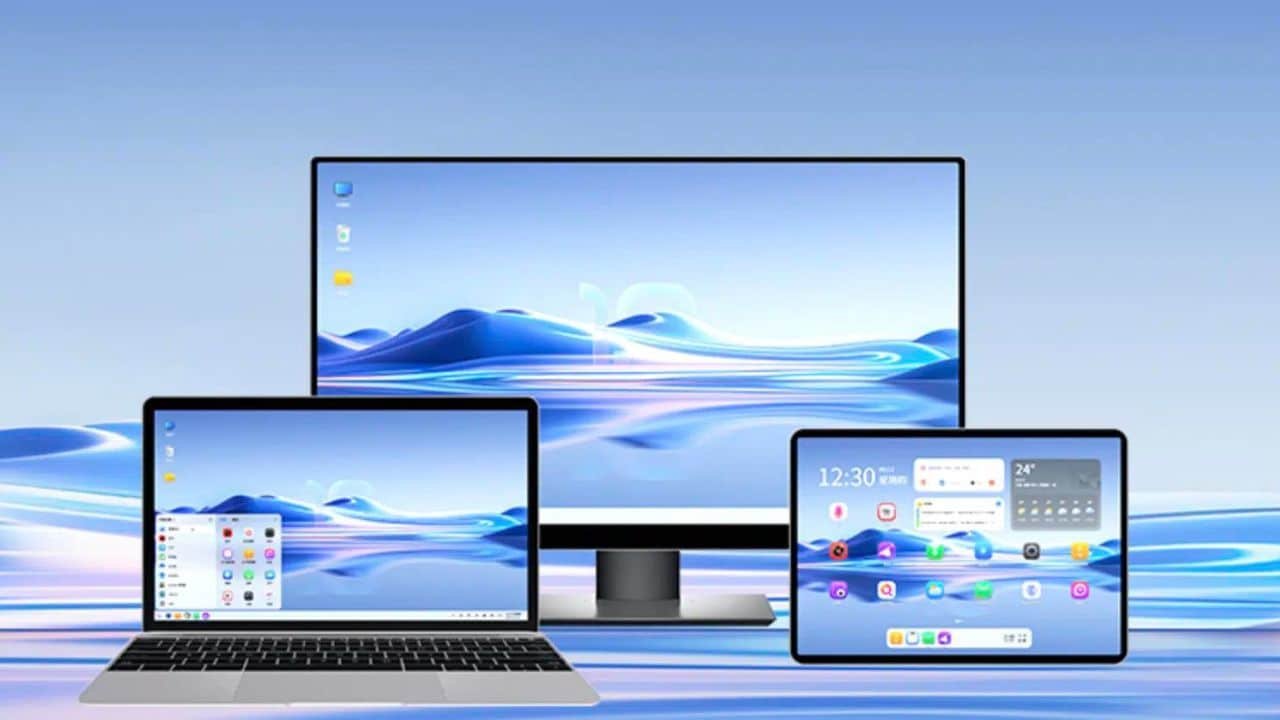
    China has unveiled its inaugural domestically produced open-source desktop operating system, known as OpenKylin. This move reflects the nation’s determination to reduce its reliance on technology from the United States.

    The release of China’s version took place on Wednesday and is rooted in the existing open-source Linux operating system. It was designed through the collaborative efforts of approximately 4,000 developers and has found applications in various sectors, including the country’s space programme, finance, and energy industries.

    State media referred to an industry report, stating that China’s expansive market for operating systems had a value of 15.5 billion yuan ($2.1 billion) in the previous year.

    Creating an operating system independent of US technology has emerged as a significant objective within China’s tech industry in recent years. Numerous companies and organisations have actively contributed to the development of the OpenKylin system.

    Notably, the China Industrial Control Systems Cyber Emergency Response Team, overseen by the Ministry of Industry and Information Technology, stands as a prominent supporter.

    Over a dozen Chinese companies are currently engaged in endeavors to produce operating systems capable of replacing Microsoft’s Windows and Apple’s macOS. One such company, UnionTech Software Technology Co Ltd, is actively working on what it terms the “Unity OS.”

  • Yamaha passes sales tax burden to customers: YBR 125G price increased to Rs353,000

    Yamaha passes sales tax burden to customers: YBR 125G price increased to Rs353,000

    Yamaha has recently announced its first price increase of 2023, affecting all of its motorcycles. The latest announcement marks the second increase in prices since December, with the highest increase being up to Rs3,500.

    Despite this, Yamaha has implemented the smallest price increases compared to its competitors and has only raised its bike prices once this year.

    In contrast, Yamaha increased its bike prices seven times last year. Due to the persistent economic issues in Pakistan, dealers and industry experts are anticipating further price hikes this year.

    According to recent data, a significant proportion of bike manufacturing has been localised in Pakistan. As such, there appears to be little justification for motorcycle manufacturers to frequently and substantially increase their prices.

    Variant Old Price (Rs) New Price (Rs) Increase (Rs)
    YB 125Z 305,500 308,500 3,000
    YB 125Z DX 327,000 330,500 3,500
    YBR 125 336,000 339,500 3,500
    YBR 125G 349,500 353,000 3,500
    YBR 125G (Matte Gray) 352,500 356,000 3,500
  • Pakistani students’ formula car gets second position in intl competition

    Pakistani students designed a Formula Electric car, which won the second position in a competition held in Russia’s capital city Moscow, ARY News reported.

    As per details, the team consisted of 35 engineering students from a private university. The Pakistani team was a runner-up in the competition in which 20 teams participated.

    Uzair Mudassir and Saad Ahmed, who were part of the team, said in ARY’s morning show ‘Bakhabar Savera’ that designing the car was a learning curve for them and they want to show a positive image of Pakistan to the world.

    They said that technology is evolving every day and it was important for them to represent Pakistan on a global scale.

    Uzair Mudassir mentioned that they wanted the world to know that Pakistan has many students who are skilled in the field and have a passion to move forward.